Deep in Tennessee’s mountains, scattered across Anderson, Grundy, Marion, and other counties, lie the remnants of coal towns that once fueled the entire South. These communities sprang up wherever black seams of coal were discovered, bringing thousands of miners, entire families, and company-built worlds into rugged hollows and steep ridges. At their peak, they powered railroads, iron foundries, and factories from Chattanooga to Nashville and beyond.
Today, most have faded into quiet crossroads or vanished altogether, their stories buried as deeply as the coal they once pulled from the earth.
1. Briceville
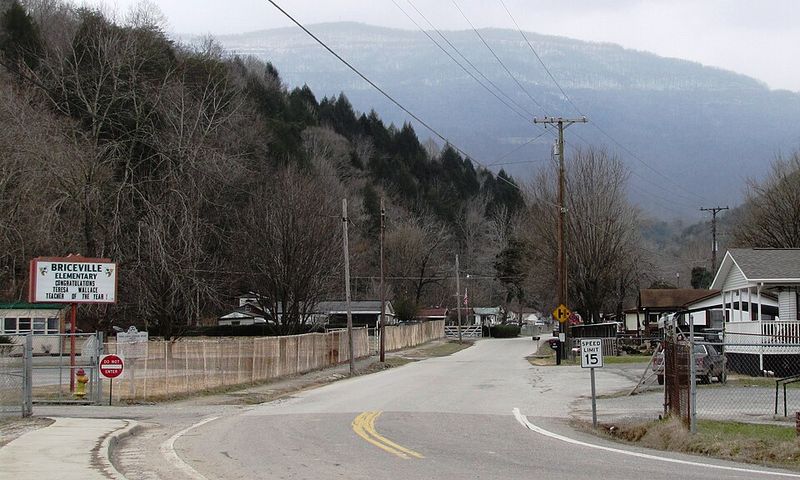
Briceville holds a special place in Southern labor history, though you might drive right through without realizing it. This Anderson County town became ground zero for the Coal Creek War in the 1890s, when armed miners rose up against the convict lease system that replaced free labor with prisoners. The battles that erupted here eventually forced Tennessee to end convict leasing altogether.
Coal ran thick beneath these hills, and companies wanted it cheap. So they leased convicts from the state, housed them in stockades, and put them to work underground while local miners lost their jobs. Briceville miners weren’t having it.
They stormed the stockades, freed the prisoners, and sent them packing on trains back to Knoxville.
What followed was a tense standoff involving state militia, more raids, and national attention. Eventually, the system crumbled, and Briceville miners won a victory that echoed across the South. The town kept mining for decades after, pulling coal that heated homes and powered industry throughout East Tennessee.
Today, Briceville is a small, quiet community. There are no grand monuments or museums marking what happened here, just a few old buildings and local memory. But if you know the story, you can still feel the weight of it.
This wasn’t just a coal town. It was a battlefield for workers’ rights, and it changed Tennessee forever.
2. Rocky Top
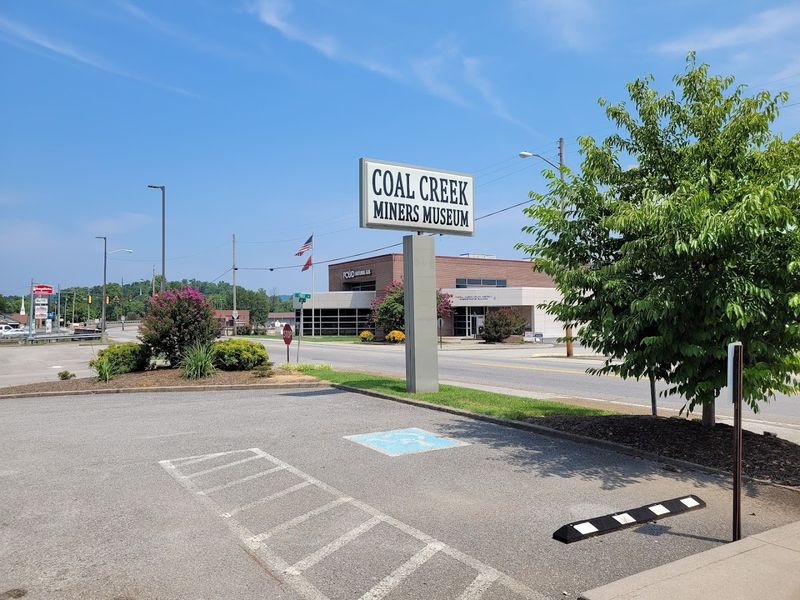
Before it became Rocky Top, this place was Coal Creek, and coal was everything. Mines honeycombed the ridges around Anderson County, and the town grew fast as companies dug deeper and shipped more. By the late 1800s, Coal Creek was one of the biggest mining centers in East Tennessee, employing hundreds of men who worked long shifts in dark, dangerous tunnels.
But Coal Creek wasn’t just about extraction. It became the heart of a labor uprising that shook the entire state. When convict laborers were brought in to replace free miners, Coal Creek became a flashpoint.
The resulting Coal Creek War put this town on the map for reasons far beyond its coal output.
After the battles died down and convict leasing ended, mining continued here for generations. Families built lives around the mines, schools sprouted up, and the town hummed with industrial energy. Then, in 2014, the town officially changed its name to Rocky Top, inspired by the famous bluegrass song that had become an unofficial anthem for Tennessee.
The name change was controversial. Some locals loved the fresh identity; others felt it erased a vital piece of history. Either way, the coal is mostly gone now, and so are the mines.
What remains is a small town with a big past, sitting quietly in the shadow of the Cumberlands, forever tied to the fuel that once powered the South.
3. Petros
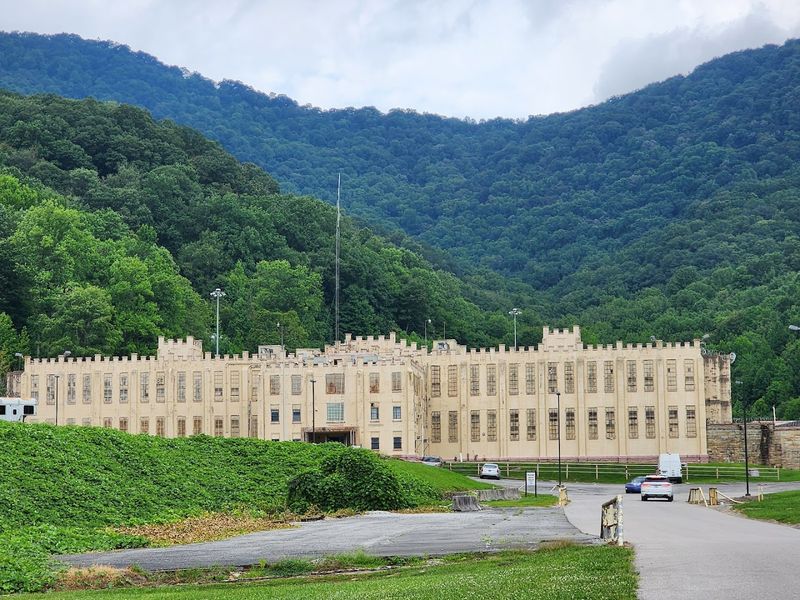
Most people know Petros because of Brushy Mountain State Penitentiary, the infamous maximum-security prison that once held James Earl Ray. But fewer realize that Brushy Mountain wasn’t just a prison. It was also a coal operation, and convicts weren’t just locked up—they were put to work mining coal and building the infrastructure that made it all possible.
Petros sits in Morgan County, tucked into a remote stretch of the Cumberland Plateau. Coal seams ran through the surrounding mountains, and the state saw an opportunity. Prisoners laid railroad spurs, dug mine shafts, and hauled coal under brutal conditions.
It was convict leasing by another name, just with a different legal framework.
The town itself grew around the prison and the mines. Company housing, small stores, and support services clustered nearby, creating a strange hybrid community—part penal colony, part coal camp. For decades, Petros existed in this dual identity, its economy tied to both incarceration and extraction.
Brushy Mountain closed as a prison in 2009, and today it operates as a distillery and tourist attraction. Visitors can tour the old cellblocks, hear stories about famous inmates, and sip whiskey where guards once walked. But the coal history often gets overshadowed.
Petros was more than a prison town. It was a place where the state profited twice—once from locking people up, and again from the coal they were forced to dig.
4. Whitwell
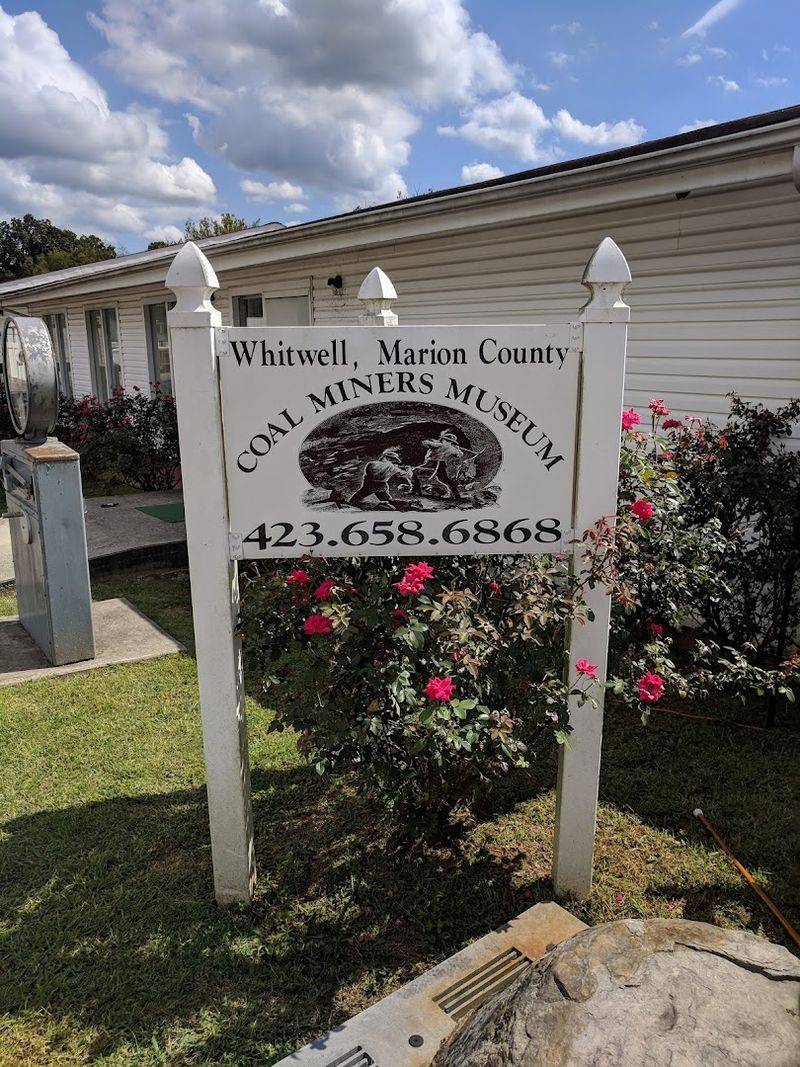
Whitwell started as a coal town and somehow managed to hold on long after the mines closed. Nestled in Marion County, it grew in the late 1800s when coal was discovered in the surrounding mountains. Companies moved in, shafts were sunk, and a town took shape almost overnight.
At its peak, Whitwell was bustling with miners, their families, and all the businesses that sprang up to serve them.
Coal from Whitwell fueled iron furnaces in Chattanooga and beyond. Trains loaded up and rolled out daily, carrying the black gold that powered Southern industry. The town had everything a coal camp needed: company stores, boarding houses, schools, and churches.
Life revolved around the mines, and when the whistle blew, everyone knew what it meant.
Unlike many coal towns that vanished when the seams ran dry, Whitwell adapted. It remains a small city today, with a population still hovering around a thousand. The coal identity lingers, preserved at the Whitwell/Marion County Coal Miners Museum, where old tools, photographs, and stories keep the memory alive.
Walking through Whitwell now, you wouldn’t immediately guess its industrial past. But talk to the locals, visit the museum, or look closely at the landscape, and the coal heritage reveals itself. This town didn’t just survive the end of mining—it honored it, making sure future generations remember the men who went underground and the fuel that once made this place matter.
5. Palmer
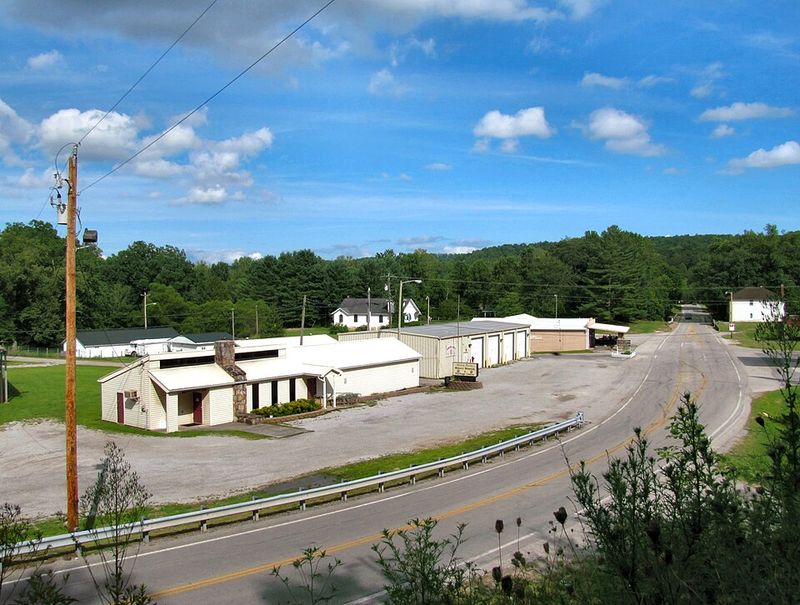
Palmer came to life in 1918 when the Tennessee Consolidated Coal Company opened mines in Grundy County. Before that, it was just mountain wilderness. After that, it was a full-blown coal operation, with hundreds of miners pulling thousands of tons of coal from the earth every week.
The company built everything: houses, stores, a school, even a post office. Palmer was a classic company town, owned and operated top to bottom.
Miners lived in company housing, bought groceries at the company store, and got paid in scrip that could only be spent in town. It was a closed loop, and the company controlled it all. But for many families, it was also a paycheck, a roof, and a community.
Kids played in the dirt roads between identical houses while their fathers worked deep underground, breathing coal dust and risking their lives daily.
The town thrived through the 1920s and into the Depression, when coal demand stayed strong even as other industries collapsed. But by mid-century, the seams were thinning, and cheaper coal from other regions started flooding the market. Palmer’s mines began closing, and families moved on.
The company pulled out, and the town withered.
Today, Palmer is barely a dot on the map. A few structures remain, but most of the town has been reclaimed by the forest. It’s a ghost now, a reminder of how quickly a place can rise and fall when its entire existence depends on what’s buried beneath it.
6. Coalmont
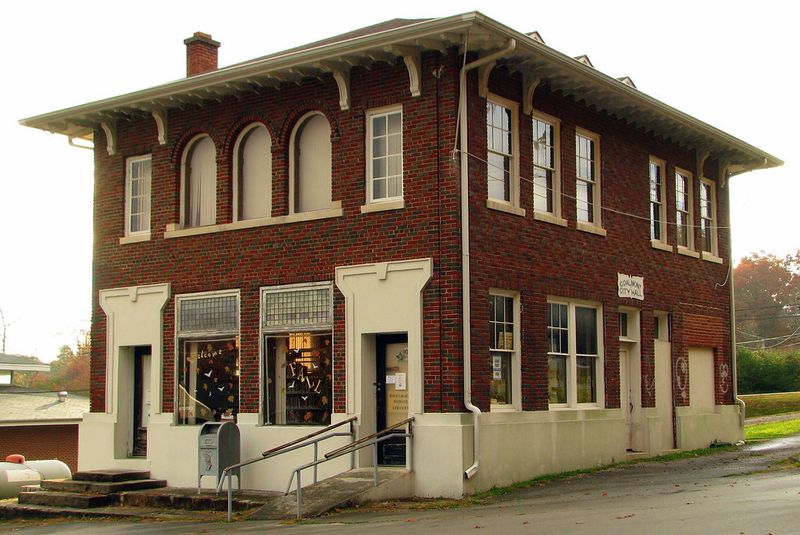
The name Coalmont is about as straightforward as it gets. This Grundy County town was built for one reason: coal. Established around 1904 by the Sewanee Coal, Coke and Land Company, Coalmont was a company town through and through.
The company owned the land, the mines, the houses, and the massive coke ovens that turned coal into the fuel needed for steel production.
Coke ovens dominated the landscape here. These beehive-shaped structures lined the hillsides, glowing orange at night as coal slowly burned into coke. The process was dirty, hot, and dangerous, but it was essential.
Coke burned hotter and cleaner than raw coal, making it perfect for iron and steel furnaces. Coalmont’s ovens supplied foundries across the South.
Life in Coalmont revolved around the company. Miners lived in rows of identical houses, shopped at the company store, and sent their kids to the company school. It was efficient, profitable, and completely controlled.
Workers had little freedom, but they had steady work, which counted for a lot in those days.
The mines eventually played out, and the ovens went cold. Coalmont survived, though, evolving into a small town that still carries its coal legacy. Some of the old coke ovens are still standing, crumbling reminders of an industrial past.
The town hosts a heritage festival each year, celebrating its history and the families who built their lives around coal and coke in the shadow of the Cumberland Plateau.
7. Tracy City
Tracy City gets more attention than some of the other towns on this list, but it’s still often overlooked in favor of Tennessee’s more tourist-friendly destinations. That’s a shame, because Tracy City’s coal and coke history is central to understanding how the South industrialized after the Civil War.
This Grundy County town became a powerhouse, producing coal and coke that fueled iron furnaces and factories across the region.
Coal was discovered here in the 1840s, but large-scale mining didn’t take off until after the war. By the 1870s, Tracy City was booming. The Tennessee Coal, Iron and Railroad Company built mines, coke ovens, and rail lines, transforming the area into an industrial hub.
At its peak, Tracy City had dozens of ovens and employed hundreds of workers.
The coke ovens here were massive, and their ruins still dot the landscape. These structures turned coal into coke through a slow, smoky process that filled the air with soot and heat. The work was brutal, but the product was essential.
Tracy City coke powered iron production in Chattanooga and Birmingham, helping build the New South’s industrial economy.
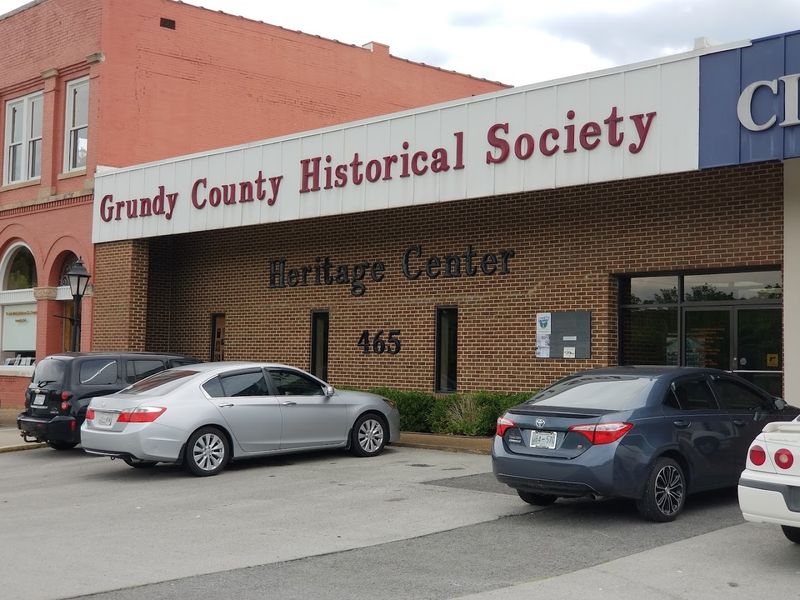
Today, Tracy City is a small town with a strong sense of its past. The Grundy County Heritage Center preserves local history, and visitors can still see remnants of the old coke ovens scattered around the area. It’s not a ghost town, but it’s quieter now, a place where history lives on in old structures and local memory.
8. Wilder
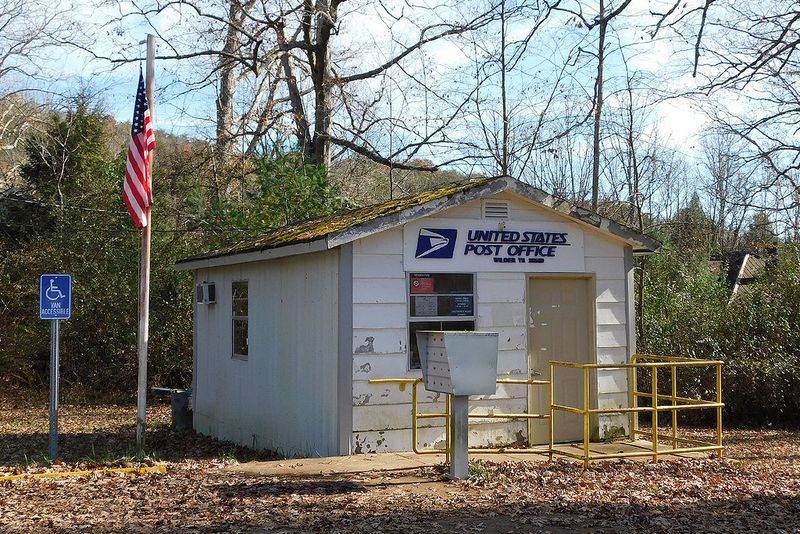
Wilder was built with a plan. The Fentress Coal and Coke Company designed it as a model company town in the early 1900s, complete with worker housing, schools, stores, and churches. At its height, the surrounding mining region was home to thousands of people, all tied to the coal economy.
Wilder was the center of it all, a planned community where everything revolved around coal extraction.
But Wilder is remembered less for its planning and more for its conflict. In 1932, the town became the site of one of the most bitter coal strikes in Tennessee history. Miners walked off the job demanding better wages and working conditions.
The company brought in armed guards and strikebreakers. Violence erupted. The Wilder-Davidson coal strike lasted months and left deep scars on the community.
The strike failed, and many miners lost their jobs. Families left, the mines eventually closed, and Wilder began its long decline. Unlike some coal towns that adapted or held on, Wilder just faded.
The population dwindled, buildings were abandoned, and the once-thriving town became a ghost.
Today, Wilder is nearly deserted. A few residents remain, but most of the town is empty. Old structures stand in various states of decay, slowly being reclaimed by the forest.
It’s a haunting place, a reminder of how quickly a community can collapse when the industry that built it disappears. Wilder’s story is one of ambition, conflict, and ultimate abandonment—a coal town that couldn’t survive the loss of coal.
9. Bon Air
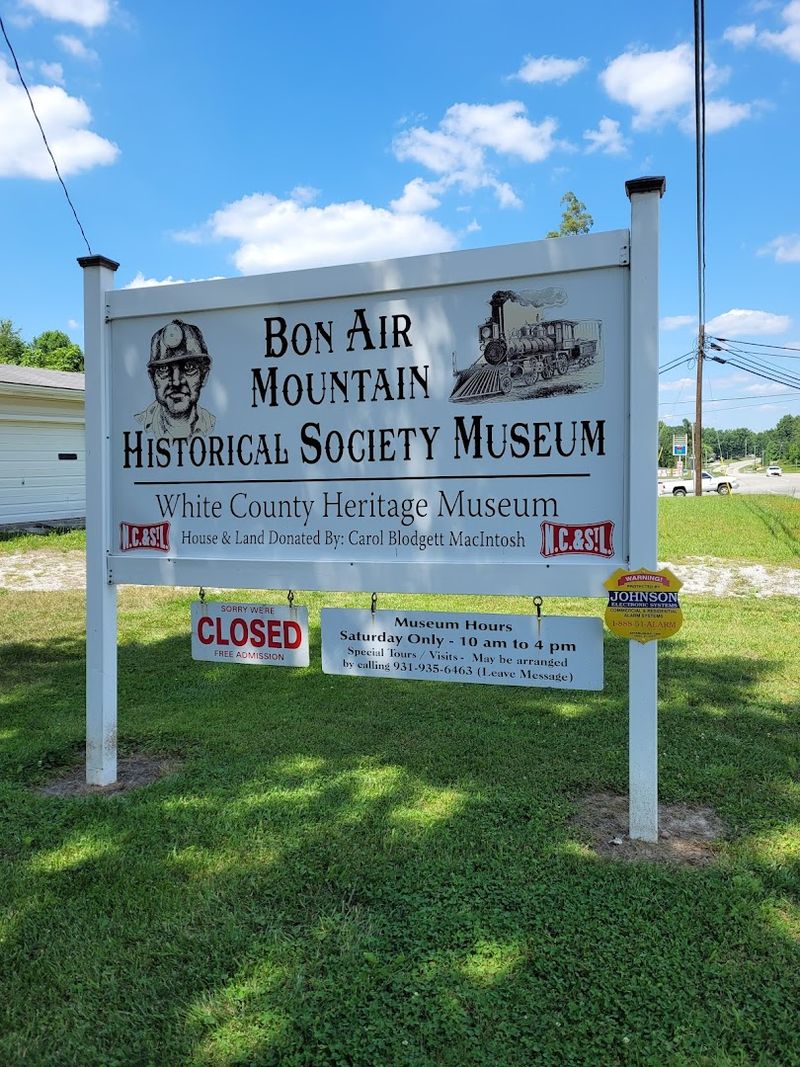
Bon Air wasn’t just one town—it was a network of coal camps scattered across Bon Air Mountain in White County. From the late 1800s into the 1930s, Bon Air, Ravenscroft, Eastland, and Clifty all operated as company towns, each tied to the coal seams running through the mountain. Together, they produced massive amounts of coal that was shipped by rail to Nashville and beyond, fueling homes, factories, and railroads across Middle Tennessee.
The companies that operated these camps controlled everything. They owned the land, the mines, the houses, and the stores. Miners worked long shifts underground, often in dangerous conditions, while their families lived in company housing and shopped at company stores.
It was a system designed for efficiency and profit, not worker comfort or freedom.
Life on Bon Air Mountain was isolated and hard. The camps were remote, perched high in the mountains with limited access to the outside world. Families made do with what they had, building tight-knit communities despite the harsh conditions.
Kids grew up knowing the sound of the mine whistle and the sight of their fathers coming home covered in coal dust.
When the coal ran out, the camps emptied. Bon Air and its sister towns faded into memory, leaving behind only scattered foundations, old photographs, and local stories. Today, the mountain is quiet, the mines are sealed, and the camps are gone.
But for decades, this place was a vital cog in Tennessee’s coal economy, powering a state that was rapidly modernizing.
10. Dunlap
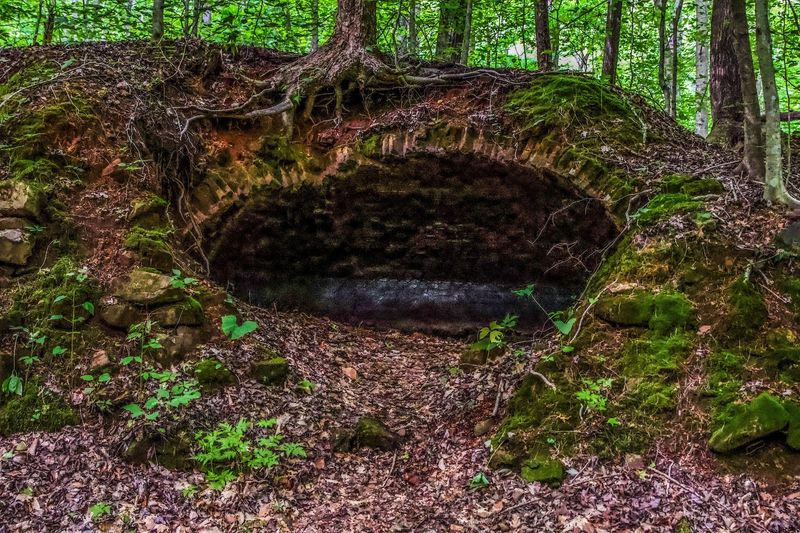
Dunlap sits in the Sequatchie Valley, a long, narrow valley carved between steep ridges in Southeast Tennessee. It’s a quiet town now, known more for its scenery than its industry. But in the late 1800s and early 1900s, Dunlap was a key player in the Southern coal and coke economy.
Coal mined on nearby Fredonia Mountain was hauled down to massive coke ovens built at the base of the mountain, where it was transformed into fuel for iron and steel production in Chattanooga.
The coke ovens at Dunlap were impressive. Rows of beehive-shaped structures glowed orange day and night as coal slowly burned into coke. The process was hot, dirty, and dangerous, but it was essential.
Coke was needed to smelt iron ore, and Chattanooga’s foundries depended on a steady supply. Dunlap provided it.
The town grew around the coal and coke operations. Workers lived nearby, supporting a small economy of stores, boarding houses, and services. Trains came and went, hauling coal in and coke out.
For a time, Dunlap was a vital link in the industrial chain that powered the New South.
When the coal played out and cheaper sources emerged elsewhere, Dunlap’s industrial era ended. The ovens went cold, the trains stopped coming, and the town shifted its identity. Today, you can still see remnants of the old coke ovens if you know where to look.
They’re quiet now, crumbling slowly into the landscape, silent witnesses to a time when this valley helped forge the South’s industrial future.
Share this story