Ohio is one of those states that surprises you in the best possible way. Tucked into the heart of the Midwest, it is packed with world-class museums, stunning natural landscapes, and deeply fascinating history, all without asking you to spend a single dollar.
Whether you are a family looking for a fun weekend trip, a history buff chasing stories from the past, or just someone who loves exploring new places, Ohio has something waiting for you. From the grand halls of nationally recognized art museums to quiet gardens sculpted by hand over decades, the Buckeye State delivers experiences that are genuinely unforgettable.
Many people overlook Ohio when planning a vacation, assuming the exciting stuff is always somewhere else. That could not be further from the truth.
Ohio is home to some of the most remarkable free attractions in the entire country, drawing millions of visitors every year who leave with full hearts and happy memories. The best part is that you do not need a big travel budget to enjoy any of it.
You just need a sense of curiosity and a willingness to explore. This list highlights ten incredible free attractions spread across Ohio that prove adventure, culture, and inspiration are available to everyone, no matter what is in your wallet.
Pack a snack, grab the family, and get ready to discover why Ohio is one of America’s most underrated travel destinations.
1. Ohio Statehouse

Standing at the center of Columbus, the Ohio Statehouse is one of the most architecturally stunning capitol buildings in the entire country. Built in the Greek Revival style, it took nearly two decades to complete, finally opening its doors in 1861.
The building’s massive sandstone columns and iconic drum dome make it instantly recognizable, and the history held inside its walls goes back over 160 years.
Visitors can take free guided tours of the building, which walk you through the ornate Senate and House chambers, the stunning rotunda, and the beautifully restored Lincoln Gallery. You will also find exhibits that explain Ohio’s role in shaping American history, from the Civil War era all the way through modern times.
The tour guides are knowledgeable and enthusiastic, making the experience engaging for both adults and kids.
One of the coolest details most visitors don’t notice right away is that the Statehouse dome has no lantern on top, making it one of the few capitol domes in the country with that distinctive flat-top design. The grounds surrounding the building are equally impressive, featuring monuments honoring Ohio’s veterans and several of the state’s presidents.
Ohio has produced more U.S. presidents than almost any other state, and walking these grounds gives you a real sense of that legacy.
The Statehouse is located right in the heart of downtown Columbus, making it easy to combine with other nearby attractions. Parking options are plentiful, and public transit stops close by.
Whether you are a history enthusiast or just someone who appreciates incredible architecture, this is a stop you will not regret making on your Ohio adventure.
2. Hartman Rock Garden

Some places stop you in your tracks the moment you lay eyes on them, and the Hartman Rock Garden in Springfield is absolutely one of those places. Created by a single man named Ben Hartman starting in the 1930s, this extraordinary backyard folk art environment is made entirely from concrete, glass, stones, and everyday objects Hartman collected over the years.
What started as a hobby project grew into a sprawling, dreamlike world that covers a large portion of his property.
Ben Hartman worked as a plumber by trade and had no formal art training whatsoever. Yet he created hundreds of miniature buildings, religious scenes, patriotic monuments, and quirky sculptures entirely by hand.
The attention to detail is jaw-dropping. You will find tiny replicas of famous American landmarks, scenes from the Bible, and imaginative creations that exist nowhere else on earth.
Hartman spent over two decades adding to the garden, and it shows in the sheer density of what is on display.
The garden is managed today by the Springfield Museum of Art, which maintains it as a free public attraction. Visiting feels a little like stepping into someone’s deeply personal dream.
It is colorful, layered, and completely unlike anything you have seen before. Kids are especially fascinated by the miniature scale of everything, while adults tend to be moved by the dedication and creativity it took to build something this extraordinary.
If you enjoy folk art, outsider art, or just genuinely unique experiences, this garden belongs at the top of your Ohio list. It is a reminder that creativity does not require a big budget or formal training.
Sometimes all it takes is passion, patience, and a whole lot of concrete. Admission is completely free, and the garden is open seasonally.
3. Orton Geological Museum
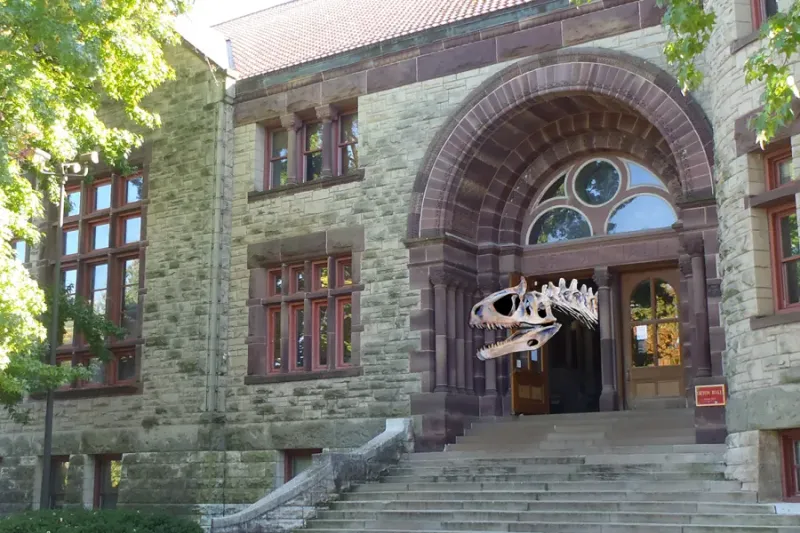
Tucked inside one of the oldest buildings on the Ohio State University campus in Columbus, the Orton Geological Museum is a genuine hidden gem that most people outside of academic circles have never heard of. Named after Edward Orton Sr., Ohio’s first state geologist and the university’s first president, the museum opened in 1893 and still operates in its original Victorian Gothic building.
Walking through its doors feels like stepping back in time in the very best way.
The collection is absolutely remarkable. Over 54,000 geological specimens fill the museum’s cases, including fossils, minerals, meteorites, and rock samples from around the world.
One of the most popular displays features a giant mastodon skull found right here in Ohio, which immediately captures the imagination. The mineral collection is equally stunning, with crystals and gemstones that glow in unexpected colors under special lighting.
What makes this museum especially appealing is how approachable it is. The displays are labeled in clear, easy-to-understand language, making it a fantastic destination for school-age kids who are curious about Earth science.
The building itself is worth the visit, with its tall wooden cases, spiral staircases, and antique display drawers that look like something from an explorer’s private collection.
Admission is always free, and the museum is open to the public during regular university hours. It is a short walk from other campus attractions, so you can easily build a full afternoon around an OSU campus visit.
Whether you have a budding geologist in your family or you simply appreciate natural wonders, the Orton Geological Museum delivers an experience that is both educational and genuinely awe-inspiring. It is one of Ohio’s best-kept secrets, and it deserves far more attention than it gets.
4. National Museum of the U.S. Air Force

Located at Wright-Patterson Air Force Base near Dayton, the National Museum of the U.S. Air Force is the world’s largest military aviation museum, and it does not charge a single cent for admission.
That fact alone is almost hard to believe when you walk inside and realize the sheer scale of what is on display. The museum covers over 350,000 square feet and houses more than 360 aircraft and missiles from across the entire history of military aviation.
Dayton is no random location for this museum. The Wright Brothers, who invented powered flight, were from Dayton, making the city the spiritual birthplace of aviation itself.
That legacy runs through every corner of this museum, from the early experimental aircraft of the early 1900s all the way through modern stealth jets and space-age vehicles. You can stand within arm’s reach of planes that changed the course of history, including a B-17 Flying Fortress, a Cold War-era B-52 Stratofortress, and even Air Force One aircraft that once carried American presidents.
The museum is organized into themed galleries that walk you through different eras of flight, making it easy to explore at your own pace. Interactive displays and detailed exhibit panels keep things engaging for visitors of all ages.
Kids love the sheer size of the aircraft, while aviation enthusiasts can spend hours examining the technical details of each exhibit.
Plan to spend at least half a day here, because trying to rush through it would mean missing too much. Free parking is available, and the museum has a cafe on site for when you need a break.
Few museums anywhere in the country, free or otherwise, can match the National Museum of the U.S. Air Force for pure spectacle and historical depth.
5. Hopewell Culture National Historical Park
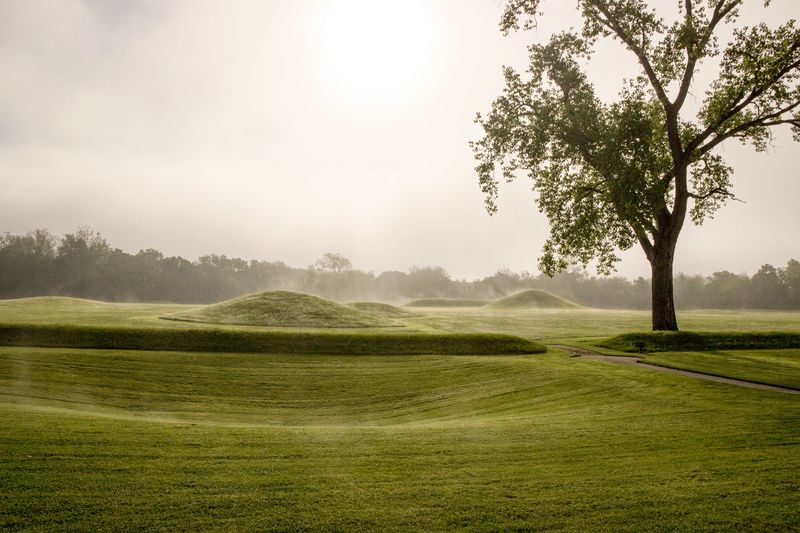
Long before European settlers arrived in North America, a sophisticated and deeply spiritual civilization thrived in what is now southern Ohio. The Hopewell people built massive geometric earthworks across the landscape between roughly 100 BC and 500 AD, and some of the most impressive examples of their work are preserved today at Hopewell Culture National Historical Park near Chillicothe.
Entry to this remarkable site is completely free.
The earthworks here are genuinely mind-blowing when you consider they were built entirely by hand, without the help of modern machinery. Some of the walls stretch for miles and rise several feet into the air, forming precise geometric shapes that align with celestial events like solstices and equinoxes.
Archaeologists believe these sites were used for ceremonial purposes, trade gatherings, and spiritual rituals. The Hopewell people were also master craftspeople, creating intricate objects from copper, mica, obsidian, and other materials sourced from across the continent.
The park’s visitor center does a wonderful job of telling the story of the Hopewell culture through exhibits, artifacts, and multimedia presentations. Rangers are on hand to answer questions and provide context that makes the earthworks even more meaningful to walk through.
Several easy trails wind around the mounds, giving you a chance to experience the scale of the landscape up close.
In 2023, the Hopewell Ceremonial Earthworks were inscribed as a UNESCO World Heritage Site, joining some of the most significant cultural landscapes on the entire planet. That distinction puts these Ohio earthworks in the same category as Stonehenge and Machu Picchu.
Visiting a UNESCO World Heritage Site for free, in your own backyard, is something truly special. This is Ohio history at its most ancient and most profound.
6. Cincinnati Art Museum

Not every world-class art museum charges admission, and the Cincinnati Art Museum is living proof of that. Sitting in the beautiful Eden Park neighborhood overlooking the Ohio River, this museum has been welcoming visitors since 1886, making it one of the oldest art museums in the Midwest.
General admission has been permanently free since 2003, a decision that opened its doors to the entire community in a meaningful way.
The collection spans an impressive 6,000 years of art history and includes more than 67,000 works from cultures around the globe. You can wander from ancient Egyptian artifacts to European Old Masters to contemporary American paintings all in a single afternoon.
The museum’s collection of African art, decorative arts, and fashion history is particularly noteworthy, offering perspectives you might not expect from a Midwestern institution.
The building itself is a work of art. The neoclassical architecture, grand staircases, and beautifully lit galleries create an atmosphere that feels both inspiring and welcoming.
The museum regularly hosts special exhibitions, family programs, and evening events, many of which are also free or low-cost. Art Climb, the museum’s outdoor amphitheater, hosts free concerts during the warmer months, turning the whole area into a lively cultural hub.
Eden Park is a gorgeous setting for a full day out. After exploring the museum’s galleries, you can stroll through the park’s walking paths, visit the Mirror Lake, or take in the views of the river below.
The Cincinnati Art Museum manages to feel both grand and approachable at the same time, which is a rare combination. For art lovers, history fans, or anyone who simply wants a beautiful and enriching afternoon, this museum is an absolute must-visit on any Ohio trip.
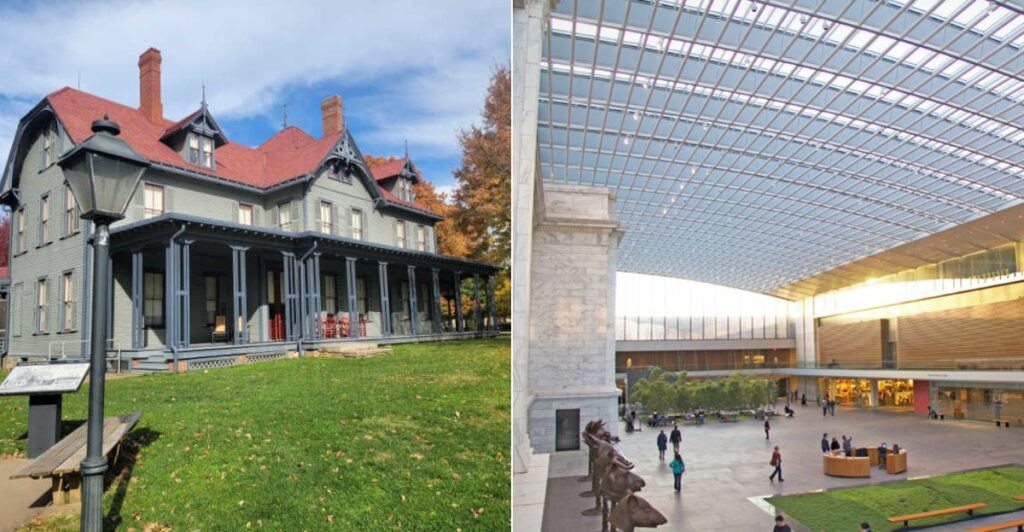
7. James A. Garfield National Historic Site
Most people can name a handful of U.S. presidents off the top of their heads, but James A. Garfield is one who often gets overlooked despite having a genuinely fascinating story.
The 20th president of the United States, Garfield was a self-made man who rose from poverty on the Ohio frontier to become a college president, Civil War general, congressman, and ultimately president. His life story is one of the most remarkable in American political history, and you can explore it for free at the James A.
Garfield National Historic Site in Mentor, Ohio.
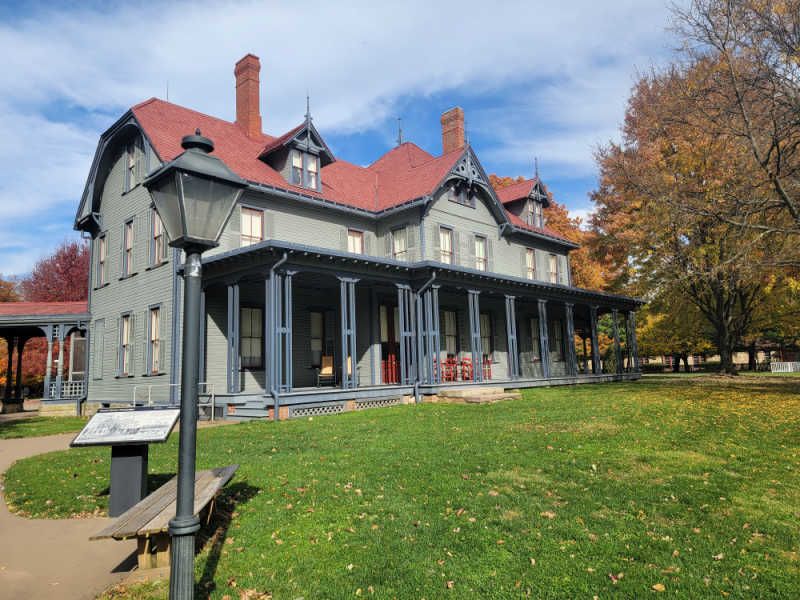
Known as Lawnfield, the Garfield family home is a beautiful Victorian-era estate that served as the site of the very first modern presidential campaign. Rather than traveling the country to campaign, Garfield greeted thousands of supporters who came directly to his front porch in Mentor, a strategy that became known as the “front porch campaign.” That single innovation changed how American political campaigns were run for years afterward.
The National Park Service manages the site and offers free guided tours of the home, which has been carefully preserved and restored to reflect the Garfield family’s life in the late 1800s. The house contains original furnishings, family photographs, and personal artifacts that bring the story to life in an intimate and moving way.
The memorial library attached to the home is particularly special, housing Garfield’s books and personal papers.
Garfield’s presidency was tragically cut short when he was assassinated just months after taking office in 1881. His story raises powerful questions about potential, leadership, and loss that still resonate today.
Visiting Lawnfield is a quiet, reflective experience that leaves you with a deeper appreciation for a president who deserved more time. It is a compelling stop for history lovers of all ages.
8. Cleveland Museum of Art

There is a reason the Cleveland Museum of Art consistently ranks among the top art museums in the entire United States, and the fact that general admission is completely free makes it almost too good to be true. Founded in 1916 with a founding charter that explicitly committed to free access for all, the museum has stayed true to that promise for over a century.
Today it houses a collection of more than 61,000 works spanning 6,000 years of human creativity.
Walking through the museum’s galleries feels like a tour of the entire history of human expression. The collection includes ancient Greek and Roman sculptures, medieval armor and weaponry, stunning Japanese screens, Impressionist paintings, and cutting-edge contemporary art, all under one roof.
The armor collection alone is worth the trip, featuring one of the finest displays of medieval and Renaissance arms in the Western Hemisphere.
The building is a stunning blend of original Beaux-Arts architecture and a breathtaking modern glass atrium added during a major renovation completed in 2013. The atrium serves as the museum’s social hub, hosting events, performances, and community gatherings throughout the year.
The museum’s ArtLens app allows visitors to create personalized tours using their smartphones, making exploration even more engaging and interactive.
Cleveland’s University Circle neighborhood, where the museum is located, is one of the most culturally rich districts in Ohio. Nearby institutions like the Cleveland Orchestra, the Natural History Museum, and the Botanical Garden mean you can easily fill an entire weekend without ever needing to reach for your wallet.
The Cleveland Museum of Art represents everything that public culture should be: open, inspiring, and absolutely free to all. Plan extra time, because leaving in under three hours is nearly impossible.
9. Ohio Craft Museum
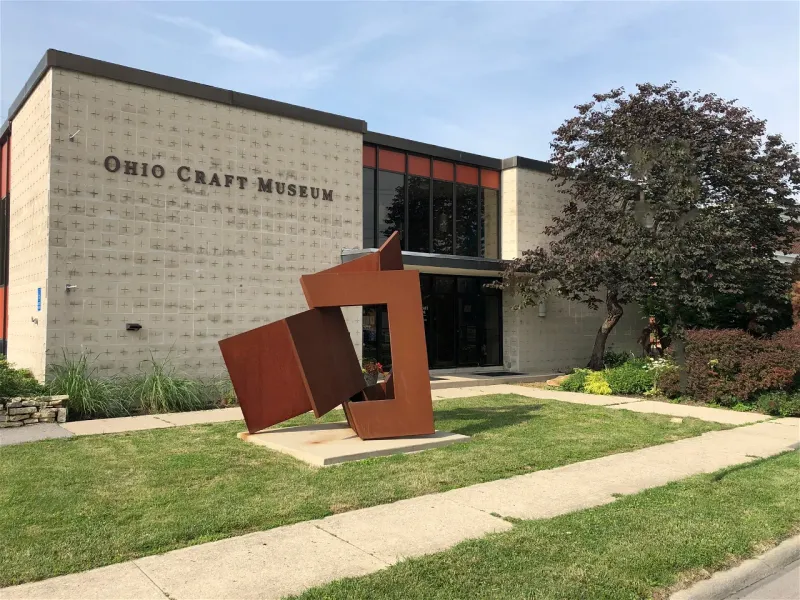
Craft is one of the oldest forms of human creativity, and the Ohio Craft Museum in Columbus celebrates it with a level of seriousness and warmth that is genuinely refreshing. Housed in a charming historic building in the Harrison West neighborhood, the museum is dedicated to showcasing the work of Ohio’s finest craft artists across disciplines like ceramics, fiber, glass, wood, metal, and jewelry.
Admission is always free, and the rotating exhibitions mean there is always something new to discover on each visit.
What sets this museum apart is its commitment to living, working artists. Rather than focusing exclusively on historical pieces, the Ohio Craft Museum actively spotlights contemporary Ohio craftspeople, many of whom are available to meet during special events and artist talks.
That connection between visitor and maker gives the experience a personal quality that larger institutions sometimes lack. You are not just looking at objects behind glass – you are engaging with the creative lives of real people in your community.
The galleries are intimate and thoughtfully curated, making each visit feel like a carefully edited experience rather than an overwhelming one. Even visitors who do not think of themselves as art enthusiasts often find themselves lingering longer than expected, drawn in by the textures, colors, and stories behind each piece.
The museum also runs educational programs and workshops throughout the year for those who want to try their hand at craft themselves.
Located in a walkable neighborhood with nearby coffee shops and parks, a visit to the Ohio Craft Museum fits easily into a broader Columbus day trip. It is the kind of place that changes how you look at everyday objects, making you appreciate the skill and vision that goes into creating things by hand.
Small in size but enormous in spirit, this museum is a Columbus treasure worth seeking out.
10. William Howard Taft National Historic Site
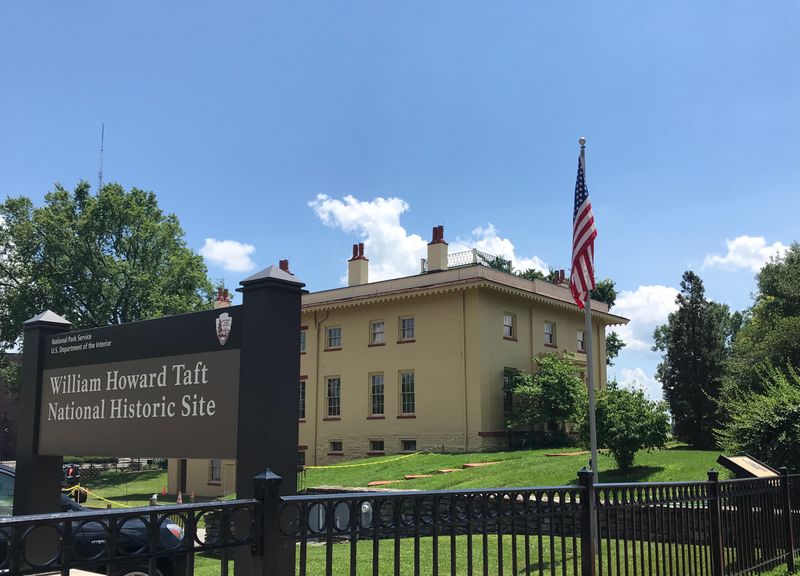
William Howard Taft holds a distinction no other American has ever matched: he is the only person in U.S. history to serve as both President of the United States and Chief Justice of the Supreme Court. That alone makes his story worth knowing, and his beautifully restored Cincinnati birthplace offers a remarkable window into the life of this extraordinary man.
Managed by the National Park Service, the William Howard Taft National Historic Site is completely free to visit.
The house itself is a handsome Italianate-style home in the Mount Auburn neighborhood of Cincinnati, where Taft was born in 1857. The National Park Service has done a superb job of restoring the home to reflect different periods of the Taft family’s life, with each floor representing a different chapter of their story.
Period-appropriate furnishings, family portraits, and personal objects fill the rooms, creating an immersive experience that feels both educational and genuinely moving.
Rangers lead informative tours that cover not just Taft’s political career but also his family life, his upbringing in Cincinnati, and the social context of the era he lived in. Taft is often remembered as the heaviest U.S. president in history, a detail that tends to overshadow his considerable intellectual and judicial accomplishments.
The site works hard to present a fuller, more nuanced portrait of a man who shaped American law and policy in lasting ways.
The Mount Auburn neighborhood is one of Cincinnati’s most historic, and the site is surrounded by other points of interest worth exploring on foot. Visiting the Taft birthplace is a thought-provoking experience that prompts you to consider what it means to hold power, serve the public, and leave a lasting legacy.
For anyone curious about American history, this free Cincinnati gem absolutely deserves a spot on your travel itinerary.