Texas holds plenty of secrets beyond the usual tourist stops. Tucked into corners of the state you might never think to explore are places that feel like they belong to another era, another world, or just to the locals who’ve kept them quiet for years. From ancient rock art hidden in remote canyons to charming small towns frozen in time, these spots offer something rare: the chance to discover Texas before the crowds show up and the Instagram filters take over.
1. Seminole Canyon State Park & Historic Site (Comstock)
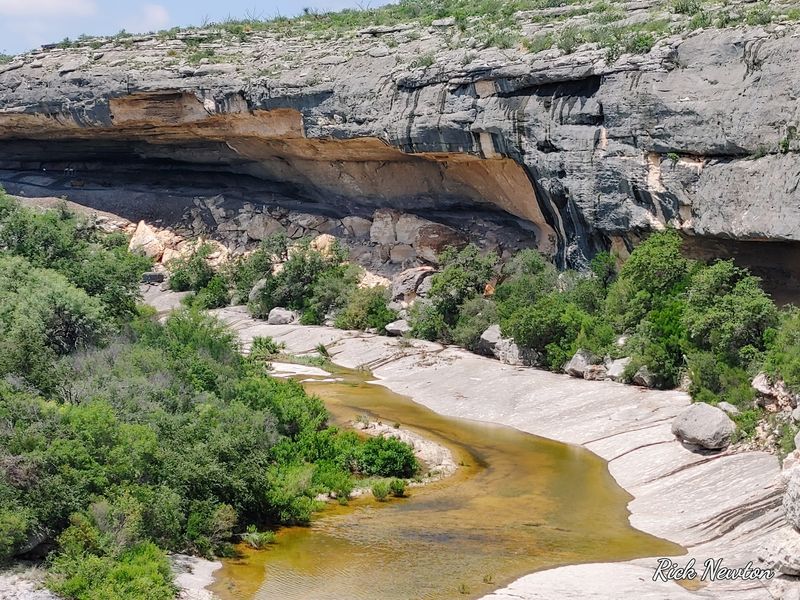
Out near the edge of West Texas, where the land turns rugged and the sky stretches impossibly wide, ancient stories wait on canyon walls. Seminole Canyon sits along the Rio Grande, and its rock shelters hold pictographs painted by Native peoples thousands of years ago. The colors still glow in reds, blacks, and yellows, depicting shamans, animals, and symbols whose meanings we can only guess at.
Guided tours take you down into Fate Bell Shelter, where some of the oldest and most intricate rock art in North America covers the walls. Rangers share what archaeologists have learned, but plenty of mystery remains. The hike itself is steep and rocky, so wear sturdy shoes and bring water.
Summer heat can be brutal, making spring and fall the smarter seasons to visit.
Beyond the famous pictographs, the park offers hiking trails that wind through desert scrub and overlook dramatic canyon views. You might spot roadrunners, jackrabbits, or even a javelina if you’re lucky. Camping is available, and the night skies here are phenomenal, with zero light pollution to dull the stars.
Few people make the trek out to this remote corner of Texas, which means you’ll often have the trails and viewpoints nearly to yourself. It’s a place that rewards those willing to drive the extra miles and embrace the isolation. The sense of stepping back in time is real here, and the connection to the people who once called these canyons home feels almost tangible when you stand before their artwork.
Bring your curiosity and a sense of adventure. This isn’t a quick roadside attraction. It’s a journey into deep time and wide-open spaces that most Texans haven’t even heard of yet.
2. Palacios (Matagorda County)
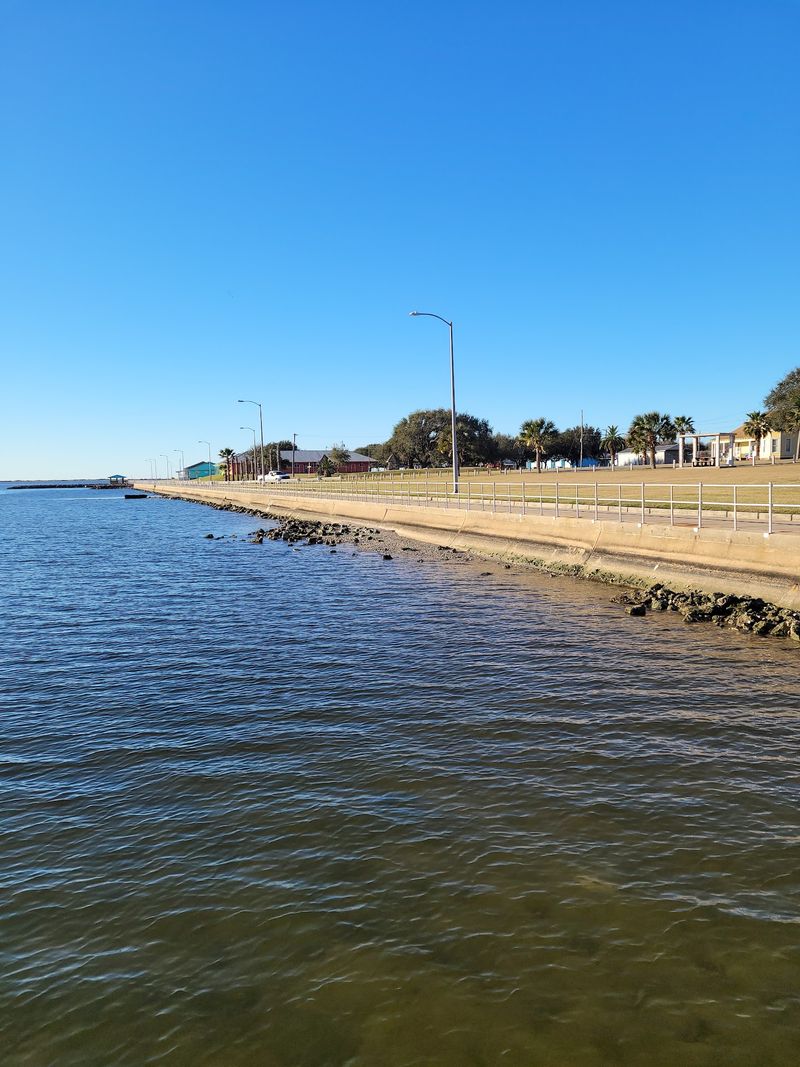
Palacios sits quietly on Matagorda Bay, a fishing village that time hasn’t rushed to modernize. The main drag still has mom-and-pop shops, a few seafood joints where locals gather, and a waterfront that feels more working harbor than tourist destination. Shrimp boats come and go, gulls circle overhead, and the pace of life slows to match the tides.
The town calls itself the “City by the Sea,” though it’s technically on a bay. Either way, the water defines everything here. You can fish from the pier, kayak through calm waters, or just watch the sun set over the marshes.
Birders love this area because it sits along the Great Texas Coastal Birding Trail, with herons, pelicans, and roseate spoonbills making regular appearances.
Downtown Palacios has a few surprises, including antique stores and a historical museum that tells the story of Czech and German immigrants who settled here in the late 1800s. The architecture reflects that heritage, with old churches and homes that look like they were transplanted from Central Europe. Stop by one of the local bakeries for kolaches if you want a taste of that history.
Fishing is the main draw for most visitors, whether you’re after redfish, flounder, or speckled trout. Charter boats are available, or you can cast from the shore and have just as much luck. The beaches here aren’t resort-style perfect, but they’re empty and peaceful, with shells and driftwood scattered along the sand.
Accommodations are simple, mostly small motels and vacation rentals. This isn’t a place with fancy resorts or chain restaurants. It’s a place where you slow down, eat fresh seafood, and remember what coastal Texas used to feel like before development took over.
3. Wild Basin Wilderness Preserve (Austin)
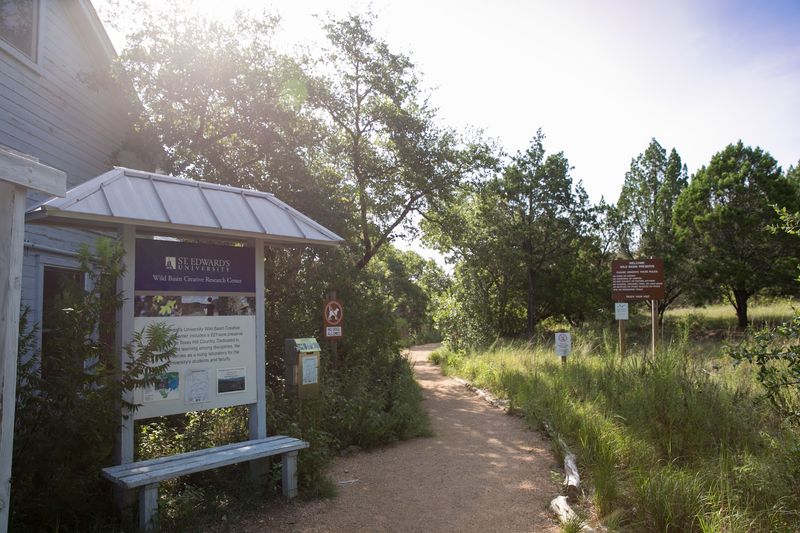
Austin keeps growing, but Wild Basin Wilderness Preserve remains a pocket of untouched Hill Country just minutes from downtown. This 227-acre sanctuary protects endangered species, rare plants, and a landscape that looks like it did centuries ago. Trails wind through juniper and oak forests, past limestone outcrops, and down to creeks that run clear and cold.
The preserve is home to two endangered songbirds, the golden-cheeked warbler and the black-capped vireo, which nest here in spring. Wildflowers bloom from March through May, painting the hillsides in purples, yellows, and reds. Even in summer, when the rest of Austin bakes under the sun, the shaded trails here stay relatively cool.
Several loops offer different difficulty levels, from easy strolls to more challenging climbs. The Waterfall Trail is a favorite, leading to a small cascade that flows after rains. Bring binoculars if you’re into birds, and keep your eyes open for deer, armadillos, and the occasional fox.
The preserve is serious about conservation, so dogs aren’t allowed, and staying on marked trails is required.
What makes Wild Basin special is how wild it feels despite being surrounded by suburbs. You can hear the city in the distance, but inside the preserve, it’s just birdsong, rustling leaves, and the sound of water over rocks. It’s a reminder of what Austin used to be before the tech boom and endless construction.
The preserve offers guided hikes and educational programs, especially for kids. There’s a small visitor center with displays about local ecology and conservation efforts. Admission is free, though donations are encouraged.
It’s the kind of place that makes you grateful someone had the foresight to protect it before developers got their hands on it.
4. Jefferson
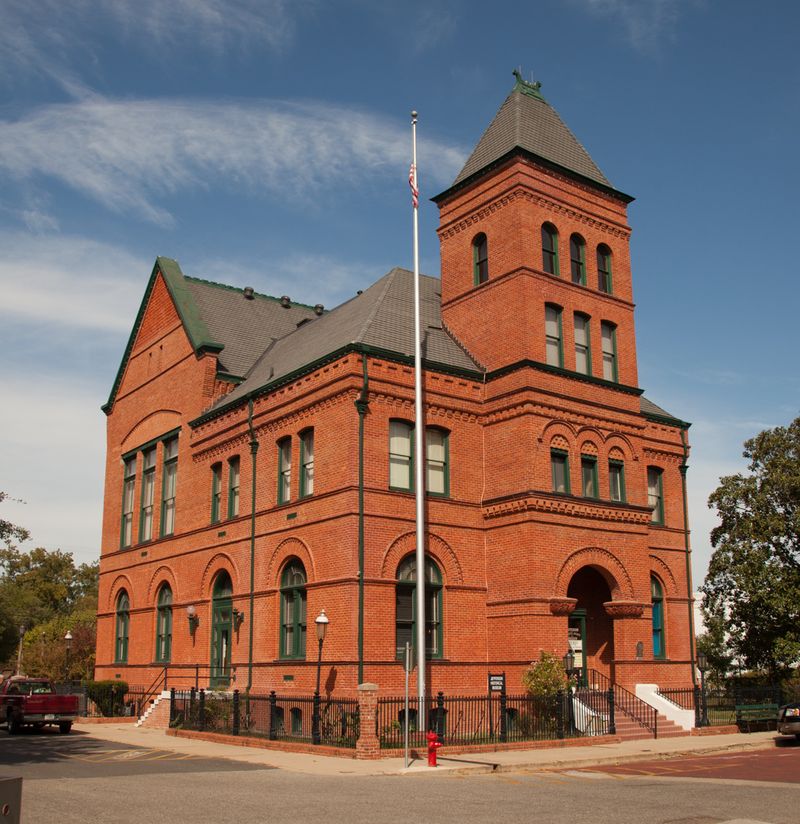
Jefferson feels like it was pulled straight out of the 1800s and left to age gracefully in the piney woods of East Texas. This little town was once a bustling riverport, second only to Galveston in importance, until the railroads changed everything and left Jefferson behind. That abandonment turned out to be a blessing, because the town never tore down its historic buildings to make way for parking lots and strip malls.
Today, Jefferson is a living museum of Victorian architecture, with over 100 historical landmarks still standing. Bed-and-breakfasts occupy old mansions, antique shops fill former mercantile buildings, and horse-drawn carriages clip-clop down brick streets. It’s touristy, sure, but in a charming, low-key way that doesn’t feel manufactured.
Ghost tours are big here, with several haunted hotels and homes offering overnight stays for the brave. Whether you believe in spirits or not, the stories are entertaining, and the old buildings do have an eerie quality after dark. By day, you can tour historic homes, browse antiques, or take a riverboat cruise on Caddo Lake, just outside town.
The town hosts festivals throughout the year, including a popular Christmas candlelight tour when the historic district glows with lights and decorations. Spring brings the Pilgrimage Tour of Homes, where private residences open their doors to visitors. Even without a festival, Jefferson is worth a weekend visit just to wander and soak in the atmosphere.
Restaurants serve Southern comfort food, with catfish, fried chicken, and pecan pie on most menus. The pace is slow, the people are friendly, and the whole town feels like a secret handshake among history buffs and antique lovers. It’s the kind of place where you forget what year it is, and that’s exactly the point.
5. Fort Davis National Historic Site (Fort Davis)
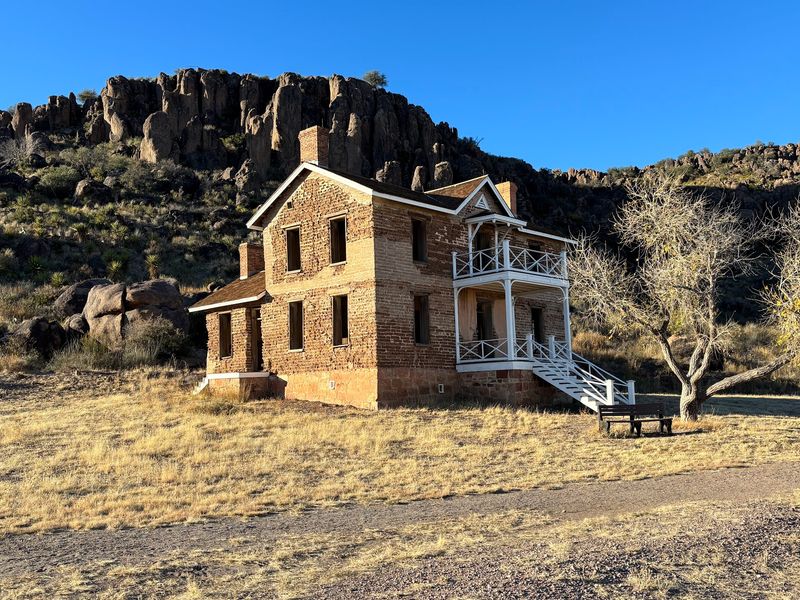
High in the Davis Mountains, where the air is thin and the views go on forever, Fort Davis stands as a reminder of frontier military life. This was one of the most important outposts in West Texas during the mid-1800s, protecting mail routes and travelers from raids. Buffalo Soldiers, African American troops who served with distinction, were stationed here, and their story is woven into every corner of the site.
The fort is remarkably well-preserved, with many original buildings still standing and others restored to their 1880s appearance. You can walk through officers’ quarters, barracks, and the hospital, imagining what life was like for soldiers posted to this remote corner of Texas. Exhibits tell the stories of both the military personnel and the Apache people they were sent to control, offering a more nuanced view of history than you might expect.
Rangers in period uniforms sometimes give demonstrations, and recorded voices play in some buildings, recreating conversations and daily routines. It’s surprisingly effective at bringing the past to life. The fort sits in a beautiful mountain valley, with hiking trails leading up to overlooks that soldiers once used as lookout points.
The nearby town of Fort Davis is worth exploring too, with a charming downtown, good restaurants, and the McDonald Observatory just up the road. The observatory offers stargazing programs that take advantage of some of the darkest skies in the continental United States. Combining a fort visit with a night of astronomy makes for a perfect weekend.
Summer days can be warm, but the elevation keeps temperatures cooler than the rest of West Texas. Spring and fall are ideal, with wildflowers blooming in the surrounding hills. The fort isn’t crowded, even on weekends, and you can often explore the buildings with only a handful of other visitors around.
6. San Saba
San Saba calls itself the Pecan Capital of the World, and once you see the endless orchards surrounding this little Hill Country town, you’ll understand why. Pecans are everywhere here, from the trees lining the river to the pies cooling in bakery windows. But beyond the nuts, San Saba offers a glimpse into small-town Texas that hasn’t been polished up for tourists or turned into a wine-tasting destination.
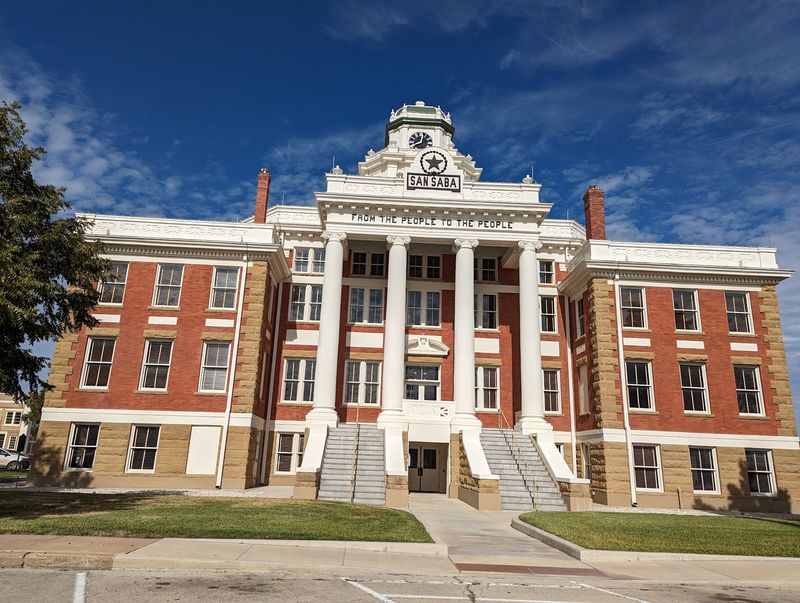
The courthouse square is classic Texas, with a grand old building at the center and local businesses ringing the block. There’s a feed store, a hardware shop, and a couple of diners where the coffee’s always hot and the regulars know each other by name. This is a working town, not a tourist attraction, which is exactly what makes it interesting.
The San Saba River winds through town, offering fishing, kayaking, and swimming holes where locals cool off in summer. Wedding Oak, a massive tree estimated to be over 500 years old, sits on private property but can be viewed from the road. Legend says couples who marry beneath it will have a long and happy life together.
If you’re here in fall, the pecan harvest is in full swing, and several orchards sell fresh nuts and pecan products. You can also find pecan pies, pralines, and other treats in local shops year-round. The town hosts a Pecan Harvest Festival in November, with arts, crafts, and plenty of pecan-themed foods.
San Saba is also linked to the legend of the Lost San Saba Mine, supposedly a rich silver deposit hidden somewhere in the surrounding hills. Treasure hunters have searched for it for centuries without success, but the story adds a layer of mystery to the area. Whether you’re chasing legends or just enjoying small-town charm, San Saba rewards those who take the time to stop.
7. Hueco Tanks State Park & Historic Site (El Paso)
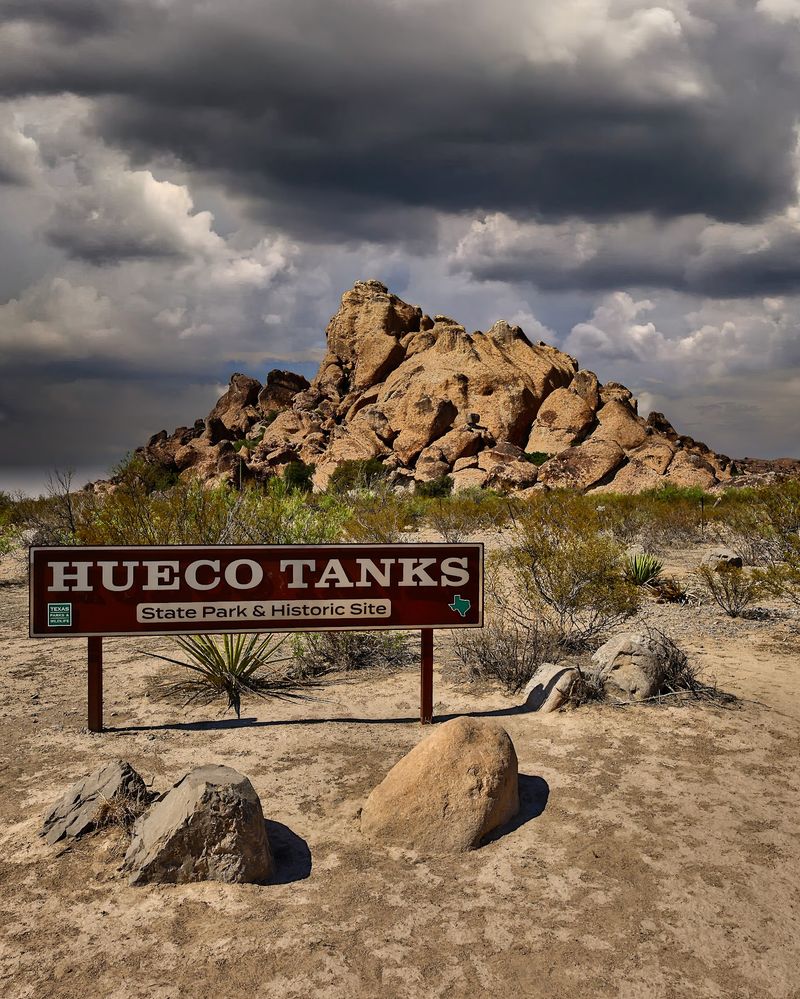
Just outside El Paso, a landscape of massive granite boulders rises from the desert floor like a giant’s playground. Hueco Tanks gets its name from the natural rock basins that collect rainwater, creating life-giving pools in an otherwise harsh environment. For thousands of years, people have gathered here, leaving behind pictographs and petroglyphs that cover the rocks in layers of history.
The park is sacred to several Native American tribes, and access is carefully controlled to protect both the rock art and the fragile desert ecosystem. Only a limited number of visitors are allowed each day, and much of the park requires a guided tour. That exclusivity means you won’t be fighting crowds, and the experience feels intimate and respectful.
Rock climbers know Hueco Tanks as one of the best bouldering destinations in North America. The unique rock formations offer thousands of routes, from easy scrambles to world-class challenges. Climbers come from around the globe to test themselves on these rocks, though climbing is restricted in certain areas to protect pictographs.
The pictographs themselves are stunning, with images of masks, animals, and geometric designs painted in reds, blacks, and whites. Some date back over 4,000 years, making them among the oldest in Texas. Rangers lead tours that explain the meanings and cultural significance of the art, and their knowledge adds depth to what you’re seeing.
Camping is available, and the park has a small visitor center with exhibits. Bring plenty of water, sunscreen, and sturdy shoes. The desert environment is unforgiving, especially in summer when temperatures soar.
Winter and spring are the best times to visit, with mild days and cool nights. Reservations are required for tours and camping, so plan ahead.
8. Goliad State Park & Historic Site (Goliad)
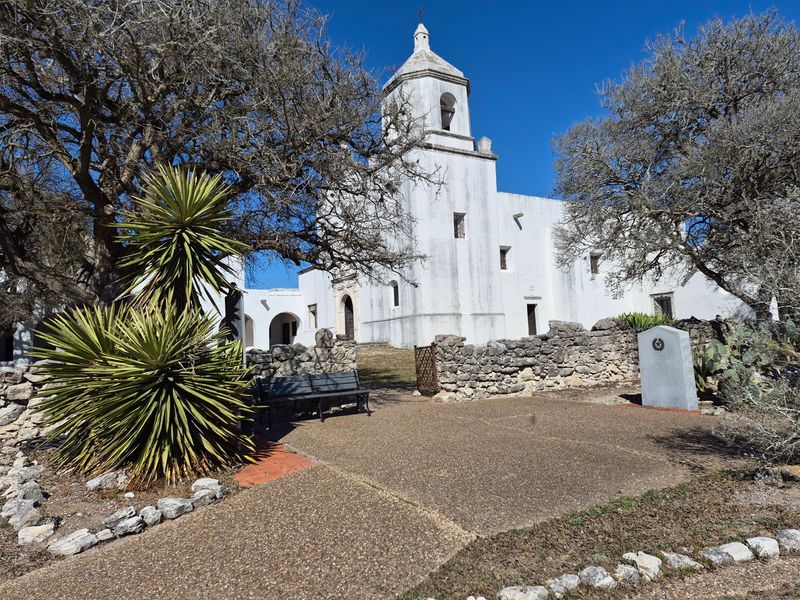
Goliad holds a heavy place in Texas history, and the state park here tells stories of missions, massacres, and the messy birth of a republic. Mission Espiritu Santo, beautifully restored, sits at the heart of the park, its stone walls and chapel looking much as they did in the 1700s when Spanish missionaries worked to convert local tribes.
The mission is peaceful now, with interpretive signs explaining daily life for the priests, soldiers, and Native Americans who lived and worked here. You can walk through the compound, peek into workshops where craftsmen once labored, and stand in the chapel where mass was held. The San Antonio River flows nearby, shaded by massive oak trees that have witnessed centuries of change.
A short drive away is Presidio La Bahia, one of the oldest Spanish forts in the United States. This is where Colonel James Fannin and his men were executed during the Texas Revolution, an event that fueled the cry “Remember Goliad!” alongside “Remember the Alamo!” The presidio is still an active Catholic church, and you can tour the fort, chapel, and museum for a small fee.
Back at the park, hiking and biking trails wind through river bottomland and open prairie. Fishing is popular along the river, and camping options range from primitive sites to RV hookups. The park is rarely crowded, even on weekends, making it a peaceful place to explore Texas history without the tourist circus.
Spring wildflowers bloom along the trails, and birdwatching is excellent year-round. The area is part of the Central Flyway, so migratory species pass through in impressive numbers. Pack a picnic, spend a few hours exploring the mission, and you’ll leave with a deeper appreciation for the complex layers of Texas history.
9. National Cowgirl Museum & Hall of Fame (Fort Worth)
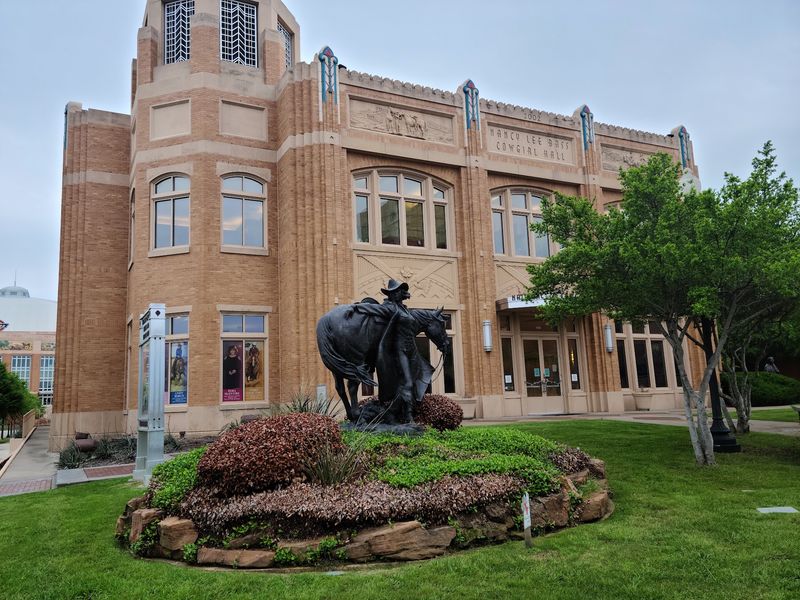
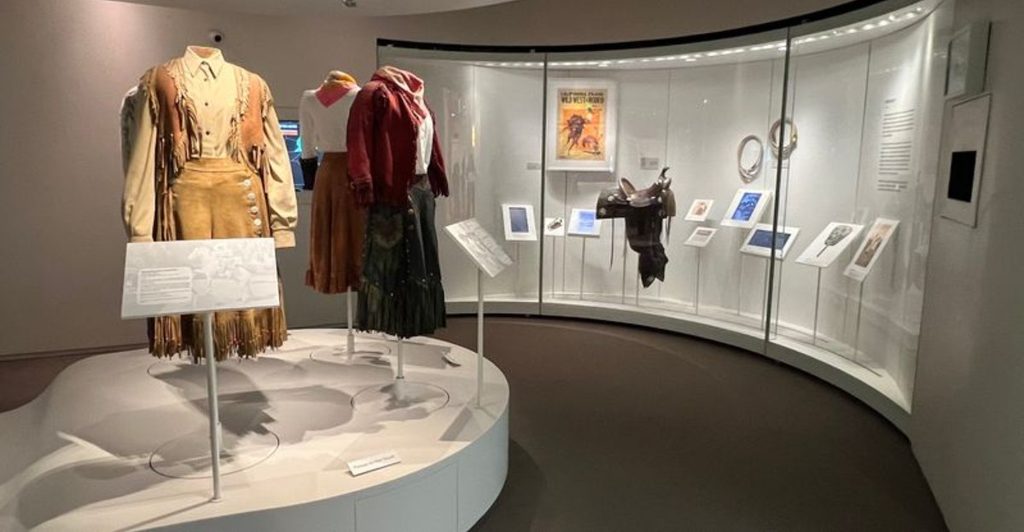
Fort Worth’s Cultural District holds a museum dedicated entirely to women of the American West, and it’s far more interesting than you might expect. The National Cowgirl Museum & Hall of Fame celebrates rodeo queens, ranchers, sharpshooters, and trailblazers who broke barriers in a world dominated by men. These weren’t delicate frontier wives waiting at home.
They were riders, ropers, and rebels who could outwork and outshoot most men.
Exhibits tell the stories of women like Annie Oakley, whose shooting skills made her a legend, and Lucille Mulhall, considered the first cowgirl to compete in rodeos. You’ll also learn about modern cowgirls who continue the tradition, from barrel racers to ranchers running operations across thousands of acres. Interactive displays let you test your roping skills or sit on a mechanical bull, adding a playful element to the education.
The Hall of Fame honors over 200 women who’ve made significant contributions to Western heritage. Their stories are varied and inspiring, covering everything from Native American leaders to Hollywood stunt riders. The museum does an excellent job of showing that the West wasn’t just a man’s world, even if that’s how history often portrays it.
Special exhibits rotate throughout the year, covering topics like Western fashion, the role of horses in women’s lives, or specific historical periods. The museum also hosts events, lectures, and educational programs for kids. It’s a great stop if you’re already exploring Fort Worth’s museums, which include the Kimbell Art Museum and the Modern Art Museum nearby.
Admission is reasonable, and the museum is compact enough to see in a couple of hours without feeling rushed. It’s a refreshing take on Western history that highlights voices often left out of the story, and it’s done with style and respect that makes the past feel relevant today.
10. Kickapoo Cavern State Park (Brackettville)
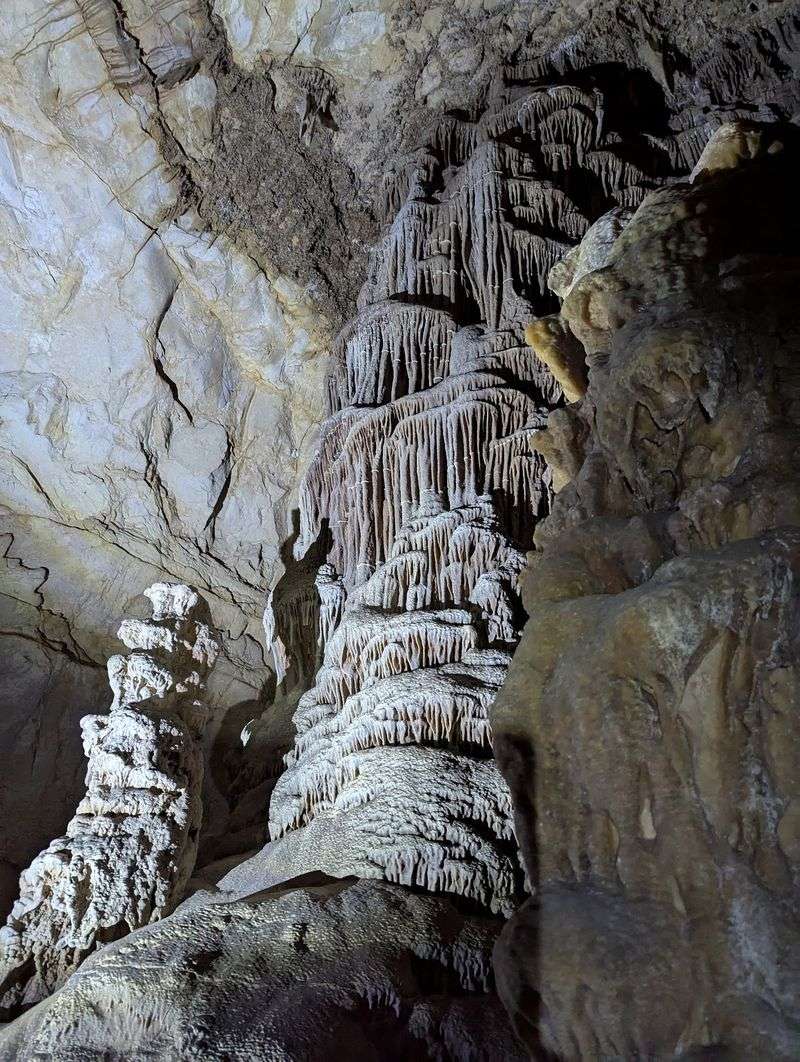
Way out in the brush country near Brackettville, Kickapoo Cavern State Park protects a landscape of hidden caves, thorny vegetation, and wildlife that thrives in isolation. This isn’t a park for casual visitors. Access is limited, tours must be reserved in advance, and the caves themselves require a willingness to crawl, climb, and get dirty.
But for those who make the effort, the rewards are spectacular.
Kickapoo Cavern is the main attraction, a massive underground chamber filled with stunning formations. Stalactites hang from the ceiling, stalagmites rise from the floor, and delicate flowstone cascades down the walls. The cave is home to a large colony of Mexican free-tailed bats, which emerge at dusk in a swirling cloud that darkens the sky.
Watching the bat flight is an unforgettable experience, with millions of bats pouring from the cave entrance in a living river.
Other caves in the park are even more adventurous, requiring helmets, headlamps, and a guide. Green Cave and Stuart Bat Cave offer wild caving experiences where you navigate tight passages and underground streams. These tours aren’t for the claustrophobic, but they’re perfect for anyone seeking adventure off the beaten path.
Above ground, the park offers hiking trails through rugged terrain dotted with prickly pear, mesquite, and yucca. Wildlife sightings can include deer, javelinas, roadrunners, and various raptors. The park is remote enough that you’ll likely have the trails to yourself, even during peak season.
Camping is primitive, with no water or electricity at most sites. Bring everything you need and pack out all trash. The night sky here is phenomenal, with zero light pollution to dim the stars.
It’s the kind of place where you remember that Texas still has wild corners worth protecting, and where you can experience nature on its own terms.
Share this story