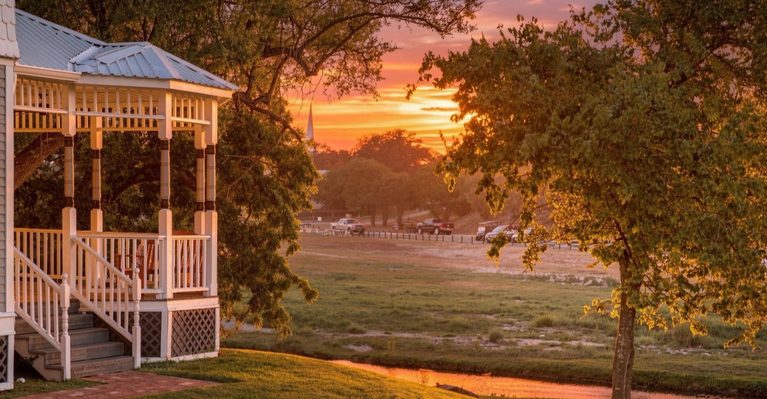
Texas is huge, and most folks stick to the same handful of spots. But tucked away in small towns and quiet corners are places so unusual, so beautiful, or so downright weird that even people who’ve lived here their whole lives have never heard of them. From underground caves to replica monuments, these hidden gems offer adventures you won’t find in any typical travel guide.
Ready to discover a side of Texas that feels like your own secret?
1. Cave Without A Name (Boerne)
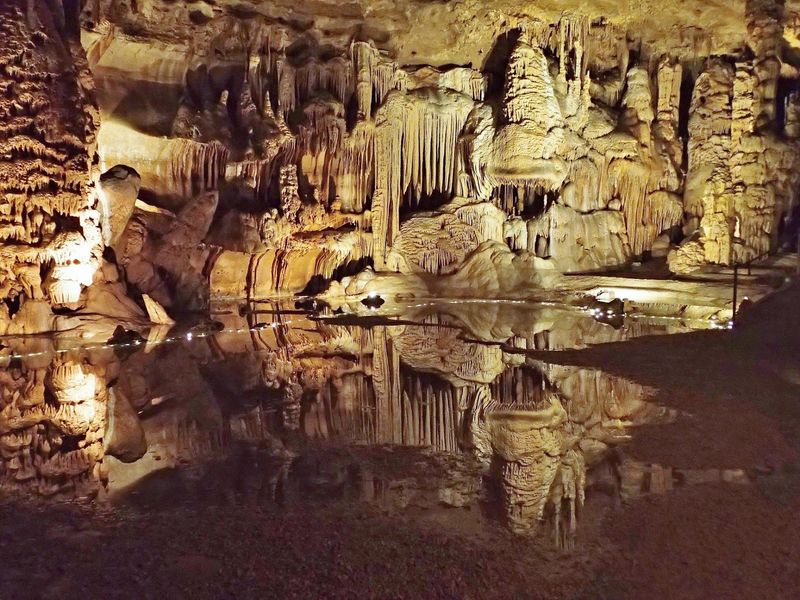
Most people drive right past this place on their way to bigger attractions, which is exactly why it stays so magical. Discovered by a group of kids back in 1939, this living cave system sits just outside Boerne and offers one of the most stunning underground experiences in the state. The formations here are still growing, which means every drip of water is slowly building something that might take another thousand years to complete.
What makes this spot different from other show caves is how intimate it feels. Tours are small, guides actually know their geology, and you’re walking through chambers that feel like nature’s own cathedral. The stalactites hang like frozen waterfalls, and the cave stays a perfect 66 degrees year-round, making it a welcome escape during brutal Texas summers.
Photography is tricky because of the lighting, but your eyes will catch details no camera could. Bring a light jacket even in July. The cave earned its quirky name after a naming contest failed to produce anything worthy, so they simply called it what it was: a cave without a name.
Kids love the adventure of going underground, and there’s something genuinely humbling about standing in a space that’s been forming for millions of years. The tour lasts about an hour, and every minute reveals another reason why this place deserves more attention. If you’ve only been to the commercialized caverns, this one will remind you what exploration used to feel like before gift shops took over.
Book ahead during peak season because they limit group sizes to protect the formations. It’s worth the drive, worth the ticket price, and worth keeping as your own little secret.
2. Son’s Island (Seguin)
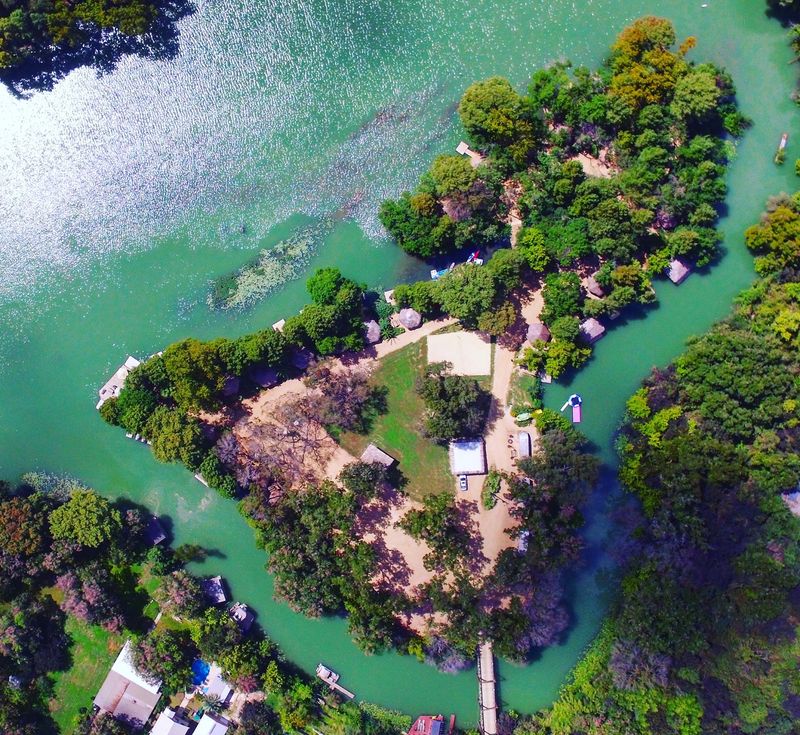
Right in the middle of Seguin sits an island that most Texans have never stepped foot on, despite it being one of the prettiest riverside spots in the Hill Country. Son’s Island rests between two channels of the Guadalupe River, connected by a charming footbridge that feels like it belongs in a storybook. The whole place spans just a few acres, but it’s packed with old-growth trees, shaded picnic spots, and river views that make you forget you’re in the middle of town.
Locals use it for quiet lunches or lazy Sunday afternoons with a book. Families spread out blankets under the cypress trees while kids wade in the shallow edges of the river. There’s no commercialization here, no entrance fee, no crowds fighting for space.
Just a well-maintained park that feels like it was designed for people who value peace over entertainment.
The island’s history goes back over a century, named after a prominent local family. Walking the pathways, you’ll notice how the landscape shifts from open grass to dense canopy, creating little pockets of privacy. Photographers love the way light filters through the leaves in the early morning, and birdwatchers can spot herons and kingfishers hunting along the water’s edge.
Pack a cooler and bring your hammock. The footbridge itself is worth the visit, arching gracefully over the water and offering perfect spots to pause and watch the river flow. If you’re passing through Seguin, this island is the kind of detour that turns a regular day into something memorable.
No lifeguards patrol the area, so keep an eye on younger swimmers. But the current is gentle, and the vibe is as relaxed as Texas gets.
3. Stonehenge II at the Hill Country Arts Foundation (Ingram)
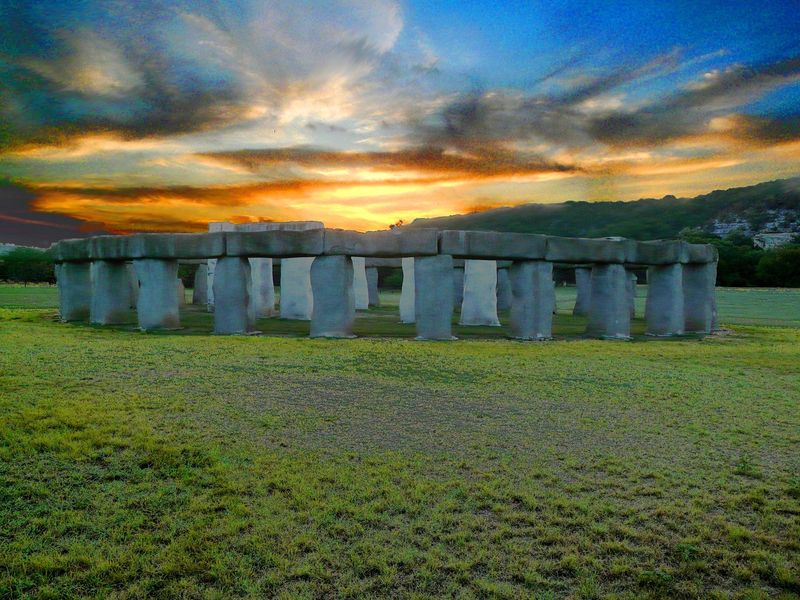
Somewhere between artistic tribute and roadside oddity stands a full-scale replica of England’s famous Stonehenge, built not by ancient druids but by a pair of Texans with a sense of humor and a lot of ambition. Originally constructed on private ranchland in the 1980s, the monument was later donated and moved to its current home at the Hill Country Arts Foundation in Ingram. Now it sits proudly among the cedar and limestone, complete with two Easter Island moai statues thrown in for good measure.
Why would anyone build this? Because Texas has always celebrated the weird and wonderful. The structure uses steel rebar, foam, and plaster to mimic the original stones, and while it won’t fool any archaeologists, it’s surprisingly impressive up close.
You can walk right up to it, touch it, and take as many goofy photos as you want without worrying about ancient preservation laws.
Families stop by for picnics on the surrounding grounds, and the arts foundation hosts events and workshops throughout the year. The juxtaposition of English megaliths against Texas Hill Country scrub oak is delightfully absurd, which is exactly the point. It’s not trying to be serious.
It’s trying to make you smile, and it succeeds.
Bring your camera and embrace the strangeness. The moai statues add an extra layer of randomness that somehow works. There’s no admission fee, though donations are appreciated to help maintain the grounds.
If you’re exploring the Hill Country and need a break from wineries and barbecue joints, this spot offers something refreshingly different.
Best visited in the cooler months when you can wander without melting. The site is open year-round, and you’ll likely have the place mostly to yourself on weekdays.
4. Ballroom Marfa (Marfa)

In a tiny West Texas town famous for mysterious lights and art installations, Ballroom Marfa operates as a cultural space that refuses to fit any easy category. It’s not a traditional gallery, not quite a performance venue, and definitely not a ballroom despite the name. Instead, it functions as a nonprofit contemporary art space that commissions bold projects, hosts film screenings, and sparks conversations that feel both deeply intellectual and refreshingly accessible.
Founded in 2003, the organization has become a vital part of Marfa’s identity, supporting artists who push boundaries and challenge expectations. Exhibitions change regularly, showcasing everything from video installations to sculptural works that interact with the surrounding desert landscape. The building itself is modest, but what happens inside carries weight far beyond its square footage.
Marfa draws art lovers from around the world, yet many visitors focus solely on the Prada Marfa installation or the Chinati Foundation and miss this gem entirely. That’s a mistake. Ballroom Marfa offers a more intimate, experimental experience where you might catch a documentary screening one night and a sound art performance the next.
The programming is unpredictable in the best possible way.
Check their schedule before you go because events are sporadic and often require advance planning. The staff is knowledgeable without being pretentious, happy to discuss the work or point you toward other local spots worth exploring. If you’re making the long drive out to Marfa, factor in time to see what’s happening here.
The town itself is tiny, so parking is easy and everything is walkable. Combine your visit with a stop at one of the local coffee shops or the excellent food truck scene. Marfa rewards curiosity, and Ballroom Marfa embodies that spirit perfectly.
5. Westcave Outdoor Discovery Center (Round Mountain)
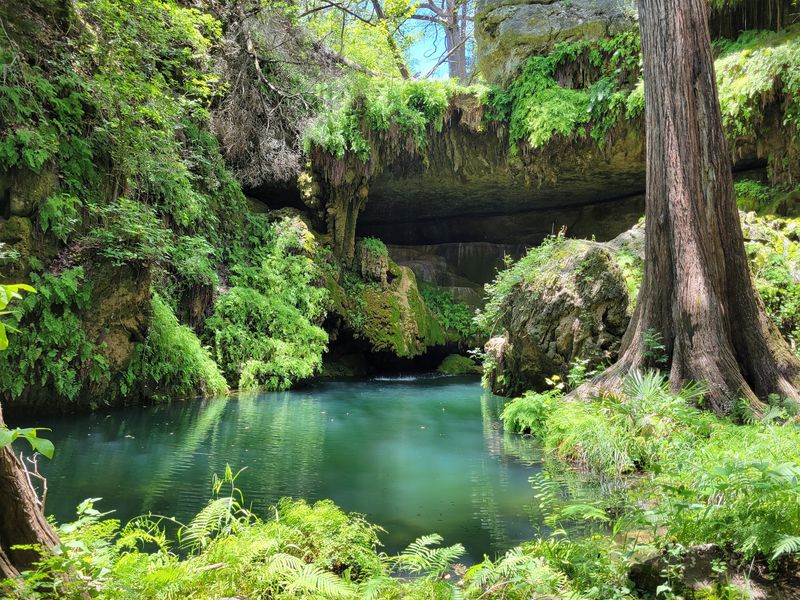
Hidden in the Hill Country near Round Mountain is a grotto so lush and green it feels like you’ve stepped into a different climate entirely. Westcave Outdoor Discovery Center protects a collapsed grotto where a 40-foot waterfall spills into a pool surrounded by ferns, moss, and plants that thrive in the constant mist. The contrast between the dry Texas landscape above and the tropical-feeling canyon below is startling and beautiful.
Access to the grotto is by guided tour only, which keeps the delicate ecosystem intact and ensures visitors actually learn something. Tours run on weekends, and the hike down involves steep stairs and uneven terrain, but it’s manageable for most fitness levels. Once you descend into the canyon, the temperature drops noticeably, and the air smells like damp earth and limestone.
The preserve spans over 70 acres, and the upper trails offer excellent hiking with views of the Pedernales River valley. But the grotto is the star attraction, a hidden oasis that feels almost sacred in its beauty. Photographers struggle with the low light, but the challenge is part of the charm.
Bring a tripod if you’re serious about capturing it.
Because tours are limited and reservations fill up fast, plan ahead. The guides are passionate about conservation and share fascinating details about the geology, hydrology, and unique plant species found nowhere else in Texas. Kids find the waterfall mesmerizing, and adults appreciate the educational aspect without it feeling like a lecture.
Wear sturdy shoes with good grip. The rocks can be slippery, and the descent requires attention. This isn’t a place to rush through.
Take your time, breathe in the cool air, and appreciate how rare it is to find something this green in Central Texas.
6. Lavender Ridge Farms & Café (Gainesville)
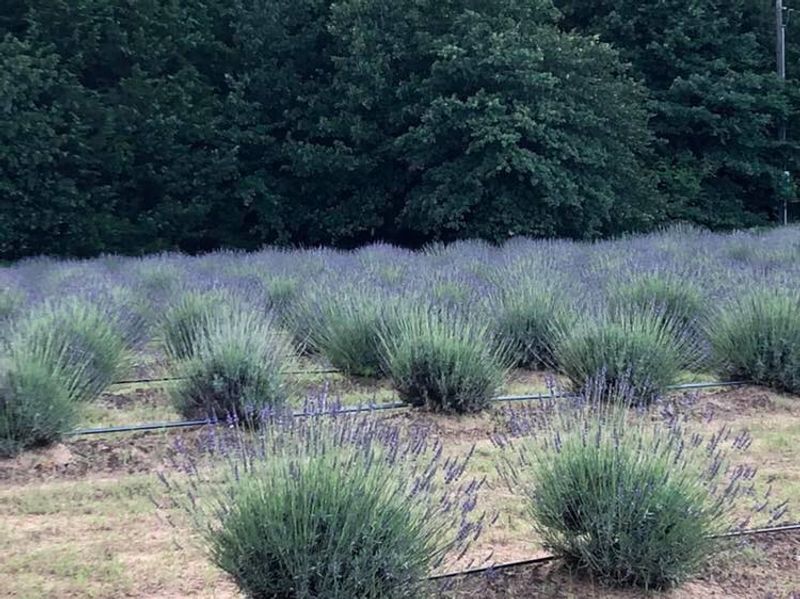
Up near the Oklahoma border, where North Texas rolls into open farmland, sits a lavender farm that looks like it was transplanted straight from Provence. Lavender Ridge Farms grows acres of fragrant lavender varieties, and during peak bloom season in late spring, the fields turn into waves of purple that smell as good as they look. The family-run operation includes a café serving lavender-infused treats, a gift shop stocked with handmade products, and walking paths through the rows.
Most Texans associate lavender with the Hill Country, but Gainesville’s cooler winters and clay soil create ideal growing conditions. The owners have been cultivating lavender here for over a decade, experimenting with different varieties and perfecting their craft. You can tour the fields, learn about harvesting and distillation, and sample everything from lavender lemonade to lavender honey.
The café serves breakfast and lunch with a focus on fresh, local ingredients. Try the lavender scones or the chicken salad with lavender vinaigrette. It sounds unusual, but the flavor is subtle and surprisingly delicious.
The outdoor seating overlooks the fields, making it one of the prettiest lunch spots in North Texas.
Visit during bloom season for the full experience, but the farm stays open year-round with seasonal offerings. Fall brings pumpkin patches and harvest festivals, while winter features holiday markets and wreath-making workshops. It’s the kind of place that changes with the seasons but always feels welcoming.
Bring your camera and plan to spend a couple of hours. The gift shop sells everything from essential oils to lavender sachets, all made on-site. If you’re driving through Gainesville or exploring the Red River region, this farm offers a peaceful detour that engages all your senses.
Dogs are welcome in the outdoor areas, which makes it even better.
7. Hueco Tanks State Park & Historic Site (El Paso)
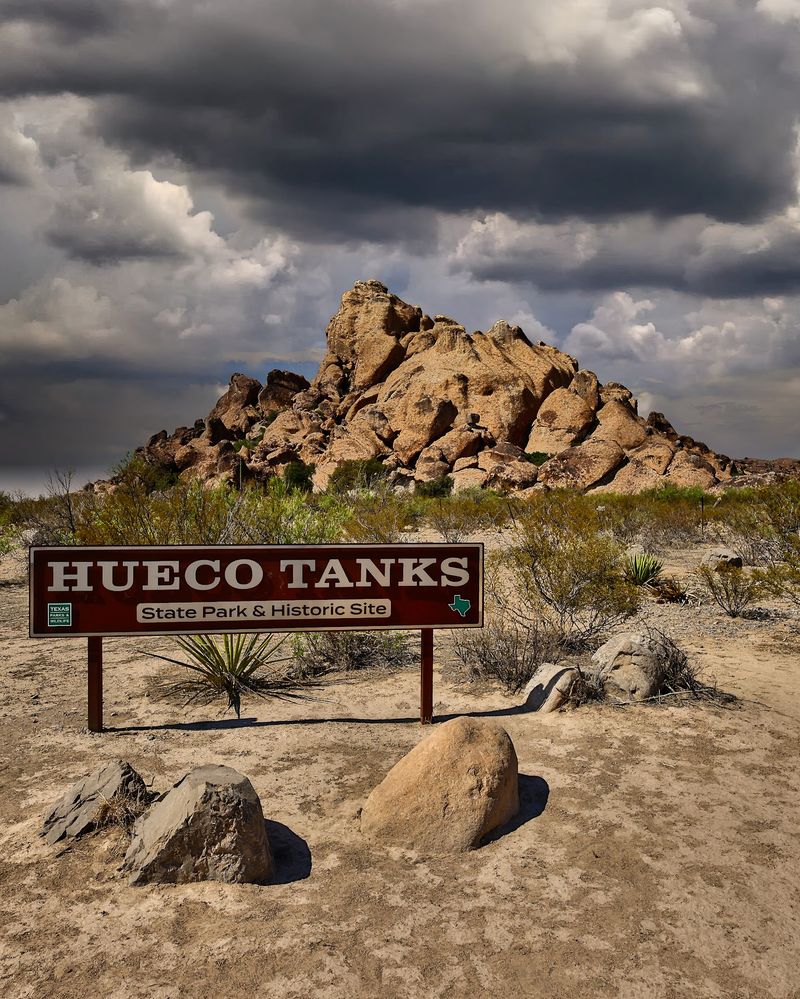
Just outside El Paso, massive rock formations rise from the Chihuahuan Desert like ancient fortresses. Hueco Tanks gets its name from the natural rock basins that collect and hold rainwater, creating vital oases in an otherwise harsh landscape. But water isn’t the only treasure here.
The rocks are covered with thousands of pictographs left by Native peoples over centuries, making this one of the most significant rock art sites in North America.
Access is carefully controlled to protect both the art and the fragile desert ecosystem. Only a limited number of visitors are allowed per day, and certain areas require guided tours. It’s worth the extra planning because what you see here connects you to human history stretching back over 10,000 years.
The images include masks, animals, handprints, and mysterious symbols that scholars still debate.
Rock climbers love Hueco Tanks for its world-class bouldering routes. The unique rock formations create challenging problems that attract climbers from around the globe. If you’re not a climber, the hiking and photography opportunities are equally rewarding.
The desert light here is incredible, especially in the early morning and late afternoon when shadows emphasize the texture of the rocks.
Bring plenty of water and sun protection. This is desert country, and shade is limited outside the rock formations. The park offers primitive camping for those who want to experience the desert night sky, which is spectacular far from city lights.
Rangers lead interpretive programs that dive deep into the cultural and natural history of the area.
Reservations are required for certain zones, so check the park website before you go. This isn’t a place you can just wander into unprepared. But the effort pays off with an experience that’s equal parts adventure, education, and spiritual connection to the land.
8. BAPS Shri Swaminarayan Mandir (Stafford)
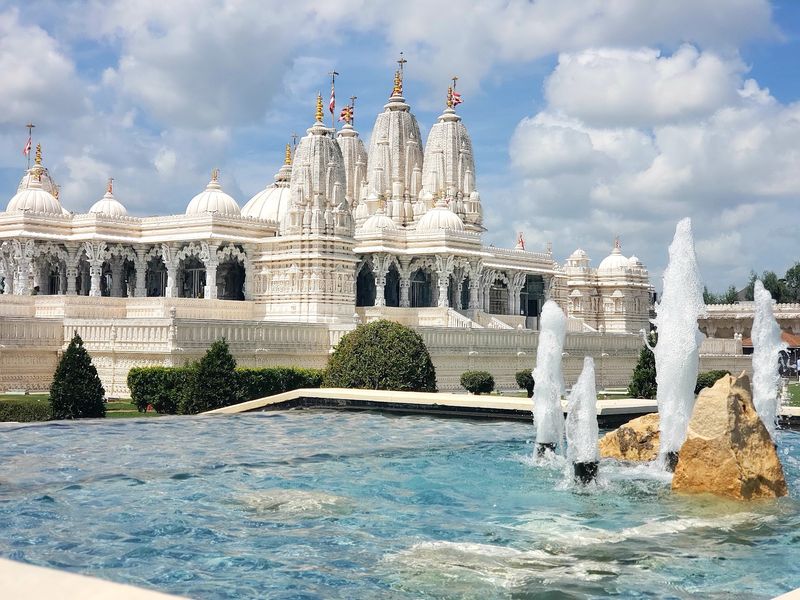
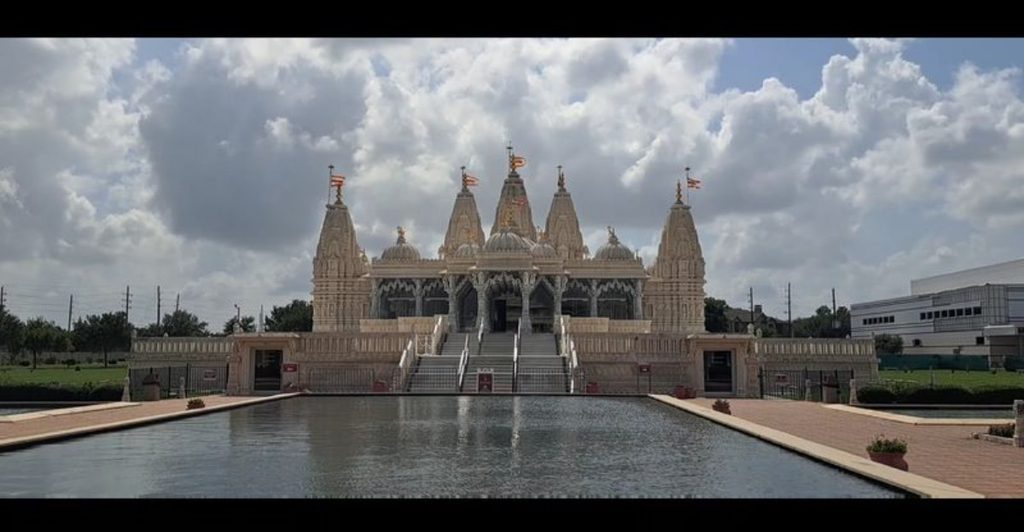
In a quiet suburb southwest of Houston stands one of the most visually stunning buildings in all of Texas. The BAPS Shri Swaminarayan Mandir is a traditional Hindu temple built entirely without structural steel, using hand-carved Turkish limestone and Italian marble. Every surface is covered in intricate carvings depicting deities, flora, and geometric patterns that represent centuries of Indian architectural tradition.
The result is breathtaking, especially when you consider it was assembled piece by piece right here in Stafford.
Construction took over two years and involved artisans from India working alongside local volunteers. The temple follows ancient design principles, with each element carrying symbolic meaning. Visitors of all faiths are welcome to tour the complex, which includes the main prayer hall, exhibition spaces explaining Hindu culture and philosophy, and beautifully landscaped gardens.
Walking through the temple feels like stepping into another world. The craftsmanship is extraordinary, with no two carvings exactly alike. Light filters through carved screens, creating patterns on the polished floors.
The atmosphere is peaceful, reverent, and surprisingly quiet despite being located near busy suburban roads. Shoes must be removed before entering, and modest dress is required, but the staff provides guidelines and welcomes curious visitors.
The cultural center attached to the temple offers exhibits on Indian history, science, and spirituality. Interactive displays make it accessible for kids, and the whole experience is educational without being preachy. Many visitors come simply to admire the architecture and leave with a deeper appreciation for Hindu traditions.
Photography is allowed in most areas, though not inside the prayer hall during services. The best time to visit is during festivals when the temple is decorated and the community comes together. But even on a regular weekday, the serenity and beauty make it worth the trip.
9. Jacob’s Well Natural Area (Wimberley)
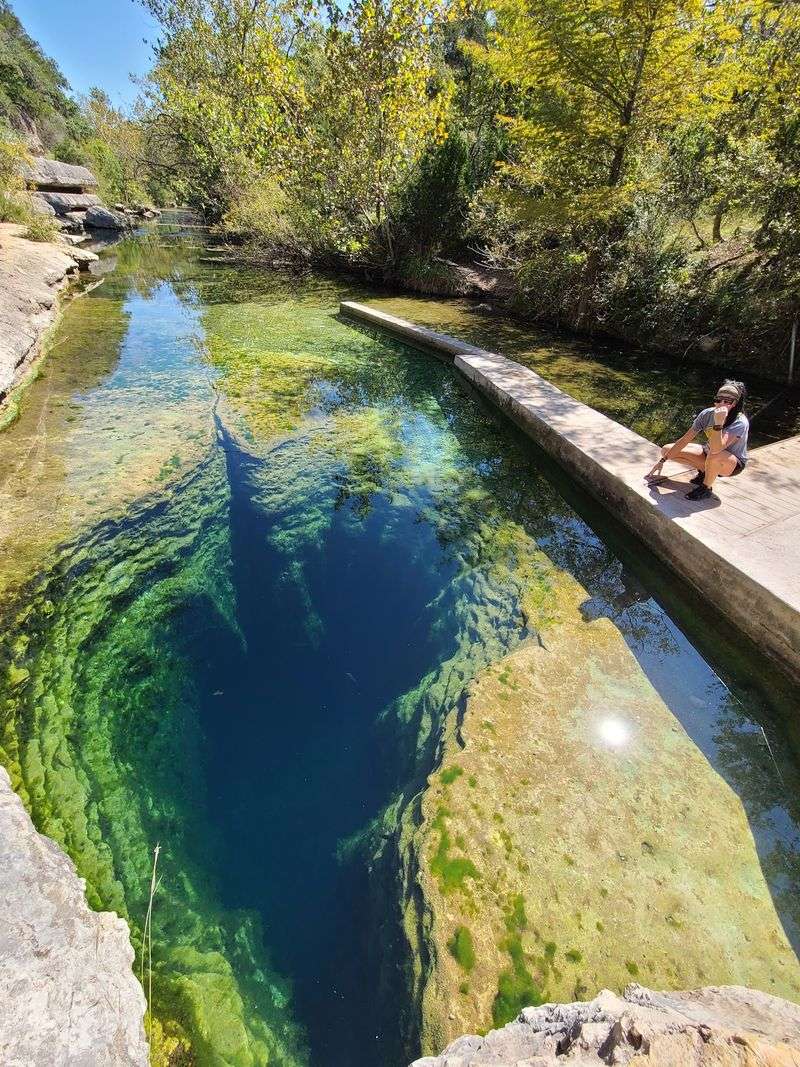
Deep in the cypress-shaded woods near Wimberley, an artesian spring bubbles up from one of the longest underwater cave systems in Texas. Jacob’s Well is a natural swimming hole with water so clear you can see straight down to the opening of the cave, which drops over 100 feet into darkness. The spring produces thousands of gallons of water per day, creating a perpetually refreshing swimming spot that stays around 68 degrees year-round.
Because the area became dangerously overcrowded, access is now controlled through a reservation system. You must book your swimming slot in advance, and the number of daily visitors is strictly limited to protect the fragile ecosystem. This makes the experience more exclusive and ensures the area doesn’t get trashed by crowds.
Once you’re there, you’ll have a few hours to swim, explore the surrounding trails, and soak in the natural beauty.
The water is shockingly cold at first, but your body adjusts quickly. Diving is prohibited because of the cave entrance, but floating on the surface and peering down into the depths is mesmerizing. The clarity of the water makes it feel like you’re suspended in liquid glass.
Cypress trees line the creek below the spring, creating shaded spots perfect for picnicking between swims.
The cave system itself has claimed several lives over the years, and diving is now strictly forbidden without proper certification and permits. Respect the rules. This is a sacred natural resource that needs protection.
The surrounding preserve includes hiking trails that wind through typical Hill Country terrain, offering views and wildlife sightings for those who want more than just a swim.
Reservations fill up fast, especially in summer, so plan weeks ahead. Bring water shoes because the creek bed is rocky. This is one of those rare Texas swimming holes that lives up to the hype.
10. Newman’s Castle (Bellville)
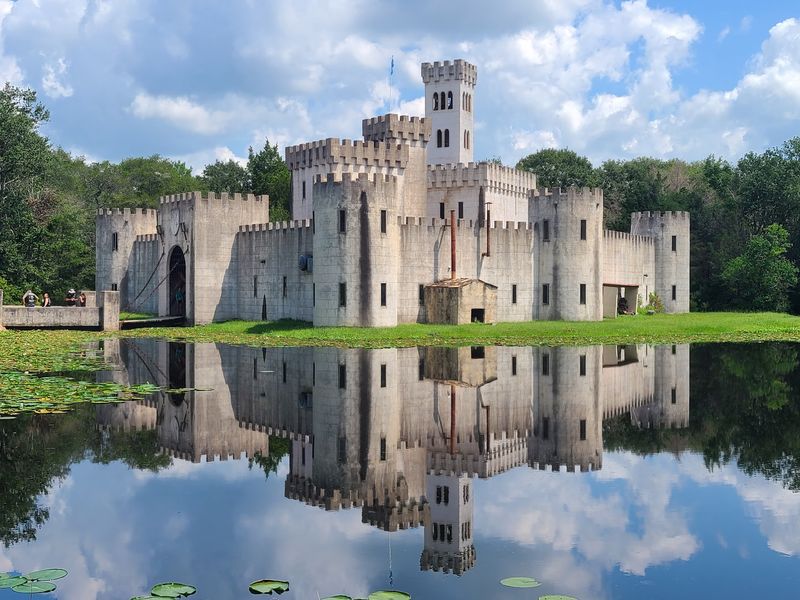
On the outskirts of Bellville stands a structure that defies easy description. Newman’s Castle is the lifelong project of artist Mike Newman, who spent decades transforming salvaged materials into a sprawling, whimsical castle complex. Made from everything from beer cans to car parts to discarded furniture, the castle is part sculpture, part architecture, and entirely unique.
It’s outsider art at its finest, raw and unfiltered and absolutely fascinating.
Newman began building in the 1990s, driven by creative vision rather than any formal training. The result is a labyrinth of towers, rooms, and passageways decorated with found objects, mosaics, and painted murals. Every surface tells a story, and the overall effect is both chaotic and oddly harmonious.
Walking through it feels like stepping into someone’s fever dream, but in the best possible way.
Unfortunately, Newman passed away in 2021, and the future of the castle remains uncertain. Preservation efforts are underway, but access is limited and sporadic. If you have the chance to visit during one of the occasional open days, don’t miss it.
The experience is unlike anything else in Texas, a testament to one person’s dedication to creating something extraordinary from the ordinary.
The castle sits on private property, so respect any posted signs and only visit during announced public hours. Bring your camera because every angle offers something worth capturing. The mix of colors, textures, and unexpected details makes it a photographer’s playground.
It’s also a powerful reminder that art doesn’t require expensive materials or formal education, just passion and persistence.
Check local listings or the Bellville community pages for updates on access. This is folk art on a grand scale, and it deserves to be seen and celebrated. If you’re exploring the area between Houston and Austin, it’s worth the detour to witness what one man built with his own hands and imagination.
Share this story