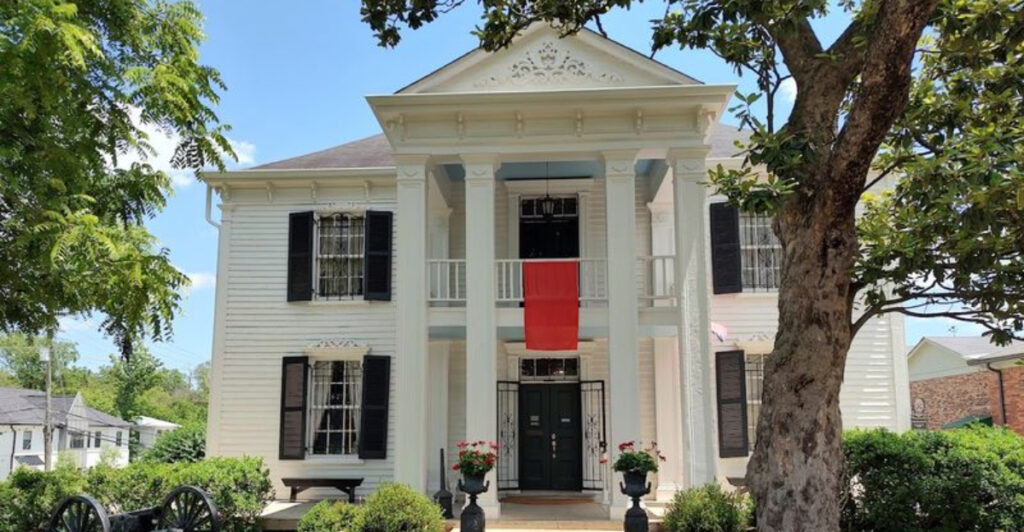
Tennessee has a way of making history feel startlingly close, like the past is still breathing just beyond the front porch, backstage curtain, or garden gate. Instead of reading dates and names on a page, you get to stand where presidents planned, musicians recorded, families rebuilt, and a state shaped its identity through politics, agriculture, war, and culture.
What makes these places unforgettable is not just what happened there, but how clearly you can still sense the people behind the stories, from famous figures to everyday Tennesseans whose lives carried the weight of their times. If you want history that feels personal, vivid, and impossible to reduce to a textbook summary, these ten historic spots across Tennessee deliver that experience in ways that stay with you long after the visit ends.
1. Andrew Jackson’s Hermitage, Hermitage
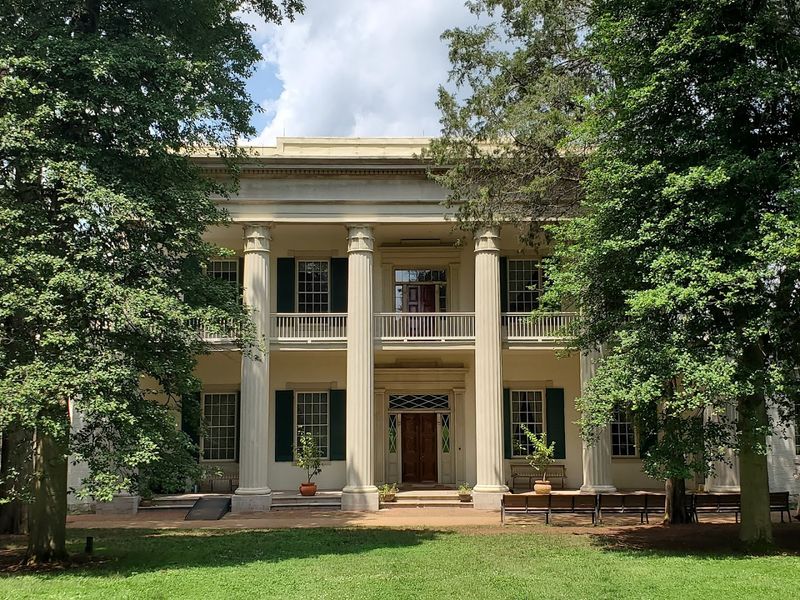
Walking the grounds here, you quickly realize this is more than the preserved home of a former president. It is a deeply layered Tennessee site where political power, personal ambition, wealth, and slavery all left permanent marks on the landscape.
You do not just learn about Andrew Jackson in abstract terms – you confront the world he built and the human cost tied to it.
The mansion itself offers a strong sense of scale and status, with elegant rooms that reveal how influence was displayed in early nineteenth century Tennessee. Furnishings, portraits, and architecture make the era feel less distant, while the surrounding property shows how the estate functioned as a working plantation.
That contrast keeps the experience grounded in reality instead of nostalgia.
What stayed with me most is how the site addresses both Jackson’s fame and the lives of the enslaved people who made the estate possible. Their stories give necessary context, and they transform the visit from a presidential house tour into a fuller reckoning with Tennessee history.
That honesty makes the place more meaningful, not less.
At Andrew Jackson’s Hermitage in Hermitage, the tomb garden adds another emotional layer. It is quiet, shaded, and reflective, giving you a moment to think about legacy and how public memory is shaped over time.
You leave considering not only what Jackson achieved, but also what his rise meant for others in Tennessee and beyond.
If you are the kind of traveler who wants complexity instead of simple hero worship, this is one of the strongest historic stops in the state. It teaches politics, class, land use, and slavery in one setting you can actually walk through.
Few places in Tennessee make the past feel this immediate, complicated, and impossible to simplify.
2. Ryman Auditorium, Nashville
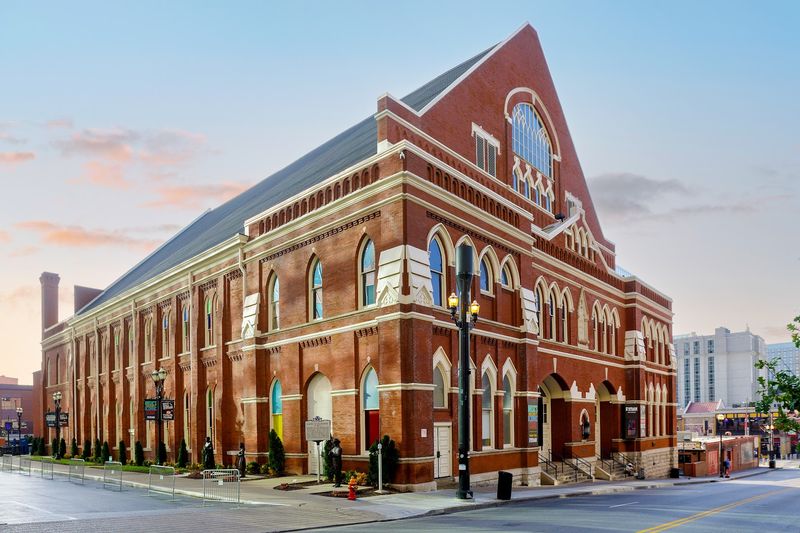
Stepping inside this landmark, you feel the difference between reading about Tennessee music history and actually standing where it happened. The wood, the stage, and the famous acoustics create an atmosphere that still feels alive, not frozen behind glass.
Even before a performance begins, the room tells you this place mattered.
Its story reaches beyond country music, though that connection is powerful enough on its own. Built first as a tabernacle, the building evolved into one of Nashville’s most important cultural spaces, linking religion, performance, radio, and entertainment in a way that reflects the city’s growth.
That layered identity is what makes the experience so rich.
The old pew seating gives the hall a character that modern venues simply cannot copy. You can imagine generations of audiences gathering here, hearing voices that later shaped the sound of Tennessee and the nation.
It is one thing to know the Grand Ole Opry once called this place home, but it is another to picture that history from inside the room itself.
At Ryman Auditorium in Nashville, exhibits and tours help connect the dots between legendary performers and the wider story of Nashville becoming Music City. You get a clearer sense of how this stage helped turn local talent into national influence.
The building becomes a witness to changing technology, taste, and ambition across decades.
What I appreciate most is that the experience never feels limited to celebrity worship. It is really about how a single Tennessee venue can embody community, artistry, and perseverance through constant reinvention.
If you want a historic site that lets you hear the echoes of the past instead of just reading the plaque, this is one of the most unforgettable places in the state.
3. Andrew Johnson National Historic Site, Greeneville
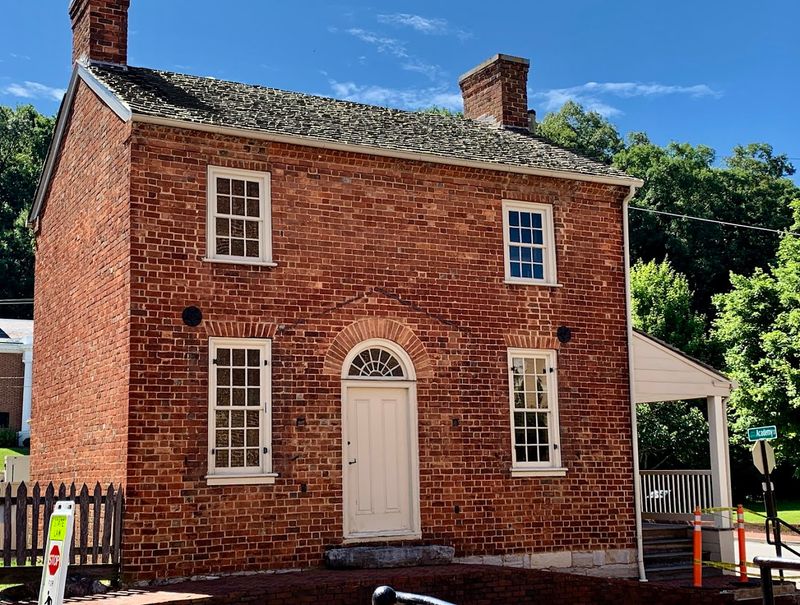
Some historic places impress you through grandeur, but this one stands out because it feels grounded in the everyday texture of Tennessee life. The story here is political and national, yet it begins in a more personal setting tied to work, family, and community.
That balance makes the history easier to connect with on a human level.
The site explores the life of Andrew Johnson, the seventeenth president, but it also reflects the tensions of a divided nation and a divided state. East Tennessee carried a distinct political identity during the Civil War era, and that regional character helps explain why Johnson’s path looked different from many Southern leaders.
Visiting puts those textbook-era debates into a real place with real stakes.
You can feel that Greeneville was not simply a backdrop to larger events. It shaped Johnson, and in return, his rise carried the concerns and contradictions of Tennessee into the White House during Reconstruction.
The home, furnishings, and neighborhood setting reveal how close local history and national power can be.
At the Andrew Johnson National Historic Site in Greeneville, the surrounding cemetery and memorial elements deepen the experience. They add a reflective note and remind you that public memory often smooths over conflict, even when the past was anything but smooth.
That tension is part of what makes the visit worthwhile.
I found this site especially valuable because it invites you to wrestle with complicated questions instead of offering easy conclusions. You come away thinking about loyalty, class, unionism, race, and how Tennessee fit into one of the most difficult periods in American history.
If you want a historic stop that proves smaller settings can carry enormous weight, this one offers more depth than many larger and flashier attractions.
4. Belle Meade Historic Site, Nashville
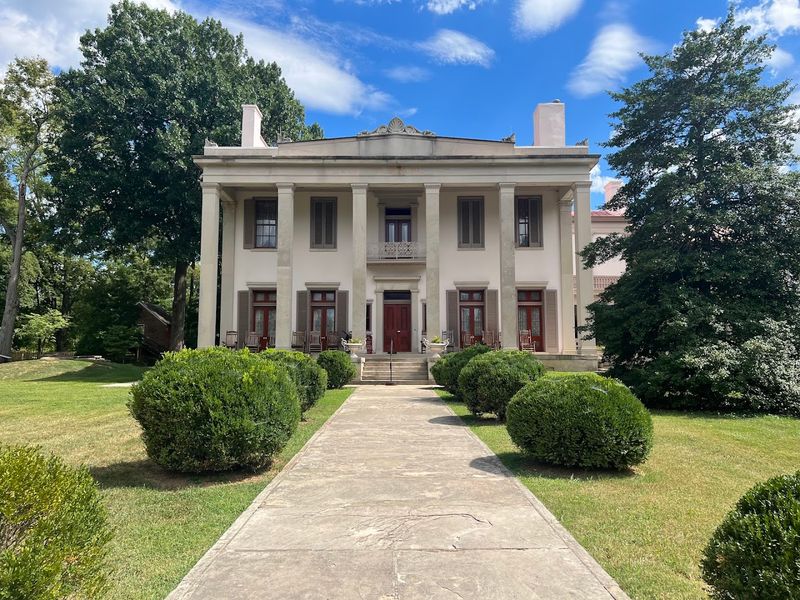
This is one of those Tennessee places where beauty and discomfort exist side by side, and that is exactly why it matters. The grounds are picturesque, the mansion is striking, and the setting initially feels serene.
Then the deeper history comes into focus, and you understand the estate as a place shaped by labor, power, and inequality.
Known for its connection to thoroughbred horse breeding, the property opens a fascinating window into how wealth operated in nineteenth century Tennessee. You start to see how agriculture, business, and social status were closely linked, with the estate functioning as both a home and an economic engine.
The horse story is compelling, but it is only part of the larger picture.
What gives the visit real substance is the interpretation of the enslaved people whose forced labor supported Belle Meade’s success. That context changes everything you see, from the main house to the outbuildings and landscape.
Instead of admiring architecture in isolation, you are encouraged to understand who sustained it and at what cost.
At Belle Meade Historic Site in Nashville, the setting also reveals how Tennessee was connected to broader Southern systems of trade, breeding, prestige, and plantation life. The property feels local, but the influences and ambitions tied to it were much wider.
That makes the site useful for understanding both state history and regional identity.
If you want a tour that is visually memorable and historically substantial, this is a strong choice. It shows how Tennessee’s past was shaped not just by politics and war, but by land, labor, and carefully cultivated image.
You leave with a more complete sense of how elegance could be built on exploitation, and why honest interpretation matters so much at historic sites today.
5. Graceland, Memphis
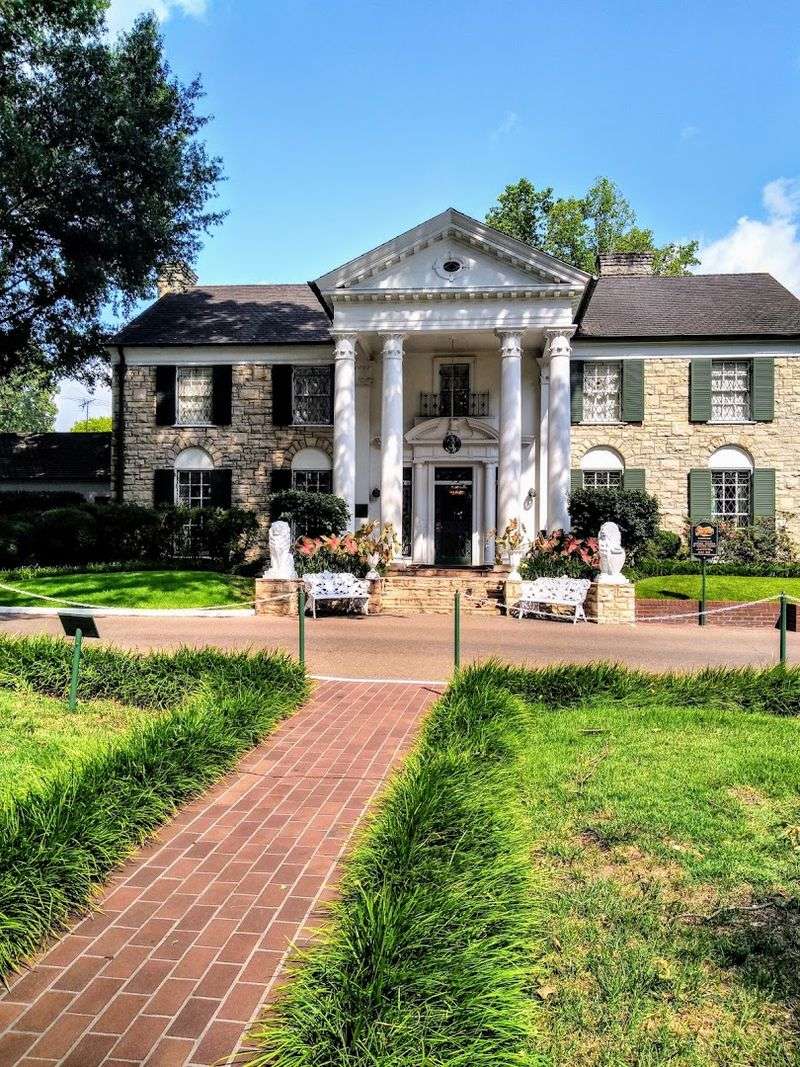
You do not have to be a lifelong Elvis fan to feel the pull of this place. What begins as a celebrity landmark quickly opens into a bigger Tennessee story about music, fame, media, and the way one artist changed global culture from a Memphis base.
It is personal, theatrical, and unexpectedly reflective all at once.
The house preserves a sense of Elvis Presley’s private world, but it also captures the scale of his public image. Rooms, décor, and family spaces reveal how success looked and felt in a specific era, especially in the American South.
That blend of intimacy and spectacle is what makes the visit more revealing than a simple museum display.
Outside the mansion, the broader complex helps place Elvis within Memphis history and the evolution of modern entertainment. You are reminded that Tennessee was not only preserving tradition, but also generating something new through blues, gospel, country, and rock and roll.
Graceland becomes a lens for understanding how regional sounds became worldwide forces.
At Graceland in Memphis, the meditation garden shifts the mood and gives the experience emotional weight. It brings the focus back to mortality, legacy, and the way beloved public figures are remembered.
That quiet moment balances the glitz and keeps the visit from feeling shallow.
What impressed me most is how clearly the site communicates the relationship between place and identity. Elvis could have become a symbol anywhere, but Memphis and Tennessee shaped the sound, ambition, and cultural mix that defined him.
If you want a historic stop that proves modern cultural history can be just as powerful as political history, this one delivers a memorable lesson in how a state can help launch a legend.
6. President James K. Polk Home And Museum, Columbia
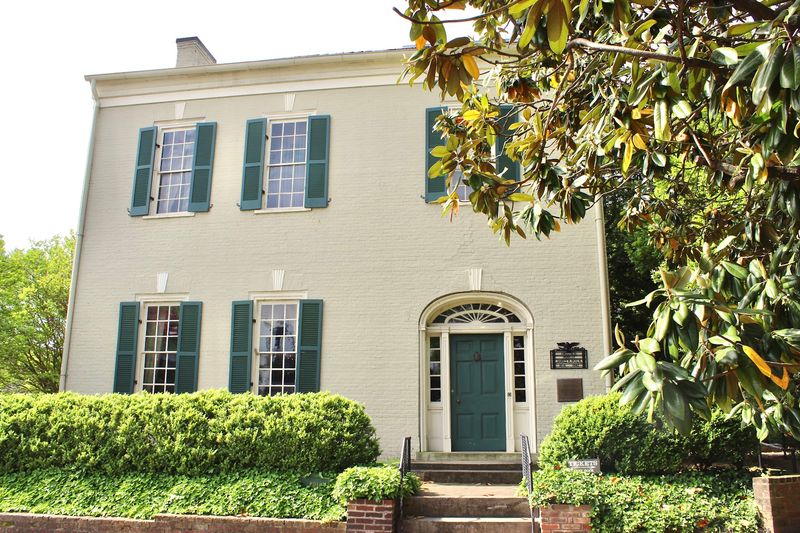
Not every presidential site needs sweeping grounds or dramatic architecture to leave a strong impression. This one works because it feels closely tied to the practical, ambitious world that shaped early Tennessee politics.
The scale is more modest than some visitors expect, but that modesty actually makes the history feel more accessible.
The museum and home together offer a valuable look at James K. Polk, the only U.S. president born in North Carolina but closely tied to Tennessee political life.
His career was central to a period of expansion that changed the country, and seeing his story in Columbia helps connect those national consequences to local roots. It reminds you that major decisions often begin in smaller communities.
Inside, the period interpretation helps you picture the rhythms of domestic life, education, and political aspiration in nineteenth century Tennessee. Rather than treating Polk as a distant figure from a civics lesson, the site places him in a social environment that shaped how he thought and worked.
That context is what turns historical information into something you can actually imagine.
At the President James K. Polk Home and Museum in Columbia, exhibits also prompt reflection on the larger meaning of expansion, leadership, and political legacy.
You are not just learning dates from an administration. You are considering how Tennessee figures participated in decisions that reshaped borders, intensified debates over slavery, and changed the nation’s future.
I think this stop is especially rewarding for travelers who enjoy history that is quieter but intellectually rich. It proves that Tennessee’s importance is not limited to battlefield legends or music icons.
Sometimes the most revealing places are the ones that show how ordinary rooms and local communities helped produce leaders whose choices carried consequences far beyond the state line.
7. Lotz House Museum, Franklin
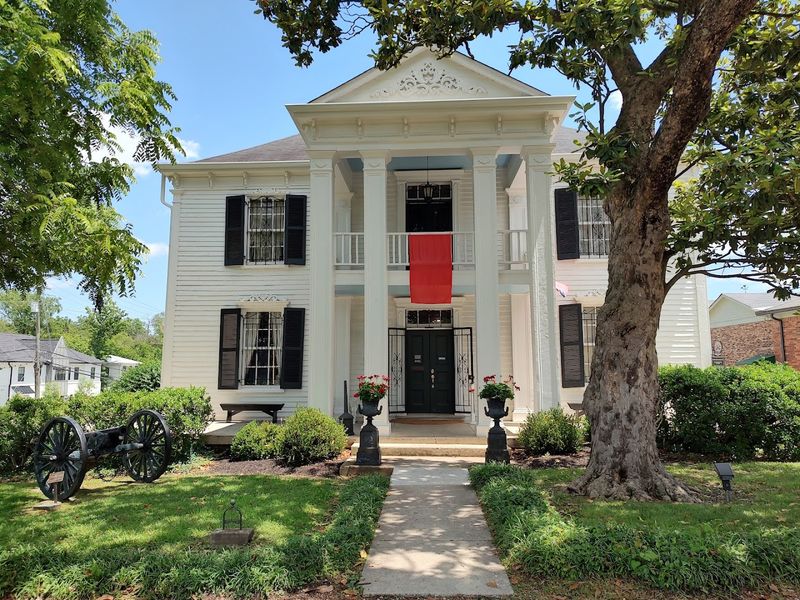
Few places in Tennessee make the Civil War feel as immediate and personal as this one. Instead of learning about troop movements from a map, you stand in a home that survived violent fighting during one of the war’s bloodiest battles.
The result is not just informative – it is deeply unsettling in a way that stays with you.
The craftsmanship inside the house is impressive, reflecting the skill and care of the Lotz family before war disrupted everything. That beauty matters because it sharpens the contrast between domestic life and battlefield destruction.
You are constantly aware that this was once a family home before it became a witness to chaos.
Stories connected to the Battle of Franklin give the museum extraordinary emotional force. Damage, artifacts, and guided interpretation help you grasp how close combat came to civilian spaces in Tennessee.
It is one thing to know a battle occurred nearby, but another to see how war entered hallways, rooms, and daily life.
At the Lotz House Museum in Franklin, the broader setting adds important context because the town itself remains central to understanding the campaign. You can connect the house to the landscape around it and better understand why Franklin holds such a major place in Tennessee memory.
The site does an excellent job of tying intimate family history to a much larger military story.
What I appreciate most is that the experience never turns suffering into spectacle. It encourages reflection on loss, resilience, and the civilians whose lives were torn apart by conflict.
If you want a historic site that goes beyond uniforms and battlefield statistics to show the human scale of war in Tennessee, this is one of the most powerful and memorable places you can visit.
8. Historic RCA Studio B, Nashville
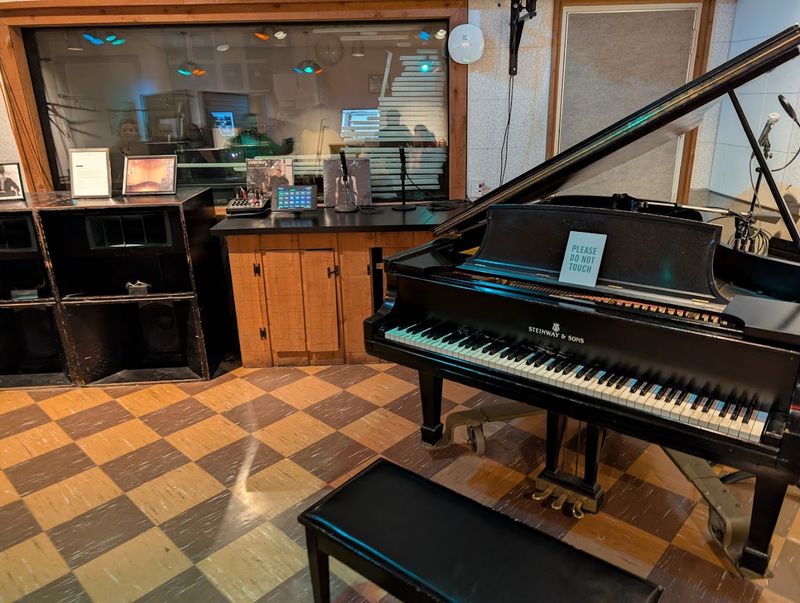
There is something thrilling about entering a room where songs that shaped American music were actually recorded. Unlike a general museum exhibit, this space lets you stand inside the creative process itself.
You can almost imagine the count-in, the nerves, and the moment a take suddenly became history.
The studio represents a crucial chapter in Nashville’s rise as a recording capital and in Tennessee’s broader cultural identity. Here, technology, musicianship, and business came together to create a distinctive sound that traveled far beyond the state.
That makes the site important not only for fans, but for anyone interested in how regional culture becomes national influence.
What makes the visit especially effective is how compact and authentic the setting feels. The room is not overloaded with theatrical effects because it does not need them.
Its power comes from the knowledge that legendary artists worked in this exact space, making choices that would shape the sound of generations.
At Historic RCA Studio B in Nashville, you gain a deeper appreciation for the labor behind musical myth. It was not just star power that built Tennessee’s reputation, but also session players, engineers, producers, and the discipline of repeated takes.
The studio reveals music history as craftsmanship as much as inspiration.
I love that this stop broadens the definition of what counts as historic. It proves that Tennessee heritage includes not only presidents, mansions, and battlefields, but also rooms where culture was recorded and sent out into the world.
If you want to experience history through sound, creativity, and the tangible atmosphere of a working studio, this place offers one of the clearest examples of why Nashville’s past still resonates so strongly today.
9. Oaklands Mansion, Murfreesboro
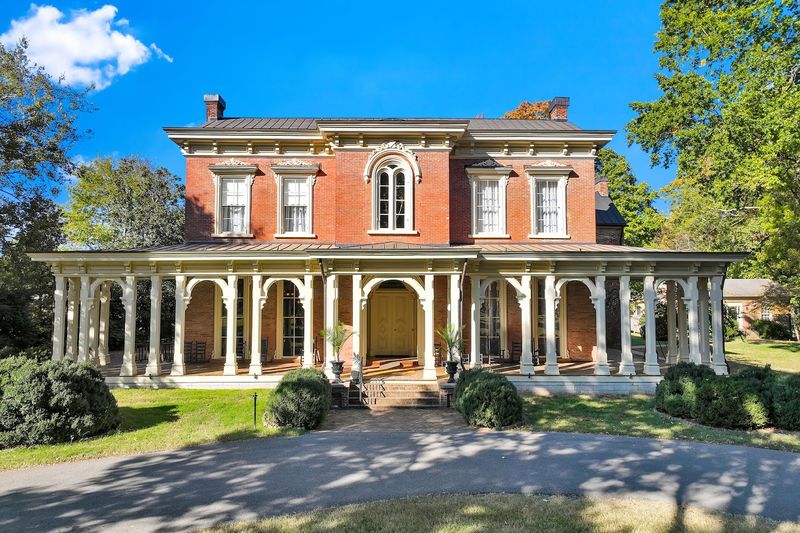
Some Tennessee historic sites are memorable because they connect many threads at once, and this one does exactly that. The house, grounds, and collections tell stories about architecture, family life, slavery, and the transformation of a community over time.
You leave with the sense that local history can be just as revealing as famous national landmarks.
The mansion itself is visually impressive, with period details that help you understand changing tastes and aspirations in nineteenth century Tennessee. Rooms feel carefully preserved without losing their connection to the people who lived and worked there.
That human scale keeps the experience from becoming a simple exercise in decorative admiration.
What makes the site especially valuable is its attention to the full household and the wider property. Interpreting the lives of enslaved people, servants, and later residents adds depth and honesty to the story.
It reminds you that homes like this were systems of labor and dependence, not just refined domestic spaces.
At Oaklands Mansion in Murfreesboro, the landscape also matters. Gardens and open grounds reveal how the estate related to the town and how Murfreesboro itself developed through periods of conflict, recovery, and modernization.
The site becomes a useful entry point into understanding central Tennessee beyond the better-known destinations.
I think this is a particularly good stop for travelers who enjoy history that unfolds gradually as you look closer. It may not carry the instant name recognition of Graceland or the Ryman, but its quieter layers are exactly what make it rewarding.
If you want a place that captures the complexity of Tennessee domestic life across generations, Oaklands offers substance, beauty, and enough nuance to keep you thinking long after the tour ends.
10. Sam Davis Home, Smyrna
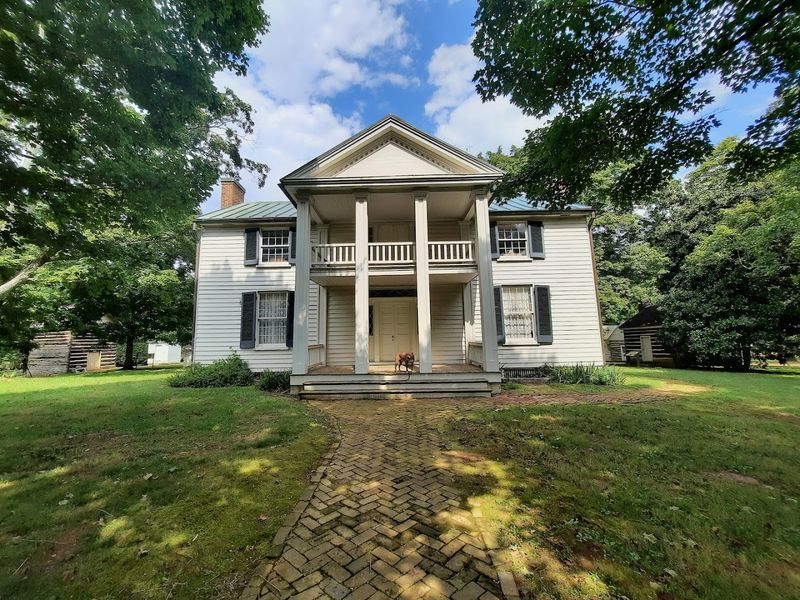
This site invites you into one of the most emotionally charged corners of Tennessee Civil War memory. The setting feels calm and pastoral, yet the story attached to it has been debated, commemorated, and reconsidered for generations.
That tension between quiet place and contested legacy gives the visit real weight.
The home connects to Sam Davis, long remembered in Tennessee as the “Boy Hero of the Confederacy.” Learning that story on site helps you understand how heroism, sacrifice, and memory were framed in the postwar South. At the same time, the property offers room to ask harder questions about what gets honored, how narratives are built, and whose perspectives were historically left out.
The house and grounds provide a useful look at rural Middle Tennessee life during the nineteenth century. You can picture family routines, agricultural work, and the disruptions brought by war in a way that textbooks rarely convey.
That everyday context matters because it shows how large conflicts grew out of intimate local worlds.
At the Sam Davis Home in Smyrna, interpretation can open broader discussions about remembrance, mythmaking, and the role historic sites play in shaping identity. Rather than treating the past as settled, the site encourages visitors to consider how Tennessee communities have chosen to tell Civil War stories over time.
That makes the experience more relevant to the present.
If you approach this stop with curiosity and a willingness to think critically, it can be one of the most thought-provoking places on this list. It is not memorable just because of one dramatic biography, but because it shows how history and memory are never exactly the same thing.
In that sense, it teaches a lesson every bit as important as the events themselves.