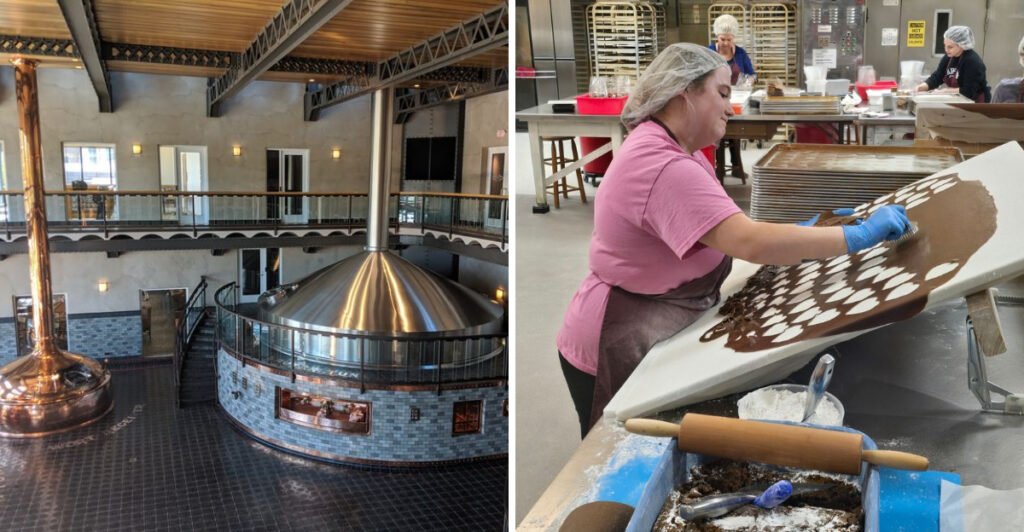
North Carolina is full of places where ordinary things are made in surprising ways. A factory tour can turn a cookie, a block of cheese, or a glass of juice into a story about skill, history, and hard work.
Across the state, visitors can watch people roast cacao beans, grind grain, brew drinks, and shape family recipes into products found on tables all over the region.
If you enjoy learning where your favorites come from, these tours offer a fun way to see North Carolina through the foods and drinks people make every day.
1. Sierra Nevada Brewing Company
Few things make a tour feel exciting faster than the warm smell of malt in the air.
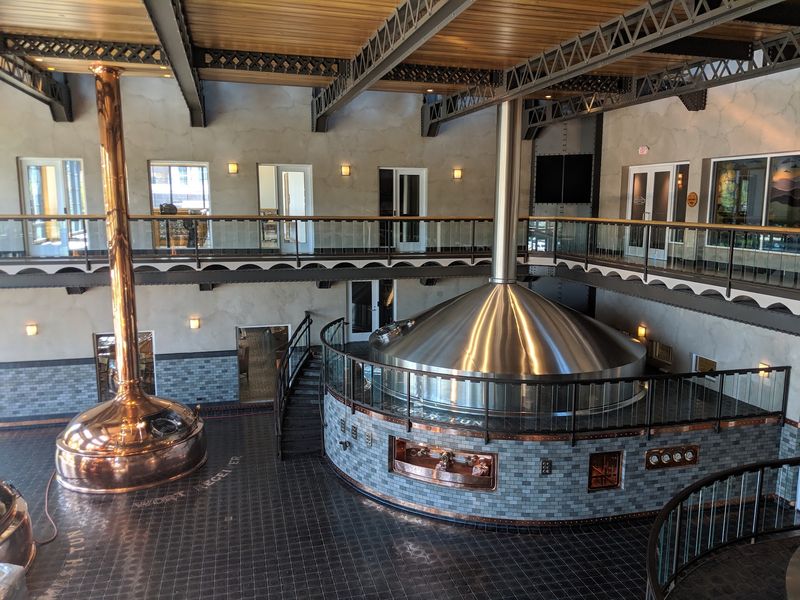
At Sierra Nevada Brewing Company in Mills River, that smell is your first clue that brewing is both science and craft.
The campus is large, polished, and busy, yet it still feels welcoming to visitors who simply want to understand how beer gets from grain to glass.
Guides often explain the step-by-step path in a way that is easy to follow.
You learn how water, barley, hops, and yeast work together, then see the giant equipment that handles mashing, boiling, fermenting, and packaging.
Looking at the shining tanks helps you realize that a familiar drink depends on careful timing, clean spaces, and exact temperatures.
One of the most interesting parts of the visit is seeing how much the company focuses on the environment.
Sierra Nevada has become known for energy-saving systems, responsible water use, and thoughtful building design.
That adds an extra layer to the experience, because you are not only learning how a product is made, you are also seeing how a major North Carolina facility can reduce waste while still making huge amounts of beer.
Even if you do not know much about brewing, the tour can still be enjoyable because the setting is lively and the information is clear.
Adults who plan to sample should arrange a safe ride and check tour times ahead of arrival.
Wearing comfortable shoes is smart, since walking through a big production site takes more time than many first-time visitors expect.
What stands out most is the contrast between the simple idea of a beer and the complex work behind it.
Sierra Nevada shows that everyday products often come from teams of engineers, brewers, and packagers all working together.
By the end, a can or bottle seems less ordinary, because you have seen the people, machines, and planning that help create it right here in North Carolina.
2. French Broad Chocolate Factory
Chocolate feels magical to many people, but the real story starts with hard work, heat, and patience.
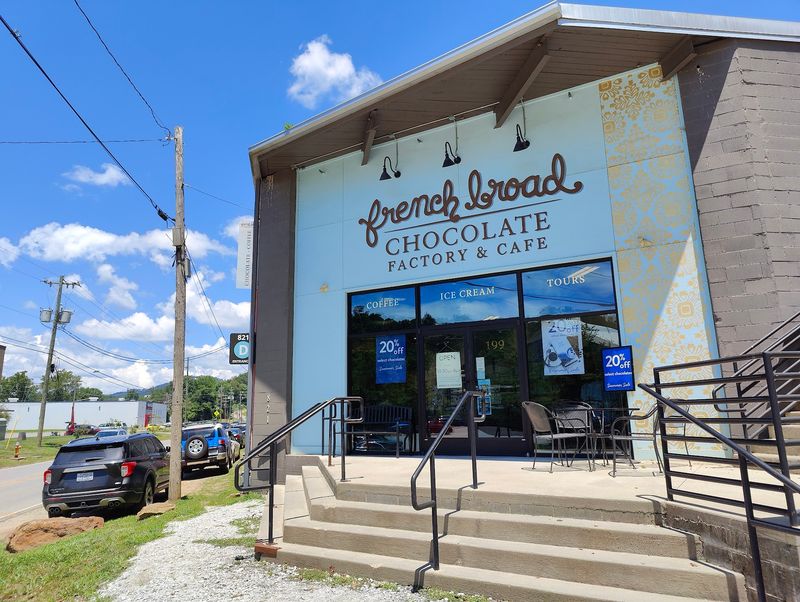
A visit to the French Broad Chocolate Factory in Asheville gives you a close look at how cacao beans become polished bars and rich treats.
The space is smaller and more intimate than a giant plant, which makes the process easier to notice and remember.
During the tour, visitors often learn that chocolate making begins long before anything tastes sweet.
The beans must be sorted, roasted, cracked, and refined before the smooth texture most people expect can even begin to develop.
Hearing about each stage helps you understand why good chocolate has depth, and why a simple bar can carry flavors that remind people of fruit, nuts, or even warm spices.
French Broad Chocolate is also a useful stop for anyone curious about sourcing.
The company has built much of its identity around bean-to-bar production, which means paying attention to where cacao comes from and how it is handled.
That story matters because everyday treats are connected to farms, trade, and choices made far beyond the store shelf.
Families and casual visitors usually appreciate that the experience engages several senses at once.
You may smell roasting cacao, see glossy chocolate being worked, and notice how temperature affects the final finish.
If you plan to buy gifts, save a little time after the tour, because the shop can be just as tempting as the production floor.
By the time you leave, a chocolate bar no longer feels like a quick snack with a wrapper.
French Broad Chocolate helps reveal the craft behind one of the most familiar sweets people enjoy.
In North Carolina, that kind of tour is special because it connects local creativity with a global ingredient, turning a beloved everyday product into a story about flavor, care, and craftsmanship.
3. New Belgium Brewing
Some factory tours feel serious from the start, but this one mixes fun with useful learning.
New Belgium Brewing in Asheville has a colorful personality, and that spirit carries through the tour as guides explain how a major craft brewery keeps quality steady at a large scale.
It is a good reminder that playful branding still depends on very exact work behind the scenes.
As you move through the building, the size of the operation becomes clear.
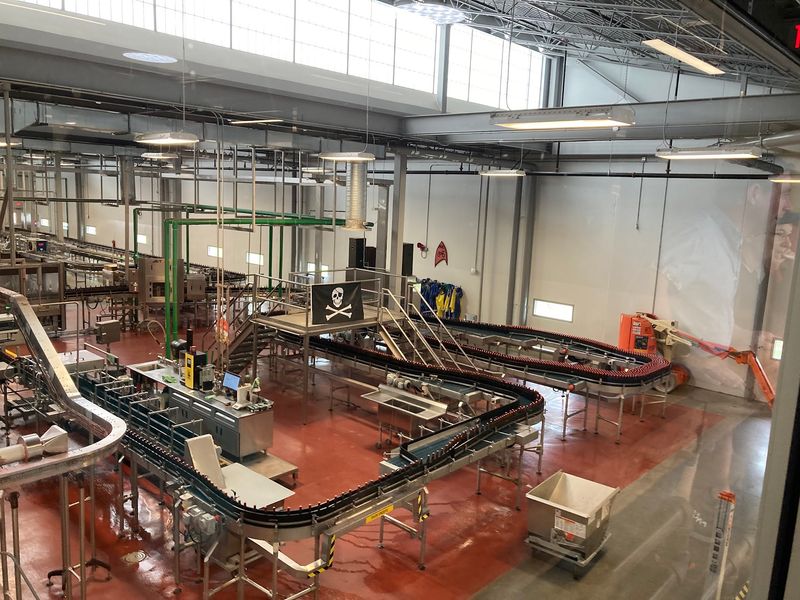
Huge tanks, piping systems, and packaging lines show how much planning is required to make a drink that tastes consistent from batch to batch.
Visitors often come away with a stronger respect for the role of chemistry, cleanliness, and testing in the brewing world.
Another strong point is the way the company story ties into the production story.
New Belgium began in Colorado, yet its Asheville location has become an important part of its identity and reach in the Southeast.
Seeing that expansion in North Carolina helps people understand how the state supports food and beverage businesses through tourism, skilled workers, and communities that enjoy local experiences.
The tour can be a smart choice for travelers who want more than a tasting room visit.
Checking age rules, reservation details, and seasonal schedules before you go can make the day easier.
Since brewery spaces can be cool, noisy, and spread out, comfortable clothes and good walking shoes help keep your attention on the experience instead of minor discomforts.
Perhaps the most memorable lesson is how many people and steps stand behind a can on a shelf.
New Belgium shows that brewing is part creativity, part engineering, and part teamwork.
After seeing the equipment, hearing the process, and noticing the pace of production, an everyday product feels much less ordinary, and Asheville stands out as a place where North Carolina industry and hospitality meet in a lively, easygoing way.
4. Ashe County Cheese Factory
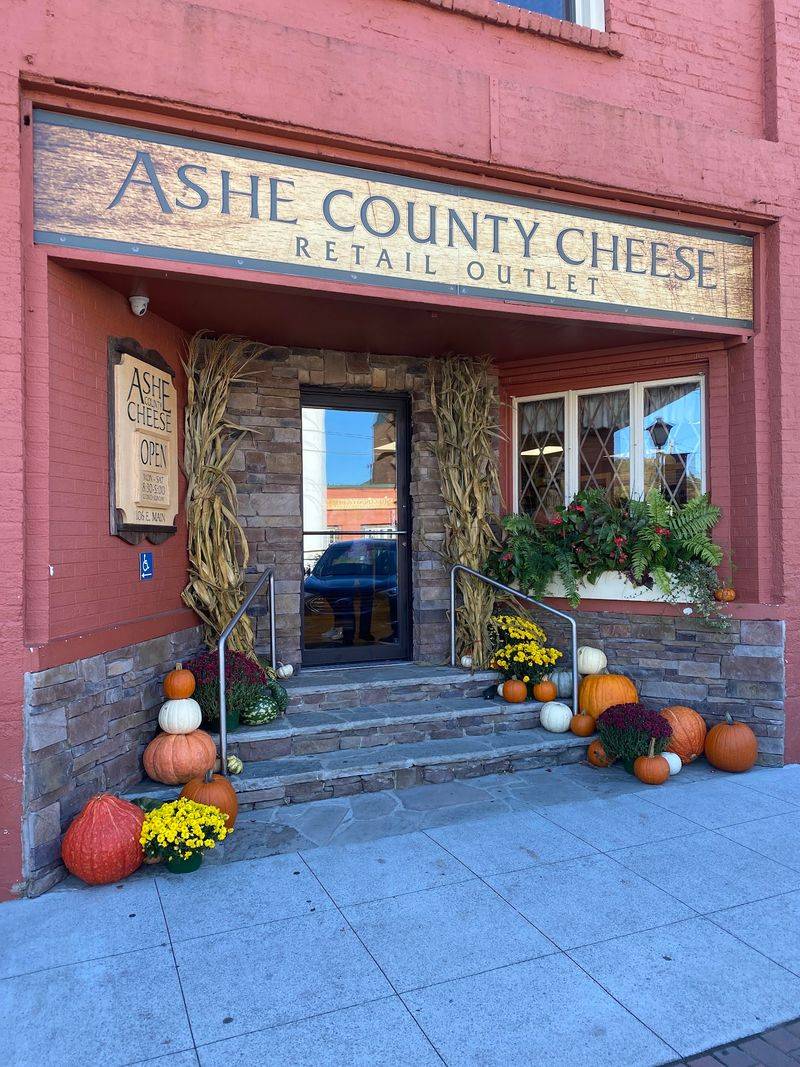
Cheese may seem simple when it sits wrapped in a grocery cooler, yet the path from milk to cheddar has a long story behind it.
At Ashe County Cheese in West Jefferson, visitors get a chance to see that story in one of North Carolina’s best-known food stops.
The experience feels rooted in mountain tradition, which gives the visit a warm and memorable character.
Watching cheese production helps people understand how much skill is packed into a familiar food.
Milk is transformed through heating, cultures, curds, pressing, and aging, and each stage changes texture and flavor.
When guides or signs explain the process, it becomes easier to connect the final block of cheese with the careful steps that came before it.
The factory matters for more than snacks and sandwiches.
Ashe County Cheese is tied to the agricultural identity of the region, where dairy farming has long played an important role.
That connection makes the tour useful for anyone who wants to see how local farms and food businesses support each other within North Carolina’s mountain communities.
Visitors often enjoy pairing the factory stop with time in West Jefferson, since the town adds to the charm of the outing.
It is smart to check store hours and any viewing availability before making the trip, especially during busy travel seasons.
Bringing a cooler bag can also be helpful if you plan to buy cheese and continue exploring before heading home.
What makes this stop stand out is its honest, straightforward appeal.
Ashe County Cheese does not need flashy tricks to hold attention, because the product itself is so familiar and the process is so satisfying to learn about.
By seeing how milk becomes something people use in lunches, recipes, and holiday trays, visitors get a clear picture of how everyday foods carry local history, practical knowledge, and the steady work of North Carolinians.
5. Mrs. Hanes’ Moravian Cookies
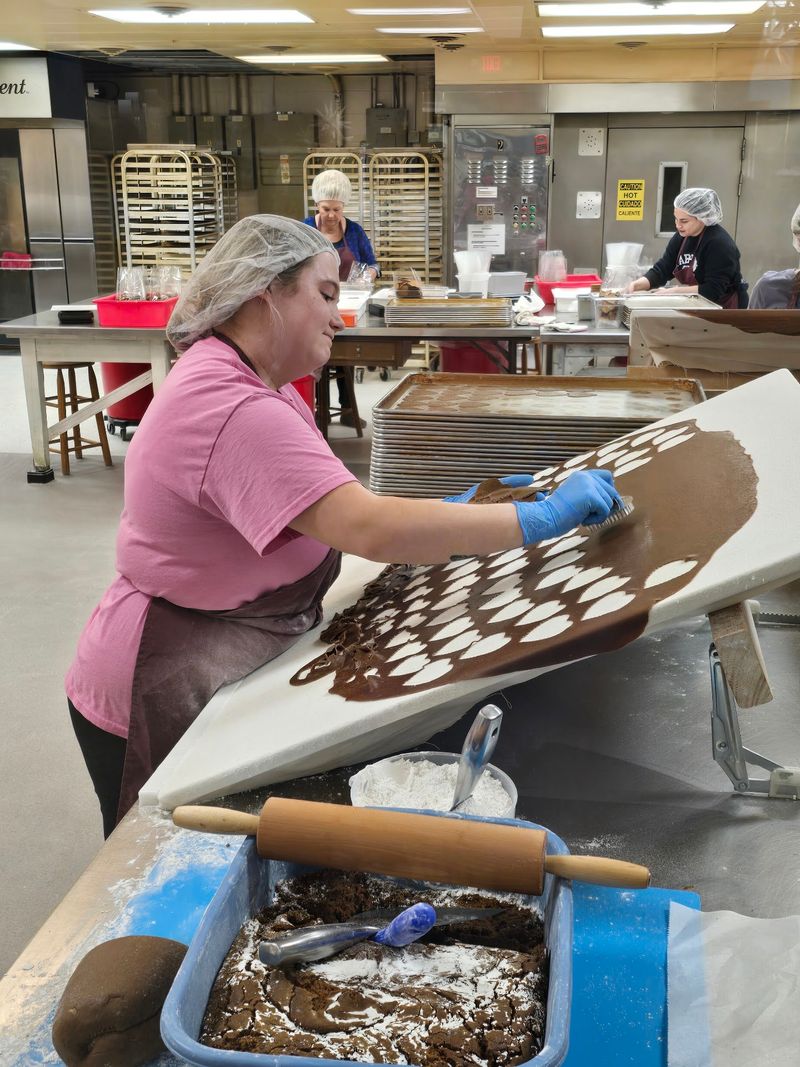
One bite of a crisp Moravian cookie can surprise people who have never tried one before.
So thin and delicate, it almost seems impossible that a bakery can produce them in large numbers without losing the homemade feel.
Mrs. Hanes’ Moravian Cookies in North Carolina helps visitors see how an old-style treat stays alive through discipline, repetition, and deep local tradition.
The story here is just as important as the product.
Moravian baking traditions have strong roots in the Winston-Salem area, and these cookies reflect a cultural history passed through generations.
Learning that background gives the tour more meaning, because the cookies are not only a snack but also a link to families, faith communities, and regional identity.
Production may look gentler than a giant beverage plant, but precision still matters at every step.
Dough must be handled carefully, rolled very thin, and baked so the cookies stay crisp without burning.
That close attention explains why something so light and familiar on a holiday table can require such practiced hands behind the scenes.
For travelers, this stop works especially well if you enjoy places with a strong sense of heritage.
It helps to call ahead or verify visitor options, since smaller food makers may not operate tours as large factories do.
If you are shopping for gifts, plan extra space in the car, because the cookies are easy to pack and hard to resist.
What lingers after a visit is the idea that everyday products can carry memory as well as flavor.
Mrs. Hanes’ Moravian Cookies show how a regional specialty survives because people keep making it with care, year after year.
In North Carolina, that matters because food is one way stories stay visible, and a simple cookie becomes proof that local tradition can still feel fresh, useful, and delicious in modern life.
6. Red Oak Brewery
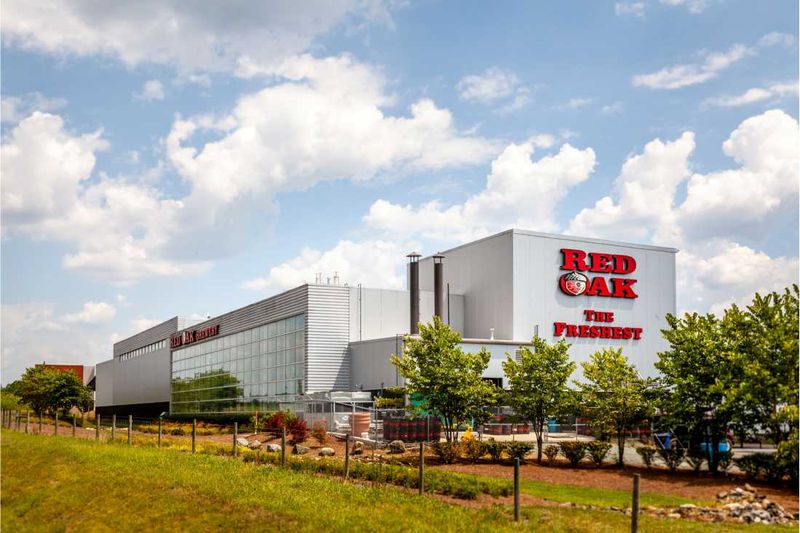
Not every brewery tour has the same personality, and that is part of what makes North Carolina interesting.
Red Oak Brewery in Whitsett stands apart with its focus on traditional lager brewing and a style that leans into old-world methods.
The setting gives visitors a chance to think about how brewing choices shape flavor long before a drink reaches a table.
Lagers require time, control, and patience, so the process can be a great lesson in why one beer style differs from another.
During a visit, people can learn about ingredients, fermentation temperatures, and the extra care needed for consistent results.
Seeing the equipment up close also helps explain why breweries invest so heavily in tanks, cooling systems, and clean production spaces.
Another reason this stop is worth attention is the way it highlights specialization.
Red Oak is not trying to be every kind of brewery for every person.
Instead, it shows how a company can build an identity around a narrower approach and still create a strong following in North Carolina.
Visitors who enjoy comparing businesses may find this tour especially useful after seeing another brewery in the state.
The contrast in scale, tone, and philosophy can make both experiences richer.
As always, checking tour details, age rules, and timing in advance is wise, since production schedules and public access can change.
By the end of the visit, the biggest takeaway may be how much character can be built into an everyday product.
Red Oak Brewery reveals that beer is not simply made and packaged in a generic way.
It reflects decisions about tradition, ingredients, and process, all shaped by people who care about a specific result.
That makes the tour feel less like a quick stop and more like a window into how North Carolina makers turn discipline and identity into something people recognize and enjoy.
7. Old Mill of Guilford
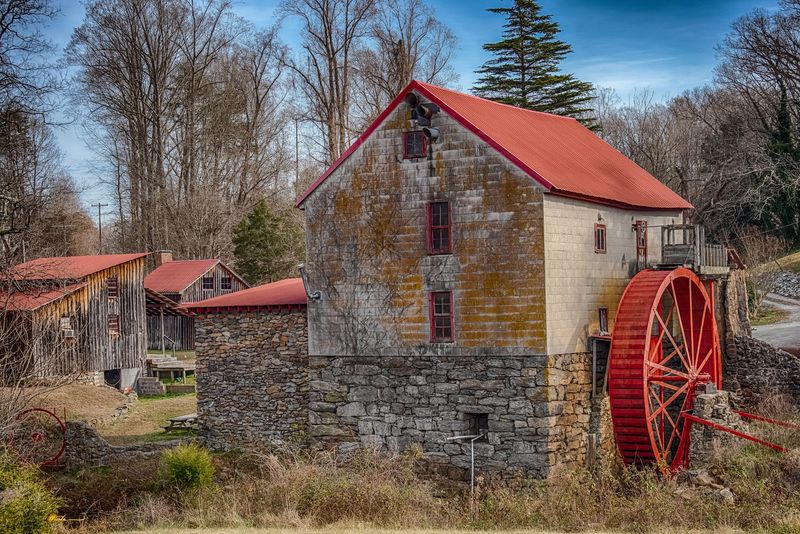
The sound of grinding grain has a way of pulling people back in time.
At the Old Mill of Guilford in Oak Ridge, visitors can watch one of the oldest everyday food processes still working in a memorable setting.
Unlike sleek modern factories, this place reminds you that flour and cornmeal were once local essentials shaped by water, stone, and steady hands.
Seeing the mill in action helps explain how basic pantry items begin.
Grain passes through machinery that breaks it down into meal or flour, and the process feels wonderfully direct compared with many modern food plants.
When people watch that transformation, biscuits, bread, and cornbread suddenly seem connected to a more physical and visible kind of labor.
The historic value of the site adds a second layer to the experience.
Old mills were community centers as much as production sites, serving farmers and families across a region.
In North Carolina, that history matters because agriculture and food-making have long shaped local life, from daily meals to regional recipes passed down over generations.
This stop can be especially rewarding for families, students, and anyone who likes history mixed with practical learning.
Because the setting is not built like a huge modern attraction, going with a little patience and curiosity helps.
It is also a smart place to pick up fresh milled products that let you carry the lesson home and taste the difference yourself.
What makes the Old Mill of Guilford memorable is its honesty.
There is no mystery about what the product is or why it matters, yet the tour still leaves a strong impression because you see how something ordinary supports so much of daily life.
In a state known for both tradition and growth, this mill shows that everyday products tell lasting stories, and sometimes the simplest ingredients reveal the deepest ties between work, place, and home cooking.
8. Videri Chocolate Factory
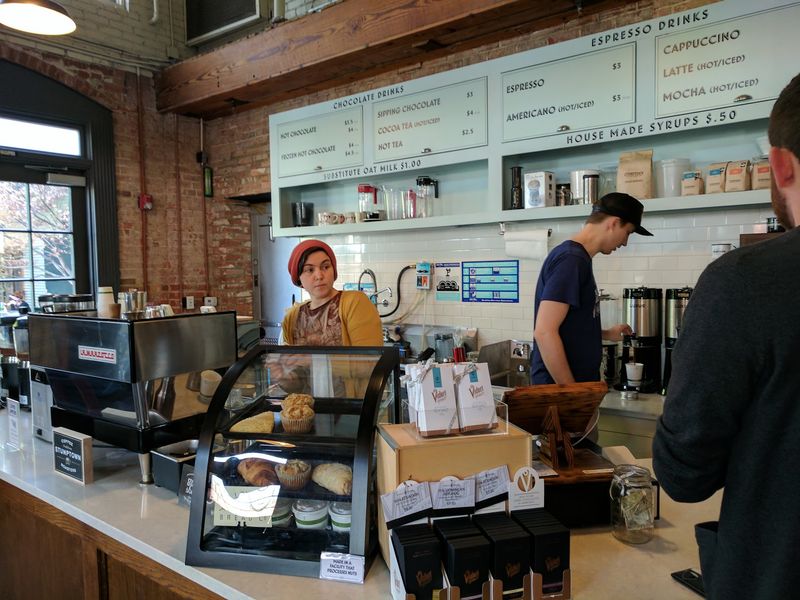
Raleigh has its own sweet story to tell, and Videri Chocolate Factory tells it with a mix of craft, city energy, and careful sourcing.
Walking into the space, visitors often notice that it feels both industrial and inviting, which suits the process perfectly.
Chocolate making here is not hidden away, so people can watch an everyday treat take shape step by step.
The bean-to-bar approach is a big part of what makes the visit useful.
Rather than starting with ready-made chocolate, the factory works from cacao beans and guides visitors through roasting, winnowing, grinding, and tempering.
That turns a simple purchase into a lesson about flavor development, texture, and why small changes during production can affect the final result.
Videri also gives people a way to think about food in a broader sense.
Cacao connects North Carolina consumers to farms and global supply chains, while the factory itself shows how local businesses add value through design, roasting, packaging, and storytelling.
It is a clear example of how everyday products often combine faraway ingredients with local skill.
For travelers, this stop fits nicely into a day of exploring downtown Raleigh.
You may want to check tour options in advance, since visitor access can vary by schedule and production needs.
If you enjoy tasting as part of learning, pay attention to differences between bars, because comparing them can make the process easier to understand.
After spending time at Videri, the candy aisle feels a little different.
A chocolate bar becomes more than a quick reward after school or dinner.
In North Carolina, this factory shows how makers can create something familiar while still teaching visitors about craft, trade, and technique.
The result is a tour that feels modern, approachable, and memorable, giving everyday chocolate a richer backstory than most people ever expect before they walk through the door.
9. Duplin Winery
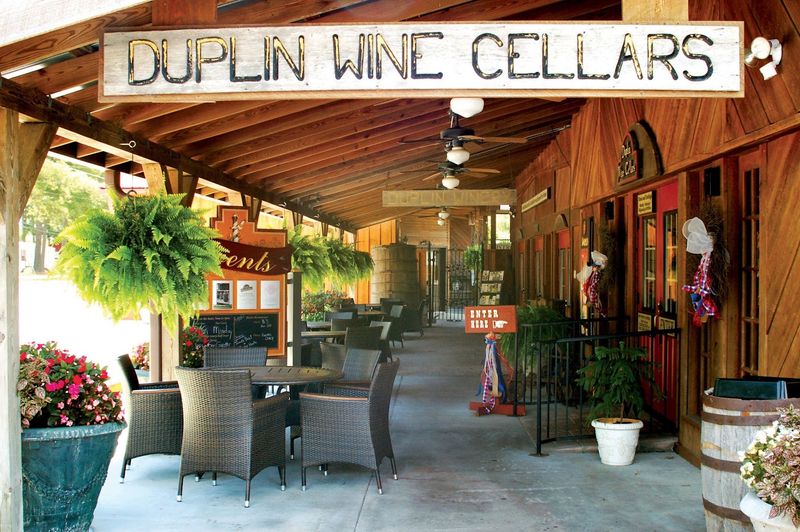
A bottle of sweet wine may not seem like an everyday product to everyone, yet in parts of North Carolina it is closely tied to family tables, gatherings, and local agriculture.
Duplin Winery in Rose Hill gives visitors a chance to see how grapes become one of the state’s most recognizable specialty beverages.
The experience blends production, farming heritage, and regional pride in a way that feels distinctly North Carolinian.
One of the most interesting lessons at Duplin is the role of muscadine grapes.
Unlike many wines people hear about from other regions, muscadine has deep Southern roots and a flavor profile of its own.
Learning how those grapes are grown, processed, fermented, and bottled helps visitors understand why this product reflects local climate and local taste.
The tour also shows how a winery operates as both a production site and a visitor destination.
Equipment, bottling systems, and storage areas reveal the practical side of making wine at scale, while the welcoming public spaces show how the finished product becomes part of tourism.
That balance matters because it explains how one business can support farming, hospitality, and retail all at once.
Planning ahead can make the visit smoother, especially if you are traveling during busy weekends or event seasons.
Adults who want to sample should build extra time into the day and arrange transportation responsibly.
Even for visitors who do not drink, the agricultural story and the connection to local identity can still make the stop worthwhile.
What stays with many guests is the sense that a bottle carries more than liquid inside it.
Duplin Winery reveals the work of growers, processors, bottlers, and hosts who help bring a familiar regional product to the public.
In North Carolina, that makes the winery feel like more than a tasting stop.
It becomes a story about crops, community, and how local traditions keep shaping products people enjoy and share.
10. Homeland Creamery
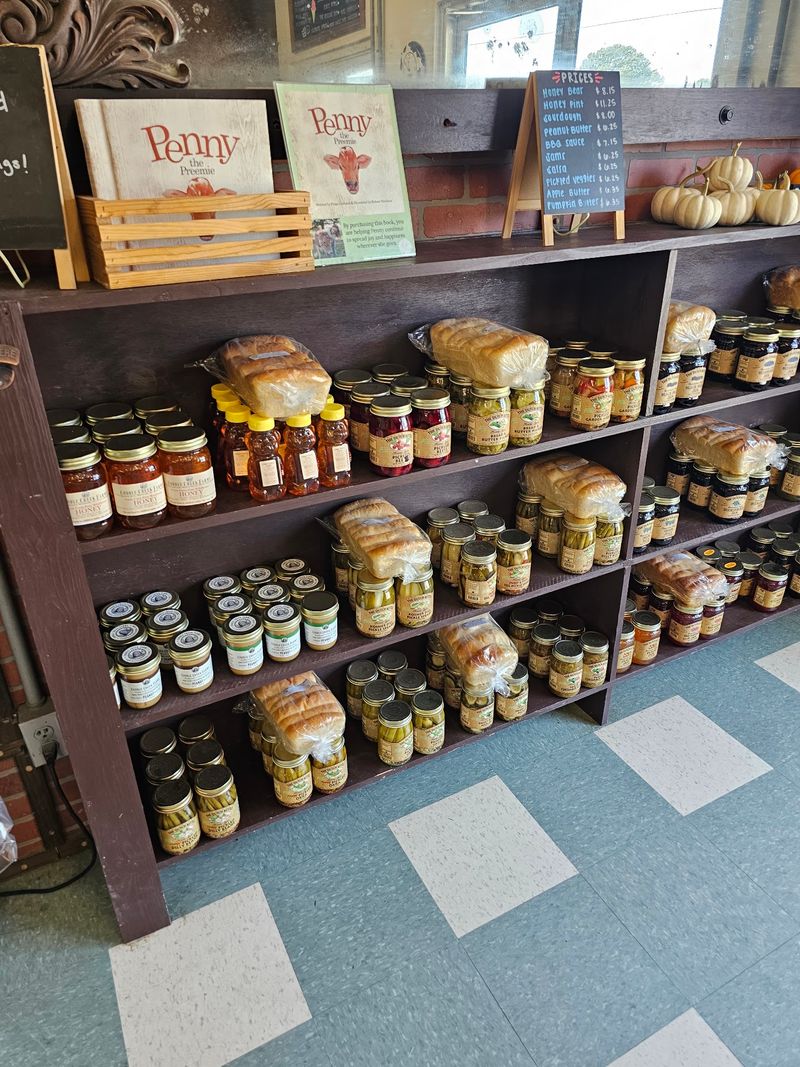
Milk often feels like the most ordinary item in the refrigerator, which is exactly why a creamery tour can be so eye-opening.
Homeland Creamery in Julian helps visitors see the journey from pasture to bottle in a very direct way.
The setting feels grounded and real, making it easier to connect the finished product with animals, land, and the people who manage both.
At a place like this, the production story starts outside as much as inside.
Cows, grazing space, feeding routines, and daily farm care are all part of what eventually becomes milk, ice cream, and other dairy products.
Once visitors see the processing side, including bottling and handling, they usually gain a better sense of how freshness and cleanliness shape every step.
Homeland Creamery also highlights the value of local food systems.
Buying from a nearby dairy can shorten the path between farm and customer, and that can help people think more carefully about where everyday groceries come from.
In North Carolina, where agriculture remains important, that lesson feels practical rather than abstract.
Families often find this stop especially enjoyable because it combines education with a simple rural atmosphere.
It is smart to check visiting hours, seasonal activities, and any rules about access before arriving.
If the shop is open, bringing a cooler is useful, since many people want to take home milk or frozen treats after seeing how they are made.
Perhaps the strongest part of the experience is how clearly it ties a daily habit to real work.
Homeland Creamery shows that a bottle of milk depends on animal care, farm management, processing equipment, and constant attention to quality.
That knowledge can make even a basic breakfast seem more meaningful.
Among North Carolina factory and farm tours, this one stands out for showing that everyday products are not only manufactured items, but also living connections between fields, families, and food on the table.
Share this story