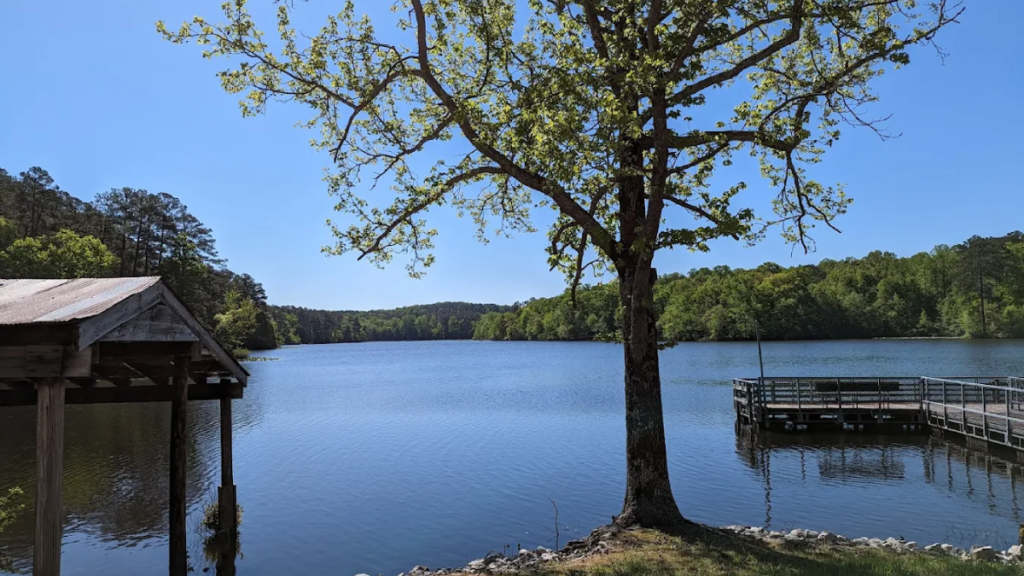
Tennessee’s landscape is packed with natural wonders, and when it comes to state parks, size absolutely matters. The bigger the park, the more room there is to explore wild forests, hidden waterfalls, rugged trails, and peaceful lakeshores without bumping into crowds.
From the Cumberland Plateau’s dramatic gorges to West Tennessee’s bottomland forests, these massive parks offer adventures that smaller spots just can’t match.
1. Natchez Trace State Park
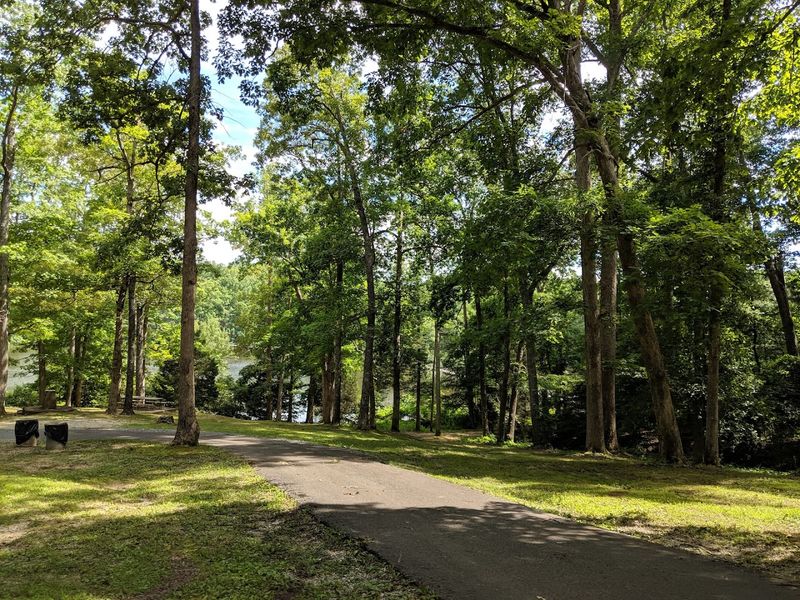
Sprawling across 48,000 acres of West Tennessee wilderness, Natchez Trace State Park feels like stepping into a world where nature still calls the shots. This massive park wraps around four lakes and seemingly endless forest, creating the kind of space where you can actually get lost in the good way. Whether you’re paddling across Pin Oak Lake or hiking through dense hardwood stands, the sheer size means you’ll find your own slice of solitude.
Horseback riders love the miles of dedicated trails that wind through the backcountry, while anglers cast lines into multiple lakes stocked with bass, crappie, and catfish. The park also features rustic cabins and developed campgrounds, so you can pick your comfort level. Birdwatchers should bring binoculars because the varied habitats attract everything from warblers to woodpeckers.
What really sets Natchez Trace apart is its remote-feeling vibe, even though it’s accessible from nearby towns. The forest here is thick and wild, with pockets of wetlands and open meadows that shift with the seasons. Spring brings wildflowers and migrating birds, while fall paints the canopy in fiery reds and golds.
Families appreciate the swimming beach and picnic areas, but adventurous souls should explore the lesser-known trails that snake into the park’s quieter corners. With 48,000 acres to roam, you could visit a dozen times and still discover something new. This is Tennessee wilderness at its most generous, offering space, scenery, and the kind of peace that only comes from truly big, wild places.
2. Justin P. Wilson Cumberland Trail
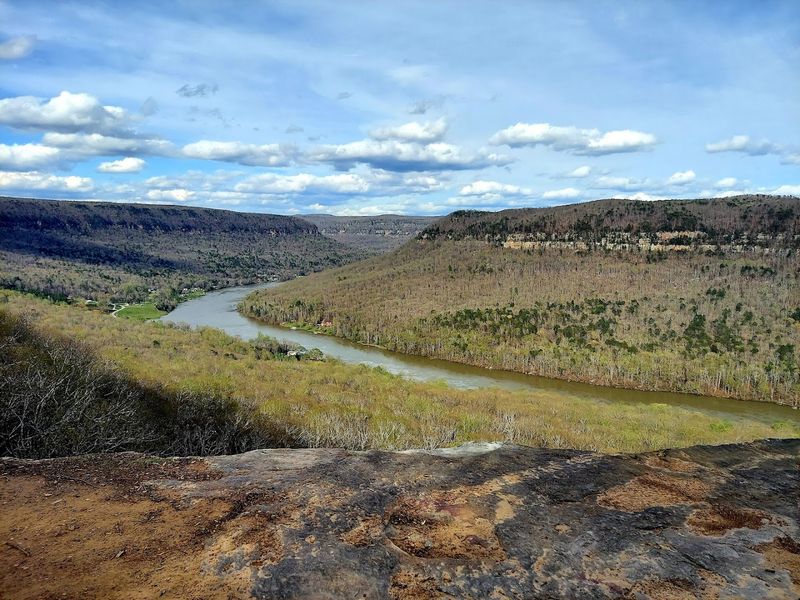
Stretching over 40,000 acres along the Cumberland Plateau, Justin P. Wilson Cumberland Trail State Park isn’t your typical park experience. Instead of a single destination, it’s a ribbon of protected wilderness that runs for miles, connecting rugged ridges, deep gorges, and hidden waterfalls.
The trail itself is the star here, offering serious hikers a chance to tackle challenging sections with panoramic overlooks and backcountry campsites.
This linear park follows ancient ridgelines and plunges into creek valleys, giving you a true cross-section of the plateau’s dramatic landscape. Rocky bluffs jut out over forested canyons, and seasonal waterfalls tumble down sandstone cliffs after heavy rains. The trail passes through everything from dry oak forests to cool, moist coves where ferns carpet the ground.
Backpackers can plan multi-day treks, camping at designated sites and waking up to sunrise views that stretch for miles. Day hikers have plenty of access points, too, so you can sample different sections without committing to the full route. Each segment has its own personality, from the technical scrambles near Signal Point to the gentler stretches through hardwood groves.
Because the park is so spread out, you’ll rarely feel crowded, even on popular weekends. Wildlife thrives in this corridor of protected land, with deer, wild turkeys, and even black bears calling it home. The bigger-is-better philosophy really shines here because the trail’s length and the park’s acreage create a genuine wilderness experience that shorter trails just can’t deliver.
3. Fall Creek Falls State Park
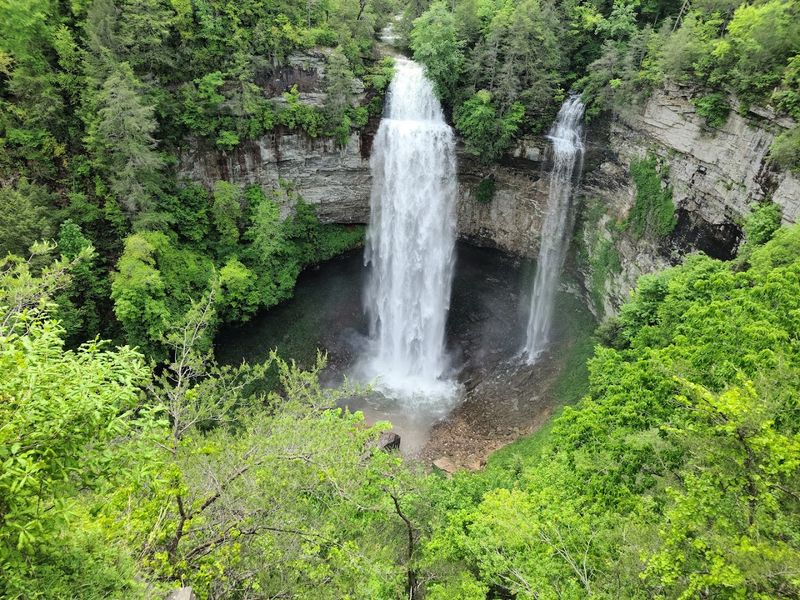
At nearly 30,000 acres, Fall Creek Falls State Park is Tennessee’s crown jewel, and for good reason. The park’s namesake waterfall plunges 256 feet into a misty gorge, making it one of the tallest waterfalls east of the Mississippi. But that’s just the headline act in a park packed with cascades, creeks, caves, and overlooks that could fill a week’s worth of exploring.
Beyond the main falls, you’ll find Cane Creek Falls, Piney Falls, and Cane Creek Cascades, each with its own trailhead and viewing area. The gorges here are deep and dramatic, carved over millennia by relentless water. Suspension bridges span the chasms, offering heart-pounding views straight down into the rocky depths below.
Families love the developed areas with a nature center, swimming pool, and golf course, but adventurous types should hit the backcountry trails that loop through old-growth forest and along cliff edges. The park’s size means you can choose your own adventure, whether that’s a leisurely stroll to an overlook or a strenuous hike down to the base of the falls.
Camping options range from tent sites to full-service cabins with kitchens and fireplaces, so you can stay as long as you want. Fishing is popular in Fall Creek Lake, and mountain bikers have miles of dedicated trails to tackle. The park’s sheer scale allows for diverse ecosystems, from dry ridgetops to lush creek bottoms, each supporting different plants and animals.
4. Frozen Head State Park
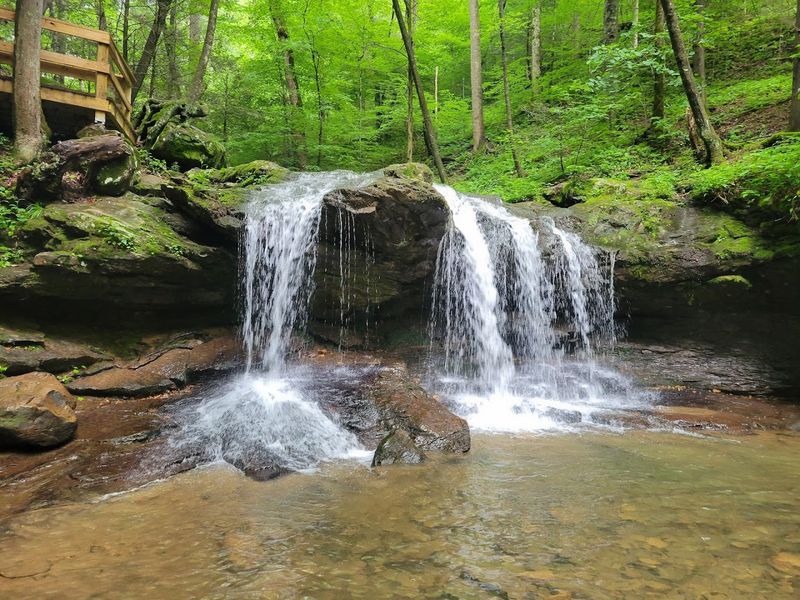
Frozen Head State Park covers more than 24,000 acres of the Cumberland Mountains, offering a wilderness experience that feels worlds away from civilization. The park takes its name from the 3,324-foot Frozen Head peak, where fog and ice often cap the summit in winter, creating an otherworldly landscape. This is serious hiking territory, with trails that climb steep ridges, cross mountain streams, and wind through old-growth forest.
Backpackers flock here for the challenging routes and primitive campsites scattered throughout the backcountry. The Chimney Top Trail is a local favorite, rewarding those who tackle its steep ascent with 360-degree views from a rocky outcrop. Waterfalls are common, especially in spring when snowmelt and rain send creeks rushing down the mountainsides.
The park’s size and rugged terrain mean you can hike for hours without seeing another soul, a rare luxury in today’s crowded outdoor spaces. Wildlife is abundant, with black bears, bobcats, and salamanders thriving in the protected forests. Birdwatchers should listen for the calls of warblers and thrushes echoing through the canopy.
Frozen Head also hosts the infamous Barkley Marathons, an ultra-endurance race that tests the limits of even the toughest athletes. But you don’t need to be an ultrarunner to appreciate this park’s wild beauty. The trails range from moderate to extremely difficult, so there’s something for every skill level.
With over 24,000 acres to explore, you could spend a lifetime discovering hidden hollows, secret waterfalls, and quiet ridgetop vistas that few people ever see.
5. Savage Gulf State Park
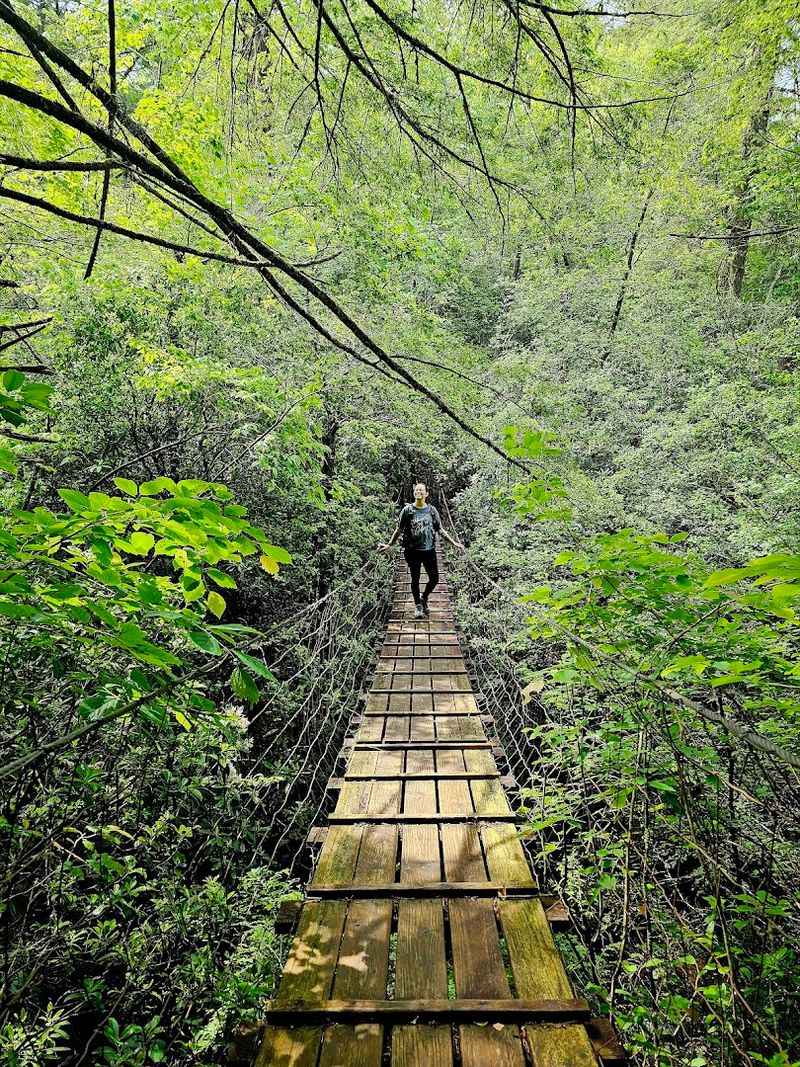
Savage Gulf State Park lives up to its name with approximately 19,000 acres of raw, untamed wilderness carved into the Cumberland Plateau. Deep sandstone gorges drop hundreds of feet, their walls streaked with mineral stains and draped in moss. Waterfalls appear around nearly every bend, and the trails here demand respect, with rocky scrambles and steep descents that reward hikers with jaw-dropping scenery.
The park is divided into several access points, each offering a different perspective on the gulf’s dramatic landscape. Savage Falls, Greeter Falls, and Stone Door are must-see destinations, but the real magic happens when you venture deeper into the backcountry. Narrow slot canyons, natural rock shelters, and crystal-clear streams create an almost prehistoric atmosphere.
Backpackers can string together multi-day loops, camping at designated sites perched on cliff edges or tucked into forested hollows. The remoteness of Savage Gulf means you’ll need to be self-sufficient and prepared for changing conditions. Cell service is spotty at best, and the nearest town is miles away, adding to the sense of true wilderness adventure.
Spring and fall are prime times to visit, when temperatures are mild and the waterfalls are flowing strong. Summer can be hot and humid in the gorges, while winter brings ice-coated cliffs and frozen cascades that transform the landscape into a crystalline wonderland. The park’s size ensures that even on busy weekends, you can find solitude if you’re willing to hike far enough.
6. Meeman-Shelby Forest State Park
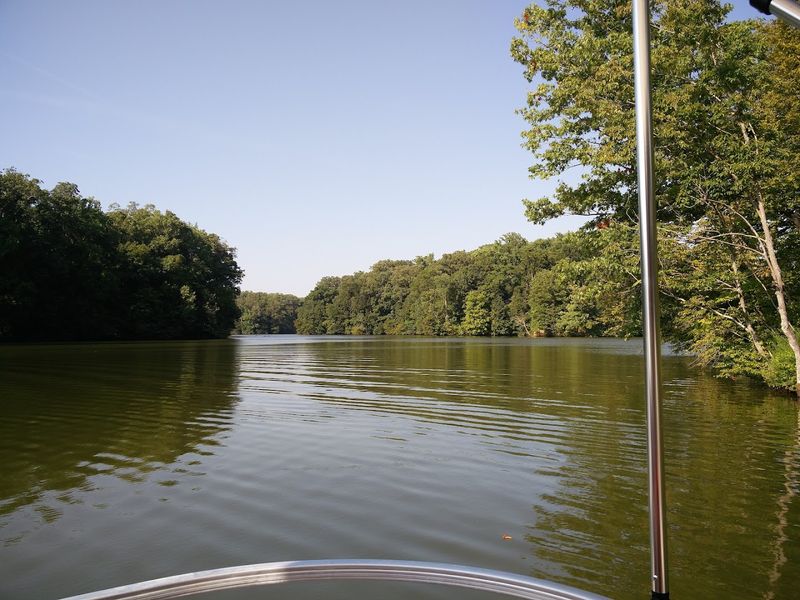
Just north of Memphis, Meeman-Shelby Forest State Park protects 12,539 acres of hardwood bottomlands and Chickasaw Bluffs along the Mississippi River. This West Tennessee gem offers a completely different landscape than the mountain parks, with towering tupelo and bald cypress rising from swampy lowlands. Poplar Tree Lake anchors the park’s developed area, providing fishing, paddling, and shoreline trails that wind through the forest.
Birdwatchers consider this park a hotspot, especially during migration seasons when warblers, vireos, and tanagers pass through by the thousands. The diverse habitats, from upland oak-hickory forest to bottomland swamps, support an incredible variety of species. Bring binoculars and a field guide because you’ll want to identify everything you see.
Hiking trails range from easy lakeside loops to longer backcountry routes that explore the park’s wilder sections. The Chickasaw Bluff Trail offers elevated views of the Mississippi River floodplain, while the Woodland Trail meanders through dense forest where deer and wild turkeys are common sights. The park’s size allows for both developed recreation and genuine wilderness exploration.
Camping is available year-round, with sites tucked into the forest and cabins overlooking the lake. The park also features an Olympic-size pool, a perfect summer retreat after a hot day on the trails. Because Meeman-Shelby is so close to Memphis, it’s a popular weekend escape, but the park’s acreage means there’s always room to spread out.
Whether you’re paddling through a cypress swamp or watching the sun set over the Mississippi River, this park proves that bigger bottomlands mean richer ecosystems and more opportunities for discovery.
7. Scott’s Gulf Wilderness State Park
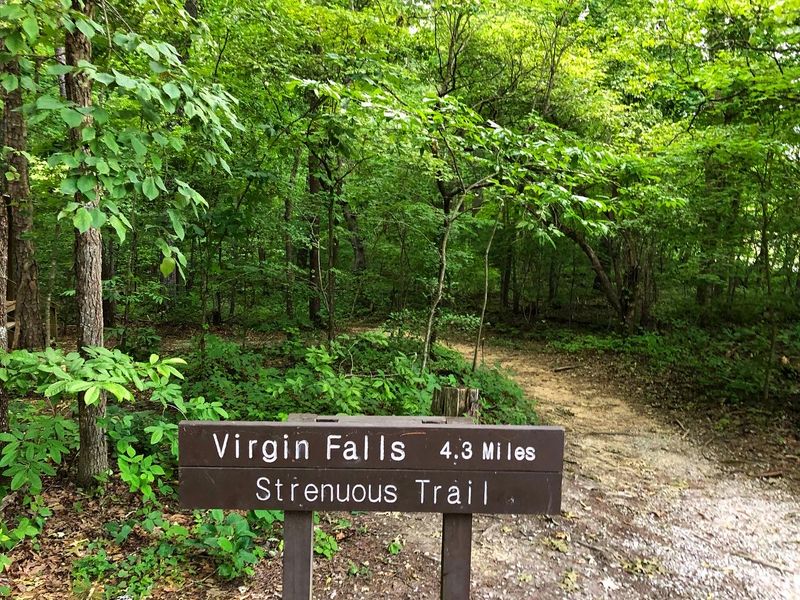
Scott’s Gulf Wilderness State Park sprawls across 9,566 acres near Sparta, offering a wild, relatively undeveloped landscape that feels like a secret even among Tennessee outdoor enthusiasts. Waterfalls tumble into deep gorges, caves pock the limestone cliffs, and panoramic overlooks provide sweeping views of the surrounding plateau. This park is all about raw, unfiltered nature with minimal infrastructure and maximum adventure potential.
The trails here are rugged and sometimes poorly marked, so bring a map and a sense of adventure. Waterfalls like Northrup Falls and Scott’s Gulf Falls are the main attractions, but getting to them requires careful navigation and a willingness to scramble over rocks and ford streams. The reward is solitude and scenery that few people ever witness.
Caves dot the gorge walls, some large enough to explore with a flashlight and a cautious approach. These natural shelters were once used by Native Americans and early settlers, adding a layer of history to the wild landscape. The overlooks, perched high above the gulf, offer vertigo-inducing views straight down into the forested depths below.
Because the park is designated as wilderness, expect primitive conditions. There are no developed campgrounds or visitor centers, just miles of forest and rock waiting to be explored. This appeals to hikers and backpackers who want to escape the crowds and test their skills in a truly wild setting.
The park’s size and remote location mean you might not see another person all day, a rare and precious experience in the modern world.
8. Fiery Gizzard State Park
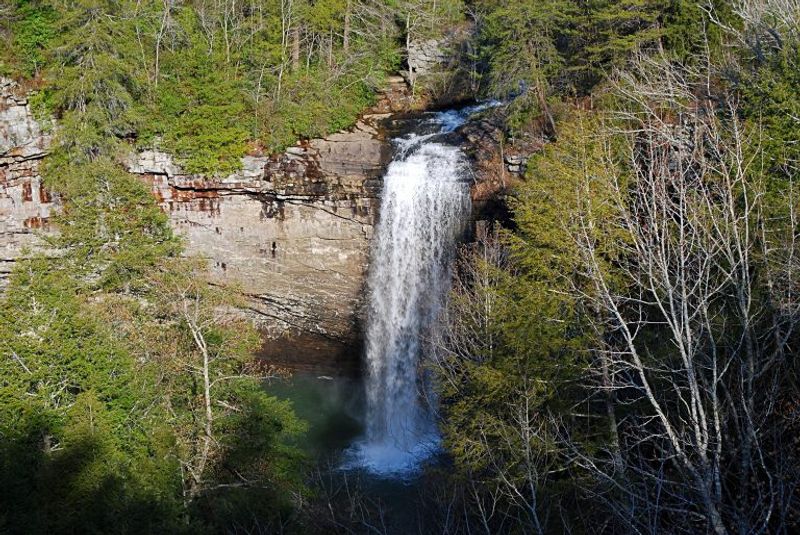
Fiery Gizzard State Park is legendary among Tennessee hikers, and its approximately 7,811 acres pack more punch per square foot than almost any other park in the state. The Fiery Gizzard Trail is consistently ranked as one of the best day hikes in the South, featuring waterfalls, boulder fields, creek crossings, and overlooks that will leave your camera full and your legs tired.
This park is all about the trails, and the size ensures there’s plenty of backcountry to explore beyond the main route.
The trail follows Fiery Gizzard Creek through a narrow gorge, passing waterfalls like Blue Hole Falls and Sycamore Falls along the way. Rocky scrambles and steep climbs keep things interesting, and the changing scenery means you’re never bored. Hemlock groves, rhododendron thickets, and sandstone bluffs create a diverse landscape that shifts with every mile.
Backcountry camping is allowed at designated sites, making this a popular destination for overnight trips. Imagine waking up to the sound of the creek rushing over rocks and the smell of campfire smoke drifting through the trees. The trail can be hiked as a long day trip or broken into shorter sections if you prefer a more leisurely pace.
Because the Fiery Gizzard Trail is so well-known, it can get crowded on weekends, especially in spring and fall. But the park’s size and additional trails mean you can always find quieter spots if you’re willing to venture off the main route. The rugged terrain and serious elevation changes make this a challenging hike, but the payoff is some of the most stunning scenery in Tennessee.
9. Edgar Evins State Park
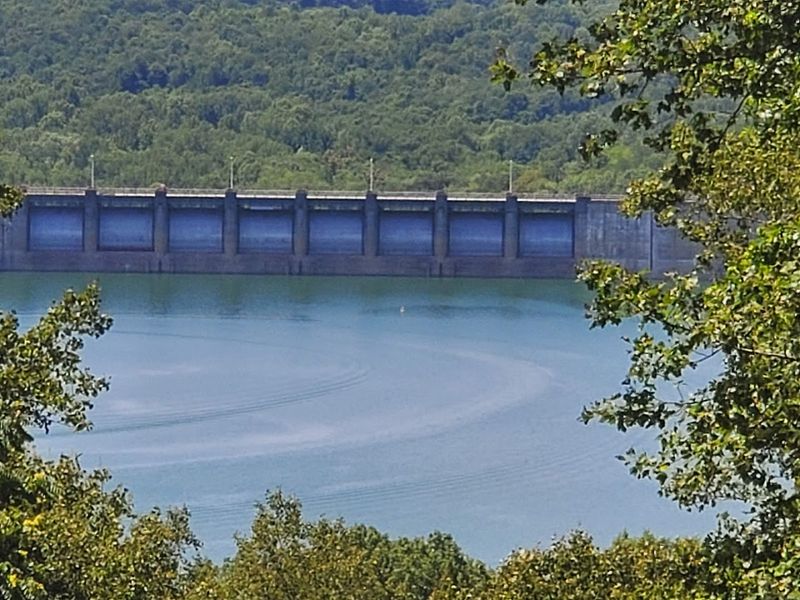
Edgar Evins State Park sits on 6,000 acres along the shores of Center Hill Lake, offering a lake-focused experience with plenty of room to roam. The park’s rolling Highland Rim terrain creates a hilly, forested landscape that contrasts beautifully with the sparkling blue waters of the lake. Cabins perched on ridges overlook the water, while campsites nestle into wooded coves, giving visitors a front-row seat to one of Tennessee’s most scenic reservoirs.
Boating and fishing are the main attractions, with a full-service marina offering rentals and slip space. Center Hill Lake is known for its clear water and abundant fish populations, including bass, crappie, and walleye. Anglers can launch from the park or fish from the shoreline, while paddlers can explore quiet coves and inlets that feel miles away from civilization.
Hiking trails wind through the park’s forested hills, offering views of the lake and surrounding ridges. The trails aren’t extremely long or difficult, making them perfect for families or casual hikers who want to stretch their legs between lake activities. Deer and wild turkeys are common sights along the trails, especially in early morning or late afternoon.
The park’s size allows for both active recreation and peaceful relaxation. You can spend the day waterskiing or swimming, then retreat to a quiet campsite or cabin for the evening. The Highland Rim scenery is especially beautiful in fall, when the hardwood forests blaze with color.
Edgar Evins proves that a lake park can be just as rewarding as a mountain park when there’s enough acreage to support diverse habitats and activities.
10. Big Hill Pond State Park
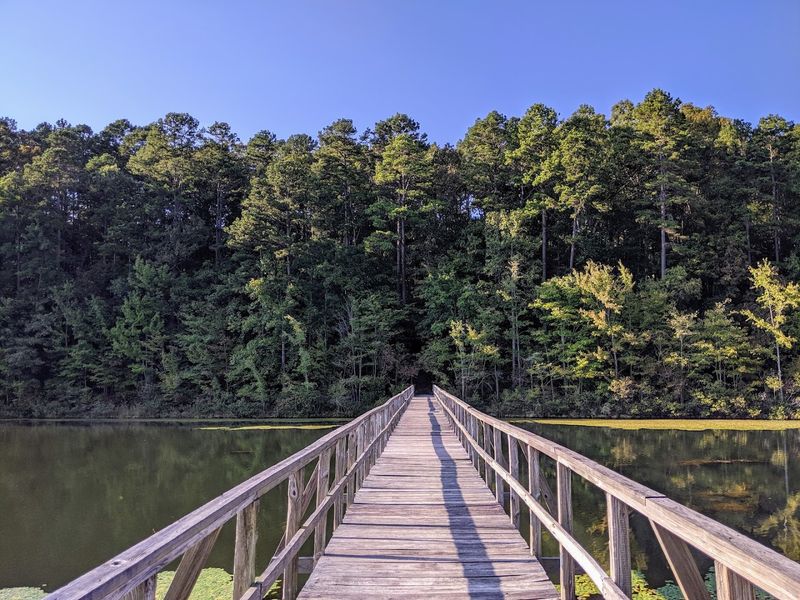
Big Hill Pond State Park covers 4,300 acres in West Tennessee, offering a quieter, more contemplative outdoor experience than some of the state’s more famous parks. The park centers around Big Hill Pond and Travis McNatt Lake, both surrounded by hardwood bottomlands and upland timber that create a patchwork of habitats. An observation tower provides bird’s-eye views of the wetlands, where herons, egrets, and waterfowl gather throughout the year.
The trails here are gentle and meandering, perfect for leisurely walks or family outings. The Tuscumbia Trail follows an old rail bed, offering flat, easy hiking through the forest. Other trails loop around the ponds and through the wetlands, giving hikers a chance to spot turtles, frogs, and the occasional beaver.
The park’s size allows for plenty of trail variety without overwhelming less experienced hikers.
Fishing is popular in both bodies of water, with bass, bluegill, and catfish providing plenty of action. Canoes and kayaks can be launched from designated areas, allowing paddlers to explore the quiet backwaters where the forest meets the water. The peaceful atmosphere makes this a favorite spot for photographers and nature lovers who want to escape the hustle of busier parks.
Camping is available in both developed and primitive areas, so you can choose your level of comfort. The park also features picnic areas and a swimming beach, making it a great destination for day trips. While Big Hill Pond may be the smallest park on this list, its 4,300 acres still provide ample space to explore, relax, and reconnect with nature.