Pennsylvania has some of the prettiest woods, ridges, and rocky trails in the eastern United States, but warm weather brings out more than wildflowers and songbirds. Timber rattlesnakes live in many quiet, stony parts of the state, especially in sunny openings, talus slopes, dry ridges, and remote forest paths.
Most rattlesnakes do not want trouble and will usually move away if left alone, yet hikers can still have a scary surprise when trails are busy, hot, and full of hidden places where snakes rest. Knowing which popular routes locals treat with extra caution during peak rattlesnake activity can help families, day hikers, and backpackers choose safer plans, carry better gear, and enjoy Pennsylvania with more confidence.
1. Old Loggers Path, Canton, PA
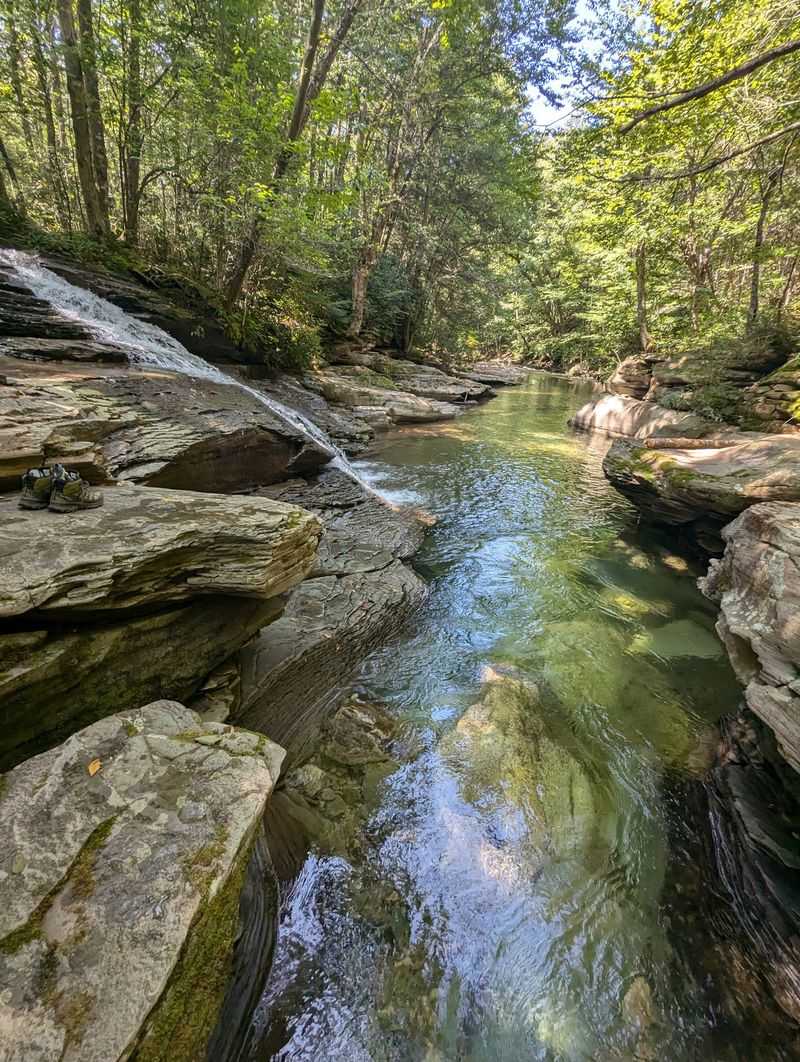
A quiet trail can feel almost secret here, which is exactly why many local hikers speak about it with respect.
Old Loggers Path winds through remote forest near Canton, with long stretches of shade, rocky spots, and places where the woods suddenly open to sun.
During peak rattlesnake activity, usually warm days from late spring into early fall, those sunny patches matter.
Timber rattlesnakes often use rocks, logs, and dry edges to warm their bodies, especially in the morning or after cooler nights.
People who know the area often avoid rushing through brushy side areas or stepping over logs without looking first.
The trail is not a bad trail, but it asks for careful feet, calm choices, and a little patience.
If you hike nearby in snake season, stay on the path and keep dogs leashed close.
Trekking poles can help you check the ground ahead, but never poke at a snake or try to move it.
Good boots, long pants, and a slow pace are smarter than fear.
Rattlesnakes usually warn with a rattle or stay still, hoping not to be bothered.
Backpackers should also choose campsites with care.
Avoid rock piles, thick leaf litter, and sunny log stacks, and use a headlamp after dark when walking around camp.
Families may prefer cooler months, such as October, when colors are bright and snake activity drops.
Spring can still bring snakes on warm afternoons, so do not assume chilly mornings make the whole day safe.
The best local advice is simple: admire the wild feeling, but do not treat it like a city park.
Old Loggers Path rewards watchful hikers, while careless steps can turn a peaceful outing into a nervous story.
Check recent trail reports before heading out, carry basic first aid, and give all wildlife plenty of room every time.
2. West Rim Trail Northern Terminus, Wellsboro, PA
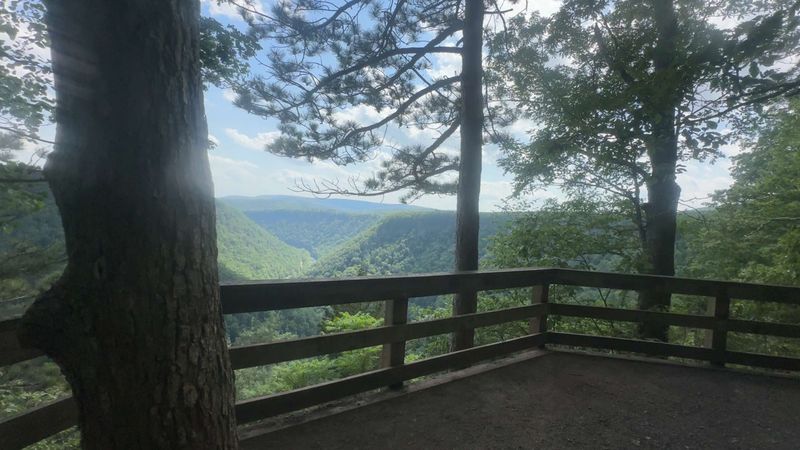
Big views can make people forget to watch their boots, and that is the trick at the northern end of the West Rim Trail.
Near Wellsboro, the route follows high ground above Pine Creek Gorge, where cliffs, dry ledges, and sunny clearings create classic rattlesnake country.
Locals love the scenery, but many choose cooler seasons for the most relaxed hike.
Warm summer afternoons can bring snakes onto rocks and trail edges, where their pattern blends with leaves, sticks, and shadows.
The northern terminus can be busy with hikers starting or finishing longer trips.
More people do not always mean fewer snakes, because wildlife may simply hold still until the path quiets down.
Keep children close near overlooks and rocky places.
Excited kids may want to climb, sit, or reach into cracks, but those are the exact places where a resting snake could be tucked away.
Photographers should be careful too.
A perfect canyon picture is not worth backing into brush or kneeling beside a rock without checking the area first.
If you hear a rattle, freeze for a moment and find the snake before moving.
Step back slowly and give it a wide path, since most bites happen when people get too close or try to handle the animal.
Morning hikes can feel cooler, but snakes may still be warming themselves once sunlight hits the ridge.
After rain, watch for them on drier spots where heat returns quickly.
For many visitors, fall is the sweet spot.
The gorge glows with color, bugs are fewer, and rattlesnake activity is usually lower than in the height of summer.
The West Rim Trail northern terminus is not a place to fear, but it is a place to respect.
Bring water, wear sturdy shoes, stay alert around ledges, and let Pennsylvania’s wild side stay wild.
A careful plan keeps the canyon beautiful instead of stressful for everyone.
3. Balance Rock, James Creek, PA
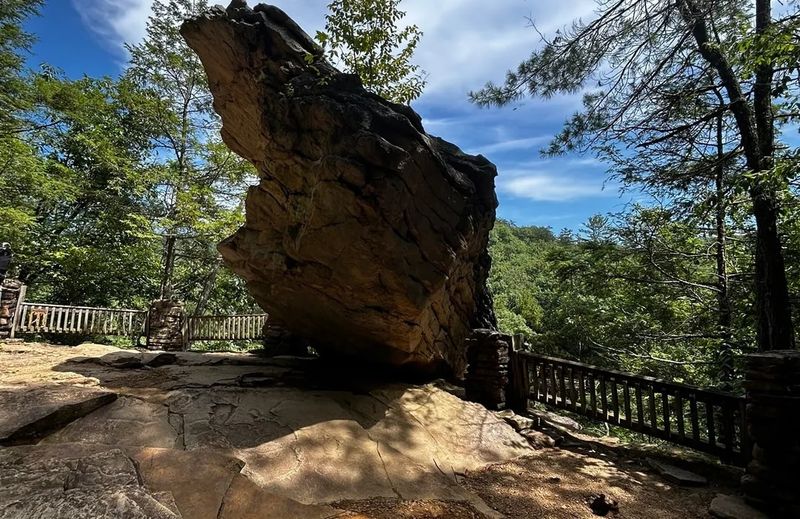
There is something fun about a strange rock formation, and Balance Rock has the kind of name that makes hikers curious.
Around James Creek, the mix of boulders, dry woods, and sunny stone surfaces can also make locals think twice during peak rattlesnake months.
Rocky landmarks often attract hands, cameras, and climbing feet.
That is part of the problem, because timber rattlesnakes may rest in cracks, under ledges, or along warm stone where people are tempted to explore.
The best move is to admire the formation without turning the visit into a scramble.
Stay on clear paths, look before sitting, and avoid reaching into holes or shaded pockets around rocks.
Snakes use camouflage like a superpower.
Their colors can look like dead leaves, bark, and broken stone, so a person moving fast may not notice one until they are too close.
Dogs add another layer of risk.
A curious dog may sniff at movement or sound, so keep pets leashed and away from rock piles, tall grass, and brushy edges.
Warm, still days are the times to be most alert.
In Pennsylvania, rattlesnakes are often more active when temperatures are comfortable, not blazing hot, so late morning and early evening can deserve extra care.
If you spot one, do not shout, throw sticks, or try to scare it away.
Back up, wait, and let the snake choose its own exit.
Visitors who want an easier outing can pick a cool fall day or a crisp spring morning before temperatures climb.
Even then, using caution around stones is a good habit.
Balance Rock is memorable because nature shaped something unusual, not because hikers need to touch every surface.
Treat the rocks like a wildlife home, and the stop stays interesting, safe, and respectful.
Pack a small first aid kit, tell someone your route, and remember that calm choices are the best trail tool.
4. Loyalsock Trailhead, Williamsport, PA
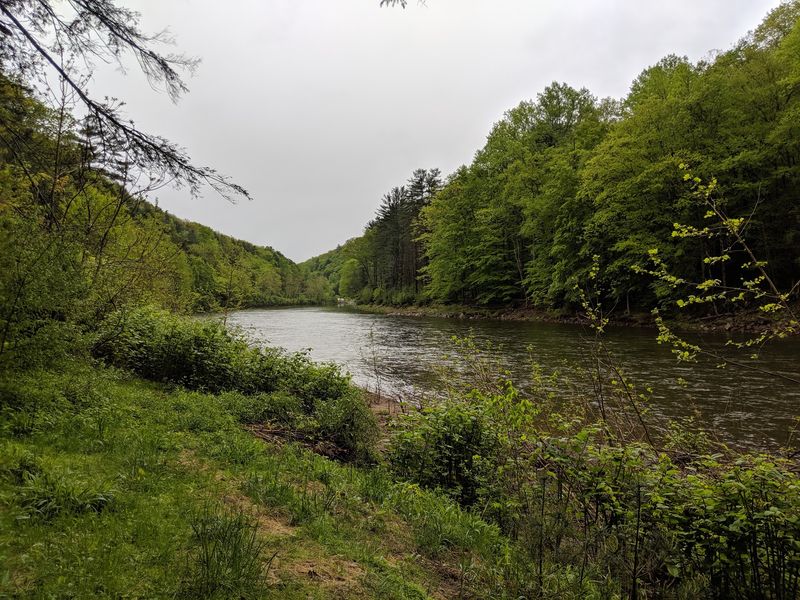
A trailhead can feel like the start of an adventure movie, especially when the forest looks deep and green.
The Loyalsock Trailhead near Williamsport leads into rugged Pennsylvania land, with rock gardens, stream valleys, thick laurel, and dry ridges that locals know can hold rattlesnakes.
Peak activity does not mean snakes cover the trail.
It means hikers should expect the possibility, especially where sun reaches stones, roots, and open ground.
One reason locals stay cautious here is the changing terrain.
A hiker may move from damp creekside air to a warm rocky slope in a short time, and snakes may use those warmer places to rest or travel.
Before starting, take a minute at the trailhead to set a smart pace.
Rushing in the first mile can lead to careless steps, missed blazes, or surprise encounters around rocks and logs.
The Loyalsock area is also popular with backpackers.
If you are carrying a heavy pack, remember that stepping back quickly is harder, so give every blind step extra attention.
Never place hands where your eyes have not checked first.
That rule matters when tying shoes on a rock, grabbing a tree for balance, or moving near a campsite.
Water stops deserve care too.
Snakes may travel near sunny stream banks, flat stones, or patches where the trail opens from thick shade.
For a safer warm-season trip, hike with a partner and keep voices at a normal level.
You do not need to make loud noise, but you should avoid surprising wildlife at close range.
Cooler fall weekends can be a better pick for people who feel nervous about snakes.
The forest is still beautiful, and the odds of meeting an active rattlesnake are often lower.
The Loyalsock Trailhead is a gateway to real Pennsylvania backcountry.
Respect the terrain, pack more water than you think you need, and let every careful step help the day go smoothly.
Good planning turns concern into confidence on this trail.
5. Golden Eagle Trail, Cammal, PA
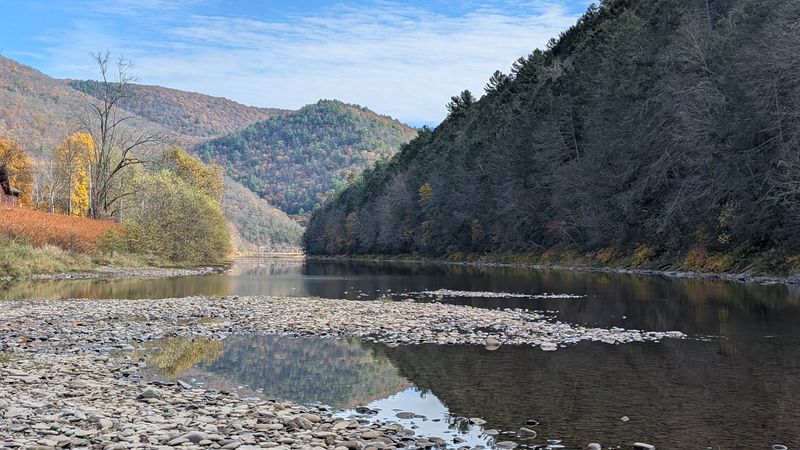
Some hikes earn their name, and Golden Eagle Trail has the high, wild feeling to prove it.
Near Cammal, the route climbs steep slopes, crosses rocky sections, and offers sweeping views that make hikers stop, smile, and sometimes forget the ground at their feet.
Locals often treat this trail with extra care in rattlesnake season because it has many warm, dry features.
Rocky switchbacks, exposed ledges, and sunny openings can be useful places for timber rattlesnakes to warm up.
The climb can also make people tired.
When legs feel shaky, hikers may step heavily over rocks or grab nearby roots without looking, which is not wise in snake habitat.
Plan breaks in open, clear spots where you can see the ground.
Before sitting, scan the area around logs, stones, and brush, and shake out any gear left on the ground.
Trail runners should be especially careful here.
Moving fast on rocky terrain can make it harder to spot a snake resting across the path or beside a step.
Hot weather adds another concern: dehydration.
A thirsty, tired hiker pays less attention, so carry enough water and start early if temperatures are rising.
If you meet a rattlesnake, patience is the safest choice.
Give it space, let other hikers know quietly, and wait for the animal to move away if it is blocking the trail.
Do not try to get a close photo.
Zoom from far away if you must, but remember that online bragging rights are never worth a bite.
Many locals would rather hike Golden Eagle Trail in fall, when the view is colorful and the air feels kinder.
Winter and early spring bring their own challenges, but snake risk is usually less of a focus.
Golden Eagle Trail is a Pennsylvania classic for strong hikers.
During peak rattlesnake activity, though, it is best saved for people who can stay alert, steady, and respectful from start to finish.
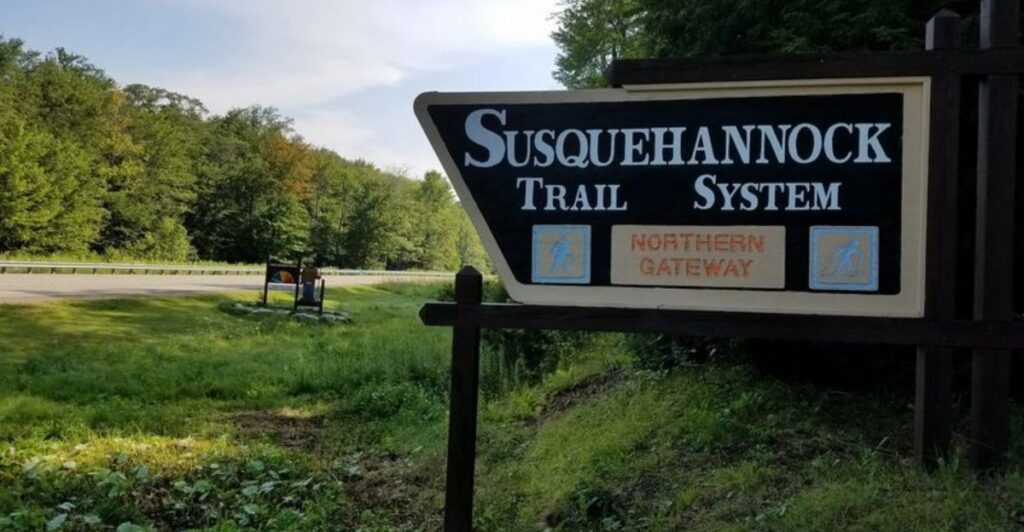
6. Susquehannock Trail System, West Branch Township, PA
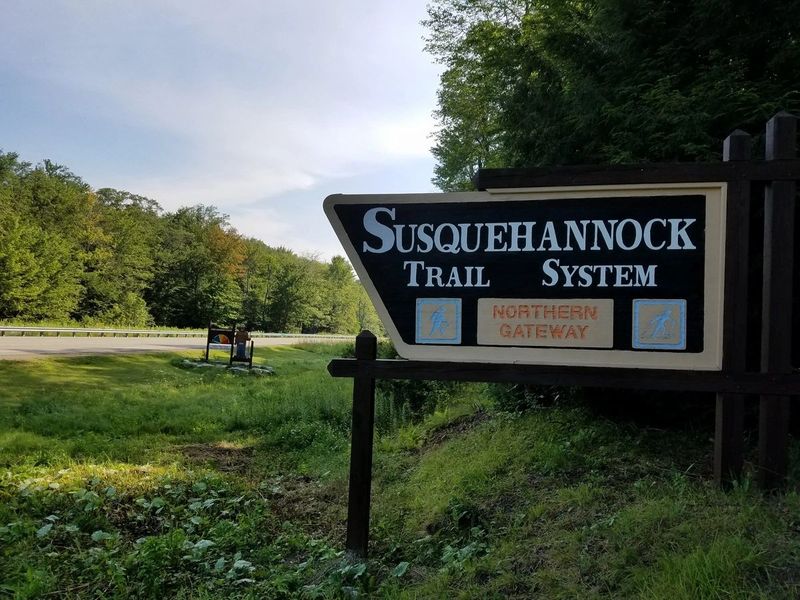
Remote trails have a special kind of silence, and the Susquehannock Trail System delivers plenty of it.
In West Branch Township and surrounding forest land, hikers can spend long hours far from roads, which makes smart snake awareness even more important.
Timber rattlesnakes live in parts of Pennsylvania’s big woods, especially near rocky slopes, sunny openings, and old forest edges.
The Susquehannock Trail System passes through country that can include those features.
The distance from quick help changes the way locals think about this route.
A snake encounter may be rare, but a bite in a remote area could become serious because getting out takes time.
Backpackers should prepare before the trip, not after a problem starts.
Carry a map, a charged phone, a whistle, a first aid kit, and, in weak service areas, consider a satellite messenger.
Foot placement matters mile after mile.
Look before stepping over blowdowns, avoid thick brush shortcuts, and keep your hands off rock cracks and hidden ledges.
Campsites need a careful scan.
Choose clean, open spots away from rock piles, heavy weeds, and sunny debris where a snake might hunt or rest.
Food storage is still important, even though snakes are not after your snacks.
Rodents are attracted to messy camps, and rodents can attract snakes and other wildlife.
When hiking with a group, leave space between people.
That way, if the first person sees a snake, the next person has time to stop safely.
A cooler-season trip can feel calmer for hikers who dislike snake worries.
Fall backpacking is especially appealing, with crisp air, fewer insects, and bright leaves.
The Susquehannock Trail System is not a place to panic, but it does ask hikers to be self-reliant.
Locals know the woods are beautiful because they are wild, and wild places reward people who plan ahead.
Respect the quiet, move carefully, and your memories are more likely to be peaceful ones.
7. Chuck Keiper Trail, Noyes Township, PA
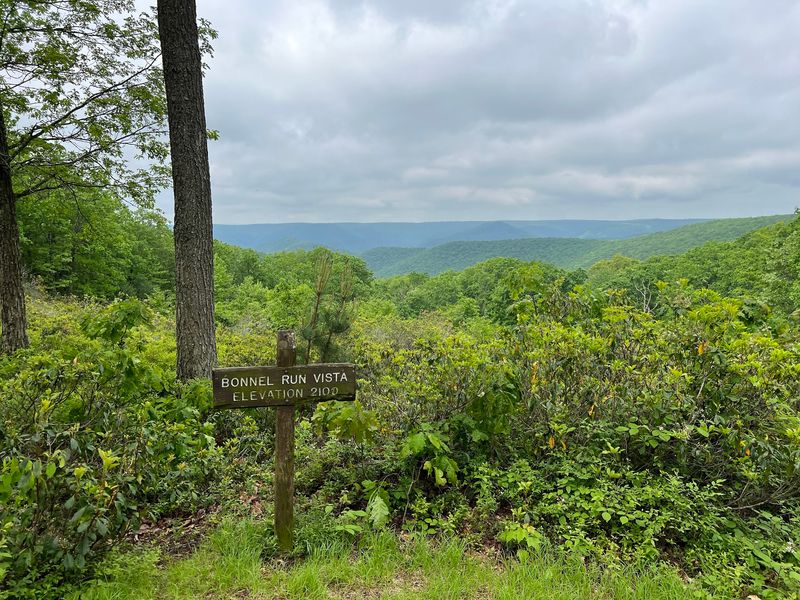
Wild, rough, and a little stubborn, Chuck Keiper Trail is the kind of route that does not try to make things easy.
In Noyes Township, its remote miles, steep climbs, and rocky stretches make it a serious outing during rattlesnake season.
Locals know this trail can feel lonely fast.
That solitude is part of its charm, but it also means hikers must pay close attention to where they step and where they place gear.
Rattlesnakes favor places where they can warm up and stay hidden.
Along a rugged trail, that can mean flat rocks, trail edges, dry leaves, and sunny breaks in the forest.
The trail’s uneven footing can distract hikers.
When you are watching blazes, balancing on rocks, or climbing a steep grade, it is easy to miss a patterned snake lying still.
Slow down in rocky sections, even if your schedule feels tight.
A few extra minutes are better than a startled jump or a risky stumble.
Solo hikers should be extra cautious.
Tell someone your plan, expected finish time, and backup route before you enter this part of Pennsylvania’s backcountry.
At camp, use a light every time you walk after sunset.
Barefoot trips outside the tent are a bad idea, even for just a few steps.
If a rattlesnake is on the trail, give it the right of way.
Wait from a safe distance, do not crowd it, and never try to toss it aside with a stick.
Hikers who are new to Pennsylvania wilderness may want to try shorter, less remote trails first.
Chuck Keiper Trail can be rewarding, but it is better suited for people who can stay calm and prepared.
Cool fall days often make this route more pleasant.
The air is easier for climbing, the forest feels sharp and clear, and snake activity is usually less intense than during warm summer stretches.
Respect its rough personality, and the trail will feel challenging for the right reasons.
8. Black Forest Trail, Slate Run, PA
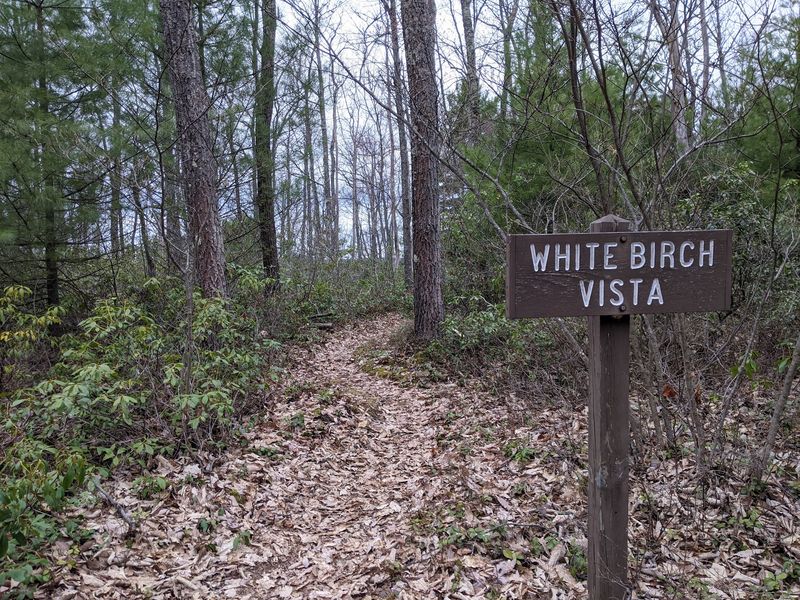
The name sounds like something from a storybook, but Black Forest Trail is very real and very demanding.
Near Slate Run, it loops through steep country with deep woods, rocky overlooks, and stretches that make many hikers both excited and humble.
During peak rattlesnake activity, locals often approach this trail with caution.
Its warm rocks, forest openings, and less-traveled corners can fit the needs of timber rattlesnakes moving through Pennsylvania’s rugged hills.
The loop is long enough that conditions can change many times in one trip.
A cool shaded hollow may lead to a sunlit slope where snakes could be more active.
Because the trail can be physically hard, fatigue becomes a safety issue.
Tired hikers may stop paying attention to leaves and rocks, exactly where a camouflaged snake may be resting.
Take breaks before you feel worn out.
Pick open ground, check around your pack, and avoid dropping food or clothing near logs and stone piles.
Backpackers should be careful when collecting water or stepping away from camp.
Streamside rocks and sunny banks may look harmless, but they still deserve a quick scan.
One smart habit is to keep your eyes moving.
Look at the trail, then a few steps ahead, then nearby edges, instead of staring only at your boots.
If hiking with friends, share alerts calmly.
A simple warning like snake ahead works better than yelling, which may cause someone to jump the wrong way.
Black Forest Trail can be a better choice in cooler months for hikers who want fewer snake concerns.
Autumn also brings stunning color to the Slate Run area, which feels like a fair trade.
No one needs to avoid Pennsylvania’s wild trails forever because of rattlesnakes.
The goal is to match the hike to the season, your comfort level, and your skills.
On Black Forest Trail, respect is not optional.
It is part of the gear list, right beside water, maps, and steady boots.
9. Appalachian Trail, Palmerton, PA
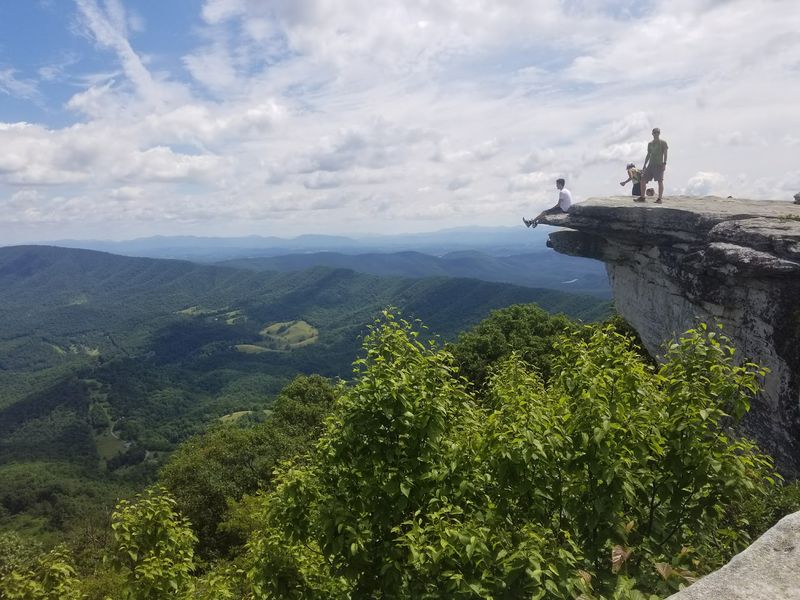
Few trails carry a bigger name than the Appalachian Trail, and the Palmerton section has a rocky attitude all its own.
Open ridges, dry stones, and bright sun can make this part of Pennsylvania memorable, tough, and worth extra caution in rattlesnake season.
Locals know the rocks near Palmerton can slow everyone down.
That slower pace is good for views, but it also means hands and feet often go near cracks, ledges, and warm surfaces.
Rattlesnakes may use rocky ridge habitat because it offers heat and shelter.
Their colors can blend with the pale stones and dry leaves, so do not count on seeing one from far away.
Poles are helpful here because they add balance without forcing you to grab rocks.
Still, use them for support, not for touching wildlife.
Hikers doing long Appalachian Trail miles may be focused on distance.
In peak snake months, it is better to give up a little speed and gain more awareness.
Watch where you place your hands during scrambles.
If a route requires handholds, look first and avoid dark gaps or hidden shelves.
Heat can be strong on exposed rock.
Carry plenty of water, wear sun protection, and take breaks in safe, open places where you can see the ground clearly.
If a snake is coiled near the path, do not pressure it to move.
Wait, back away, or choose a safe detour only if you can stay on durable ground without trampling plants.
Many hikers prefer spring before hot spells or fall after temperatures drop.
Those seasons still require awareness, but the experience can feel less tense.
The Appalachian Trail near Palmerton shows how varied Pennsylvania hiking can be.
It is not just soft forest paths.
It is rock, sun, history, and habitat all together.
Treat that mix with care, and you will be more likely to leave with sore legs, good photos, and no unwanted wildlife drama.
10. Mid State Trail, Clearville, PA
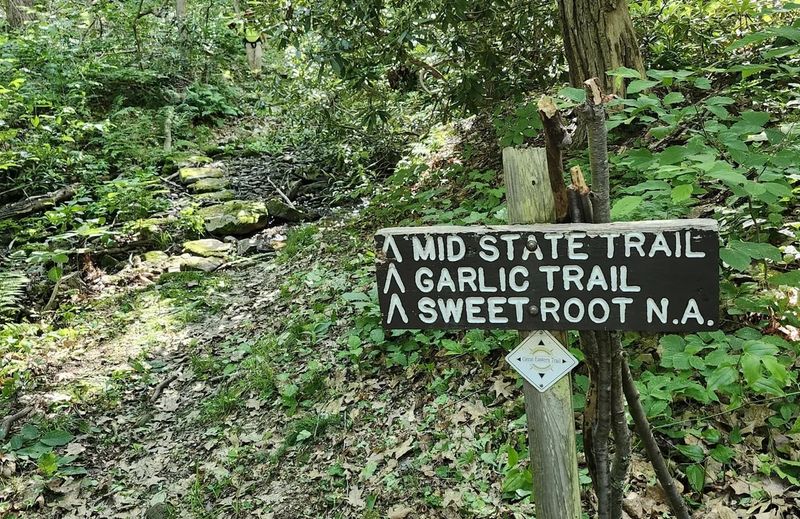
Pennsylvania’s Mid State Trail often feels like a line drawn through the quieter heart of the state.
Near Clearville, it crosses forested ridges and rocky ground where hikers can feel far from crowds, even when they are not far from home.
That quiet is lovely, but locals understand why peak rattlesnake activity changes the plan.
Dry ridges, warm stones, and leaf-covered trail edges can all be places where timber rattlesnakes spend time.
The Mid State Trail is long, so conditions vary from section to section.
Near Clearville, hikers should not assume every mile will be smooth, shaded, or free of wildlife surprises.
A steady, watchful pace works best.
Look ahead before stepping over rocks or logs, and give brushy trail edges more space when possible.
Because the trail can be less crowded than famous routes, help may not appear quickly.
Bring enough water, a paper map or downloaded map, and a way to contact someone if plans change.
Families with younger hikers may want to choose a shorter out-and-back during snake season.
Kids can learn to watch the trail, but long miles can make them tired and less careful.
Do not use earbuds in both ears.
Hearing a rattle or a warning from another hiker may give you time to stop before getting too close.
Check rocks before sitting for lunch.
A sunny flat stone may look like a perfect bench, but it could also be a warming spot for a snake.
Cooler months make this section feel more relaxed for many people.
Fall days near Clearville can bring crisp air, open views through thinning leaves, and fewer worries about warm-weather snake movement.
The Mid State Trail is a reminder that Pennsylvania still has quiet, rugged walking for people who seek it.
During peak rattlesnake activity, locals do not skip it because it lacks beauty.
They skip it because timing matters, and smart timing keeps the adventure enjoyable.
Share this story