A fishing trip in Pennsylvania can mean watching a bobber from a quiet bank, paddling across a small lake, or heading onto open water with a guide. Across the state, lakes offer chances to catch bass, trout, walleye, crappie, and other fish. The best choice depends on what you want to catch, how you plan to fish, and how much time you have. Some waters are easy places to spend a few hours with a simple rod and a box of worms. Others call for a boat, special gear, or a little help from someone who knows the water.
A big lake can offer exciting fishing, but a smaller one may give you more time casting and less time traveling between spots. Shore access matters, too, especially when you are bringing children or leaving the boat at home. Before packing your tackle, check the current Pennsylvania fishing rules, license requirements, weather forecast, and any fish consumption advice. Boat rules and launch conditions can differ from one lake to another. If you hope to keep fish for dinner, look up the limits for that water rather than guessing. A few minutes of planning can prevent a wasted drive or an unsafe day. The lakes below offer a mix of mountain scenery, broad reservoirs, lively bays, and relaxed park settings. Each has its own strengths and challenges. Whether your goal is a first catch, a family outing, or a more focused fishing adventure, these Pennsylvania waters give you plenty of places to start planning today.
1. High Point Lake: A Quiet Mountain Fishing Escape
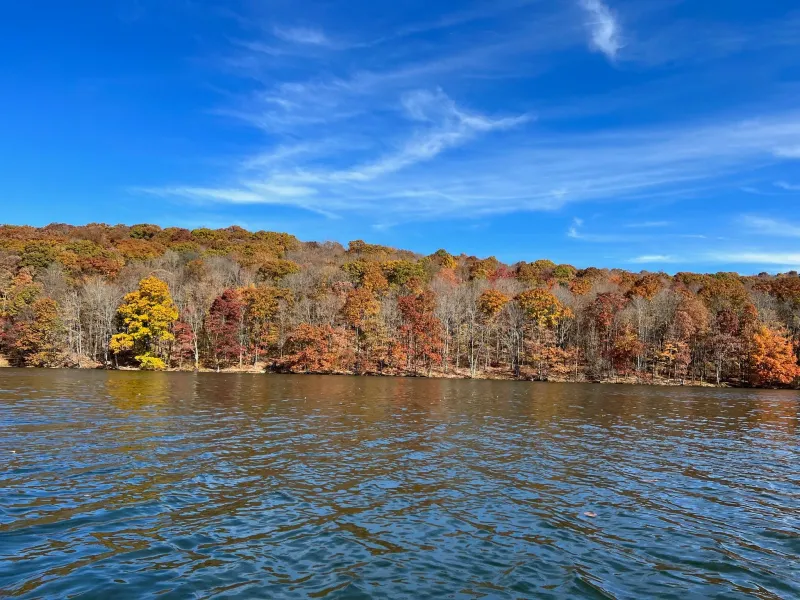
A cool morning, a quiet shoreline, and a bobber barely moving can be all you need for a good day.
High Point Lake in Somerset County offers that slower kind of fishing trip, away from the bustle of larger boating destinations.
The lake sits in Pennsylvania’s southwestern highlands, where mornings can feel chilly even during warmer months.
Bring a light jacket and check the forecast before leaving home.
Wind can make an exposed bank uncomfortable and create a harder paddle than expected.
Anglers come here for warmwater fish, including bass, panfish, and northern pike.
A worm under a float is a simple way to look for bluegills near shoreline cover.
Small jigs can help you search for crappie without carrying a heavy tackle box.
For bass, work around weed edges and changes in depth rather than casting only toward open water.
Pike may strike larger lures, so use tackle suited to their sharp teeth.
Carry pliers to remove hooks while keeping your fingers safely away from their mouths.
Small boats and paddling craft fit the lake’s relaxed setting.
Check the Pennsylvania Fish and Boat Commission’s current access information and motor restrictions before bringing a powered boat.
Never assume that rules at a nearby lake apply here.
Bank anglers should look for legal public access and firm footing.
Waterproof shoes help after rain, but avoid steep or muddy edges.
A compact chair, drinking water, and a few spare hooks make a shoreline session more comfortable.
Plan around the fishing rather than a long list of activities.
Give each promising spot enough time, then move if nothing happens.
High Point Lake rewards a patient approach and makes a pleasant choice for anglers who enjoy quiet surroundings as much as the catch, especially when a simple afternoon outdoors matters more than filling a cooler with fish.
2. Lake Wallenpaupack: Big Water With Plenty of Choices
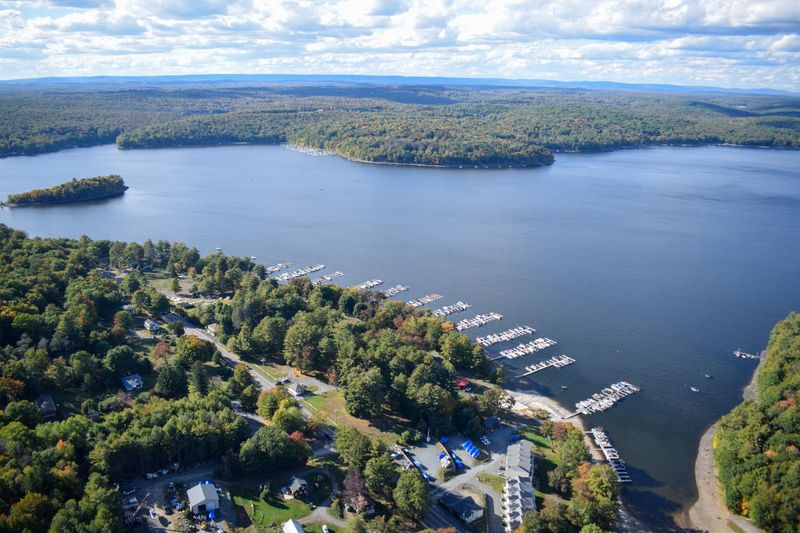
Room to explore is part of the fun on a large lake.
Lake Wallenpaupack stretches through the Pocono region, giving anglers coves, points, and deeper water to search instead of one small fishing area.
Bass, walleye, yellow perch, and other game fish make the lake appealing to people with different goals.
Smallmouth bass often draw anglers toward rocky areas.
Largemouth bass may use quieter cover where they can wait for passing food.
Start with a plan rather than racing from one end to the other.
Choose a launch near the section you want to fish and study a lake map beforehand.
That saves fuel and leaves more of your morning for casting.
Early hours can be especially pleasant during the busy summer season.
Recreational boat traffic often grows later in the day, and wakes can rock smaller craft.
Keep a safe distance from travel lanes and watch for approaching boats while handling fish.
A spinning rod, soft plastic lures, and a few small crankbaits provide a useful starting kit for bass.
If walleye are your target, ask a local tackle shop about current depths and productive presentations.
Fish locations change with water temperature, season, and available food.
Public launches provide boat access, but shoreline fishing takes more planning because much of the shore is private.
Confirm that a spot allows fishing before setting up.
Respect docks, lawns, and posted boundaries even when the water beside them looks promising.
Families can combine a fishing session with nearby food and lodging, making an overnight visit practical.
A guide can also help newcomers learn such a large body of water.
Leave time to enjoy the scenery, but keep an eye on the weather: a calm cove does not guarantee that the main lake will stay comfortable for the ride back to your chosen boat launch later that day.
3. Kinzua Lake: Fishing Along Forested Shores
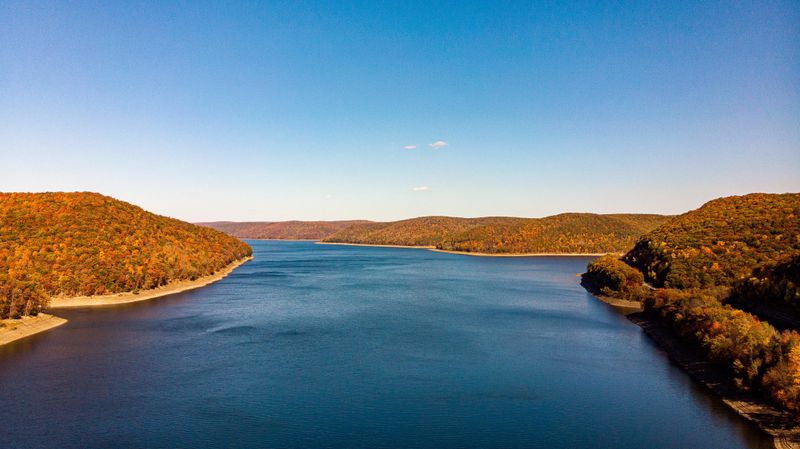
Forested hills rise above long stretches of water here, making the trip feel bigger than a day at a neighborhood lake.
Kinzua Lake, also called the Allegheny Reservoir, offers a striking setting for anglers exploring northern Pennsylvania.
The reservoir extends beyond Pennsylvania, so plan your trip around its Pennsylvania waters and confirm which rules apply to your location.
A Pennsylvania license does not automatically cover every place on the reservoir.
Know where you are before dropping a line.
Walleye and smallmouth bass are popular targets, while northern pike and muskellunge add interest for anglers using heavier tackle.
Rocky points and changing depths deserve attention.
Fish may move deeper as sunlight grows stronger or water conditions shift.
A boat opens more options along this long reservoir.
Study launch locations, fuel needs, and the distance back before heading into unfamiliar arms.
Cell service can be limited in the surrounding forest, so download useful maps before your visit.
For smallmouth bass, try working a jig or soft plastic along rocky structure.
Walleye fishing often calls for careful depth control and a slower approach.
Local guidance can help you choose a starting area without spending the whole day searching.
Water levels can change, leaving familiar banks or launch approaches looking different.
Check current conditions and avoid assuming that every shoreline spot will be reachable.
Wear shoes with good grip when fishing from rocks, especially after rain.
The surrounding Allegheny National Forest makes camping an appealing part of the experience.
Reserve established sites when needed and check seasonal services before arriving.
Pack food securely and take every scrap of fishing line home.
Choose a manageable section for your first visit rather than trying to see everything.
A careful plan leaves room for both fishing and the view.
Here, the quiet hills and broad water can make even a slow bite feel worthwhile.
4. Raystown Lake: Go Deep for a Different Challenge
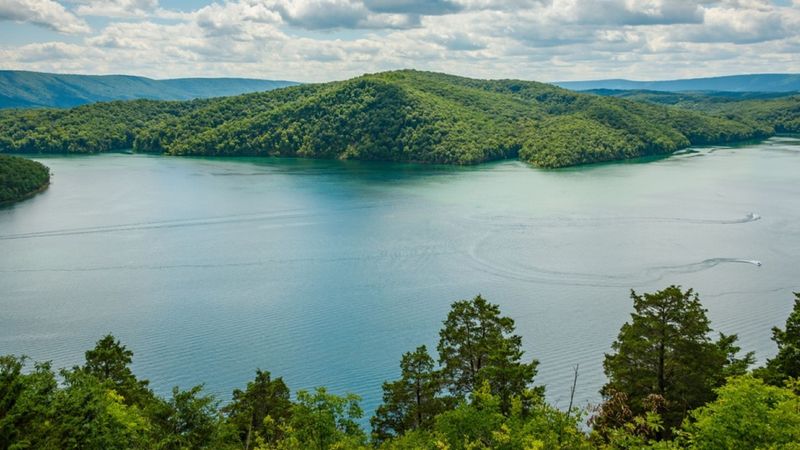
Some fishing trips call for more than a handful of shoreline casts.
Raystown Lake in Huntingdon County gives anglers deep water, winding arms, and the chance to pursue fish that require a more focused plan.
Striped bass are a major attraction, but the lake also supports bass, lake trout, and other species.
Each target calls for different gear and methods.
Decide what you hope to catch before choosing rods, lures, and a launch.
For a first striped bass outing, a licensed guide can be a sensible investment.
Finding roaming fish on a large reservoir takes knowledge, and suitable equipment can be specialized.
Ask what the trip includes and whether you need to bring food, clothing, or your own tackle.
Bass anglers can concentrate on coves, points, and shoreline structure.
Soft plastics and crankbaits offer ways to cover different depths.
Rather than changing lures after every cast, watch for clues such as baitfish, shade, or a change in the bank.
Depth does not make every part of the lake safe for fast travel.
Keep track of submerged hazards, boat traffic, and the route back.
Afternoon storms can turn a pleasant outing into a difficult ride, especially far from your launch.
Shore fishing is possible at designated public areas, though steep banks can limit easy access.
Check recreation area maps before arriving with chairs and a cooler.
Choose a spot that matches the walking ability of everyone in your group.
Camping and other recreation options make Raystown useful for a longer visit.
Book lodging early for popular weekends, and check launch fees or facility schedules.
Starting near sunrise may give you quieter conditions before more boats arrive.
Keep your expectations flexible on such a large lake.
A day spent learning one productive cove can be more valuable than rushing across miles of unfamiliar water without a clear fishing plan.
5. Lake Erie and Presque Isle Bay: Choose Your Fishing Adventure
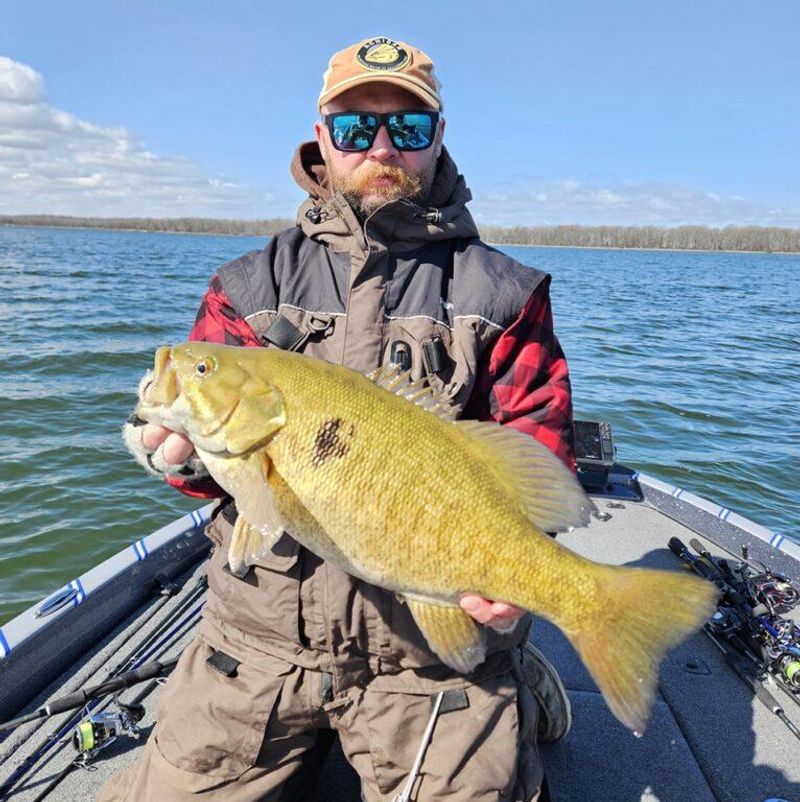
One destination can offer two very different days on the water.
Around Erie, anglers can fish the more sheltered waters of Presque Isle Bay or head onto Lake Erie when weather, equipment, and experience allow.
The bay is known for fishing opportunities that include bass, yellow perch, and panfish.
Its protected setting can suit smaller boats better than the open lake, though wind still matters.
Shore anglers should use designated public areas and follow posted access rules.
On the main lake, walleye are a major draw.
Many visitors book a charter rather than trying to learn offshore fishing in a single morning.
Ask the captain about licensing, trip length, cancellation policies, and whether fish cleaning is included.
Do not treat open Lake Erie like a small inland lake.
Waves can build quickly, and a boat that feels comfortable in the bay may be unsuitable outside it.
Check the marine forecast, not just the weather report for the city.
For a simple bay outing, bring a spinning rod, small jigs, and bait suited to your target fish.
Move between legal access points if conditions are poor.
A shoreline map helps prevent wasted time looking for places where fishing is not allowed.
Spring and fall can offer useful opportunities, but fish movement and conditions vary.
Ask a nearby tackle shop for current advice instead of relying on an old report.
Seasonal rules may also affect certain species or waters.
Presque Isle State Park adds beaches, trails, and picnic areas to a family visit.
Keep hooks and loose line away from busy paths and swimming areas.
Sharing public space thoughtfully helps everyone enjoy the waterfront.
Pack layers even when the inland forecast sounds warm.
Wind over the water can feel sharp, particularly early in the day.
Whether you choose bobbers in the bay or walleye offshore, match the outing to your abilities.
6. Lake Nockamixon: A Bucks County Bass Outing
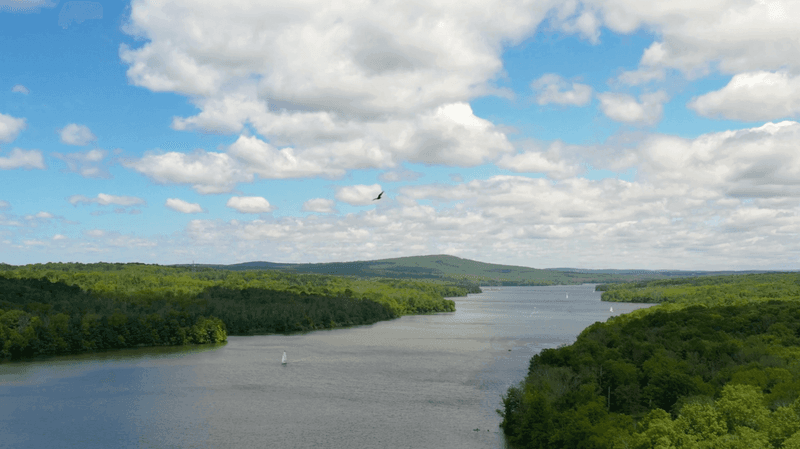
A good fishing escape does not always require a long drive into remote country.
Lake Nockamixon brings a sizable reservoir and a state park setting to Bucks County, making it a practical choice for many southeastern Pennsylvania anglers.
Bass are a favorite target, and panfish offer another reason to bring a light rod.
Weed edges, fallen wood, and points can help narrow your search.
Spend time studying the shoreline before deciding where to cast.
Boat anglers should check the park’s current horsepower limit and launch information.
Restrictions help shape the boating experience, but they do not remove every wake or hazard.
Keep your speed sensible and give paddlers plenty of room.
Working a soft plastic slowly beside cover can be a useful bass approach.
When fish are active, a moving lure may help you search a wider area.
Change your method based on what you observe rather than assuming one lure works everywhere.
For children or beginners, try a small hook, a float, and a piece of worm in an accessible spot.
Keep the setup light enough to show small bites.
Short fishing sessions often work better than expecting a new angler to stay focused all afternoon.
Shore access varies around the lake, so use park maps to find suitable areas.
Some banks involve uneven ground or longer walks.
Bring only the gear you can comfortably carry, especially when fishing away from parking.
Weekends can be busy with boating, picnicking, and other park activities.
Arriving early may make parking and launching easier.
Check whether any facilities or rental services are operating before building your plans around them.
A picnic gives the day a pleasant break when the bite slows.
Keep food packed away from hooks, and gather every piece of line before leaving.
Nockamixon works well for a flexible outing where catching fish and enjoying the park share equal importance.
7. Pymatuning Lake: Walleye, Crappie, and Wide Horizons
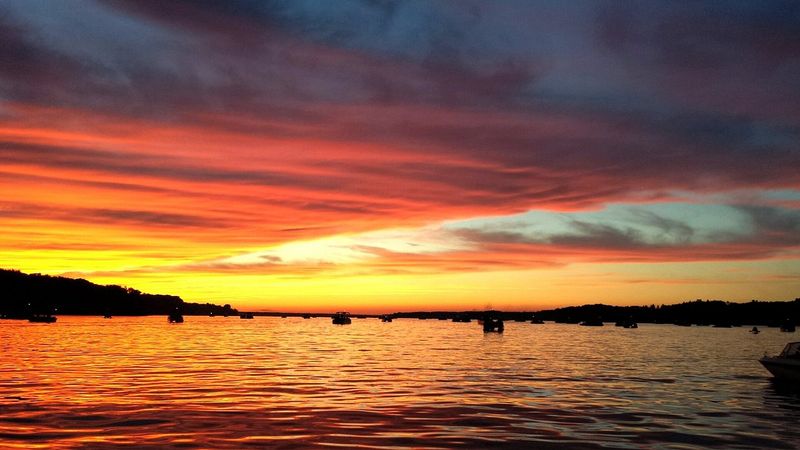
A cooler, a landing net, and an early start fit the mood at this broad northwestern lake.
Pymatuning is a longtime fishing destination where walleye, crappie, perch, and other species draw anglers with very different tackle boxes.
The lake lies along the Pennsylvania and Ohio border.
Special reciprocal fishing arrangements exist, but details about licenses, shore fishing, and regulations still matter.
Check the current rules for your planned location rather than assuming either license covers every situation.
Walleye anglers often pay close attention to season, depth, and light levels.
A slow presentation near the bottom may be useful, depending on conditions.
Ask for recent local advice before deciding where to spend the morning.
Crappie can make a rewarding target for people who enjoy lighter tackle.
Small jigs or minnows, where permitted, offer familiar starting choices.
Search around suitable cover and adjust your depth until you find fish.
Wide water can become rough when the wind rises.
Check wind speed and direction before launching, especially in a small boat.
Keep a return route in mind and do not wait until waves become uncomfortable to head back.
Pennsylvania state park facilities provide ways to build a longer trip around fishing.
Look up boat launch locations, campground availability, and current motor restrictions.
Facilities can have seasonal schedules, so a quick check may prevent an inconvenient surprise.
Bank anglers should choose established public access rather than wandering across private property.
A rod holder and chair can make a patient bait fishing session easier.
Keep several steps between your equipment and nearby anglers so everyone has casting room.
If you plan to keep your catch, bring ice and review size and daily limits first.
Check fish consumption advice as well.
A thoughtful harvest, a clean fishing spot, and a safe ride home are better measures of success than a crowded cooler.
8. Blue Marsh Lake: Make a Smart Early Start
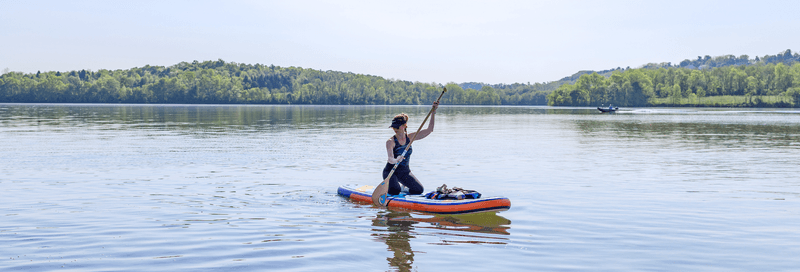
Timing can make the difference between a peaceful cast and a busy stretch of water.
Blue Marsh Lake near Reading serves many kinds of visitors, so fishing early often makes sense during the warmer, busier months.
The reservoir offers opportunities for bass, crappie, catfish, and other fish.
Its coves and changing shoreline give anglers several kinds of habitat to explore.
Pick a target species first so you can choose useful gear instead of packing everything.
Bass anglers can work points, shoreline cover, and changes in depth.
A soft plastic is handy when you want to slow down around a promising spot.
A crankbait can help search water more quickly when fish seem willing to chase.
For a relaxed bank session, catfish may be worth targeting with suitable bait and sturdy tackle.
Set rods where you can watch them and avoid blocking paths.
Never leave a baited rod unattended where a fish could pull it into the lake.
Recreational boating can increase as the day goes on.
Stay aware of wakes and marked boating zones, and give other users space.
A sheltered cove may feel easier to fish, but confirm that access and activity rules allow your plans.
Blue Marsh is managed by the U.S.
Army Corps of Engineers.
Check official recreation information for launches, fees, closures, and water conditions.
Changing water levels can affect shore access and expose obstacles that were previously underwater.
Bring sun protection because open banks can offer little shade.
Drinking water and a lightweight chair also help when you plan to stay several hours.
Wear shoes that handle mud if recent rain has softened the shoreline.
Nearby Reading makes supplies and food easy to arrange before or after fishing.
Keep the day flexible if boat traffic or weather changes your plans.
A shorter, well timed outing can be more enjoyable than forcing a full day.
9. Harveys Lake: Deep Water With a Lakeside Community
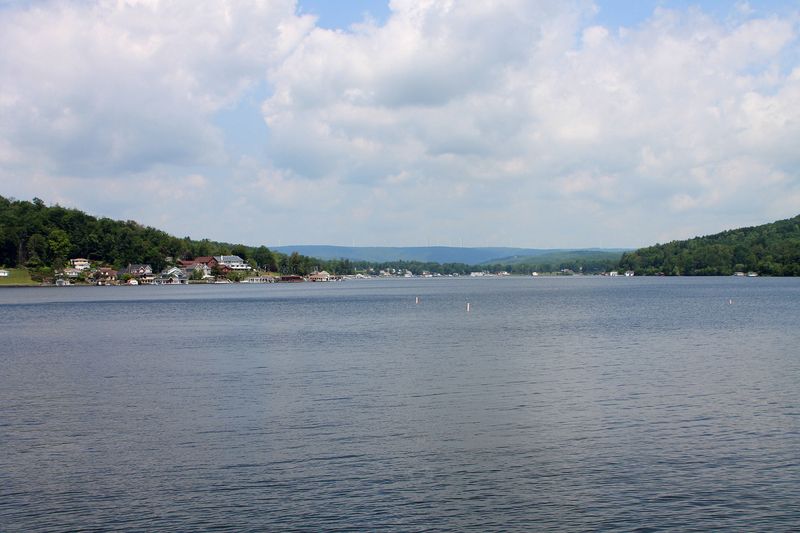
Houses, docks, and wooded hills frame a lake with more depth than its cozy setting might suggest.
Harveys Lake in Luzerne County offers a different experience from a broad park reservoir, with fishing shaped by both natural features and shoreline development.
Often described as Pennsylvania’s largest natural lake by volume, it gives anglers substantial deep water to explore.
Trout and bass are among the fish that attract attention.
Check current stocking information and regulations if trout are your main reason for visiting.
Access deserves careful planning because much of the shoreline is privately owned.
Use designated public facilities and verify parking and launch details before traveling.
An open view of the water does not mean you have permission to fish from that bank.
A boat can make it easier to reach different depths and search away from shore.
During warmer weather, trout may use cooler water below the surface.
Appropriate tackle and knowledge of depth become more useful than simply casting farther.
Bass anglers can look for rocky areas, depth changes, and legal opportunities near shoreline structure.
Give private docks plenty of room and avoid interfering with residents.
Accurate casting matters when fishing around developed waterfronts.
Because other boats share the lake, keep watch even when your attention is on a lure.
Wakes can move a small craft unexpectedly.
Secure loose gear and wear a life jacket rather than keeping it tucked beneath a seat.
Local tackle shops or experienced guides may help explain seasonal patterns.
Ask specific questions about your target fish and available access instead of expecting one general tip to solve everything.
Conditions can shift between spring, summer, and fall.
Keep your first visit simple: one target species, a manageable stretch of water, and enough time to learn.
Harveys Lake suits anglers who enjoy working out a puzzle while taking in a lived in lakeside landscape.
10. Lake Wilhelm: An Easygoing Day at Goddard State Park
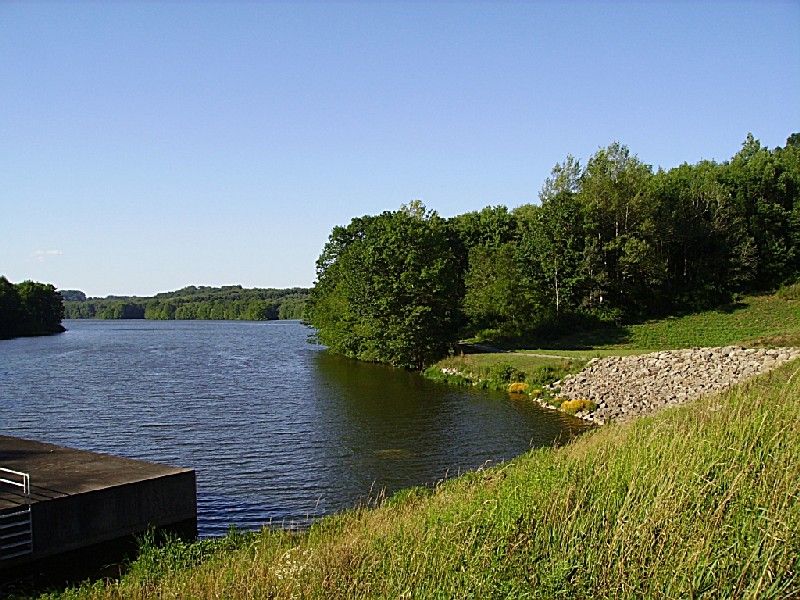
Sometimes the best plan is simply to pack lunch and stay awhile.
Lake Wilhelm, within Maurice K. Goddard State Park in Mercer County, offers a welcoming setting for a fishing day that does not need to feel rushed.
Bass, crappie, bluegill, and walleye provide several possible targets.
Beginners can start with panfish, while more experienced anglers may focus on structure and changing depths.
Choose your approach before loading the car so your tackle stays manageable.
A small float and a piece of worm can turn an ordinary bank into an interesting classroom.
Watch how bites differ and let new anglers practice setting the hook.
Keep spare hooks and floats handy because learning usually includes a few snags.
For bass, explore weed edges and other available cover with soft plastics or suitable moving lures.
Crappie anglers can try small jigs at different depths.
If one area stays quiet, move thoughtfully rather than changing every part of your setup at once.
Boaters should review current park rules, including horsepower limits and any special restrictions affecting parts of the lake.
Check launch availability before bringing a trailer.
Paddlers should consider wind and distance just as carefully as anglers using motors.
Public recreation facilities make the lake useful for family outings, though access features vary by location.
Look at the park map for fishing areas, restrooms, and picnic spots.
Confirm current accessibility details if someone in your group needs a level route.
A break from casting can keep the day enjoyable, especially for children.
Eat lunch, watch birds, or take a short walk before returning to the rods.
There is no need to turn every quiet moment into a search for another lure.
Leave the bank cleaner than you found it and release unwanted fish gently.
Lake Wilhelm is a fitting choice when your goal is an unhurried Pennsylvania fishing trip with room for everyone.
Share this story