One free art museum in Pennsylvania keeps an entire Frank Lloyd Wright library inside its walls. Yes, a whole room, rebuilt piece by piece, and you can see it without paying a cent.
Another spot gave Andy Warhol his first solo museum show back in 1965. It still charges nothing at the door. A third lets you watch real coins get made from a walkway above the factory floor.
I love that kind of surprise. November can feel gray and pricey, with holidays creeping closer and wallets getting nervous. A free afternoon looking at fossils, fire engines, or bold modern art sounds like a smart trade to me.
So which doors swing open for free across the state? Some are famous names, and some are quiet treasures most people drive right past. Grab a friend, a scarf, and maybe a snack for later.
1. United States Mint at Philadelphia
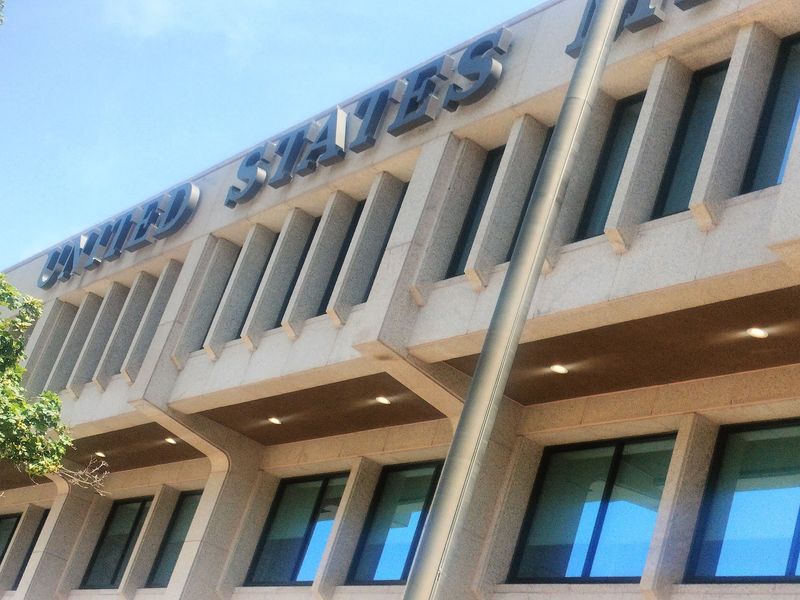
Money really does get made here, and you get to watch it happen.
The United States Mint at Philadelphia offers a free, self-guided tour of its working coin factory.
Philadelphia is one of only two Mint facilities that produce the coins jingling in your pocket.
Denver handles the other share, so this building is a big deal.
The tour puts you on a viewing area high above the factory floor.
From there, you can look down at the machines that stamp, sort, and count coins.
Don’t expect a dull lecture, either.
Exhibits along the way explain how a plain metal disk turns into a finished coin.
History fans get plenty to chew on too.
The Mint opened in Philadelphia in 1792, when the city served as the nation’s capital.
The building you visit today is not the original one, though.
It’s the fourth Mint building in the city, and it sits a short walk from the Liberty Bell.
Displays also show off historic coins and the tools once used to make them.
You’ll spot designs that might make you dig through your spare change later.
Security here is serious, which makes sense for a place full of money.
Expect to pass through a screening checkpoint, a lot like at an airport.
Adults should bring a valid photo ID to get inside.
Packing light will also make the line move faster for you and everyone behind you.
One tip is to check production schedules before you go.
The machines aren’t always running, and watching them in action makes the visit far more fun.
Kids usually enjoy spotting stacks of shiny blanks waiting their turn.
Grown-ups will appreciate the price of admission, which is exactly zero.
Pair your visit with a stroll through Old City nearby.
It’s an easy way to fill a whole November afternoon in Pennsylvania without spending much.
Who knew a factory tour could feel like a treasure hunt?
Just remember that the free samples stay with the Mint.
Address: 151 N Independence Mall E, Philadelphia, PA 19106
2. The Fabric Workshop and Museum
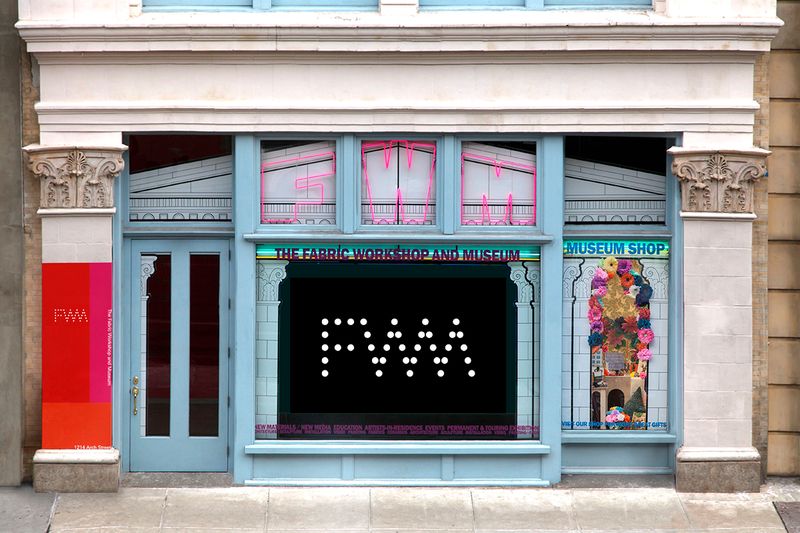
Art usually sits still behind a rope, but at this Arch Street museum, you can see it being made.
The Fabric Workshop and Museum invites artists to experiment with materials they may never have tried before.
Founded in 1977, the museum started with a focus on fabric and printing.
Over time, it grew into a lab for many kinds of new materials and media.
Its Artist-in-Residence program is the heart of the place.
Artists from around the world come here to work alongside the museum’s own skilled staff.
An apprenticeship program also brings students and newer artists into the process.
It’s a smart way to pass skills from one generation to the next.
Visitors are encouraged to tour the studios when artists are at work.
Seeing a project halfway done can be more exciting than seeing the final piece.
The permanent collection is surprisingly large.
It holds more than 5,500 objects by over 400 artists, gathered across decades of bold experiments.
Exhibitions change, so the galleries may look totally different from one visit to the next.
That makes it a fun place to check on more than once.
Admission is free, with a suggested donation at the door.
Drop a little in the box if you can, since it helps keep the studios running.
The location is handy, too.
It sits on Arch Street in Center City, close to the Pennsylvania Convention Center and Reading Terminal Market.
That means you can mix art with a lunch stop without much walking.
Comfortable shoes still help, because Center City blocks add up fast.
Curious kids and teens can learn a lot here.
Watching real artists solve problems shows that creativity takes patience, not just talent.
No art degree is required to enjoy the visit.
A little curiosity and an open mind will carry you a long way here.
Bring questions, because the process is the whole point.
You might leave thinking about your own closet a little differently.
Who knew a museum named after fabric could stretch your imagination this far?
Pun fully intended.
Address: 1214 Arch St, Philadelphia, PA 19107
3. Institute of Contemporary Art
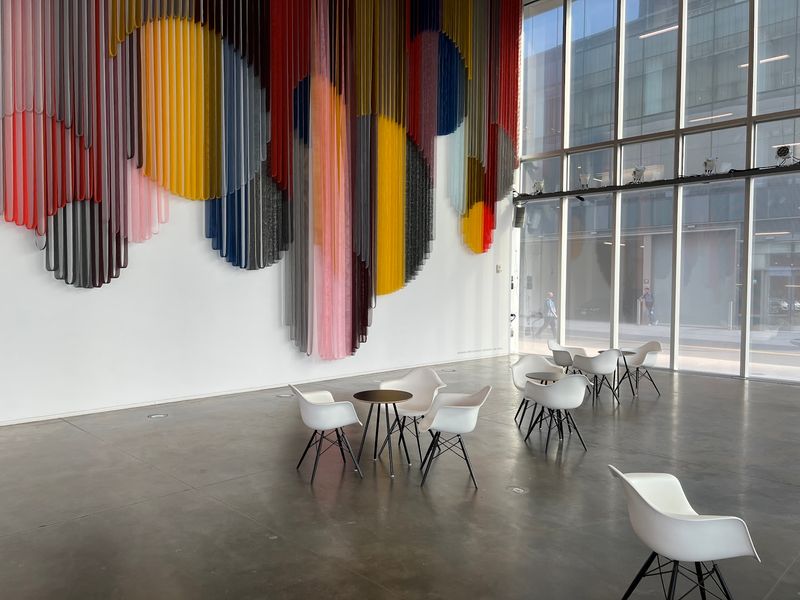
Andy Warhol got his very first solo museum show at this West Philly spot back in 1965.
Not bad for a place that still charges nothing to get in.
The Institute of Contemporary Art belongs to the University of Pennsylvania.
Admission is free, so you can wander in between classes, errands, or a campus stroll.
One quirky detail sets it apart.
ICA does not keep a permanent collection at all.
Instead, it works like a German-style kunsthalle, a word for an exhibition hall.
Shows rotate regularly, so the building feels brand new each time you return.
That makes it a great pick for people who get bored easily.
You won’t be stuck staring at the same painting you saw last spring.
ICA has a long track record of spotting talent early.
Over the years, its galleries have shown work by Cy Twombly, Laurie Anderson, and Robert Indiana.
Robert Mapplethorpe’s work also appeared here in a famous 1988 exhibition.
ICA has made a point of featuring emerging and under-recognized artists too.
Contemporary art can feel puzzling, and that’s okay.
Some pieces are meant to make you ask questions rather than nod politely.
Try reading the wall text after you form your own opinion.
It’s a fun game to see how close your guess came to the artist’s idea.
The museum sits on South 36th Street, right on Penn’s campus.
University City is packed with food spots, so a snack break is easy to find.
Students make up part of the crowd, but anyone is welcome.
You don’t need a Penn ID or any special pass to get through the door.
Check the schedule before you head over.
Exhibitions sometimes close for installation between shows, and you’ll want to time things right.
Art lovers on a budget in Pennsylvania will find few better deals.
Free admission plus fresh shows equals a pretty great November plan.
Who knows, the artist you discover here might be the next big name.
You’ll get bragging rights for seeing them first.
Address: 118 S 36th St, Philadelphia, PA 19104
4. Science History Institute
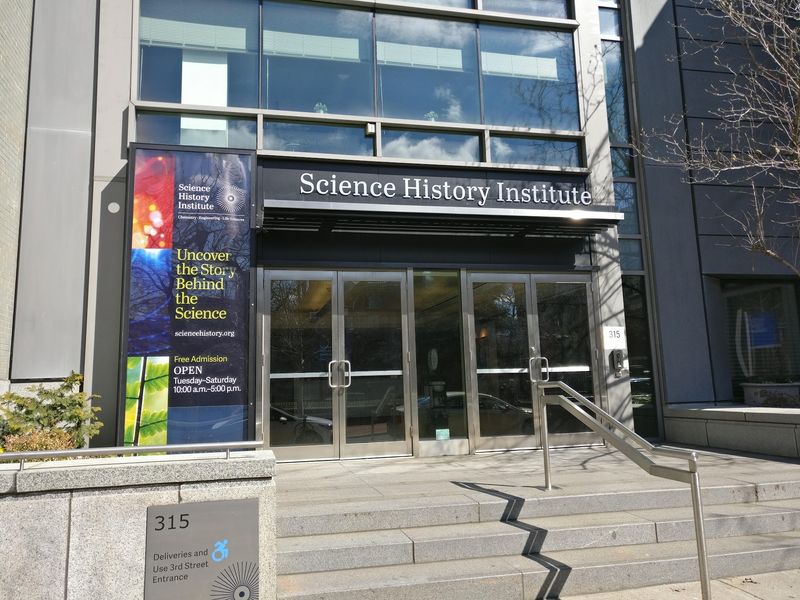
Five hundred years of beakers, gadgets, and big ideas live inside one Old City building.
The Science History Institute opens its museum to the public for free.
Hours run Wednesday through Saturday, so plan around that schedule.
Showing up on a Monday will only get you a nice look at the front door.
The museum traces how chemistry and related sciences shaped the modern world.
You’ll see how people tested, failed, and tried again across centuries.
Its collection includes scientific instruments, artwork, and historical photographs.
Rare books add another layer, showing how scientists shared ideas long before the internet.
Chemistry rarely gets credit in daily life.
Yet it helped create plastics, medicines, dyes, and many materials we use constantly.
Kids who love experiments will find plenty to spark questions.
Adults may suddenly remember high school chemistry class, for better or worse.
Art fans get a bonus here, too.
The collection includes paintings that show alchemists and early scientists at work.
Those alchemy paintings are a treat for curious eyes.
They capture a time when science and mystery were close cousins.
The location makes it an easy add-on to a history day.
Independence National Historical Park is just a short walk away.
You could see the Liberty Bell in the morning and old lab gear after lunch.
That’s a pretty solid mix of history for one Pennsylvania day.
Admission costs nothing, so you can pop in for a quick look.
There’s no pressure to read each label when the visit is free.
The Institute also houses a library and archives for researchers.
Most visitors stick to the museum, but it’s neat to know serious work happens behind the scenes.
The organization was formerly known as the Chemical Heritage Foundation.
It took its current name in 2018 to reflect a wider focus.
Before you go, check for special exhibitions or events.
Changing shows can add new topics beyond the main galleries.
Who knew science history could feel this lively?
Fair warning, you may leave wanting a lab coat of your own.
Address: 315 Chestnut St, Philadelphia, PA 19106
5. The Frick Pittsburgh
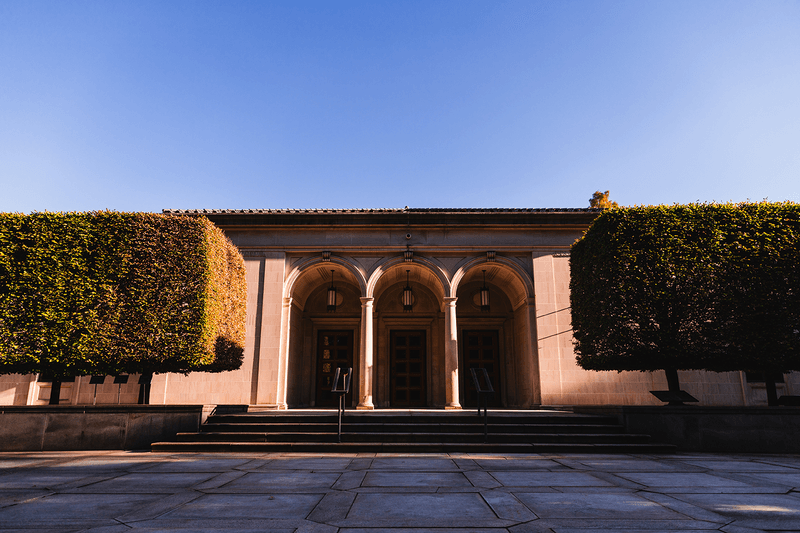
Henry Clay Frick made a fortune in steel and coke, and his family estate now welcomes you for free.
The Frick Pittsburgh offers free general admission to its grounds and several core attractions.
The site covers several acres in Pittsburgh’s Point Breeze neighborhood.
It’s a peaceful spot to spend a crisp November afternoon.
Start with The Frick Art Museum, which holds fine and decorative art.
Helen Clay Frick, Henry’s daughter, founded it to share the family’s love of art.
The museum’s collection includes European paintings and decorative objects.
Shows change too, though special exhibitions may carry a separate ticket.
Car fans, this next part is for you.
The Car and Carriage Museum shows off historic vehicles, including carriages and early automobiles.
One standout is a 1914 Rolls-Royce Silver Ghost that Henry Clay Frick bought himself.
Seeing it in person makes you wonder what traffic looked like back then.
Next, take a walk through the grounds and gardens.
A greenhouse on site adds a splash of green, even when the trees go bare.
Clayton, the Frick family home, also sits on the property.
Guided tours of the house usually require a paid ticket, so plan your budget.
Even without the house tour, you can admire its outside from the lawn.
The building is a fine example of Gilded Age style.
The Café at the Frick offers a spot for lunch on site.
It’s a nice way to rest your feet between the art and the cars.
Kids often get a kick out of the old vehicles.
Adults may linger over the art, so the trip works well for mixed groups.
The Frick also hosts lectures, concerts, and family programs throughout the year.
Check the calendar for November events before you drive over.
Pittsburgh has plenty of museums, but few give you this much for free.
Art, cars, and gardens in one stop is a pretty sweet deal.
Henry Clay Frick probably never planned on hosting you.
Lucky for you, his family shared the place anyway.
Address: 7227 Reynolds St, Pittsburgh, PA 15208
6. Allentown Art Museum
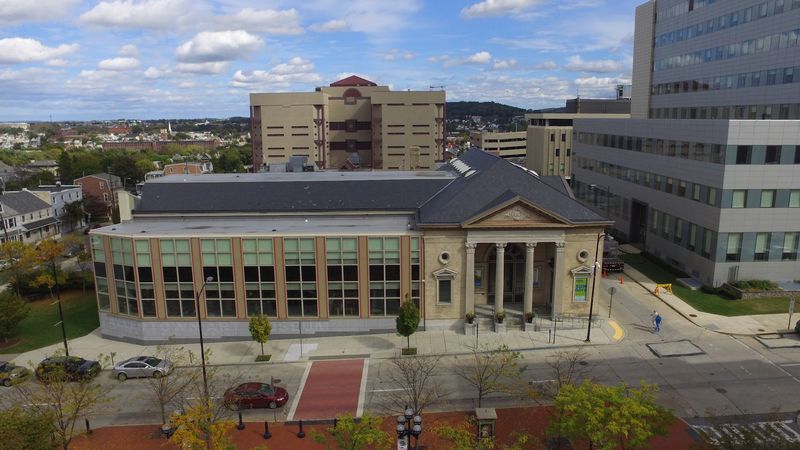
A whole room designed by Frank Lloyd Wright lives inside a museum in downtown Allentown.
Better yet, you can walk right up to it without buying a ticket.
The Allentown Art Museum switched to free admission for all visitors in 2022.
Free parking is offered too, which feels like winning a tiny lottery.
That Wright room is the library from the Francis W.
Little House in Minnesota.
The museum reassembled it so visitors can see Wright’s design up close.
The space shows his love of clean lines, wood, and built-in details.
It’s a rare chance to experience Wright’s interior work in Pennsylvania without leaving the city.
The collection holds about 13,000 works.
They stretch from the Middle Ages up to today, so the timeline is huge.
European and American paintings sit alongside sculpture and decorative arts.
Fans of shiny things should look for the museum’s Tiffany glass.
Renaissance and Baroque art also has a strong presence here.
Many of those older works came through the Samuel H.
Kress Foundation.
Modern art lovers won’t feel left out.
Look for pieces by artists like Robert Motherwell and Keith Haring.
Did you know Keith Haring grew up in nearby Kutztown?
Seeing his work this close to his hometown adds a fun local twist.
The museum sits right on North 5th Street in the city’s downtown.
That makes it easy to pair with a meal or a stroll.
Exhibitions rotate, so check what’s on before you visit.
Changing shows mean repeat trips can still feel fresh.
Families can make an afternoon of it without worrying about the cost.
Free entry also makes it easier to leave when little legs get tired.
The museum also offers classes, talks, and family programs.
Peek at the calendar if you’d like more than a self-guided visit.
Short on time?
Pick one gallery and the Wright room, then plan to come back.
Since admission costs nothing, a second trip is an easy sell.
Your wallet might even thank you.
Address: 31 N 5th St, Allentown, PA 18101
7. Ryerss Museum and Library
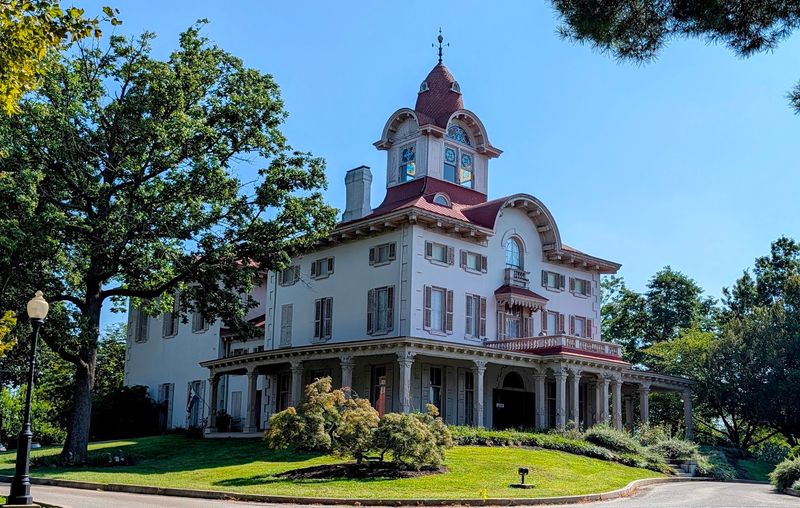
A Victorian villa inside a city park holds treasures from across Asia, and you can browse them for free.
The Ryerss Museum and Library sits in Burholme Park in Northeast Philadelphia.
Admission costs nothing, though donations are welcome.
Hours run Friday through Sunday from 10 a.m. to 4 p.m., so weekend plans work best.
The museum grew from the Ryerss family’s own collection.
Robert Ryerss left the estate so the public could enjoy it, and that generous idea still holds.
Inside, you’ll find Victorian heirlooms, paintings, sculpture, and decorative arts.
A large collection of Asian artifacts adds an unexpected twist.
The rooms offer a peek at how a well-off family lived in the 1800s.
It’s a bit like visiting a house frozen in time.
Part of the fun is the mix itself.
One display might hold a Victorian keepsake, while another nearby comes from halfway around the world.
There’s also a working library on site.
It offers current bestsellers, children’s books, and magazines, which is not something most museums can claim.
Bookworms can pair the art with some time browsing the shelves.
Kids may enjoy flipping through picture books after the galleries.
Burholme Park surrounds the house with plenty of open space.
A walk outside makes a nice add-on when the fall weather cooperates.
The park sits near the corner of Cottman and Central Avenues.
It’s an easy landmark if you’re driving in from other parts of the city.
Because the museum is small, it won’t eat your whole day.
An hour or two lets you take in the rooms at a relaxed pace.
Northeast Philly doesn’t always get attention on museum lists.
That makes this stop a fun surprise for people who think the good stuff stays downtown.
Check the calendar before heading out.
The museum sometimes hosts events and programs, so you might catch something extra.
Consider leaving a small donation if you enjoyed your visit.
Support helps keep the doors open and the collections cared for.
Free art, free books, and a park view sounds like a pretty great Saturday.
Robert Ryerss would probably approve.
Address: 7370 Central Ave, Philadelphia, PA 19111
8. Wagner Free Institute of Science
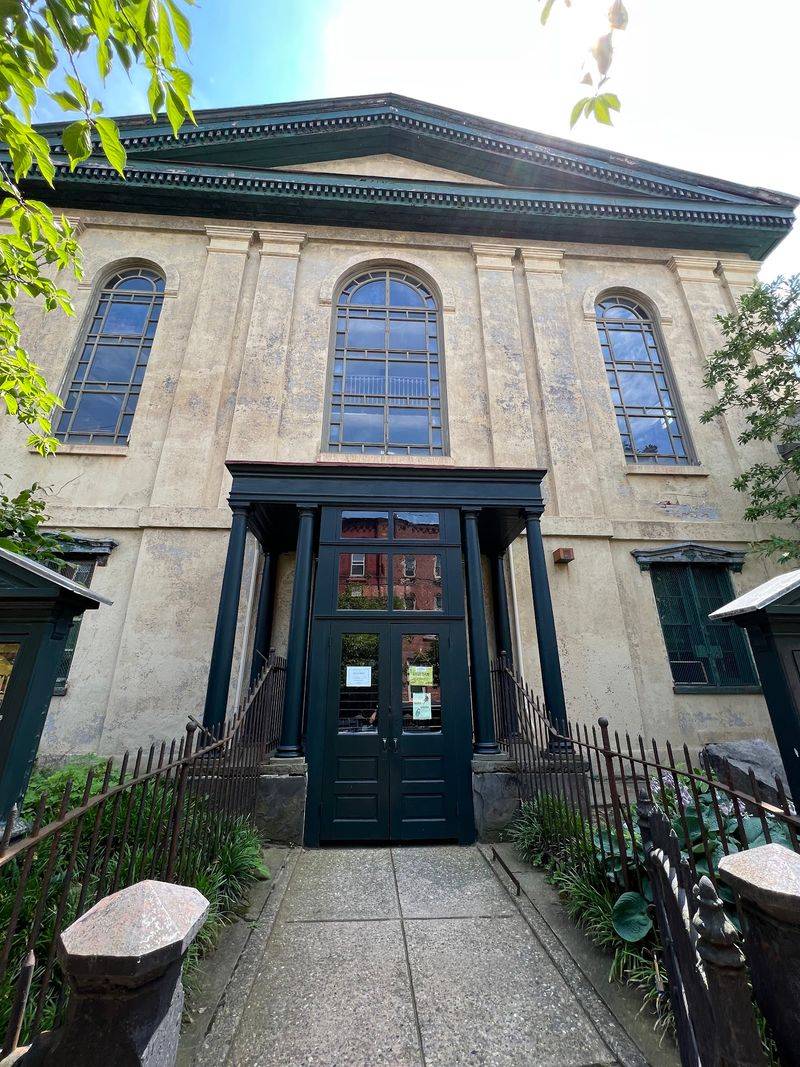
Display cases here look much as they did in the late 1800s, and that’s the whole point.
The Wagner Free Institute of Science has kept its Victorian-era exhibit hall remarkably intact.
William Wagner founded the institute in 1855.
He believed science education should be free and open to anyone who wanted to learn.
That mission still drives the place today.
The institute has offered free public courses for generations, long before online classes existed.
The main exhibit hall holds thousands of specimens.
Fossils, minerals, shells, and preserved animals fill rows of old wooden cases.
Many of the specimens are still arranged by a 19th-century system.
Walking the aisles is like reading a science textbook from long ago.
Look closely at the handwritten labels on some displays.
They give the hall a charming, old-school feel that modern museums rarely keep.
The building itself is a big part of the show.
It sits on West Montgomery Avenue in North Philadelphia, near Temple University.
The institute is a National Historic Landmark.
That title recognizes how rare it is to find a science museum preserved like this.
Kids who love dinosaurs and rocks will have plenty to stare at.
Adults may find the old-fashioned layout just as fascinating as the specimens.
Take your time with each aisle instead of rushing.
Small details tend to reward patient eyes in a hall this packed.
Admission is free, though donations help support the collections.
Old buildings need plenty of care, so a little goes a long way.
Hours are limited, so check the schedule before you go.
Group visits and special programs may need advance planning.
Free lectures and courses continue for adults who want to learn more.
It’s a neat way to keep that 1855 promise alive.
Bring a notebook if you like sketching.
The rows of fossils and minerals make great drawing subjects on a chilly November day.
Few places in Pennsylvania let you visit what feels like a museum of a museum.
Just try not to ask the fossils how old they are.
Address: 1700 W Montgomery Ave, Philadelphia, PA 19121
9. Fireman’s Hall Museum
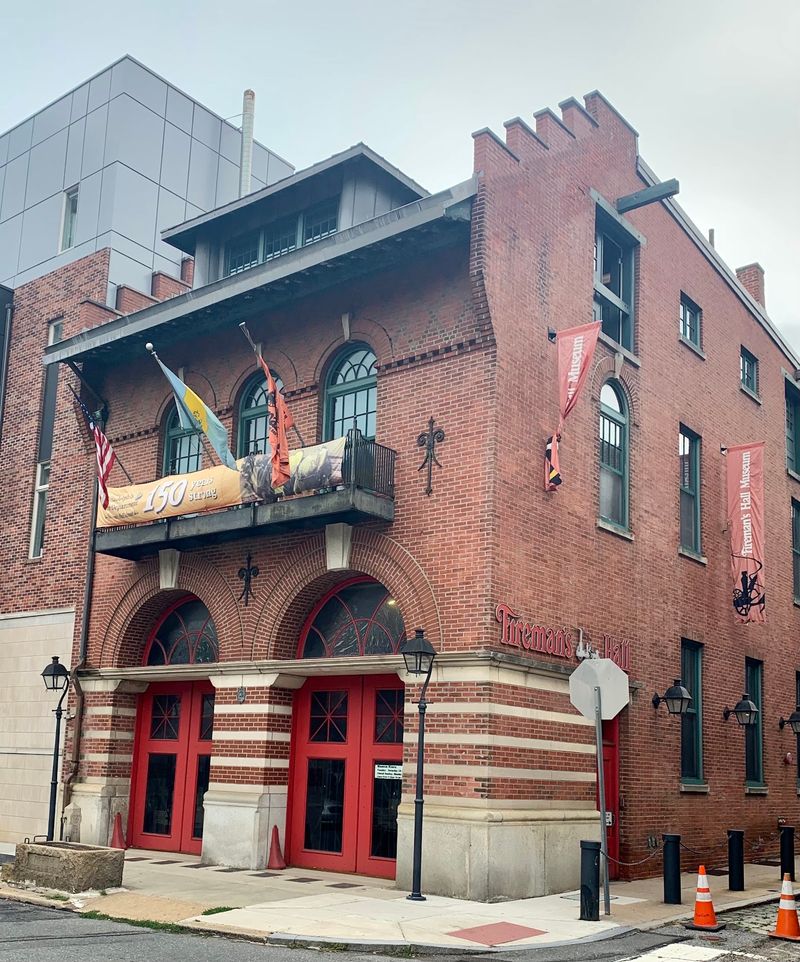
Benjamin Franklin helped start one of Philadelphia’s first volunteer fire companies in 1736.
Fireman’s Hall Museum honors that legacy inside a real old firehouse in Old City.
The building dates to 1898 and once served as a working firehouse.
Today it holds an impressive collection of firefighting history.
Admission is free, though donations are appreciated.
That makes it an easy stop when you’re already exploring the historic district.
Antique fire engines are the stars of the show.
Some are hand-pumped and horse-drawn rigs from the days before motors.
Seeing how much muscle these machines needed is eye-opening.
Firefighters back then had to pump water by hand, which sounds exhausting.
Uniforms, helmets, and old tools fill the displays too.
The pieces show how gear changed as cities grew and fires got harder to fight.
Before 1871, Philadelphia relied on volunteer fire companies to battle blazes.
The city’s paid fire department started that year, and the museum helps tell that story.
Kids tend to love big red trucks, so expect some excitement.
Parents might enjoy the history lessons packed into the displays.
The museum sits on North 2nd Street, right near Elfreth’s Alley.
That little street is often called the oldest continuously lived-in residential street in the nation.
Pairing the two makes for a fun morning.
You could see old homes and old fire engines within a few minutes’ walk.
The museum also shares stories of firefighters who served the city.
Their courage gives the displays real meaning beyond shiny brass.
A visit is also a great excuse to talk fire safety at home.
Ask your kids if they know where the smoke alarms are.
Hours can be limited, so check before heading over.
Small museums sometimes change schedules around holidays.
Fall is a great time to wander Old City on foot.
Cooler weather makes hopping between free attractions much more pleasant.
Franklin would likely be proud to see his fire company idea still inspiring visitors in Pennsylvania.
Just don’t slide down any poles without permission.
Address: 147 N 2nd St, Philadelphia, PA 19106
10. Art Association of Harrisburg
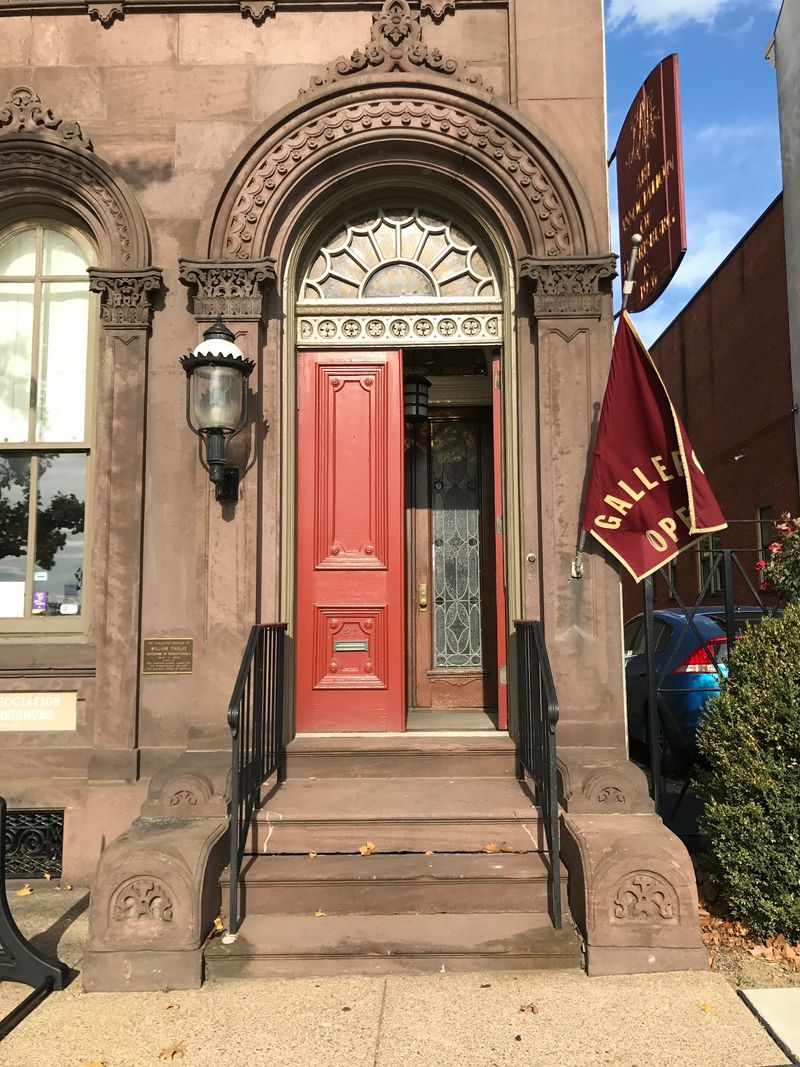
A house linked to a Pennsylvania governor now fills its rooms with paintings, prints, and sculpture.
The Art Association of Harrisburg calls the historic Governor Findlay Mansion home, and the galleries charge no admission.
William Findlay served as governor in the early 1800s.
His name still sits on the building, giving the galleries a big dose of history.
The association was founded in 1926 to support visual arts in the region.
Nearly a century later, it still runs exhibitions and classes.
Galleries are open to the public throughout the week, with hours varying by day.
That’s handy if your free time only shows up on a random Tuesday.
Around ten exhibitions rotate through the space each year.
Work by regional, national, and international artists keeps the walls fresh.
One show might lean toward painting, while the next could explore something else entirely.
Not knowing exactly what you’ll find is part of the fun.
The location is a big plus.
North Front Street runs along the Susquehanna River, so a river walk is just steps away.
Riverfront Park makes a lovely partner for an art visit.
Fall views along the water can be a real treat on a clear November day.
The State Capitol is also nearby in downtown Harrisburg.
You could squeeze in an art stop and some sightseeing in one afternoon.
Classes for kids and adults are part of the association’s mission.
If a show inspires you, signing up for a class could be your next move.
Local artists get a real platform here too.
Supporting a regional art group helps keep creative talent close to home.
Exhibit openings sometimes bring artists and visitors together for special events.
Watch the calendar if you’d like to catch one.
Because the galleries are free, quick visits are totally fine.
Pop in for twenty minutes or stay longer if a piece grabs you.
Harrisburg doesn’t always top travel lists, but this stop makes a strong case for it.
Art, history, and a river view for zero dollars is hard to beat.
Address: 21 N Front St, Harrisburg, PA 17101
Share this story