Tennessee’s small towns look like they were designed by a Hollywood set decorator. Walking through their historic streets feels like stepping back in time, with brick sidewalks, vintage storefronts, and town squares that could easily double as the backdrop for your favorite film.
These charming communities have preserved their authentic character while welcoming visitors who want to experience genuine Southern hospitality and timeless beauty.
1. Jonesborough
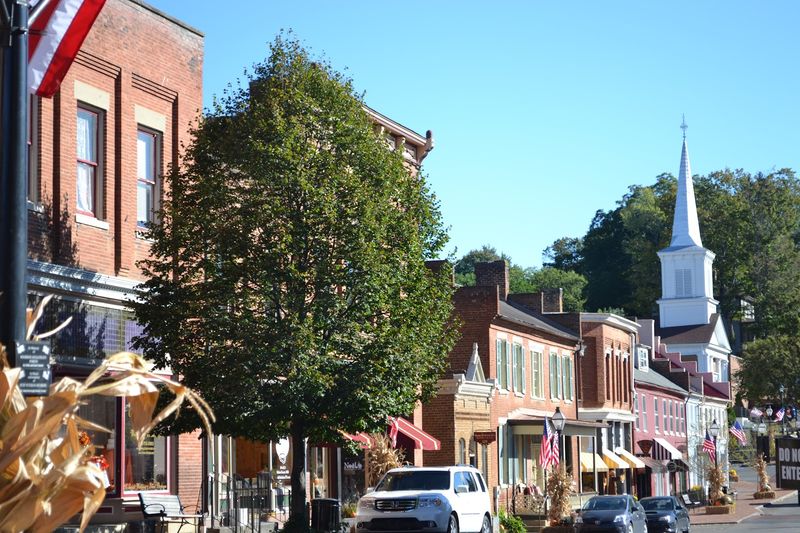
Tennessee’s oldest town wears its history with pride. Founded in 1779, Jonesborough has managed to keep its original character intact while becoming one of the most photogenic destinations in the state. The entire downtown area looks like it hasn’t changed much since the 19th century.
Walking down Main Street feels like traveling through time. Historic buildings line both sides of the road, many dating back to the 1800s. The architecture showcases Federal and Victorian styles, with carefully restored facades that tell stories of generations past.
Local shops occupy these beautiful old structures, offering everything from handmade crafts to antiques. The town square centers around the historic courthouse, creating a perfect gathering spot that filmmakers would love. Brick sidewalks and period streetlights add authentic touches throughout.
Jonesborough gained fame as Tennessee’s Storytelling Capital, hosting the National Storytelling Festival each fall. This event draws thousands of visitors who gather to hear tales told in the traditional Appalachian style. Even without the festival, the town’s atmosphere encourages slower paces and genuine conversations.
The surrounding mountains provide a stunning backdrop to the historic streets. Small restaurants serve Southern comfort food in buildings that have housed businesses for over a century.
2. Bell Buckle
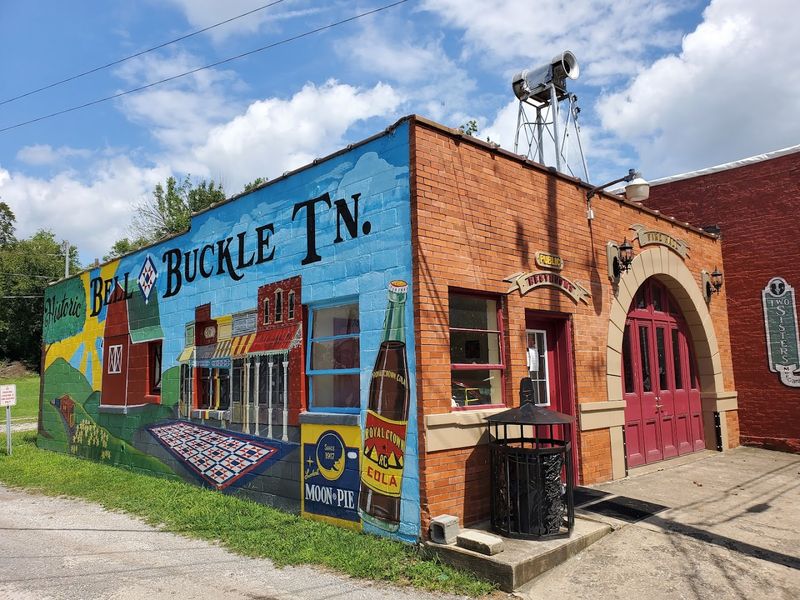
Population barely tops 500 in this tiny Tennessee gem. Bell Buckle packs more charm per square foot than towns ten times its size. Everything about this place screams classic small-town America, from the railroad tracks running through the center to the mom-and-pop shops lining the streets.
The town square area measures just a few blocks, but those blocks contain pure magic. Antique stores, craft shops, and cozy cafes occupy historic buildings that have stood for generations. Wooden porches and hand-painted signs give the whole place a nostalgic feel that modern chain stores could never replicate.
Bell Buckle Cafe serves up country cooking that locals swear by, and the pie selection alone makes the drive worthwhile. The Moon Pie General Store celebrates the iconic Southern snack with displays and merchandise that delight visitors. These aren’t tourist traps—they’re genuine pieces of local culture.
The town hosts the RC Cola and Moon Pie Festival each June, drawing crowds who want to celebrate these Southern staples. Musicians perform bluegrass and country music while vendors sell crafts and food. Even on regular weekends, the streets maintain their peaceful, welcoming atmosphere.
Railroad history runs deep here, with the old depot still standing as a reminder of busier times. The surrounding countryside features rolling hills and farmland that complete the picture-perfect setting.
3. Lynchburg
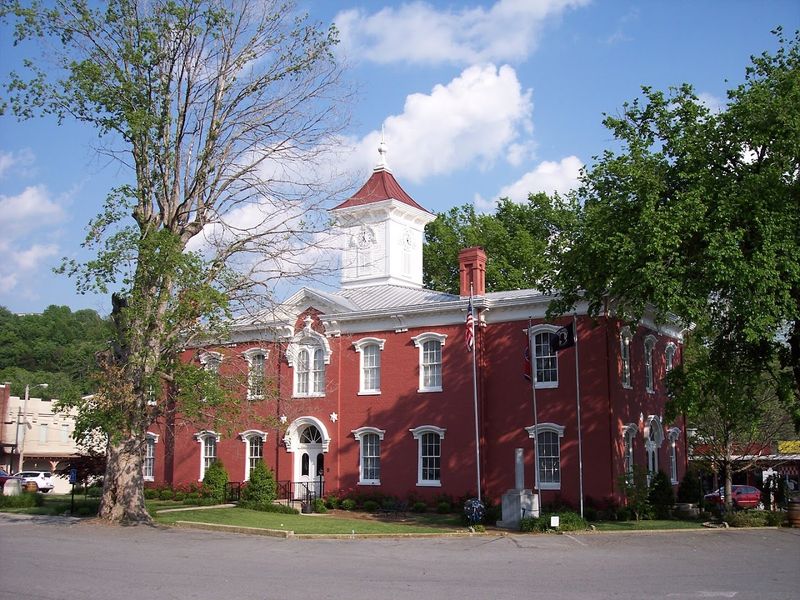
Most folks know Lynchburg as the home of Jack Daniel’s Distillery, but the town itself deserves equal billing. The courthouse square represents small-town Tennessee at its finest, with architecture and atmosphere that transport visitors to another era. Film scouts would have a field day here.
The Moore County Courthouse anchors the square with its distinctive red brick construction and white trim. Built in the late 1800s, it commands attention from every angle. Surrounding streets feature old storefronts that have maintained their original character through careful preservation efforts.
Local businesses operate from buildings that predate modern construction by decades. The Lynchburg Hardware and General Store stocks everything from practical tools to quirky souvenirs, all displayed in a space that feels authentically vintage. Miss Mary Bobo’s Boarding House serves traditional Southern meals family-style, continuing a tradition that started in 1908.
Walking these streets requires no imagination to picture horse-drawn carriages and ladies in long dresses. The scale remains human and approachable, with nothing towering over the historic structures.
The distillery tours bring thousands of visitors yearly, but the town never feels overcrowded or commercialized. Instead, it maintains its dignity and charm, welcoming guests without sacrificing authenticity.
4. Granville
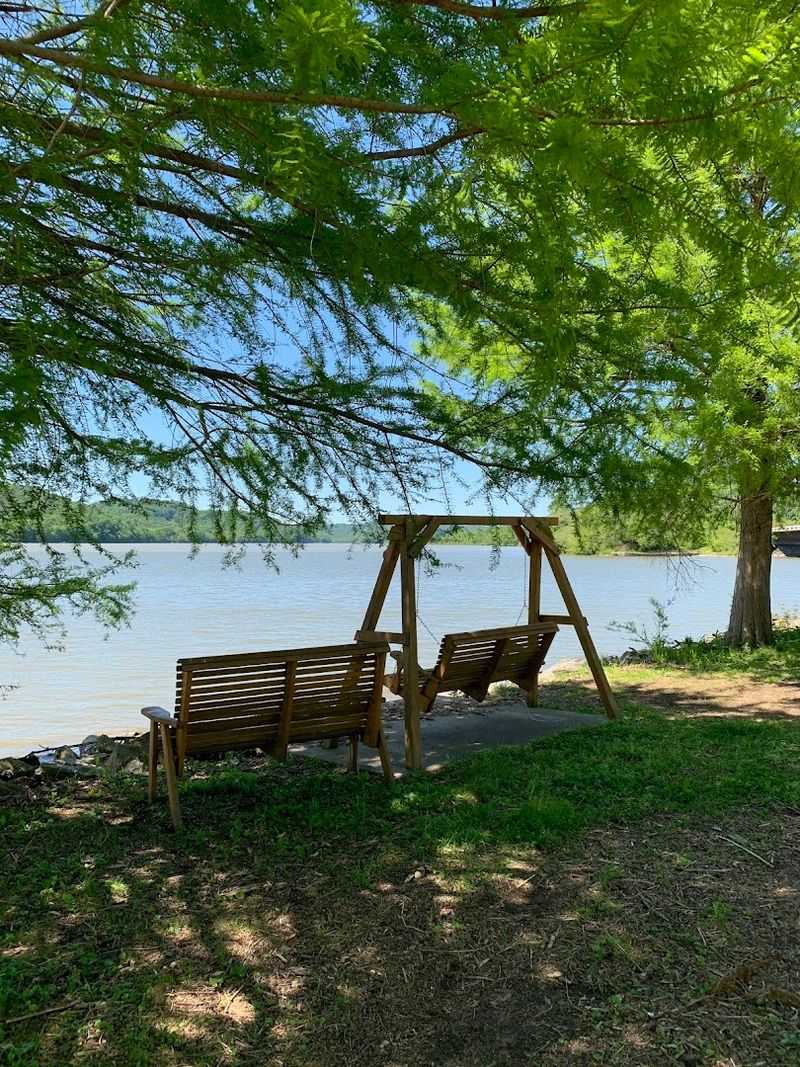
Granville earned the nickname “Tennessee’s Mayberry Town” for good reason. This tiny community captures the essence of the fictional town from classic television, complete with friendly faces and unhurried living. Population hovers around 300, giving it an intimate feel that larger towns can’t match.
The historic district showcases buildings from the 1800s, many beautifully restored to their original glory. White picket fences, wraparound porches, and flower gardens create scenes straight from a Norman Rockwell painting. The scale stays small and manageable, with everything walkable and welcoming.
Granville Museum occupies an old general store, preserving local history and artifacts that tell the community’s story. Visitors can explore displays showing how life unfolded in rural Tennessee generations ago. The building itself serves as an artifact, with creaky wooden floors and vintage fixtures.
Local events bring the community together throughout the year. The annual Fall Festival celebrates harvest season with crafts, music, and food that showcase regional traditions. Even on quiet days, the town radiates warmth and authenticity that modern developments can’t replicate.
Surrounding countryside features rolling hills, farms, and scenic views that complete the pastoral setting. No traffic lights interrupt the flow of life here. The pace encourages visitors to slow down, take deep breaths, and appreciate simpler pleasures that too often get lost in busy modern life.
5. Dandridge
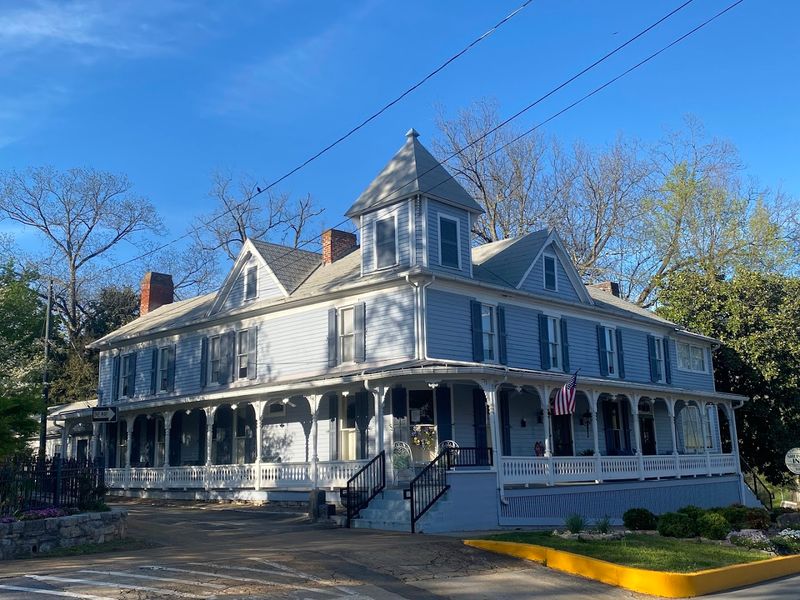
Second oldest town in Tennessee, Dandridge sits on the shores of Douglas Lake with a history dating to 1783. Named after Martha Dandridge Washington, the town has preserved its heritage through careful stewardship of historic buildings and traditions. The waterfront location adds natural beauty to the architectural charm.
Downtown features structures from the 1800s, including the Jefferson County Courthouse with its distinctive clock tower. Brick buildings line the main streets, housing shops and restaurants that maintain the area’s historic character. Many facades retain original details like cornices, window frames, and decorative brickwork that showcase craftsmanship from another era.
The town escaped flooding when TVA created Douglas Lake by being moved to higher ground, building by building. This remarkable feat saved the historic district and created the waterfront setting enjoyed today. Visitors can explore the downtown area and then walk to the lake for different perspectives on the town’s beauty.
Antique stores offer treasures from various periods, while local eateries serve Southern favorites in atmospheric settings. The pace stays relaxed, with residents who remember when life moved slower everywhere.
Scenic drives around the lake showcase mountain views and countryside that frame the town perfectly. The combination of preserved architecture, waterfront setting, and genuine hospitality creates an experience that feels both timeless and special.
6. Rogersville

Brick sidewalks click beneath your feet as you explore Tennessee’s second-oldest town. Rogersville takes historic preservation seriously, maintaining one of the most intact historic districts in the state. Federal-style buildings line the streets, their architectural details preserved through generations of careful stewardship.
The downtown core features structures dating to the early 1800s, with some buildings serving continuous commercial purposes for over two centuries. Original storefronts showcase tall windows, detailed cornices, and craftsmanship that modern construction rarely matches. Period lighting fixtures add authentic touches that enhance the time-travel feeling.
Hale Springs Inn stands as Tennessee’s oldest continuously operating inn, welcoming guests since 1824. The three-story brick building represents Federal architecture at its finest, with rooms that have hosted presidents and famous figures throughout history. Staying here means sleeping in genuine history, not a replica.
Local businesses occupy historic spaces throughout downtown, from law offices to cafes. The Hawkins County Courthouse anchors the square with impressive Greek Revival architecture. Trees shade the sidewalks, creating pleasant walking conditions even on warm days.
Rogersville Heritage Association works tirelessly to preserve the town’s character while supporting economic vitality. Their efforts show in every well-maintained building and thoughtful restoration project. Annual events celebrate local history and traditions, drawing visitors who appreciate authentic experiences over manufactured attractions.
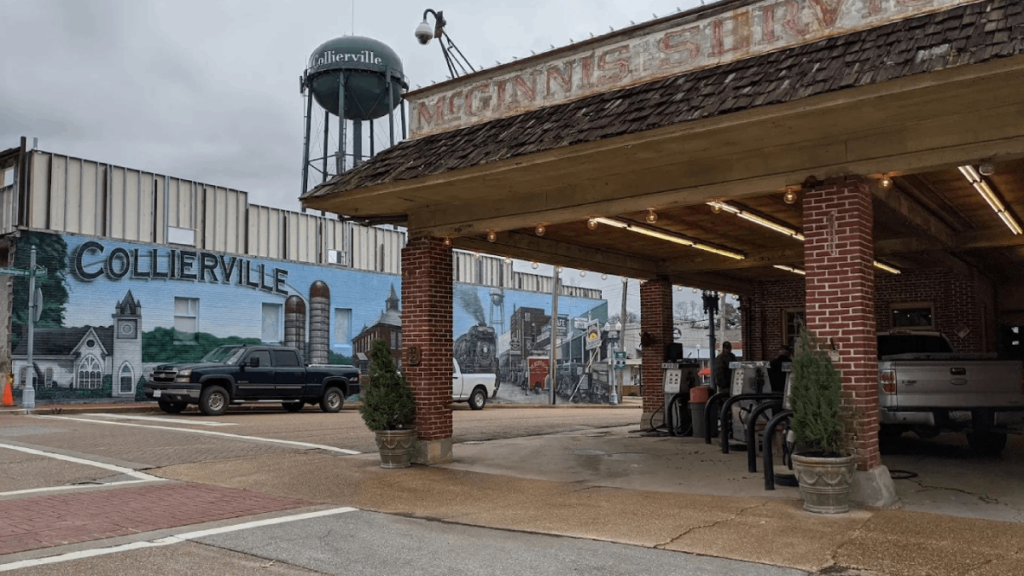
7. Collierville
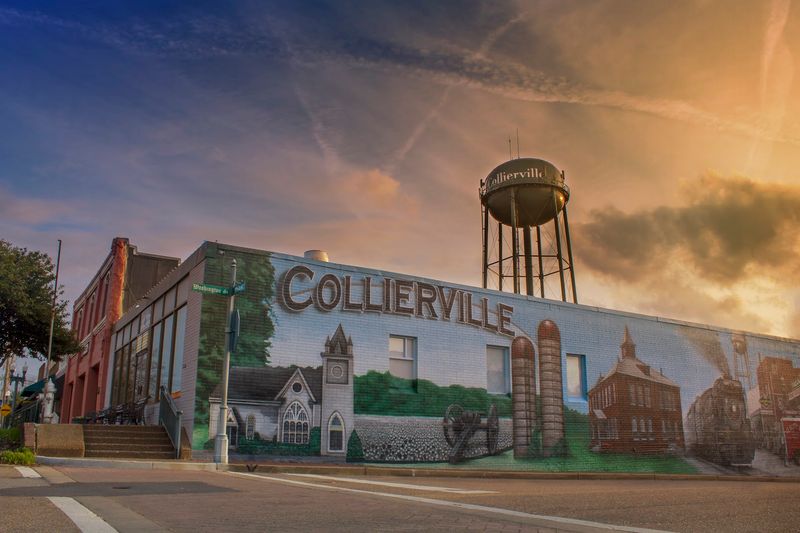
Collierville’s town square looks like it was designed specifically for filming period dramas. The depot, gazebo, and surrounding historic buildings create a cohesive scene that photographers and filmmakers dream about. Everything fits together perfectly, from the scale of the buildings to the landscaping around the square.
The old train depot serves as a focal point, its distinctive architecture drawing eyes from every angle. Built in the late 1800s, it represents an era when railroads connected small towns to the wider world. Nearby, a white gazebo provides a gathering spot for concerts and community events.
Main Street features beautifully preserved storefronts housing locally-owned shops and restaurants. The buildings showcase various architectural styles from Victorian to early 20th century, all maintained with attention to historical accuracy. Wide sidewalks encourage strolling, while benches offer spots to rest and people-watch.
Collierville balances preservation with modern amenities better than most towns its size. Historic structures house contemporary businesses, creating a living downtown rather than a museum piece. Restaurants serve everything from Southern comfort food to international cuisine, all within walking distance of the square.
Every season offers reasons to visit this picture-perfect community.
8. Leiper’s Fork
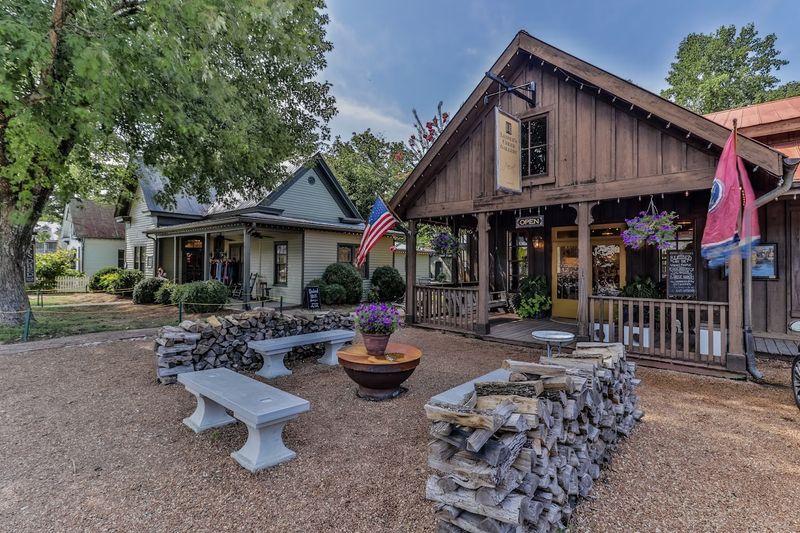
Technically a village rather than an incorporated town, Leiper’s Fork punches above its weight in the charm department. This unincorporated community in Williamson County has preserved its rural character while attracting artists, musicians, and visitors seeking authentic Tennessee experiences. The setting combines historic buildings with scenic countryside in ways that feel effortlessly beautiful.
Puckett’s Grocery anchors the village center, serving as both restaurant and gathering spot. The building dates to the 1950s, though the site has hosted businesses much longer. Live music fills the space regularly, with both local pickers and Nashville stars dropping by to play.
Art galleries occupy historic structures throughout the village, showcasing works by regional and national artists. The creative community here rivals much larger towns, with studios and shops offering everything from paintings to handmade furniture. Walking from gallery to gallery reveals the depth of talent that calls this area home.
Rolling hills and farmland surround the village, providing postcard views in every direction. Horse farms dot the landscape, their white fences and red barns completing the pastoral scene. The countryside invites exploration, whether by car, bicycle, or horseback.
Leiper’s Fork maintains its authenticity by resisting overdevelopment and preserving what makes it special. No chain stores interrupt the local character. The pace stays slow, the people stay friendly, and the scenery stays stunning.
It’s the kind of place that reminds visitors why small-town living appeals to so many people.
9. Paris
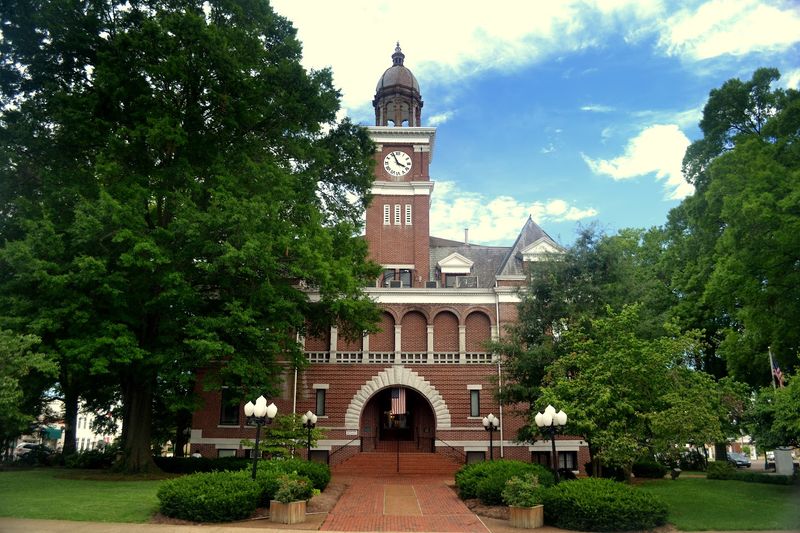
Paris brings West Tennessee charm to life with its unhurried pace and genuine hospitality. The town square centers around the Henry County Courthouse, a beautiful example of early 20th-century civic architecture. Surrounding streets feature buildings that have served the community for generations, their facades telling stories of prosperity and perseverance.
Downtown shops occupy historic structures, offering everything from antiques to modern merchandise. Local restaurants serve comfort food that reflects regional traditions, with recipes passed down through families. The atmosphere encourages lingering over meals and conversations that stretch beyond quick transactions.
Paris Landing State Park sits nearby on Kentucky Lake, adding natural beauty to the town’s appeal. The combination of historic downtown and outdoor recreation creates diverse experiences within a small area. Visitors can explore architectural treasures in the morning and enjoy water activities by afternoon.
The town celebrates its heritage through various events and festivals throughout the year. Fish Fry, held annually since 1954, claims the title of World’s Biggest Fish Fry and draws thousands of visitors. The celebration showcases community spirit and Southern hospitality at their finest.
A replica Eiffel Tower stands in Memorial Park, adding a quirky landmark that gets plenty of attention. This 60-foot structure pays homage to the town’s French namesake while creating photo opportunities that surprise first-time visitors. The tower represents Paris’s willingness to embrace its identity with humor and pride.
10. Greeneville
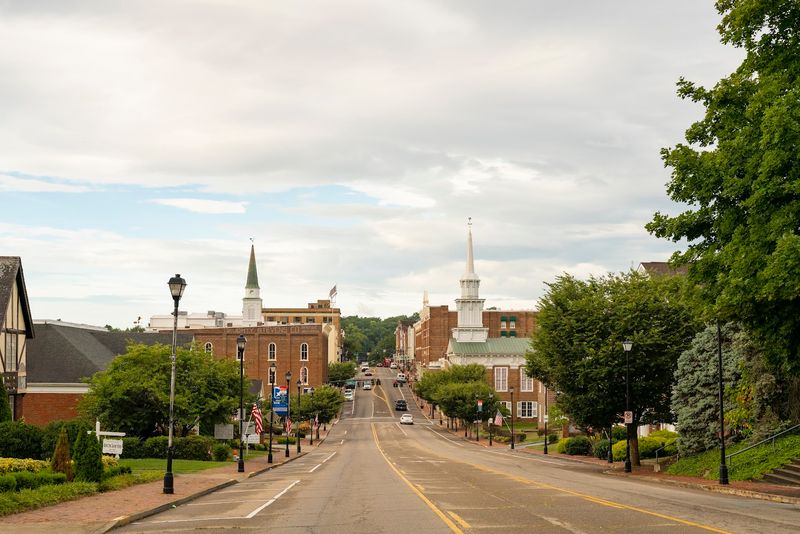
Greeneville earned recognition as the hometown of President Andrew Johnson, but the town offers much more than presidential history. The downtown area stretches along tree-lined streets filled with shops, galleries, and landmarks that create an old-film backdrop feeling.
Main Street features brick buildings from the 1800s and early 1900s, many housing businesses that have served the community for decades. The architecture showcases various styles, from Victorian to Art Deco, creating visual interest as you walk from block to block. Original details like decorative cornices and large display windows remain intact.
Andrew Johnson National Historic Site preserves the president’s home and tailor shop, offering insights into 19th-century life and politics. The site includes his homestead and burial place, all within walking distance of downtown. History buffs appreciate the well-maintained properties and knowledgeable staff who bring the past to life.
Local galleries showcase regional artists, while antique stores offer treasures from various periods. Restaurants range from casual cafes to upscale dining, all emphasizing fresh ingredients and Southern hospitality. The variety surprises visitors who expect limited options in a town this size.
Greeneville balances its historic assets with forward-thinking community development. New businesses open in old buildings, creating economic vitality without sacrificing character. The result is a town that honors its past while building its future, all wrapped in scenery that cameras love.