Retirement means different things to different people—some want mountain trails and lake access, others prefer historic downtowns and nearby medical centers. Tennessee delivers on all fronts, offering affordable living, stunning scenery, and a slower pace without sacrificing convenience.
From Smoky Mountain foothills to riverfront towns near Nashville and Memphis, the Volunteer State has earned its reputation as one of the South’s top retirement destinations.
1. Maryville
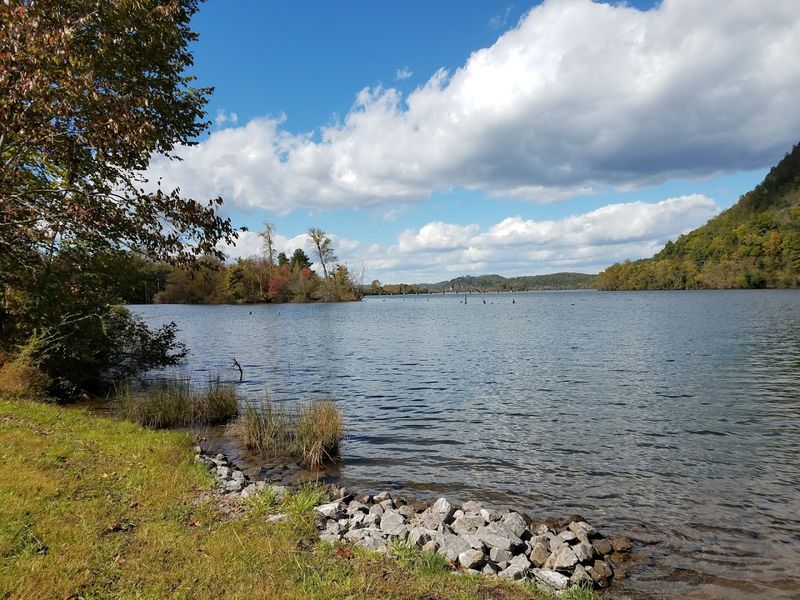
Nestled at the foothills of the Great Smoky Mountains, Maryville has earned national recognition as one of Tennessee’s best retirement spots, and it’s easy to see why. The combination of natural beauty, low property taxes, and small-town warmth creates an environment where retirees can truly relax. You get mountain views without the tourist crowds that flood Gatlinburg and Pigeon Forge.
Outdoor lovers thrive here. Hiking trails, fishing streams, and scenic drives are all minutes away, making it simple to stay active without needing a gym membership. Cades Cove and Laurel Falls are practically in your backyard.
The climate stays mild enough for year-round exploration, and fall colors are absolutely stunning.
Despite its peaceful vibe, Maryville isn’t isolated. Knoxville sits just 20 minutes north, bringing big-city healthcare, shopping, restaurants, and cultural events within easy reach. The University of Tennessee Medical Center and several specialty clinics ensure top-tier care when you need it.
Meanwhile, Maryville itself offers locally owned shops, farmers markets, and community events that make it feel like home.
Cost of living remains reasonable compared to many Southern retirement towns. Property taxes stay low, groceries don’t break the bank, and housing options range from historic homes near downtown to newer developments with mountain views. Retirees who want affordability without sacrificing quality of life find Maryville hits the sweet spot.
Community involvement runs deep here. Volunteer opportunities, churches, book clubs, and recreational leagues keep social calendars full. Whether you’re into gardening, golf, or simply sipping coffee on your porch with a view, Maryville delivers the kind of retirement that feels both peaceful and purposeful.
2. Kingsport
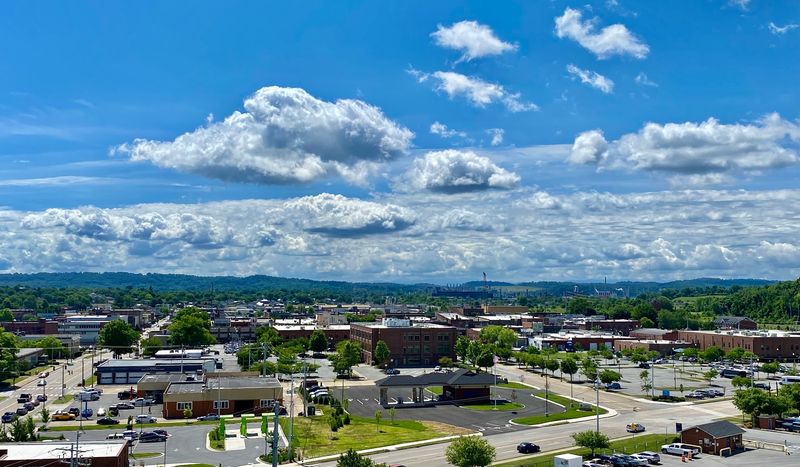
Tucked into the northeastern corner of Tennessee, Kingsport offers retirees Appalachian beauty, affordability, and a pace that feels refreshingly unhurried. Unlike some mountain towns that feel remote, Kingsport maintains solid infrastructure, healthcare access, and amenities that make daily life convenient.
Outdoor recreation defines much of Kingsport’s appeal. Bays Mountain Park alone covers over 3,500 acres of trails, a nature center, planetarium, and a lake perfect for paddle boating. The Holston River winds through town, offering fishing, kayaking, and scenic riverside walks.
Golf courses dot the area, giving retirees plenty of options for staying active and social.
Cost of living remains one of Kingsport’s biggest selling points. Housing prices stay well below national averages, property taxes won’t shock you, and everyday expenses like groceries and utilities remain manageable. Retirees on fixed incomes appreciate how far their dollars stretch here compared to larger Southern cities.
Downtown Kingsport has seen revitalization in recent years, bringing in new restaurants, breweries, and shops while preserving historic charm. Farmers markets, live music, and community festivals keep the calendar full without overwhelming the town’s quiet character. It’s big enough to avoid boredom but small enough to recognize familiar faces at the coffee shop.
The surrounding Tri-Cities region (Kingsport, Johnson City, and Bristol) expands your options for dining, shopping, and entertainment without requiring long drives. You get the benefits of a larger metro area while maintaining a slower, more relaxed lifestyle.
3. Crossville
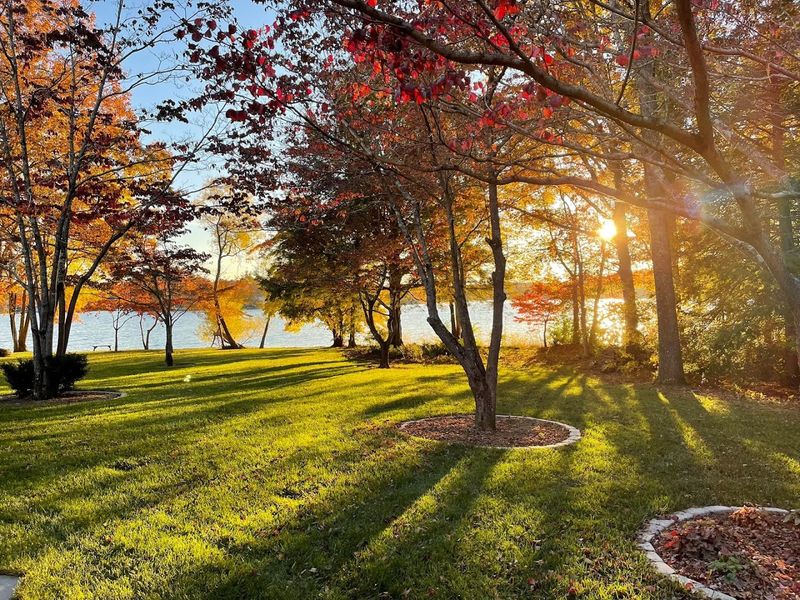
Perched atop the Cumberland Plateau, Crossville has earned its nickname as Tennessee’s Golf Capital, making it a natural magnet for active retirees. With over a dozen courses in the area, golfers find plenty of variety, from championship layouts to more relaxed nine-hole tracks. Even if golf isn’t your thing, the plateau’s elevation brings cooler summer temperatures and stunning scenery that make outdoor living enjoyable year-round.
The landscape here feels different from the rest of Tennessee. Rolling hills, dense forests, and waterfalls create a setting that’s both peaceful and adventurous. Cumberland Mountain State Park sits nearby, offering hiking, fishing, and camping without the crowds you’d find near the Smokies.
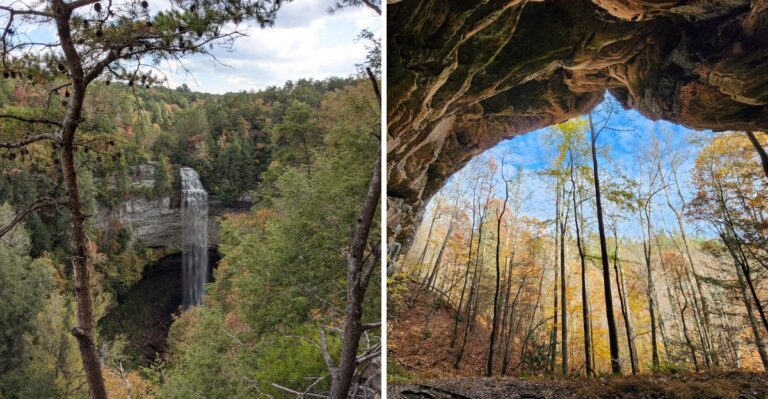
Fall River Falls and Ozone Falls are short drives away, perfect for easy day trips.
Crossville’s retirement community is well-established, meaning you won’t struggle to find social connections. Golf leagues, hobby clubs, volunteer groups, and church communities keep calendars full. The town itself has grown to support retirees with solid healthcare options, including Cumberland Medical Center, which handles most everyday medical needs without requiring trips to Knoxville or Nashville.
Affordability remains strong here. Housing costs stay reasonable, whether you’re looking for a lakefront property, a golf course home, or something more modest in town. Property taxes won’t drain your retirement savings, and everyday expenses stay manageable.
Location-wise, Crossville sits roughly halfway between Knoxville and Nashville, making it easy to access either city for shopping, medical specialists, or entertainment. But most retirees find they don’t need to leave town often—Crossville’s farmers markets, local restaurants, and community events provide plenty of reasons to stay close to home.
4. Loudon
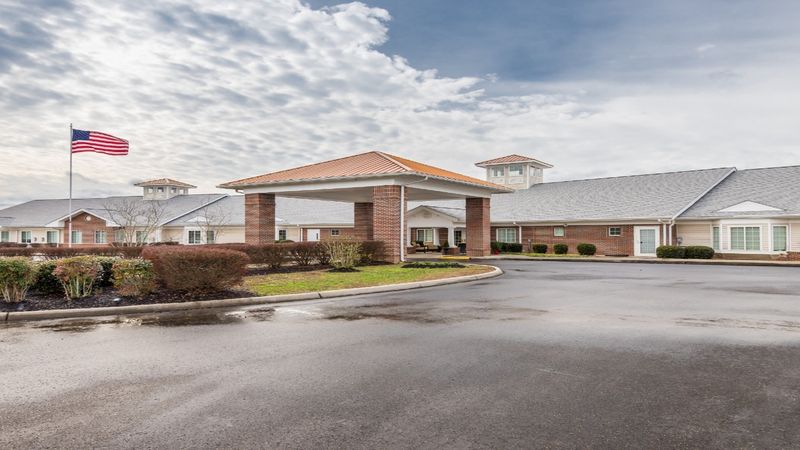
Situated between Knoxville and the Smoky Mountains, Loudon offers retirees lakefront living, small-town charm, and convenient access to bigger-city amenities. Tellico Lake and Fort Loudoun Lake dominate the landscape, creating endless opportunities for boating, fishing, and waterfront relaxation. Marinas, boat launches, and lakeside restaurants make it easy to embrace the water lifestyle without breaking the bank.
Outdoor recreation extends beyond the lakes. Hiking trails, wildlife watching, and scenic drives keep nature lovers busy, while the nearby Smoky Mountains offer world-class hiking and breathtaking views. The climate stays mild enough for year-round outdoor activities, and fall brings spectacular color changes across the hills.
Loudon’s location is a major draw. Knoxville sits about 30 minutes away, bringing shopping, dining, cultural events, and top-tier healthcare within easy reach. The University of Tennessee Medical Center and several specialty clinics ensure you won’t struggle to find quality care.
Meanwhile, Loudon itself maintains a quieter, more relaxed pace that feels like a true escape from city stress.
Cost of living remains reasonable compared to many lakefront communities. Housing options range from modest homes in town to larger lakefront properties, and property taxes stay manageable. Groceries, utilities, and everyday expenses won’t shock your budget, making Loudon a practical choice for retirees who want comfort without overspending.
Retirees who want lake access, mountain views, and convenient city proximity find Loudon offers the best of all worlds.
5. Franklin
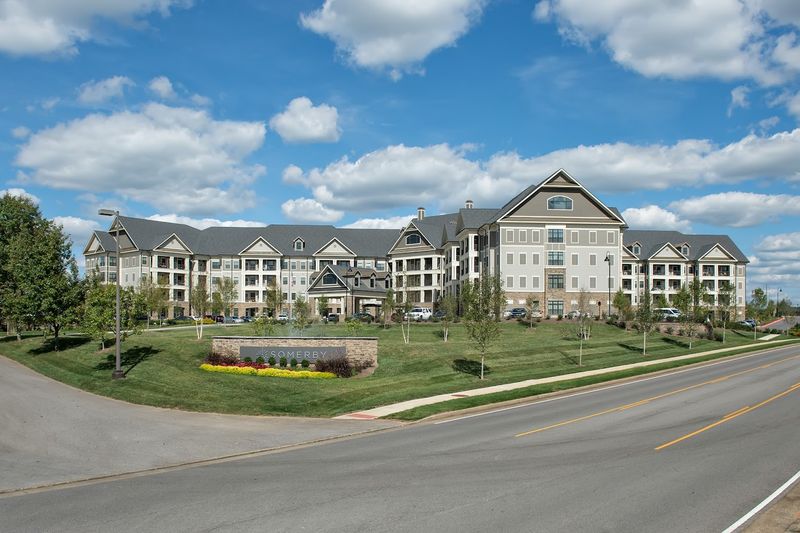
Franklin stands out among Tennessee retirement towns for its polished charm, walkable downtown, and proximity to Nashville’s world-class healthcare and culture. Yes, it’s pricier than many spots on this list, but retirees who can afford it gain access to boutique shopping, award-winning restaurants, live music, and a historic district that feels like stepping back in time.
History buffs thrive here. Civil War sites, historic homes, and museums offer endless exploration opportunities. Walking tours reveal stories from the Battle of Franklin, while beautifully preserved architecture lines the streets.
The town has managed to honor its past while embracing modern conveniences, creating a unique blend that appeals to retirees who want both character and comfort.
Healthcare access is exceptional. Nashville’s major hospitals, including Vanderbilt University Medical Center and TriStar Centennial Medical Center, sit just 20 minutes north. Specialists, urgent care facilities, and cutting-edge treatment options are all within easy reach.
For retirees with ongoing medical needs, this proximity brings serious peace of mind.
Cultural offerings rival much larger cities. The Franklin Theatre hosts concerts and movies, art galleries showcase local talent, and live music spills out of restaurants and venues most weekends. Proximity to Nashville means you can catch Broadway shows, Predators hockey games, or concerts at the Grand Ole Opry without committing to big-city living.
The cost of living reflects Franklin’s desirability. Housing prices run higher than most Tennessee towns, and property taxes aren’t cheap. But retirees who prioritize walkability, dining, culture, and convenience find Franklin worth the investment.
6. Johnson City
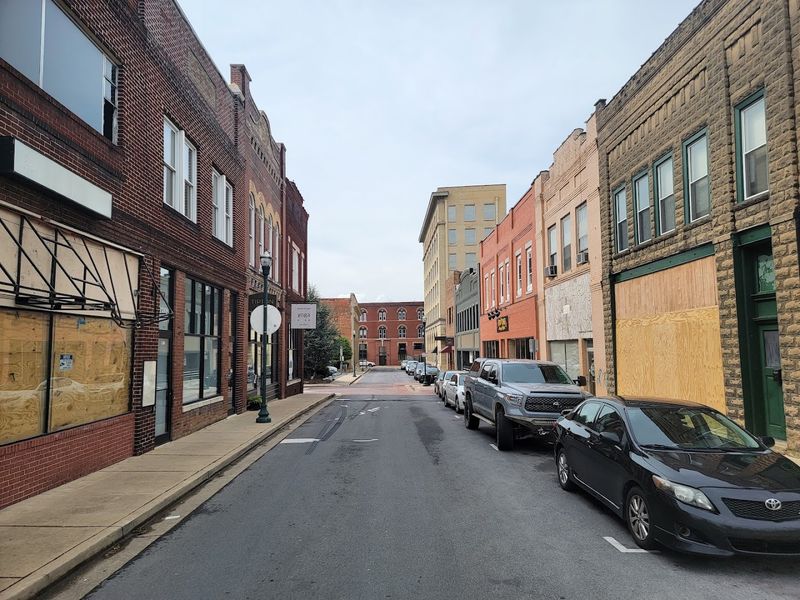
Located in the heart of the Tri-Cities region, Johnson City blends mountain access, university-town energy, and affordability into a retirement package that’s hard to beat. East Tennessee State University brings cultural events, lectures, and a youthful vibe that keeps the town feeling lively without overwhelming its relaxed character.
Healthcare stands out as one of Johnson City’s strongest assets. The town is home to Ballad Health’s flagship medical center, along with specialty clinics, urgent care facilities, and the James H. Quillen VA Medical Center.
Medical students and residents from ETSU’s College of Medicine bring fresh perspectives and cutting-edge knowledge to local healthcare, ensuring access to quality care.
Outdoor recreation is practically unavoidable here. The Tweetsie Trail offers 10 miles of paved walking and biking paths, while nearby mountains provide endless hiking, fishing, and scenic drives. Watauga Lake, Roan Mountain, and the Appalachian Trail are all short drives away, making it easy to stay active and explore new terrain.
The craft beer and music scene has exploded in recent years. Breweries, taprooms, and live music venues line downtown streets, creating a social atmosphere that appeals to retirees who want more than just quiet evenings at home. Farmers markets, local restaurants, and food festivals keep the culinary scene interesting and affordable.
Cost of living remains lower than many Southern cities of similar size. Housing options range from historic homes near downtown to newer developments on the outskirts, and property taxes stay manageable.
7. Cookeville
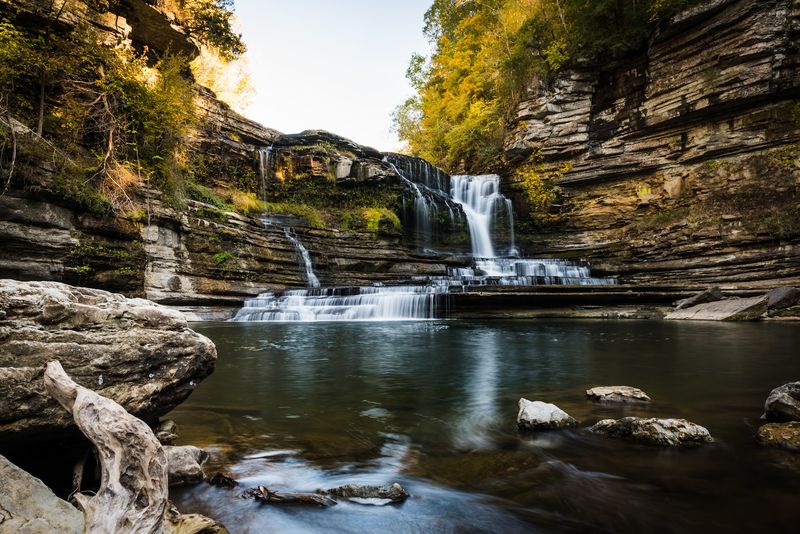
Sitting on the eastern edge of the Highland Rim, Cookeville combines college-town vibrancy, outdoor adventure, and small-town affordability into a retirement destination that often flies under the radar. Tennessee Tech University anchors the town, bringing cultural events, sporting events, and a steady stream of energy that keeps things lively. Retirees who enjoy lifelong learning can audit classes, attend lectures, or simply soak up the atmosphere.
Waterfalls are everywhere. Burgess Falls State Park, Cummins Falls State Park, and Fall Creek Falls State Park all sit within easy driving distance, offering some of Tennessee’s most stunning natural scenery. Hiking trails range from easy strolls to challenging climbs, ensuring outdoor lovers of all fitness levels find something to enjoy.
The Cumberland Plateau’s cooler temperatures make summer hiking more comfortable than in lower-elevation areas.
Downtown Cookeville has seen steady revitalization, bringing in locally owned shops, restaurants, breweries, and coffee houses. The town square hosts farmers markets, concerts, and festivals that create a sense of community without feeling overwhelming. It’s the kind of place where you can walk to dinner, grab coffee with neighbors, and still retreat to quiet residential streets.
Healthcare access is solid for a town this size. Cookeville Regional Medical Center provides comprehensive services, including specialists and emergency care. For more complex needs, Nashville sits about 80 miles west, making it accessible without requiring constant trips to the city.
Affordability is one of Cookeville’s biggest draws. Housing costs stay well below national averages, property taxes remain manageable, and everyday expenses won’t shock your budget. Retirees who want waterfalls, hiking, college-town energy, and a lower cost of living find Cookeville offers an excellent balance.
8. Hendersonville
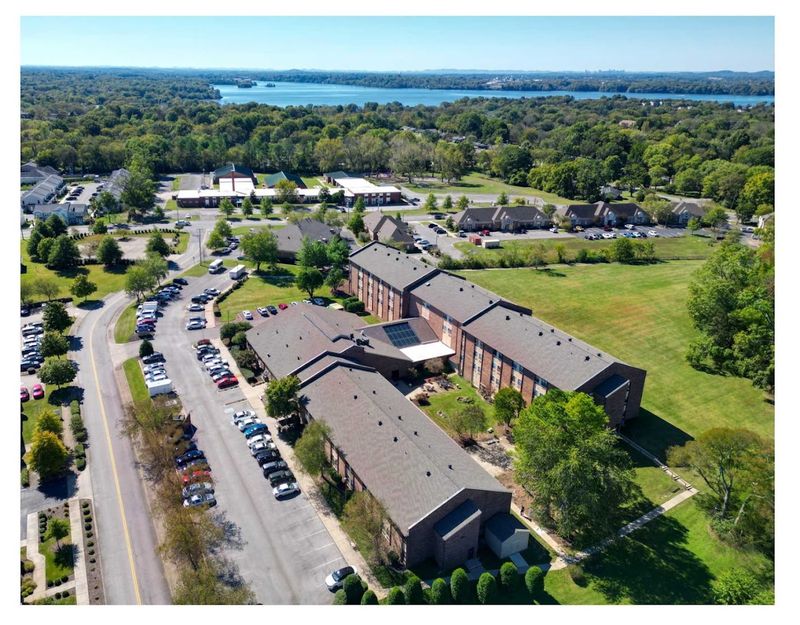
Perched along the northern shores of Old Hickory Lake, Hendersonville offers retirees lakefront living with Nashville convenience just 20 minutes south. Boating, fishing, and waterfront dining define much of the lifestyle here, and marinas, boat launches, and lakeside parks make it easy to embrace life on the water. Sunset views over the lake are a daily bonus that never gets old.
Parks and green spaces are abundant. Drakes Creek Park, Sanders Ferry Park, and Monthaven Arts and Cultural Center provide walking trails, playgrounds, and event spaces that keep the community active and connected. The Greenway system links parks and neighborhoods, making it easy to walk or bike without dealing with traffic.
Nashville’s proximity is a major selling point. World-class healthcare, shopping, dining, live music, and cultural events are all within easy reach, but you’re not stuck in the hustle and bustle. You can catch a Titans game or a concert at Bridgestone Arena, then retreat to the quiet lakeside calm of Hendersonville when you’re ready to unwind.
The community here is well-established, with plenty of retirees who’ve made Hendersonville home for decades. Churches, volunteer groups, recreational leagues, and social clubs provide ample opportunities to connect with neighbors. Farmers markets, local festivals, and downtown events keep the calendar full without overwhelming the town’s suburban character.
Cost of living is higher than some Tennessee retirement towns but still reasonable compared to living directly in Nashville. Retirees who want lake access, suburban comfort, and Nashville convenience without downtown prices find Hendersonville hits the mark.
9. Collierville

Located just east of Memphis, Collierville has become one of West Tennessee’s premier retirement destinations for retirees who want polished suburban living, historic charm, and access to big-city amenities. The town square is the heart of it all, featuring locally owned shops, restaurants, galleries, and a gazebo that hosts concerts and community events.
It’s the kind of downtown that feels timeless, where you can stroll under shade trees and grab lunch at a sidewalk café.
Safety and quality of life rank high here. Collierville consistently earns recognition as one of Tennessee’s safest towns, and well-maintained neighborhoods reflect the community’s pride. Parks, walking trails, and recreational facilities keep residents active, while the town’s greenway system links neighborhoods and parks for easy walking and biking.
Memphis sits just 30 minutes west, bringing world-class healthcare, shopping, dining, and cultural events within easy reach. Meanwhile, Collierville itself maintains a quieter, more relaxed pace that feels like a true escape from city stress.
Dining and shopping options have grown significantly in recent years. Chain stores and restaurants line the main corridors, while the historic square keeps local businesses thriving. Farmers markets, food festivals, and seasonal events keep the calendar full without overwhelming the town’s peaceful character.
Cost of living is higher than some Tennessee retirement towns but remains reasonable compared to other polished suburbs near major cities. Housing options range from historic homes near the square to newer developments with modern amenities, and property taxes stay manageable.
It’s a place where you can enjoy small-town warmth, quality amenities, and big-city convenience all in one package.
10. Chattanooga
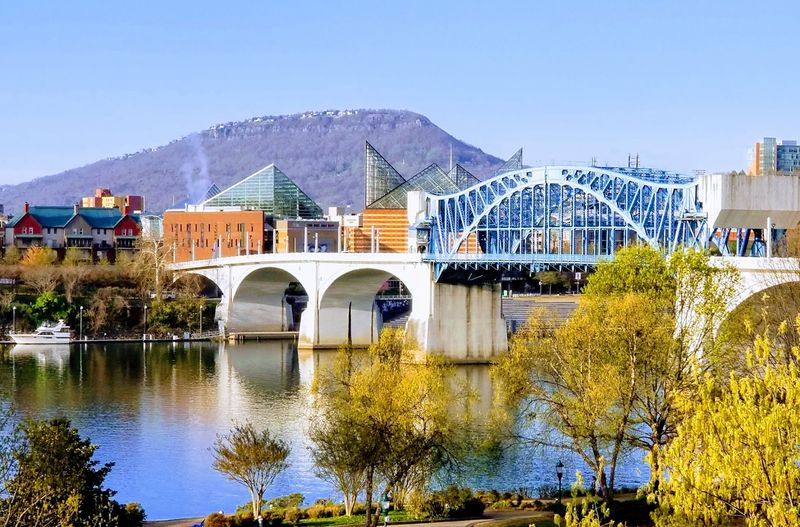
Nestled in a valley surrounded by mountains and bisected by the Tennessee River, Chattanooga has transformed itself into one of the South’s most exciting retirement destinations. The Riverwalk stretches for miles along the waterfront, offering walking, biking, and stunning views that make daily exercise feel less like a chore and more like an adventure.
Coolidge Park, Renaissance Park, and the Bluff View Art District provide green spaces, art, and riverfront dining that keep the city feeling vibrant.
Outdoor recreation is world-class here. Lookout Mountain, Signal Mountain, and the Tennessee River Gorge offer hiking, rock climbing, hang gliding, and scenic drives that rival anything in the state. Retirees who want to stay active find endless opportunities to explore trails, paddle the river, or simply enjoy mountain views from their porch.
Downtown Chattanooga has seen remarkable revitalization. The Tennessee Aquarium, Hunter Museum of Art, Chattanooga Market, and dozens of locally owned restaurants and breweries create a cultural scene that feels more like a much larger city. Live music, food festivals, and riverfront concerts keep the calendar full, and the city’s walkability makes it easy to enjoy without needing to drive everywhere.
Cost of living is higher than smaller Tennessee towns but still reasonable compared to many Southern cities of similar size. Housing options range from historic homes in trendy neighborhoods to modern condos downtown and suburban developments on the outskirts.
Retirees who want mountain views, riverfront walks, cultural offerings, and outdoor adventure find Chattanooga delivers a retirement lifestyle that’s both active and enriching.
Share this story