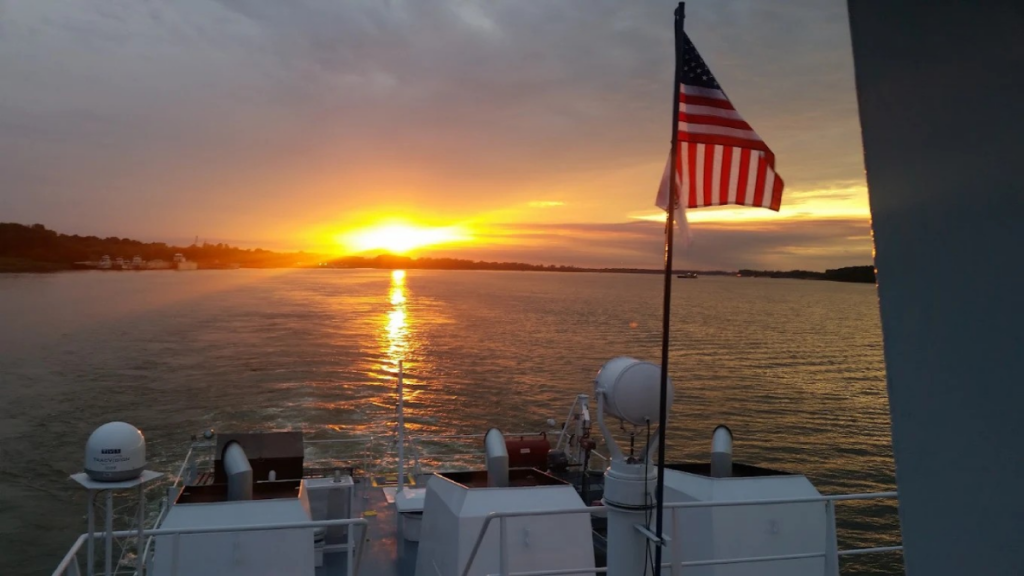
Tennessee is packed with incredible freshwater fishing spots that attract anglers from all over the South. Whether you’re chasing trophy bass, pulling in crappie by the dozen, or just enjoying a quiet day on the water with a pole in your hand, the state’s lakes deliver year-round action and scenery to match.
From massive reservoirs along the Tennessee River to a legendary natural lake in the northwest corner, these ten destinations offer some of the best fishing experiences you’ll find anywhere below the Mason-Dixon line.
1. Kentucky Lake
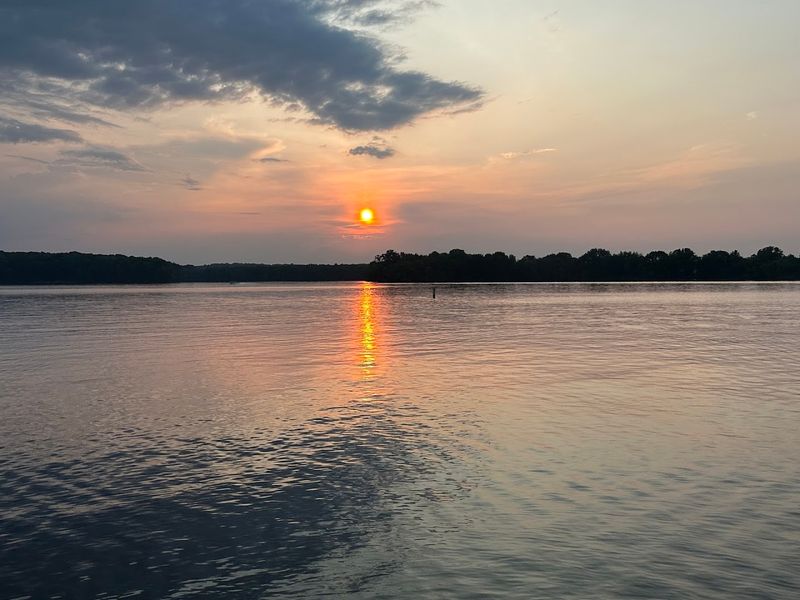
Kentucky Lake sits along the Tennessee River and covers more than 160,000 acres, making it one of the largest man-made reservoirs in the eastern United States. Anglers come here for the variety—largemouth bass, crappie, bluegill, sauger, and multiple catfish species all thrive in these waters. The sheer size means you can explore coves, channels, and open-water flats without ever feeling crowded, even during peak season.
Bass tournaments happen here regularly, and for good reason. The lake produces quality fish, especially in spring and fall when the bite heats up around submerged structure and grass beds. Crappie anglers do well around brush piles and bridge pilings, particularly in late winter and early spring when schools move shallow.
Access is never an issue. Kentucky Lake has dozens of public boat ramps, full-service marinas, and fishing piers scattered along both the Tennessee and Kentucky sides. You can launch a bass boat, rent a pontoon, or fish from shore, depending on your style and budget.
The lake also connects to Lake Barkley via a canal, giving you even more water to explore if you want to extend your trip. Between the two, you’ve got nearly a quarter-million acres of fishable water. Whether you’re a tournament angler or a weekend warrior with a cooler and a tackle box, Kentucky Lake delivers consistent action and plenty of room to roam.
2. Chickamauga Lake
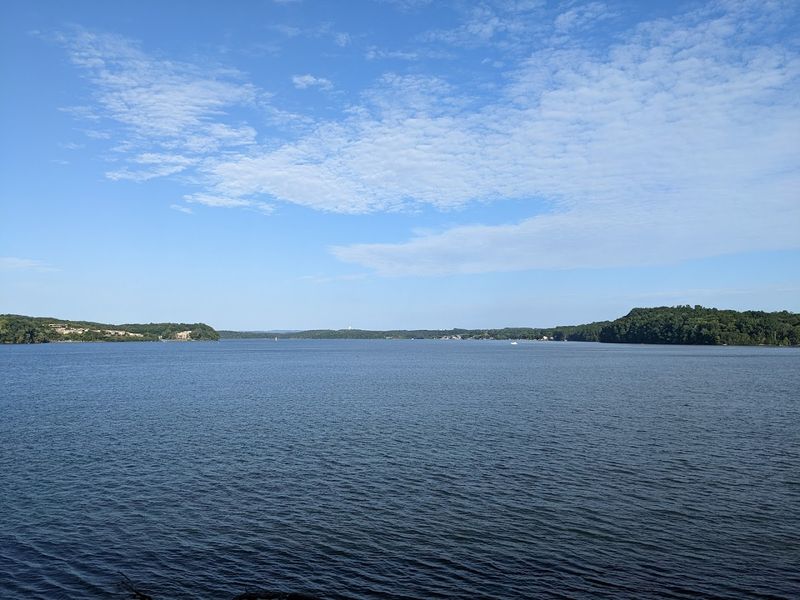
Chickamauga Lake has earned a reputation as one of the top bass fisheries in the entire country. Located along the Tennessee River near Chattanooga, this 36,000-acre reservoir consistently produces trophy-class largemouth bass that draw serious anglers from across the region. If you’ve ever watched a professional bass tournament on TV, there’s a good chance it was filmed here.
The lake’s grass beds, rocky points, and deep channels create ideal habitat for largemouth, and the Tennessee Wildlife Resources Agency actively manages the fishery to keep it healthy. Spring and fall are prime times, but even summer and winter offer solid opportunities if you know where to look. Topwater action in the early morning can be explosive, and flipping jigs around cover almost always produces bites.
Beyond bass, Chickamauga holds healthy populations of crappie, catfish, and striped bass. Crappie fishing picks up in late winter around docks and submerged timber, while catfish anglers do well on cut bait along channel edges and flats. The variety means you can switch tactics mid-trip and still stay busy.
Public access is excellent, with multiple boat ramps and a few fishing piers available along the shoreline. The lake also sits close to Chattanooga, so you can combine a fishing trip with other activities if you’re traveling with non-anglers.
3. Dale Hollow Lake
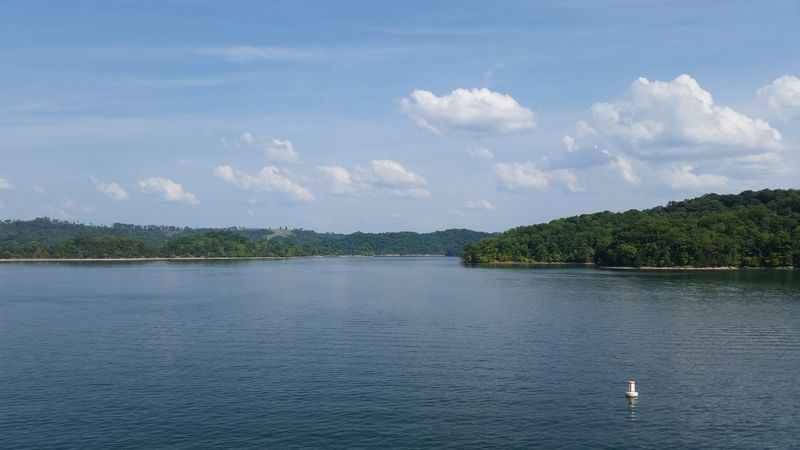
Dale Hollow Lake straddles the Tennessee-Kentucky border and is famous for producing the world-record smallmouth bass back in 1955—a record that still stands today. The lake’s incredibly clear water, rocky structure, and deep pools create perfect conditions for smallmouth, and anglers still come here hoping to land a trophy. Even if you don’t break records, the fishing is consistently excellent.
Smallmouth aren’t the only draw. Dale Hollow also holds healthy populations of largemouth bass, spotted bass, crappie, walleye, muskie, and bluegill. The Tennessee Wildlife Resources Agency even stocks brown trout in the tailwater below the dam, giving trout anglers a rare opportunity in this part of the state.
The variety means you can target different species depending on the season and your mood.
The lake’s clarity sets it apart from most Tennessee reservoirs. You can often see down ten feet or more, which makes sight-fishing an option during spawning season. The deep, cool water also keeps fish active through the summer when other lakes slow down.
Rocky points, gravel flats, and submerged ledges are all worth exploring.
Dale Hollow’s remote location and limited development give it a peaceful, getaway feel that’s hard to find on busier lakes. There are fewer marinas and less boat traffic, which means more elbow room and quieter fishing. If you want a chance at a trophy smallmouth in a scenic, uncrowded setting, Dale Hollow belongs on your list.
4. Pickwick Lake
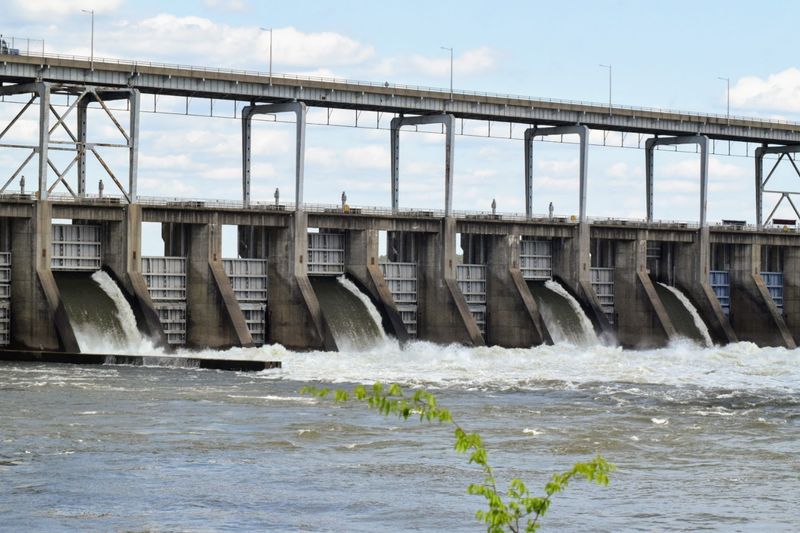
Pickwick Lake sits on the Tennessee River and stretches across Tennessee, Alabama, and Mississippi, offering over 43,000 acres of prime fishing water. Smallmouth bass are the star attraction here, especially around the rocky shoals and ledges that line the main river channel. The lake has hosted major bass tournaments for years, and it continues to produce big fish for anglers who know how to work deep structure.
Largemouth bass also thrive in the backwater areas and creek arms, where grass beds and timber provide cover. Crappie fishing is solid year-round, with spring being especially productive around brush piles and docks. Catfish anglers do well on cut bait and live bait along channel drops and flats, and the lake holds some true giants if you’re willing to put in the time.
Access is easy, with numerous public boat ramps, marinas, and campgrounds scattered along the shoreline. Pickwick Landing State Park on the Tennessee side offers a full-service marina, lodging, and a golf course if you want to make it a multi-day trip. The park also has a fishing pier and plenty of shoreline access for those without boats.
5. Reelfoot Lake
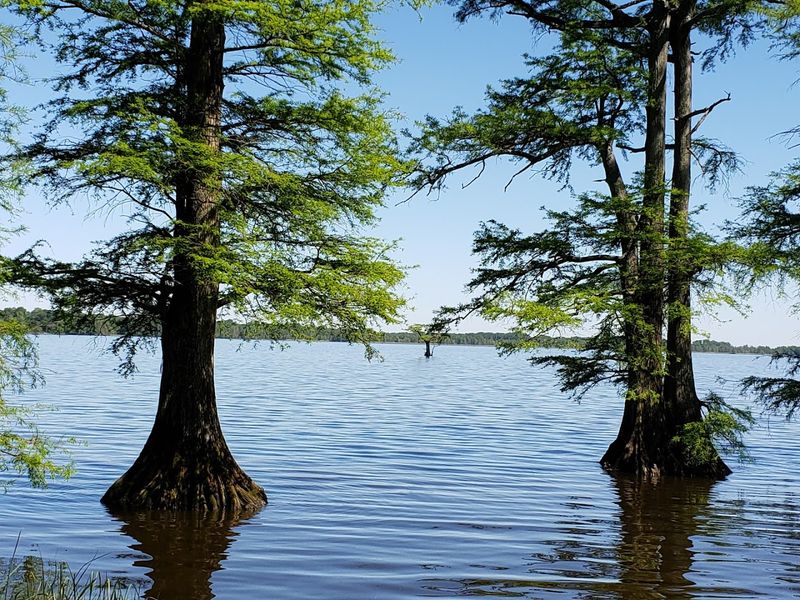
Reelfoot Lake stands out because it’s Tennessee’s only large natural lake, formed by a series of earthquakes in the early 1800s. Located in the northwest corner of the state, this shallow, cypress-filled lake offers a completely different fishing experience compared to the deep reservoirs found elsewhere. The swampy scenery, Spanish moss, and abundant wildlife make every trip feel like an adventure.
Crappie fishing is legendary here, especially in spring when the fish move into the shallow cypress groves to spawn. Bluegill, bass, and catfish are also plentiful, and the lake’s shallow depth keeps them accessible year-round.
The cypress trees and stumps create a maze of cover that holds fish but also requires careful navigation. A trolling motor and good GPS are essential if you want to avoid getting stuck or lost. The shallow water warms quickly in spring, which triggers early spawns and gives anglers a jump on the season compared to deeper lakes.
Reelfoot Lake State Park offers boat rentals, guided fishing trips, and campgrounds if you want to stay overnight. The park also hosts fishing tournaments and special events throughout the year. If you’re tired of the same old reservoir fishing and want something with more character, Reelfoot delivers scenery and action that you won’t find anywhere else in Tennessee.
6. Norris Lake
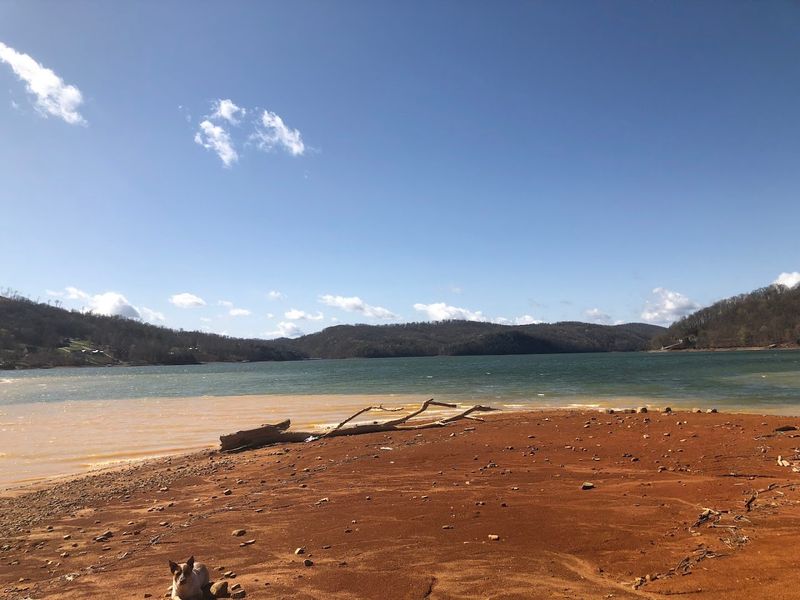
Norris Lake sits in the foothills of the Appalachian Mountains and offers some of the clearest water you’ll find in Tennessee. Created by the first dam built by the Tennessee Valley Authority, the lake covers over 34,000 acres and has more than 800 miles of shoreline. The mountain setting and clean water give it a scenic, getaway feel that appeals to anglers and vacationers alike.
Bass fishing is excellent here, with both largemouth and smallmouth available depending on where you fish. Striped bass and hybrid stripers also thrive in the deeper sections, offering a different kind of fight for anglers looking for variety. Crappie, walleye, and bluegill round out the mix, and the lake’s clear water makes sight-fishing possible during spawning season.
The clarity of Norris Lake means you often need to adjust your tactics. Lighter line, natural colors, and slower presentations tend to work better than the heavy, aggressive setups you might use on murkier reservoirs. The tradeoff is that you get to fish in water so clear you can watch your lure work, which adds a whole new level of excitement.
The surrounding area offers hiking, swimming, and other outdoor activities, so it’s a great choice if you’re traveling with family or friends who don’t fish.
7. Douglas Lake
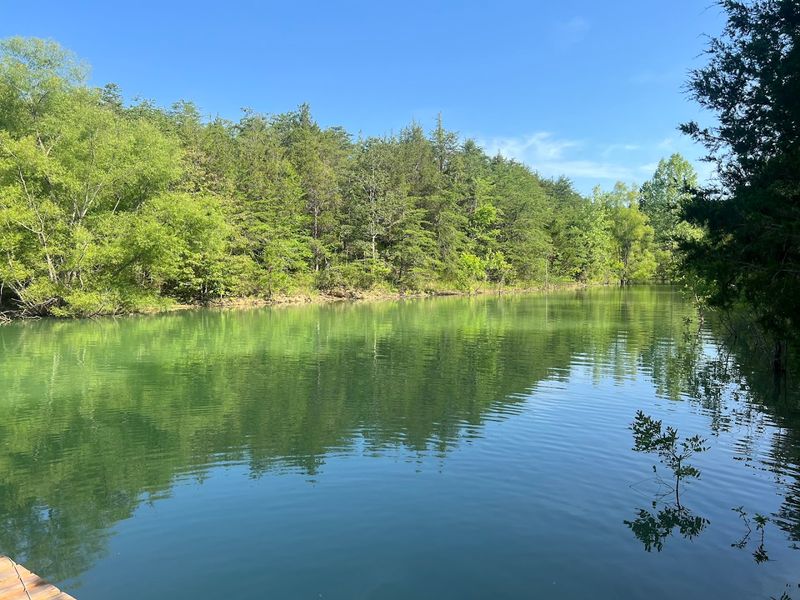
Douglas Lake sits in East Tennessee near the Great Smoky Mountains and offers excellent fishing with a side of mountain scenery. The lake covers over 30,000 acres and is especially known for crappie and bass, though you’ll also find catfish, bluegill, and walleye if you know where to look. Its location near Sevierville, Pigeon Forge, and Gatlinburg makes it a convenient stop for anglers visiting the area.
Crappie fishing is a major draw, particularly in spring when the fish move into shallow brush piles and around docks. Anglers use jigs, minnows, and small crankbaits to target schools holding near cover. The lake’s many coves and creek arms provide plenty of habitat, and the bite can be fast when conditions are right.
Bass anglers do well targeting points, grass beds, and rocky shorelines. Largemouth are the primary species, but smallmouth are also present in rockier areas. Topwater action in the early morning can be explosive, especially in late spring and early fall when the fish are feeding aggressively.
The lake’s proximity to the mountains also means cooler water temperatures, which can extend the spring and fall fishing seasons.
8. Center Hill Lake
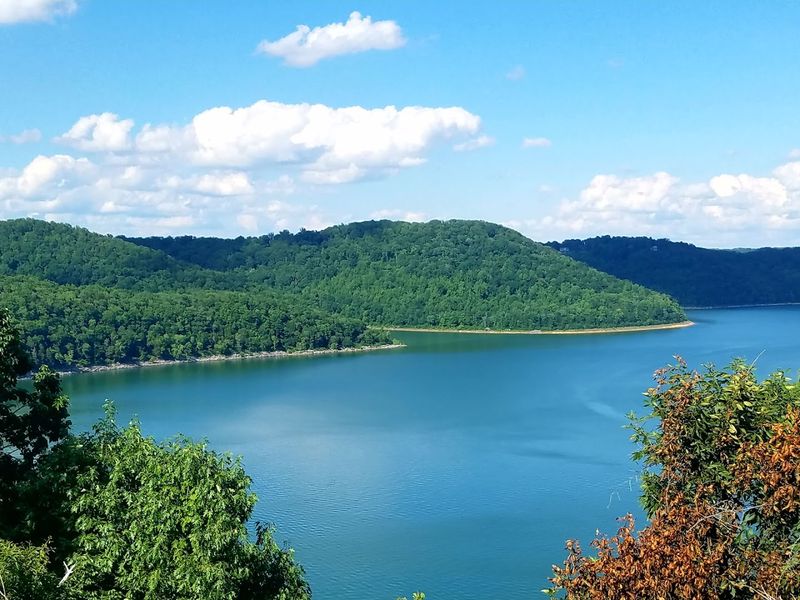
Center Hill Lake sits in Middle Tennessee and offers deep, clear water surrounded by rolling hills and limestone bluffs. The lake covers over 18,000 acres and reaches depths of more than 200 feet in some spots, creating a unique fishery that supports bass, walleye, crappie, and catfish. The scenery and peaceful atmosphere make it a popular getaway for anglers looking to escape the crowds.
Bass fishing is solid year-round, with both largemouth and smallmouth present. The deep water and clear conditions mean fish often hold on ledges, points, and drop-offs, especially during the heat of summer. Walleye fishing is another highlight, with the lake producing quality fish for anglers who target them at night or in low-light conditions.
The lake’s clarity requires some finesse. Lighter line, natural colors, and slower presentations tend to work better than aggressive tactics. The deep water also means you’ll want electronics to locate fish and structure, especially if you’re unfamiliar with the lake.
Center Hill Lake has several marinas, campgrounds, and public boat ramps, making access easy. The surrounding area offers hiking, camping, and other outdoor activities, so it’s a great choice for a weekend trip. The combination of fishing quality, scenery, and peaceful atmosphere makes Center Hill a standout destination in Middle Tennessee.
9. Watts Bar Lake
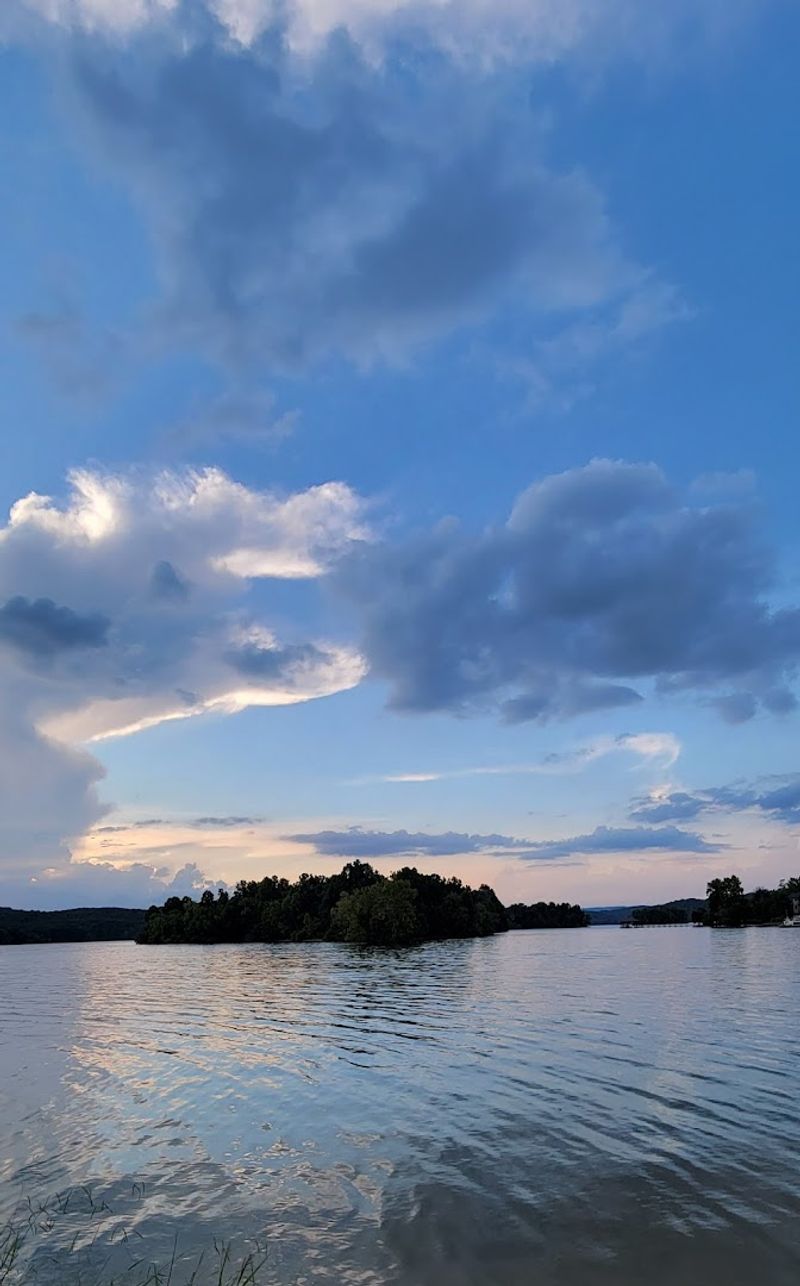
Watts Bar Lake stretches along the Tennessee River and covers over 39,000 acres, making it one of the larger reservoirs in the state. The lake offers excellent fishing for largemouth bass, smallmouth bass, crappie, striped bass, and catfish, giving anglers plenty of options no matter what they’re targeting. The variety and size make it a popular choice for both local anglers and visitors from out of state.
Bass fishing is a major draw, with both largemouth and smallmouth available depending on the time of year and location. Largemouth tend to hold in backwater areas and around grass beds, while smallmouth prefer rocky points and main-river structure. Striped bass and hybrid stripers also thrive here, offering a different kind of challenge for anglers looking for a hard-fighting fish.
Crappie fishing picks up in late winter and early spring when the fish move shallow to spawn. Anglers target brush piles, docks, and submerged timber with jigs and minnows, and the action can be fast when you find a school. Catfish are plentiful year-round, with cut bait and live bait producing consistent results along channel edges and flats.
Watts Bar has numerous public boat ramps, marinas, and campgrounds, making access easy. The lake also sits close to Knoxville and Chattanooga, so you can combine a fishing trip with other activities if you’re traveling with family or friends. The combination of size, variety, and accessibility makes Watts Bar a solid all-around choice for Tennessee anglers.
10. Percy Priest Lake
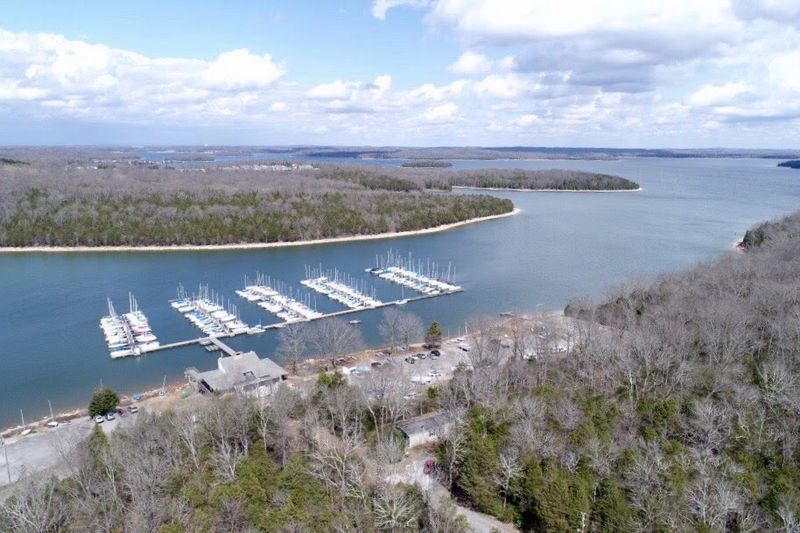
Percy Priest Lake sits just east of Nashville and offers convenient fishing without the need to drive hours into the backcountry. The lake covers over 14,000 acres and holds healthy populations of bass, crappie, catfish, hybrid striped bass, and bluegill. Its proximity to the city makes it a popular choice for locals and visitors looking for a quick fishing trip or a relaxing day on the water.
Bass fishing is solid year-round, with both largemouth and spotted bass available. Spring and fall tend to be the most productive times, with fish moving shallow to feed and spawn. Topwater action can be excellent in the early morning, and working jigs or soft plastics around points and grass beds usually produces bites.
Hybrid striped bass also provide exciting action, especially when schools are actively feeding on shad.
Crappie fishing heats up in late winter and early spring when the fish move into shallow brush piles and around docks. Anglers use jigs, minnows, and small crankbaits to target schools, and the bite can be fast when conditions align. Catfish are plentiful year-round, with cut bait and live bait working well along flats and channel edges.
Percy Priest has multiple public boat ramps, marinas, and fishing piers, making access easy even on weekends. The lake also sits close to Nashville’s restaurants, hotels, and attractions, so you can combine fishing with other activities if you’re visiting the area. If you want quality fishing without a long drive, Percy Priest delivers consistent action in a convenient Middle Tennessee location.