Tennessee might be famous for its music and mountains, but beneath the surface lies a treasure hunter’s paradise waiting to be explored. From sparkling quartz crystals nicknamed diamonds to ancient fossils frozen in time for millions of years, the Volunteer State offers rockhounds an incredible variety of geological wonders.
Whether you’re a seasoned collector or just getting started with your first rock hammer, these ten destinations showcase the best places to discover stunning minerals, unique formations, and remnants of prehistoric life that once roamed this land.
1. Horse Mountain / Silvertooth Agate Fields — Bedford County
Agate hunting doesn’t get much better than the fields around Horse Mountain, where Tennessee’s signature striped stones practically beg to be picked up and admired. This Bedford County location has built a serious reputation among collectors who crave the swirling patterns and warm earth tones that make Tennessee agate so distinctive. The area produces not just agate but also chalcedony, quartz, and jasper-like materials that range from translucent amber to deep rusty reds.
Getting out here means you’ll be walking across farmland and hillsides where erosion constantly brings fresh specimens to the surface. Permission from landowners is absolutely essential before you start exploring, so be respectful and ask first. Once you’ve got the green light, keep your eyes peeled for smooth, rounded stones with that telltale banding or waxy luster that sets agate apart from ordinary rocks.
What makes this spot extra rewarding is the variety you’ll encounter in a single afternoon. Some pieces show delicate white and peach layers, while others display bold stripes of chocolate brown and cream. Chalcedony nodules can surprise you with their glassy interiors, and the occasional piece of jasper adds a splash of earthy red or yellow to your collection.
Bring sturdy boots, a small shovel or rock pick, and plenty of water since shade can be scarce. Early morning or late afternoon light helps you spot the glossy surfaces of agate among the dirt and pebbles. This isn’t a commercial mine with facilities, so plan accordingly and pack out everything you bring in.
The thrill of finding your own Tennessee agate, polished by time and weather, makes every step across those fields worth the effort.
2. Douglas Lake / Douglas Diamonds Area — Around Dandridge
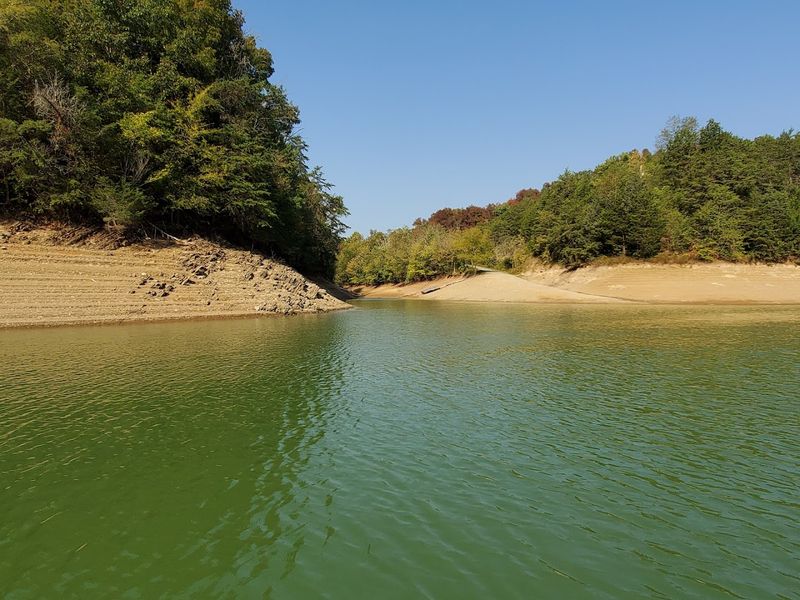
Quartz crystals that look like tiny glass daggers have earned the nickname Douglas Diamonds, and hunting them along the shores of Douglas Lake is one of Tennessee’s most beloved rockhounding traditions. These double-terminated beauties form with points on both ends, giving them a polished, gem-like appearance that makes you feel like you’ve struck gold.
The best hunting happens when the Tennessee Valley Authority drops the water level, exposing gravel bars and rocky stretches that normally sit underwater.
Timing your visit is everything here. Late summer and fall typically offer the lowest water levels, revealing prime hunting ground along the shoreline. You’ll want to check TVA’s lake level schedules before making the trip, because high water means slim pickings.
When conditions align, though, you can spend hours combing through pebbles and finding crystals that range from thumbnail-sized to an inch or more in length.
The crystals form in pockets within the limestone and dolomite bedrock that underlies this region. As the lake’s waves and currents erode these rocks, the quartz gets freed and tumbles along the shore, which is why you’ll often find them already cleaned and ready to admire. Some show perfect clarity, while others have milky inclusions or tiny rainbows when held up to sunlight.
Bring a small container or bag for your finds, and wear shoes that can handle wet, slippery rocks. A small hand rake or garden trowel can help you sift through gravel, but many hunters prefer using just their hands to feel for the smooth, hard surfaces of quartz among the softer stones.
Douglas Diamonds won’t pay the bills, but they’re absolutely priceless when you’re the one who discovered them sparkling in the shallows.
3. TVA Moon Hill Bridge Access — near Dandridge
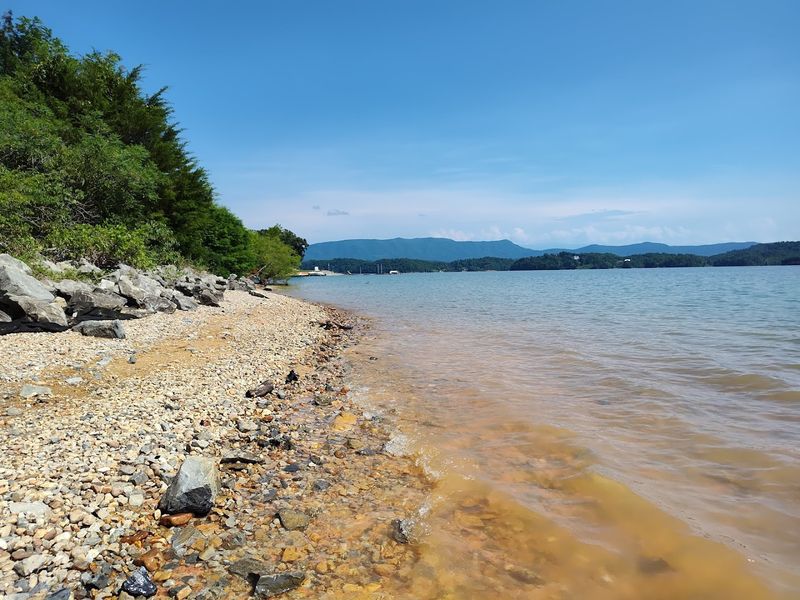
Moon Hill Bridge Access gives rockhounds a dedicated entry point to Douglas Lake’s treasure-filled shoreline without the guesswork of finding a good spot. This TVA-maintained area near Dandridge opens up prime hunting territory when the water drops, exposing the same gravel beds and rock formations that produce those coveted double-terminated quartz crystals. Having official access means you can focus on the hunt instead of worrying about trespassing or parking issues.
You’re not just visiting a random stretch of lakeshore and hoping for the best—this access point has a track record among local rockhounds who return season after season. The exposed areas reveal a mix of limestone fragments, rounded pebbles, and if you’re lucky, those glassy quartz points catching the sunlight.
Water level monitoring becomes your new hobby once you start planning trips here. TVA’s online resources show real-time lake levels, and experienced collectors know that every foot of drop reveals fresh hunting ground. The crystals hide among ordinary rocks, so patience and a sharp eye are your best tools.
Some folks bring folding chairs and make an afternoon of it, slowly working their way along the waterline.
Don’t expect a manicured park experience—this is a functional lake access with basic amenities at best. Wear clothes that can get muddy, bring sun protection, and pack snacks and drinks since you might be far from any stores. A small bucket or bag keeps your finds safe, and a walking stick can help with balance on uneven, rocky ground.
The reward is holding a perfect quartz crystal that formed deep underground and traveled through time to end up in your hand at Moon Hill Bridge.
4. Shady Grove TVA Access — Jefferson County
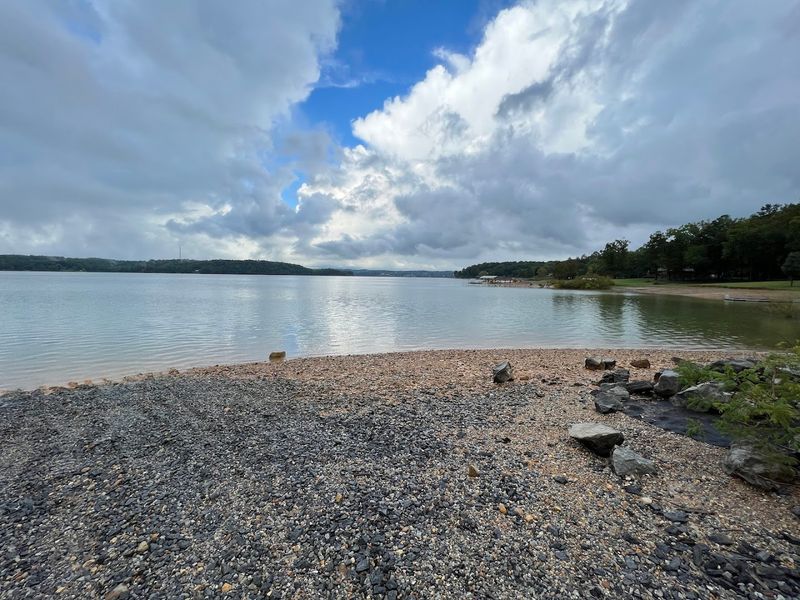
Another gem of a TVA access point, Shady Grove offers Jefferson County rockhounds their own slice of Douglas Lake’s crystal-hunting action. The name might promise shade, but the real draw is the rocky shoreline that emerges when the reservoir drops to its seasonal lows. Just like other Douglas Lake locations, this spot can yield double-terminated quartz crystals that make the drive and the search completely worthwhile.
What sets Shady Grove apart is the sense of discovery you get exploring a slightly less trafficked area. While serious collectors know about it, you might find yourself with more elbow room compared to busier access points. The geology remains consistent with the rest of Douglas Lake—limestone bedrock releasing quartz crystals as it weathers and erodes under the influence of water and time.
Successful hunting here follows the same principles: check water levels before you go, arrive prepared for outdoor conditions, and bring the patience to sort through plenty of ordinary rocks before finding something special. The crystals don’t announce themselves with neon signs, so you’ll develop an eye for their distinctive glassy appearance and geometric shapes. Some hunters swear by early morning light, which creates better contrast and makes the quartz easier to spot.
The shoreline changes character depending on exactly where the water line sits, so each visit can feel different. Sometimes you’ll find broad gravel flats perfect for slow, methodical searching. Other times, the exposed area might be narrower and rockier, requiring more careful footing.
Either way, the potential for finding beautiful quartz keeps collectors coming back throughout the collecting season. Bring a camera along with your collecting gear—the lake views alone make Shady Grove worth the visit, and a photo of your best find against the water makes a great memory of a successful hunt.
5. Coon Creek Science Center — Adamsville
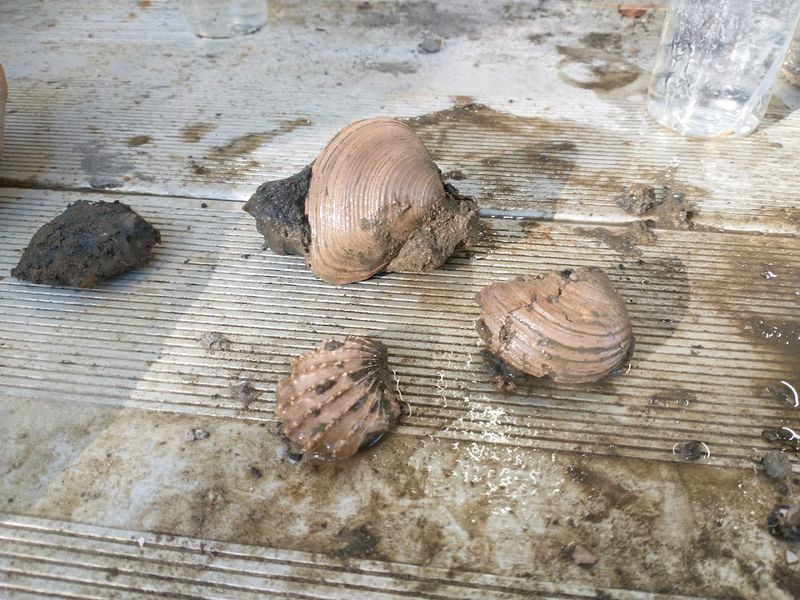
Seventy million years ago, western Tennessee sat beneath a warm, shallow sea teeming with creatures that left their remains in what’s now known as the Coon Creek Formation. The science center in Adamsville gives fossil enthusiasts a chance to literally dig into this ancient marine environment and take home genuine pieces of prehistory. This isn’t just looking at fossils behind glass—it’s hands-on collecting that connects you directly with the Cretaceous world.
The site is famous for exceptionally well-preserved marine fossils that include shells, snails, clams, and even the occasional shark tooth or sea urchin. What makes Coon Creek special is the quality of preservation; many specimens retain fine details that help scientists understand ancient ocean ecosystems.
As a visitor, you get to experience the thrill of uncovering these treasures yourself, brushing away sediment to reveal shells that haven’t seen daylight in geological ages.
The science center provides tools, instruction, and designated collecting areas, making this an ideal introduction to fossil hunting for families and beginners. Staff members explain what you’re looking at and help identify your finds, turning a fun outing into an educational experience. The fossils you discover are yours to keep, within reasonable limits, so you’ll leave with tangible souvenirs and probably a newfound appreciation for deep time.
Plan to spend a few hours here, and don’t wear your best clothes—you’ll be kneeling, digging, and getting dusty. Bring a small brush, containers for your fossils, and a camera to document especially cool finds before you pack them up. The center operates seasonally and by appointment, so check ahead for hours and any fees.
Finding a perfect fossil shell and knowing it formed when dinosaurs still roamed the earth creates a connection to the past that few experiences can match.
6. Gray Fossil Site & Museum — Gray
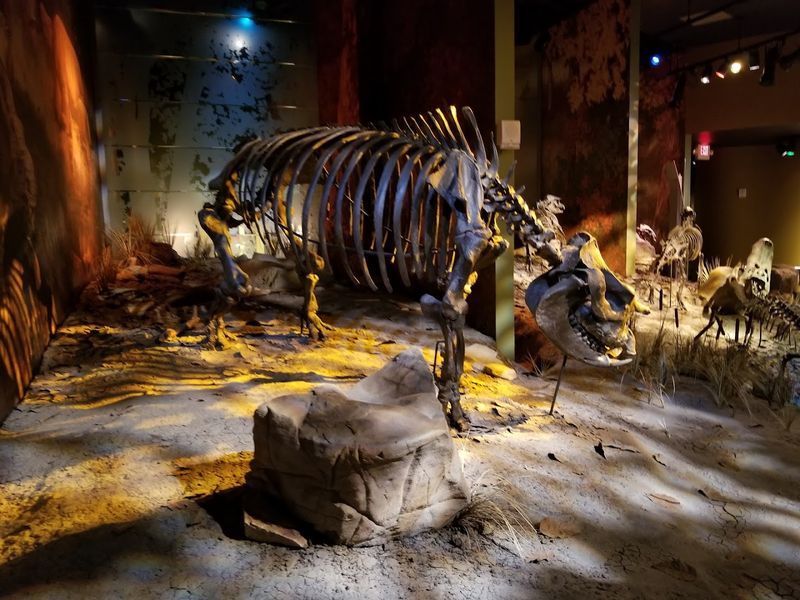
Step into a world where rhinos, mastodons, tapirs, and alligators roamed northeastern Tennessee roughly five million years ago. The Gray Fossil Site represents one of the most significant paleontological discoveries in North America, and the museum built around it lets visitors witness ongoing research and see incredible specimens pulled from the ground. This isn’t your typical rockhounding spot—you can’t dig here yourself—but the fossils on display will absolutely blow your mind.
Scientists discovered this site in 2000 during highway construction, and what they found was a treasure trove of Pliocene-era life preserved in an ancient sinkhole. The unique geology created perfect conditions for fossilization, capturing everything from massive mammals to delicate plant leaves. The museum showcases these finds with modern exhibits that explain how this ecosystem functioned millions of years before humans appeared.
Watching paleontologists work through the museum’s observation windows adds a behind-the-scenes dimension you won’t find elsewhere. You might see them carefully extracting bones from rock matrix or cataloging new discoveries, giving you insight into how fossil science actually happens.
The specimens themselves range from complete skulls to tiny seeds, each one adding detail to our understanding of ancient Tennessee’s climate and wildlife.
The museum offers educational programs, guided tours, and special events throughout the year, making it a destination that rewards repeat visits. While you can’t take home fossils from the site itself, the gift shop offers replicas and educational materials. Admission fees support ongoing research and help preserve this remarkable window into the past.
Visiting Gray Fossil Site reminds you that Tennessee’s geological story extends far beyond pretty rocks and minerals—it includes entire lost worlds waiting to be understood, one fossil at a time.
7. Ben Lomond Mountain — Near McMinnville

Geodes are nature’s surprise packages, and Ben Lomond Mountain near McMinnville delivers them along with a supporting cast of calcite, celestite, dolomite, marcasite, and pyrite. This location challenges you with steeper terrain and more demanding conditions than lakeside collecting, but the potential rewards include cracking open a geode to reveal sparkling crystal interiors that took millennia to form. It’s the kind of place that turns casual rockhounds into dedicated mineral hunters.
The mountain’s geology favors the formation of these hollow rocks lined with crystals. Geodes form when mineral-rich water seeps into cavities in the host rock, slowly depositing layers of crystals on the inside walls. Breaking one open—carefully, with safety glasses—reveals whether you’ve found a solid dud or a glittering prize.
The anticipation makes every geode you pick up feel like a wrapped present from the earth.
Beyond geodes, Ben Lomond offers calcite in various forms, from clear rhombohedral crystals to creamy masses. Celestite, a strontium sulfate mineral, occasionally shows up with its characteristic pale blue color. Pyrite and marcasite add metallic gold sparkle to the mix, while dolomite provides white to pinkish crystal clusters.
The diversity means you’re constantly evaluating different rock types and learning to recognize subtle clues about what might be hiding inside.
This isn’t a place for flip-flops and a casual stroll. Wear hiking boots with good ankle support, bring plenty of water, and pack a sturdy rock hammer along with safety glasses for geode cracking. Private property concerns are real here, so research current access rules and always get permission before collecting.
8. Cannon County Geode Area — Around Woodbury
Cannon County’s reputation as geode country is well-deserved, with the area around Woodbury producing hollow rocks that range from golf ball to softball size and larger. Collectors prize these geodes not just for their crystal-lined interiors but also for the variety of minerals they contain—calcite, fluorite, pyrite, and celestite all make appearances.
Finding a good geode site and getting permission to hunt can take some detective work, but the payoff is a collecting experience that feels authentically Tennessee.
The geodes here form in similar geological conditions to those at Ben Lomond, with sedimentary rocks providing the perfect environment for mineral deposition. What makes Cannon County special is the concentration of productive areas and the local knowledge passed down among collectors. If you connect with local rockhounding clubs or landowners, you might gain access to spots that consistently produce quality specimens.
Calcite geodes are the most common finds, often featuring sparkling white or clear crystals that catch light beautifully. Fluorite adds purple, green, or colorless cubic crystals to the mix, while pyrite contributes that famous fool’s gold shimmer. Celestite geodes are rarer but highly sought after for their delicate blue crystals.
Each geode you crack open is a gamble—some are completely solid, others partially filled, and the lucky ones are hollow caves of perfect crystals.
Respect for private property is absolutely critical in Cannon County. Most productive areas sit on farmland, so polite requests and good behavior ensure continued access for everyone. Bring a hammer, chisel, safety glasses, and something to carry your finds.
Some collectors prefer to take geodes home before opening them, using a proper rock saw or careful hammer work in a controlled setting. Others can’t resist cracking a few on-site to see what they’ve found. Either way, Cannon County geodes represent Tennessee rockhounding at its most rewarding.
9. Elmwood Mine — Near Carthage
Elmwood Mine earned legendary status among mineral collectors worldwide for producing some of the finest calcite, fluorite, sphalerite, and barite specimens ever found. This isn’t a place where casual rockhounds can show up and start digging—the mine is privately owned and no longer allows public collecting—but its impact on Tennessee’s rockhounding reputation deserves recognition.
Understanding what came from Elmwood helps you appreciate what makes Tennessee minerals special.
During its most productive years, Elmwood yielded museum-quality specimens that now reside in collections around the globe. The calcite crystals ranged from water-clear to amber, often forming complex combinations with fluorite in shades of purple, green, and yellow. Sphalerite added dark, resinous crystals to the mix, while barite contributed bladed crystal groups.
The combination of mineral diversity and crystal quality made Elmwood specimens highly desirable.
For today’s collectors, Elmwood minerals occasionally appear at rock and mineral shows, though prices reflect their scarcity and collector demand. Seeing these specimens in person—whether at shows, museums, or in private collections—provides inspiration and education about what Tennessee’s geology can produce under ideal conditions. The fluorite and calcite combinations are particularly stunning, with crystals that seem to glow from within.
While you can’t collect at Elmwood itself, studying these minerals helps train your eye for similar species you might encounter at accessible locations. The same geological processes that created Elmwood’s treasures operate throughout Tennessee’s mineral-rich regions. Learning to identify calcite, fluorite, and associated minerals improves your success at other sites.
10. Burra Burra Mine Historic Site — Copperhill
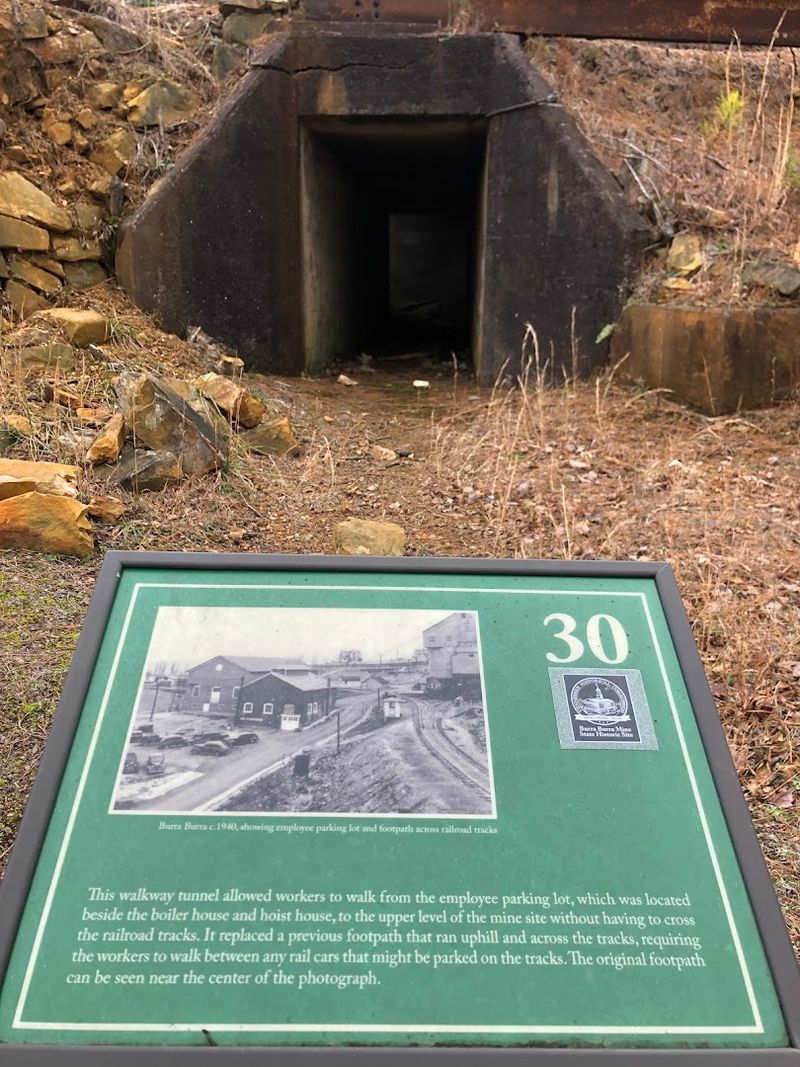
Copper mining shaped the history of Copperhill, and the Burra Burra Mine stands as a reminder of the region’s industrial past and geological richness. The mine produced copper ore for decades, and in the process, exposed minerals including chalcopyrite, pyrite, garnet, and actinolite that tell the story of Tennessee’s metallic mineral deposits.
Collecting inside the mine is prohibited for safety and preservation reasons, but the site offers historical interest and a chance to understand the geology that attracted miners in the first place.
Chalcopyrite, the primary copper ore, displays a brassy yellow color that tarnishes to iridescent purples and blues. Pyrite adds its own golden sparkle, while garnets appear as deep red crystals in the metamorphic rocks surrounding the ore deposits. Actinolite, a green amphibole mineral, formed under the heat and pressure that created this mineral assemblage.
These minerals represent a different side of Tennessee geology compared to the sedimentary formations that produce fossils and geodes.
The historic site itself provides context for understanding how mining operations worked and what challenges miners faced extracting ore from deep underground. Interpretive signs and preserved structures help visitors appreciate the human effort behind Tennessee’s mining heritage. The surrounding landscape still bears the marks of mining activity, creating a unique environment where industrial history and natural geology intersect.
Photography and historical exploration are the main activities here since collecting is off-limits. The site’s importance lies in education and preservation rather than specimen gathering. However, visiting Burra Burra enriches your understanding of Tennessee’s complete geological story, which includes both the natural processes that concentrate minerals and the human efforts to extract them.
Share this story