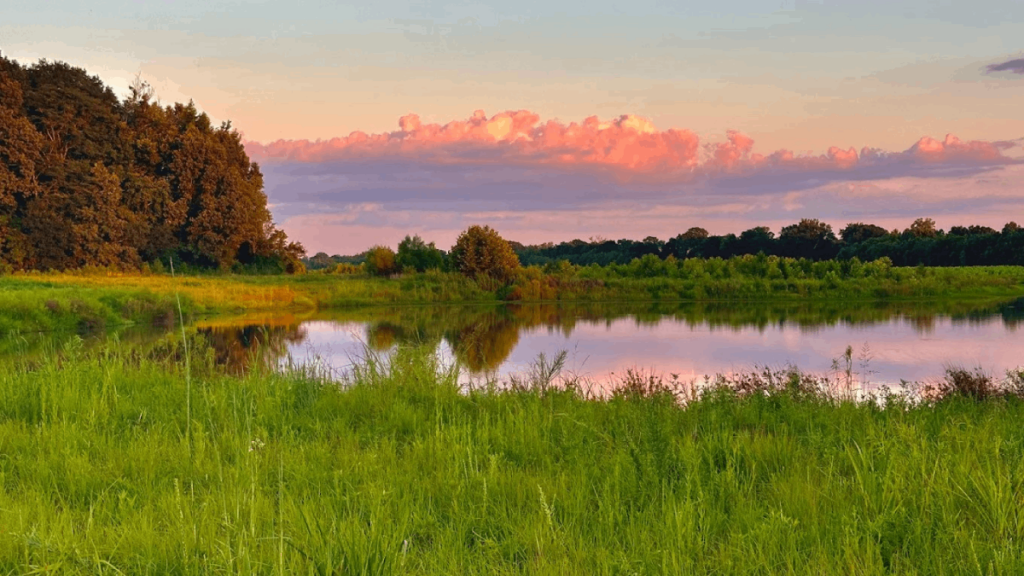
Tennessee has a solid lineup of state parks that won’t charge you a dime just to walk through the gate. That means you can spend more time exploring waterfalls, trails, rivers, and wildlife without worrying about entrance fees eating into your budget.
Whether you’re after mountain views, waterside calm, or a quick nature reset near the city, there’s a free park that fits the bill and gives you plenty of room to roam.
1. Fall Creek Falls State Park
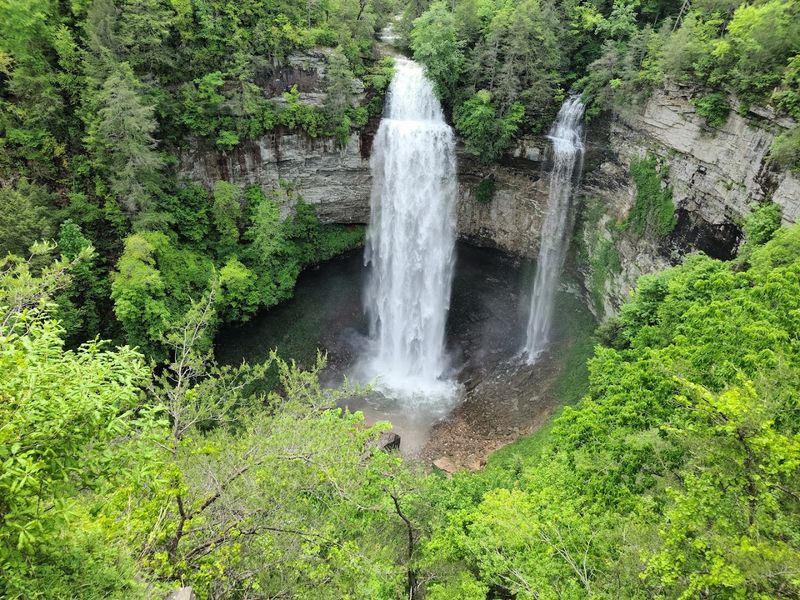
Sprawling across more than 29,800 acres on the Cumberland Plateau, this park delivers big on natural drama. You get waterfalls, deep gorges, rushing streams, and thick forest all in one place, which is why it consistently ranks as one of the most visited parks in the state.
The main attraction is Fall Creek Falls itself, a 265-foot drop that holds the title of one of the tallest waterfalls east of the Rockies. The viewing platform gives you a front-row seat to the power and scale of the falls, and the trail system connects you to several other waterfalls and overlooks throughout the park.
Beyond waterfall-chasing, the park has enough variety to keep you busy for a full day or a long weekend. There are more than 30 miles of trails ranging from easy lakeside loops to steep gorge hikes, plus opportunities for fishing, swimming, and paddling on the lake.
Camping options include everything from tent sites to cabins, so you can pick your comfort level. The park also has a nature center, picnic areas, and a golf course if you want a break from the trails.
Because of its size and popularity, expect company on weekends and holidays, especially near the main falls. Arriving early or exploring the backcountry trails can help you find quieter spots.
2. Roan Mountain State Park
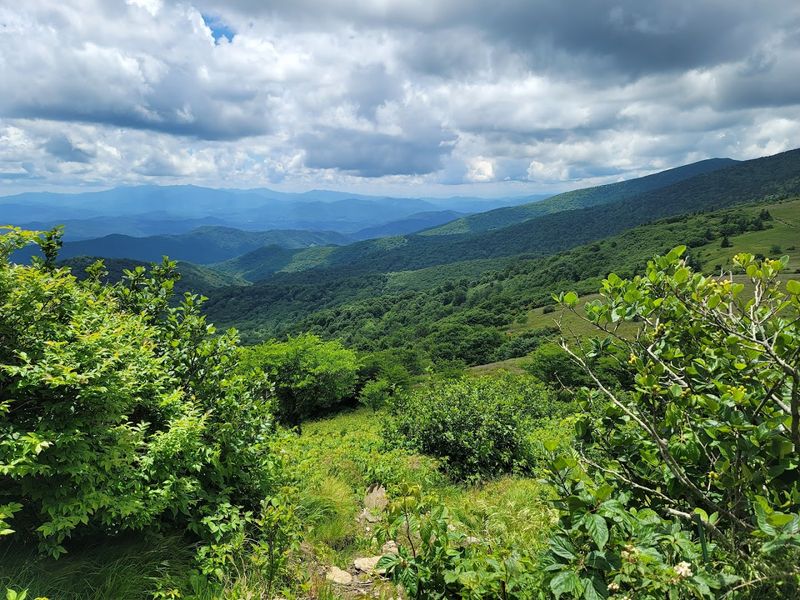
Tucked at the base of Roan Mountain, this park covers more than 2,000 acres of cool, green mountain terrain that feels different from the waterfall-heavy parks farther south. The elevation brings a noticeable temperature drop, making it a popular summer escape when lower elevations start to bake.
Hardwood forests dominate the landscape, with the Doe River cutting through the park and offering solid trout fishing opportunities. The wildflower displays here are legendary, especially the rhododendron blooms that light up the higher elevations in late spring and early summer.
Wildlife sightings are common, with deer, wild turkey, and a variety of songbirds making regular appearances. The trail network includes everything from riverside strolls to steep climbs that connect to the Appalachian Trail, so you can tailor your hike to your energy level.
One important note: the park has experienced significant weather-related closures recently, with trails and facilities impacted by severe storms. Before you load up the car, check the current status on the park’s website or call ahead to confirm what’s open.
When conditions are good, Roan Mountain delivers a classic mountain park experience with a strong focus on natural beauty and outdoor recreation. The cooler climate, flowing water, and seasonal wildflower shows make it worth the drive, especially if you’re looking for something more rugged and less crowded than the big-name waterfall parks.
3. Meeman-Shelby Forest State Park
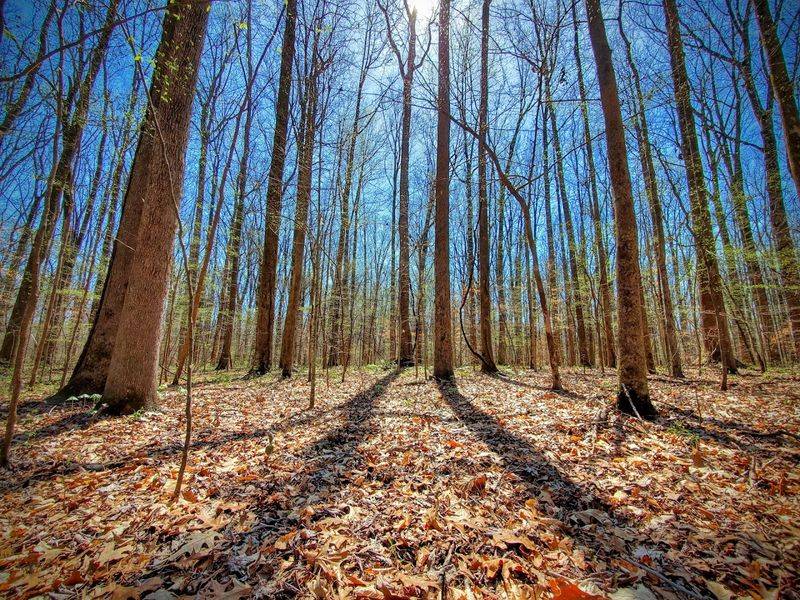
Just north of Memphis, this 12,539-acre park gives you a completely different slice of Tennessee. Instead of mountains and waterfalls, you get mature hardwood bottomland, swampy stretches filled with bald cypress and tupelo, and the wide, muddy presence of the Mississippi River.
The landscape here feels wild and a little mysterious, especially when you’re deep in the swamp sections where the trees rise out of the water and the bird calls echo through the canopy. More than 20 miles of trails wind through the park, offering everything from short nature walks to longer forest loops.
Wildlife is a big draw. The park is home to deer, wild turkey, armadillos, and a wide variety of water birds and raptors. If you’re into birding or photography, the mix of wetland and forest habitats creates excellent opportunities, especially during migration seasons.
The park also has a lake for fishing, picnic areas, and camping options if you want to stay overnight. Because it’s so close to Memphis, it’s a popular weekend destination for locals looking for a quick outdoor reset without a long drive.
What makes Meeman-Shelby stand out is how different it feels from the rest of the Tennessee park system. If you’ve spent most of your time in the mountains, this lowland forest experience offers a refreshing change of pace and a reminder of how diverse the state’s landscapes really are.
4. Radnor Lake State Park
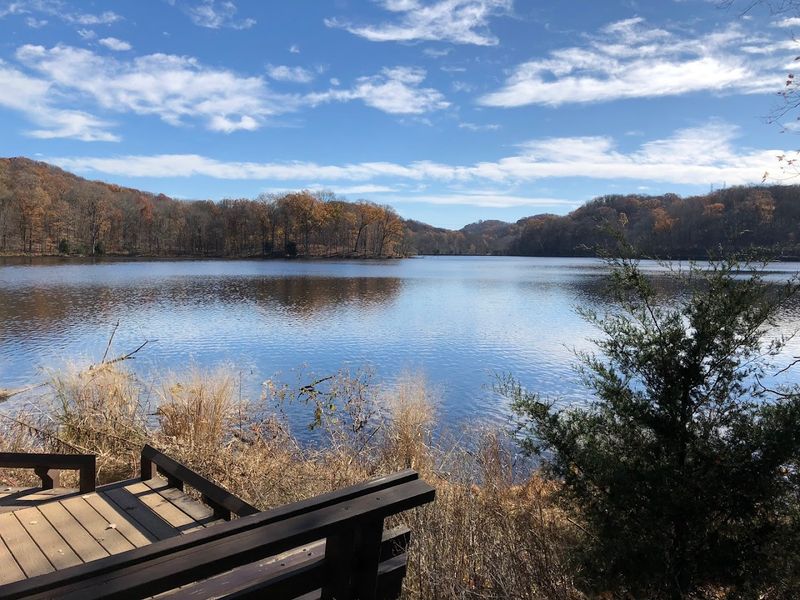
Located just minutes from downtown Nashville, Radnor Lake packs a surprising amount of nature into 1,368 acres. The park was created specifically for wildlife preservation and environmental education, which means the focus here is on observation, not recreation like boating or swimming.
The trails are designated for hiking and wildlife watching only, keeping the experience quiet and low-impact. You’ll find well-maintained paths that loop around the lake and climb into the surrounding hills, offering views of the water and plenty of chances to spot animals.
Deer are everywhere, often grazing near the trails without much concern for human presence. Birdwatchers regularly log impressive species lists here, including herons, kingfishers, woodpeckers, and seasonal migrants. Otters, turtles, and the occasional beaver also make appearances if you’re patient and quiet.
Because the park is so close to the city, it’s a go-to spot for early morning walks, lunch break hikes, and after-work decompression. The proximity also means it can get crowded, especially on weekends and nice-weather days. Arriving early or visiting on weekdays helps you avoid the busiest times.
Radnor is proof that you don’t need to drive hours into the mountains to find quality nature time. If you’re in Nashville and want a quick reset surrounded by trees, water, and wildlife, this park delivers exactly that without charging you anything to walk through the gate.
5. Burgess Falls State Park
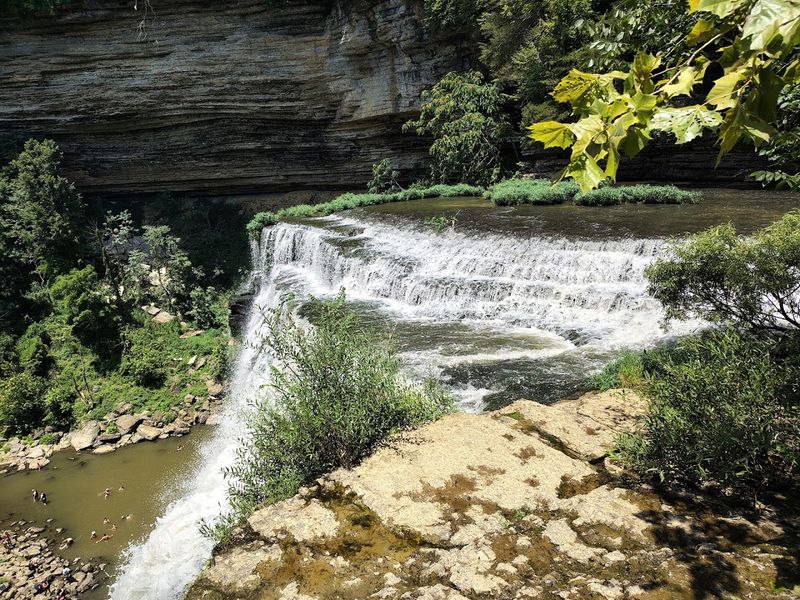
Set along the Falling Water River, Burgess Falls is one of the most rewarding waterfall parks for a quick day trip. The park features four distinct waterfalls that drop more than 250 feet in elevation over a short stretch of river, with the final falls being the showstopper.
That lower falls plunges more than 130 feet into a dramatic gorge, and the viewing area gives you a clear, unobstructed look at the full drop. The trail to reach it is relatively short and well-maintained, making it accessible for most visitors without requiring serious hiking experience.
The hike follows the river, so you pass the upper falls on your way to the main attraction. Each cascade has its own character, and the sound of rushing water follows you the entire way. The trail is popular, so expect company, but the scenery is worth sharing.
This is a day-use park, meaning there’s no camping or overnight facilities. That keeps the focus on the waterfalls and the short but scenic trail system. Picnic areas near the trailhead make it easy to turn your visit into a longer outing if you want to relax after the hike.
6. Pickett CCC Memorial State Park
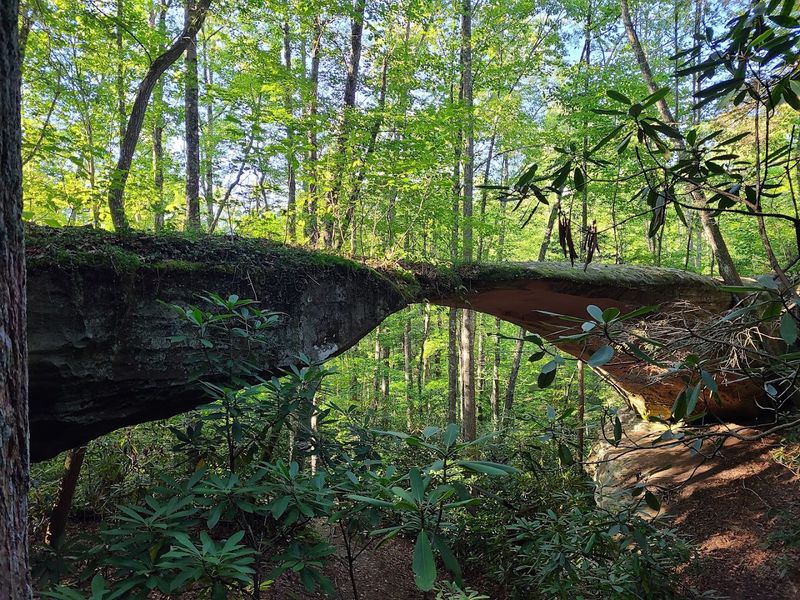
Pickett sits in a remote corner of the state near the Kentucky border, and that isolation is a big part of its appeal. The park is quiet, heavily forested, and filled with natural bridges, rock shelters, and sandstone bluffs that give it a rugged, backcountry feel.
In 2014, Pickett became the first state park in the Southeast to earn International Dark Sky Park status, which means the night skies here are exceptionally clear and free from light pollution. If you’re into stargazing or astrophotography, this is one of the best spots in Tennessee to set up and watch the Milky Way stretch across the sky.
The park also has a strong connection to the Civilian Conservation Corps, with many of the original structures and trails built by CCC workers still in use today. That history adds an extra layer of atmosphere, especially around the old stone cabins and shelters.
Trail options range from easy loops to more challenging hikes that explore caves, arches, and overlooks. The terrain is varied, with plenty of rock formations and forested ridges to keep things interesting. Wildlife sightings are common, with deer, wild turkey, and songbirds making regular appearances.
Pickett doesn’t have the big-name waterfalls or lakefront access of some other parks, but it offers something different: a quiet, forested escape with excellent hiking, unique geology, and some of the darkest, star-filled skies in the region. If that sounds appealing, this park delivers without charging you to enter.
7. Harrison Bay State Park
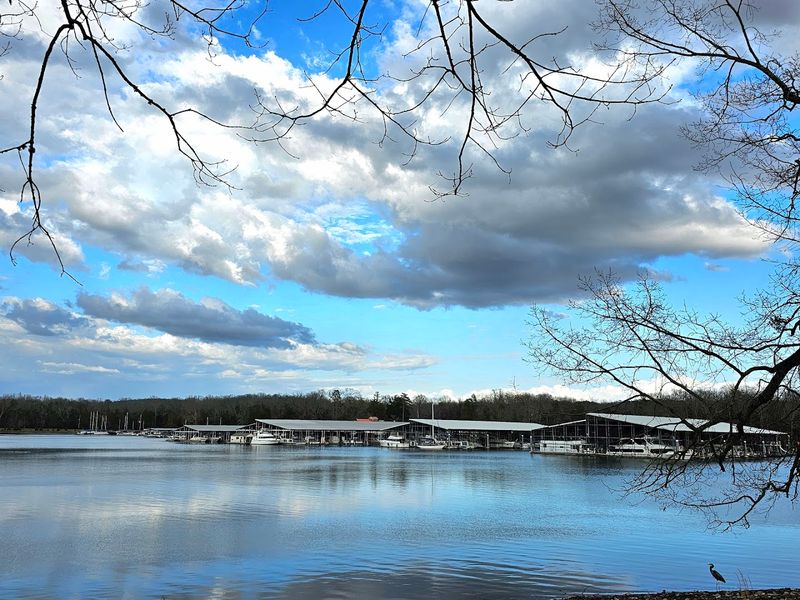
Established in 1937, Harrison Bay holds the distinction of being Tennessee’s first state park. Located on Chickamauga Lake near Chattanooga, the park has a long history of providing water-based recreation and lakeside relaxation for families and outdoor enthusiasts.
The park’s marina is one of the more complete setups in the state park system, with boat rentals, a launch ramp, and easy access to the lake’s 36,000 acres of water. Fishing is popular here, with bass, crappie, and catfish drawing anglers year-round.
If you’re not into boating, the park still offers plenty to do. There are picnic areas, playgrounds, and camping options ranging from tent sites to RV hookups. The shoreline trails are easy and scenic, making them a good choice for families or anyone looking for a low-key walk with lake views.
Harrison Bay isn’t a steep hiking destination or a waterfall showcase. It’s a laid-back, water-focused park where the main appeal is spending time on or near the lake. That makes it a solid pick for a weekend camping trip, a fishing outing, or a simple picnic by the water.
The park’s location near Chattanooga also makes it convenient for a quick escape without a long drive. If you’re looking for a classic Tennessee lake park experience with a long history and solid facilities, Harrison Bay delivers all of that without charging you to pull through the gate.
8. Middle Fork Bottoms State Park
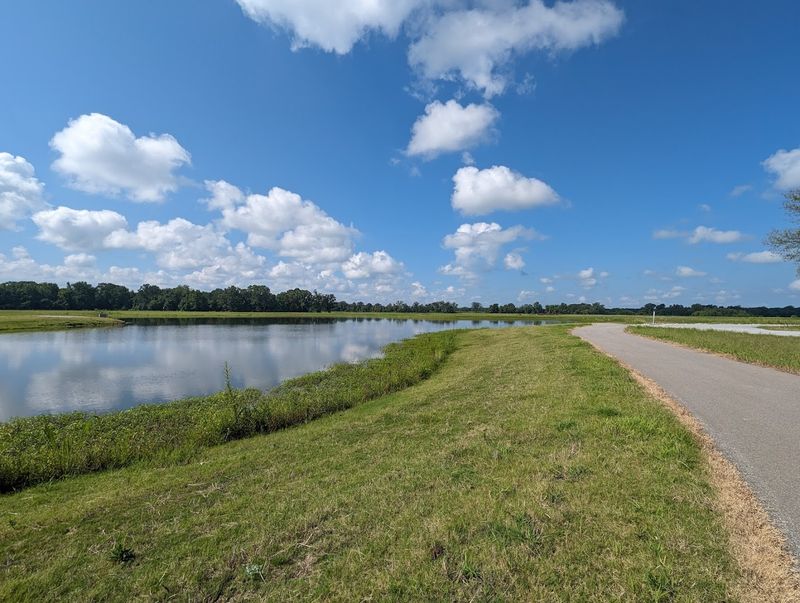
One of the newer additions to the Tennessee state park system, Middle Fork Bottoms offers a completely different experience from the mountain and waterfall parks. Spanning about 860 acres in West Tennessee, the park features wetlands, lakes, restored streams, and four miles of scenic paved trails.
Those paved trails are bicycle- and wheelchair-accessible, which makes this park especially appealing for visitors who want an easier, more flexible outdoor experience. The flat terrain and smooth surfaces open up the park to a wider range of abilities, and the scenery along the way is surprisingly diverse.
Wetland restoration is a big focus here, and the results are visible. The park is home to a variety of water birds, including herons, egrets, and ducks, along with turtles, frogs, and other wetland wildlife. Fishing and paddling opportunities are available on the lakes and streams, with designated access points for canoes and kayaks.
Because the park is relatively new and located in a less-visited part of the state, it tends to be quieter than the big-name parks. That makes it a good choice if you’re looking for a peaceful outing without the crowds.
The flat, accessible trails and water-focused recreation make Middle Fork Bottoms stand out in a park system dominated by mountain and waterfall destinations. If you’re in West Tennessee or looking for a park that prioritizes accessibility and wetland ecosystems, this one is worth a visit and doesn’t charge you anything to explore.
9. Paris Landing State Park
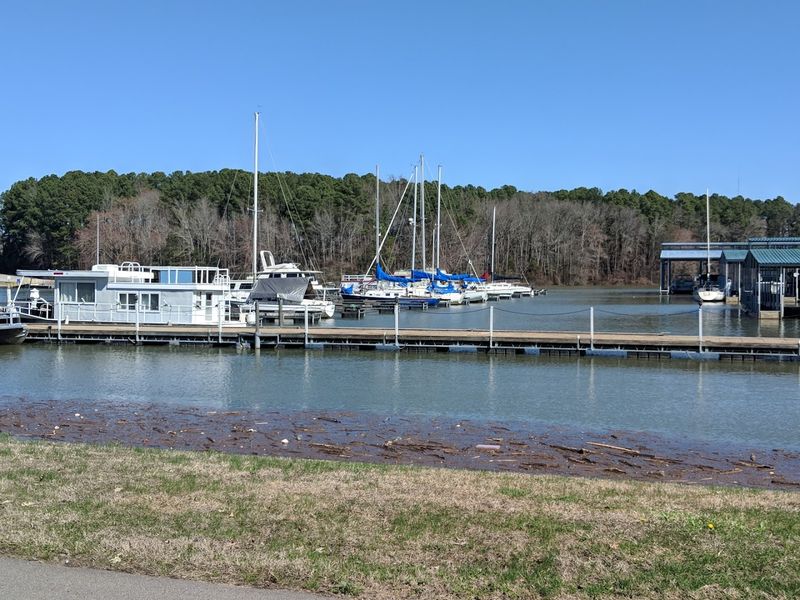
Covering 841 acres on the western shore of the Tennessee River, Paris Landing is one of the best picks if your ideal park day involves open water and easy recreation. The park sits on Kentucky Lake, a massive reservoir that draws boaters, anglers, and water sports enthusiasts from across the region.
Boating and fishing are the main draws here. The park has a full-service marina, boat launch, and plenty of shoreline access for fishing. Bass, crappie, and catfish are the primary targets, and the lake’s size means you can always find a quiet spot to cast a line.
Birding is another highlight, especially along the paved picnic loop. The area is known for migrating and wintering water birds, including ducks, geese, and shorebirds. If you’re into bird photography or just enjoy watching waterfowl, the lakeside trails and open water create excellent viewing opportunities.
The park also has camping facilities, cabins, picnic areas, and a swimming pool, making it a solid choice for a family-friendly weekend getaway. The terrain is flat and the trails are easy, so it’s accessible for all ages and fitness levels.
Paris Landing isn’t about dramatic waterfalls or steep mountain hikes. It’s about spending time on the water, enjoying lakeside calm, and soaking up the open-sky views that come with a big reservoir. If that’s your kind of park, this one delivers without charging you to enjoy it.
10. Rock Island State Park
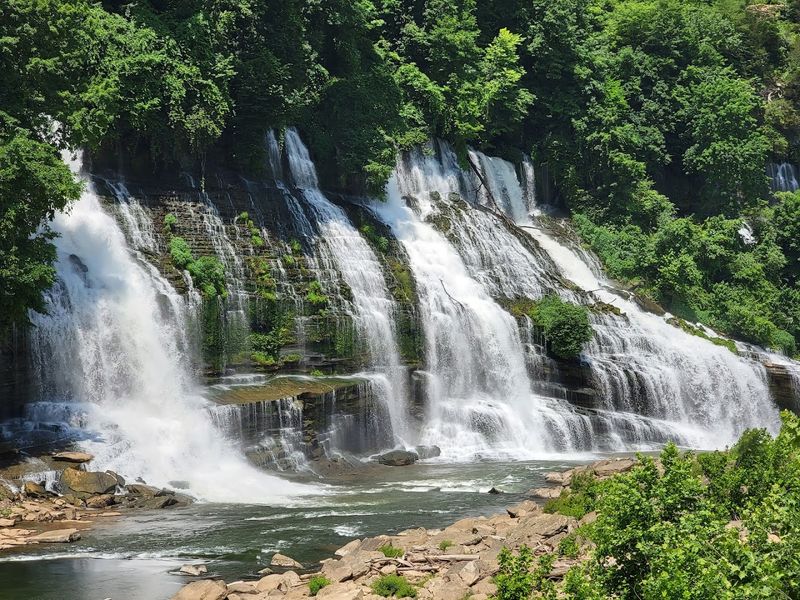
Rock Island sits at the confluence of the Caney Fork, Collins, and Rocky rivers, creating a landscape defined by rushing water, rocky gorges, and powerful waterfalls. The park covers more than 880 acres, and the combination of rivers and elevation changes makes it one of the more scenic water parks in the state.
The main attraction is Twin Falls, a beautiful double waterfall that drops into a wide, rocky gorge. The viewing area is easily accessible, and the falls are especially impressive after heavy rain when the water volume increases. The park also has several other cascades and rapids scattered throughout the river systems.
Hiking trails wind through the park, connecting overlooks, waterfalls, and river access points. The trails vary in difficulty, with some easy riverside walks and others requiring more effort to reach higher viewpoints. Swimming is popular in designated areas during the summer, with the cool river water providing relief from the heat.
Rock Island also has a strong industrial history. The park was once the site of a major hydroelectric plant, and remnants of the old infrastructure are still visible along the trails. That history adds an interesting layer to the natural scenery.
The park offers camping, picnic areas, and plenty of space to explore without feeling crowded. If you’re looking for a park that combines waterfalls, rivers, and a bit of history, Rock Island delivers all of that without charging you an entrance fee.