I’ll admit it. Before actually visiting some of Tennessee’s biggest attractions, I rolled my eyes at the hype.
Some sounded too commercial, others too famous for their own good, and a few just seemed like typical tourist traps. But after giving each spot a real chance, I discovered why they’ve earned their reputations.
Turns out, sometimes the popular places are popular for genuinely good reasons.
1. Graceland – Memphis
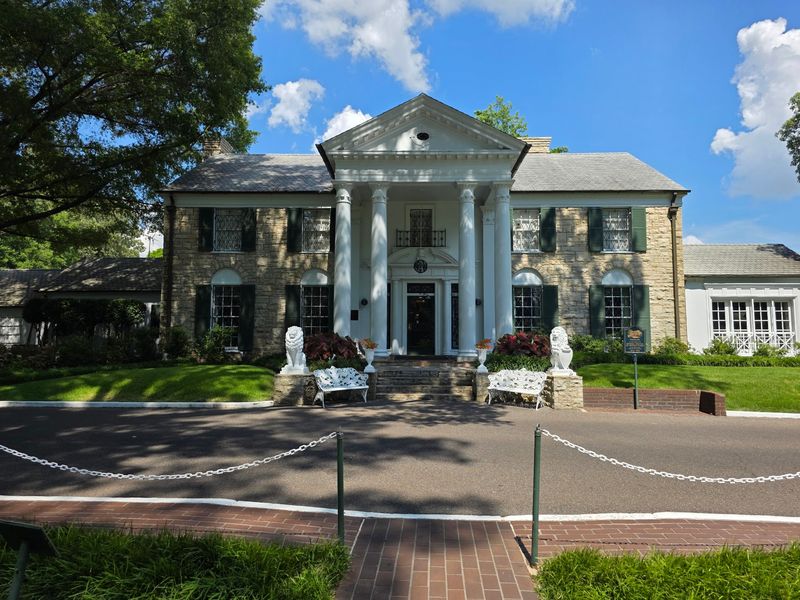
Walking up to Graceland, I expected a cheesy shrine that only hardcore Elvis fans could love. The exterior looked nice enough, but I figured the inside would be stuck in time without much substance.
Boy, was I wrong about that assumption.
The audio tour guides you through rooms that feel surprisingly intimate despite the mansion’s fame. You see Elvis’s actual living spaces, decorated exactly as they were, and the stories shared along the way reveal a person rather than just an icon.
The jungle room alone is worth the visit, with its green shag carpet covering even the ceiling.
Beyond the house itself, the complex includes exhibits that go way deeper than I anticipated. The costume displays showcase the evolution of stage fashion and American pop culture.
Car and motorcycle collections show Elvis’s personal tastes and the automotive trends of his era.
Two custom jets sit on the property, fully preserved with their original interiors intact. Walking through them gives you a glimpse into how celebrities traveled during that period.
The level of detail preserved throughout every exhibit shows serious dedication to historical accuracy.
What really surprised me was how the experience connects to broader American cultural history. You’re not just learning about one entertainer.
You’re seeing how music, fashion, film, and celebrity culture shifted during the mid-20th century.
The archival materials include handwritten notes, contracts, and personal items that add context you won’t find in documentaries. Even visitors who arrive skeptical usually leave with a new appreciation for Elvis’s impact.
The museum staff clearly knows their audience includes plenty of non-fans, and they’ve designed the experience accordingly.
Graceland works because it respects both devoted fans and curious tourists. It presents history without overdoing the hero worship, and that balance makes all the difference. Sometimes a famous attraction earns its reputation honestly.
2. Dollywood – Pigeon Forge
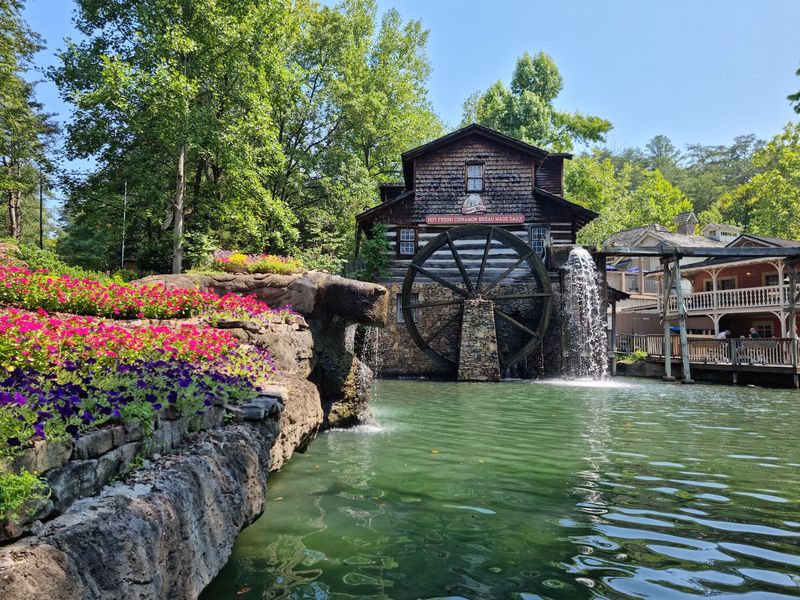
Theme parks usually blend together in my mind. Same rides, same food, same crowds, just different branding slapped on top.
Dollywood seemed like it would follow that exact formula, maybe with some country music playing in the background.
From the moment you enter, though, the Appalachian atmosphere sets it apart. Craftsmen demonstrate traditional skills like blacksmithing and glassblowing throughout the park. You can watch them work and ask questions, which adds an educational layer most parks skip entirely.
The rides themselves range from family-friendly to genuinely thrilling. Lightning Rod, a launched wooden coaster, delivers intensity that rivals any major park’s offerings.
Younger visitors have plenty of gentler options that still feel exciting without being scary.
Live entertainment happens constantly across multiple stages and venues. Bluegrass bands, gospel groups, and other performers keep the atmosphere lively.
The shows aren’t just background noise either – these are talented musicians who take their craft seriously.
Food options go beyond typical theme park fare. Southern comfort dishes, barbecue, and homemade cinnamon bread give the dining experience regional character. Yes, you’ll pay theme park prices, but the quality exceeds what you’d normally expect.
The park’s location in the Smoky Mountain foothills means you’re surrounded by actual scenery. Many rides offer views of the mountains, which beats staring at parking lots like you would at some other parks.
That natural backdrop creates an atmosphere you can’t fake.
Seasonal events transform the park throughout the year. The Harvest Festival brings in pumpkins and fall colors, while the Christmas celebration covers everything in lights. Each visit can feel different depending on when you go.
Dollywood succeeds because it commits fully to its Tennessee identity instead of trying to be a generic theme park. The regional culture isn’t just decoration – it’s woven into every aspect of the experience.
That authenticity makes it more memorable than I ever expected.
3. Grand Ole Opry – Nashville
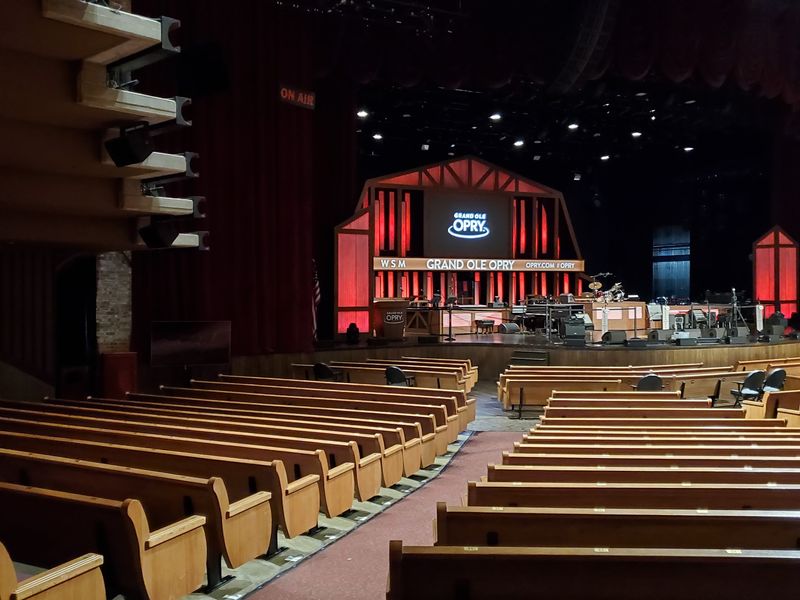
Country music isn’t really my genre. I appreciate it, but I don’t seek it out, so attending the Grand Ole Opry felt like something I should do rather than something I wanted to do. My expectations were polite boredom for a couple hours.
The show format keeps things moving at a pace that never drags. Multiple performers rotate through short sets, so even if one artist isn’t your style, someone new appears within minutes.
That variety prevents the show from feeling monotonous.
Watching a live radio broadcast adds an unexpected layer of interest. The announcer’s transitions, the timing requirements, and the behind-the-scenes coordination all happen right in front of you. It’s like seeing how a vintage radio show operates in real time.
Established stars share the stage with newer artists, creating moments you won’t see at typical concerts. Sometimes a legend will join a newcomer for a duet, or multiple generations of performers will collaborate on a classic song.
Those spontaneous interactions give each show unique moments.
The venue’s history permeates the experience without feeling like a museum lecture. You’re sitting in the same seats where audiences have gathered since 1974, watching performances in a tradition that stretches back to 1925.
That continuity connects you to decades of American entertainment history.
Even the acoustics deserve mention. The sound quality lets you hear every instrument clearly, whether it’s a full band or a solo acoustic performance.
Good audio makes a huge difference in how much you enjoy live music.
The Opry works because it’s designed as a variety show rather than a concert. You get comedy, storytelling, different musical styles, and genuine entertainment rather than just songs played in sequence.
That format has survived nearly a century for good reasons.
I walked in skeptical and left genuinely entertained. The show respects both longtime country fans and complete newcomers, making it accessible without dumbing anything down.
Sometimes tradition survives because it actually works.
4. Gatlinburg
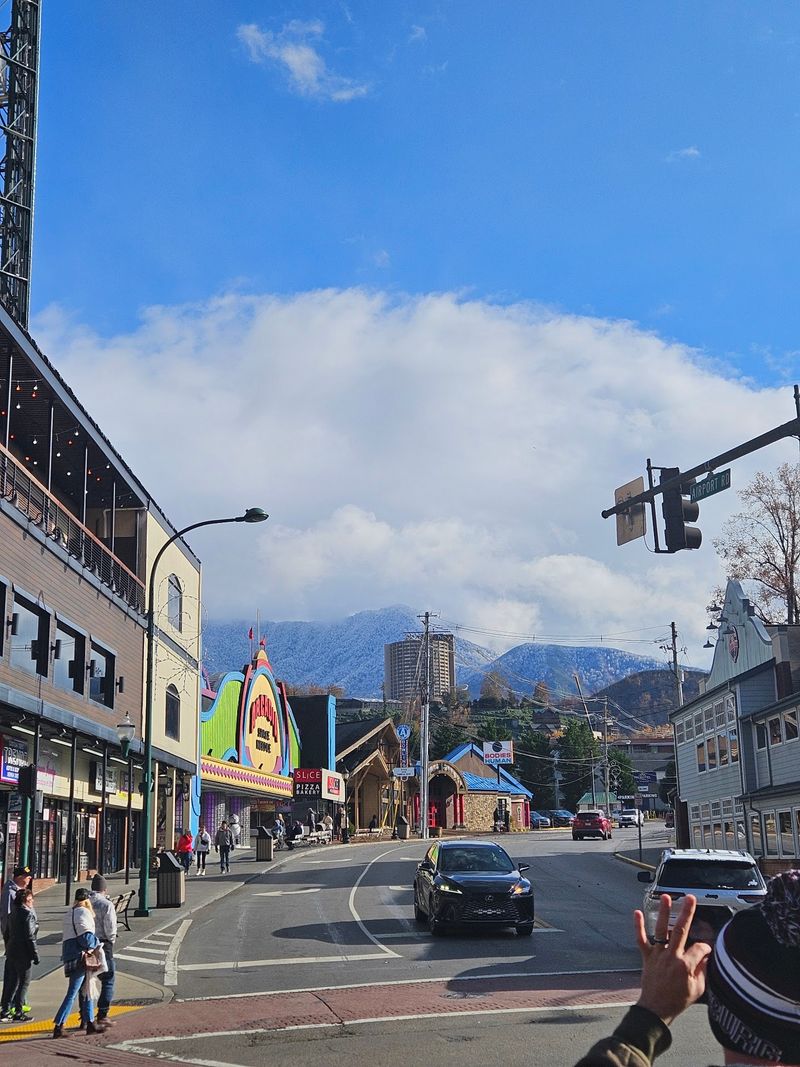
Bright neon signs, endless souvenir shops, and crowds everywhere. That’s what I saw when I first drove through Gatlinburg, and I immediately wrote it off as a tourist trap designed to separate visitors from their money as efficiently as possible.
Spending actual time there revealed layers the initial impression completely missed. Yes, the main strip is commercial and crowded, but step back from the obvious tourist zone and you’ll find the town has real personality.
Local restaurants serve genuine Appalachian food, not just reheated chain offerings.
The mountain setting makes a massive difference. Most tourist towns sit in flat, forgettable locations. Gatlinburg is literally surrounded by peaks, with the national park entrance just minutes away.
That proximity to wilderness gives the town a purpose beyond just separating tourists from their wallets.
Attractions range from genuinely interesting to admittedly cheesy, but having options beats having nothing. The aquarium impresses visitors of all ages with its diverse exhibits.
Anakeesta offers mountain views and outdoor activities that feel less manufactured than typical tourist entertainment.
What really changed my perspective was seeing how many families return year after year. Multi-generational traditions don’t form around places that are purely commercial. People come back because their positive memories outweigh the tourist-town aspects.
The town adapts well to different seasons. Summer brings the biggest crowds, but fall colors transform the entire area into something spectacular.
Winter adds a cozy mountain-town atmosphere that works surprisingly well with the festive decorations.
Access to Great Smoky Mountains National Park is Gatlinburg’s secret weapon. You can spend the morning hiking pristine trails and the afternoon browsing shops or eating dinner.
That combination of wilderness and convenience appeals to visitors who want nature without roughing it completely.
Gatlinburg thrives because it serves a specific purpose – it’s the comfortable base camp for exploring the Smokies. Understanding that function makes the commercial aspects feel less annoying and more practical.
5. Great Smoky Mountains National Park – Gatlinburg/Townsend Area
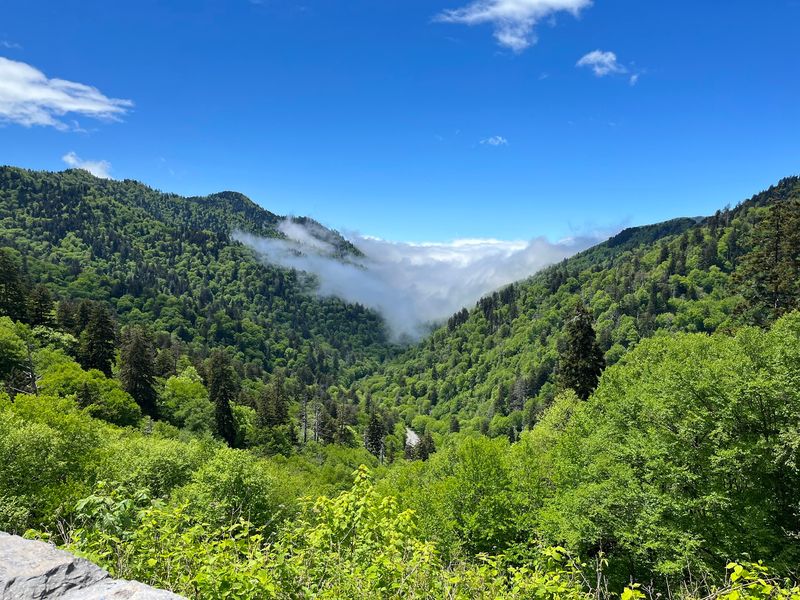
America’s most visited national park. That statistic alone made me suspicious.
Surely the crowds would ruin the experience, and the scenery couldn’t possibly match all those stunning photographs that flood social media feeds constantly.
Driving into the park immediately challenged my skepticism. The mountains rise in layers of blue-gray ridges that actually do create that smoky appearance in the distance. No filter needed – the atmospheric haze that gives the range its name is completely real.
The park’s size works in your favor despite the high visitor numbers. With over 800 square miles to explore, you can find solitude even during peak season.
Popular spots like Clingmans Dome get crowded, but countless trails and roads offer quieter experiences.
Wildlife sightings happen more often than you’d expect. Black bears, elk, white-tailed deer, and wild turkeys all live throughout the park. Seeing animals in their natural habitat beats any zoo visit, and the park’s protection allows these populations to thrive.
Waterfalls dot the landscape, ranging from roadside cascades to destinations requiring serious hikes. Laurel Falls provides an accessible option for families, while Rainbow Falls rewards more ambitious hikers with a spectacular 80-foot drop.
Each waterfall has its own character and surrounding scenery.
The diversity of plant life creates constantly changing scenery. Old-growth forests contain trees that have stood for centuries.
Spring brings wildflowers that carpet the forest floor, while fall transforms the mountains into a riot of red, orange, and gold.
Historic buildings scattered throughout the park tell stories of the people who lived here before it became protected land. Log cabins, churches, and mills stand as reminders that this wilderness was once home to thriving communities.
Those structures add human history to the natural beauty.
The park succeeds because it offers something for everyone. You can drive scenic roads and enjoy the views from your car, or backpack deep into the wilderness for days.
That flexibility makes it accessible without compromising the wild character that makes it special.
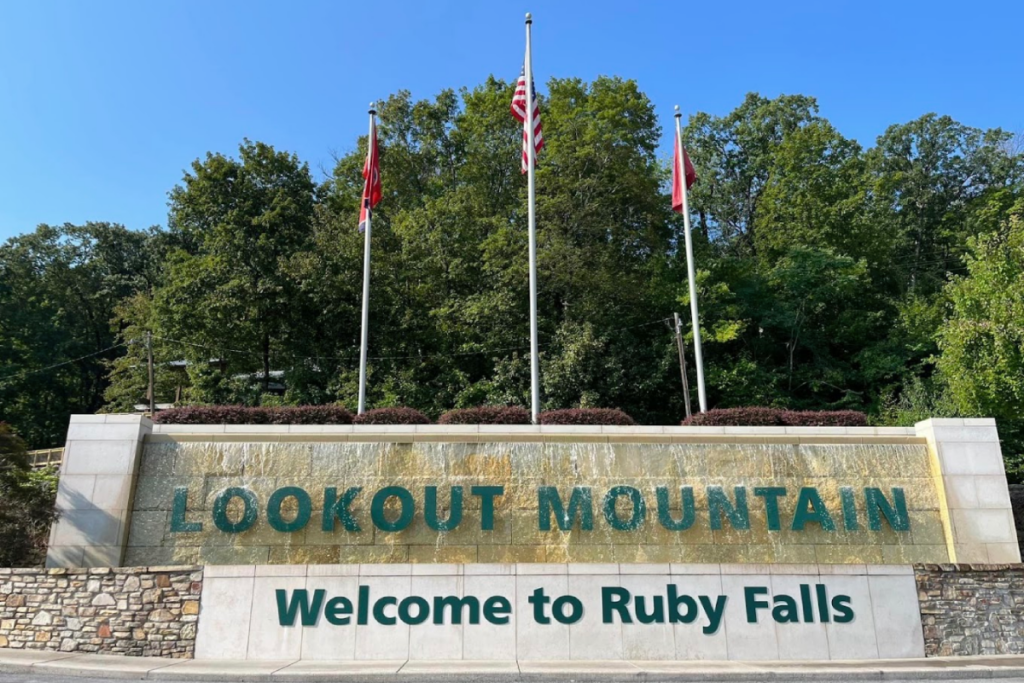
6. Ruby Falls – Chattanooga
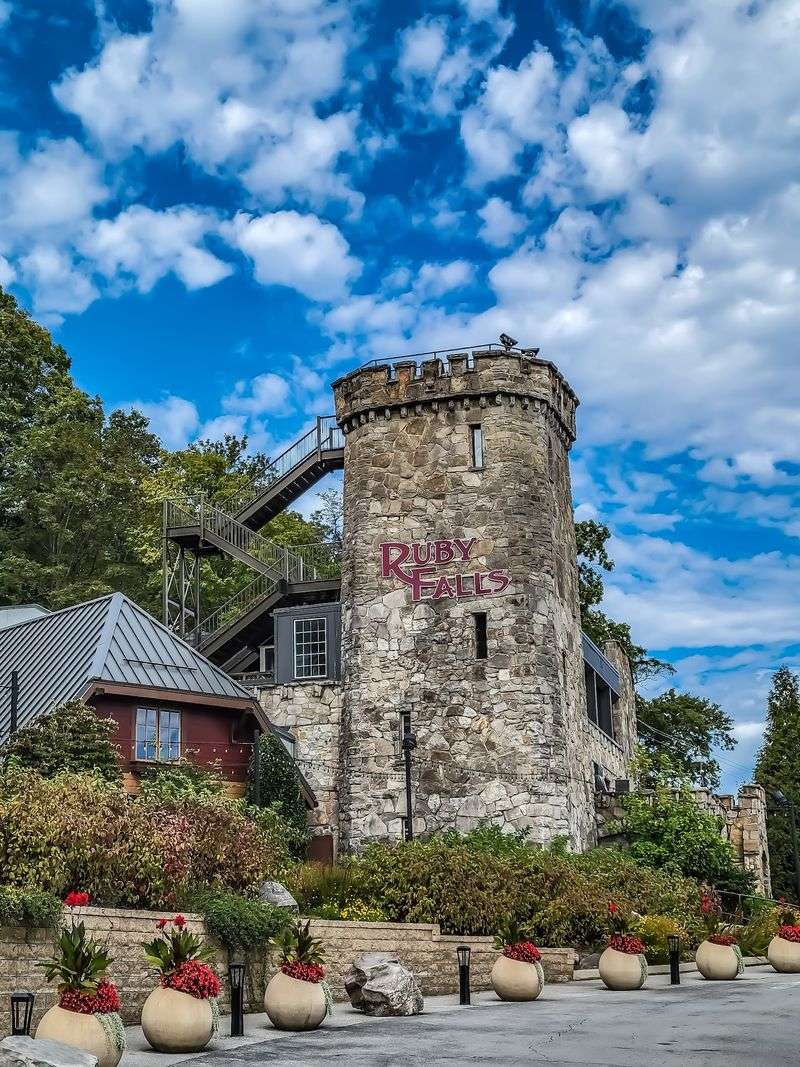
An underground waterfall discovered in 1928, marketed heavily with billboards and advertisements. Everything about Ruby Falls screamed “tourist trap” to me.
The dramatic lighting in promotional photos looked fake, and I assumed the whole experience would feel manufactured.
The elevator ride down 260 feet into Lookout Mountain sets an unexpectedly adventurous tone. You’re descending into actual rock, not some theme-park recreation.
That genuine depth makes you realize this isn’t a superficial attraction.
The cave walk leading to the waterfall stretches nearly half a mile through passageways formed over millions of years. Your guide points out rock formations, explains the geology, and shares the discovery story.
The educational component adds substance beyond just seeing a waterfall.
Stalactites and stalagmites create bizarre shapes throughout the cavern. Some formations look like animals, others like abstract sculptures.
The cave itself would be interesting even without the waterfall as the main attraction. Then you reach the falls. Water drops 145 feet in a single cascade inside the mountain, and yes, the dramatic lighting is real.
The colored lights aren’t trying to fool you – they’re designed to let you actually see the waterfall in the pitch-black environment.
The sound echoes through the cavern in a way surface waterfalls can’t match. You feel the mist on your face while standing in a chamber carved by water over geological time.
That combination of sensory experiences creates genuine impact.
The exit path takes you through different sections of the cave system. You’re not just retracing your steps, which keeps the experience interesting all the way back to the elevator.
Good tour design makes a difference.
Ruby Falls works because it delivers on its promise. You really do see a waterfall inside a mountain, and the journey to reach it feels like actual exploration.
The marketing may be aggressive, but the attraction itself has substance. Sometimes the touristy spots are actually worth visiting despite their commercial presentation.
7. Titanic Museum Attraction – Pigeon Forge
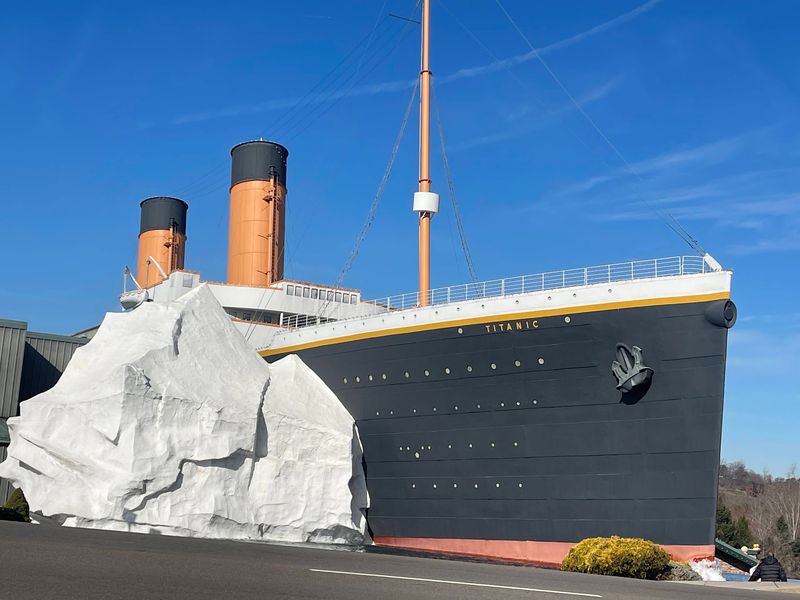
A giant ship-shaped building along the Pigeon Forge strip looks exactly like the kind of roadside attraction you’d drive past while heading somewhere more legitimate. The exterior alone suggests more kitsch than substance, and I nearly skipped it entirely.
The museum’s approach surprised me immediately. You receive a boarding pass with a real passenger’s name when you enter.
Throughout the exhibits, you learn about that person’s story, which personalizes the tragedy in a way history books never achieve.
Over 400 genuine artifacts fill the museum, recovered from the ship or preserved by survivors and their families. Personal items like luggage, clothing, and letters make the disaster feel real rather than like a distant historical event.
These weren’t just statistics – they were people with lives and plans.
The recreated rooms show remarkable attention to detail. A full-scale reproduction of the Grand Staircase lets you see the craftsmanship that made Titanic legendary.
First-class cabins, the bridge, and other spaces help you understand the ship’s layout and the passengers’ experiences.
Interactive exhibits let you touch an iceberg, feel how cold the water was, and try to stand on a sloping deck. Those hands-on elements make the physics and conditions of the disaster more comprehensible.
Reading about freezing water is different from actually feeling it.
Children’s stories hit particularly hard. The museum doesn’t shy away from the tragedy’s full impact, but it presents information respectfully.
You leave understanding both the disaster’s magnitude and the individual human experiences behind the numbers.
The memorial room at the end lists every passenger and crew member. Finding your boarding pass person’s name on that wall completes the journey from abstract history to personal connection.
That narrative structure makes the visit emotionally resonant.
This museum succeeds because it treats the Titanic disaster with appropriate seriousness while remaining accessible and engaging. The ship-shaped building may look touristy, but the contents deliver substantial historical education.
Sometimes you really can’t judge a museum by its exterior.
8. Beale Street – Memphis
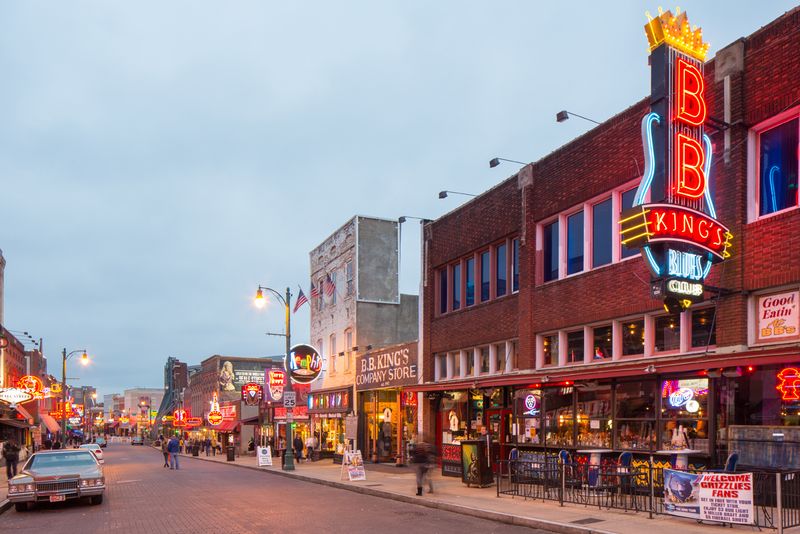
Famous streets often disappoint in person. The hype builds them up, then reality delivers nothing but overpriced drinks and manufactured atmosphere.
Beale Street looked like it would follow that exact pattern – neon signs, tourist crowds, and maybe some canned music pretending to be authentic blues.
The live music changed my perspective immediately. Not recorded tracks playing through speakers, but actual musicians performing in venues up and down the street. Some bands are incredible, others are just okay, but they’re all real people playing real instruments.
The street’s history runs deep through Memphis’s musical legacy. Blues legends like B.B. King played here, and the tradition continues. Walking the same blocks where so much American music developed adds weight to the experience.
Yes, it’s commercial. Yes, it’s crowded. But underneath the tourist layer, genuine musical culture still thrives. Local musicians treat these venues seriously, and audiences who care about blues make the pilgrimage here.
Multiple clubs offer different atmospheres and music styles. You can bar-hop and sample different bands throughout the night.
That variety keeps things interesting and helps you find performers who match your taste.
The street transforms throughout the week. Weekend nights bring the biggest crowds and highest energy. Weekday afternoons offer a more relaxed vibe where you can actually hear the music without fighting through packed rooms.
Food options range from barbecue joints to sit-down restaurants, with quality varying widely. Do some research beforehand to avoid the obvious tourist traps.
Good food exists on Beale Street, but so does plenty of mediocre stuff trading on location alone.
Historic markers and plaques tell stories about the street’s role in music history. Taking time to read them adds context to the current scene.
Understanding what happened here helps you appreciate what’s happening now.
Beale Street works because real musical tradition still exists beneath the commercial surface. You have to look past the neon and tourist crowds, but the authentic blues culture that made the street famous hasn’t disappeared completely.
Sometimes popular destinations earn their reputation despite also being touristy.
9. Country Music Hall of Fame and Museum – Nashville
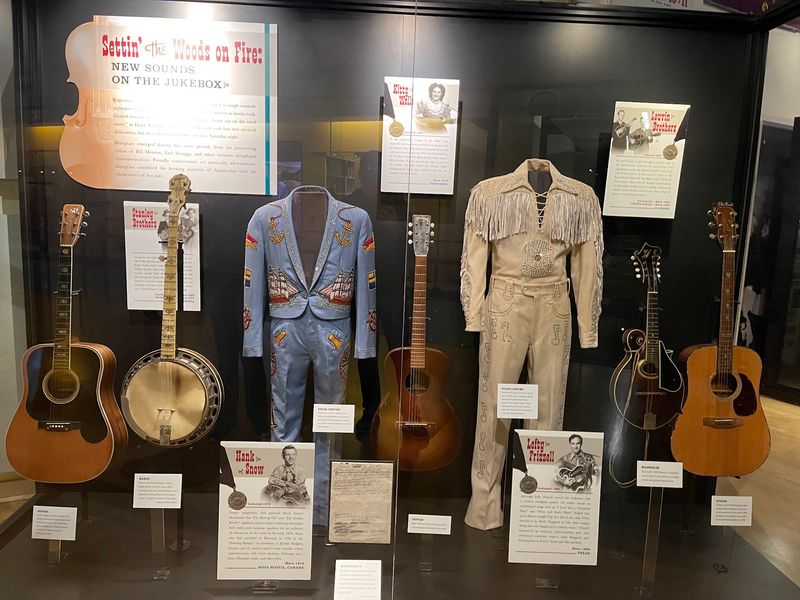
Museums dedicated to specific music genres sound incredibly niche. Unless you’re already a devoted fan, why would you spend hours looking at old guitars and costumes?
The Country Music Hall of Fame seemed like something I’d walk through quickly before moving on to more interesting Nashville attractions.
The scope surprised me completely. This isn’t just a collection of memorabilia with plaques. It’s a comprehensive look at how country music developed, spread, and influenced American culture over nearly a century.
Exhibits cover the technical side of music creation. You learn about songwriting processes, recording techniques, and how studio technology evolved.
Understanding the craft behind the songs adds depth even for casual listeners.
The instrument collection alone justifies the visit. Historic guitars, fiddles, banjos, and other instruments show how musical tools changed over time.
Some belonged to famous performers, while others represent important innovations in instrument design.
Fashion exhibits display stage costumes that range from subtle to absolutely outrageous. Rhinestones, fringe, elaborate embroidery, and bold colors show how performers used clothing to create larger-than-life stage personas.
The craftsmanship in some outfits is genuinely impressive.
Interactive displays let you try mixing songs, explore lyric-writing techniques, and understand musical composition. Those hands-on elements work for both kids and adults.
Learning by doing beats just reading about music.
The museum traces country music’s connections to other genres. Blues, rock, pop, and folk all influenced and were influenced by country. Understanding those relationships gives you a broader picture of American music history.
Rotating exhibits bring in special collections and focused topics. Each visit can offer something new beyond the permanent displays.
That changing content gives locals reasons to return instead of treating it as a one-time destination.
What makes this museum work is its refusal to assume visitors are already fans. The exhibits educate rather than just celebrate, making the content accessible to anyone interested in music, culture, or history.
You don’t need to love country music to appreciate what you learn here.
10. The Sunsphere – Knoxville
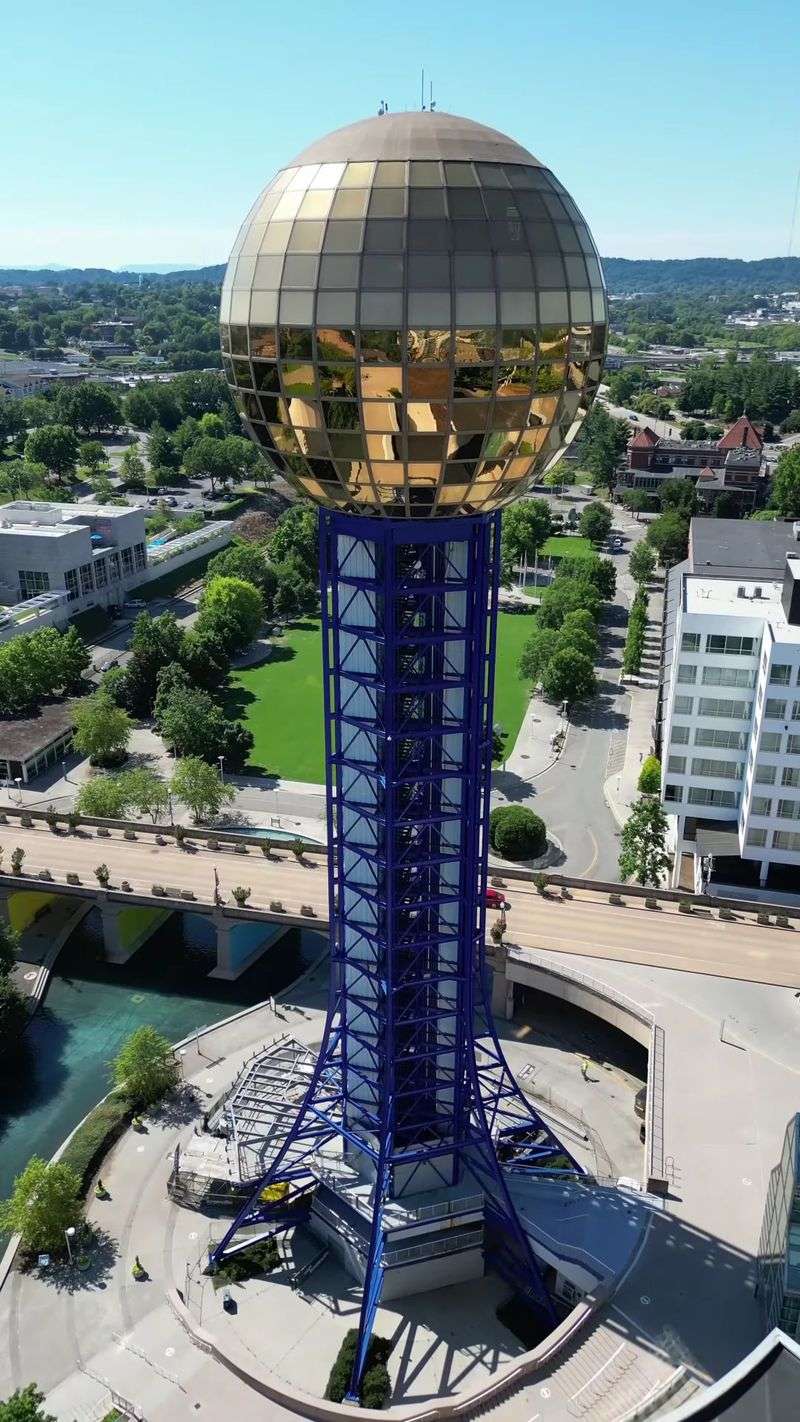
A gold-colored glass sphere on top of a concrete tower, leftover from a 1982 World’s Fair that most people barely remember. The Sunsphere looked like one of those quirky landmarks that’s more interesting in photos than in person. I expected disappointment.
The observation deck renovation changed everything. Instead of a dated, neglected space, you find a clean, modern viewing area with informative displays.
The investment in updating the facility shows that Knoxville takes this landmark seriously.
Views from the 266-foot height give you a genuine perspective on Knoxville’s layout. You see how the Tennessee River curves through the city, how downtown connects to surrounding neighborhoods, and how the mountains frame the entire region.
Those geographic relationships make more sense from above.
World’s Fair Park surrounds the tower with green space, fountains, and walking paths. The park itself is worth exploring, and the Sunsphere serves as a central landmark that helps you orient yourself.
That combination of park and tower creates a pleasant destination.
The admission price is incredibly reasonable compared to observation decks in larger cities. You’re not paying skyscraper prices for what’s essentially a unique vantage point.
That affordability makes it an easy addition to any Knoxville visit.
Inside, displays explain the 1982 World’s Fair and the Sunsphere’s history. Learning about the event gives context to the structure and Knoxville’s development.
The fair brought international attention to the city and spurred significant urban renewal.
The tower’s distinctive appearance makes it a useful landmark throughout downtown. You can spot the gold sphere from various points around the city, which helps with navigation.
Visiting takes less than an hour, making it perfect for filling time between other activities. You’re not committing your entire day to one attraction. That efficiency matters when you’re trying to see multiple things in a limited timeframe.
The Sunsphere succeeds because it embraces its quirky history while providing actual value. It’s weird, it’s distinctive, and it offers something you can’t get elsewhere in Knoxville.
Sometimes the oddball landmarks turn out to be the most memorable stops on a trip.
Share this story