Tennessee has long been known as one of the more budget-friendly states in the South, drawing folks from pricier markets who wanted more house for less money. But over the past few years, that reputation has started to shift in some surprising places.
Small towns that once offered genuine bargains are now seeing home prices and rents climb faster than many locals ever expected, leaving long-time residents wondering what happened to the deals they used to take for granted.
1. Maryville
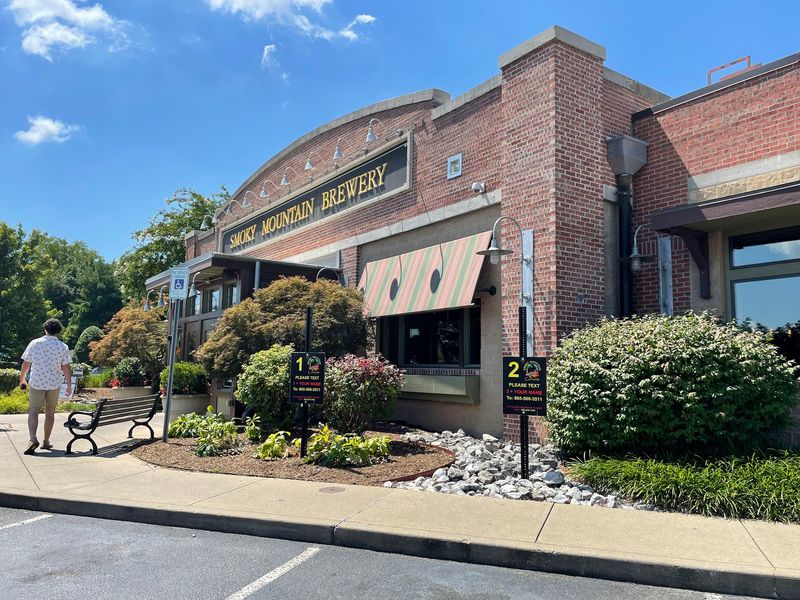
Just south of Knoxville and within easy reach of the Great Smoky Mountains, Maryville used to be the kind of place where you could find a solid home without breaking the bank. Families moved here for good schools, a tight-knit community feel, and housing prices that made homeownership feel achievable.
That small-town-value image has taken a serious hit in recent years.
Growth in the Knoxville metro area has spilled southward, and Maryville sits right in the path of that expansion. More people working in Knoxville are choosing to live here, drawn by the slightly slower pace and proximity to outdoor recreation.
That increased demand has pushed home prices up considerably, and what used to be an affordable alternative now feels more like a competitive market where buyers need to move fast and pay more than they planned.
The appeal of being so close to the Smokies has also played a role. Outdoor enthusiasts and retirees looking for mountain access without the tourist chaos of Gatlinburg or Pigeon Forge have discovered Maryville, adding even more pressure to the housing stock.
Rental prices have climbed alongside purchase prices, making it harder for younger residents or those on fixed incomes to stay in the area.
Local wages haven’t kept pace with the rising costs, which means the affordability squeeze hits harder for people who’ve lived here their whole lives. What once felt like a place where you could comfortably settle down now requires a bigger budget and more financial flexibility.
Maryville is still a great town with plenty to offer, but the days of easy affordability are fading fast, replaced by a housing market that looks more like the bigger cities people were trying to escape.
2. Sevierville
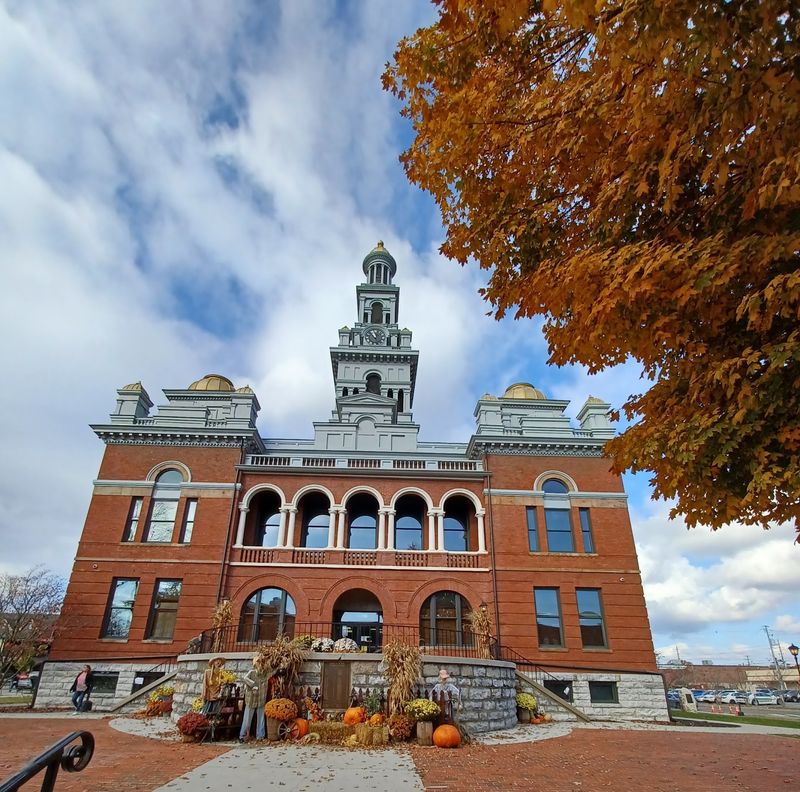
Sevierville sits at the doorstep of the Great Smoky Mountains, which sounds idyllic until you realize what that means for housing costs. Tourism has always been part of the local economy, but the explosion of short-term vacation rentals over the past decade has fundamentally changed the game.
Investors snapping up properties to list on Airbnb and Vrbo have driven prices up across the board, squeezing out buyers looking for a primary residence.
Home values that used to reflect a working-class mountain town now mirror the demand from out-of-state buyers chasing rental income. Locals competing for homes often find themselves outbid by cash offers from investors who see dollar signs instead of a place to raise a family.
The result is a housing market that feels increasingly disconnected from the incomes of people who actually live and work in Sevierville year-round.
Rents have followed the same upward trajectory. Landlords can make more money renting to tourists by the night than to long-term tenants by the month, so the available rental stock for residents has shrunk.
People who work in the restaurants, shops, and attractions that keep the tourism engine running often struggle to find affordable places to live nearby, forcing longer commutes or doubled-up living situations.
The natural beauty and access to the Smokies will always be a draw, but that very appeal has made Sevierville less accessible to the people who call it home. What was once a town where you could live modestly and enjoy mountain life has turned into a hot real estate market where affordability is harder to come by.
The old reputation as a budget-friendly gateway to the mountains doesn’t hold up like it used to.
3. Cookeville
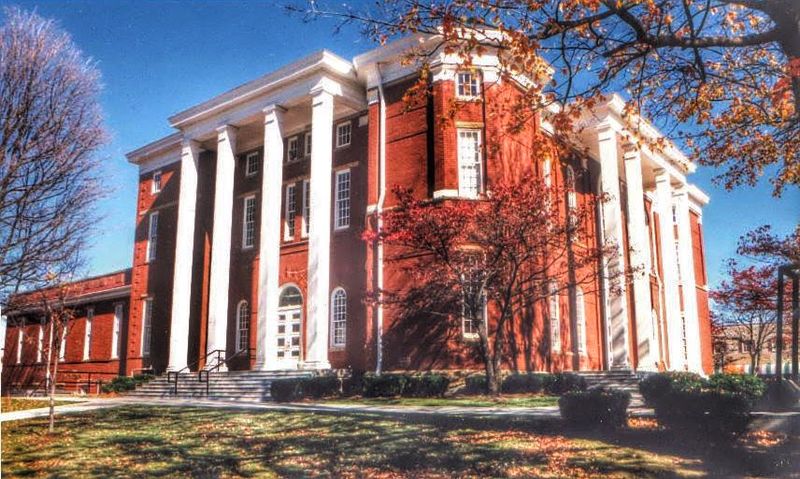
Cookeville has always been seen as a sensible middle ground between Nashville and Knoxville, offering reasonable housing costs without sacrificing access to bigger-city amenities. Sitting along Interstate 40, it attracted people looking for a quieter lifestyle with an easy commute or a central location for work travel.
For years, that formula worked, and Cookeville maintained its reputation as one of the more affordable spots in Middle Tennessee.
But growth and increased demand have steadily chipped away at that affordability advantage. As Nashville’s housing market went into overdrive, more people started looking farther out for places they could actually afford, and Cookeville landed on a lot of radars.
Remote work has also played a role, allowing folks to live here while keeping jobs based elsewhere, which adds even more competition for the available housing stock.
Home prices have climbed in response, and while Cookeville is still cheaper than Nashville, the gap isn’t as wide as it used to be. First-time buyers who might have had an easier path to homeownership a few years ago now face higher prices and tighter inventory.
Rental costs have also gone up, making it harder for students at Tennessee Tech and younger workers to find budget-friendly options close to campus or downtown.
The cost of living overall hasn’t skyrocketed, but the steady upward pressure on housing means the town doesn’t feel like the bargain it once was. Long-time residents who bought years ago are sitting pretty, but anyone trying to enter the market today is dealing with a very different reality.
Cookeville still offers a lot of value compared to bigger cities, but the days of it being a slam-dunk affordable choice are behind us.
4. Columbia
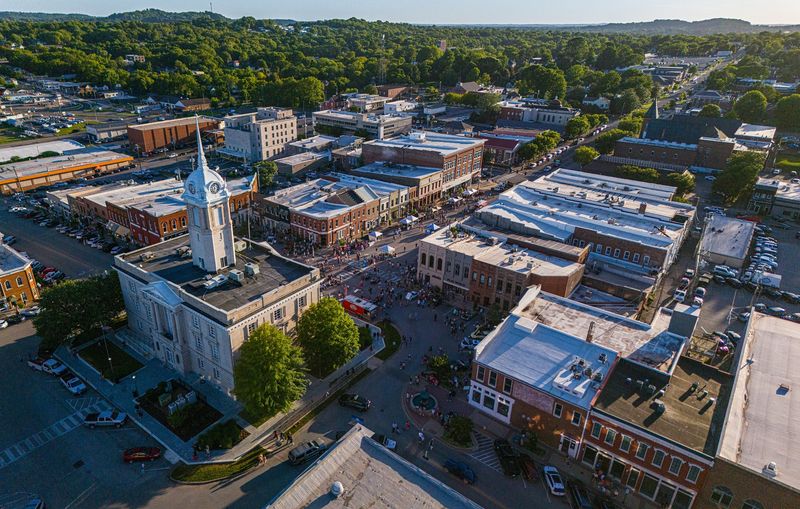
Columbia used to be the kind of place people mentioned when they wanted to prove you could still find affordable Middle Tennessee living. Located south of Nashville in Maury County, it offered small-town charm, reasonable home prices, and a slower pace without being too far from the capital city.
That reputation held strong for years, making Columbia a go-to recommendation for budget-conscious buyers.
Then Nashville’s growth started pushing southward, and Columbia found itself directly in the path of that expansion. Commuters willing to drive a bit farther discovered they could get more house for less money here, and developers started eyeing the area for new subdivisions.
What was once a notably inexpensive option began to shift as demand increased and inventory tightened.
Home prices have climbed significantly, and the gap between Columbia and Nashville has narrowed more than many expected. The transformation has been swift enough that long-time residents notice the difference in just a few years.
Rentals have also gotten pricier, and the affordable options that used to be easy to find now require more searching and compromise.
The influx of new residents has brought some benefits, like more restaurants and businesses opening up, but it’s also changed the character of the housing market. Buyers who moved here specifically for affordability are finding that advantage eroding, and locals who planned to buy eventually are realizing they might have waited too long.
Columbia is still a nice place to live with plenty to offer, but the affordability that defined it for so long is fading fast, replaced by a market that looks more like the Nashville suburbs than the small Middle Tennessee town it used to be.
5. Lebanon
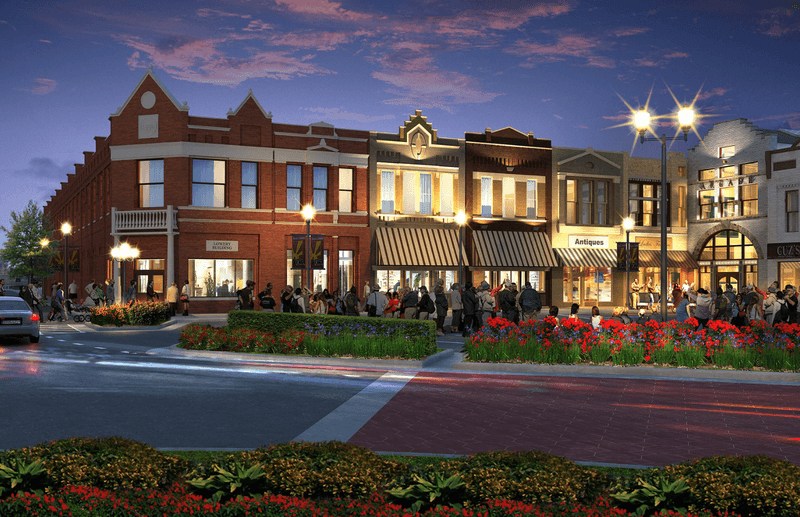
Lebanon sits just east of Nashville in Wilson County, close enough to make commuting feasible but far enough out that it used to offer a real break on housing costs. For years, it was a popular choice for people who worked in Nashville but wanted more space and a lower mortgage payment.
That affordability advantage was one of Lebanon’s biggest selling points, and it drew steady interest from buyers looking to stretch their dollars.
Commuter demand from Nashville has intensified over the past several years, and Lebanon has felt the full impact. As home prices in Davidson County and the closer suburbs climbed out of reach for many buyers, more people started looking eastward.
Lebanon’s proximity to major highways and its growing list of amenities made it an obvious target, and the housing market responded with rising prices that caught some long-time residents off guard.
What was once a reliable affordability alternative is now considerably pricier, with home values increasing at a pace that outstrips local wage growth. Renters have faced similar pressure, as landlords raise rates to match the broader market trends.
The result is a town that still offers some value compared to Nashville proper but no longer feels like the budget-friendly escape it once did.
New construction has picked up, but much of it targets higher price points, leaving fewer options for first-time buyers or families on tighter budgets. The charm and convenience that made Lebanon attractive in the first place are still there, but the cost of entry has gone up significantly.
People who bought here five or ten years ago got in at the right time, but today’s buyers are dealing with a very different reality, one where affordability isn’t the given it used to be.
6. Spring Hill
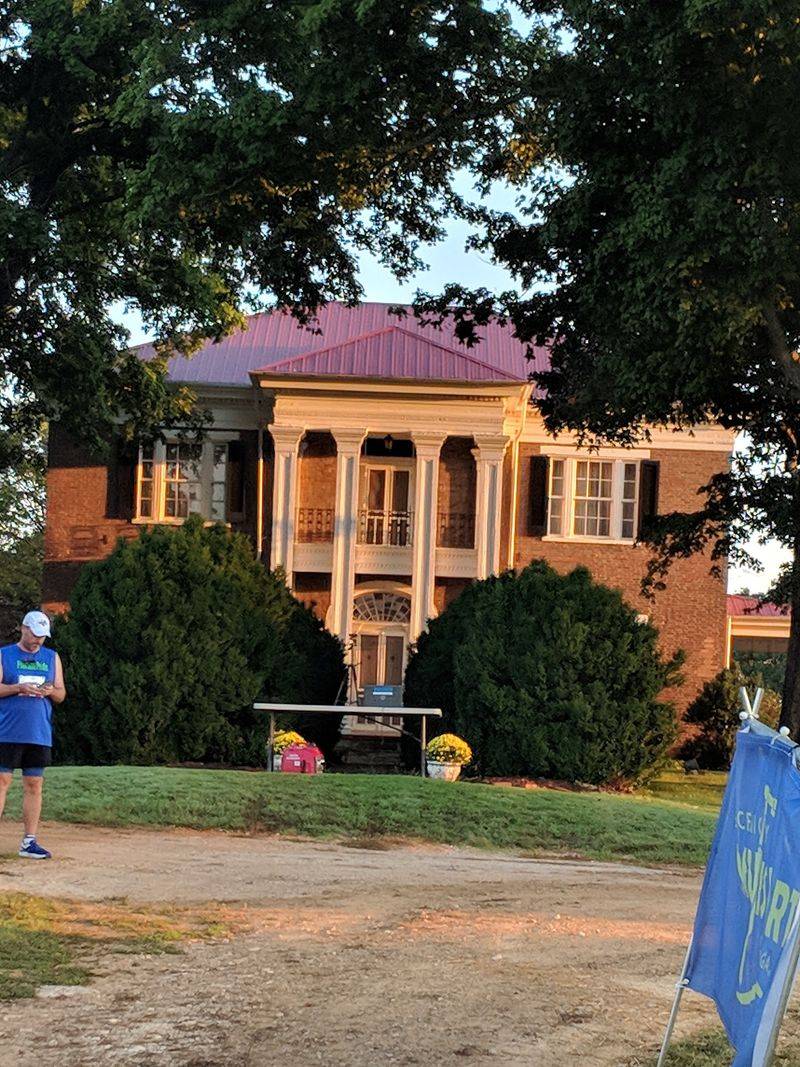
Spring Hill’s transformation over the past decade or so is one of the more dramatic affordability shifts in Middle Tennessee. Not that long ago, it was a quiet spot straddling Williamson and Maury counties, known more for its General Motors plant than for being a hot real estate market.
Families could find newer homes at prices that felt reasonable, and the town had a suburban vibe without the suburban price tag.
Rapid population growth and Nashville-area development changed all that in a hurry. Developers moved in with large-scale subdivisions, and buyers followed, drawn by good schools and the promise of a family-friendly community.
Spring Hill went from a sleepy spot to one of the fastest-growing places in Tennessee, and the housing market heated up right alongside the population boom.
Home prices have climbed dramatically, and the affordability profile that once defined Spring Hill has shifted in a major way. What used to be an area where young families could buy their first home without stretching too thin now requires a much bigger budget.
The inventory of lower-priced homes has shrunk, replaced by new builds targeting higher price points, and resale homes command premiums that would have seemed unthinkable a few years ago.
Renters face similar challenges, with lease rates rising as demand continues to outpace supply. The town’s growth has brought new amenities and businesses, which is great for residents, but it’s also contributed to the cost creep that makes Spring Hill feel less accessible than it used to.
Long-time locals who remember when this was a quiet, affordable place now watch as the market prices out the very people who helped build the community. Spring Hill is still growing and still popular, but the days of easy affordability are long gone.
7. Athens
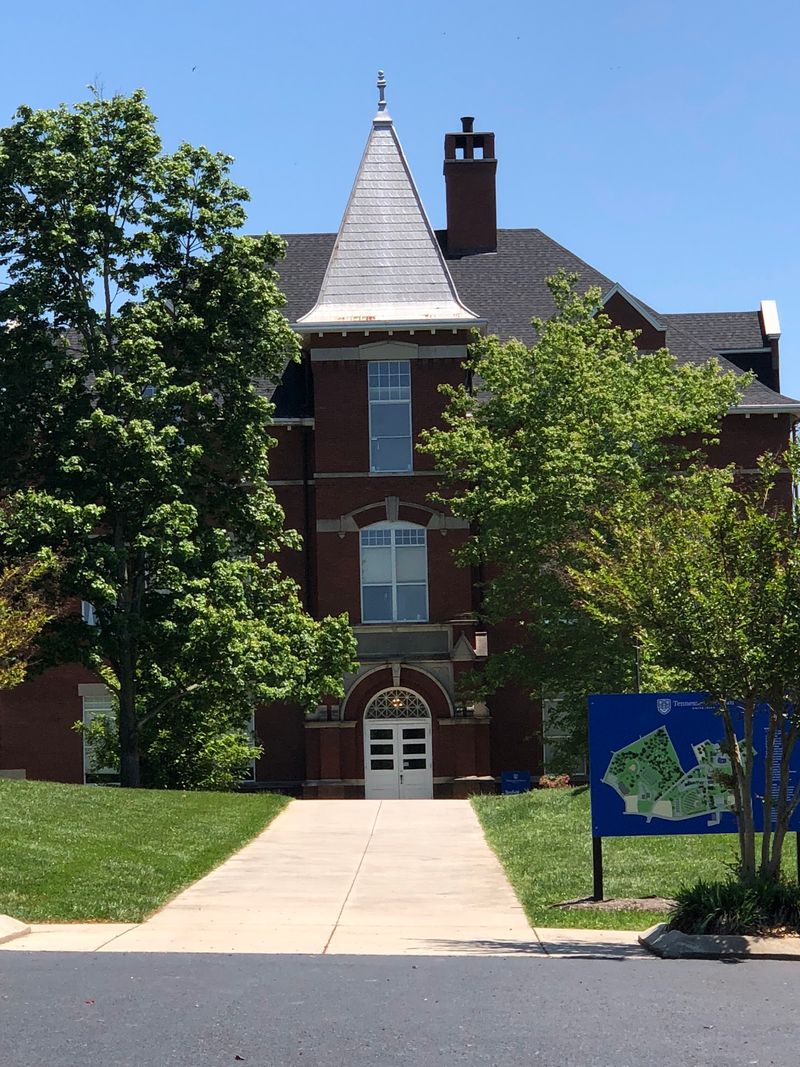
Athens has a long history as one of East Tennessee’s more budget-friendly towns, a place where you could find a decent home without the sticker shock common in bigger markets. Located in McMinn County between Knoxville and Chattanooga, it offered small-town living with enough local amenities to make daily life comfortable.
For years, that combination kept housing costs low and made Athens a practical choice for families and retirees alike.
Rising demand across East Tennessee has started to change the equation. As housing markets in Knoxville, Chattanooga, and the Smokies corridor have heated up, more buyers have looked to smaller towns like Athens for relief.
That increased attention has put upward pressure on home prices, and while Athens remains more affordable than many nearby areas, the bargains that used to be easy to find are getting harder to come by.
The shift has been gradual but noticeable, especially for locals who’ve watched the market evolve over the past few years. Homes that might have sat on the market for months a decade ago now move faster, often with multiple offers.
Sellers have adjusted their expectations upward, and buyers are finding they need to be more competitive and flexible than they anticipated.
Rental prices have also edged higher, reflecting the broader trend across the region. For people living on fixed incomes or working jobs that haven’t seen significant wage increases, the rising costs can feel like a real squeeze.
Athens still has plenty to offer, including a charming downtown and proximity to outdoor recreation, but the affordability that once defined the town isn’t the sure thing it used to be. The market hasn’t gone wild, but the steady climb means Athens is no longer the automatic bargain it was for so long.
8. Cleveland
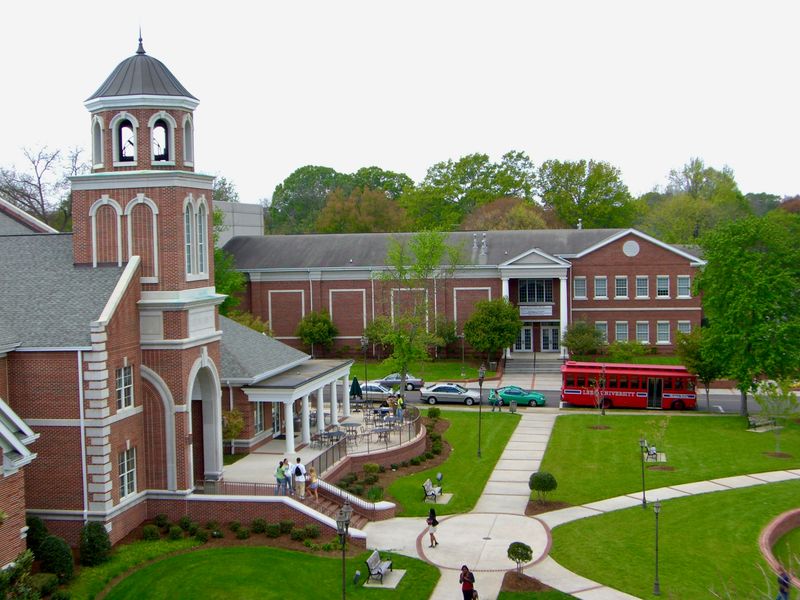
Cleveland sits in Bradley County along the corridor between Chattanooga and Knoxville, and for a long time, it enjoyed a reputation as one of the region’s more affordable places to settle down. Home prices stayed reasonable, the cost of living was manageable, and the town offered a mix of small-town charm and access to bigger-city jobs and amenities.
That low-cost advantage was a big part of what made Cleveland attractive to buyers and renters alike.
Home-price growth in the broader Chattanooga and East Tennessee corridor has chipped away at that advantage over the past several years. As demand increased in the region, Cleveland found itself pulled into the upward trend.
Buyers priced out of Chattanooga or looking for more space started considering Cleveland, and the increased competition pushed prices higher than many locals expected.
The result is a housing market that no longer feels like the bargain it once was. Homes that used to sell for well below regional averages are now closer to the norm, and the inventory of truly affordable options has thinned out.
First-time buyers and families on tighter budgets are finding they have to adjust their expectations or look even farther out to find the deals Cleveland used to offer.
Rental costs have followed a similar path, with landlords raising rates in response to increased demand and higher property values. For people who’ve lived in Cleveland for years, the shift can feel jarring, especially when local wages haven’t kept pace with the rising housing costs.
Cleveland is still a solid place to live with a lot going for it, but the days of it being a clear-cut low-cost option in East Tennessee are fading as the market catches up with the rest of the region.
9. Greeneville

Greeneville has always been one of those East Tennessee towns where you could find a home without spending a fortune. Tucked away in Greene County with a historic downtown and a quieter pace of life, it attracted people looking for affordability and a sense of community.
By state standards, Greeneville remains relatively inexpensive, but that doesn’t mean it’s immune to the trends reshaping housing markets across Tennessee.
The town is increasingly attractive to buyers seeking cheaper alternatives to pricier East Tennessee markets like Knoxville or the Smokies. As those areas have seen home prices climb, Greeneville has started to pop up on more people’s radar as a place where you can still get a good deal.
That increased attention has started to nudge prices upward, and while the changes haven’t been as dramatic as in some other towns, the trend is unmistakable.
Locals who’ve been in the market recently have noticed the shift. Homes that used to linger are moving faster, and sellers are asking more than they would have just a few years ago.
The inventory of lower-priced homes has tightened, and buyers are finding they need to act quicker and sometimes pay more than they initially budgeted. Rentals have also gotten a bit pricier, though the increases have been more modest than in some of the state’s hotter markets.
For people who’ve lived in Greeneville for years, the rising costs can still feel significant, especially when wages haven’t kept pace. The town retains its small-town character and slower pace, but the affordability that once defined it isn’t quite as pronounced as it used to be.
Greeneville is still a good value compared to many places in Tennessee, but the gap is narrowing, and the bargains aren’t as easy to find as they once were.
10. Paris
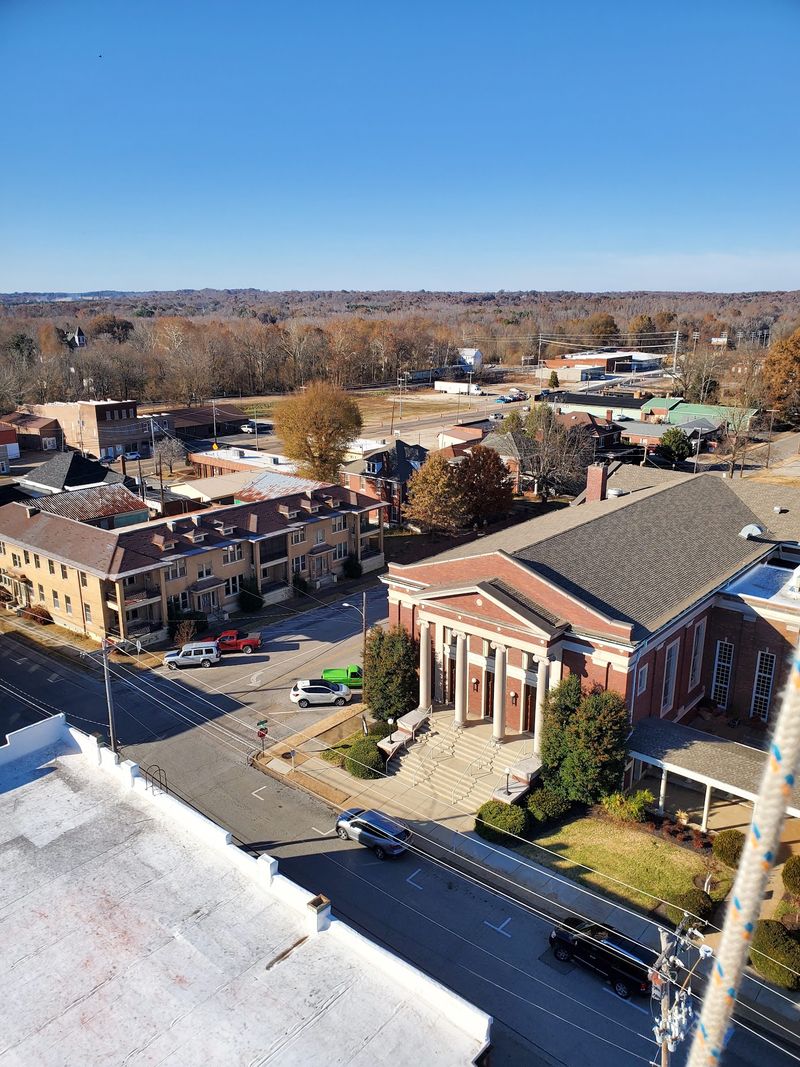
Paris sits in West Tennessee’s Henry County, far enough off the beaten path that it has remained one of the more inexpensive places to live in the state. The town has a quiet, rural character, and for years, housing costs stayed low enough that most people could afford to buy a home without too much trouble.
By Tennessee standards, Paris is still a budget-friendly option, but that doesn’t mean residents haven’t felt the pinch of rising costs.
Even in a town that remains relatively affordable, housing prices have been climbing, and for locals whose incomes haven’t increased at the same rate, that can still feel like a loss of affordability. When home values and rents go up but paychecks stay flat, the gap between what people earn and what they need to spend on housing widens.
That disconnect can be just as frustrating in a small, inexpensive town as it is in a booming metro area.
Paris hasn’t seen the kind of explosive growth that’s reshaped places closer to Nashville or the Smokies, but the broader trends affecting Tennessee’s housing market have still reached here. Sellers are asking more, and buyers are finding fewer true bargains than they might have a decade ago.
Renters are dealing with similar pressures, as landlords adjust rates to reflect rising property taxes and maintenance costs.
The town’s affordability relative to the rest of the state is still a selling point, and Paris offers a slower pace and lower cost of living that appeals to people looking to escape pricier markets. But for residents who’ve been here all along, the rising costs can feel less affordable when their wages haven’t kept up.
Paris may still be one of Tennessee’s cheaper options, but the lived experience of affordability isn’t quite what it used to be, and that shift matters to the people calling this town home.
Share this story