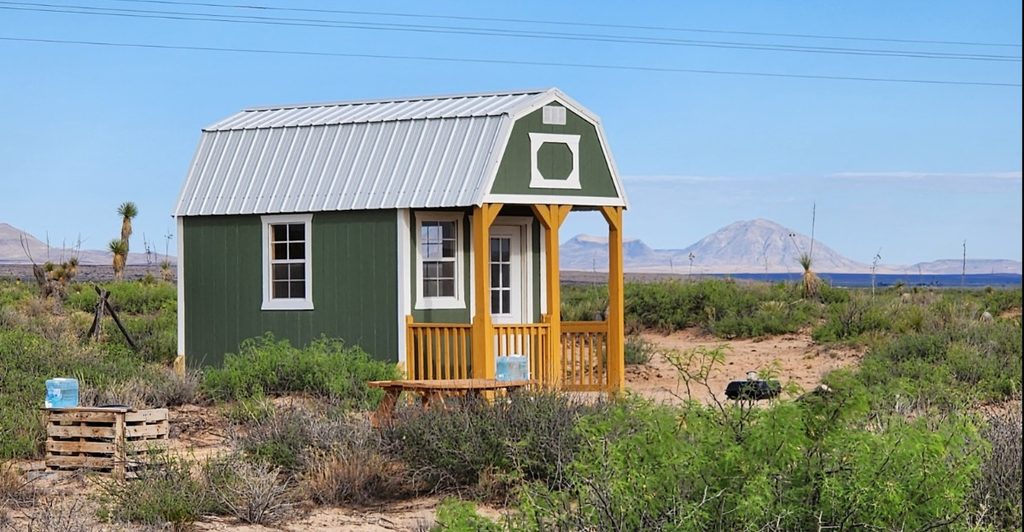
Texas stretches out for miles and miles, and tucked into its most remote corners are campgrounds where civilization feels like a distant memory. Some people crave the hum of city life, but others need the kind of quiet you can only find when you’re hours from the nearest traffic light. These ten campgrounds deliver that raw, untouched experience where the stars shine brighter, the air tastes cleaner, and your only neighbors might be a roadrunner or a curious jackrabbit.
Pack your gear, fill up your tank, and get ready to disappear into the wild heart of Texas.
1. Copper Breaks State Park (Quanah)
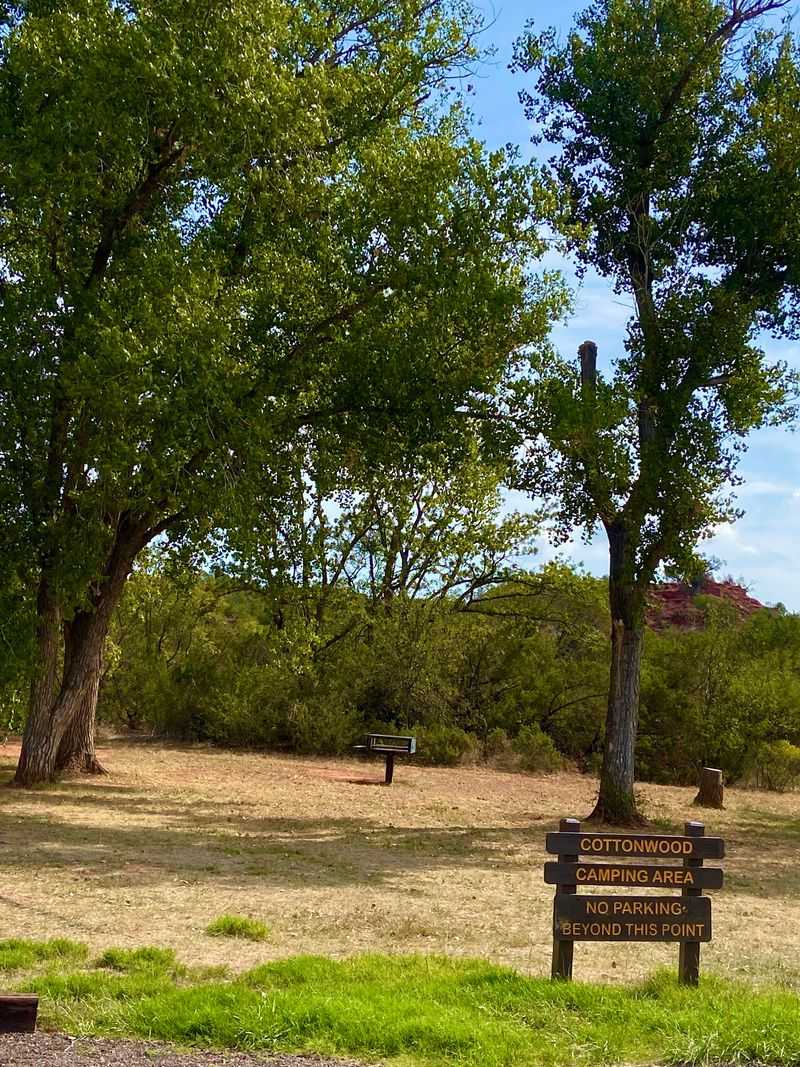
Out in the rolling prairies of North Texas, where the land seems to stretch forever, this park hides away from the world like a well-kept secret. Copper-colored rock formations rise from the earth, creating a landscape that feels almost otherworldly. The nearest town is small, and once you leave it behind, the sense of isolation becomes real and immediate.
Camping here means waking up to sunrises that paint the rocks in shades of orange and gold. The park sits far enough from major highways that light pollution barely exists. At night, the Milky Way sprawls across the sky in a way that makes you realize how much you’ve been missing.
Trails wind through juniper-dotted hills and past ancient rock layers that tell stories millions of years old. Wildlife roams freely, from pronghorn antelope to wild turkeys. The silence here isn’t just quiet; it’s the kind of deep stillness that makes you hear your own heartbeat.
Cell service is spotty at best, which might sound like a problem until you realize it’s actually a gift. Without the constant ping of notifications, you start noticing things like the way the wind moves through the grass or how the temperature drops the moment the sun dips below the horizon. The campground itself is basic but well-maintained, with sites that give you plenty of space from your neighbors.
If you’re looking to truly disconnect and remember what it feels like to be small under a big sky, this place delivers. The drive out might feel long, but that’s exactly the point. By the time you arrive, the rest of the world has already faded into the background.
2. Lost Maples State Natural Area (Vanderpool)
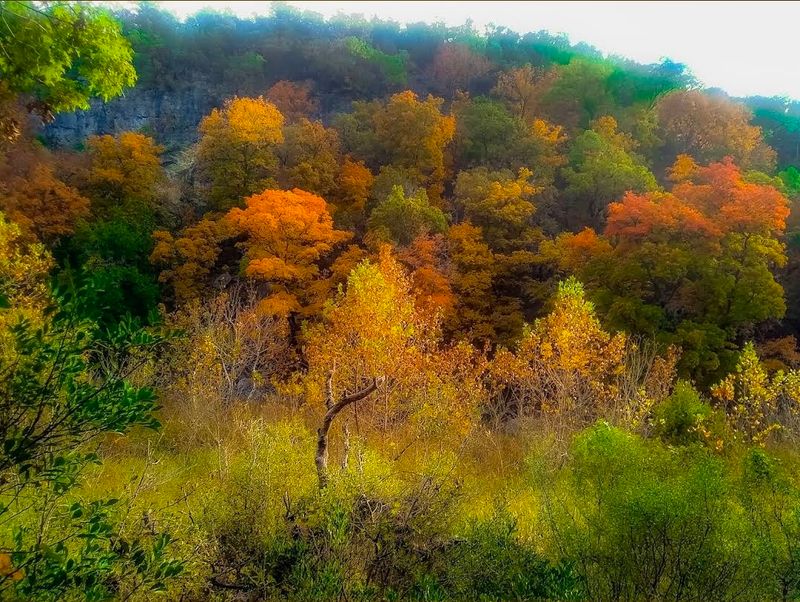
Tucked into the rugged folds of the Hill Country, this natural area feels like it belongs in a different state entirely. Towering bigtooth maples crowd the canyons, their leaves turning brilliant shades of red and gold each fall. The drive in takes you down winding roads where cell towers become a memory and the only signs of life are occasional ranch gates.
The campground sits along a spring-fed creek that runs clear and cold year-round. During the day, you can hike trails that climb steep canyon walls and reward you with views that seem to go on forever. The terrain is rough and rocky, the kind that reminds you nature doesn’t owe you comfort.
What makes this place feel so remote isn’t just the distance from cities but the way the landscape wraps around you. Dense foliage and limestone cliffs create a sense of enclosure, like you’ve stepped into a hidden pocket of wilderness. The sounds of the creek and rustling leaves replace the usual hum of modern life.
Fall weekends bring more visitors, but even then, the park’s size and layout mean you can find solitude if you want it. Off-season camping is where the real magic happens. Winter mornings arrive cold and crisp, with fog hanging in the valleys and deer moving silently through the trees.
Amenities are deliberately minimal, which keeps the experience authentic. You won’t find Wi-Fi or fancy hookups, just clean facilities and well-marked trails. The park staff knows this place inside and out and can point you toward hidden spots most people miss.
It’s the kind of campground where you arrive stressed and leave feeling like you’ve pressed a reset button on your whole nervous system.
3. Pine Springs Campground (Salt Flat)
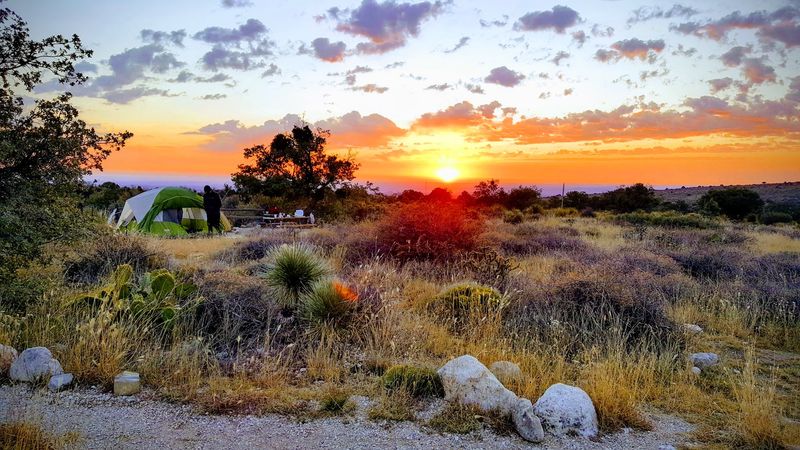
Way out in West Texas, where the land turns harsh and beautiful, this campground sits at the base of the Guadalupe Mountains. The town of Salt Flat barely qualifies as a town, and once you leave it, you’re entering territory where self-sufficiency isn’t optional. The mountains rise dramatically from the desert floor, creating a backdrop that makes you feel impossibly small.
Pine Springs serves as the gateway to some of the most challenging and rewarding hiking in Texas. The trails here don’t mess around. They climb thousands of feet through desert scrub and into pine forests that seem out of place until you remember how high you’ve climbed.
The campground itself is basic and exposed, with sites that offer little shade but spectacular views. Wind is a constant companion, sometimes gentle, sometimes fierce enough to test your tent stakes. At night, temperatures can drop dramatically, even in summer, reminding you that the desert plays by its own rules.
The remoteness here is absolute. El Paso is the nearest real city, and it’s over a hundred miles away. That distance creates a buffer zone where the concerns of everyday life simply can’t reach you.
The darkness at night is profound, the kind where you need a flashlight just to see your own feet.
Wildlife sightings are common, from mule deer to the occasional mountain lion. The park rangers emphasize preparedness because out here, help isn’t just around the corner. That edge of wildness makes every moment feel more alive.
You’re not just visiting nature; you’re living in it, on its terms. The silence between gusts of wind is so complete you can hear the blood moving through your ears. It’s raw, unfiltered wilderness camping at its finest.
4. Colorado Bend State Park (Bend)
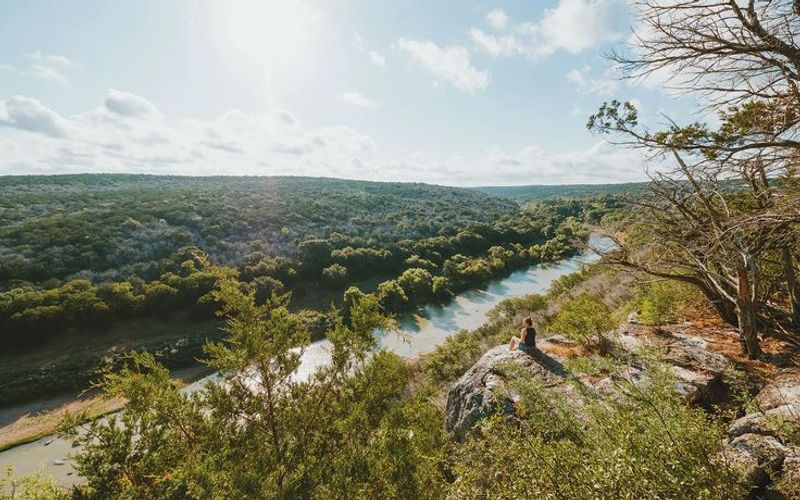
Getting to this park requires commitment. The final stretch of road is unpaved and washboarded, the kind that rattles your teeth and makes you question your vehicle’s suspension. But that rough approach is exactly what keeps this place feeling wild and unspoiled.
Once you arrive, the Colorado River curves through limestone bluffs and dense vegetation, creating a landscape that feels lost in time.
The campground options range from developed sites to primitive spots that require hiking in. Even the developed areas feel remote because the park is massive and visitor density stays low. During the week, you might have entire sections to yourself.
The river provides a constant soundtrack, rushing over rocks and creating pools perfect for cooling off.
Gorman Falls is the park’s crown jewel, a 70-foot waterfall that requires a challenging hike to reach. The trail is steep and uneven, but the payoff is worth every drop of sweat. Moss and ferns cling to the limestone, fed by constant moisture, creating a microclimate that feels tropical despite the Texas heat.
Cave tours take you underground into formations that have been growing for thousands of years. Above ground, the terrain is rough and unforgiving, with cacti and rocky outcrops that demand attention. This isn’t a place for casual flip-flop wandering; it’s real backcountry that requires proper footwear and awareness.
Cell service is nonexistent, and the nearest town with real amenities is a long drive away. That isolation is the park’s greatest asset. You can spend days here without seeing another soul if you time it right.
The night sky explodes with stars, and the only sounds are natural ones. It’s the kind of place that makes you remember why you started camping in the first place.
5. Kickapoo Cavern State Park (Brackettville)
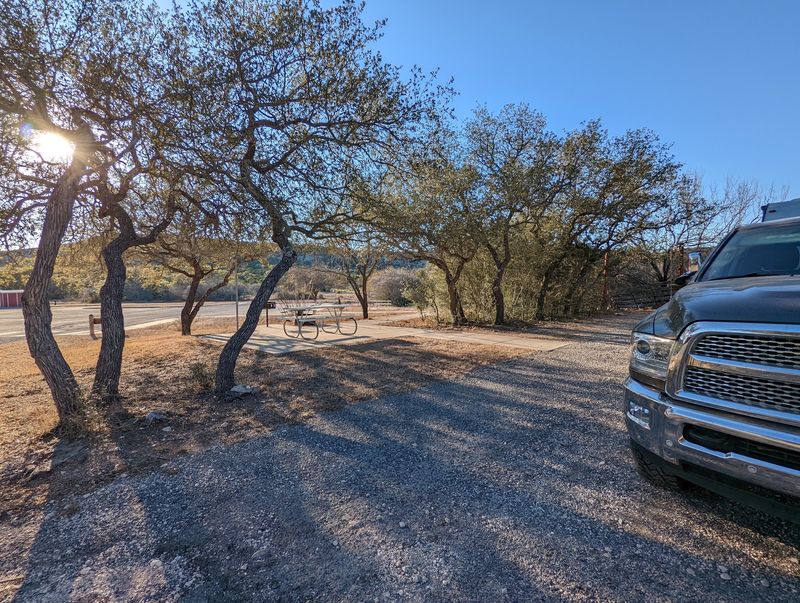
This park operates on a reservation-only basis, which immediately tells you it’s not your typical roadside campground. Located in the thorny brush country north of the border, the landscape here is unforgiving and beautiful in equal measure. Prickly pear, mesquite, and acacia dominate the scenery, and the limestone beneath your feet is riddled with caves and sinkholes.
Access to the caverns requires joining a guided tour, and for good reason. The cave systems are fragile and home to millions of Mexican free-tailed bats that emerge at dusk in swirling columns. Watching the bat flight is mesmerizing, a natural phenomenon that happens with clockwork precision every evening during warm months.
The camping area is primitive, with no electricity or water hookups. You bring what you need, and you pack out what you bring in. That level of self-sufficiency keeps the park feeling authentic.
The sites are scattered across rocky terrain, offering privacy and a genuine sense of being alone in the wilderness.
During the day, temperatures can soar, but nights cool down enough to make a campfire comfortable. The silence here is remarkable. No highway noise, no airplane traffic, just the occasional call of a coyote or the rustle of something moving through the brush.
The darkness is equally impressive, with zero light pollution to dim the stars.
Hiking trails wind through the thorny landscape, and every step requires attention. This isn’t gentle Hill Country terrain; it’s raw brushland that doesn’t apologize for being difficult. But that difficulty is part of the appeal.
You earn your experience here. The park rangers are knowledgeable and passionate, and they’ll share stories about the land’s history and ecology that bring the place to life in ways guidebooks can’t.
6. Big Bend Ranch State Park (Marfa)
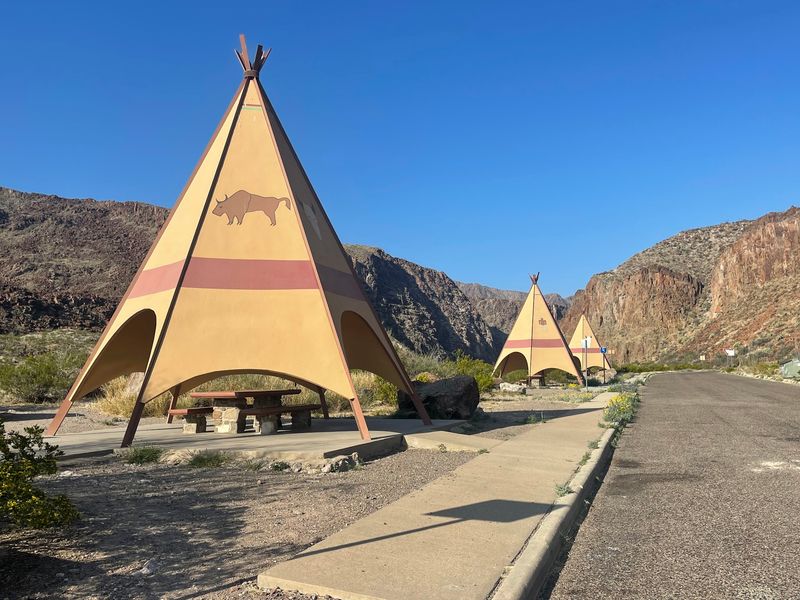
Calling this place remote doesn’t quite capture it. Big Bend Ranch sprawls across more than 300,000 acres of Chihuahuan Desert, making it the largest state park in Texas. The nearest town of any size is hours away, and once you enter the park, you’re committed to whatever happens next.
Cell service is a fantasy, and GPS signals can get spotty in the canyons.
The camping here ranges from roadside sites to backcountry spots that require serious navigation skills to reach. Even the accessible campgrounds feel like the edge of the world. The landscape is volcanic and ancient, with rock formations that glow orange and purple at sunset.
The Rio Grande forms the park’s southern boundary, carving through canyons that drop hundreds of feet.
Wildlife is abundant but often hidden during the heat of the day. Javelinas, roadrunners, and various snake species call this place home. At night, the temperature drops fast, and the stars come out in force.
The Milky Way is so bright you can see your shadow by starlight alone.
Hiking and mountain biking trails crisscross the park, many of them challenging enough to make you question your fitness level. The terrain is unforgiving, with sharp rocks, steep climbs, and exposure to the elements. Water is scarce, and you need to plan carefully.
This is real desert camping where mistakes can have consequences.
The sense of isolation here is total. You can go days without seeing another person if you venture into the backcountry. That solitude is both thrilling and humbling.
The desert has a way of stripping away pretense and making you focus on the essentials: water, shelter, and the simple act of being present. It’s not for everyone, but for those who crave true wilderness, this park delivers in spades.
7. Davis Mountains State Park (Fort Davis)
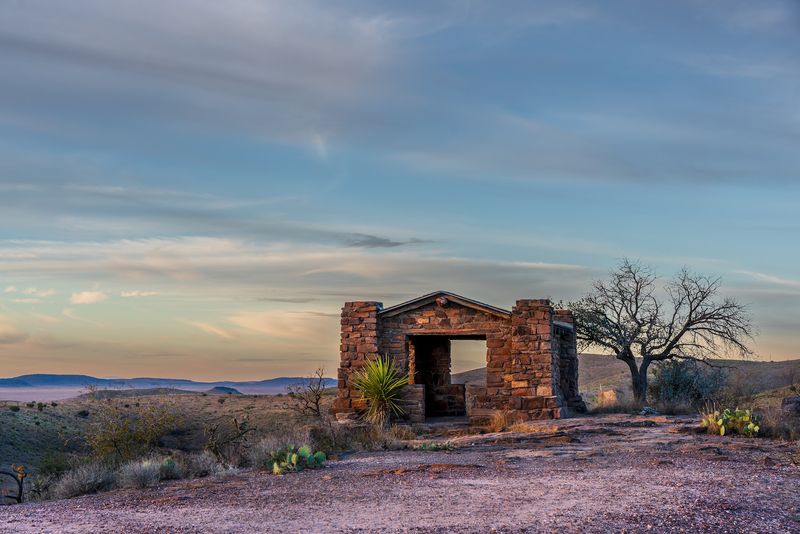
Up in the Davis Mountains, the landscape shifts from typical Texas desert to something more alpine. Pine and juniper cover the slopes, and the air smells clean and sharp. The park sits at nearly 5,000 feet elevation, which means cooler temperatures year-round and a completely different ecosystem than the lowlands below.
The campground offers a mix of sites, from RV-friendly spots to tent areas tucked into the hillside. Even with amenities, the park maintains a remote feel because of its location. Fort Davis is a tiny town, and beyond it, there’s not much for miles.
That geographic isolation creates a buffer zone where modern life fades into background noise.
Hiking trails wind through the mountains, offering views that stretch across West Texas in every direction. On clear days, you can see for what feels like a hundred miles. The trails range from easy nature walks to challenging climbs that test your lungs in the thin mountain air.
The McDonald Observatory is nearby, and the park benefits from strict dark-sky protections. At night, the stars are so bright and numerous that constellations become hard to pick out from the background glow. Meteor showers are spectacular here, with shooting stars streaking across the sky every few minutes during peak events.
Wildlife includes mule deer, mountain lions, and a variety of bird species you won’t see in other parts of Texas. The cooler climate makes summer camping actually pleasant, a rarity in the state. Morning fog sometimes fills the valleys, burning off slowly as the sun rises and revealing the mountains layer by layer.
The sense of being in a special, protected place is strong here. It’s remote enough to feel like an escape but accessible enough that you don’t need a four-wheel-drive vehicle to reach it.
8. Seminole Canyon State Park and Historic Site (Comstock)
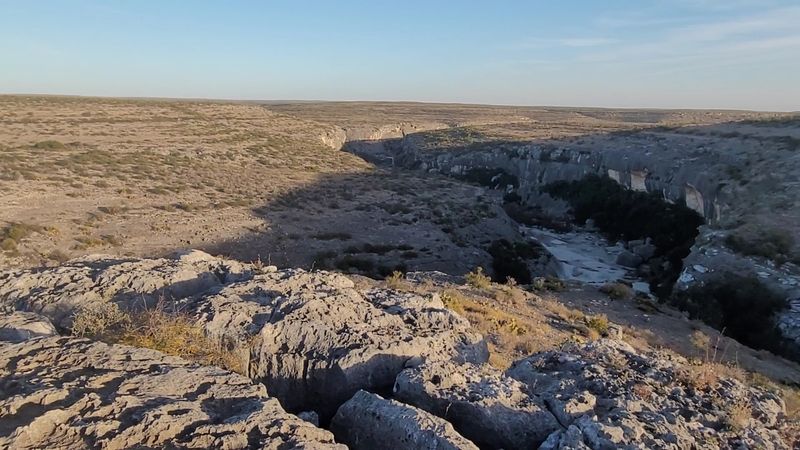
Perched on the edge of a dramatic canyon system, this park offers views that make you catch your breath. The canyon drops away hundreds of feet, revealing layers of rock that tell a geological story millions of years in the making. The town of Comstock barely exists, just a handful of buildings along Highway 90, and the park feels like it’s on the edge of the world.
The main attraction is the ancient rock art left by prehistoric peoples thousands of years ago. Guided tours take you down into the canyon to see pictographs painted on rock shelters, vivid images that have survived centuries of weather and time. Standing in front of these paintings, you feel the weight of history and the smallness of your own existence.
Camping sites sit on the canyon rim, offering views that go on forever. Sunsets here are legendary, with the sky turning shades of pink and orange that seem too vivid to be real. The wind is constant, sweeping across the canyon and creating a sound that’s somewhere between a whisper and a roar.
The remoteness is profound. Del Rio is the nearest city of any size, and it’s a good drive away. Cell service is unreliable, and the sense of being cut off from the modern world is immediate.
That disconnection is exactly what makes this place special. You’re forced to slow down and pay attention to the natural world around you.
Wildlife is adapted to the harsh desert environment. Lizards, snakes, and birds of prey are common sights. At night, the canyon fills with shadows, and the stars overhead are almost too bright to believe.
The silence is broken only by the occasional call of an owl or the scuttle of something moving through the brush. It’s camping that feels timeless and raw.
9. Caprock Canyons State Park and Trailway (Quitaque)
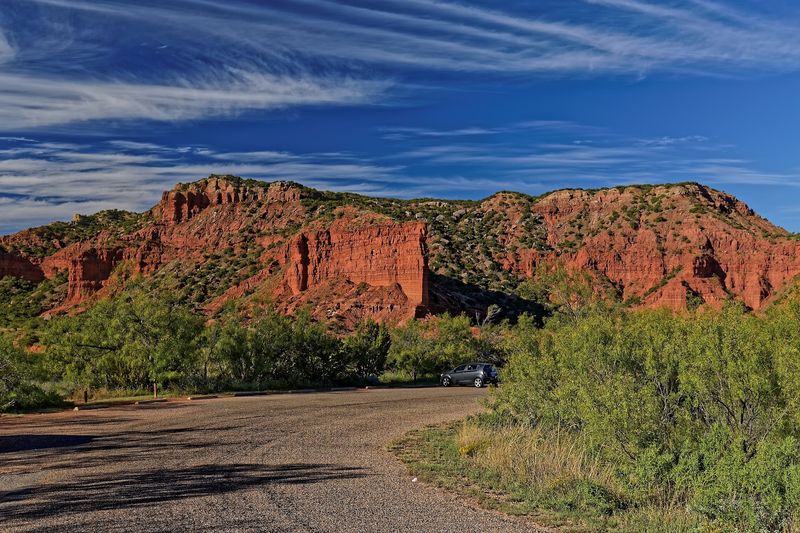
Where the flat plains of the Texas Panhandle suddenly drop away into colorful canyons, this park exists as a pocket of wildness in an otherwise agricultural landscape. Red rock formations rise from the canyon floor, and the official state bison herd roams freely across the grasslands. Seeing these massive animals in their natural habitat is a reminder of what the Great Plains once looked like.
The campground sits tucked into the canyon, offering protection from the relentless Panhandle wind. Sites are well-spaced, and even during busy weekends, you can find pockets of solitude. The nearest town, Quitaque, is tiny and far enough away that you feel genuinely isolated.
At night, the only lights you’ll see are from other campers and the stars overhead.
Hiking and mountain biking trails wind through the canyons and up onto the rim. The terrain is varied, from sandy washes to rocky climbs, and the views change with every turn. Wildlife is abundant, from the bison to pronghorn antelope, coyotes, and countless bird species.
The sense of space here is overwhelming in the best way.
The Caprock Canyons Trailway extends for miles, following an old railroad bed through some of the most scenic country in the Panhandle. You can hike or bike for hours without seeing another person, just you and the landscape. The red rocks glow at sunrise and sunset, creating photo opportunities that feel almost too perfect.
Weather here can be extreme. Summer heat is intense, and winter cold bites hard. Spring brings wildflowers that carpet the canyon floor in color.
The wind never really stops, but you get used to it, and it becomes part of the experience. This park offers a kind of remote beauty that’s distinctly Texan, big and bold and unapologetic about its wildness.
10. Chisos Basin Campground (Big Bend National Park)
Nestled in a mountain basin surrounded by towering peaks, this campground sits at the heart of one of the most remote national parks in the country. Getting here requires driving through miles of Chihuahuan Desert, past landscapes so stark and beautiful they barely seem real. The Chisos Mountains rise like an island from the desert floor, creating a unique ecosystem found nowhere else.
The campground itself is compact but spectacular. Sites are carved into the hillside, with rock walls and mountain views in every direction. The elevation brings cooler temperatures, even in summer, and the air has a crispness that’s rare in Texas.
Trails radiate out from the basin, leading to peaks, canyons, and hidden springs.
Big Bend is famous for its remoteness. The nearest city of any size is hours away, and cell service is nonexistent throughout most of the park. That isolation is both the challenge and the reward.
You’re truly unplugged here, forced to rely on maps, your own skills, and the kindness of fellow campers.
Wildlife encounters are common. Black bears occasionally wander through the campground, and javelinas root around the campsites looking for food. The park requires strict food storage, and for good reason.
At night, the sounds of the desert come alive, with coyotes howling and owls calling from the darkness.
The night sky here is protected and pristine. The Milky Way stretches overhead like a river of light, and shooting stars are so common you stop making wishes. The silence is deep and absolute, broken only by natural sounds.
Camping in the Chisos Basin feels like camping at the end of the earth, in the best possible way. It’s the kind of place that changes how you think about wilderness and solitude, leaving you with memories that last long after you’ve returned to civilization.