One minute, you are drifting down a tea-colored river beneath crooked cedar branches. A few hours later, you are standing beside an iron furnace in a village that once produced supplies for the Continental Army.
That is the beauty of pairing two New Jersey attractions that seem unrelated until you put them on the same itinerary. The state is compact enough to make these double-feature outings surprisingly manageable, yet varied enough for the second stop to feel like an entirely different trip.
You can follow an underground mine tour with a walk among wild animals, trade a marble temple for giant contemporary sculptures, or leave a historic battleship and enter a tunnel surrounded by sharks. These combinations provide more than a busy schedule.
Each one creates a genuine change of scenery, pace, and mood without requiring hours of extra driving. Bring comfortable shoes, leave a little room for spontaneity, and prepare to get two very different stories out of a single day.
1. Paddle the Pine Barrens and Explore Historic Batsto Village
Dark water sliding beneath a canoe may look mysterious, but that rich tea color comes from cedar roots and naturally occurring iron rather than anything lurking below the surface. A morning paddle through the Pine Barrens introduces one of New Jersey’s most distinctive landscapes at the ideal speed.
Narrow waterways curl beneath pitch pines, turtles vanish from half-submerged logs, and stretches of remarkable silence make civilization feel much farther away than it really is.
Pinelands Adventures in Shamong offers canoe and kayak outings ranging from approachable excursions for newcomers to longer routes for experienced paddlers.
Reserving ahead is smart, particularly on warm weekends, because transportation and equipment arrangements are generally part of the outing. After changing into dry shoes, continue to Batsto Village in Wharton State Forest.
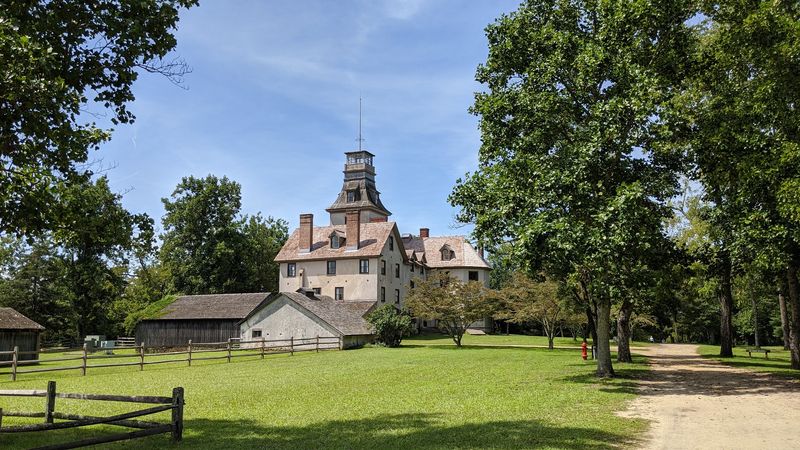
The preserved settlement grew around an ironworks that operated during the Revolutionary era and later became an important glassmaking community. More than 30 surviving structures fill the grounds, including workers’ cottages, a general store, gristmill, sawmill, post office, and the imposing Batsto Mansion.
Even when a mansion tour does not fit the schedule, the village is rewarding to explore on foot. Interpretive signs give context to the industrial ruins, while paths around Batsto Lake provide one last look at the scenery from dry land.
The pairing turns an outdoor excursion into a compact lesson on how the surrounding forest, bog iron, and waterways once supported an entire community.
2. Tour Sterling Hill Mine and Meet the Animals at Space Farms
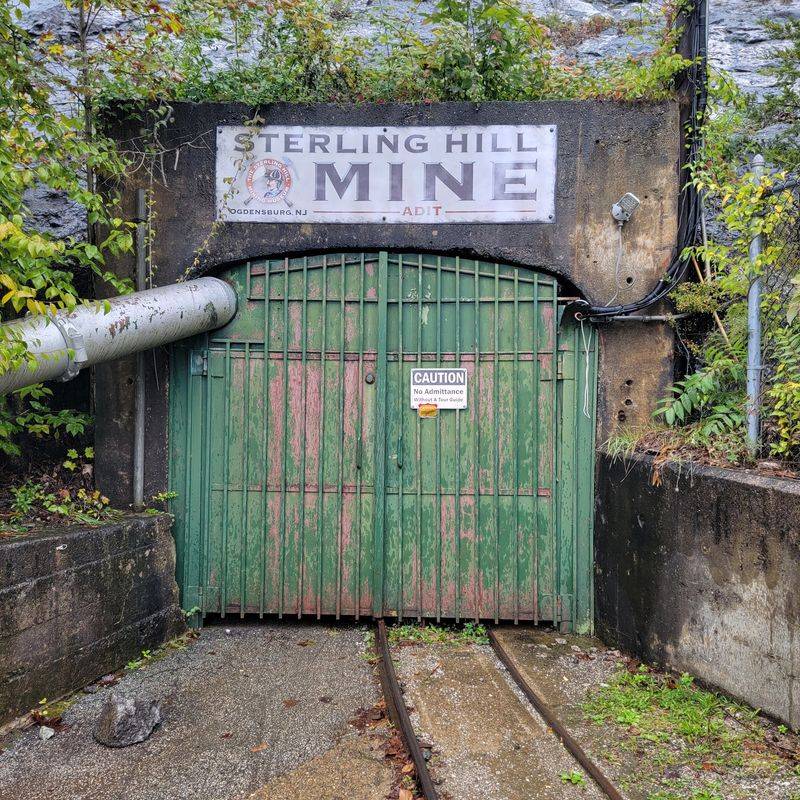
The Rainbow Tunnel delivers the big reveal at Sterling Hill Mining Museum. Under ultraviolet light, an ordinary-looking wall bursts into shades of glowing green and red, showing why this corner of Sussex County is famous among mineral collectors.
The former zinc mine in Ogdensburg contains an extraordinary variety of minerals, and guided tours lead underground past old equipment, working areas, and exhibits explaining the difficult jobs performed here. The temperature below ground stays cool even in summer, so a light layer and sturdy closed-toe shoes are sensible additions.
Tour times matter and can vary seasonally, making this the stop around which the rest of the day should be planned. Above ground, visitors can explore museum displays, try mineral sluicing, or search designated collecting areas when available.
Space Farms Zoo and Museum in Wantage provides the day’s completely different second act. Its rural grounds are home to hundreds of animals, from native wildlife and farm animals to species such as lions, tigers, monkeys, and bears.
The walk-through layout allows visitors to move at their own pace, but the property is large enough that comfortable footwear earns its place again. Admission also includes a sprawling collection of antique tools, early vehicles, farm equipment, firearms, and Americana assembled by the Space family.
Between the glowing rocks, historic machinery, and animal habitats, this trip feels less like two conventional museums and more like opening a particularly eccentric cabinet of New Jersey curiosities.
3. Climb Aboard Battleship New Jersey and Explore Adventure Aquarium
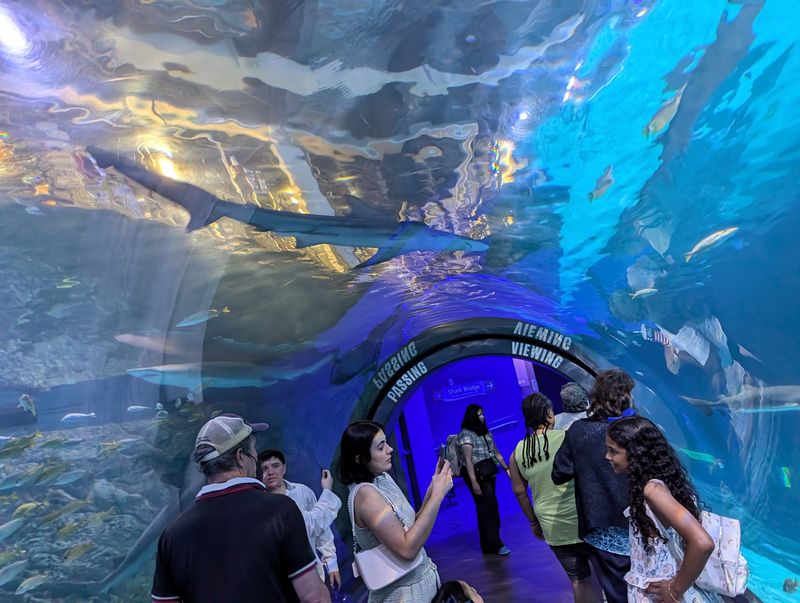
Few staircases announce themselves quite like the steep steel ladders aboard Battleship New Jersey. Moored along the Camden waterfront, the decorated warship offers a close look at naval life through passageways, crew quarters, command spaces, and massive gun turrets.
Visitors can stand beneath barrels built to fire 16-inch shells, peer into bunks stacked with impressive efficiency, and discover how thousands of sailors lived and worked aboard the vessel. Self-guided routes cover plenty of territory, while specialized tours may reach areas not included with standard admission.
Mobility is worth considering before boarding: narrow openings and ladder-like stairs are part of the authentic experience. Back on land, the mood changes from gray steel to deep blue in only a few minutes.
Adventure Aquarium sits close enough to make this one of the easiest pairings on the list. Its exhibits feature sharks, rays, sea turtles, penguins, and other aquatic residents, with underwater tunnels creating the slightly unnerving thrill of watching sharks pass overhead.
Touch exhibits add a hands-on element, especially for families, while the waterfront setting offers clear views across the Delaware River toward Philadelphia. Purchase timed aquarium tickets before the trip and allow more time than expected for the battleship; both attractions reward slow exploration.
Parking once and walking between them keeps the logistics refreshingly simple. One half of the day reveals how people crossed oceans during wartime, while the other introduces the animals living beneath those same waters.
4. Visit the BAPS Swaminarayan Akshardham and Wander Grounds For Sculpture
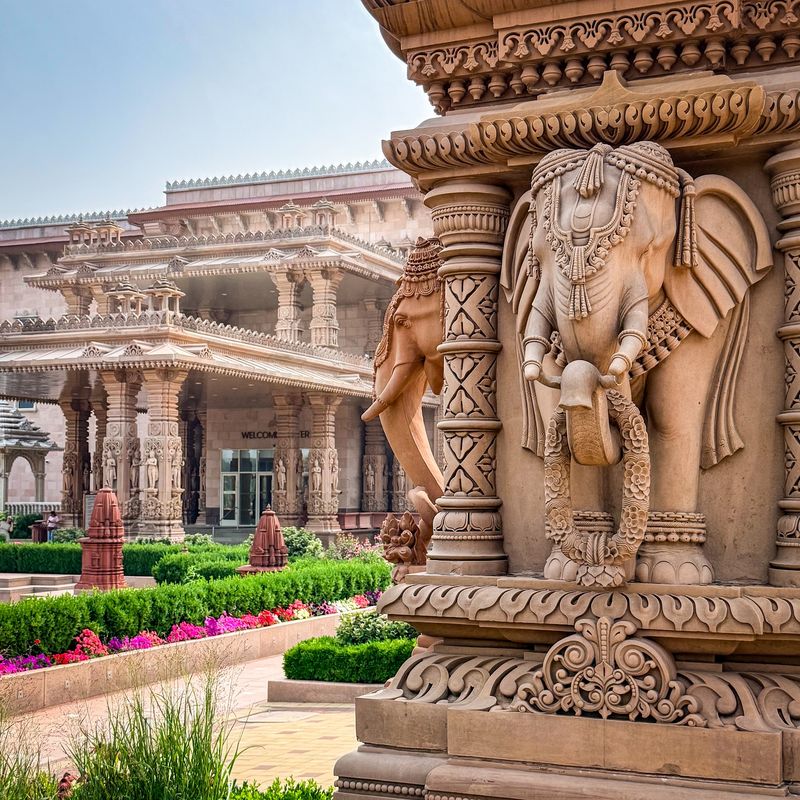
Begin with marble so intricately carved that even the ceilings demand several minutes of attention. BAPS Swaminarayan Akshardham in Robbinsville is a monumental Hindu place of worship covered with sculpted figures, floral designs, animals, and scenes drawn from Indian spiritual traditions.
Visitors are welcome, and entry is generally free, but this is an active sacred space rather than an ordinary sightseeing attraction. Modest clothing is required, shoes must be removed in designated areas, and photography is restricted inside key spaces.
Checking the current visitor schedule and guidelines before leaving prevents an awkward wardrobe or timing surprise. The quiet, contemplative experience makes an intriguing counterpoint to the bold contemporary art waiting roughly a half-hour away at Grounds For Sculpture in Hamilton.
Spread across 42 landscaped acres, the sculpture park mixes monumental works with ponds, gardens, hidden paths, and lifelike figures positioned in unexpected places.
Some pieces emerge dramatically from open lawns; others appear behind hedges or around bends, making wandering more rewarding than rushing from one famous work to the next.
Seward Johnson’s three-dimensional interpretations of familiar paintings are especially playful, inviting visitors to step into scenes that once existed only on canvas. Timed tickets are advisable, and the on-site dining options can turn the afternoon into a leisurely finish.
Together, the two stops show how stone and metal can serve very different purposes—devotion at one destination, surprise and experimentation at the other.
5. Explore Thomas Edison’s Laboratory and Catch the Skyline From Eagle Rock Reservation
Belts hang from the ceiling, heavy machines line the workrooms, and rows of bottles crowd the shelves as though the inventors merely stepped out for lunch.
Thomas Edison National Historical Park in West Orange preserves the laboratory complex where Edison and his employees developed and refined technologies involving recorded sound, motion pictures, batteries, and more.
This was no solitary workshop with one brilliant man tinkering at a bench. It was an industrial research operation filled with machinists, chemists, draftsmen, and experimenters, and the scale becomes clear while moving among the brick buildings.
Highlights include early phonographs, machine shops, recording spaces, and a reconstruction of the Black Maria film studio. Glenmont, Edison’s nearby home, may be accessible through a separate scheduled tour, so anyone hoping to see it should review ticket arrangements in advance.
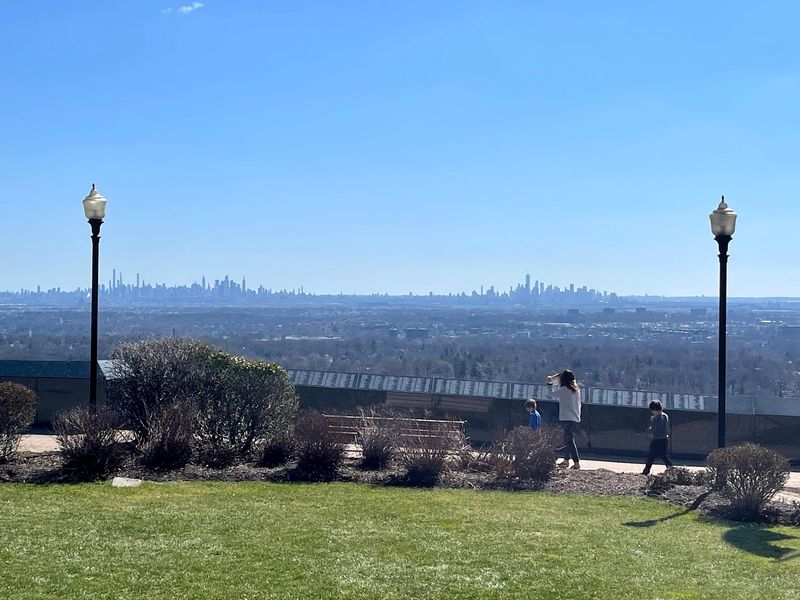
After several hours indoors, Eagle Rock Reservation offers the perfect pressure release. The wooded park sits along the Watchung Mountains and opens onto a broad overlook facing the Manhattan skyline.
Near the viewpoint, the Essex County September 11th Memorial adds a reflective dimension to the scenery, with New York visible beyond the monuments. Trails weave through the reservation, but a satisfying visit does not require a long hike; the principal overlook is readily accessible from the parking area.
The contrast is unusually fitting. Edison’s laboratory documents inventions that helped shape modern urban life, while the afternoon view reveals that world spread across the horizon.
6. See Paterson Great Falls and Tour Lambert Castle
Water steals the first half of this outing. The Passaic River surges toward a 77-foot drop at Paterson Great Falls, squeezing through a rocky gorge and throwing mist into the air with enough force to drown out nearby conversation.
Several viewing areas reveal different angles, and the surrounding national historical park explains why Alexander Hamilton saw the falls as more than a natural spectacle. Their power helped turn Paterson into an early American manufacturing center, supporting mills that produced silk, locomotives, textiles, and other goods.
The remaining raceways, mill buildings, and industrial structures make a walk around the area as important as the waterfall itself. A short drive then leads uphill to Lambert Castle, where the story shifts from the workers and waterways of industrial Paterson to the lavish world of a successful silk manufacturer.
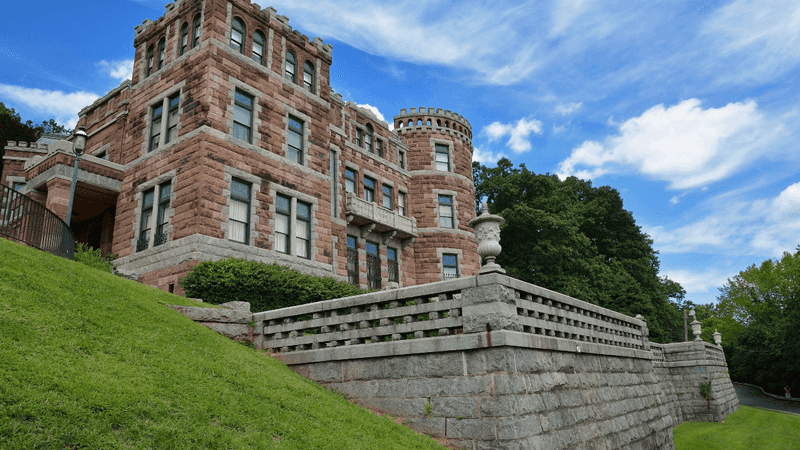
Catholina Lambert built the sandstone mansion in the 1890s, filling it with art and antiques and giving it the grand appearance of a medieval estate. Today, the building houses historical collections connected to Paterson and Passaic County.
Architectural details provide plenty to examine, but the location on Garret Mountain is part of the appeal, too. Before visiting, confirm the castle’s opening days, since museum access is more limited than the outdoor areas around the falls.
Seeing both places creates a fuller picture than either can provide alone: first the natural power and factories that built Paterson’s wealth, then the extravagant home of a man who benefited from that industrial boom.
7. Climb the Twin Lights and Explore the Beaches and Forts of Sandy Hook
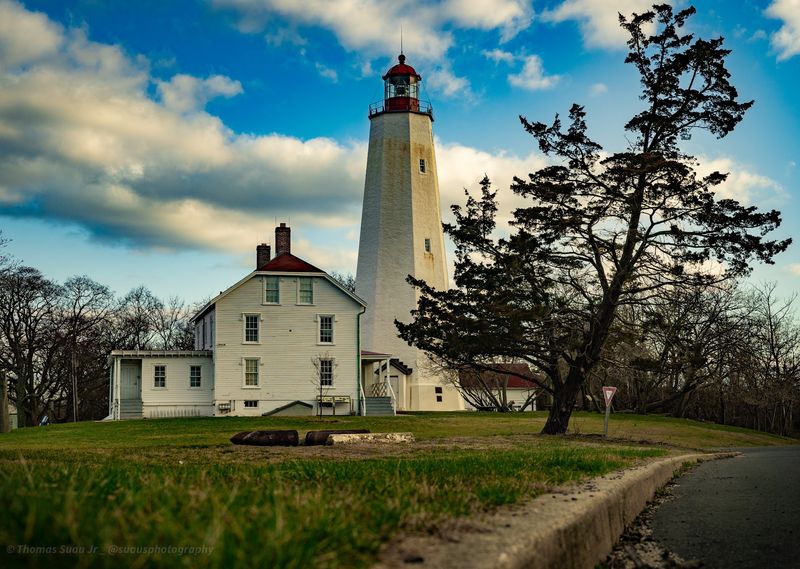
Two squat brownstone towers stand above the Highlands like a lighthouse that could not decide which direction to face. The Twin Lights have watched over the approaches to New York Harbor since the 1860s, though earlier beacons occupied the bluff before them.
Their distinctive double profile helped mariners identify their location, while the site later played roles in experiments involving electricity, radio, and navigation. Visitors can explore the museum and, when access is available, climb a tower for a sweeping look over Sandy Hook, the Atlantic, and the surrounding coastline.
The grounds alone justify a stop, especially on a crisp day when the horizon seems impossibly sharp. From there, cross into the Sandy Hook unit of Gateway National Recreation Area and decide how historical or beachy the afternoon should become.
Fort Hancock contains old batteries, officers’ homes, parade grounds, and military remnants from the peninsula’s years defending New York Harbor. The Sandy Hook Lighthouse, first lit in 1764, still stands nearby as the oldest operating lighthouse in the country.
Continue farther along the peninsula for beaches, birding areas, bay views, and easy trails through coastal habitat. Seasonal beach-parking fees apply during the summer, while access to some historic buildings and lighthouse tours follows limited schedules.
Pack lunch or bring snacks because services can be sparse away from the main beach areas. This pairing delivers two maritime landmarks, military history, and a shoreline escape without forcing visitors to choose between museum time and sand-between-the-toes time.
8. Watch Glassblowers at WheatonArts and Discover Bayshore History in Bivalve
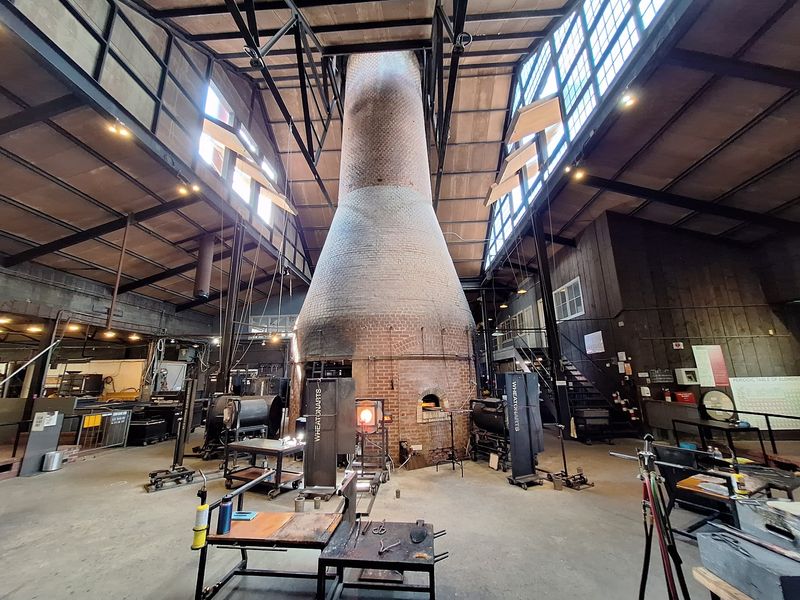
A glowing lump of molten glass can become a bowl, vase, or delicate ornament in the hands of a skilled artist—and watching that transformation is the reason to linger in the demonstration studios at WheatonArts.
The Millville cultural center grew from the region’s glassmaking heritage and now combines working studios, museum galleries, shops, and wooded grounds.
Glassblowing demonstrations are the obvious draw, but pottery and other craft presentations may also be offered. Inside the Museum of American Glass, objects ranging from practical bottles to elaborate art pieces reveal just how deep South Jersey’s connection to the industry runs.
Check the daily demonstration schedule upon arrival; watching an artist work is more memorable when you do not show up five minutes after the furnace has gone quiet. The second stop lies south in Bivalve, a small community whose name provides a pretty strong hint about its past.
The Bayshore Center occupies historic oyster shipping sheds beside the Maurice River and preserves the history of Delaware Bay’s fishing and oystering communities. Exhibits use tools, photographs, artifacts, and personal stories to explain an industry that once sent enormous quantities of oysters to distant markets.
The center is also associated with the A.J. Meerwald, New Jersey’s official tall ship, although the restored oyster schooner sails from different ports during its seasonal schedule and may not be present.
Museum hours are limited, so coordinate this day carefully. Done right, the itinerary links two industries—glass and oysters—that shaped Cumberland County in ways many visitors never realize.
9. Climb Cape May Lighthouse and Explore Aviation History at Naval Air Station Wildwood

There are 199 steps between the ground and the top of Cape May Lighthouse, and the last few tend to inspire negotiations with tired legs. The reward is a wide-open view across Cape May Point State Park, the Atlantic Ocean, Delaware Bay, and the wetlands where migrating birds gather in remarkable numbers.
Built in 1859, the lighthouse remains one of the area’s defining landmarks. Exhibits along the climb offer convenient excuses to pause while explaining its construction and maritime role.
Back at ground level, boardwalks and trails run through dunes, ponds, and coastal habitat, making it easy to add a short nature walk before leaving the park. The afternoon swaps seabirds for warbirds at Naval Air Station Wildwood Aviation Museum, housed inside a massive wooden hangar at Cape May Airport.
The former World War II dive-bomber training station now holds aircraft, engines, military vehicles, photographs, and hands-on displays. Unlike a museum where every object sits at a polite distance, this one encourages close inspection, and select cockpits may be open for visitors to climb inside.
The hangar is not climate-controlled, so dress for the season rather than assuming museum-perfect temperatures. Families should budget extra time because buttons, simulators, and climb-in exhibits have a habit of extending visits.
Together, these attractions tell two versions of navigation and coastal defense: one built around a lighthouse beam guiding ships past dangerous waters, the other centered on pilots training above the same peninsula.
10. Browse Historic Smithville and Drive Through Edwin B. Forsythe National Wildlife Refuge
Start with the shopping bags, because binoculars work better when your hands are free. Historic Smithville is an easygoing collection of independent shops, restaurants, footbridges, and old-fashioned attractions arranged around a lake in Galloway Township.
The village grew from a historic inn and now includes dozens of small stores selling everything from candy and kitchen goods to clothing, crafts, and New Jersey-themed gifts.
A carousel, miniature train, and paddleboats add family-friendly diversions during their operating seasons, while resident ducks provide entertainment without consulting any schedule.
The Smithville Inn is the natural choice for a sit-down meal, though bakeries and casual counters make it possible to snack your way through the village instead.
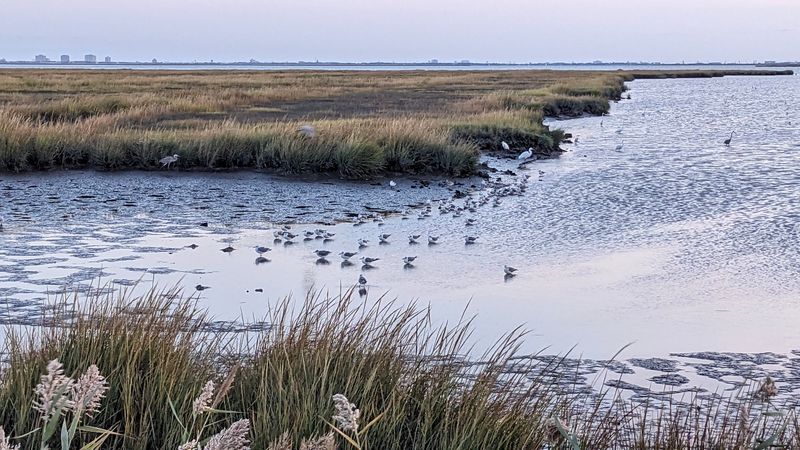
Once browsing fatigue sets in, drive a few miles east to the Edwin B. Forsythe National Wildlife Refuge. Its eight-mile Wildlife Drive loops through salt marshes, freshwater habitat, and open stretches with broad views toward Atlantic City.
Herons stalk the shallows, ospreys occupy nesting platforms, and seasonal migrations can fill the mudflats with shorebirds. Observation towers and pull-offs allow closer looks, but much of the experience can be enjoyed from the car, making this a strong choice in questionable weather or after a morning spent walking.
The drive carries a small entrance fee and remains open from sunrise to sunset unless conditions require a closure. Smithville supplies nostalgic pleasures and something sweet for the road; Forsythe finishes the day with wind, marsh grass, and wildlife that never performs on cue.
Share this story