Tennessee is packed with natural beauty, and the best part? You don’t need to spend a dime to enjoy it.
From thundering waterfalls and quiet lakeside trails to sweeping river views and mountain paths, the Volunteer State offers outdoor adventures that won’t cost you anything but time and maybe a little sweat. Whether you’re looking for a weekend escape or just a few peaceful hours outside, these 11 spots prove that the best things in life really are free.
1. Walk the Trails at Reelfoot Lake State Park, Tiptonville
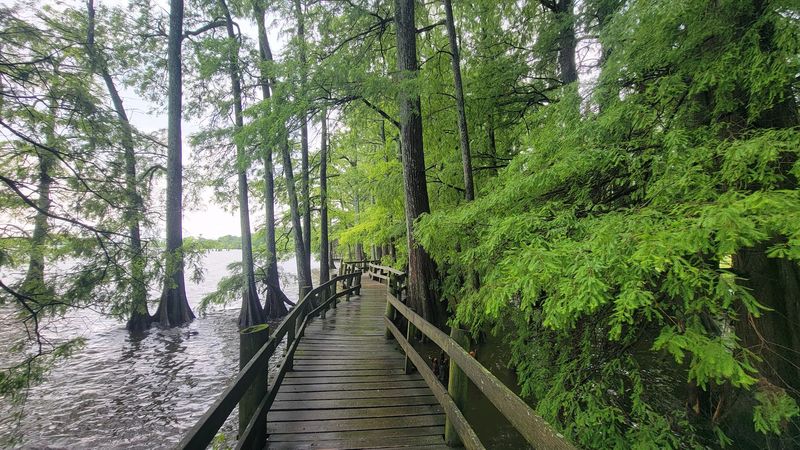
Reelfoot Lake sits in the northwest corner of Tennessee and looks like nowhere else in the state. Created by earthquakes in the early 1800s, the shallow lake is dotted with bald cypress trees that rise straight out of the water, giving the whole place an eerie, swampy beauty.
Walking the trails here feels more like exploring the Deep South than the typical Tennessee landscape.
Bald eagles love this spot during winter months, so if you visit between November and March, you might catch sight of one perched in the trees or gliding over the water. Even without the eagles, the birdwatching is incredible year-round.
Herons, egrets, and all kinds of waterfowl call this place home.
The park has several easy walking trails that loop around the shoreline and through the wetlands. None of them are super long or difficult, so they work well for families or anyone who wants a relaxed outdoor experience.
The boardwalk sections let you get right out over the water without getting your feet wet.
Fishing is popular here too, though you’ll need a license for that. But just walking around and soaking in the scenery? Totally free.
Sunrise and sunset are especially magical times to visit, when the light filters through the cypress knees and the whole lake glows.
Pack a camera, wear comfortable shoes, and maybe bring bug spray if you’re visiting in the warmer months. Reelfoot Lake isn’t flashy or overdeveloped, and that’s exactly what makes it special. It’s quiet, wild, and completely worth the trip to Tennessee’s far western edge.
2. Explore Shelby Farms Park, Memphis
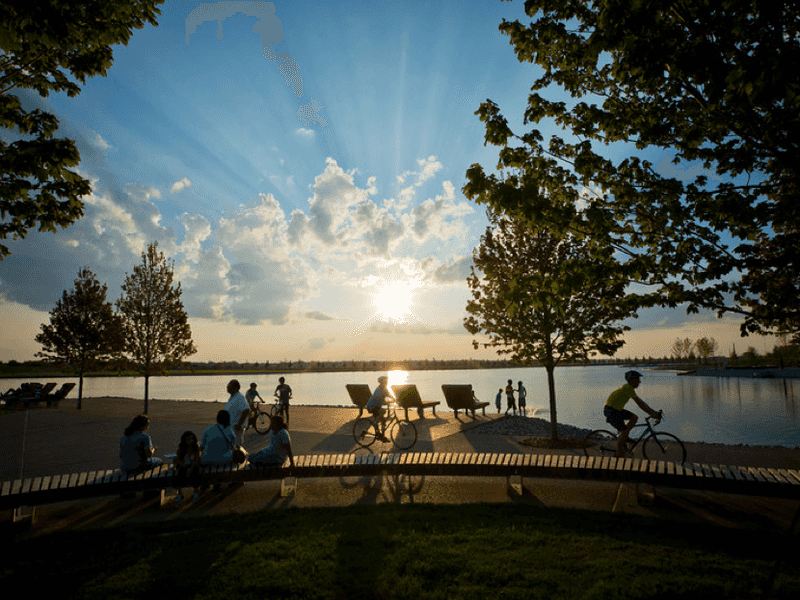
Shelby Farms Park is massive. At 4,500 acres, it’s one of the largest urban parks in the country, dwarfing even New York’s Central Park.
Located right in Memphis, it offers more than 40 miles of trails, open meadows, woodlands, and a big lake, all without charging a single entry fee.
You can walk, run, bike, or just wander around for hours without covering the same ground twice. The trails range from paved paths perfect for strollers and wheelchairs to dirt trails that wind through forests and around wetlands.
Some people come to train for races, others bring their dogs, and plenty of families spread out picnic blankets under the shade trees.
Hyde Lake sits near the center of the park and is a popular spot for paddleboarding and kayaking, though you’ll need to rent equipment for that. But walking around the lake? Free. The loop trail offers nice views of the water and plenty of benches if you want to sit and watch the ducks.
Wildlife sightings are common here despite the park being surrounded by the city. Deer, foxes, turtles, and tons of bird species live in the park’s varied habitats. Early morning visits often reward you with the most active wildlife and fewer crowds.
Shelby Farms also hosts free events throughout the year, from outdoor yoga sessions to nature walks led by park rangers. Check their calendar before you go if you want to catch something special.
Even on a regular day, though, this park delivers. It’s proof that Memphis takes its green space seriously and wants everyone to enjoy it.
3. Walk Across the Mississippi River on Big River Crossing, Memphis
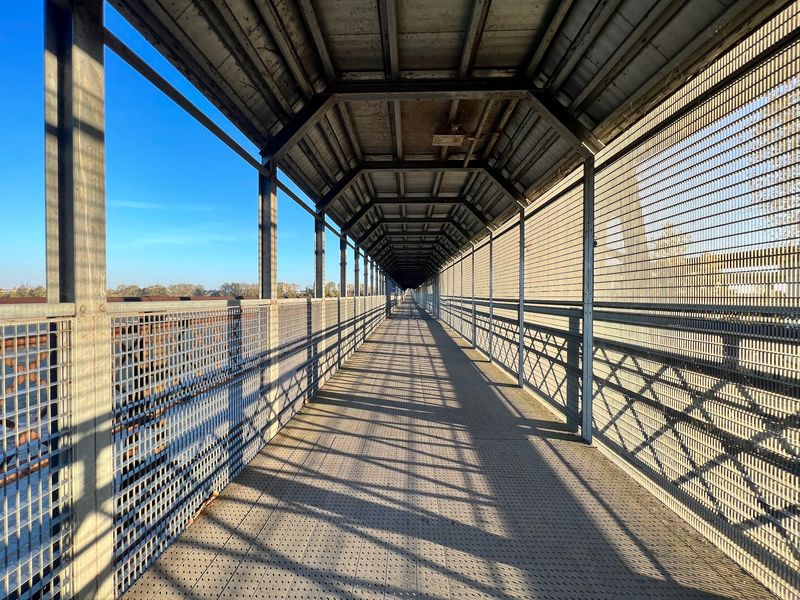
Crossing the Mississippi River on foot is not something you get to do every day. Big River Crossing makes it possible, connecting Memphis, Tennessee, to West Memphis, Arkansas, via a pedestrian and bike path attached to an old railroad bridge.
The experience is part history lesson, part workout, and entirely free.
The bridge stretches nearly a mile across the mighty Mississippi, and the views from up there are stunning. You can see the Memphis skyline on one side and the wide, powerful river rolling beneath you.
On clear days, the sight is almost overwhelming in the best way.
The pathway is well-lit at night, and the bridge itself is illuminated with colorful LED lights that change with the seasons and special events. Evening walks are especially popular because of this light show, and it adds a fun, almost festive vibe to the crossing.
Sunrise and sunset are beautiful times to visit too, when the sky reflects off the water.
Bring your bike if you want to cover the distance faster, or take your time on foot and stop to take photos along the way. There are no time limits or restrictions, so you can linger as long as you like.
Just be prepared for a bit of wind, especially in the middle of the bridge.
Once you reach the Arkansas side, you can turn around and head back or explore the small park area over there. Most people make it a round-trip adventure.
4. Hike Around Montgomery Bell State Park, Burns
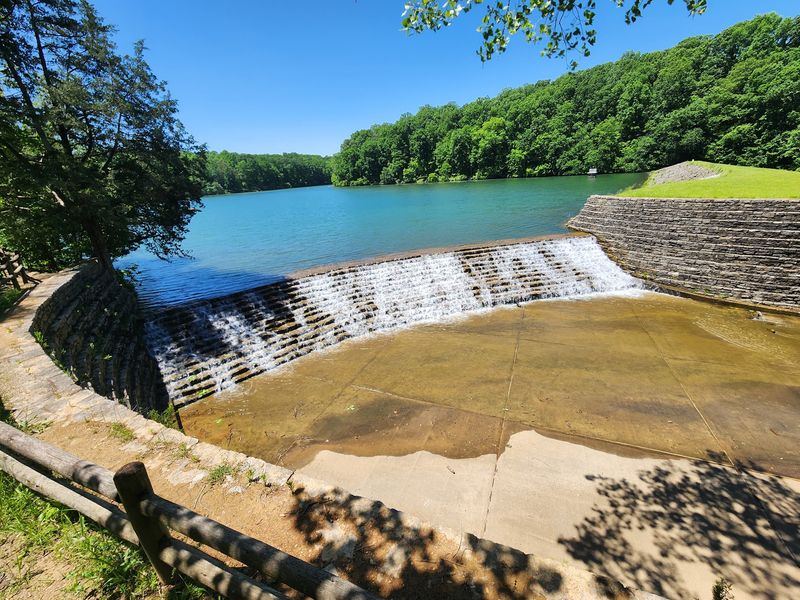
Montgomery Bell State Park offers a quieter, more peaceful outdoor experience compared to some of Tennessee’s busier parks. Located in Middle Tennessee near Burns, it features wooded trails, serene lakes, and a slice of history tied to the state’s early iron industry.
Admission is free, and the hiking is excellent.
The park has several trail options ranging from easy lakeside loops to more challenging forest paths. The trails wind through hardwood forests, past old stone structures from the 19th-century iron furnaces, and along the shores of Lake Acorn and Lake Woodhaven.
It’s a great spot if you want to combine a bit of history with your hike.
Wildlife is abundant here. Deer are common, and if you’re quiet and patient, you might spot wild turkeys, foxes, or a variety of songbirds.
The park’s relatively low visitor numbers mean the animals are often more relaxed and easier to observe than in heavily trafficked areas.
Fall is a particularly beautiful time to visit when the leaves turn brilliant shades of red, orange, and yellow. The reflection of the autumn colors on the lakes is postcard-perfect.
Spring wildflowers are lovely too, carpeting the forest floor with color.
There’s also a historic chapel on the grounds, a charming stone building that’s often used for weddings. You’re welcome to peek inside if it’s not in use.
The park’s mix of natural beauty and historical charm makes it feel a little different from your average state park. Pack some water, lace up your boots, and enjoy a few hours in the woods without spending a cent.
5. See the Waterfalls at Rock Island State Park, Rock Island
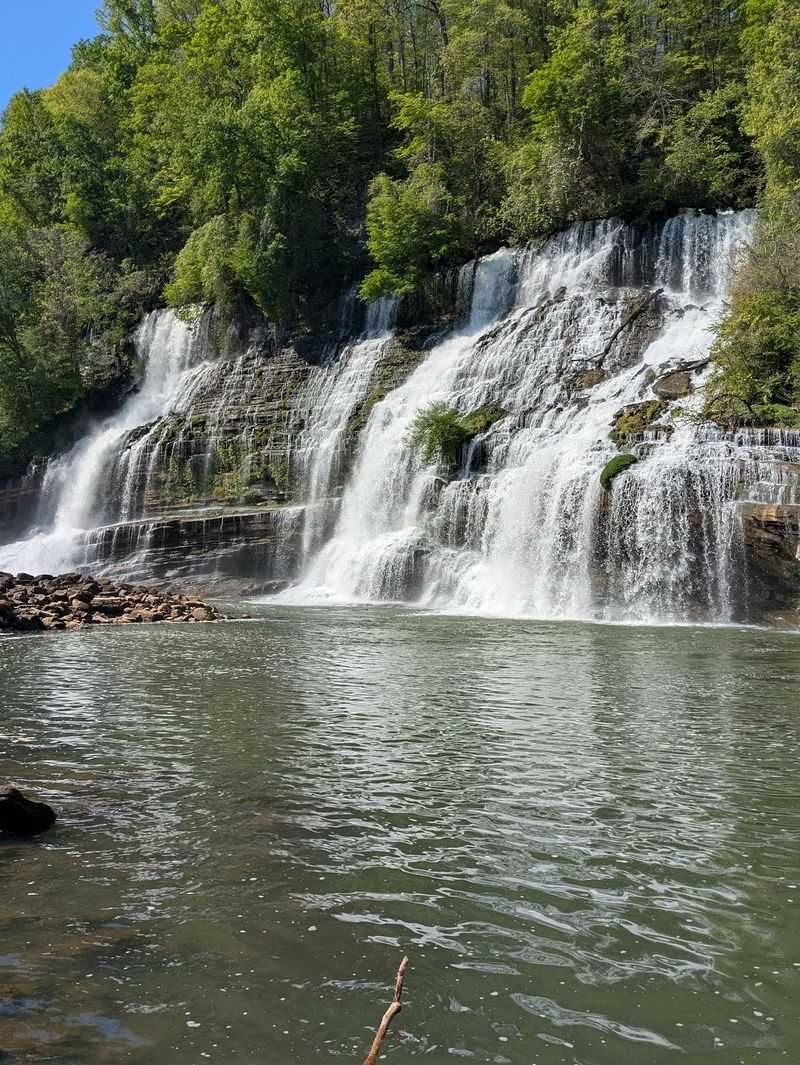
Rock Island State Park sits where the Caney Fork, Collins, and Rocky rivers come together, creating a dramatic landscape of gorges, bluffs, and waterfalls. The park’s centerpiece is the powerful cascade known as Great Falls, which isn’t a single drop but a series of rapids and falls that roar over rocky ledges.
It’s one of Middle Tennessee’s most impressive free attractions.
Multiple overlooks let you view the falls from different angles, and each one offers a unique perspective. The sound of the rushing water is almost deafening at some viewpoints, especially after heavy rains when the rivers are running high.
Bring a camera, because the photo opportunities here are endless.
The park also has hiking trails that explore the surrounding woodlands and riverbanks. Some trails are short and easy, perfect for a quick walk, while others are longer and take you deeper into the park’s rugged terrain.
The trails near the water can be slippery, so watch your footing, especially if you’ve got kids with you.
Swimming is allowed in certain areas during the summer, though the currents can be strong, so use caution. Kayaking and paddleboarding are popular too, but again, only if you’re experienced and confident in moving water.
If you’re just here to hike and sightsee, you’ll have plenty to enjoy without getting wet.
Rock Island State Park has a wilder, less manicured feel than some of Tennessee’s more famous parks, and that’s part of its appeal. It’s not overrun with crowds, and the natural beauty feels raw and untouched.
Pack a picnic, explore the trails, and take in the power of Tennessee’s rivers.
6. Hike to Burgess Falls Overlooks, Sparta
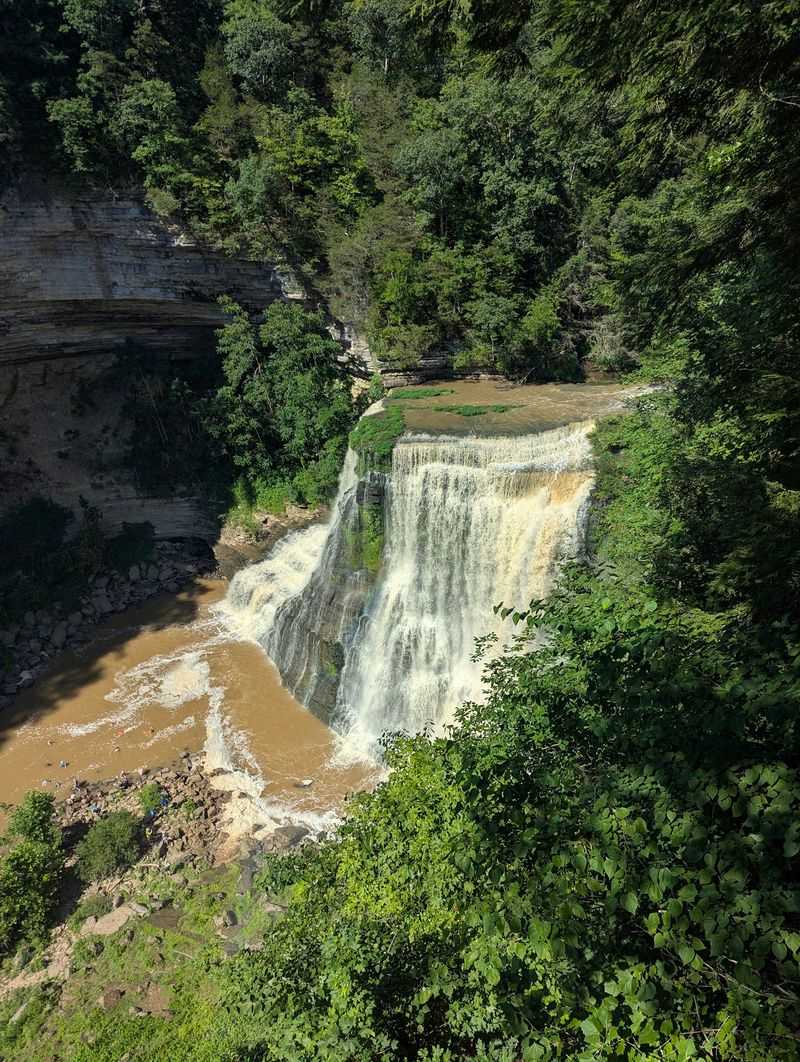
Burgess Falls is one of those waterfalls that sneaks up on you. The hike along the Falling Water River Trail starts off easy, winding through the woods and past a couple of smaller cascades.
Then you round a bend, and suddenly you’re standing at an overlook above a 136-foot waterfall plunging into a rocky gorge. It’s a jaw-dropping moment.
The trail is about a mile each way, mostly flat with a few gentle slopes. It’s well-maintained and clearly marked, making it accessible for most fitness levels. Along the way, you’ll pass three smaller waterfalls before reaching the grand finale, so there’s plenty to see even before you get to the main event.
The overlook platforms give you safe, unobstructed views of Burgess Falls. The mist rising from the base of the falls often catches the sunlight and creates rainbows, especially in the late morning.
It’s one of those sights that makes you stop and just stare for a while.
Spring and early summer are ideal times to visit because the water flow is strongest, making the falls more dramatic. During dry spells in late summer or fall, the waterfall can slow to a trickle, so timing matters if you want the full experience.
The park is open year-round, and there’s no entrance fee. Parking is free too, though the lot can fill up on weekends and holidays.
Arrive early if you want to avoid the crowds. Bring water, wear sturdy shoes, and maybe pack a snack to enjoy at one of the overlooks.
7. Chase Waterfalls at Fall Creek Falls State Park, Spencer
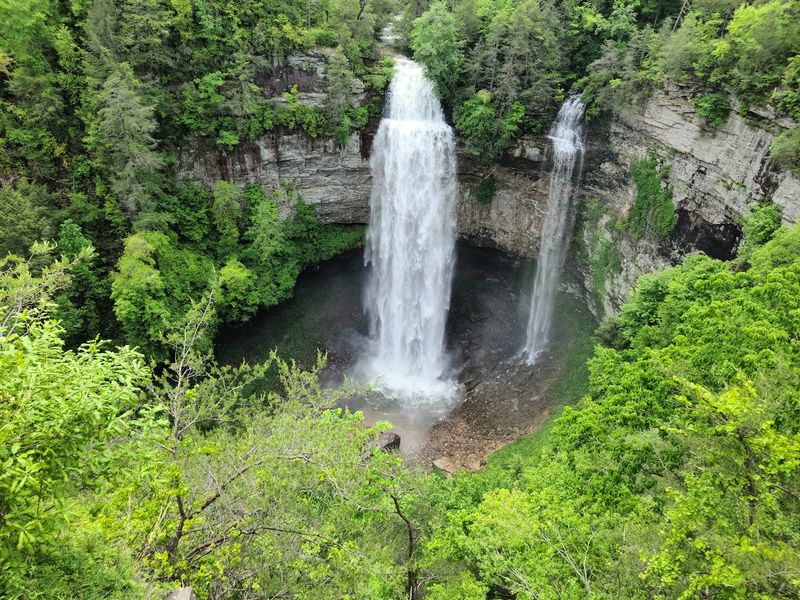
Fall Creek Falls State Park is home to some of Tennessee’s most spectacular waterfalls, including the park’s namesake 256-foot Fall Creek Falls, one of the tallest waterfalls east of the Mississippi River. The park is huge, covering more than 26,000 acres, and there are multiple waterfalls to explore, all without paying a dime to enter.
The main waterfall is accessible via a paved trail that leads to an overlook platform. From there, you can see the full height of the falls as it drops into a misty gorge below.
The view is breathtaking, and the sound of the water echoing off the rock walls adds to the drama. If you’re up for more adventure, a steeper trail descends to the base of the falls, where you can feel the spray and see the waterfall from a completely different angle.
But Fall Creek Falls isn’t the only attraction here. Cane Creek Falls, Cane Creek Cascades, Piney Falls, and Rockhouse Falls are all within the park, each offering its own unique beauty. You could easily spend a full day hiking from one waterfall to the next and never get bored.
The park’s trails range from easy walks to more strenuous hikes, so there’s something for everyone. Families with young kids can stick to the shorter, paved paths, while experienced hikers can tackle the longer loops that explore the park’s backcountry.
Fall and spring are the best seasons to visit, with cooler temperatures and vibrant foliage or blooming wildflowers. Summer can get crowded, but early morning visits help you beat the rush.
8. Walk the Tennessee Riverwalk, Chattanooga
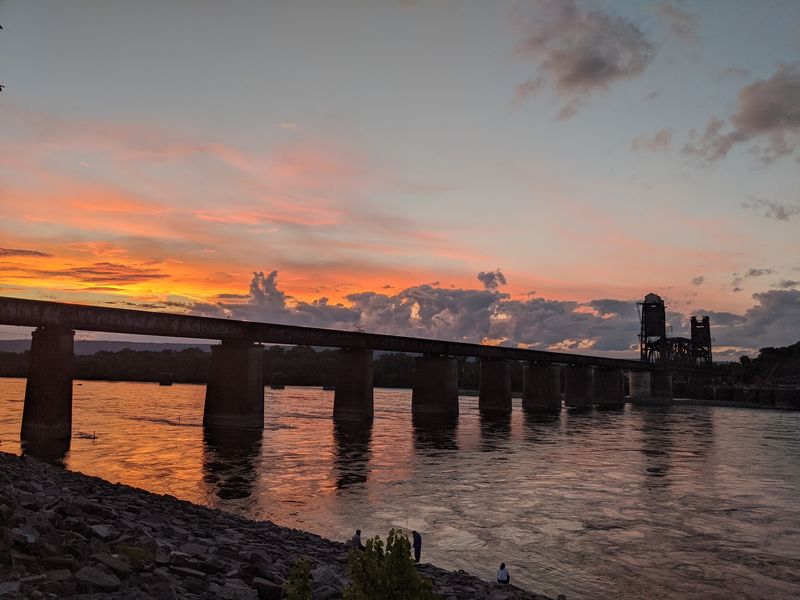
Chattanooga’s Tennessee Riverwalk is a 13-mile paved greenway that hugs the Tennessee River, connecting downtown Chattanooga with Chickamauga Dam. It’s one of the city’s best free outdoor spaces, perfect for walking, running, cycling, or just enjoying the river views without spending a cent.
The trail is mostly flat and completely paved, making it accessible for strollers, wheelchairs, and bikes. You don’t have to walk the entire 13 miles, of course.
Most people pick a section and explore at their own pace. The downtown portion is especially popular, with easy access to restaurants, parks, and river overlooks.
Along the way, you’ll pass public art installations, playgrounds, fishing spots, and plenty of benches where you can sit and watch the river flow by. The Riverwalk also connects to other Chattanooga attractions like Coolidge Park, Renaissance Park, and the Tennessee Aquarium, though you’ll pay to enter the aquarium itself.
Wildlife is surprisingly abundant along the trail. Turtles sunbathe on rocks near the water’s edge, herons stalk fish in the shallows, and ducks paddle along the riverbank.
It’s a nice reminder that even in the heart of a city, nature finds a way.
Sunrise and sunset are magical times to visit, when the light reflects off the water and the city skyline glows. The trail is well-lit and safe for evening walks too, making it a popular spot for after-work exercise or a casual date night stroll.
Bring a bike or just your walking shoes, and enjoy one of Tennessee’s best urban trails. The Tennessee Riverwalk proves that Chattanooga knows how to blend city life with outdoor adventure.
9. Hike to Foster Falls, Sequatchie
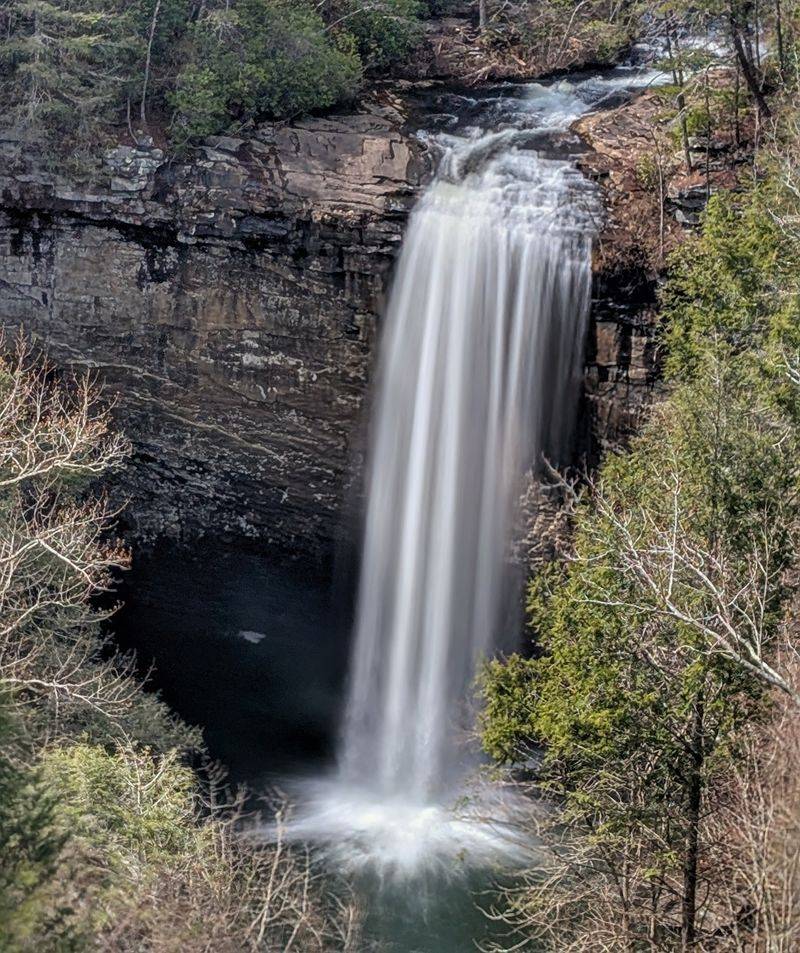
Foster Falls is a hidden gem on the Cumberland Plateau, offering a more rugged and wild experience than some of Tennessee’s better-known waterfalls. The 60-foot waterfall drops into a rocky gorge surrounded by dense forest, and the hike to reach it feels like stepping into true wilderness.
Best of all, it’s completely free to visit.
The trail to the base of the falls is short but steep, descending quickly through the woods and over rocky terrain. It’s not a difficult hike, but it does require some caution, especially on the way back up.
Wear sturdy shoes with good grip, and take your time on the slick sections.
Once you reach the bottom, the sight of Foster Falls is worth every step. The water crashes down into a clear pool surrounded by moss-covered rocks and towering cliffs. It’s a popular spot for rock climbers, so don’t be surprised if you see people scaling the gorge walls. Watching them adds an extra layer of excitement to the visit.
Swimming is allowed in the pool at the base of the falls, and on hot summer days, it’s incredibly refreshing. The water is cold year-round, so be prepared for a shock when you first jump in.
If swimming isn’t your thing, just sitting on the rocks and listening to the waterfall is relaxing enough.
Foster Falls doesn’t get as much attention as Fall Creek Falls or Burgess Falls, which means it’s often less crowded. That makes it a great choice if you want a more peaceful, off-the-beaten-path experience.
10. Explore Roan Mountain State Park, Roan Mountain
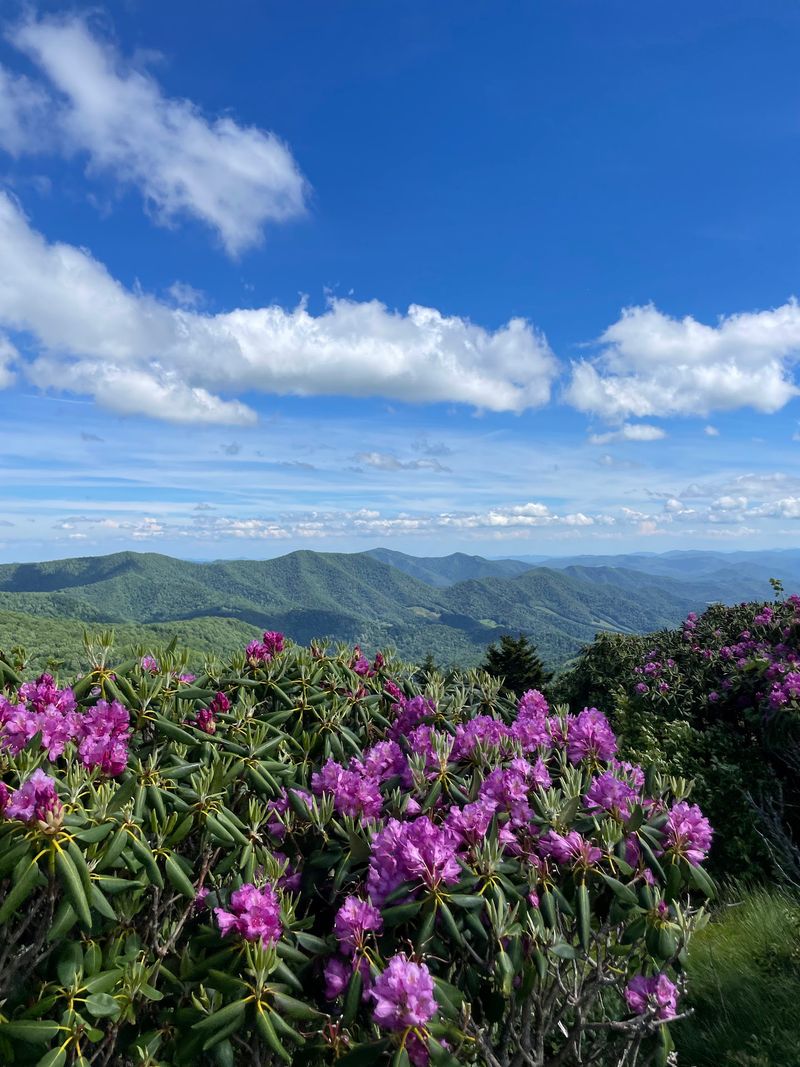
Roan Mountain State Park sits in the far northeast corner of Tennessee, where the Appalachian Mountains dominate the landscape. The park is famous for its rhododendron gardens, which explode with pink and purple blooms in June, but it’s worth visiting year-round for the mountain trails, cool streams, and stunning scenery.
Admission is free.
The park has several hiking trails that range from easy nature walks to more challenging mountain climbs. The trails wind through hardwood forests, along clear mountain streams, and up to high-elevation viewpoints where you can see for miles.
Fall is an especially beautiful time to visit, when the leaves turn brilliant shades of red, gold, and orange.
Roan Mountain is also home to one of the largest natural rhododendron gardens in the world, located on the nearby Roan Highlands. While the gardens themselves are outside the state park, the park serves as a gateway to this natural wonder.
If you visit in mid-June, you’ll catch the peak bloom, which is absolutely breathtaking.
Wildlife is abundant here. White-tailed deer, black bears, wild turkeys, and a variety of songbirds call the park home.
Early morning hikes often reward you with wildlife sightings, especially if you move quietly and keep your eyes open.
The park also features historic cabins and a visitor center where you can learn about the area’s natural and cultural history. Picnic areas are scattered throughout the park, making it easy to pack a lunch and spend the whole day exploring.
Roan Mountain State Park offers a true Appalachian experience, and it’s all free to enjoy.
11. Hike to Conasauga Falls, Tellico Plains
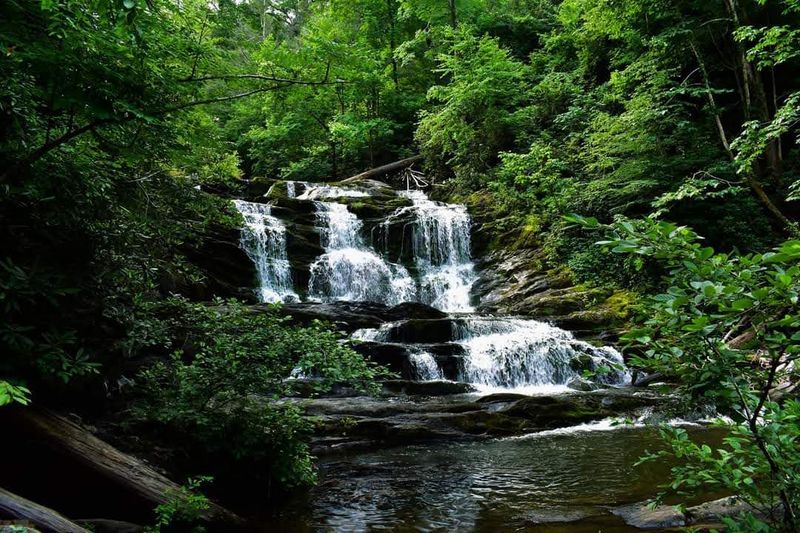
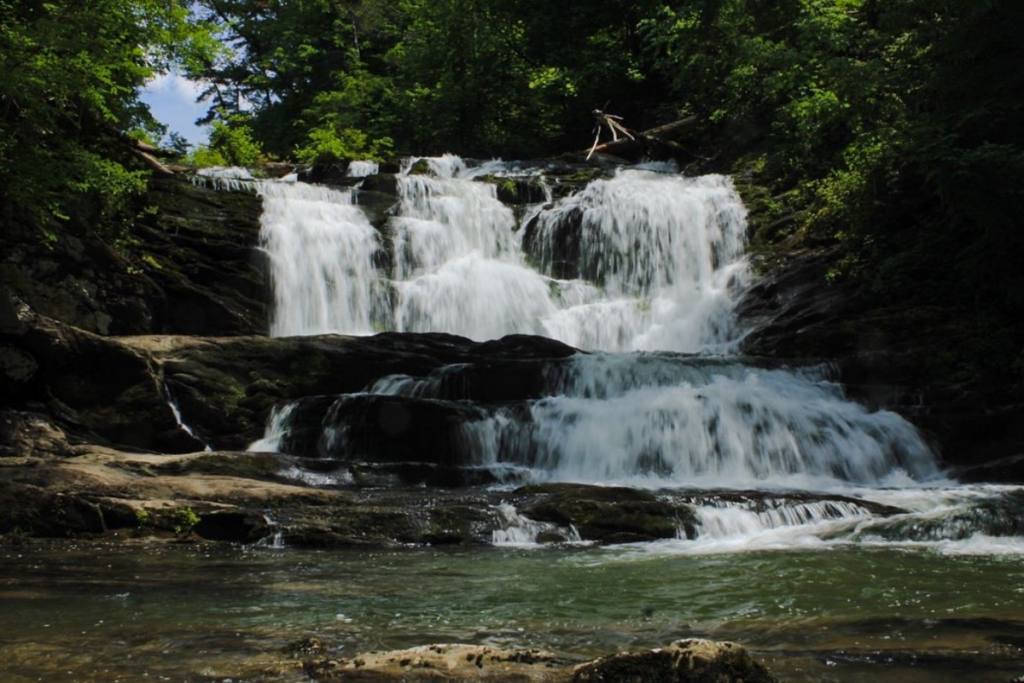
Conasauga Falls is one of those waterfalls that feels like a reward for adventurers willing to venture off the beaten path. Located in the Cherokee National Forest near Tellico Plains, this multi-tiered waterfall tumbles down a series of rocky ledges, creating a beautiful cascade surrounded by thick forest.
It’s more secluded than Tennessee’s famous state-park falls, and that makes it special.
The hike to Conasauga Falls is about a mile each way, mostly downhill on the way in and uphill on the way back. The trail follows an old forest road before narrowing into a footpath that descends to the base of the falls.
It’s not a difficult hike, but the trail can be muddy and slippery, especially after rain, so watch your step.
When you reach the falls, you’ll find a peaceful spot where the water flows over moss-covered rocks and pools at the bottom. The sound of the waterfall and the surrounding forest creates a sense of calm that’s hard to find in busier, more popular locations.
It’s a great place to sit, relax, and enjoy nature without the crowds.
Spring is the best time to visit when the water flow is strongest and the forest is lush and green. Wildflowers bloom along the trail, adding splashes of color to the scenery. Summer visits are nice too, though the waterfall may slow to a trickle during dry spells.
Because Conasauga Falls is in a national forest, there are no entrance fees or parking charges. It’s a true hidden gem that rewards those who seek it out.
Bring plenty of water, wear good hiking shoes, and take your time exploring this beautiful corner of Tennessee.
Share this story