Tennessee has plenty of famous destinations that draw crowds year-round, but some of the state’s most charming places remain wonderfully uncrowded. Tucked away in rolling hills, river valleys, and mountain coves, these small towns offer authentic experiences without the tourist rush.
If you’re looking for a quieter side of Tennessee where you can stroll historic streets, chat with locals, and discover hidden gems, these under-the-radar spots deserve a place on your travel list.
1. Granville
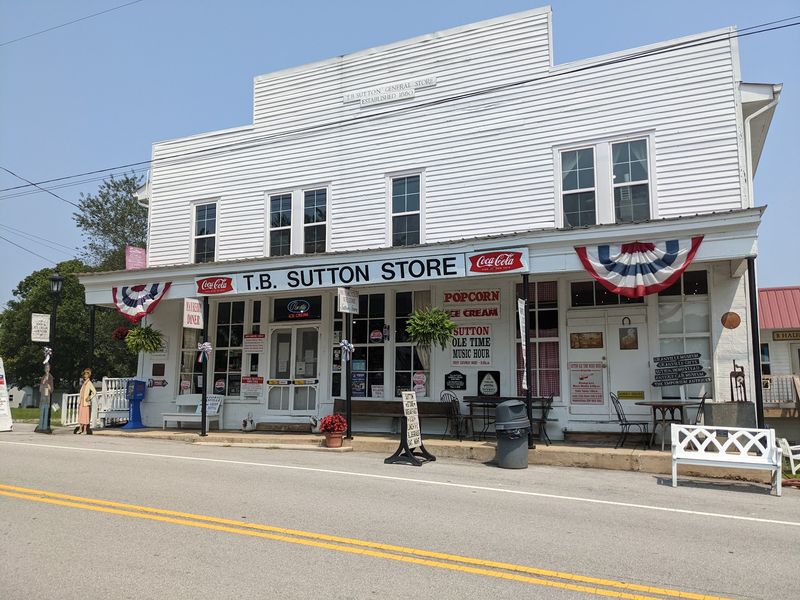
Most people speed right past Granville on their way to bigger destinations, and that’s exactly what keeps this Jackson County gem so peaceful. The town sits in a beautiful valley surrounded by the Cumberland Plateau, where the pace of life slows down enough that you actually notice the wildflowers growing along the roadside.
Downtown Granville feels like stepping back several decades in the best possible way. The old storefronts tell stories of a time when these streets bustled with farmers and merchants.
Today, you’ll find a handful of local businesses run by folks who know everyone by name and genuinely enjoy a good conversation.
The countryside around Granville offers some seriously underrated scenery. Rolling farmland stretches between forested ridges, and the backroads lead to spots where you can pull over and not see another car for twenty minutes.
If you’re into photography or just need a break from constant noise, this area delivers.
Outdoor enthusiasts appreciate Granville’s proximity to Cordell Hull Lake, where fishing and boating happen without the crowds you’d find at more popular reservoirs. The shoreline has quiet coves perfect for kayaking, and the surrounding trails offer hiking with actual solitude.
What makes Granville special isn’t any single attraction but rather the whole vibe of the place. It’s a town where people still wave from their porches, where the local diner knows your coffee order by your second visit, and where you can actually hear birds singing over the sound of traffic.
For travelers tired of fighting crowds at Tennessee’s hotspots, Granville offers something increasingly rare: genuine small-town tranquility without the tourist veneer.
2. Bell Buckle
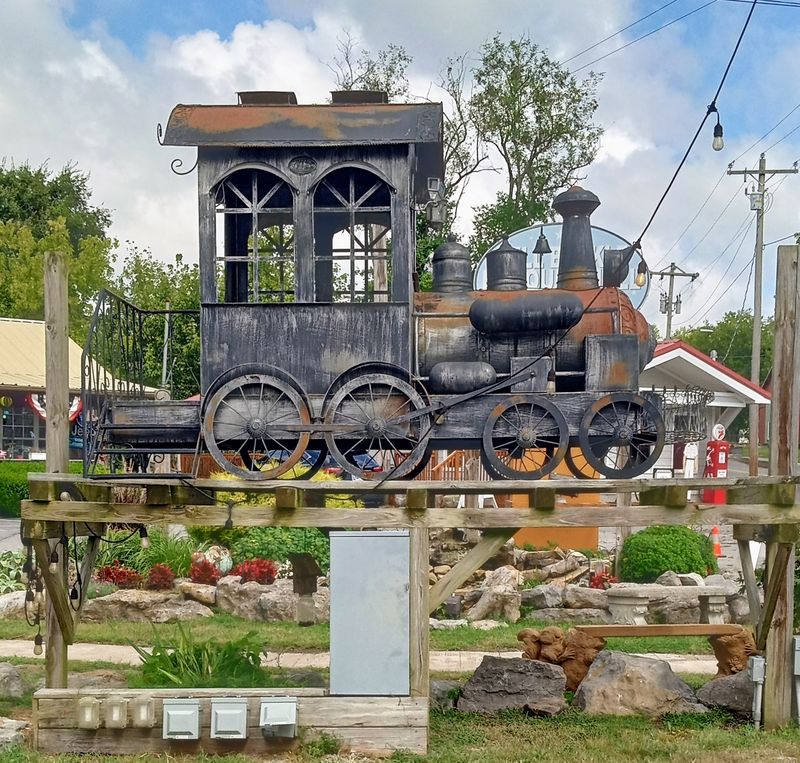
With a population that barely breaks 500, Bell Buckle packs more personality per square foot than towns ten times its size. This Bedford County treasure has turned its small scale into an advantage, creating a walkable downtown that feels like browsing through your coolest aunt’s attic.
The town’s name alone sparks curiosity, and locals love sharing the disputed origin stories. Whether it came from a fancy bell-shaped buckle found by a surveyor or something else entirely, the quirky name fits the town’s character perfectly.
Bell Buckle embraces its eccentricity rather than hiding it.
Antique shops line the historic main street, but these aren’t stuffy showrooms with untouchable merchandise. Shop owners actually want you to dig through the collections, and they’ve got stories about half the items for sale.
You’ll find everything from vintage farm equipment to rare books, often at prices that haven’t caught up with big-city inflation.
The Bell Buckle Cafe has earned a reputation that reaches far beyond the town limits, serving up Southern comfort food that draws visitors from Nashville and beyond. Their pies deserve every bit of praise they receive, and the atmosphere stays refreshingly unpretentious despite the attention.
Several festivals throughout the year bring temporary crowds, but visit on a regular weekend and you’ll have the streets mostly to yourself. The nearby walking trails and countryside roads offer easy exploration, and the whole area maintains an artistic, slightly bohemian vibe that sets it apart from typical rural Tennessee towns.
Bell Buckle proves that staying small doesn’t mean staying boring.
3. Tellico Plains
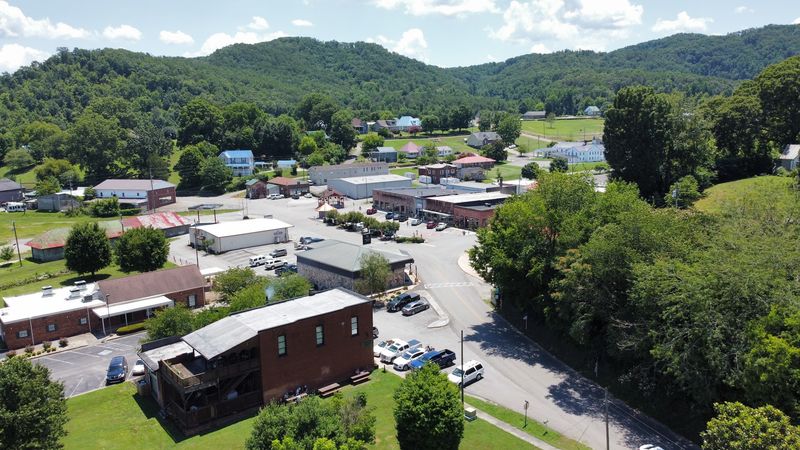
Tellico Plains sits at the gateway to some of Tennessee’s most spectacular mountain scenery, yet somehow it remains off most tourists’ radar. This Monroe County town serves as the eastern starting point for the Cherohala Skyway, one of America’s most beautiful drives, but the town itself deserves more than just a gas station stop.
The downtown area keeps things simple and authentic. You won’t find chain restaurants or tourist trap gift shops here.
Instead, local diners serve breakfast to farmers and Forest Service workers, and the conversations at the counter revolve around weather, fishing conditions, and local happeaking.
What really sets Tellico Plains apart is its location between the Cherokee National Forest and the Tellico River. Anglers consider the Tellico one of Tennessee’s premier trout streams, with miles of rushing water that stays cold enough for trout even in summer.
The fishing pressure here runs significantly lighter than more famous streams, meaning better chances at actually catching something.
Hiking opportunities surround the town in every direction. Trails range from easy riverside walks to challenging climbs that reward effort with panoramic views of the Unicoi Mountains.
During fall, the color display rivals anything you’ll see in the Smokies, but with a fraction of the visitors clogging the roads.
The Cherohala Skyway itself deserves a full day. This 43-mile scenic byway climbs through multiple ecosystems, offering pullouts where you can stand above the clouds on clear mornings.
Unlike the crowded Blue Ridge Parkway or Cades Cove, you can often drive for miles without seeing another vehicle. Tellico Plains gives you easy access to all this natural beauty while maintaining the quiet, genuine atmosphere that makes small-town Tennessee so appealing.
4. Hohenwald
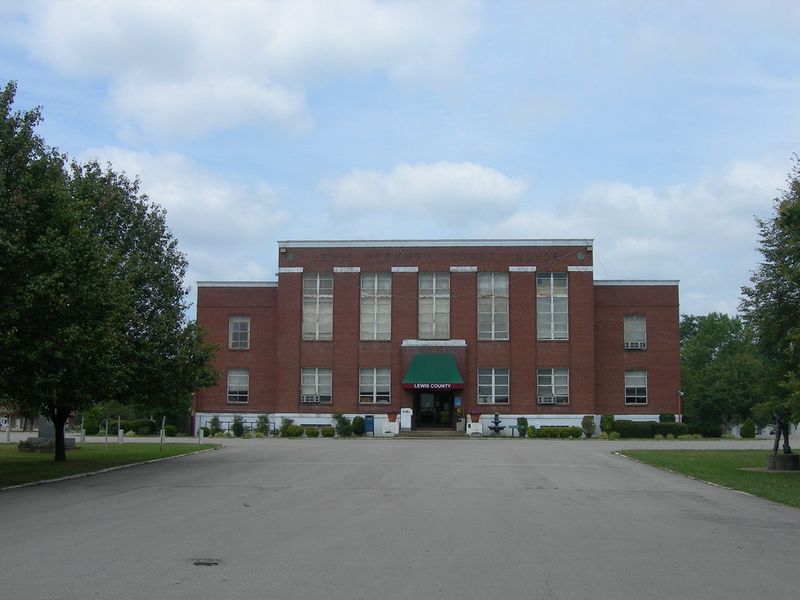
Hohenwald might sound like a Bavarian village, and there’s actually some German heritage behind the name, but this Lewis County seat is pure Middle Tennessee. The town gained unexpected fame as home to The Elephant Sanctuary, but most visitors never make it into town itself, missing out on a genuinely pleasant small community.
The courthouse square follows the classic Tennessee pattern, with the Lewis County Courthouse anchoring downtown and local businesses radiating outward. On weekday mornings, farmers still gather at the local restaurants to discuss crops and cattle prices over endless coffee refills.
This isn’t a show put on for tourists because there usually aren’t any tourists to perform for.
Meriwether Lewis, of Lewis and Clark fame, died under mysterious circumstances near Hohenwald, and his grave site sits just outside town along the Natchez Trace Parkway. The monument and small museum there receive surprisingly few visitors considering the historical significance.
You can often have the entire site to yourself, which adds to the contemplative atmosphere.
The surrounding countryside offers the kind of peaceful rural scenery that’s becoming harder to find. Rolling pastures, small family farms, and winding country roads create perfect conditions for leisurely drives or bicycle rides.
The lack of development means dark skies at night, making Hohenwald area great for stargazing.
Local businesses maintain that small-town friendliness that can feel jarring if you’re used to city anonymity. Shop owners will actually stop what they’re doing to help you find something, and they mean it when they tell you to have a nice day.
Hohenwald doesn’t try to be anything other than what it is: a working agricultural community that happens to sit in a pretty part of Tennessee.
5. Waverly
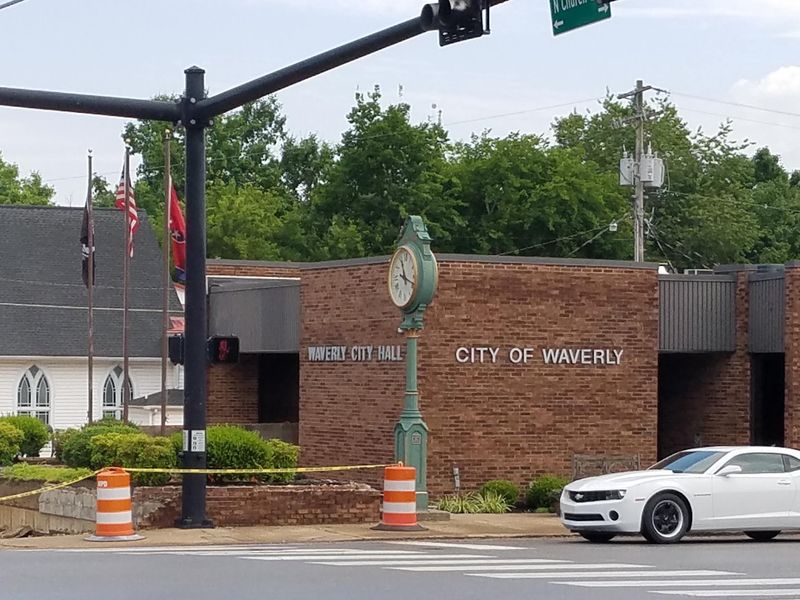
Positioned along the banks of Kentucky Lake in Humphreys County, Waverly combines waterfront recreation with authentic small-town living. While lake communities often get overrun with vacation homes and tourist development, Waverly maintains its identity as a real town where real people live year-round.
The historic downtown survived devastating floods over the years, and the resilience shows in how locals have rebuilt and preserved their community character. Old storefronts house locally-owned businesses, and the town square area provides a genuine gathering place rather than just a photo opportunity.
On Saturday mornings, people actually shop at the local stores instead of just snapping pictures for social media.
Kentucky Lake access from Waverly gives you all the fishing and boating opportunities without the marina crowds found at more developed areas. The lake’s reputation for crappie and bass fishing is well-deserved, and local anglers will point you toward productive spots if you ask nicely at the bait shops.
The shoreline here has a more natural feel compared to heavily developed sections elsewhere on the lake.
Loretta Lynn was born just outside Waverly in Butcher Holler, and while the famous cabin draws some visitors, the area hasn’t been theme-parked into oblivion. You can explore the countryside where she grew up and still find the rural poverty and natural beauty that shaped her music.
The town hosts several community events throughout the year that feel genuinely local rather than manufactured for tourist dollars. Street festivals here mean church groups selling homemade desserts and local bands playing for free, not corporate sponsors and $12 beers.
Waverly offers a slice of lake life that stays grounded in community rather than vacation rental profits.
6. Rugby
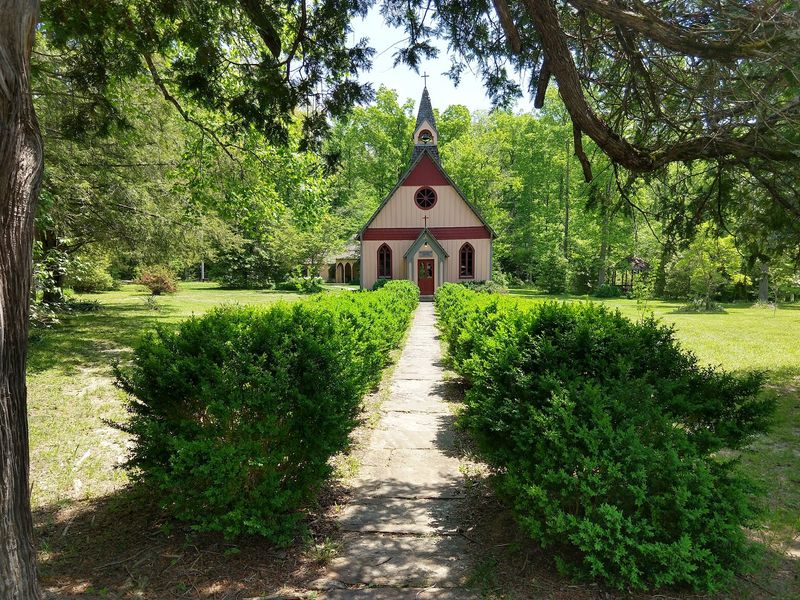
Rugby stands as one of Tennessee’s most unusual towns, founded in 1880 as a utopian colony for British younger sons who couldn’t inherit their family estates. The experiment in creating a classless society didn’t quite work out as planned, but it left behind a remarkable collection of Victorian buildings preserved in the Cumberland Plateau wilderness.
Walking through Rugby feels genuinely otherworldly. The architecture looks like it was airlifted from rural England and dropped into the Tennessee mountains.
Christ Church Episcopal, built in 1887, still holds services and maintains its original hanging lamps and beautiful woodwork. The building sits surrounded by forest rather than English countryside, creating a surreal contrast.
Historic Rugby, the preservation organization, maintains multiple original buildings that you can tour. The Thomas Hughes Free Public Library houses 7,000 Victorian-era books, many original to the colony.
Unlike many historic sites that feel sterile and roped-off, Rugby invites you to actually experience the spaces and imagine life in this unusual community.
The surrounding area offers excellent hiking in the Big South Fork region. Trails lead to waterfalls, overlooks, and swimming holes that see minimal traffic compared to state parks closer to major cities.
The forest here grows thick and wild, and you can hike for hours without seeing another person.
Rugby’s small size means you can explore the historic core in a few hours, but the atmosphere deserves a slower pace. Stay overnight at one of the historic buildings converted to lodging, and you’ll experience the profound quiet that settles over the plateau after dark.
No crowds, no traffic noise, just crickets and the occasional owl. For anyone interested in unusual history or simply wanting to step completely outside modern Tennessee, Rugby delivers an experience unlike anywhere else in the state.
7. Gainesboro

Gainesboro wraps around the Jackson County courthouse square in a layout that’s remained essentially unchanged for over a century. The Cumberland River flows just a few blocks away, and the combination of historic architecture and river access creates a town that feels both timeless and genuinely livable.
The courthouse itself, built in 1879, dominates the square with its distinctive architecture. Unlike county seats that have modernized their downtowns beyond recognition, Gainesboro’s square still functions as the town’s heart.
Local businesses occupy the storefronts, and people actually use the square for its intended purpose rather than treating it as a historic curiosity.
River access makes Gainesboro appealing for anyone who enjoys water-based recreation. The Cumberland here flows clean and relatively uncrowded, offering good fishing for smallmouth bass and catfish.
Several access points allow easy launching of kayaks or canoes, and the river’s character alternates between calm pools and gentle riffles perfect for paddling.
The town’s location puts you within striking distance of several natural attractions without being overrun by tourists heading to those destinations. Standing Stone State Park sits nearby, offering hiking, a small lake, and camping facilities that rarely fill up.
The park maintains a quiet, local feel because it doesn’t have the name recognition of bigger state parks.
What you won’t find in Gainesboro are tourist traps, chain restaurants, or crowds. The town operates at its own pace, with local restaurants serving straightforward Southern food and shops catering to residents rather than visitors.
If you’re looking for that increasingly rare experience of a Tennessee town that hasn’t been discovered and packaged for tourism, Gainesboro fits the bill perfectly. It’s a place where you can still experience small-town life as it actually exists rather than as it’s performed for cameras.
8. Dayton
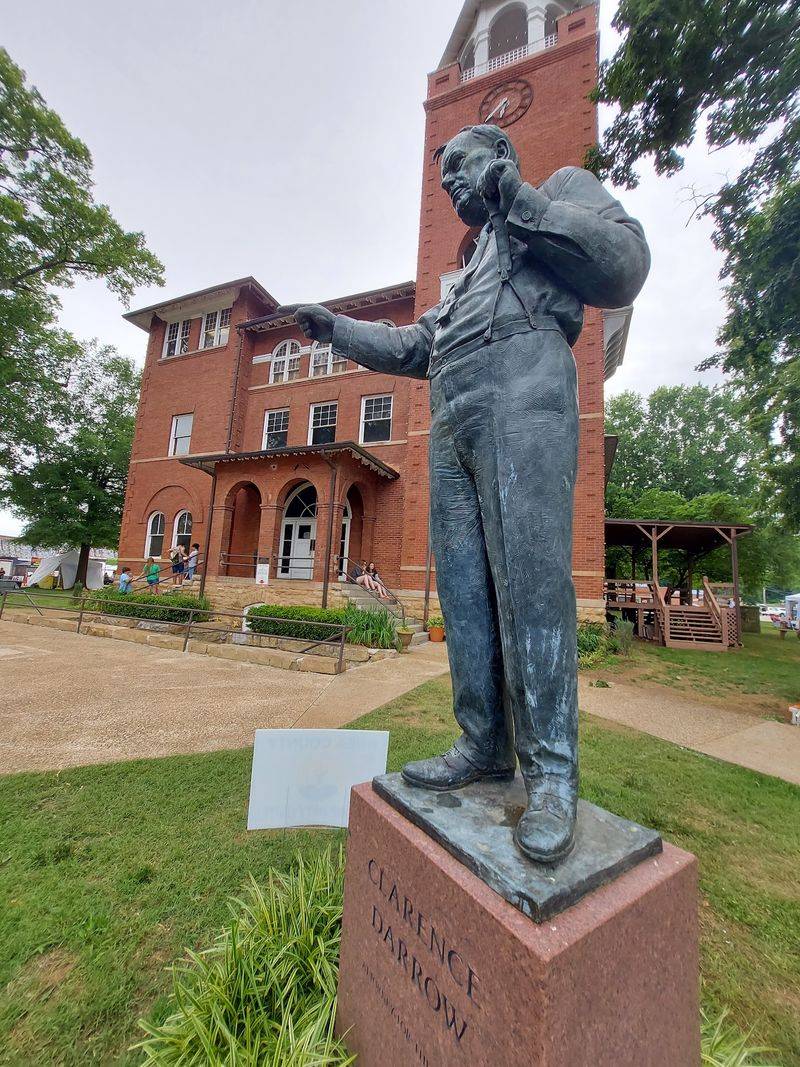
Dayton earned its place in history books as the site of the 1925 Scopes Trial, where a high school teacher was prosecuted for teaching evolution. The Rhea County Courthouse where the trial took place still stands, and you can visit the actual courtroom where Clarence Darrow and William Jennings Bryan faced off in what became known as the “Trial of the Century.”
Beyond its famous trial, Dayton functions as a real working town rather than a historical theme park. The downtown area maintains several blocks of operational businesses, and the courthouse square sees daily activity from locals going about their business.
The Scopes Trial Museum occupies the courthouse basement, offering a surprisingly balanced look at the trial and its impact.
Dayton’s location between Chattanooga and the Cumberland Plateau gives it geographic advantages that remain underutilized by tourists. The town sits close enough to the Tennessee River for water recreation and near enough to mountain trails for hiking, yet it doesn’t get the overflow crowds from nearby attractions.
Local restaurants serve solid Southern cooking without the markup you’d find in more tourist-heavy towns. The breakfast spots fill with farmers, factory workers, and courthouse employees, creating an authentic atmosphere where you’re more likely to overhear conversations about local politics than see people taking food photos.
Several antique shops and small museums downtown cater to history buffs, but they maintain reasonable hours and prices that suggest they’re not entirely dependent on tourist dollars. The town’s annual Scopes Trial Festival brings temporary crowds, but visit any other time and you’ll have the streets largely to yourself.
Dayton represents an interesting case of a town with genuine historical significance that hasn’t been completely transformed by that history. It remembers its famous moment while continuing to exist as an actual community.
9. Paris
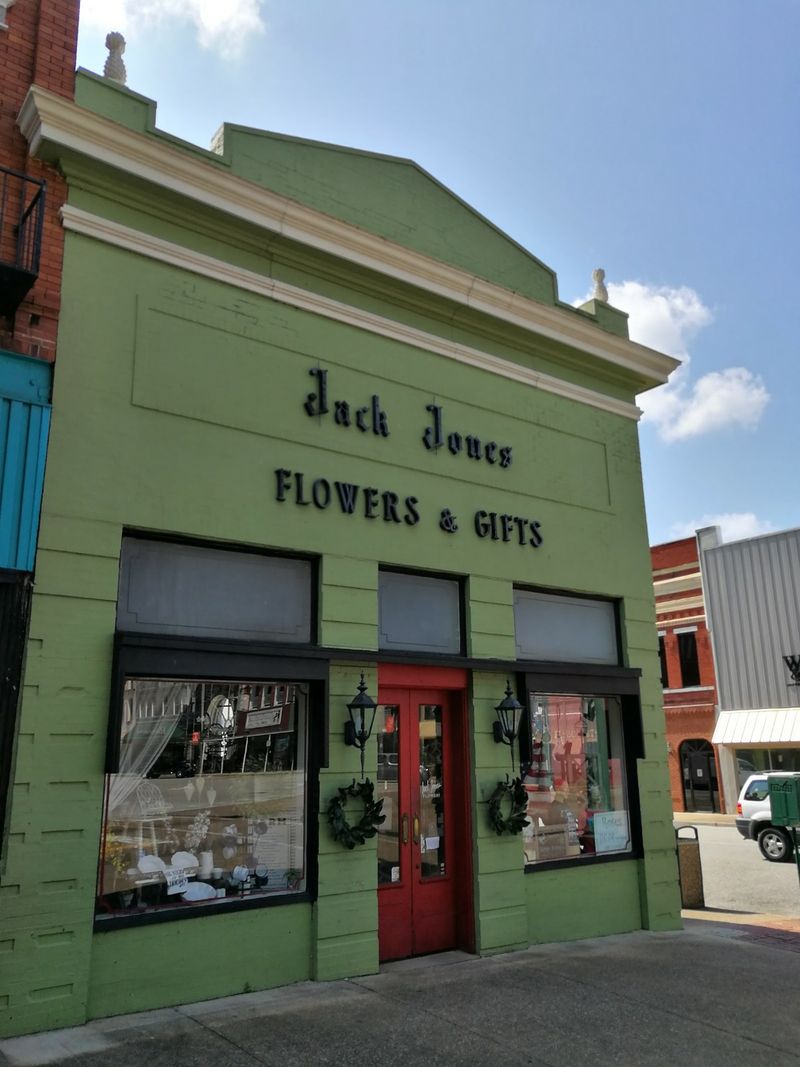
Paris, Tennessee, fully commits to its namesake by maintaining a 60-foot replica Eiffel Tower complete with a red beret on top. The tower stands in a small park and serves as the town’s most recognizable landmark, embracing the quirky coincidence of its name rather than pretending it doesn’t exist.
The Henry County seat has maintained a functional downtown that serves local residents first and visitors second. The courthouse square area includes the typical mix of county offices, law practices, and local businesses, but Paris has managed to preserve more of its historic commercial buildings than many comparable Tennessee towns.
Walking the square actually takes you past occupied storefronts rather than empty buildings or parking lots.
Kentucky Lake’s western shore sits just minutes from Paris, giving the town easy access to one of the South’s premier fishing destinations. Paris serves as a practical base for anglers who want actual amenities and restaurants after a day on the water, unlike some of the more remote lake communities that roll up the sidewalks after dark.
The downtown area includes several locally-owned restaurants that have built loyal followings. These aren’t trendy farm-to-table concepts or Instagram-worthy cafes, just solid cooking done well and served without pretension.
The breakfast places, in particular, deliver the kind of reliable Southern cooking that keeps locals coming back for decades.
Paris doesn’t pretend to be anything other than a small West Tennessee town that happens to have a funny name and a tower to match. The lack of tourism infrastructure means fewer visitors, which in turn preserves the authentic small-town atmosphere.
You can explore Paris in a couple of hours, snap your photo with the Eiffel Tower, and move on, or you can slow down and discover a town that’s more interesting than its gimmick suggests.
10. Harriman
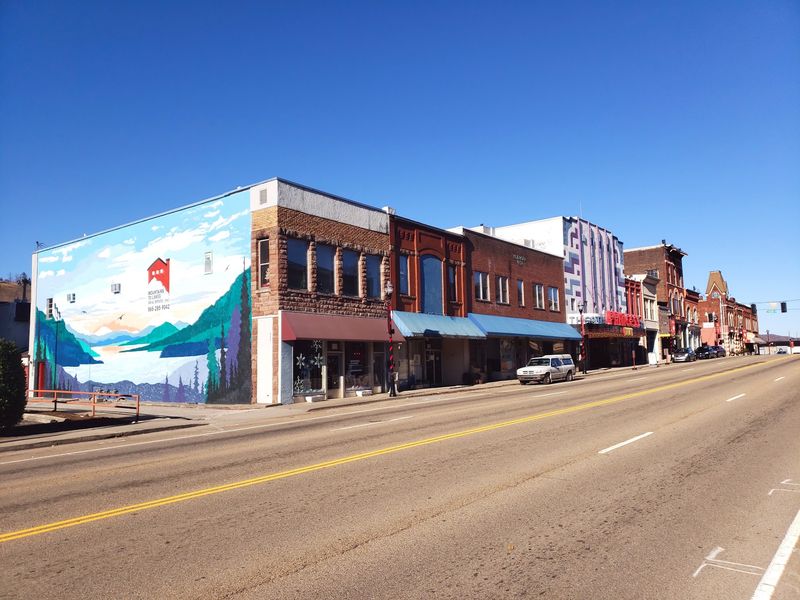
Harriman was founded in 1889 as a planned temperance town, which explains the unusually orderly street grid and the presence of numerous substantial Victorian buildings. The town’s founders envisioned a major industrial center that would operate without alcohol, attracting both industry and upstanding citizens.
While the grand vision never quite materialized, it left behind impressive architecture and an interesting history.
Downtown Harriman showcases more Victorian commercial buildings than you’d expect in a town of 6,000 people. Many of these structures have been maintained or restored, creating a downtown that actually looks like it has some history rather than just claiming it.
The Temperance Building and several other landmarks remind visitors of the town’s unusual origins.
The town’s location between Knoxville and Oak Ridge puts it close to larger cities without being absorbed into suburban sprawl. Watts Bar Lake sits nearby, offering fishing and boating opportunities, while the Cumberland Plateau looms to the west with its hiking and scenic drives.
Harriman serves as a practical base for exploring East Tennessee without the crowds or prices of more popular areas.
Railroad heritage runs deep in Harriman, and the town maintains connections to that history through preserved buildings and local museums. Train enthusiasts find Harriman interesting for its role in East Tennessee railroad development, though the town doesn’t make a big tourist production out of this heritage.
Local businesses downtown include antique shops, small cafes, and the kinds of practical stores that serve actual residents. You won’t find boutique shopping or craft cocktail bars, but you will find reasonable prices and people who appreciate your business.
Harriman represents an increasingly rare type of Tennessee town: one with genuine history and architecture that hasn’t been either abandoned or over-restored into something unrecognizable. It simply exists, quietly interesting for anyone who takes time to look.
11. Jonesborough
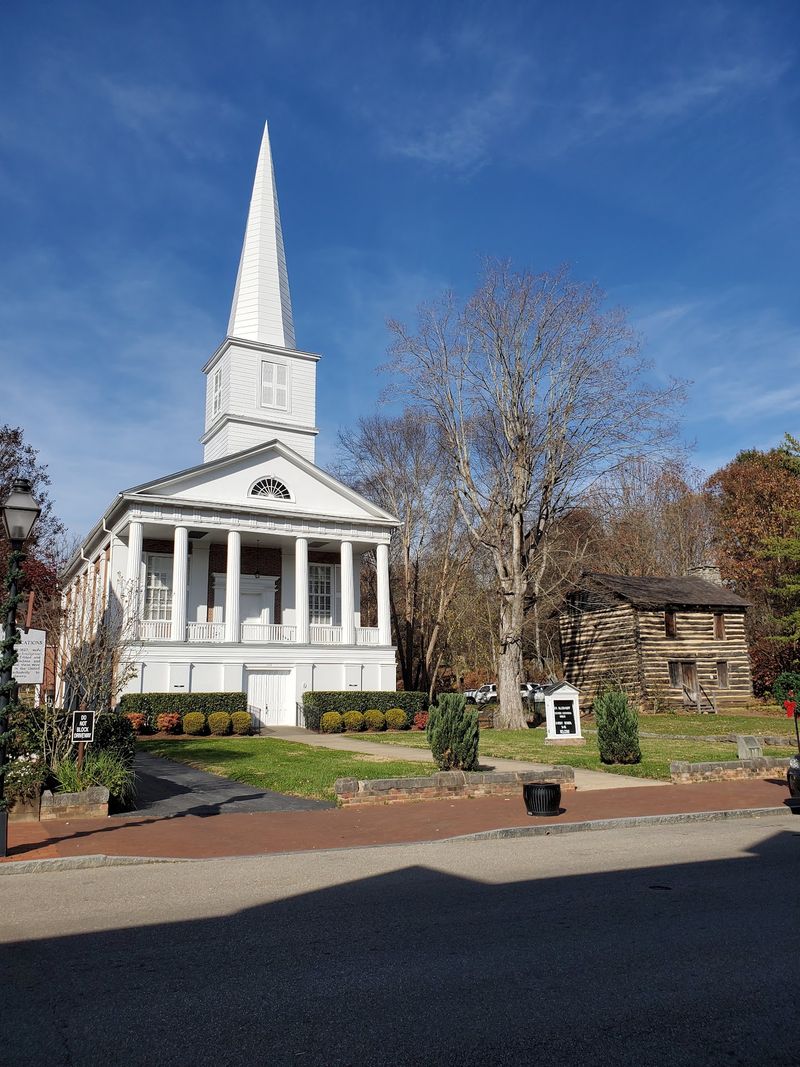
Jonesborough holds the distinction of being Tennessee’s oldest town, founded in 1779 before Tennessee even existed as a state. Unlike many historic towns that feel frozen in time as museum pieces, Jonesborough has managed to preserve its heritage while functioning as a living community.
The main street architecture spans multiple centuries, with buildings dating back to the late 1700s standing alongside Victorian-era structures and early 20th-century storefronts. The town has done preservation work without turning everything into cutesy shops selling candles and throw pillows.
Real businesses operate in these historic buildings, and locals actually use the downtown rather than abandoning it to tourists.
Jonesborough gained fame as the home of the National Storytelling Festival, held each October. The festival brings thousands of visitors and has put the town on the map for folk arts enthusiasts.
Visit any other time of year, though, and you’ll find the streets peaceful and the shops operating at a relaxed pace that encourages browsing.
The surrounding countryside offers typical East Tennessee scenery: rolling farmland backed by mountain ridges, with the Nolichucky River providing water recreation opportunities nearby. The town’s proximity to Johnson City and the Tri-Cities area means amenities are close when needed, but Jonesborough itself maintains its small-town character.
Several quality restaurants operate downtown, ranging from casual cafes to slightly upscale dining, all maintaining reasonable prices and welcoming atmospheres. The food scene here exceeds what you’d typically find in a town of 5,000, likely a spillover benefit from the storytelling festival’s success.
What makes Jonesborough work is the balance between preservation and practicality. The town respects its history without being imprisoned by it, creating a place where you can appreciate 18th-century architecture while grabbing good coffee and browsing shops that sell things you might actually want.
It’s Tennessee’s oldest town that doesn’t feel old and tired.