Tennessee is famous for music and mountains, but some of its best treasures have steeples. Across the state, old stone sanctuaries, golden ceilings, and glowing windows wait behind city streets and small-town corners. Whether you love history, art, or quiet places, these sacred spaces are worth a trip.
Grab your keys and get ready to see Tennessee in a whole new light.
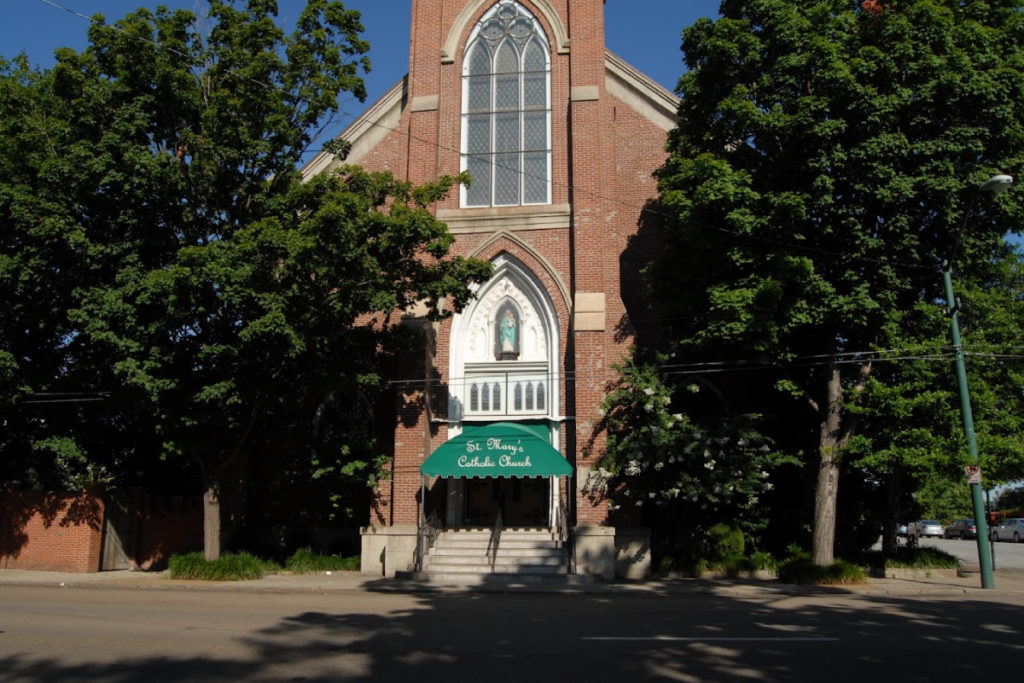
1. St. Mary Catholic Church, Memphis
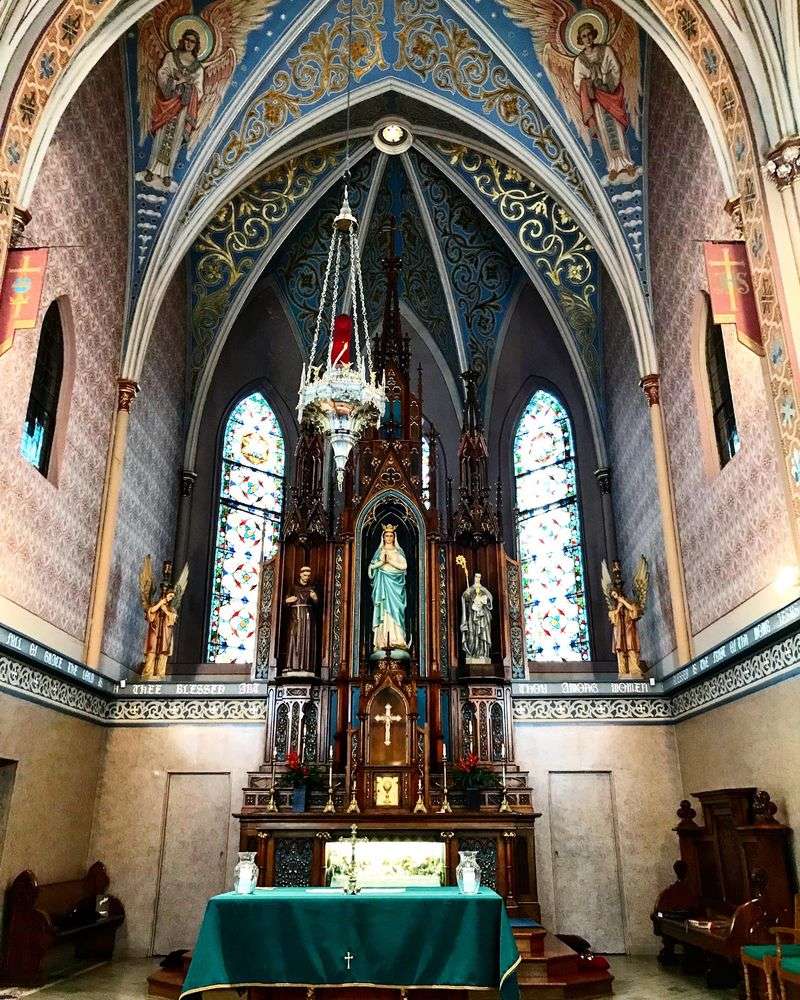
Step inside and your eyes go straight up. St. Mary Catholic Church in Memphis lifts the ceiling into soaring ribbed vaults that make the room feel taller than the building looks from outside.
The Gothic Revival style is the star here. Pointed arches, carved details, and a feeling of Old World hush give the space a look you might expect in Europe, not along a Mid-South street.
Stained glass fills the walls with color, especially when the sun is at the right angle. Statues and ornate decoration add layers to the view, so it pays to move slowly and look from different spots in the room.
Here is a simple trick for visitors: sit in a pew near the middle for a few minutes before you start snapping photos. From there, the vaulted ceiling frames the altar and you can see how the whole design pulls your gaze forward. It is the best way to understand why builders chose such a tall, dramatic style.
Remember that this is a working house of worship. Check service times ahead, keep your voice low, and ask before taking pictures during any gathering. A respectful visit goes a long way, and staff or volunteers are often happy to share stories if the timing is right.
Pair your stop with a walk through nearby parts of Memphis. You can finish with barbecue or a stroll, then let the quiet memory of those arches follow you around the rest of the day.
If you enjoy architecture, bring a small notebook. Jot down the shapes you spot: pointed windows, columns that stretch like tree trunks, and patterns that repeat along the walls. Kids can turn it into a scavenger hunt by counting statues or finding a favorite window.
It is a gentle, free way to make history feel alive.
2. Calvary Episcopal Church, Memphis
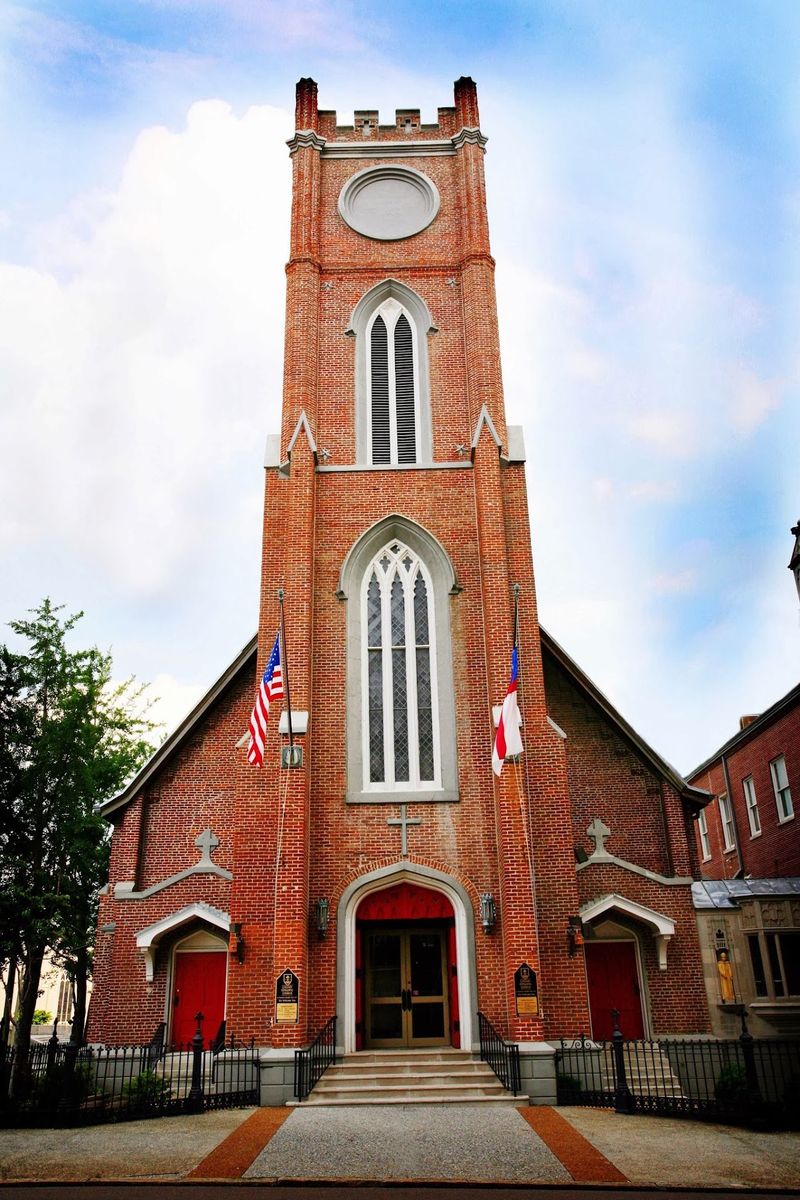
Some buildings simply refuse to quit. Calvary Episcopal Church began in 1832, and the church describes its sanctuary as the oldest public building in continuous use in Memphis. That is a lot of Sundays.
The historic bell tower dates to 1848, and it gives the property a calm, steady presence downtown. While traffic and city life move around it, the tower seems to say that some things are built to last.
Calvary is a great stop for people who like stories more than sparkle. Its beauty comes from age, proportion, and the feeling that countless families have walked through the same doors over the years.
Try visiting with a question in mind. How did people in the 1800s gather here, and what would they think of the city now? Asking that kind of thing turns a quick look into a mini time machine.
Practical tips help too. Downtown parking can be tricky, so plan a few extra minutes. Check the church’s schedule before going, since services and events may limit when visitors can wander inside.
Take a moment outside to study the building from the sidewalk. Notice how the tower anchors the whole design and how the lines draw your attention upward. Photographers often love the soft light near morning or late afternoon.
Calvary also makes a smart pairing with other downtown sights. You can build a day around history, museums, and music, and this church offers the quiet chapter in the middle.
If you collect travel memories, this one is about endurance. Wars, change, and a growing city all passed by, yet the sanctuary stayed open. That kind of staying power is its own kind of breathtaking.
Leave a little time to simply sit and listen. Old buildings have a sound of their own, a soft hush that makes the present feel slower. It is a nice reset between busy stops.
3. Trinity Episcopal Church, Clarksville
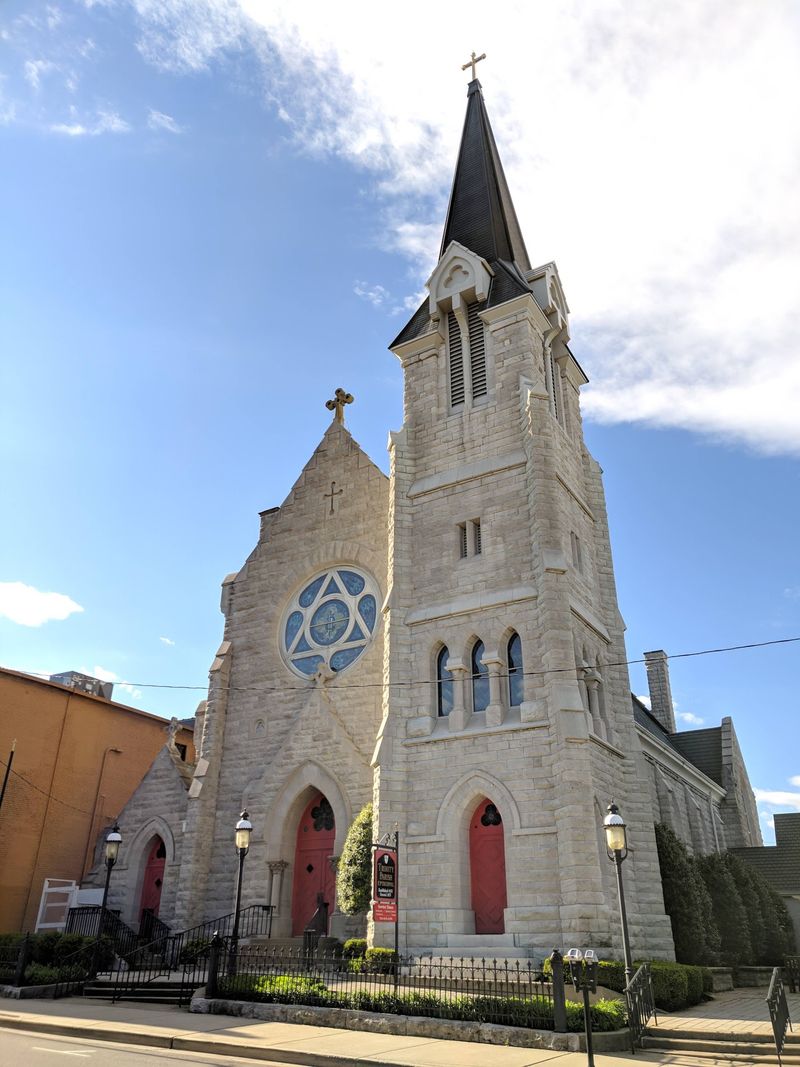
Stone has a way of making a building feel like it grew out of the ground. Trinity Episcopal Church in Clarksville has that sturdy, storybook look, and it makes a strong stop in the northwest part of Middle Tennessee.
The congregation dates to 1832, though the historic building you see today was completed in the 1870s. It is listed on the National Register of Historic Places, which is a nice sign that people value what stands here.
Walk around the outside first. Look at the texture of the stonework, the shape of the windows, and the way the roofline points toward the sky. Small details like these show off the care that went into 19th-century construction.
Clarksville is a town with plenty of history, so this church fits right into a day of wandering. Combine it with a stroll downtown, a coffee stop, and a look at nearby old buildings. You will start to notice how the past shapes the streets.
For a good visit, check service times and any open hours ahead. Churches are active communities, and a quick call or website check can save you a trip.
Bring a camera, but also bring patience. The best photos here come from stepping back and letting the full front of the building fit in the frame, then moving close for stone and window details.
Families can turn the visit into a game. Ask kids to spot shapes: arches, squares, and triangles. It is a simple way to teach how buildings are put together.
Trinity is not flashy, and that is part of its charm. It offers calm, craftsmanship, and the quiet pride of a place that has been part of town life for generations.
If you like slow travel, this is your kind of stop. Give it twenty minutes, and it will give you a surprisingly long memory.
4. Downtown Presbyterian Church, Nashville
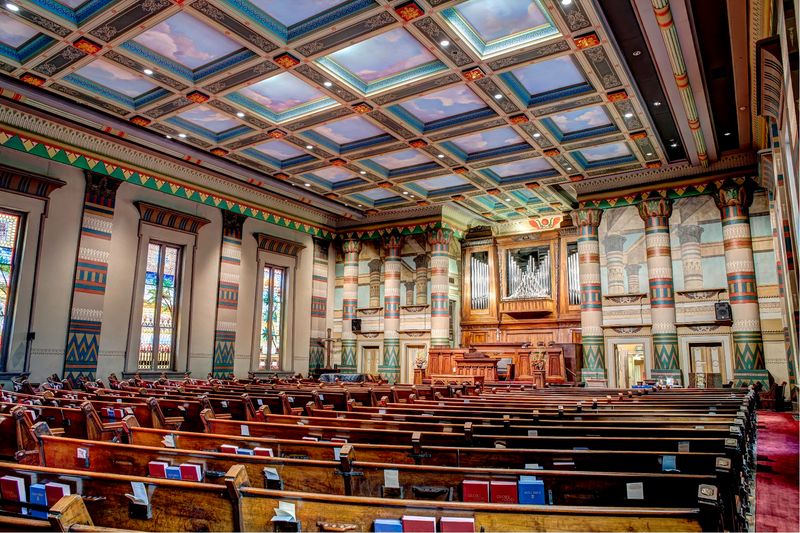
Pyramids in Tennessee? Not quite, but this church comes surprisingly close. Downtown Presbyterian Church in Nashville is a bold example of Egyptian Revival architecture, and it stops people in their tracks.
Designed by William Strickland, the building is exceptionally well preserved. Its heavy lines, strong columns, and temple-like presence feel unlike anything else you will see on a church tour of the state.
Inside, the surprise continues. Egyptian-inspired paintings and motifs decorate the space, turning the sanctuary into a mix of faith, history, and design daring.
Why would a church look like this? Egyptian Revival was a style that caught on in the 1800s, when people were fascinated by ancient Egypt. Knowing that makes the building feel less like a random quirk and more like a snapshot of its time.
Plan your visit with a little flexibility. Downtown Nashville is busy, and church schedules can change, so confirm hours and tour options before you head over. If you can step inside, take your time with the painted details.
Outside, try photographing the entrance from across the street. The scale of the columns is easier to appreciate from a distance, and the contrast with nearby modern buildings is a fun bonus.
This is a great pick for travelers who think they have seen every kind of church. It proves that sacred spaces can be playful, dramatic, and full of surprises.
Pair it with a walk through downtown and you can spot other architecture styles within a few blocks. The comparison makes the Egyptian look pop even more.
Bring a curious mind and a little sense of humor. It is hard not to smile when you see this much ancient flair on a Nashville street.
5. Cathedral of the Incarnation, Nashville
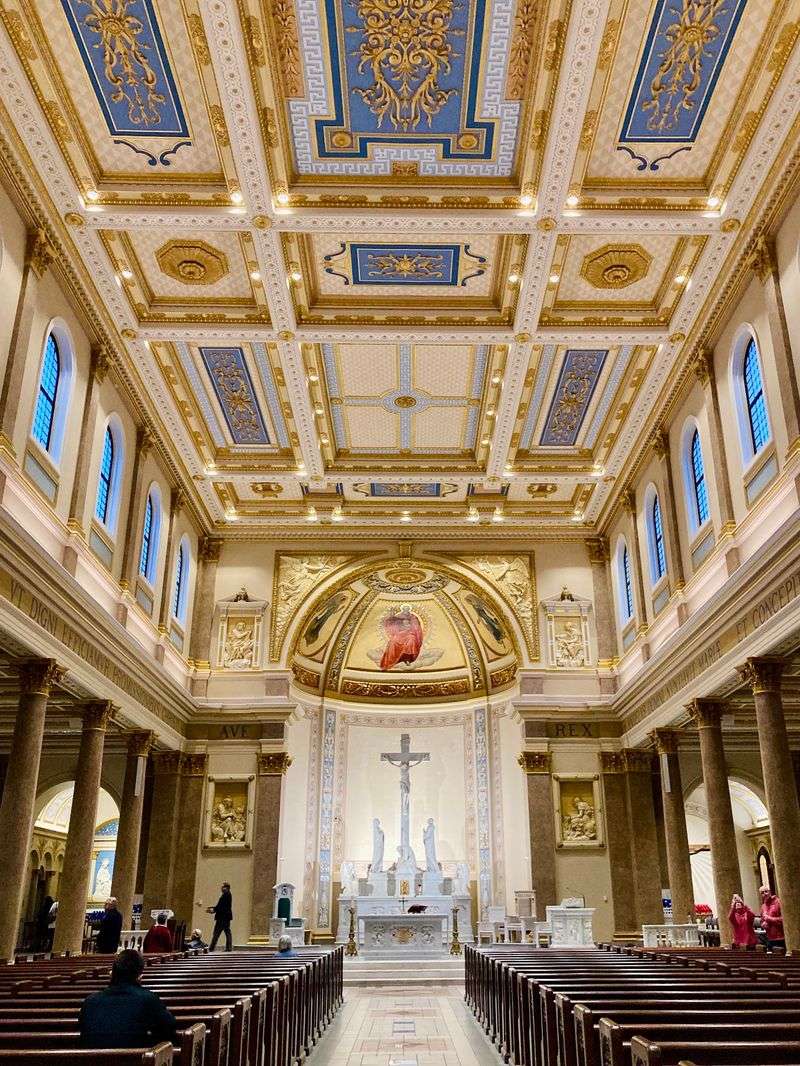
Gold overhead, red tile on top, and a bell tower rising nearby. The Cathedral of the Incarnation in Nashville feels like a sunny postcard from Italy, only with Tennessee roots.
Completed in 1914, the cathedral is built in an Italian Renaissance style. The red-tile roof stands out first, then the bell tower and the elegant rhythm of columns and pilasters.
Inside, look up. The gold-leaf ceiling gives the room a warm glow that changes with the light, making the space feel rich without feeling noisy.
This church is a wonderful contrast to Nashville’s other sacred buildings. Where some lean dark and stony, this one feels bright, balanced, and graceful.
For a smoother visit, check Mass times and visiting hours first. Cathedrals are active centers of worship, so respectful quiet and flexible timing are key.
Photographers should try a few angles. Capture the full exterior from a distance, then move closer to columns and tower details. Inside, take wide shots only when permitted and avoid disturbing anyone.
If you enjoy comparing styles, this is a perfect classroom. Notice how Renaissance design favors symmetry and calm proportions. Everything seems placed with care, like a well-set table.
Families can make it a learning stop by asking kids to find three patterns: one in the columns, one in the roof, and one in the ceiling. It keeps young eyes engaged.
Nashville has a reputation for neon and guitars, so a stop here offers a refreshing shift in tempo. You will leave with a quieter, more graceful picture of the city.
Give yourself time to sit and soak it in. Some places are better felt than rushed.
6. Christ Church Cathedral, Nashville
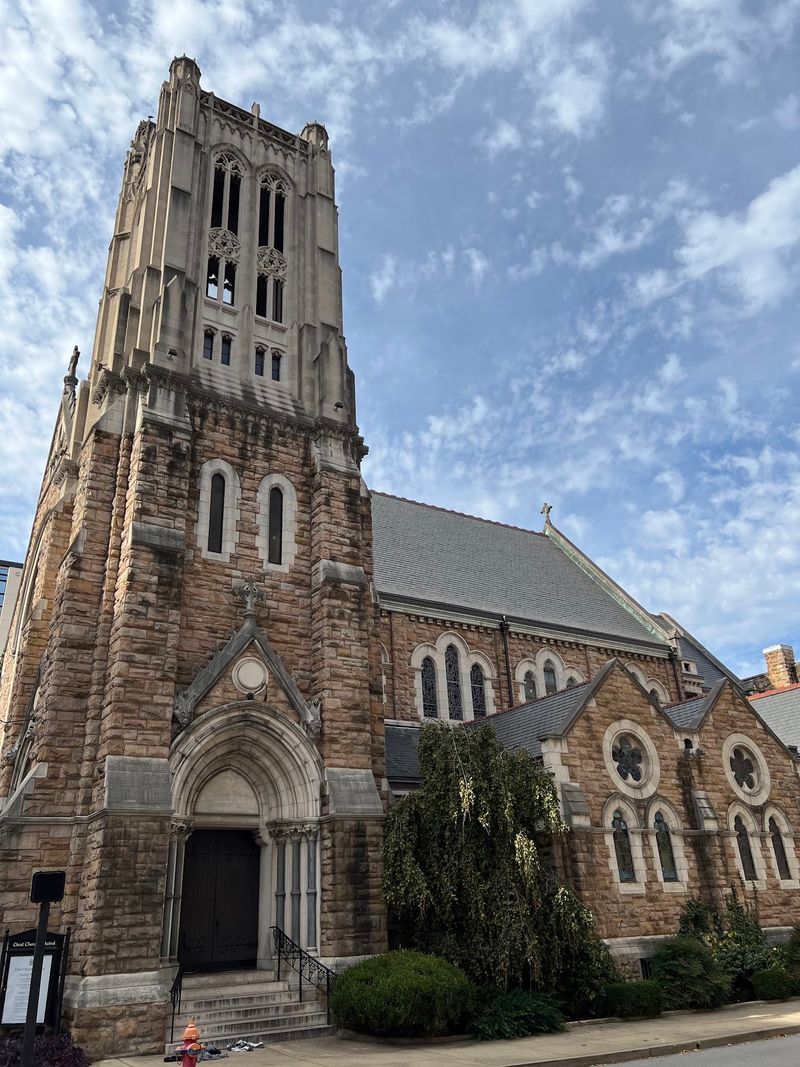
Gargoyles on a church? Yes, and Christ Church Cathedral in Nashville wears them well. This Gothic Revival beauty gives the city a taste of medieval drama.
Built in the late 19th century from Sewanee sandstone, the cathedral has a warm, earthy look that feels connected to Tennessee itself. The stone gives it weight, while the pointed shapes lift your eyes upward.
Inside, hand-carved woodwork and stained glass steal the show. Nashville’s historic-preservation material notes that some of the windows were designed by Louis Comfort Tiffany, a name famous in glass art.
When you visit, make a point of studying the windows from different spots. Colors shift as you move, and small details appear that you miss at first glance.
The woodwork deserves its own moment. Run your eyes along the carved lines and imagine the patience it took to shape them by hand.
As always, check service schedules and visitor policies before going. A cathedral is a living place of worship, and good timing helps you enjoy it without interrupting others.
This stop is perfect for people who love texture. Stone, wood, and glass all play different roles, and together they create a rich, layered feel.
Outside, look for the small sculptural touches. Gargoyles are not just decoration; they were traditionally linked to rainwater drainage, which is a fun fact for curious kids.
Nashville offers many ways to explore, but few are as quietly dramatic as this one. It is a great reminder that the city has depth beyond its stages.
Leave time for a slow walk around the exterior. The stonework looks different in morning light than at dusk.
7. Basilica of Saints Peter and Paul, Chattanooga
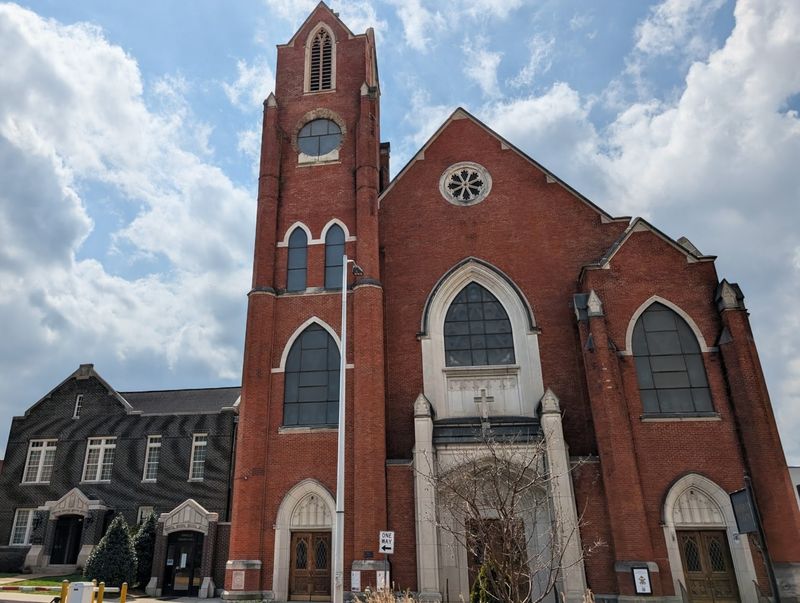
Some churches whisper, and some sing. The Basilica of Saints Peter and Paul in Chattanooga does a bit of both, with a Gothic design that feels grand yet welcoming.
The current church was dedicated in 1890 and later elevated to a minor basilica. That title is a special honor, and the building carries it with quiet confidence.
Inside, historic stained glass paints the walls in rich color. The Stations of the Cross, an old pipe organ, and restored architectural details add layers for visitors who like to linger.
Try starting at the back and walking slowly toward the front. You will notice how the arches guide you forward and how light changes as you move.
The restored details are a treat for anyone who enjoys craftsmanship. Fresh care has helped bring out the beauty of older features, showing how much the community values the space.
Plan ahead by checking service times and visiting guidelines. Because the basilica is an active parish, a respectful visit means keeping voices low and following any posted rules.
Chattanooga offers plenty of outdoor adventure, so this stop makes a nice change of pace. After hiking or riverfront strolls, a quiet interior can feel like a deep breath.
Photographers should look for contrast. Dark wood, bright glass, and soft stone make an appealing mix, especially when sunlight streams through the windows.
For families, turn it into a color hunt. Ask kids to find as many shades in the glass as they can. It is simple, free, and surprisingly fun.
This is one of the strongest picks on the list because it blends history, art, and living faith in a single space.
8. First Presbyterian Church, Knoxville
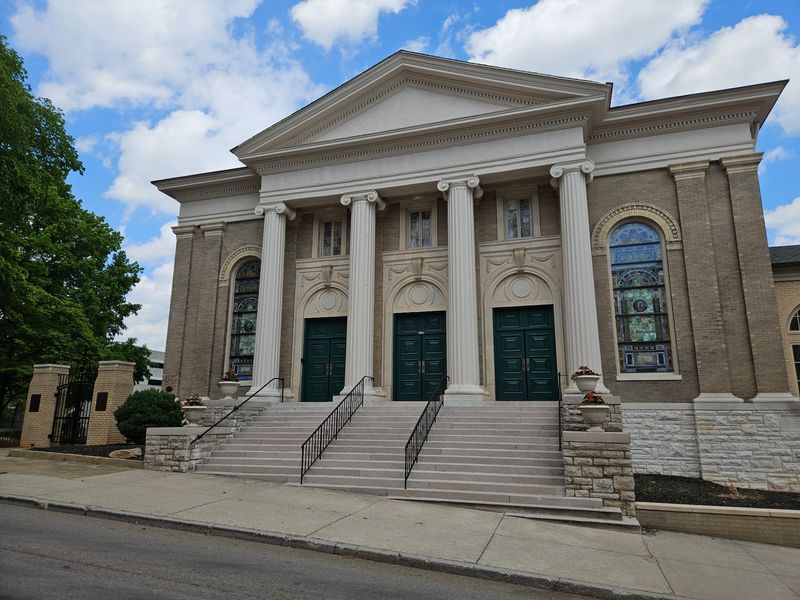
Knoxville’s story begins early, and so does this congregation. First Presbyterian Church traces its first congregation to 1792, making it part of the city’s earliest chapters.
Today’s sanctuary is known for its impressive collection of historic stained-glass windows. The works are connected to several prominent American studios, which makes the room feel like a small gallery of glass art.
Spend time with the windows one by one. Look for faces, folds of cloth, and tiny patterns in the borders. The more you look, the more detail appears.
Light is the secret ingredient. On bright days the colors glow, and on cloudy days they feel deeper and calmer. Either way, the glass changes the mood of the room.
If you love art, this stop is a gem. It shows how craftspeople used color and shape to tell stories long before screens and posters.
As with other active churches, check visiting times before you go. Services, weddings, and events may affect when you can step inside.
Knoxville is a good place to combine history with modern city fun. After your visit, you can wander nearby streets and think about how much the city has changed since the 1790s.
Bring a friend and play a game: each person picks a favorite window and explains why. It turns a quiet visit into a shared conversation.
Photographers can try close shots of small glass details instead of the whole window. Those tight frames often feel more personal and unusual.
This church proves that old does not have to mean dusty. Here, history shines in color.
9. Cathedral of the Most Sacred Heart of Jesus, Knoxville
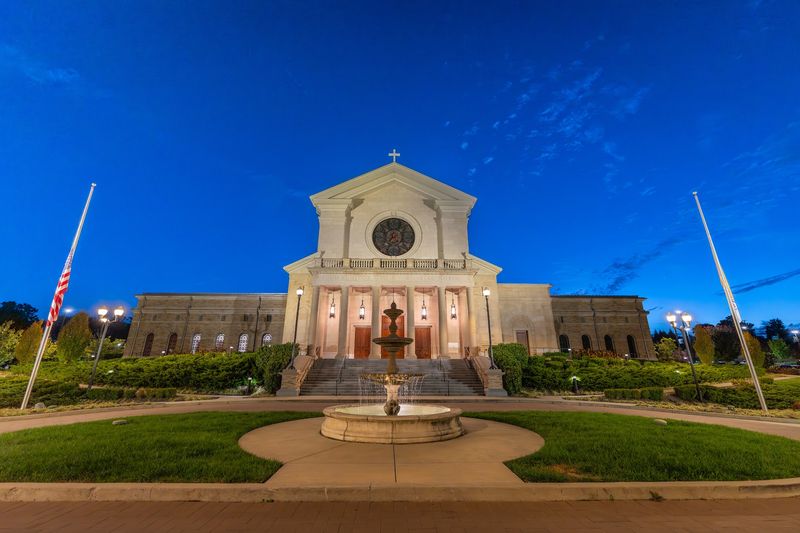
After a trip through the 1800s, here comes a fresh chapter. The Cathedral of the Most Sacred Heart of Jesus is the current Catholic cathedral of the Diocese of Knoxville, located on Northshore Drive.
Its newer look makes a striking counterpoint to the older stone and brick churches on this list. It shows that sacred architecture is still being written, not just preserved.
Visiting here is a good way to compare. Notice how the lines, spaces, and materials feel different from Gothic or Renaissance designs, and think about what each era valued.
The Northshore location also gives the stop a different rhythm. Instead of tight downtown streets, you get a more open, modern setting that fits the way many people travel today.
Practical planning matters. Check Mass times and visitor information before heading out, since a cathedral is the main church for a whole diocese and may host larger events.
Photographers can look for clean shapes and bold angles. Try a wide exterior shot first, then look for details that show how the building welcomes light.
For families, this is an easy place to talk about change. Ask kids what they think builders will design a hundred years from now. It is a fun way to link past and future.
Knoxville has many layers, from early settlement history to lake views and university energy. This cathedral adds a thoughtful, contemporary layer.
Give yourself a quiet moment inside, if open. Modern does not mean less meaningful, and the calm can be just as powerful.
10. First Presbyterian Church, Greeneville
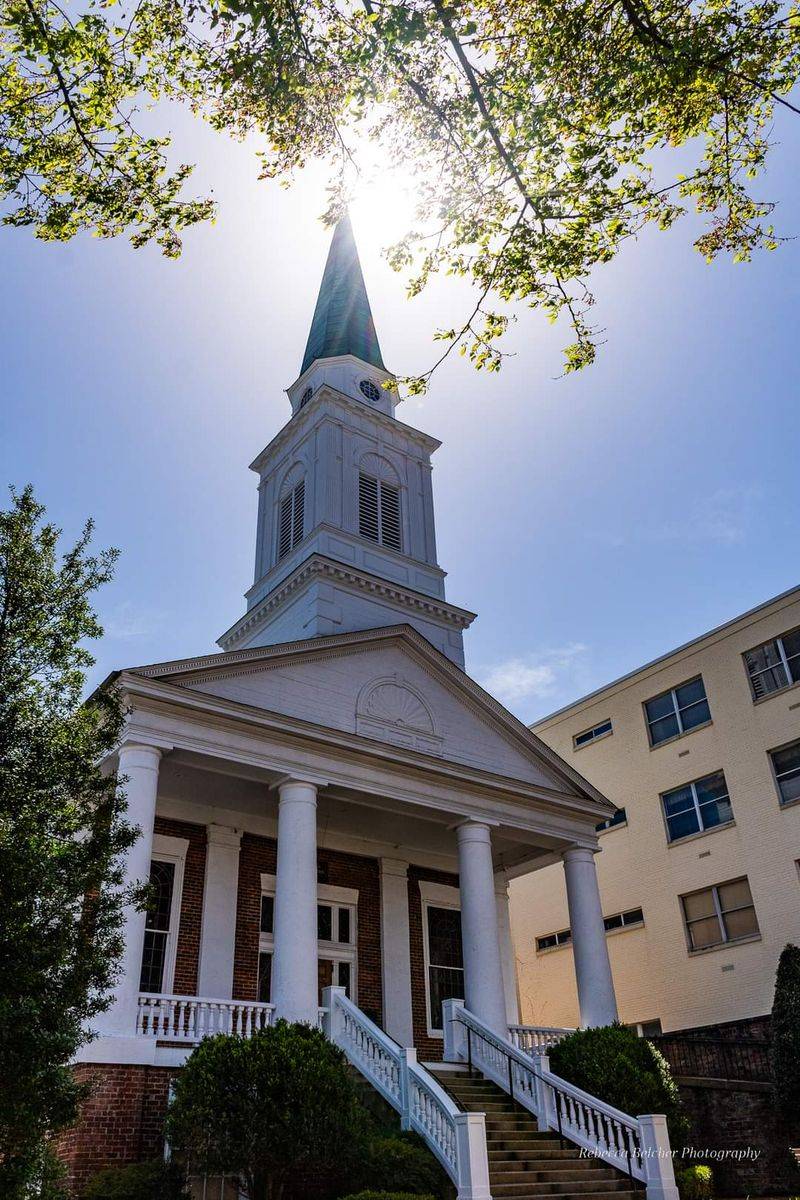
Way out in far northeastern Tennessee, history sits quietly on a town street. First Presbyterian Church in Greeneville traces its beginnings to 1780, long before Tennessee was a state.
The present Greek Revival brick church dates to the 1840s. It forms part of Greeneville’s historic district, so the building is best enjoyed as one piece of a larger story.
Greek Revival style loves order and balance. Look for clean lines, strong proportions, and a calm look that feels dignified without being fussy.
The brick gives the church a warm, homey color. In the right light, it glows softly and makes the whole block feel like a step back in time.
Make a day of it. Park once and walk through the historic district, noticing how nearby buildings share the same old-town spirit. The church becomes a highlight rather than a single stop.
Check service schedules and visiting times before you go. Smaller towns often have limited hours, and a quick plan keeps your trip smooth.
This is a fun place for history lovers to imagine daily life. Think about families walking to services, horse-drawn travel, and a young state still taking shape.
Photographers can capture the front view and then move to side angles to show the depth of the brick walls. Early morning often gives the softest light.
For travelers who like quiet corners, Greeneville is a rewarding choice. It rounds out the list with real East Tennessee character and a deep sense of time.
Take your time, chat with locals if you can, and let the town set the pace.
11. Wightman Chapel at Scarritt Bennett Center, Nashville
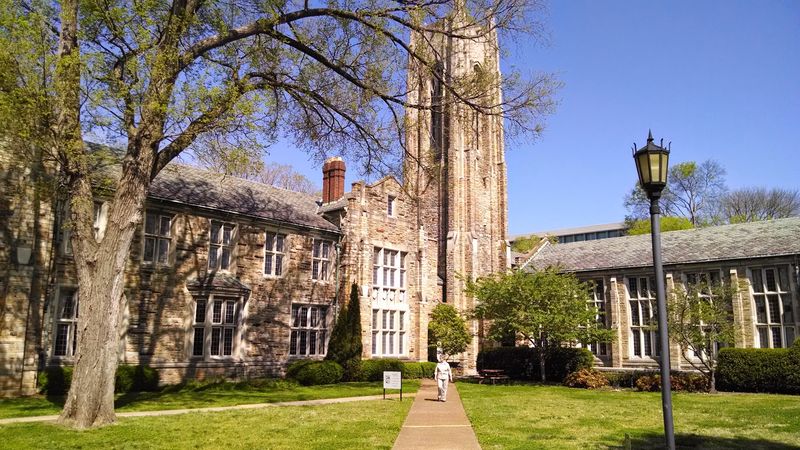
Picture a small campus that looks like it was lifted from an old English university. Scarritt Bennett Center in Nashville has that feel, and Wightman Chapel sits right in the story.
The historic campus was largely designed in the Collegiate Gothic style. That means pointed arches, stone textures, and a studious, storybook look that makes every walkway feel special.
Wightman Chapel is closely tied to the site’s history, so seeing it is like reading one chapter of a bigger book. The setting matters as much as the building itself.
Take a slow stroll around the grounds before or after you visit. Notice how the buildings frame courtyards and paths, creating small scenes that are made for quiet thinking.
Because this is a working center with events and programs, check access and hours before you go. Some areas may be limited, and a quick look online can prevent disappointment.
Photographers will enjoy the textures. Stone walls, arched openings, and leafy surroundings give lots of material for both wide scenes and close details.
This stop is also a nice change from big cathedral energy. It feels more intimate, like a hidden corner you discover rather than a landmark you are told to see.
Families can make it a mini adventure. Ask kids to imagine they are students arriving for their first day, then invite them to point out their favorite arch or doorway.
Nashville surprises people with its quiet side, and this campus is proof. Between the music and the traffic, there are still pockets of calm.
Share this story