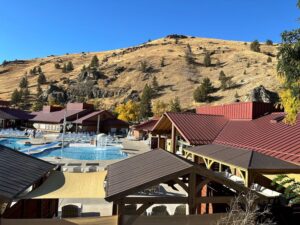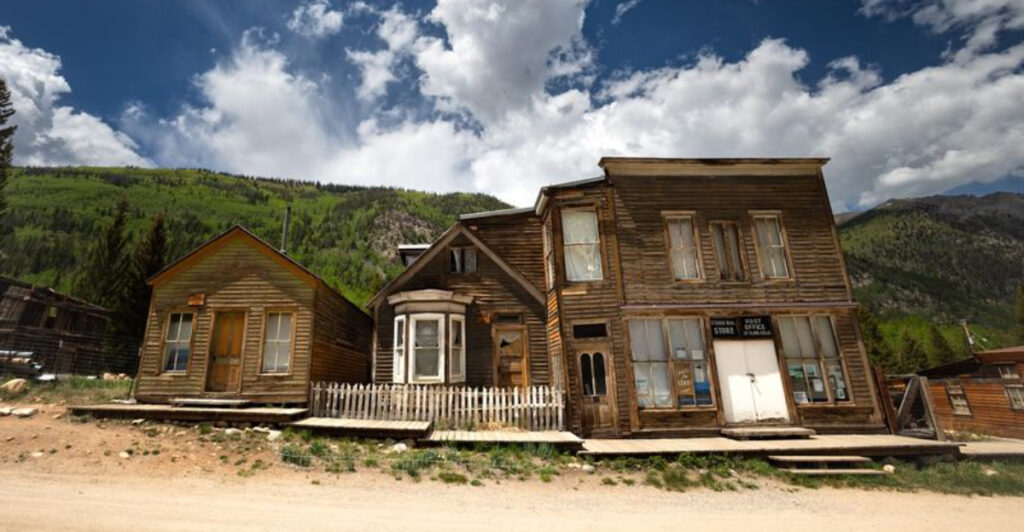
Time moves differently in Colorado’s forgotten corners. Scattered among mountain valleys, lonely plains, and former mining country are abandoned cabins, silent mills, aging storefronts, and weathered structures that preserve traces of another era.
Some once buzzed with miners and railroad workers, while others grew around farming, ranching, or dreams of striking it rich. Today, their fading remains offer an atmospheric glimpse into the lives of people who helped shape the state. Add Colorado’s dramatic scenery, and exploring them becomes even more memorable. These 11 forgotten places offer fascinating windows into a past that has not completely disappeared.
1. Independence Ghost Town (Aspen)
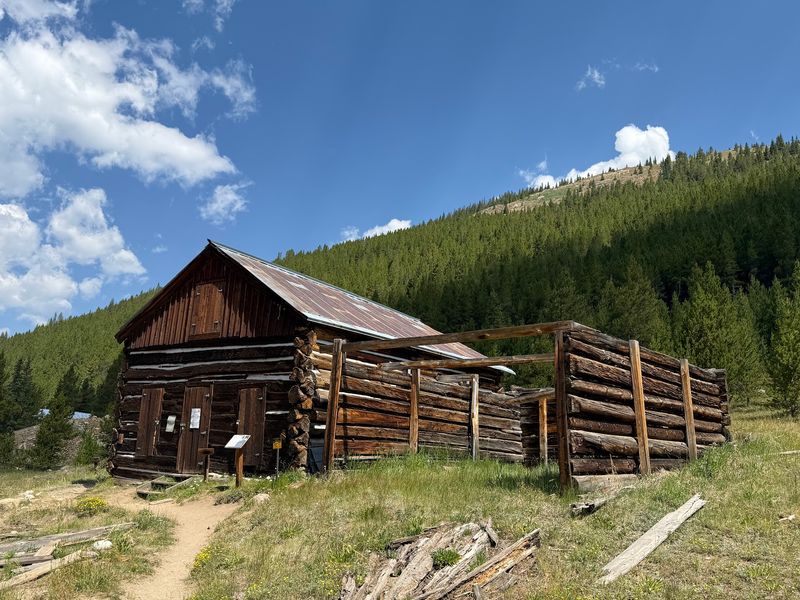
High above Aspen, the road to Independence delivers one of those views that makes everyone go quiet for a second. Then the old settlement appears, scattered across the hillside with cabins, ruins, and signs that hint at the rush of silver money that once pulled people up here.
It is easy to picture a busy camp, but the wind and wide-open land now control the scene. Preserved buildings help make the story easier to follow.
Instead of staring at random piles of wood and stone, visitors can walk among cabins and foundations that show where people cooked, slept, worked, and tried to build a future in a very harsh place. Interpretive displays add useful context without making the stop feel stiff or overly formal.
The location matters as much as the remains. Independence sits at high elevation, and that setting explains why life here could never be simple.
Weather changes fast, temperatures can drop even in warmer months, and thin air can catch up with visitors who move too quickly, so slow walking, water, and layers are smart choices.
Photos come easily here because the site mixes human history with a rugged alpine backdrop. Morning and late afternoon often bring softer light, while midday makes the mountains look extra sharp.
Taking time to notice small details, like rough-hewn logs or the shape of an old foundation, can make the visit much more interesting than a quick roadside glance.
Independence works well for travelers who want history without a long, complicated plan. It fits neatly into a scenic drive, yet it offers more than a simple pull-off.
A short stop can be rewarding, but giving it extra time allows the place to unfold in a slower, more thoughtful way that matches its remote setting.
2. Ashcroft Ghost Town (Aspen)
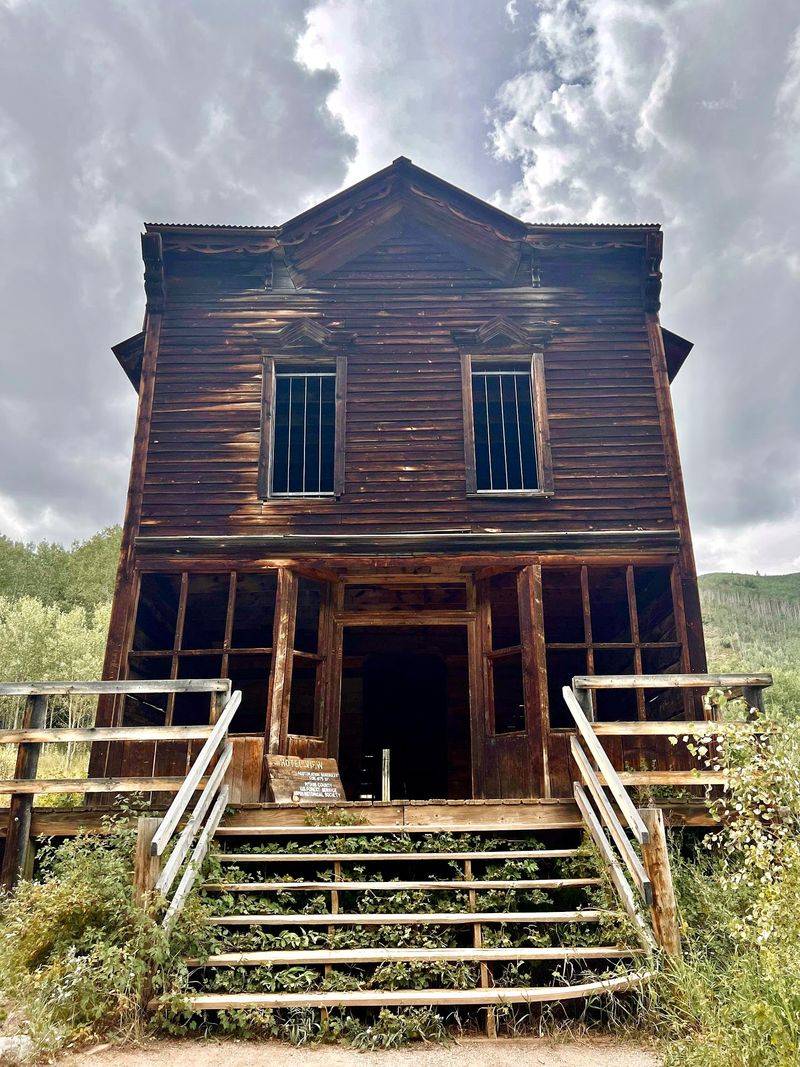
Ashcroft has a way of surprising people because it sits in such a beautiful valley. The setting is calm, green, and wide, yet the old buildings quickly remind visitors that this quiet place was once tied to the noisy chase for silver.
That contrast gives the townsite its strong pull, especially for travelers who like history that can be seen instead of just read about.
Several preserved structures stand close enough together to help the old community make sense. Storefronts, cabins, and other mining-era buildings show that Ashcroft was more than a handful of shacks in the woods.
Interpretive signs fill in the gaps, explaining that the settlement once tried to rival Aspen during Colorado’s silver boom, which adds an extra layer of ambition to the stop.
The drive from Aspen is part of the experience. Castle Creek Valley frames the route with mountain views that feel dramatic without being overwhelming, and the approach builds anticipation in a natural way.
Once there, easy walking paths make it simple to move around at a relaxed pace, so families and casual visitors can enjoy the site without needing an all-day outing.
Good planning helps here. Weather can change quickly in the mountains, and muddy spots sometimes appear depending on the season, so sturdy shoes are a wise idea.
Bringing water, taking a few minutes to read the signs, and looking beyond the main buildings can reveal small details that many people miss, including traces of how the town was organized.
Ashcroft suits readers who want a ghost town with clear structure and strong scenery. It does not ask for expert knowledge to appreciate it.
Even a first-time visitor can leave with a strong picture of how hopeful, competitive, and difficult mining life could be in a place that now seems quiet enough to hold its breath.
3. Saint Elmo (Nathrop)
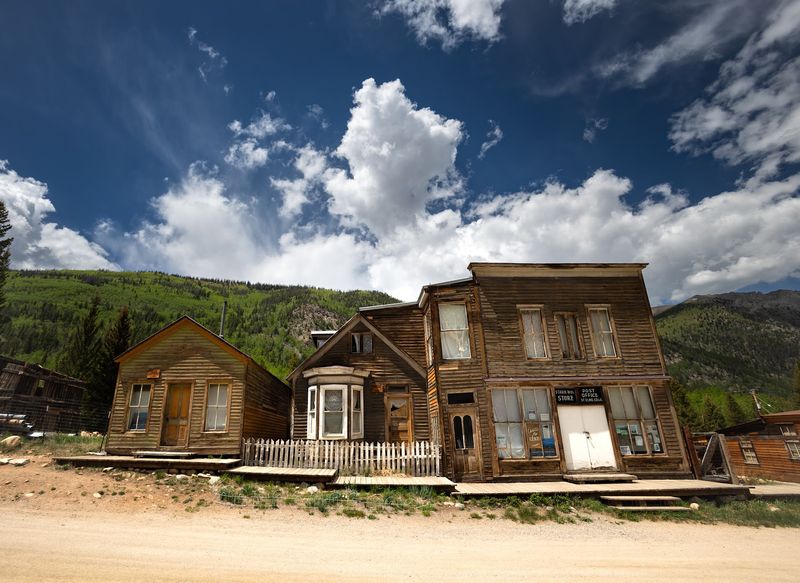
Saint Elmo is one of those places that barely needs an introduction once the buildings come into view. Rows of weathered wooden structures still stand with enough presence to suggest a real town instead of a few leftover ruins.
That makes it especially appealing for visitors who want a clear look at Colorado’s mining past without squinting at scattered fragments.
Set near Nathrop and surrounded by the rugged peaks of the Sawatch Range, the town combines big mountain scenery with a main-street style layout. Old storefronts, homes, and service buildings create a stronger sense of daily life than many abandoned sites.
Rather than imagining everything from scratch, visitors can walk through and quickly understand how people once worked, traded, and got through the seasons here.
Because Saint Elmo is well known, timing matters. Earlier hours or quieter weekdays can make the visit more enjoyable, especially for anyone hoping to take photos or notice architectural details without too much distraction.
Looking up at rooflines, porches, and faded siding often reveals the craftsmanship that helped these structures survive mountain weather for so long.
Nearby roads and surrounding backcountry can tempt people to rush onward, but the town itself rewards a slower pace.
A careful walk can turn up useful clues about scale and distance, like how close homes sat to business buildings and how narrow life must have felt during winters. Packing water, dressing in layers, and respecting posted guidance will make the stop smoother and safer.
Saint Elmo works especially well for mixed groups because it offers history in a way that feels visual and immediate. Kids can spot old building shapes, adults can read into the details, and everyone gets a strong mountain backdrop.
Among Colorado’s old mining towns, it remains one of the easiest places to picture a full community still standing in place.
4. Winfield Mining Camp Interpretive Site (Buena Vista)
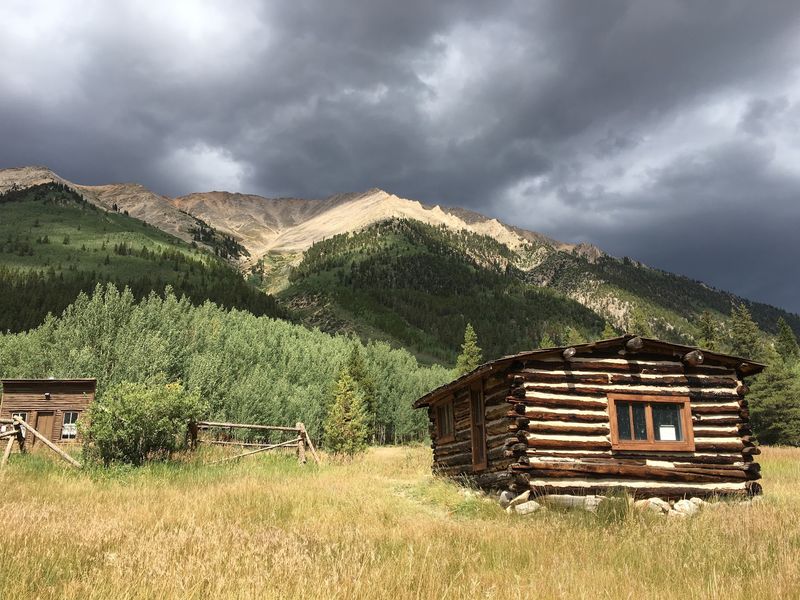
Winfield does not shout for attention, and that is part of its appeal. Tucked along Forest Road 390 near Buena Vista, the site sits in a mountain valley where old cabins and traces of the camp blend into the landscape in a quiet, steady way.
The result is a stop that invites curiosity rather than trying to impress with sheer size. Historic structures here give visitors enough to study without making the place feel crowded or overbuilt. Cabins remain the biggest draw because they show how people carved out a life in a remote mining community.
Interpretive features help translate the scene, turning rough boards, weathered walls, and open space into a more complete story about work, shelter, and survival.
The valley itself does a lot of storytelling. Tall peaks rise around the area, and the broad, open setting helps explain both the opportunity and the isolation that miners faced.
Looking across the meadow and toward the buildings, it becomes easier to understand how distance shaped everything from supply runs to social life and winter planning.
Visitors get the most from Winfield by slowing down and paying attention to little things. Cabin placement, trail connections, and the relationship between the site and the surrounding terrain all reveal practical choices people had to make.
Good shoes are helpful, and road conditions can vary, so checking local access details before heading out is a smart move.
Winfield suits travelers who prefer a more reflective kind of history stop. The site does not rely on dramatic main-street scenes or dense clusters of buildings.
Instead, it offers a cleaner view of a mountain camp set inside a powerful landscape, which can make the past seem closer and more understandable than it might in busier, more heavily interpreted places.
5. Vindicator Valley Trailhead (Nathrop)
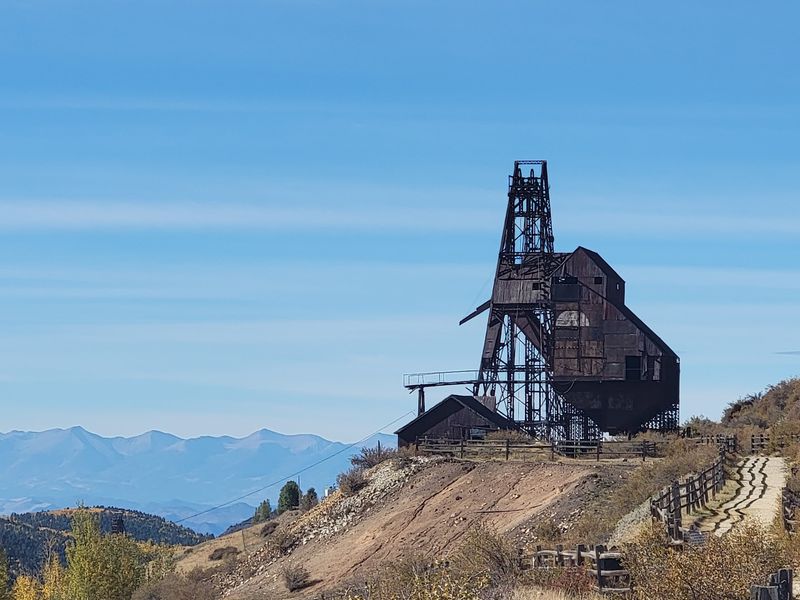
Not every frozen-in-time place looks neat or picture-perfect, and Vindicator Valley proves that fast. Near Victor, this historic trailhead leads into ground shaped by the Cripple Creek Mining District, where weathered structures, foundations, and machinery still rest across the landscape like clues from a giant outdoor puzzle.
It is rough around the edges, which makes it memorable. Instead of a compact ghost town with one main street, the site offers a wider industrial story. Visitors can spot relics tied to extraction and processing, then imagine how much labor, noise, and movement once filled the valley.
Old remains here speak more about work than comfort, and that difference helps the place stand apart from cabin-heavy mining stops elsewhere in Colorado.
The trail setting adds another layer. Walking through the area gives people time to notice how industry and terrain collided, with equipment and ruins now sitting against open sky, grass, and changing mountain weather.
That shift from active mining district to quiet historical landscape is one of the strongest parts of the experience. Good awareness matters here because old industrial sites can be uneven and fragile. Sturdy footwear, attention to footing, and respect for barriers or posted guidance are all important.
Visitors should avoid climbing on ruins or machinery, even when something looks solid from a distance, because age and exposure can weaken materials in ways that are hard to judge.
Vindicator Valley works best for travelers who enjoy history with a grittier texture. There is less polish and more raw evidence scattered across the land.
For readers interested in how Colorado’s mining boom changed whole regions, not just single towns, this stop offers a broader picture, with industrial leftovers that still hold onto the shape of a harder, louder past.
6. Vicksburg (Buena Vista)
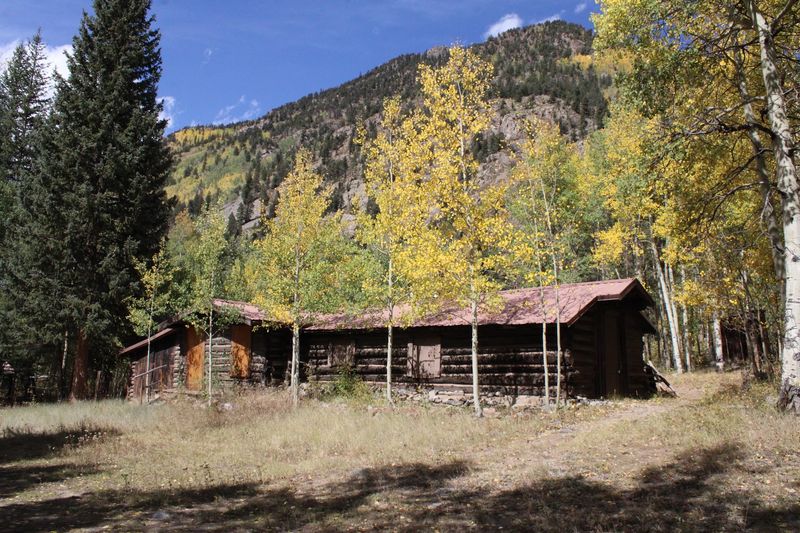
Vicksburg catches attention in a quieter way than some of Colorado’s better-known ghost towns. Set along Clear Creek west of Buena Vista, it pairs surviving cabins and old community traces with thick forest and towering mountains that close in around the site.
The result is a place that feels intimate, almost tucked away from the rest of the world. Because the remains are woven into the landscape, Vicksburg rewards careful looking. Cabins stand as the clearest link to the settlement’s past, but the surrounding terrain helps explain just as much.
Water, trees, slope, and distance all influenced where people built, how they moved around, and what daily routines may have looked like in a mountain mining setting.
There is a strong visual rhythm here. Rough wood, open clearings, and the sound of nearby water combine to create a site that seems less staged and more naturally preserved by time and location.
Visitors who usually rush through historic stops may find this one easier to settle into because the setting encourages slower walking and more patient observation.
Practical planning still matters. Mountain weather can shift quickly, and roads or trails in the region may vary by season, so checking conditions before leaving Buena Vista is a good idea.
A camera helps, but so does simply pausing to compare the size of the cabins with the huge mountains around them, since that contrast tells a lot about life here.
Vicksburg is a smart pick for readers who want a former mining settlement with a softer, more secluded mood. It offers history without much fuss, yet the surviving structures leave a strong impression.
Among Colorado sites that seem suspended between use and memory, this one stands out for the way nature and human traces share the same narrow mountain space.
7. Marble Mill Site Park (Marble)
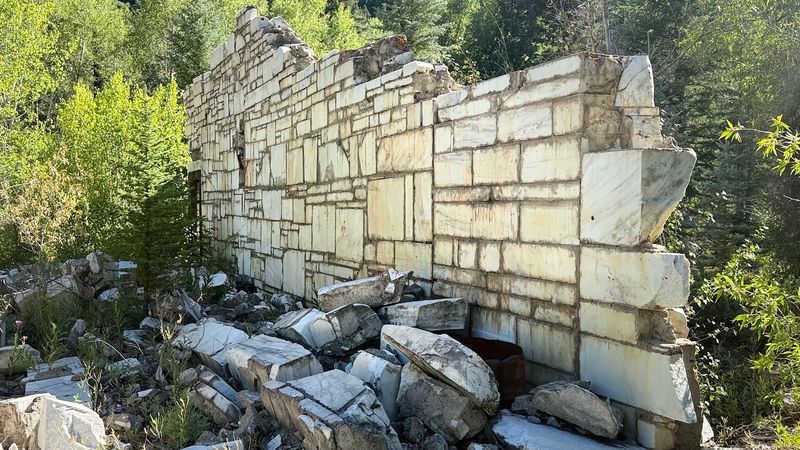
Marble Mill Site Park looks different from the typical Colorado ghost-town stop, and that is exactly why it belongs on this list. Instead of rows of cabins, visitors find sprawling mill remains, massive pieces of marble, and foundations that hint at an industry built on size, weight, and serious effort.
The site tells a story through scale before any sign is even read. Located in the tiny community of Marble, the park preserves the remains of the operation tied to the stone that made the town widely known.
Huge marble blocks and broken industrial elements create a striking scene because they are both beautiful and plainly practical. There is no mystery about what happened here. People came to cut, move, and process stone on an enormous level.
That industrial history becomes easier to appreciate when visitors slow down and consider logistics. Even a short walk around the foundations raises obvious questions about manpower, transportation, tools, and mountain conditions.
Those questions make the site engaging for adults, kids, and anyone who likes seeing how raw materials shaped whole communities rather than just individual buildings.
Photos turn out especially well here because color and texture do much of the work. Pale marble against darker ground and weathered remains creates strong contrast, while the mountain setting adds depth without stealing the focus.
Comfortable shoes are helpful, and a little patience goes a long way when trying to notice where the mill once stretched across the property.
Marble Mill Site Park suits travelers who want Colorado history outside the usual mining-town pattern. It is less about storefronts and more about industrial muscle, yet it still carries that same suspended-in-time quality.
For readers interested in how a very small mountain place connected to a nationally significant material, this stop offers a crisp, memorable lesson in stone, labor, and landscape.
8. Ironton Townsite (Ouray)
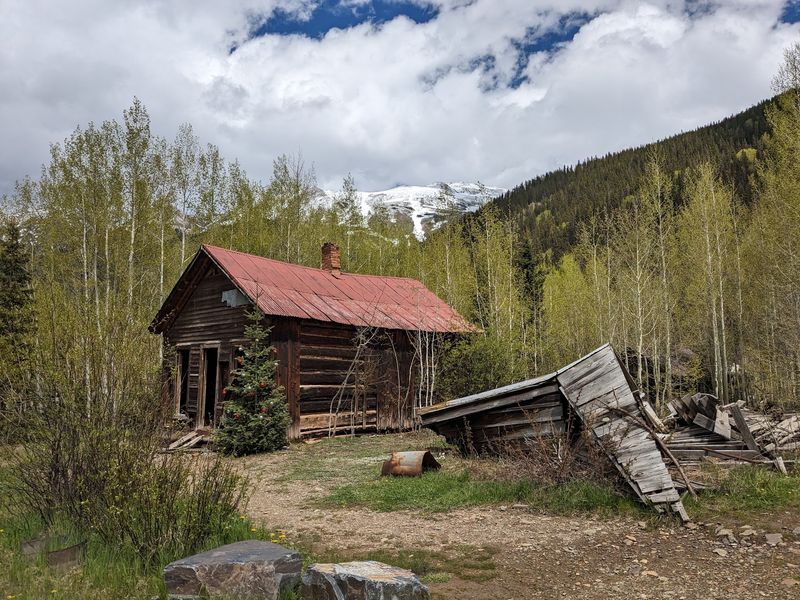
Few Colorado historic sites have a backdrop as bold as Ironton. Hidden beside the Million Dollar Highway near Ouray, the townsite sits below the rust-colored slopes of the Red Mountain Mining District, where the land itself looks stained by mining history.
Even before the ruins come into focus, the setting makes it clear that this was once a hard-working and highly ambitious place.
Surviving buildings and scattered remains help ground that first impression. Rather than presenting one neat cluster, Ironton spreads its story across an area where visitors can spot both standing structures and broken traces of what used to be a larger community.
That mix gives the site an unfinished quality, as if parts of the town are still fading at different speeds. The road nearby adds another interesting twist. Travelers often pass through this area for the mountain views alone, yet stopping at Ironton shifts attention from scenery to human effort.
Looking from a ruin up to the red slopes behind it creates a powerful sense of how closely the town’s fate was tied to the land and the minerals beneath it.
Because the region is dramatic and changeable, sensible preparation helps. Weather can turn quickly, altitude can slow people down, and footing around old sites may be uneven.
Visitors get more from Ironton by taking their time, reading any available context, and resisting the urge to treat the place as just another scenic turnout along a famous highway.
Ironton is ideal for readers who like their history with strong visual character. The remaining buildings matter, but the color, terrain, and scale of the surrounding district elevate the experience.
Among Colorado places that seem paused between prosperity and disappearance, this one offers a particularly vivid reminder that whole towns once rose and fell in landscapes that still look raw and restless today.
9. Animas Forks (Silverton)
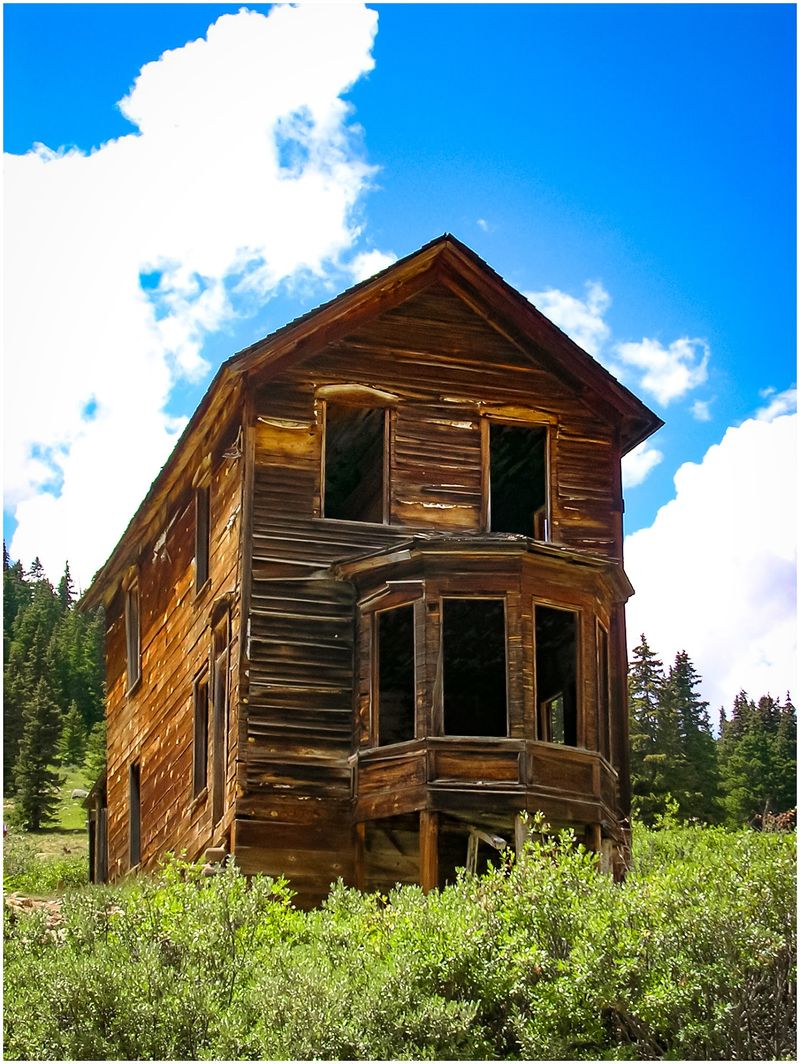
Animas Forks looks almost unreal at first glance because the setting is so dramatic. Deep in the San Juan Mountains northeast of Silverton, the old town sits high in open country where preserved structures still stand against a huge alpine backdrop.
It is one of those places where history and landscape compete for attention, and neither one loses. Several notable buildings remain, giving the site a stronger outline than many mountain ghost towns. Their size and condition help visitors picture a real community instead of a brief camp that vanished without much trace.
By the 1920s the town had already become a ghost town, yet enough survived to show how determined people were to live and work in such a demanding place.
Reaching Animas Forks often feels like part of the adventure, which adds energy before the visit even begins. Once there, the open layout lets people move around and compare structures from different angles, a simple way to notice how builders responded to weather and elevation.
Wide views also make it easier to understand how isolated the town would have been during difficult seasons. High-country conditions deserve respect here.
Roads, weather, and access can change, and altitude affects visitors differently, so carrying water, layering clothing, and checking local information ahead of time are all sensible steps.
Taking breaks also helps, especially when the scenery tempts people to wander farther and faster than planned. Animas Forks is a standout for travelers who want one stop to deliver both visual drama and clear historic remains. The townsite is photogenic, but it is more than a backdrop for pictures.
Every surviving wall and window frame points back to a community that tried to hold on in a landscape that still looks powerful enough to set the rules.
10. Dearfield (Weld County)
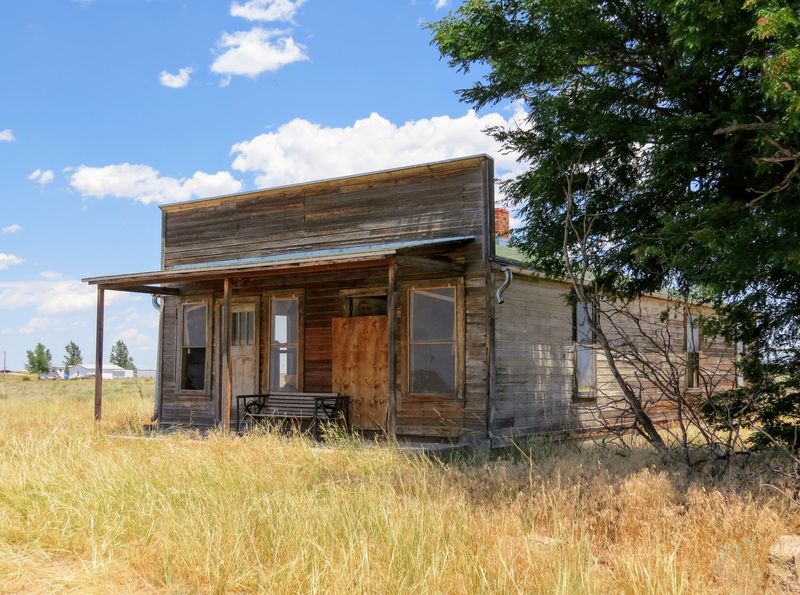
Dearfield stands apart from the mountain mining sites on this list, and that difference makes it essential. Out on the plains in Weld County, the remains of Colorado’s largest Black homesteading settlement tell a story rooted in land, community-building, and determination rather than silver strikes and boomtown streets.
The quiet setting asks visitors to look closely and think carefully about what once stood here. Established by Oliver Toussaint Jackson in 1910, Dearfield is now recognized as a National Historic District.
That status reflects the importance of the place, but the site itself still feels modest, open, and deeply tied to the surrounding landscape.
Surviving remains and traces of former structures help visitors imagine a settlement built through planning, labor, and hope on the northeastern Colorado plains.
The geography changes the experience in a useful way. Instead of steep peaks and narrow valleys, Dearfield offers wide horizons and big sky, which can make the distance between buildings and resources easier to consider.
That openness also highlights how much persistence it took to establish and maintain a community in a place where exposure, weather, and isolation shaped everyday life.
Visitors benefit from approaching Dearfield with patience and respect. Reading available historical context before or during the trip can make the remains far more meaningful, since the story here depends on understanding who built the settlement and why.
Comfortable clothing, sun protection, and awareness of rural driving conditions are practical basics for a smooth visit.
Dearfield is especially important for readers who want a broader view of Colorado history. It expands the conversation beyond mining and tourism by preserving evidence of Black homesteading and community formation in the state.
Among places that still seem suspended in time, Dearfield offers one of the clearest reminders that Colorado’s past was shaped by many kinds of ambition, not just the search for ore.
11. Hancock Ghost Town (Nathrop)
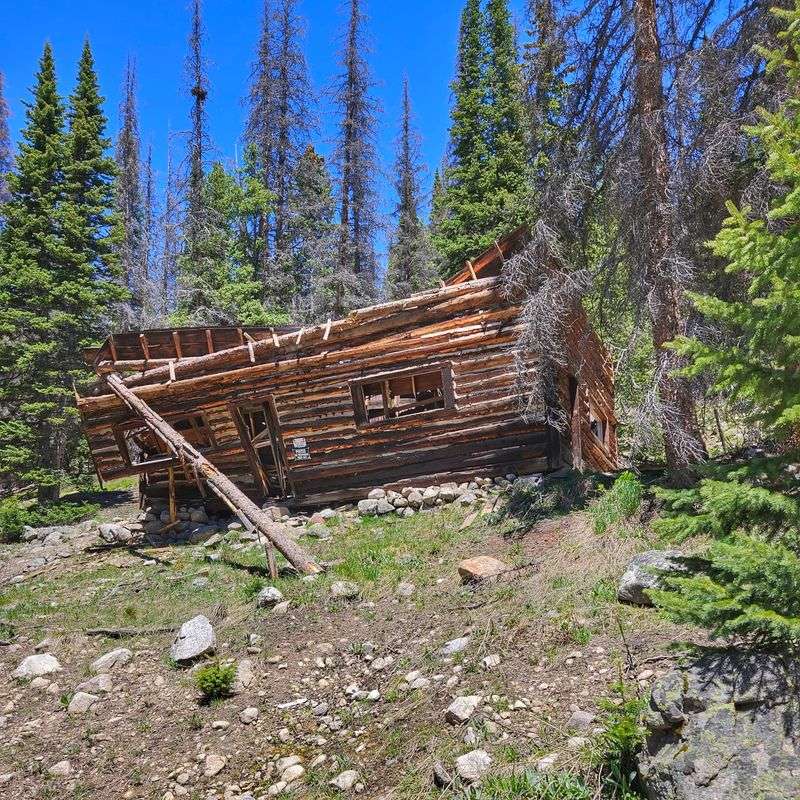
Hancock earns its place on this list by being a little harder, rougher, and more remote than the average historic stop. High in the mountains beyond Saint Elmo, the old mining and railroad settlement is marked by scattered ruins and traces rather than a tidy lineup of preserved buildings.
That rough condition gives the place a stark personality that fits the setting well. Railroad history adds extra interest here. While many Colorado sites focus mainly on mining, Hancock also points to the transportation networks that helped mountain communities survive and connect to larger markets.
Even when only fragments remain, those traces help visitors think beyond the town itself and consider the constant movement of people, supplies, and raw material through demanding terrain.
The surrounding landscape does much of the storytelling. Rugged slopes, limited development, and a sense of distance all support the idea that this was never an easy place to build or maintain.
Walking among the remains can feel more exploratory than interpretive, which appeals to travelers who prefer reading a landscape directly instead of relying on heavy signage and polished presentation.
That said, the remote quality means extra care is wise. Conditions can change with weather and season, access may not always be simple, and old ruins should be treated as fragile historical evidence rather than climbing spots.
Good footwear, water, layers, and a realistic plan for mountain travel can make the visit safer and much more enjoyable.
Hancock suits readers who like their history a bit wilder around the edges. It does not offer the easiest or clearest picture of a former town, but that is part of its power.
The remains sit in a rugged setting that still seems only partly claimed by people, making the site one of Colorado’s strongest examples of a place where the past has thinned out without fully disappearing.
Share this story