Many Tennessee towns that now feel like vacation spots once ran on smoke, steam, and hard work. Factories, mines, rail yards, and mills built these places long before anyone came for the barbecue or the river views. When those industries faded, the towns had to figure out who they wanted to be next.
Their comeback stories are a big part of what makes visiting them so much fun today.
1. Chattanooga
Picture a city so smoky that people sometimes turned on headlights in the middle of the day. That was the reputation Chattanooga carried for decades. Iron, steel, foundries, railroads, and factories made it a manufacturing giant, but the air and river paid a heavy price.
When heavy industry slowed down, the city faced a choice. It could keep sliding, or it could rebuild around the thing it had all along: a stunning spot on the Tennessee River surrounded by mountains. Chattanooga picked the second option, and the results speak for themselves.
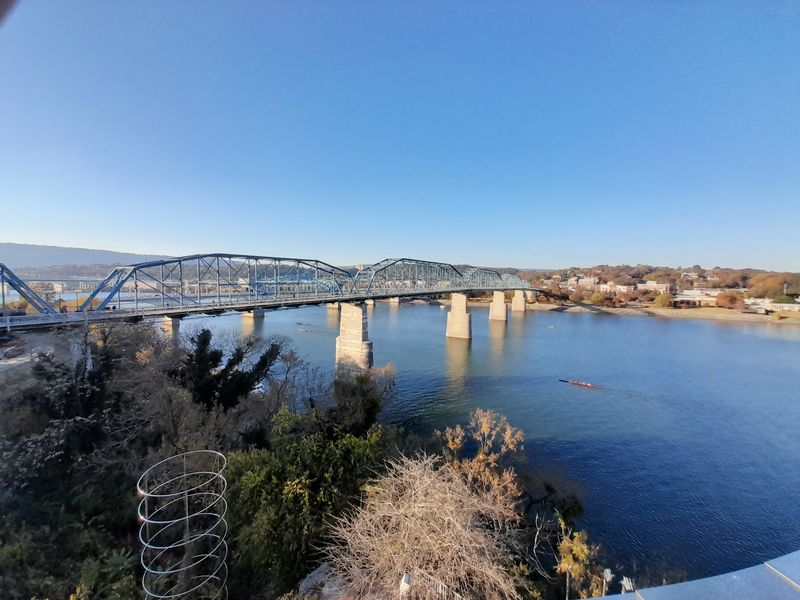
Start your visit at the riverfront. The Walnut Street Bridge, an old bridge now open only to walkers and bikers, is one of the best free experiences in the state. Stroll across it toward the North Shore, where small shops, ice cream stands, and Coolidge Park wait on the other side.
Families should plan time for the Tennessee Aquarium, which sits right on the water downtown. Art fans can wander up to the Bluff View Art District, where a museum and sculpture garden perch high above the river. It feels like a hidden neighborhood, even though it sits steps from the busy center.
Outdoor lovers have a lot to work with here. Climbing, paddling, trail running, and mountain biking are all close to town, and Lookout Mountain sits just minutes away. You can kayak in the morning and grab dinner downtown that same evening without much driving at all.
Here is a fun bragging point for locals. In 2026, Chattanooga became the first National Park City in North America. That title celebrates how deeply nature is woven into everyday city life.
A smart tip: park once and use your feet. Downtown, the riverfront, and the North Shore connect easily, and walking lets you spot murals, food trucks, and little parks you would miss from a car. Bring comfortable shoes, because the hills are real.
For anyone who loves a good comeback story, Chattanooga is the gold standard. It proves a city can clean up its past and build something brighter without forgetting where it came from.
2. Knoxville
Back in the years after the Civil War, Knoxville was humming with machines. Workers turned out iron goods, lumber, flour, textiles, and railroad equipment. The city grew fast because of it, and its rail lines connected East Tennessee to bigger markets.
Fast forward to now, and most people know Knoxville for something completely different. Locals talk about patio dinners, live shows, river paddles, and quick trips to the Great Smoky Mountains. The factory town feel has mostly faded into history books and old brick walls.
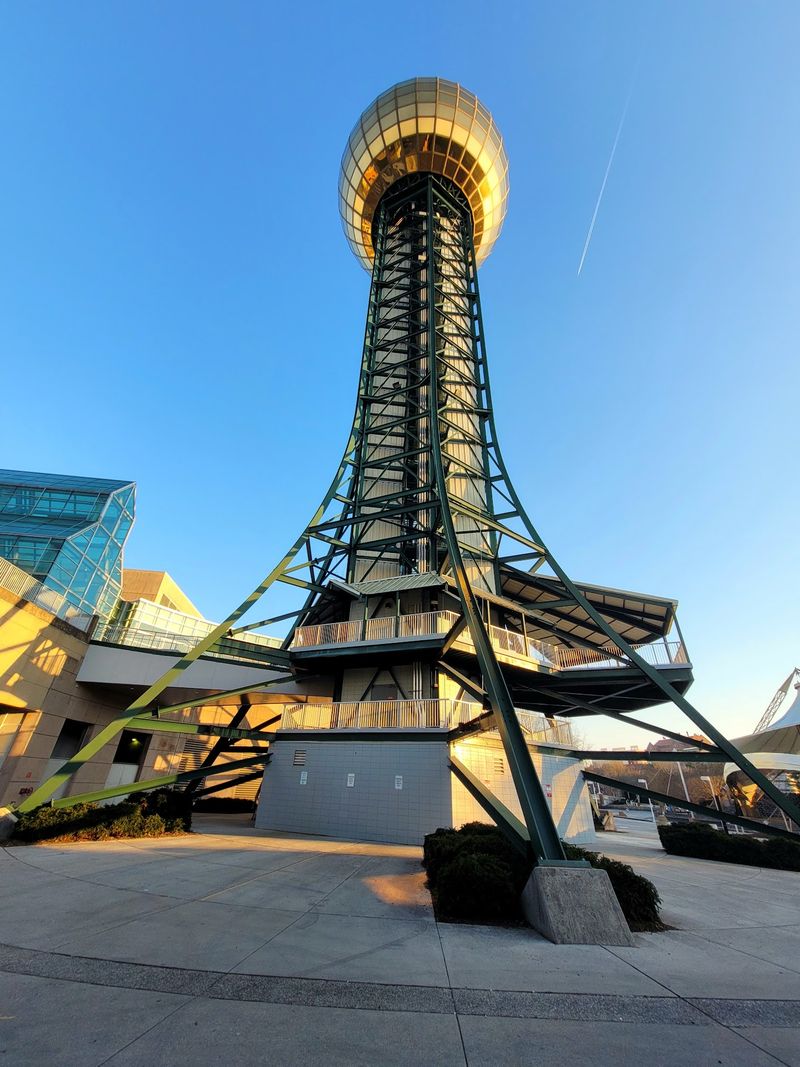
A huge turning point came in 1982, when Knoxville hosted a World’s Fair. Millions of visitors showed up, and the event helped give downtown a fresh identity. The golden Sunsphere tower still stands in World’s Fair Park as a shiny reminder of that moment.
Your first stop should be Market Square. It is a pedestrian plaza packed with restaurants, shops, and outdoor seating. On many weekends you will find a farmers market, street performers, or free music drifting through the air.
Just around the corner, Gay Street offers historic theaters and more places to eat. Catch a concert at the Tennessee Theatre if you can, because the inside is gorgeous. Even a quick peek at the lobby feels like stepping back in time.
Nature is closer than you might expect. The Urban Wilderness on the south side of the river offers miles of trails for hiking and biking, plus old quarries turned into scenic spots. Talk about a perfect example of industry giving way to recreation.
Knoxville also works as a handy base for the Smokies. Many travelers stay in the city, enjoy its food and nightlife, and then drive into the mountains for day hikes. You get the best of both worlds without having to pick one.
Check the event calendar before you go. Knoxville loves festivals, and the right weekend can turn a simple visit into something memorable. Football season also changes the vibe, so book rooms early if the Vols are playing at home.
3. Memphis
Ask most folks what Memphis made, and they will say music. They would be right, but only partly. By the 1920s, this river city was the largest center in the world for cottonseed products and the biggest hardwood lumber producer in the country.
That surprises a lot of people. Cotton, timber, and the Mississippi River made Memphis a working city first. Warehouses, mills, and barges kept the economy moving long before tourists lined up for photos on Beale Street.
Today, the city’s story is told mostly through sound and flavor. Blues, soul, rock and roll, and slow-smoked barbecue are the stars. The industrial bones are still there, but music took over the spotlight a long time ago.
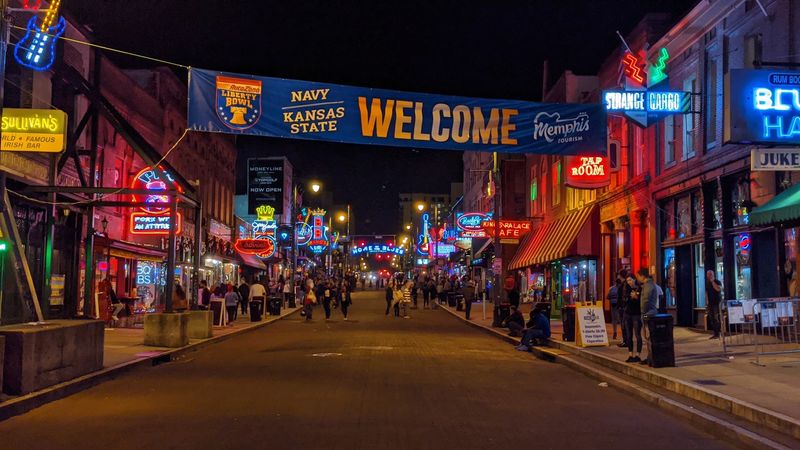
Beale Street is the obvious starting point, and for good reason. Neon signs, live bands, and open doors spill music onto the sidewalk most nights. Go after dark to feel the full energy.
Music history fans should plan a stop at Sun Studio, the small recording studio where legends got their start. The tour is short, but standing in that room gives you chills. Graceland, the famous home of Elvis Presley, is another must for many visitors and takes a good chunk of a day.
Do not skip the museums. Memphis has powerful spots covering soul music, rock history, and civil rights. Each one adds depth to the city and helps explain why its culture runs so deep.
Then there is the food. Memphis barbecue is famous for ribs, either dry rubbed or wet with sauce. Locals argue about which style is better, so try both and pick your own side.
Finish the day along the Mississippi riverfront. Walk the parks, watch the sunset over the wide brown water, and imagine the barges loaded with cotton and lumber that once ruled these docks. That view connects the old Memphis with the new one beautifully.
4. Kingsport
Some towns grow slowly over time. Kingsport was planned on purpose to be an industrial city. In the early 1900s, rail access helped it attract big companies, and names like Tennessee Eastman and Kingsport Press became huge parts of local life.
For generations, jobs at those plants shaped nearly everything. Families moved in, neighborhoods grew, and the town took pride in its work ethic. That history still matters, and you can feel it in the way people talk about their hometown.
Lately, though, Kingsport has been showing off a softer, greener side. The city is leaning into its outdoor spaces, and they are honestly impressive. Visitors are starting to notice.
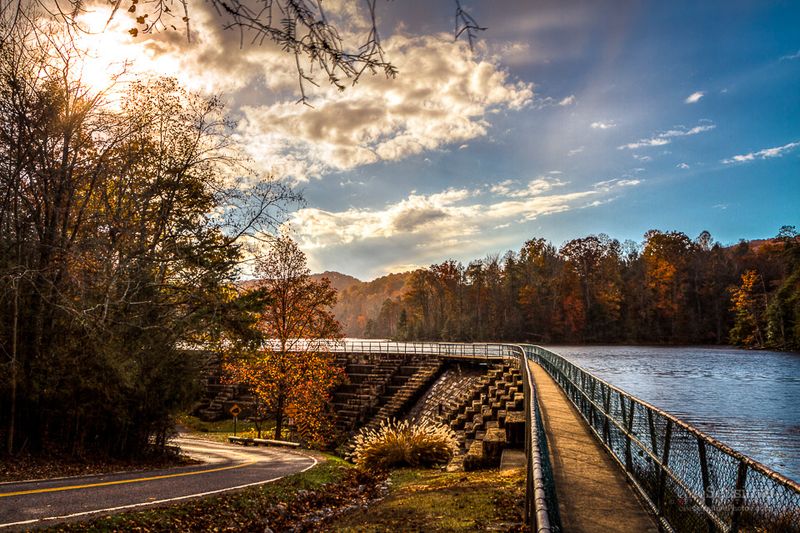
The crown jewel is Bays Mountain Park. It covers thousands of acres with a lake, hiking trails, a nature center, and animal habitats. Kids love watching the wolves, and adults love the quiet trails through the woods.
There is also a planetarium inside the park, which makes a great rainy day backup plan. Check showtimes ahead of your visit. The combination of stars and forest makes for a surprisingly full day.
Back in town, the Kingsport Greenbelt offers a long paved path for walking, running, and biking. It winds through parks and neighborhoods and along creeks. It is flat, friendly, and perfect for a lazy morning ride.
Kingsport also sits in the Tri-Cities region with Johnson City and Bristol. That means you can stay in one place and easily explore all three. Mix music, trails, and small-town downtowns into one easy road trip.
Want a fun local detail? Kingsport earned the nickname the Model City because of its careful early planning. Downtown streets reflect that thinking, so take a slow drive or walk to see how it was laid out.
Best time to visit is fall. The mountains around Bays Mountain explode with red and orange leaves, and the cooler air makes hiking a joy. Bring a camera, because the lake views are worth it.
5. Johnson City
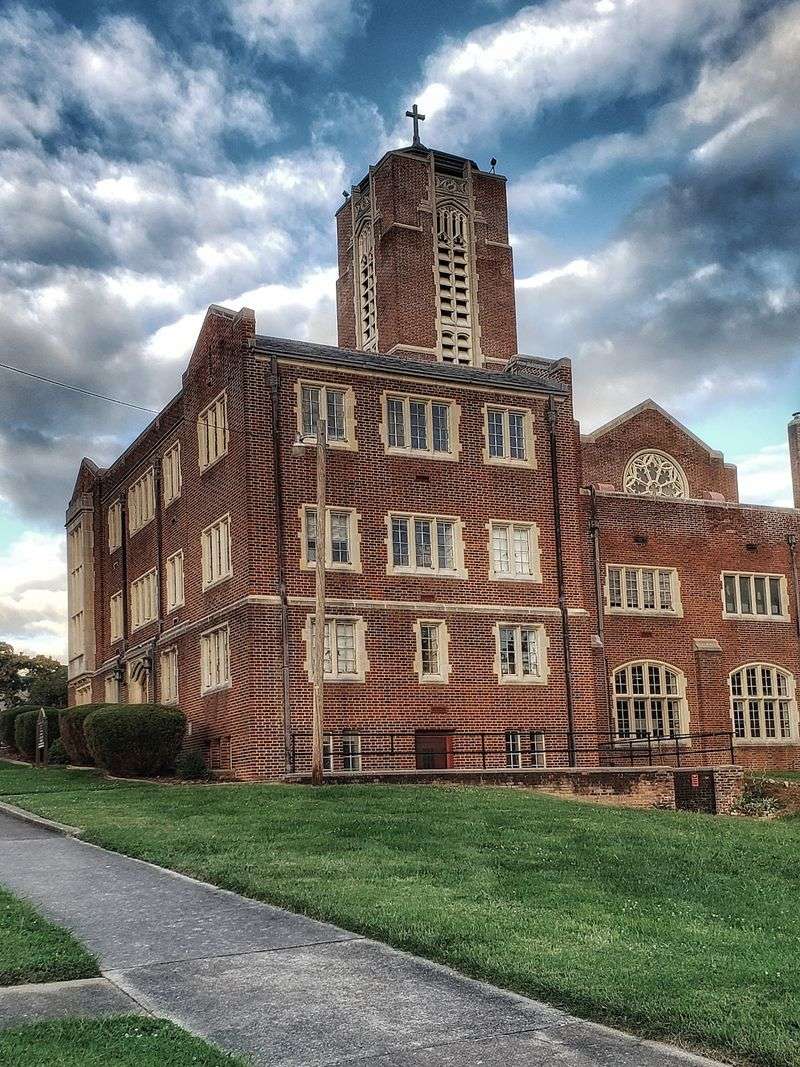
Trains built Johnson City. Rail lines brought goods, workers, and money, and the city became a busy hub for wholesale distribution and industry. Freight rolled in and out, and the town grew around the tracks.
Over time, the focus shifted. Education, health care, and a refreshed downtown took the lead. East Tennessee State University and regional hospitals now drive much of the local energy.
The best symbol of that change is the Tweetsie Trail. It follows an old railroad corridor that once carried trains between Johnson City and Elizabethton. Now it carries walkers, joggers, and cyclists instead.
The trail stretches around ten miles and is mostly smooth and gentle. That makes it a solid choice for families, beginners, or anyone wanting an easy outdoor outing. You can do a short section or tackle the whole thing.
Here is a small tip that makes a big difference. Plan your trip so you finish near downtown. That way, a cold drink and a good meal are waiting at the end.
Speaking of drinks, Johnson City has built a lively brewery scene. Many local spots sit in old buildings that once served the rail and warehouse trade. Sipping in a converted space adds a fun layer of history to your visit.
Downtown has come a long way, too. Founders Park offers green space along a restored creek, and weekend events often bring live music and markets. It is a relaxed place to people watch.
Johnson City also sits close to serious Appalachian adventure. Mountains, waterfalls, and state parks surround the area. Roan Mountain and the Watauga region are both within a reasonable drive.
For a local flavor, look for Appalachian music events or bluegrass shows. The region has deep roots in mountain music, and you will often hear it in small venues around town.
Johnson City is a great reminder that old infrastructure can find a brand new purpose. Those quiet rails now host bikes and laughter. Not a bad second act for a railroad town.
6. Bristol
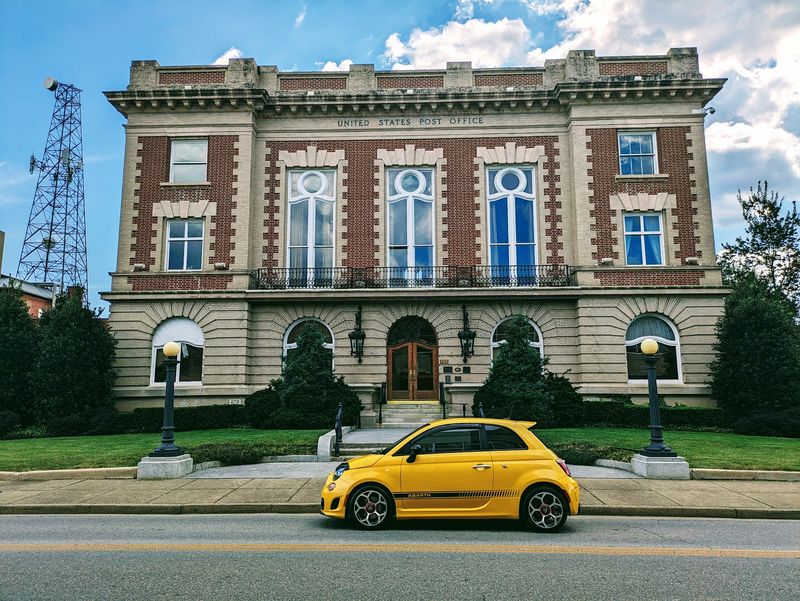
Stand on State Street in Bristol and you can put one foot in Tennessee and the other in Virginia. The state line runs right down the middle of the road. It is a quirky photo op you will not find in many places.
Bristol grew as part of Northeast Tennessee’s busy industrial corridor. Railroad commerce and manufacturing helped the city expand and connect with the wider region. Warehouses and shops lined the streets, serving travelers and traders.
Today, people come for two very different reasons: music and speed. Both have given Bristol a reputation far bigger than its size. And both deliver unforgettable experiences.
Let us start with music. Bristol is known as the Birthplace of Country Music, thanks to famous recording sessions held here in 1927. Those recordings helped launch country music into American homes.
The Birthplace of Country Music Museum tells that story with interactive exhibits. You can listen to old recordings, learn about early artists, and even try mixing a song. It is hands on and surprisingly fun for all ages.
Downtown Bristol makes an easy stroll after the museum. Look for the giant lighted Bristol sign that stretches across State Street. Local restaurants, shops, and live music venues fill the historic buildings.
Now for the loud part. Bristol Motor Speedway draws huge crowds for NASCAR races. The steep track sits in a bowl, so the noise and energy feel intense.
Even on non race days, the speedway sometimes hosts events and tours. Check what is happening before your trip. Racing fans will want to time visits around big weekends, but booking early is a must.
Music lovers should also know about the Bristol Rhythm and Roots Reunion, a yearly music festival downtown. Streets fill with stages and fans. It is one of the best times to see the city at full volume.
Bristol shows how a rail and factory town can find a brand new rhythm. Whether you love banjos or engines, this place has a beat worth following.
7. Copperhill
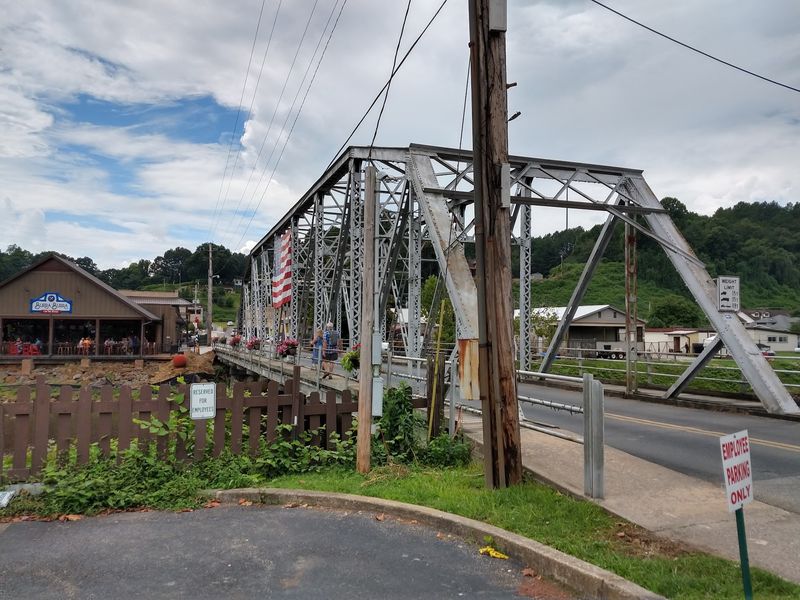
Few places in Tennessee look as dramatic as the Copper Basin. For generations, copper mining and smelting ruled this corner of the state. The work fed families, but it also stripped hillsides bare, leaving a landscape so unusual it was famous for its red, empty slopes.
Copperhill sat right in the middle of it all. Miners, smelter workers, and railroad crews kept the town busy. Life here was tough, and the industry shaped everything from the land to local traditions.
Things look very different now. The hills have been greening up over the years, and visitors are discovering the area’s charm. Mountains, rivers, and mining heritage make a fascinating mix.
Start with history. The nearby Ducktown Basin Museum shares the story of mining in the region, with old equipment and photos. Seeing the before and after helps you appreciate how far the land has come.
Downtown Copperhill is small but cute, with old brick storefronts and a laid back feel. Grab lunch, browse a shop, and wander along the river. The town sits right on the Georgia state line, so a short walk crosses into McCaysville.
Many visitors arrive by train. Heritage rail excursions run from Blue Ridge, Georgia, into the Copperhill area, following the river through the hills.
Thrill seekers have plenty to do, too. The Ocoee River is close by and famous for whitewater rafting. Several outfitters run trips during the warmer months.
Planning tip: if you want to raft, book ahead during summer weekends. Spots fill quickly, especially when the river is running well. Bring a change of clothes, because you will get soaked.
The area’s bare hills were once so striking that people said they could be seen from space. Today, trees and grass are taking back the land bit by bit.
Copperhill is proof that even heavily scarred places can heal. It is rugged, honest, and full of character, the kind of spot that sticks with you.
8. Etowah
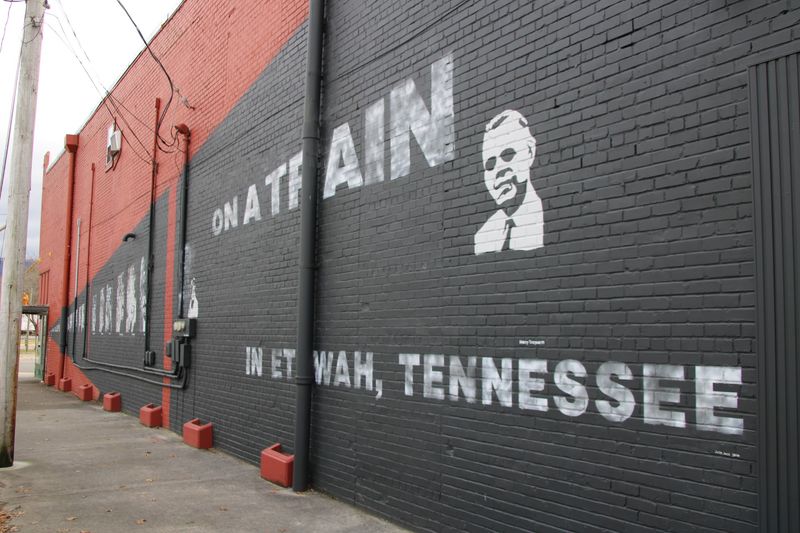
All aboard for one of Tennessee’s sweetest small town stories. Etowah did not grow around smokestacks and big factories. It was built by and for the railroad.
In the early 1900s, the Louisville and Nashville Railroad, often called the L and N, made Etowah an important stop. Rail workers, shops, and families filled the town. Trains were the heartbeat of daily life.
That makes Etowah a former railroad town rather than a classic factory city. Still, its working past shaped everything, and it now offers a genuine industrial heritage experience. Train fans, this one is for you.
The star attraction is the preserved L and N Depot. The large Victorian style building looks almost like a grand house with its decorative details. It has been carefully restored and serves as a museum.
Inside, you can learn what railroad life was like for workers and travelers. Exhibits show tools, photos, and stories from the town’s busiest years. It is easy to imagine whistles blowing and crowds gathering on the platform.
Outside, look for vintage rail cars on display. Kids especially love climbing near them and picturing long journeys. It makes the history feel real instead of just words on a sign.
Etowah also connects to scenic train rides heading toward the Hiwassee River area. These excursions wind through forests and along the river gorge. The views are peaceful, and the slow pace is part of the charm.
Check schedules before you visit, since excursion trains often run seasonally. Fall rides are especially popular for leaf watching. Book tickets early to grab a seat.
After exploring the depot, stroll the small downtown. Local shops and diners give you a taste of everyday life. The friendly pace is a nice break from busy cities.
Nearby, the Hiwassee River is good for tubing, fishing, and paddling. Pair a train ride with time on the water for a relaxing day trip.
Etowah is small, but it carries a big story. Its tracks once moved freight, and now they move memories.
9. Cleveland
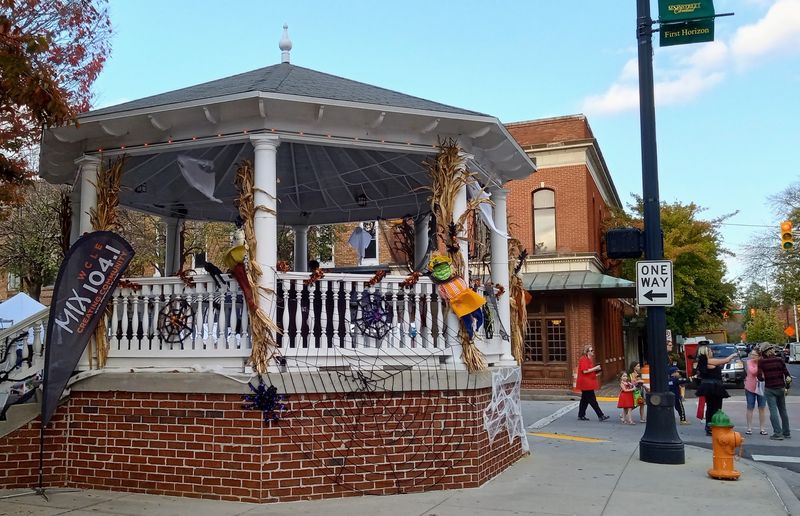
Here is a trivia question to stump your friends: which Tennessee city was making stoves, chairs, and woolen goods long before it became a gateway to whitewater fun? The answer is Cleveland. It was one of the state’s earlier industrial cities.
Local manufacturers carried names like Hardwick Stove, Cleveland Woolen Mills, and Cleveland Chair Company. The area also saw copper related activity tied to the nearby mining region. Those businesses provided jobs and helped shape the city’s growth.
Today, Cleveland is quietly becoming a smart travel stop. It mixes small city comfort with easy access to big outdoor adventure. Many visitors are surprised by how much it offers.
Begin downtown. Historic brick buildings now hold restaurants, boutiques, and coffee shops. It is walkable and welcoming, with a slower pace than bigger cities.
Museum fans should stop by the Museum Center at Five Points. It covers the history of the region, including Cherokee heritage and local industry. Exhibits are well done and give useful context before you explore the surrounding area.
Arts are part of the scene, too. Look for local galleries, murals, and community events throughout the year. Cleveland takes pride in supporting creative people.
Now for the adventure part. The Ocoee River is a short drive away and is famous for rafting. It even hosted whitewater events during the 1996 Olympics.
The Cherokee National Forest also sits nearby, offering hiking, camping, waterfalls, and scenic drives. The Ocoee Scenic Byway is especially pretty, winding along the river and through the mountains. Pull over at overlooks for great photos.
A practical tip: stay in Cleveland and use it as a base. Hotels and restaurants are often easier to find here than in smaller mountain towns. You can head out for adventure and come back to comfort.
Food lovers will find southern cooking, local cafes, and casual spots for hungry rafters. After a day on the river, nothing beats a big plate of comfort food.
Cleveland may not shout about itself, but that is part of its appeal. It is a hardworking town that learned how to relax.
10. Nashville
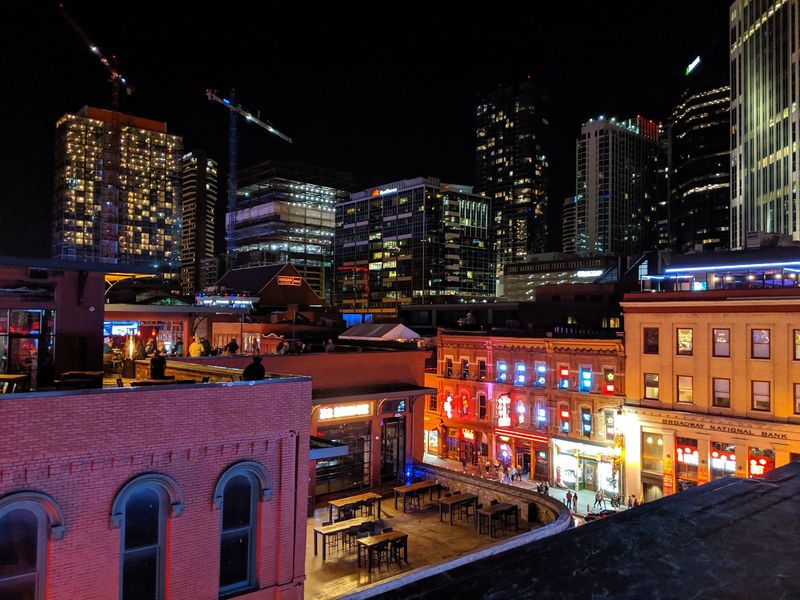
Nashville never fit neatly into the factory town box. It was a state capital, a center for education, and a busy trading city. But dig a little deeper, and you find a surprisingly industrial past.
By the 1920s, Nashville had more than 500 manufacturing businesses. During World War II, local plants even built aircraft and naval vessels. That is a far cry from rhinestones and guitars.
Of course, the city’s modern identity is all about music and fun. Nashville has become one of the biggest leisure destinations in America. Millions arrive every year for songs, food, and nightlife.
Most first timers head straight to Lower Broadway. Honky tonks line the street, and many offer live music from late morning until late at night. Bands play for tips, so drop a few dollars in the bucket if you enjoy the show.
For a deeper look at music history, visit the Ryman Auditorium. This old building once served as a church and later became home to the Grand Ole Opry. Its wooden pews and amazing sound make concerts feel special.
The Country Music Hall of Fame and Museum is another solid stop. It is packed with costumes, instruments, and stories of famous artists. Even casual fans usually leave with new favorite songs.
Want to see the city’s industrial roots reused? Several neighborhoods have turned old warehouses and factory buildings into restaurants, shops, and event spaces. Areas like the Gulch and Marathon Village are fun examples.
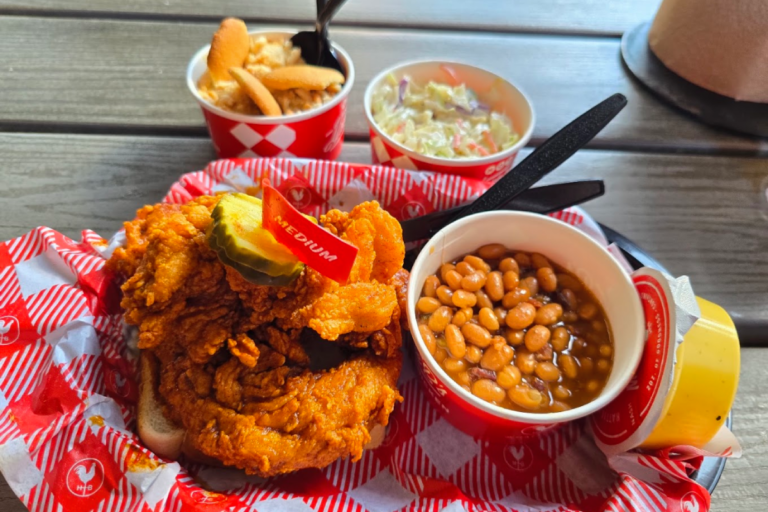
Do not leave without trying hot chicken. This spicy local specialty can range from mild to seriously fiery. Start lower than you think you need, trust us.
Nashville gets crowded, especially on weekends. Visiting midweek can mean shorter lines and better hotel prices. Rideshares are handy, since parking downtown can be expensive.
Nashville is a great reminder that cities often have more layers than we realize. Behind the neon lights, there is a working history that helped build the place everyone loves today.
11. Elizabethton
Grandparents in Elizabethton might still remember the hum of the rayon plants. In the early 20th century, the city became closely tied to rayon and chemical fiber manufacturing. Those mills brought jobs and turned a small mountain town into an industrial name.
Rayon is a manmade fabric, and Elizabethton helped produce it on a large scale. Tennessee’s industrial history specifically connects the city with this work. For many families, the mills were part of daily life for decades.
Now the town has a gentler rhythm. Its appeal comes from Appalachian history, a charming downtown, and beautiful rivers and mountains. It makes a lovely finale for anyone road tripping through East Tennessee.
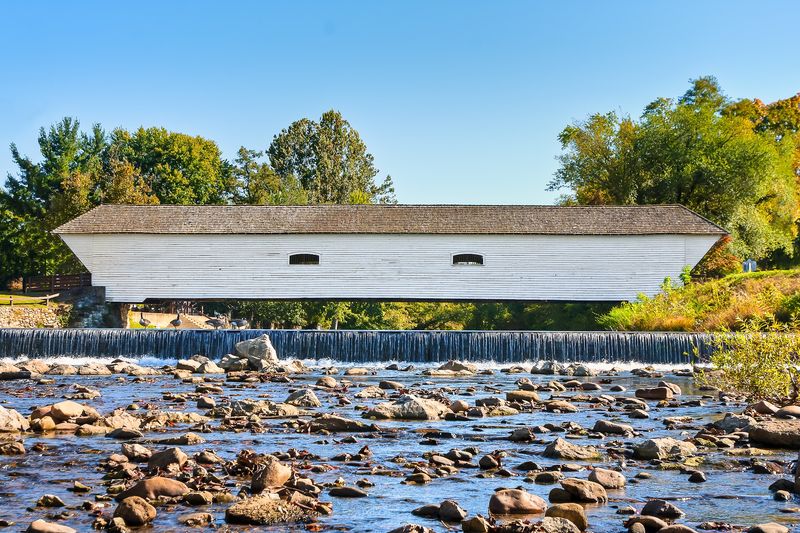
The most famous sight is the historic covered bridge over the Doe River. It has stood for well over a century and remains a favorite photo spot. Walk across it, listen to the water below, and soak in the small town feel.
Close by, Sycamore Shoals State Historic Area tells stories of early frontier life. Exhibits and a reconstructed fort help bring the past to life. Special events and reenactments happen at certain times of year.
Downtown Elizabethton is easy to explore on foot. You will find local shops, diners, and friendly faces. It is the kind of place where people actually say hello.
Outdoor fans will love the Watauga River. It is known for trout fishing and calm floating trips. Watauga Lake, a short drive away, offers clear blue water surrounded by mountains.
Hikers have options too. The Appalachian Trail passes through the region, and nearby peaks reward you with big views. Roan Mountain is within driving distance and especially stunning when its rhododendrons bloom in early summer.
Remember the Tweetsie Trail from Johnson City? It ends right here. You can bike or walk the old rail line between the two towns for a fun connection.
Elizabethton is small, peaceful, and full of heart. It shows how a mill town can slow down, breathe, and find a whole new kind of beauty.
Share this story