Property taxes have become a growing concern for homeowners across Indiana, especially in communities where rising home values and continued development have pushed tax assessments higher. For many families, the increase has made monthly housing costs more difficult to manage, prompting some to reconsider where they live or whether they can afford to stay long term.
While each town has its own housing market and local tax structure, the communities on this list have experienced the kind of upward pressure that has sparked conversations about affordability. These 11 Indiana towns highlight communities where rising property taxes are placing increasing pressure on household budgets.
1. Carmel
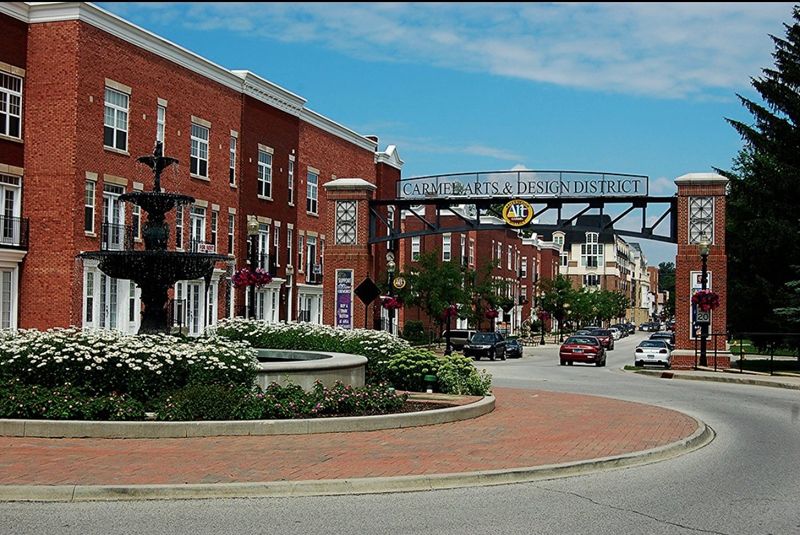
Carmel rarely enters the affordability conversation as the budget pick, and that is exactly the issue. Home values have climbed with the city’s popularity, polished neighborhoods, and steady development, leaving many owners staring at assessments that feel disconnected from the home they bought years earlier.
Even when a house has not changed much, the tax bill attached to it can look dramatically different. For families with strong incomes, that increase may register as an annoyance.
For households juggling childcare, groceries, insurance, and every other rising cost, a higher annual tax bill can hit like an extra mortgage payment spread across the year.
The pressure builds slowly, then all at once, especially for longtime residents who expected stability rather than a fresh round of budgeting every assessment cycle.
Schools and amenities still make Carmel appealing, and that popularity is part of the story. Strong demand tends to push values upward, which can leave owners with more equity on paper but less breathing room in real life.
A family may love the parks, trails, and convenience, yet still ask whether those perks justify carrying costs that keep creeping higher.
Indiana’s homestead tax cap offers some protection, but it does not erase the strain created by larger assessed values. When the base number goes up, the final bill can still feel heavy enough to reshape major decisions.
Renovations get postponed, vacations shrink, and moving to a lower-cost community starts sounding less dramatic and more practical. Carmel remains desirable for obvious reasons, but desirability has a price.
For some households, the town’s polished appeal now comes bundled with a tax burden that keeps testing the limits of what staying put is supposed to cost. That is why Carmel lands near the top of this conversation.
2. Fishers
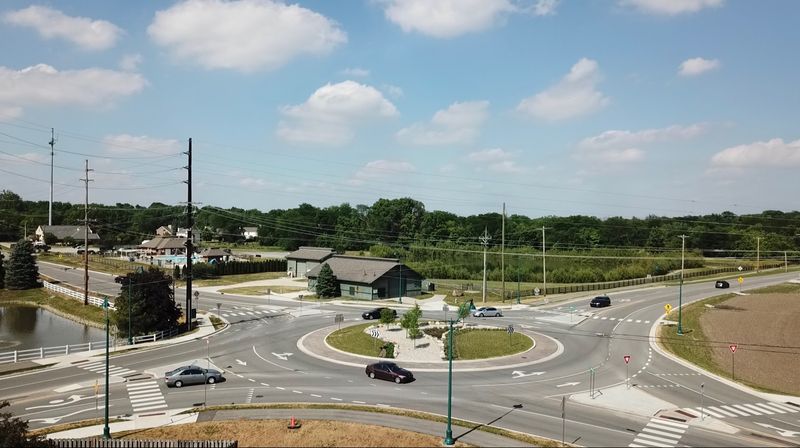
Fishers has been on a long run of growth, and the housing market has not exactly been quiet. New construction, strong buyer interest, and a reputation for family-friendly living have helped push values higher across many neighborhoods.
For homeowners, that often means the tax bill follows the same upward path. The tricky part is how normal the increases can start to seem. A little more one year, another bump the next, and suddenly the annual total is large enough to compete with major household expenses.
Families who stretched to buy in a strong school district may find that rising taxes create a second affordability test after closing day.
There is no mystery behind why people want to live here. Convenience, amenities, and a polished suburban layout keep demand sturdy, which is great for resale value but less cheerful when assessed values rise faster than paychecks.
You can appreciate the growth and still feel uneasy when ownership costs keep stacking up in the background. Even with statewide relief efforts and tax protections, the basic math still matters. If the market value of homes climbs, assessments can place upward pressure on what owners ultimately owe.
That matters most for residents who are not moving, not flipping, and not cashing out, but simply trying to remain in the same house for another decade.
Fishers still delivers the kind of lifestyle many families want, yet the monthly budget tells a more complicated story. A town can be successful and increasingly expensive at the same time.
For some households, higher property taxes are becoming the line item that turns a once-comfortable address into one they may eventually leave behind.
3. Fort Wayne
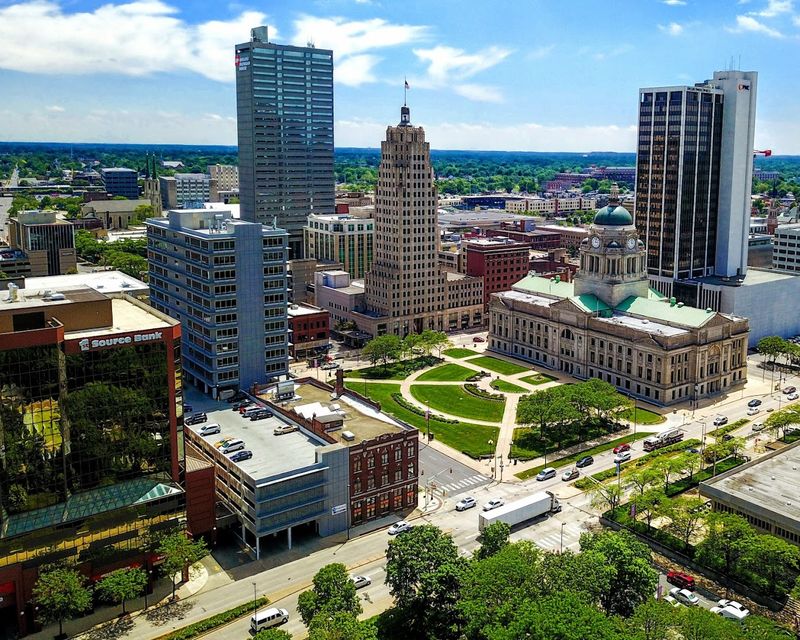
Fort Wayne often gets framed as the more affordable option compared with Indiana’s hottest suburbs, and that reputation still has some weight.
Even so, steady appreciation in many neighborhoods has changed the cost picture for homeowners. When assessed values rise, property taxes can become a bigger factor than buyers first expected.
That shift lands differently here because many households chose Fort Wayne for balance. The promise was often a decent home, manageable payment, and enough leftover cash for normal life instead of constant financial triage.
Higher tax bills can disrupt that equation, especially for families already coping with insurance, utilities, and repair costs that refuse to stay put.
In a fast-growing city, increased values may look like a sign of progress. On paper, more equity sounds positive, and in some cases it is.
But paper gains do not automatically help the owner who plans to stay, earns a fixed income, or needs every monthly dollar to cover practical expenses rather than abstract wealth.
Different neighborhoods feel this pressure in different ways. In some places the increase may be noticeable but manageable, while in others it can push a carefully built budget into uncomfortable territory.
That is why rising taxes in Fort Wayne matter beyond headline growth numbers, because affordability is not only about the sale price of the house.
Fort Wayne still offers a lot for homeowners who want city amenities without the highest suburban price tags. Yet that advantage narrows when annual tax bills climb steadily enough to alter long-term plans.
For some families, the city remains workable. For others, the rising cost of holding onto a home is becoming one more reason to consider moving elsewhere.
4. Bloomington

Bloomington has long had a housing market that asks buyers to move quickly and spend carefully. Demand tied to the university, limited inventory, and steady competition can keep prices elevated in ways that ripple through the ownership experience.
Once assessed values rise, property taxes can add another layer to an already expensive place to stay put. That matters because Bloomington is not simply a market for newcomers chasing a fresh start. It is also home to families trying to hold onto houses they bought before prices and carrying costs accelerated.
A bigger tax bill can be the sort of expense that does not look dramatic in one headline, yet reshapes an annual budget in very real ways.
Owners here often deal with multiple pressures at once. Home maintenance on older properties, higher purchase prices, and the general cost of living can make the extra tax burden harder to absorb.
Even households that expected some increase may still get caught off guard when assessments rise faster than their comfort level.
Bloomington remains attractive for obvious reasons, and none of those attractions are cheap. Strong demand can be great for sellers and difficult for residents who simply want predictability.
You can love the energy, the walkable pockets, and the sense of activity while still wondering how many more years the numbers will work.
For some families, the answer is to cut elsewhere and stay. For others, the smarter move may be looking beyond the city for a place where taxes and housing costs put less strain on day-to-day life.
Bloomington still draws people in, but rising property taxes are making it harder for certain homeowners to justify staying once the annual bill arrives.
5. Zionsville
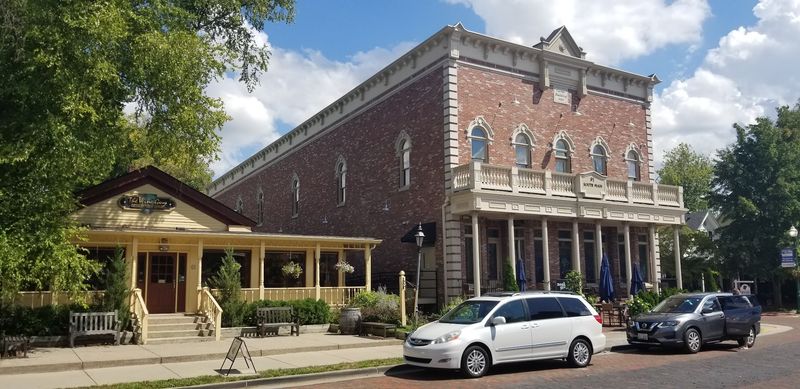
Zionsville has the kind of reputation that tends to boost demand without much effort. Strong schools, an appealing downtown, and a carefully maintained look have helped keep home values high, which is great until the assessment notice arrives.
For many owners, the charm comes paired with property tax bills that keep leaning upward. That can be especially jarring for families who bought years ago, before values climbed to current levels.
They may have planned for normal increases, not a steady march toward larger annual obligations that eat into savings and flexibility.
A house that once felt comfortably within reach can start behaving like a premium property in every budget category.
There is also the psychological part of it. Owners are not necessarily seeing a dramatic lifestyle upgrade each year, yet the cost of remaining in place keeps shifting higher.
When taxes rise alongside insurance, upkeep, and everyday living expenses, the total picture can feel heavier than the town’s postcard appeal suggests.
Indiana’s tax caps help limit some extremes, but they do not make high-value communities suddenly cheap to own in.
As assessments grow, even capped tax structures can produce bills that force tougher conversations at the kitchen table. Families may begin weighing whether the schools and location still match what they are paying to remain there.
Zionsville still checks a lot of boxes, and that is why demand stays strong. But in practical terms, strong demand can push long-term affordability in the wrong direction for owners who are not seeing income rise at the same pace.
For some households, the town’s polished appeal is now competing against the simple desire for lower carrying costs somewhere else.
6. Noblesville
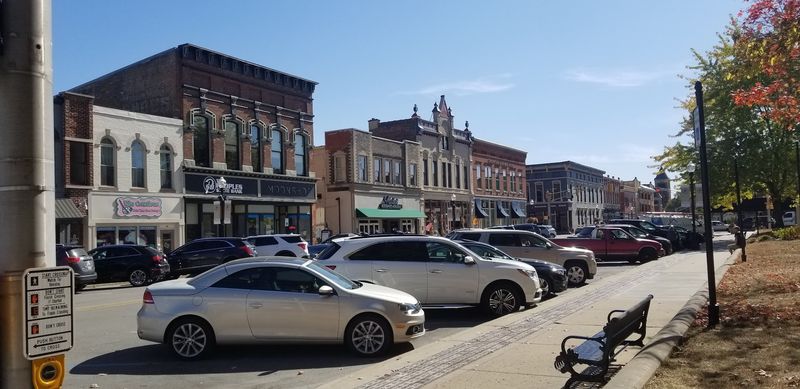
Noblesville keeps attracting attention for the same reasons many growth communities do: solid quality of life, expanding amenities, and a housing market that still draws new buyers.
As demand rises, home values often move with it, and property tax bills can become a sharper issue for owners across both newer and established neighborhoods. The popularity that helps the town thrive can also make staying more expensive.
For homeowners, taxes are not arriving in isolation. They show up next to higher insurance premiums, routine maintenance, utility costs, and the usual parade of household expenses that seem to increase on schedule.
That combination can turn what looked like a manageable annual obligation into one more major budget category requiring careful planning.
Families who bought before recent appreciation may be especially aware of the change. They are not entering the market at today’s prices, yet they are still living with the cost effects of a stronger market through rising assessments.
That creates a strange kind of tension where a home may be more valuable on paper while feeling less affordable to hold.
Noblesville still offers plenty of reasons people want to be there, and those reasons are part of why values have climbed. But desirability does not pay the bill by itself.
When tax increases arrive year after year, some owners start comparing the benefits of staying with the savings they might gain in a less pressured market nearby.
This is where long-term affordability becomes more than a buzzword. It turns into a practical question about how much of a household budget should go toward preserving an address.
In Noblesville, that question is growing more common as rising property taxes join the list of expenses making some families wonder whether their next move should happen sooner rather than later.
7. Muncie

Muncie is not usually grouped with Indiana’s priciest housing markets, which is exactly why rising property taxes can feel so frustrating here. In a city where affordability has long been part of the appeal, even moderate increases in assessed values can carry outsized weight for households with limited financial cushion.
When incomes stay mostly flat, smaller tax jumps do not necessarily feel small. That pressure tends to show up in everyday decisions rather than dramatic headlines.
A family may postpone repairs, cut back on extras, or dip into savings just to keep the yearly budget in line. Property taxes become another fixed cost that is hard to negotiate with and difficult to ignore once the bill lands.
For longtime residents, the issue can feel particularly unfair. They may not be living in rapidly appreciating luxury neighborhoods, yet they still face ownership costs that edge upward over time.
The challenge is less about one single spike and more about cumulative strain, where several modest increases eventually create a serious financial headache.
Muncie remains more attainable than many larger Indiana markets, and that relative affordability still matters. But relative is the key word, because a place can be cheaper than somewhere else and still become harder for its own residents to afford.
If wages, retirement income, or household savings are not keeping pace, the gap shows up fast. That is why Muncie belongs in this discussion even without the flashiest real estate market in the state.
For some homeowners, rising assessments and higher taxes are enough to shift the math on whether staying put remains practical.
The city may still offer value, but value alone does not solve the problem when annual carrying costs continue creeping in the wrong direction.
8. Evansville
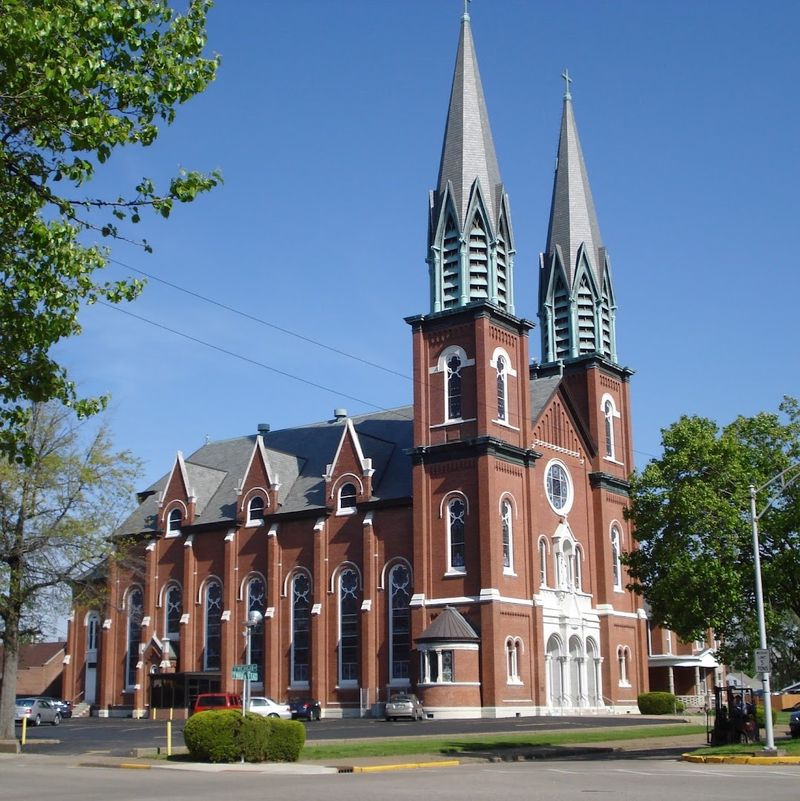
Evansville tends to offer housing prices that look reasonable compared with many faster-moving markets, but that does not make homeowners immune to tax pressure.
As residential values increase across parts of the city, assessed values can rise right along with them. The result is a higher annual bill that lands on top of every other household expense already demanding attention.
That matters because affordability is rarely decided by one number alone. A family may have a manageable mortgage and still feel squeezed once taxes, insurance, utilities, and maintenance all start climbing together.
In that kind of budget, even a moderate tax increase can be enough to force tougher choices about savings, repairs, or future plans.
Evansville’s situation is a good reminder that reasonable home prices do not automatically guarantee low ownership stress. If assessments move upward steadily, the tax burden can become more noticeable year after year.
Homeowners who expected stability may find themselves recalculating costs more often than they thought they would.
There is also a broader fatigue factor that should not be overlooked. When inflation touches groceries, transportation, and nearly every recurring expense, a larger property tax bill can feel less like a separate issue and more like one more weight added to an already full cart.
Families do not always leave because one expense is overwhelming by itself; sometimes it is the stack. Evansville still makes sense for many owners, and plenty may choose to absorb the increases and stay. Even so, the growing tax burden is becoming harder to brush off as a minor adjustment.
For households operating close to their limit, the city’s rising property taxes can be part of the cumulative pressure that turns moving from a distant thought into an active plan.
9. South Bend
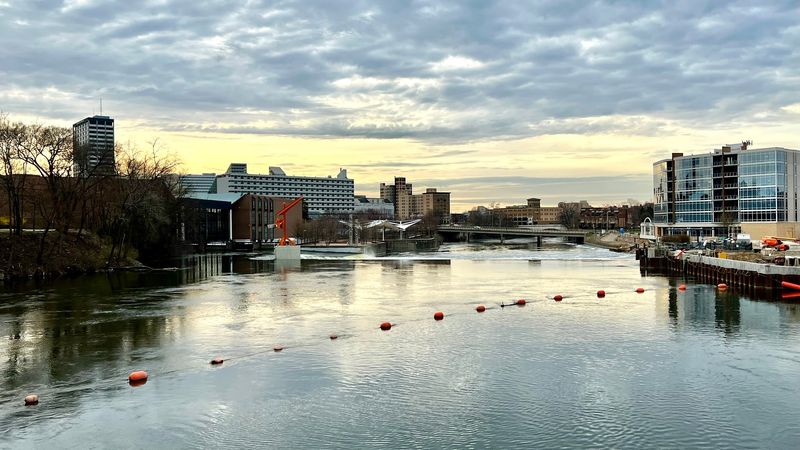
South Bend has seen the kind of housing momentum that can change a city’s cost structure in subtle but important ways.
As neighborhoods strengthen and demand grows, higher property values can push assessments upward for homeowners across the city. That trend may signal improvement in the market, but it also raises the annual cost of staying in place.
For residents who bought before the current wave of attention, that shift can feel mixed. Watching a home gain value is one thing; paying more each year to keep it is another.
The benefit looks clearer when selling, while the tax burden is immediate for the owner who plans to stay and keep making the numbers work.
South Bend’s appeal has broadened in recent years, and revitalization often comes with financial side effects. Owners in improving areas may find themselves balancing pride in neighborhood progress with concern over whether that progress is making long-term ownership harder to sustain.
When assessments increase faster than income, the tension becomes hard to ignore. Indiana’s tax caps can soften the blow, but they do not erase it. Larger valuations can still translate into bills that strain a household already managing repairs, insurance, and ordinary living costs.
For some families, the question is no longer whether taxes are rising, but how many more increases can fit into a budget before a move becomes the easier choice.
South Bend remains a city with opportunity and changing energy, which helps explain the stronger market. Yet stronger markets do not help every homeowner equally.
Some benefit from the upside, while others feel boxed in by rising carrying costs. That is why South Bend belongs on this list, where higher property taxes are increasingly part of the reason some families may look elsewhere.
10. Westfield
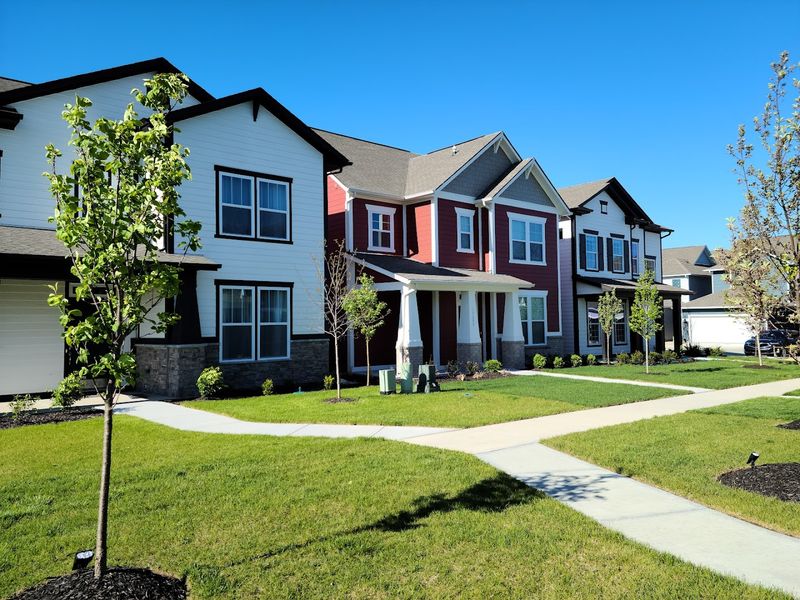
Westfield has changed quickly, and the pace of growth is hard to miss. New neighborhoods, fresh development, and strong buyer demand have helped push home values upward, which can make property tax bills rise right along with them.
For many homeowners, that means the cost of ownership is increasing even after the excitement of buying has faded.
In a fast-growing community, appreciation can sound like welcome news. A home that gains value suggests momentum and demand, both of which are usually framed as positives.
But for families focused on monthly and annual cash flow rather than future resale, rising assessments can turn growth into a budget problem.
Westfield attracts people with schools, amenities, and the promise of a polished suburban lifestyle. Those benefits are real, yet they come with ongoing costs that may be climbing faster than some households expected.
A family that moved in for quality of life may eventually start asking whether the full price of that choice is still sustainable.
This is especially relevant in places where nearly every ownership expense seems to be nudging upward at once. Taxes, insurance, maintenance, and ordinary living costs can combine into a much heavier financial load than the original mortgage estimate suggested.
Even households that planned carefully can feel squeezed when each category inches higher at the same time. Westfield still has strong appeal, and that appeal is one reason values remain under pressure to rise. Yet families do not pay bills with appeal alone.
For some, the town’s amenities and growth continue to justify the expense. For others, increasing property taxes are becoming a practical reason to look at nearby communities where the long-term math may be easier to live with.
11. Merrillville

Merrillville sits in a part of northwest Indiana where housing demand can be shaped by both local growth and wider regional pressure.
As home values rise alongside commercial activity and continued development, homeowners may see assessments move higher as well. That can leave property tax bills feeling heavier than expected for families who counted on steadier ownership costs.
The town’s location adds an extra wrinkle. Proximity to Chicago and commuter appeal can support demand in ways that keep residential prices from staying flat for long.
When that demand feeds into assessments, owners are left dealing with the practical side of market strength rather than just the headline version of it.
For many households, the challenge is not one giant expense in isolation. It is the way property taxes stack on top of mortgage payments, insurance, maintenance, and all the ordinary costs that come with raising a family.
In that environment, a higher annual tax bill can shift the budget from manageable to tight without much warning.
Merrillville still offers advantages that help explain why people buy there in the first place. Access, amenities, and regional convenience matter, and those factors can keep the market active.
But active markets can create stress for homeowners who are not trying to profit from appreciation and instead just want predictability in what it costs to remain in their home.
That is why Merrillville stands out in this conversation. It is a place where rising values and stronger demand may be good for paper equity while still creating real strain through higher taxes.
For some families, especially those balancing several rising bills at once, that added pressure is becoming another reason to consider relocating to a community with lower long-term carrying costs.
Share this story