Pennsylvania has many food traditions, from cheesesteaks in Philadelphia to pierogies in Pittsburgh, but its sushi scene deserves real attention too. Across the state, Japanese restaurants are serving rolls, sashimi, omakase meals, grilled skewers, handmade noodles, and small plates that feel both exciting and carefully made. A great sushi meal is not only about fresh fish, it is also about rice, timing, balance, service, and the feeling you get when each bite is prepared with care. The places on this list show how much variety Pennsylvania offers, whether you want a quiet special dinner, a lively night with friends, or a simple lunch that still feels memorable. Some restaurants are sleek and modern, while others are cozy neighborhood favorites with loyal regulars.
Many are in Philadelphia and Pittsburgh, two cities with strong dining scenes, but spots in nearby communities also add something important to the story. If you live in Pennsylvania, these restaurants can help you plan your next meal close to home. If you are visiting, they can turn a trip into something tastier and more personal. Sushi can feel fancy, casual, playful, or traditional, depending on where you go and what you order. That is part of the fun. Bring curiosity, ask questions, and try something beyond your usual roll. You may find a new favorite piece of nigiri, a warm bowl of miso soup, or a chef guided meal that changes how you think about Japanese food in Pennsylvania.
1. Royal Sushi and Izakaya (Philadelphia)
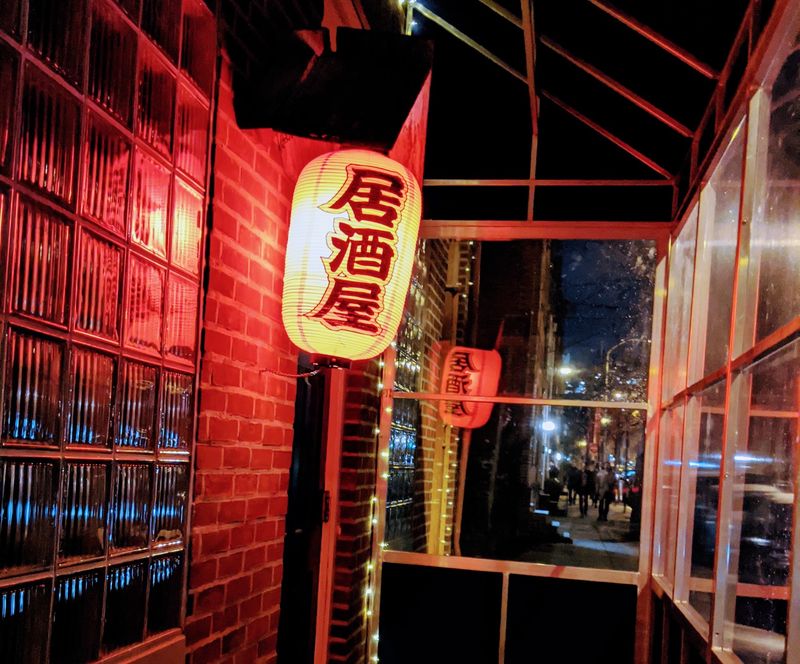
A hidden door can make dinner feel like a small adventure, and that is part of the charm here.
In Philadelphia, Royal Sushi and Izakaya blends two moods in one place: a lively izakaya up front and a serious sushi counter in the back.
The front room is great if you want snacks, drinks, and a relaxed night with friends.
Think grilled skewers, small plates, noodles, and bites that are easy to share before or after sushi.
The sushi bar is where many fans get wide eyed.
Seats are limited, and the omakase experience lets the chef guide the meal piece by piece, with attention to rice temperature, fish texture, and clean flavor.
If you are new to omakase, do not worry.
The idea is simple: you trust the chef to choose what is best that day, and you enjoy each piece as it arrives.
Planning matters because this Philadelphia favorite is popular.
Reservations for the sushi counter can be tough, so check early, stay flexible, and consider visiting the izakaya side if a counter seat is not available.
Royal Sushi and Izakaya works well for date nights, food focused travelers, and locals who want something more personal than a basic roll menu.
The room has energy, but the best bites still feel thoughtful and precise.
A helpful tip is to start with lighter dishes, then move toward richer pieces or cooked plates.
That way, your taste buds do not get tired too quickly.
Pennsylvania has many polished restaurants, but this one feels especially Philly: stylish, a little secretive, and full of character.
For sushi lovers, it is one of the state’s most exciting stops.
2. Bluefin (East Norriton)
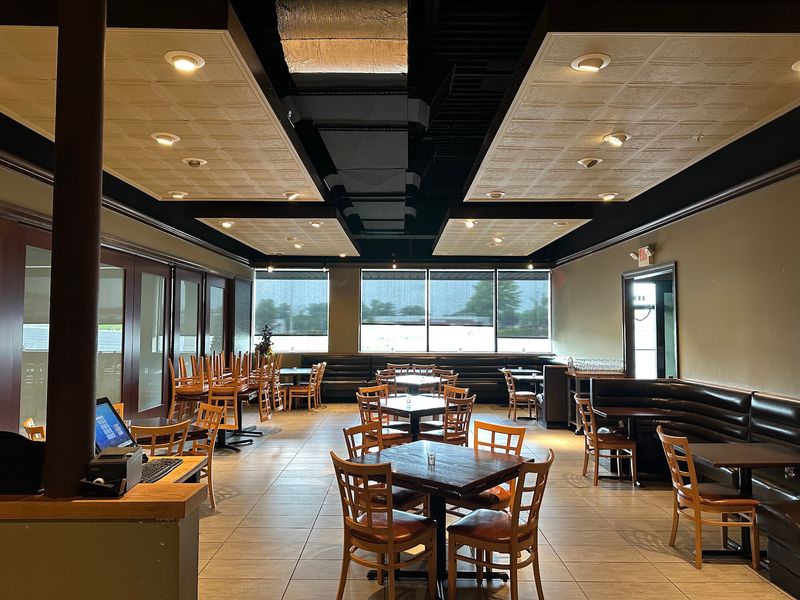
Some of the best meals are found where you least expect them, and Bluefin proves that a suburban setting can still deliver standout sushi.
Located in East Norriton, it has earned a strong following from diners who care about fresh fish and careful presentation.
The menu is broad enough for both cautious eaters and sushi fans who like to explore.
You can order familiar rolls, crisp appetizers, sashimi, or chef selected combinations that show off the kitchen’s range.
What makes Bluefin special is its consistency.
Guests often come back because the fish tastes clean, the rolls look polished, and the service feels steady without being stiff.
If you are visiting with someone who is unsure about raw fish, this is a friendly place to start.
Cooked options, tempura, soups, salads, and creative rolls make the meal easy for mixed groups.
For a better experience, consider ordering a few simple pieces of nigiri along with a specialty roll.
Nigiri lets you judge the rice and fish more clearly, while the rolls add color, crunch, sauce, or heat.
East Norriton is not far from major routes, so Bluefin can work for a planned dinner or a smart stop during errands in Montgomery County.
It feels calmer than a busy city dining room, which many guests appreciate.
A fun way to order is to ask what fish is especially good that day.
Even a short answer can guide you toward something fresher or more interesting than your usual pick.
Bluefin shows that Pennsylvania’s sushi story is not limited to big downtown neighborhoods.
Sometimes a memorable plate of sushi is waiting in a comfortable spot close to home.
3. HIROKI (Philadelphia)
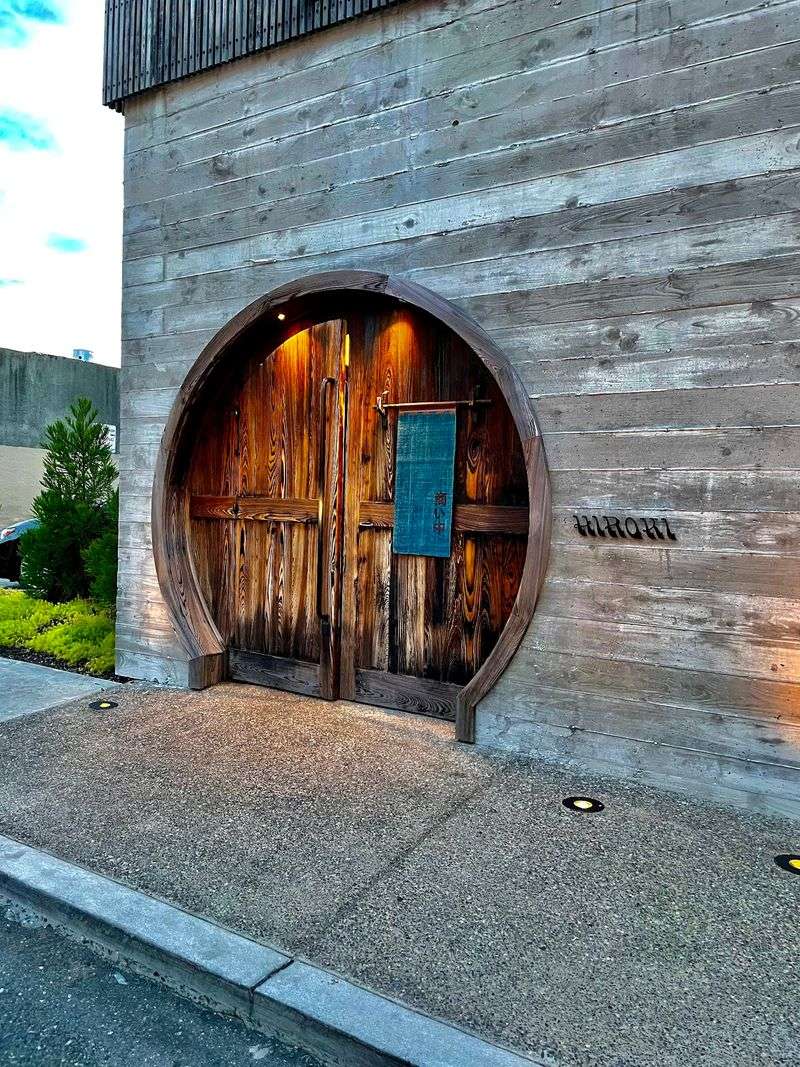
Silence can be delicious when every guest is watching the next piece of sushi take shape.
HIROKI in Philadelphia is built for people who enjoy a slow, focused meal where small details matter.
The restaurant is known for omakase, a chef led tasting menu that moves through carefully prepared bites.
Instead of flipping through pages of choices, you settle in and let the kitchen set the pace.
The space feels calm and polished, with a design that keeps attention on the food.
This makes it a strong pick for celebrations, anniversaries, or anyone who wants a dinner that feels like an event.
At HIROKI, the rice is just as important as the fish.
Good sushi rice should be warm, lightly seasoned, and shaped so it holds together without becoming heavy.
Expect the meal to be more expensive than a casual sushi stop.
That is part of the point, since you are paying for top ingredients, trained hands, and a carefully planned sequence.
Before booking, check the menu style, price, and reservation rules so there are no surprises.
Omakase can involve raw seafood, shellfish, and strong flavors, so mention allergies or dietary needs ahead of time.
A smart approach is to arrive hungry but not rushed.
Each course is small, and the pleasure comes from noticing texture, temperature, and how one bite leads to the next.
Philadelphia has plenty of lively restaurants, but HIROKI offers a quieter kind of excitement.
For Pennsylvania diners who want sushi served with precision and grace, it belongs high on the list.
4. Umi (Pittsburgh)
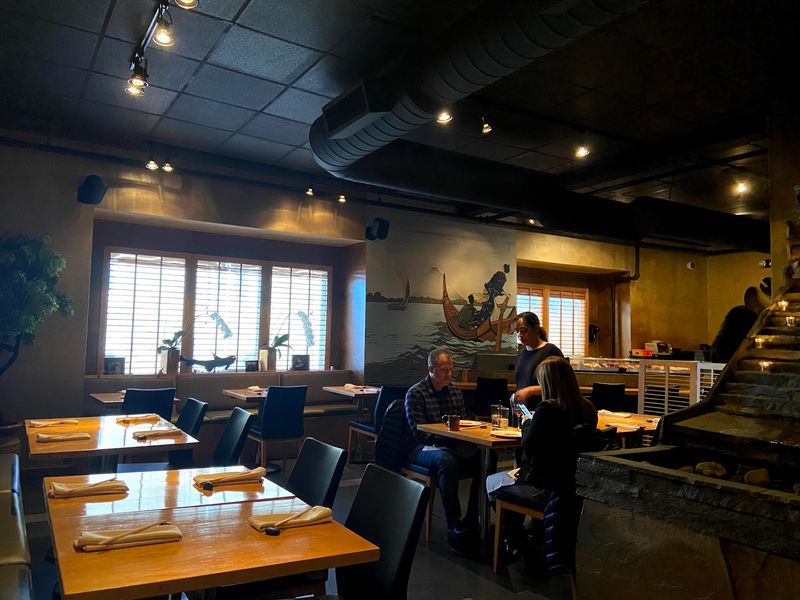
Upstairs dining rooms have a way of feeling tucked away from the noise, and Umi uses that feeling well.
In Pittsburgh, it has long been known as a polished place for sushi, Japanese dishes, and special nights out.
The setting feels grown up but not cold.
Low light, careful service, and attractive plates make the meal feel relaxed while still giving it a sense of occasion.
Sushi lovers can find nigiri, sashimi, and rolls, while other guests may enjoy cooked dishes and appetizers.
That balance helps when one person wants raw fish and another prefers something warm.
Umi is often connected with Pittsburgh’s Shadyside dining scene, an area known for good restaurants and walkable streets.
It can be a smart choice before or after a neighborhood stroll.
When ordering, try not to overload the table with heavy rolls right away.
Begin with miso soup, a light starter, or sashimi so you can enjoy the cleaner flavors first.
The restaurant works especially well for people who appreciate a classic upscale sushi experience.
It may not be the loudest or trendiest spot in the state, but it has a steady confidence that regulars value.
If you are celebrating, ask about chef selections or combinations.
They can take away the guesswork and give you a better sense of what the kitchen does best.
Pittsburgh’s food scene has grown in many directions, and Umi remains an important name for Japanese dining in the city.
For a sushi meal with poise, comfort, and a little sparkle, it is worth planning ahead.
5. Zama (Philadelphia)
Colorful plates can make a table feel cheerful before anyone takes a bite.
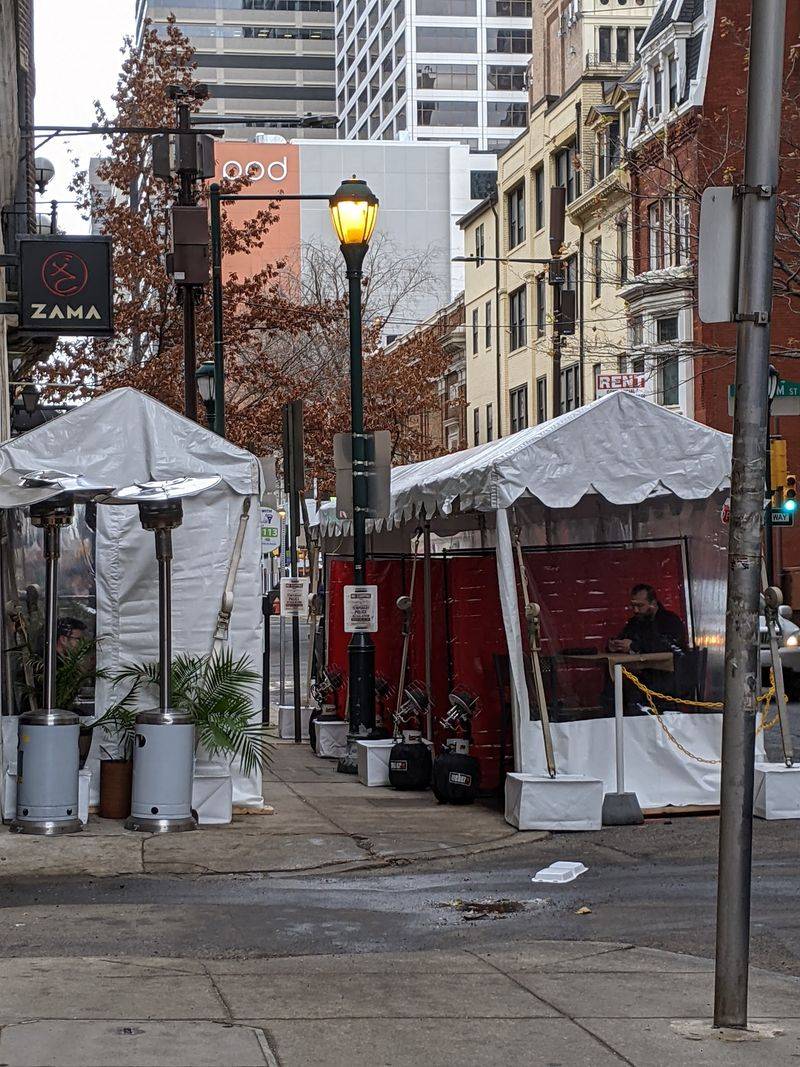
Zama in Philadelphia brings a modern, stylish energy to sushi while still giving guests plenty of familiar choices.
The restaurant is known for a large menu that includes nigiri, sashimi, creative rolls, and Japanese inspired plates.
This makes it helpful for groups because everyone can find a path through the meal.
Center City diners often choose Zama for date nights, business dinners, or evenings before a show.
Its location makes it easy to add sushi to a bigger Philadelphia plan.
One strength is variety.
If you enjoy classic tuna and salmon, you are covered, but if you want bold sauces, crunch, spice, or unusual combinations, there is room to play.
For the best balance, mix one creative roll with a few simple pieces of nigiri.
This keeps the meal fun without hiding the flavor of the fish under too many toppings.
People who are learning about sushi may find Zama less intimidating than a strict omakase counter.
You can order at your own speed, share plates, and ask questions without feeling pressured.
Reservations are a good idea during busy nights, especially because Center City can fill up with workers, visitors, and theater crowds.
Give yourself time for parking, transit, or walking between stops.
Zama shows how Pennsylvania sushi can be polished and playful at the same time.
It is a strong choice when you want quality, choice, and a city setting that feels lively without becoming too fussy.
6. Kiku Japanese Restaurant (Pittsburgh)
Old favorites often stay popular because they make people feel comfortable, not because they chase every trend.
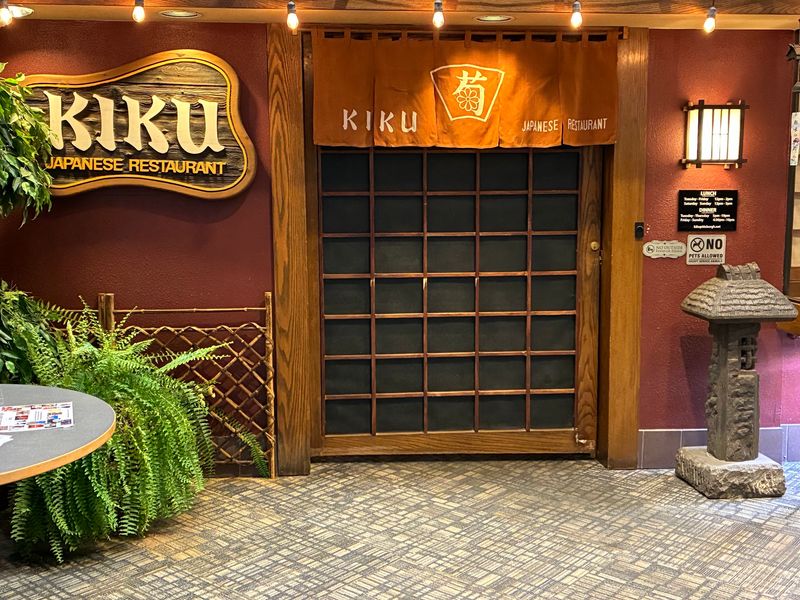
Kiku Japanese Restaurant in Pittsburgh has that classic appeal, offering sushi and Japanese dishes in a setting that feels welcoming.
For many diners, Kiku is the kind of place where you can enjoy a steady, satisfying meal without too much fuss.
The menu includes sushi choices along with cooked items, making it useful for families and mixed groups.
A traditional sushi bar experience is part of the draw.
Sitting near the chefs can help you notice how rolls are assembled and how carefully each piece is handled.
If you are unsure what to order, start simple.
A tuna roll, salmon nigiri, miso soup, and a vegetable or tempura appetizer can give you a clear picture of the kitchen.
Kiku can also be a nice choice for people who want Japanese food in Pittsburgh without a flashy scene.
The comfort comes from familiar service, reliable dishes, and a menu that does not feel confusing.
Long running restaurants matter because they become part of a city’s food memory.
Guests return for birthdays, casual dinners, or the comfort of knowing what they like.
To make the meal more interesting, add one item you have not tried before.
Maybe it is eel, mackerel, seaweed salad, or a roll with a different texture than your usual order.
Pennsylvania has many newer sushi counters, but places like Kiku help show the roots of Japanese dining in the state.
It is a reminder that good sushi does not always need drama to be rewarding.
7. Double Knot (Philadelphia)
A meal that feels like a surprise party has its own kind of magic.
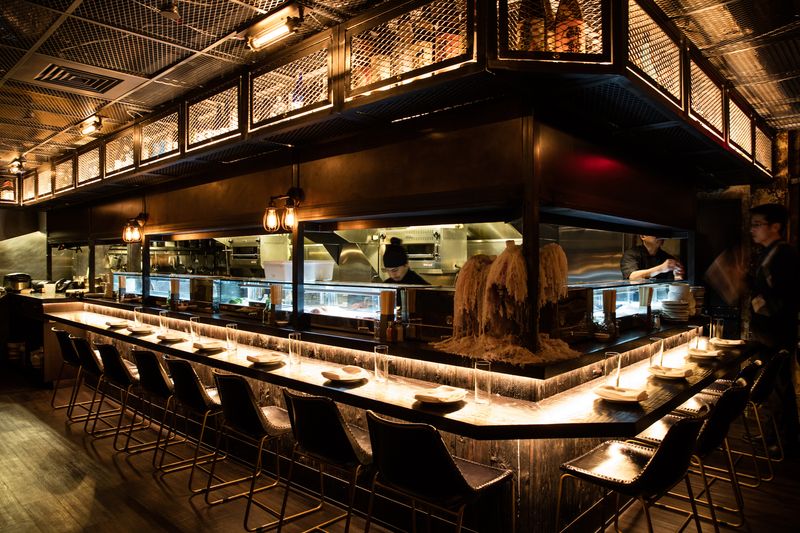
Double Knot in Philadelphia starts with a stylish street level space, then leads guests into a darker, lively dining room below.
The menu is not only about sushi, though sushi is a major reason people visit.
You can build a meal with rolls, sashimi, robatayaki skewers, dumplings, rice dishes, and small plates.
That variety makes Double Knot a fun choice for groups that like to share.
Instead of everyone ordering one large plate, the table can sample many flavors and textures.
The atmosphere is a big part of the experience.
It feels busy, social, and a little dramatic, so it is better for an energetic night out than a quiet conversation.
When planning your order, think in rounds.
Start with a few cold items or sushi pieces, add grilled dishes, then finish with something richer if you still have room.
Because the restaurant is popular, reservations are strongly recommended.
Philadelphia weekends can be packed, and this spot is often on the radar of visitors as well as locals.
Double Knot is a good pick for someone who says they like sushi but also wants more than sushi.
The kitchen gives you enough choices to keep the table moving and the conversation easy.
In Pennsylvania’s dining scene, it stands out for mood, pace, and range.
If your ideal sushi night includes low lights, shared plates, and a little buzz in the room, Double Knot delivers that feeling well.
8. Tuna Bar (Philadelphia)
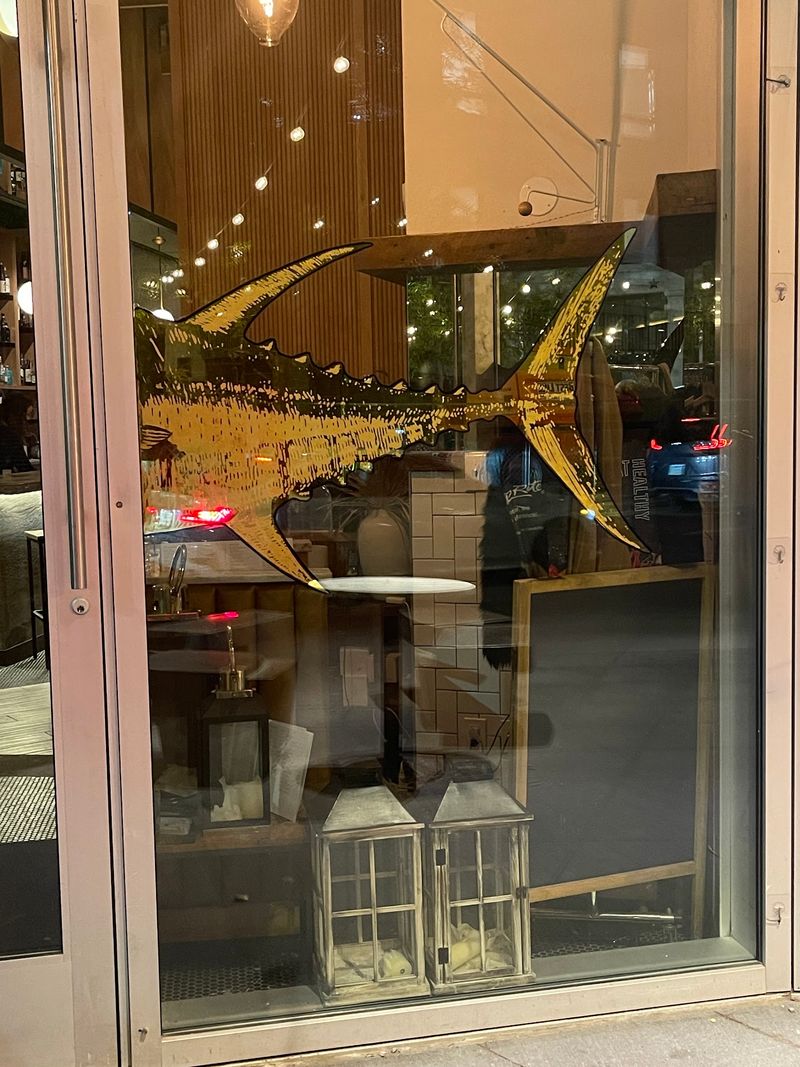
Tuna lovers can guess from the name that this Philadelphia spot takes fish seriously.
Tuna Bar brings a bright, modern feel to sushi, with a menu that works for both casual dinners and dressed up evenings.
The restaurant sits in Old City, one of Philadelphia’s most historic and walkable neighborhoods.
That makes it easy to pair dinner with sightseeing, galleries, riverfront time, or a night out nearby.
Seafood is the star, but the menu has enough variety to keep different diners happy.
You might find nigiri, sashimi, rolls, salads, hot dishes, and cocktails that match the lively setting.
A good plan is to try tuna in more than one form.
Compare a simple tuna nigiri with a richer spicy tuna roll, and you will notice how preparation changes the flavor.
The room feels stylish without being too serious.
It is a place where you can celebrate a birthday, meet friends, or enjoy a relaxed date night with strong food at the center.
If you are sensitive to spice or sauces, ask questions before ordering specialty rolls.
Some are clean and simple, while others bring heat, crunch, or creamy toppings.
Old City parking can take patience, so consider public transit, rideshare, or extra time if you are driving.
A calm arrival always makes dinner more enjoyable.
Tuna Bar adds a fresh, social voice to Pennsylvania’s sushi scene.
It is especially appealing when you want quality fish, a fashionable room, and a Philadelphia neighborhood that gives the night a little extra energy.
9. Yanaga Kappo Izakaya (Philadelphia)
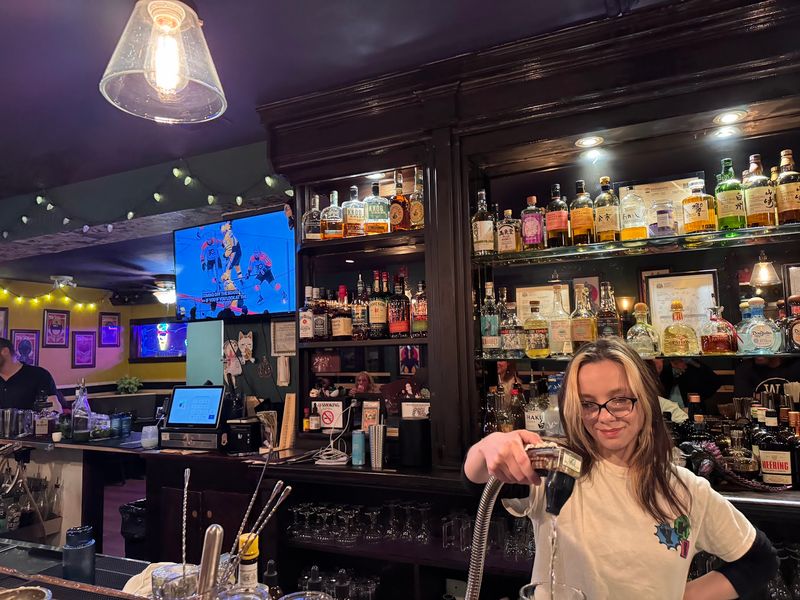
There is something comforting about a restaurant that invites you to snack, sip, and stay awhile.
Yanaga Kappo Izakaya in Philadelphia brings that feeling through Japanese small plates, sushi, and a warm neighborhood spirit.
The word izakaya often points to a casual Japanese drinking spot with food meant for sharing.
Kappo suggests a closer chef driven style, where preparation and seasonality receive special care.
Together, those ideas make the restaurant feel flexible.
You can stop in for a few bites and drinks, or you can build a fuller meal with sushi, cooked dishes, and specials.
The sushi here fits naturally into the larger menu.
Rather than treating rolls as the only attraction, the kitchen lets raw fish, grilled items, and savory snacks support one another.
If you like to explore, ask about specials or chef recommendations.
Smaller restaurants often shine when guests pay attention to what is fresh or limited that night.
This is also a good place to bring someone who enjoys variety.
A shared table can move from crisp textures to rich bites, then back to clean sushi flavors.
To keep the meal balanced, order slowly.
Izakaya dining is more fun when the table has time to talk, taste, and decide what should come next.
Yanaga Kappo Izakaya adds personality to Pennsylvania’s Japanese restaurant map.
It feels less like a formal performance and more like a friendly conversation between kitchen and guest, which can make the sushi taste even more memorable.
10. Gi-Jin (Pittsburgh)
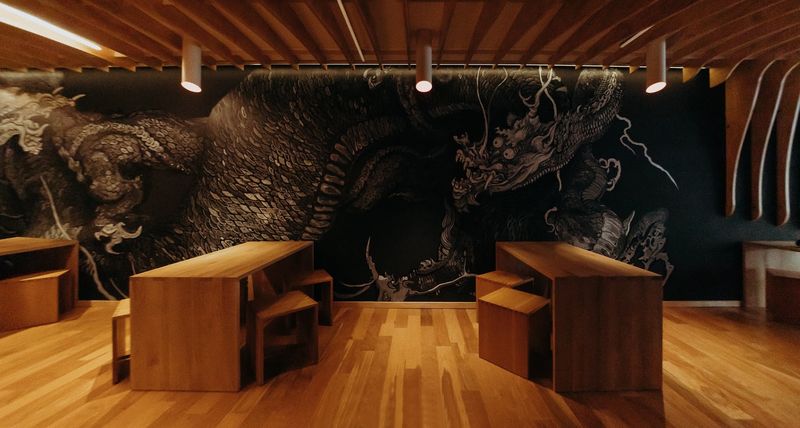
Some restaurants feel small in size but big in personality, and Gi-Jin in Pittsburgh fits that description.
With a focus on sushi, hand rolls, and gin, it offers a sharp, modern take on Japanese dining.
The space is intimate, so the energy feels close and lively.
That can make dinner exciting, especially if you enjoy watching plates and drinks move through a busy room.
Gi-Jin is known for high quality fish and a menu that rewards curious eaters.
Nigiri, sashimi, and hand rolls let ingredients stay in the spotlight without too much distraction.
The gin angle adds a playful twist.
If you enjoy cocktails, ask for a pairing suggestion or choose a drink that will not overpower the fish.
Because seating can be limited, reservations are wise.
A spontaneous visit may work at slower times, but planning ahead gives you a better chance of enjoying the meal without stress.
Hand rolls are especially fun here because they are meant to be eaten right away.
The seaweed stays crisp, the rice is warm, and the filling tastes clear and fresh.
For first timers, ordering a mix of nigiri and hand rolls is a smart move.
You get both the clean precision of classic sushi and the relaxed pleasure of something you hold in your hand.
Gi-Jin brings a confident, city ready style to Pennsylvania sushi.
For Pittsburgh diners who want a meal that feels current, focused, and a little adventurous, this restaurant is a standout choice.
11. Maido! Japanese Restaurant (Ardmore)
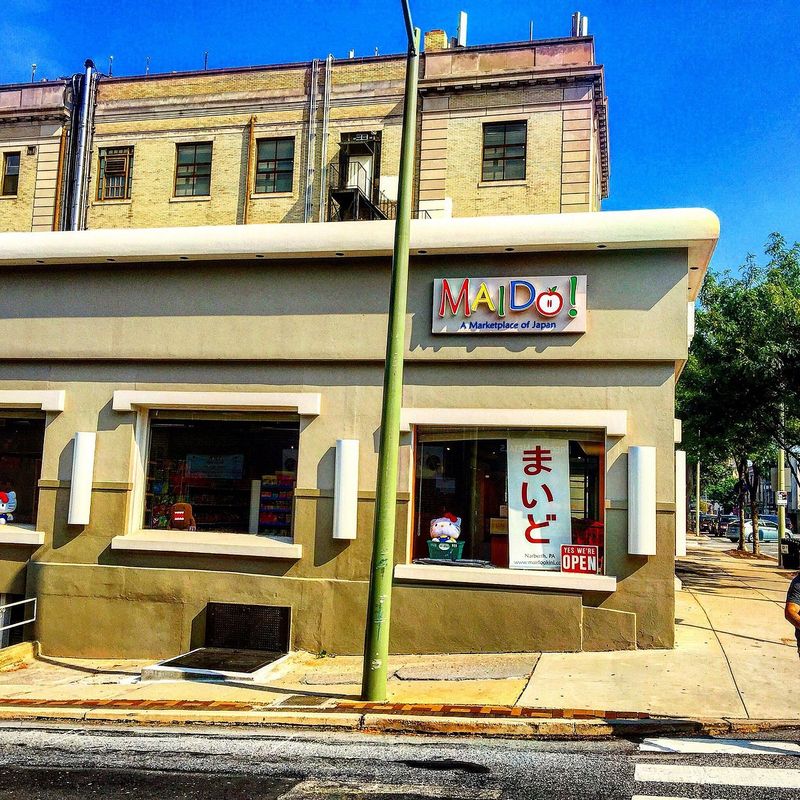
A cheerful neighborhood spot can be just as rewarding as a fancy tasting counter.
Maido! Japanese Restaurant in Ardmore brings a friendly, casual style to Japanese food on Pennsylvania’s Main Line.
The mood is approachable, which makes it a useful pick for lunch, a low key dinner, or a meal with family.
You do not need to know every sushi term before walking in.
Menus at places like Maido! often appeal because they offer comfort and choice.
Sushi rolls, bento style meals, noodles, rice dishes, snacks, and Japanese pantry items can all be part of the experience.
For sushi, start with familiar rolls if you are new, then add one piece of nigiri or a special roll to stretch your taste a little.
Small steps make trying new food more fun.
Ardmore’s location is convenient for people in the western suburbs of Philadelphia.
It can be a pleasant stop while shopping, meeting friends, or exploring the Main Line by train or car.
One charming part of Maido! is its connection to everyday Japanese flavors.
Beyond sushi, you may notice items that feel homey, quick, playful, or snack friendly.
If you are feeding a group, order a mix of sushi and cooked dishes.
That way, children, cautious eaters, and sushi fans can all share the table without anyone feeling left out.
Maido! helps round out Pennsylvania’s sushi scene by showing that Japanese dining can be warm, casual, and community centered.
Not every great sushi meal needs white tablecloths, sometimes it only needs good food and a place that feels easy to love.
Share this story