Tennessee’s wetlands, rivers, and forests create perfect conditions for hundreds of bird species throughout the year. From bald eagles soaring over cypress swamps to massive flocks of sandhill cranes filling winter skies, the state offers birdwatching experiences you won’t find anywhere else.
Whether you’re tracking rare migrants, photographing waterfowl, or simply enjoying a peaceful morning surrounded by songbirds, these eleven sanctuaries deliver unforgettable encounters with Tennessee’s incredible avian diversity.
1. Reelfoot Lake State Natural Area & National Wildlife Refuge, Tiptonville
Reelfoot Lake sits in Tennessee’s northwest corner like nature’s own amphitheater, where more than 270 bird species perform throughout the year. The lake formed during massive earthquakes in 1811-1812, creating a shallow, cypress-studded wetland unlike anything else in the state.
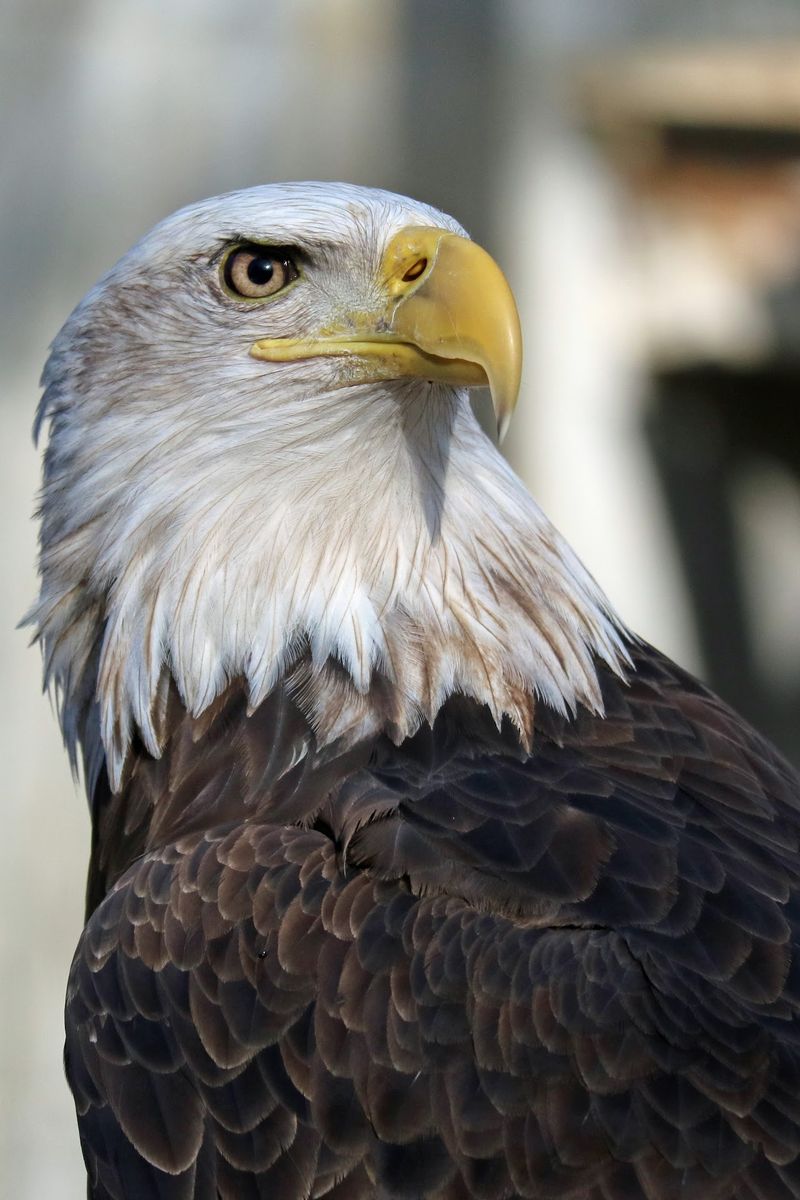
Bald eagles gather here every winter in numbers that can reach into the hundreds, making it one of the best eagle-watching spots in the entire Southeast.
Winter transforms Reelfoot into waterfowl central. Thousands of ducks, geese, and other water birds arrive when temperatures drop, turning the lake into a constantly moving tapestry of wings and calls.
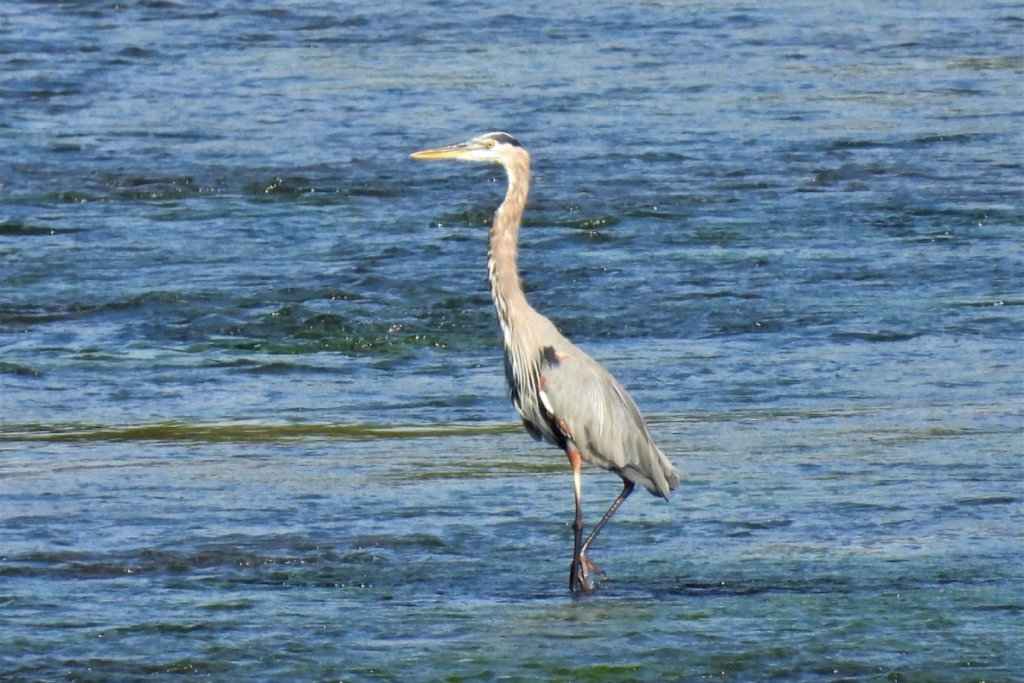
You’ll spot canvasbacks, redheads, ring-necked ducks, and northern pintails sharing space with great blue herons and American white pelicans. The refuge’s eagle tours run from late December through mid-March, giving visitors front-row seats to these magnificent raptors hunting, roosting, and sometimes engaging in dramatic aerial displays.
Spring and fall migration periods bring warblers, vireos, and thrushes filtering through the bottomland forests surrounding the lake. Summer shifts the focus to nesting species like prothonotary warblers, whose bright yellow plumage lights up the cypress swamps.
Wood ducks raise their young in tree cavities, and anhinga occasionally make surprise appearances, drying their wings on exposed snags.
The visitor center offers spotting scopes, trail maps, and helpful staff who know exactly where birds have been seen recently. Multiple observation points circle the lake, each offering different habitat views and birding opportunities.
Boardwalks extend over the water, placing you right among the cypress knees where wading birds stalk fish in the shallows. Early mornings deliver the best light and the most active feeding periods.
Photography opportunities at Reelfoot rank among Tennessee’s finest. The combination of dramatic cypress silhouettes, mirror-calm water, and abundant wildlife creates images that capture why this refuge consistently appears on national birding destination lists.
Pack layers regardless of season since temperatures near the water can shift quickly, and bring binoculars powerful enough to pick out distant eagles perched in massive cottonwoods across the lake.
2. Lake Isom National Wildlife Refuge, Tiptonville
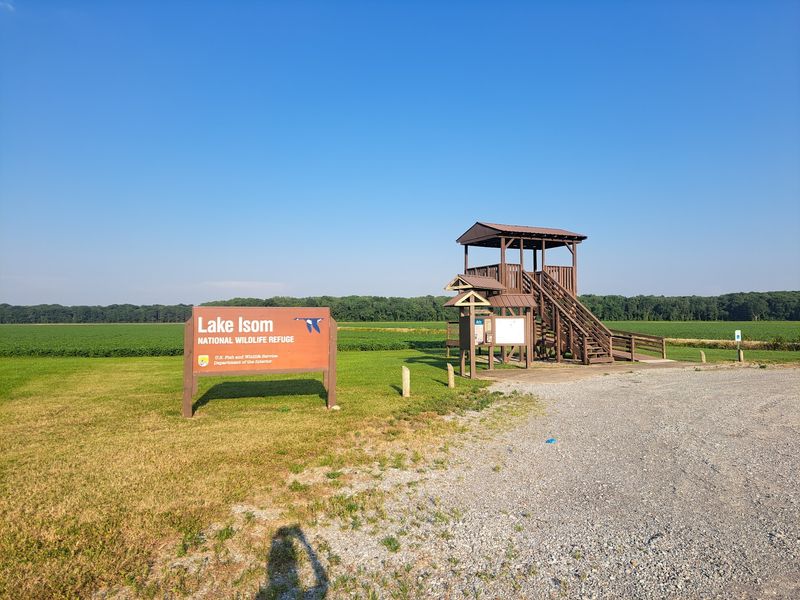
Established back in 1938, Lake Isom holds the distinction of being Tennessee’s very first National Wildlife Refuge. This 1,850-acre sanctuary sits just minutes from Reelfoot Lake but offers a completely different birding experience.
Where Reelfoot sprawls across open water and cypress forests, Lake Isom concentrates its wetland magic into a more intimate setting of marshes, seasonal pools, and hardwood bottomlands.
The refuge’s smaller size actually works in birders’ favor. You can thoroughly explore the accessible areas in a single morning, and the concentrated habitat means birds often appear closer and more frequently.
Wetland-dependent species thrive here, particularly during migration when shorebirds probe the mudflats and dabbling ducks filter through shallow water. Green-winged teal, American wigeon, and blue-winged teal all make regular appearances depending on the season.
Winter brings its own cast of characters. Northern harriers quarter low over the fields, their white rump patches flashing as they hunt for small mammals.
Short-eared owls occasionally appear during late afternoon, floating on silent wings above the grasslands. The refuge’s water levels fluctuate seasonally, creating ideal conditions for different species at different times.
Spring drawdowns expose mudflats that attract migrating sandpipers, plovers, and yellowlegs.
Lake Isom’s management practices specifically target waterfowl and wetland bird populations. Controlled water levels, moist-soil plant communities, and protected nesting areas all combine to support both breeding residents and migrating visitors.
Wood ducks nest in the bottomland forests, while rails and bitterns hide among the dense marsh vegetation. Patient observers willing to wait quietly near the marsh edges often get rewarded with views of secretive species that rush past at busier refuges.
The refuge doesn’t offer the extensive trail system or visitor facilities found at larger sites, but that simplicity becomes part of its appeal. You’re here for the birds and the quiet, not interpretive centers or crowded boardwalks.
The levee roads provide excellent vantage points for scanning across the wetlands, and the lack of heavy visitor traffic means wildlife behaves more naturally. Bring insect repellent during warmer months since mosquitoes consider this prime habitat too.
3. Hatchie National Wildlife Refuge, Stanton
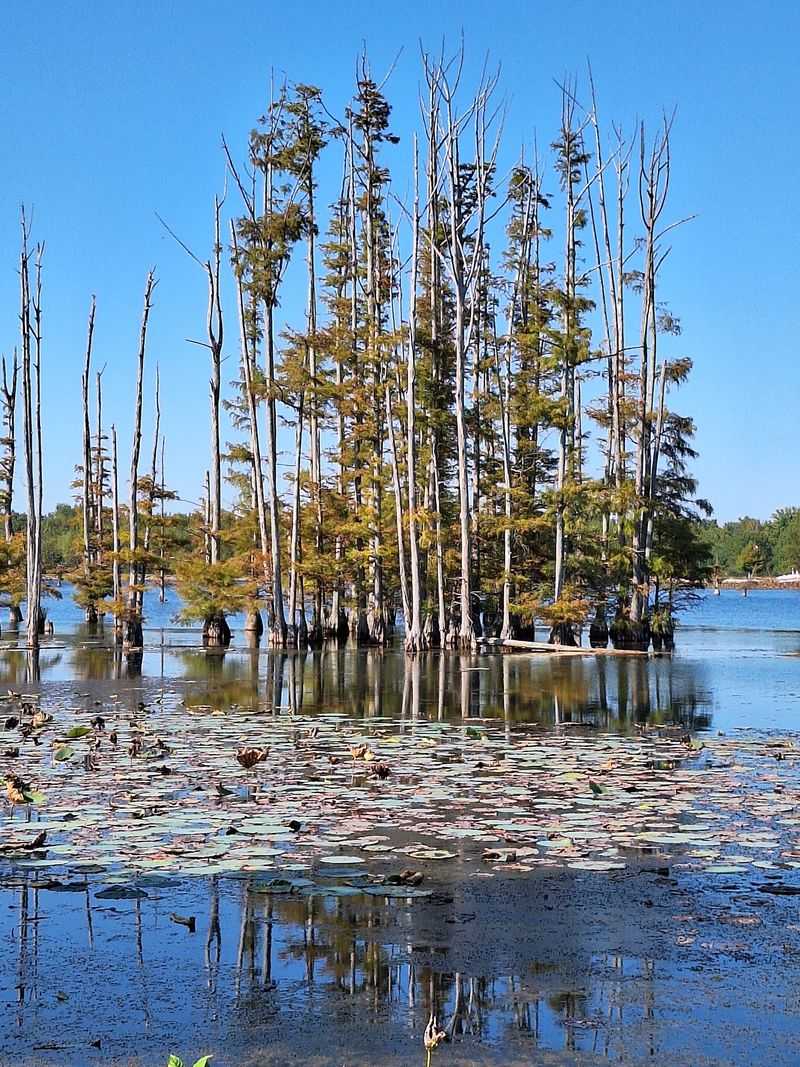
The Hatchie River flows through 11,556 acres of some of the least disturbed bottomland hardwood forest remaining in Tennessee. This refuge stretches along 23 miles of river corridor, creating a vital sanctuary specifically established for migratory birds traveling the Mississippi Flyway.
When you visit Hatchie, you’re stepping into habitat that looks remarkably similar to what existed here centuries ago, before most Southern bottomlands fell to agriculture and development.
Waterfowl dominate the winter birding scene. Mallards, gadwall, northern shovelers, and wood ducks gather in the flooded timber and along the river’s slower sections.
The refuge’s bottomland forests flood seasonally, creating perfect conditions for dabbling ducks to feed on acorns, seeds, and aquatic invertebrates. Bald eagles patrol the river from tall sycamores and cottonwoods, watching for fish or wounded ducks.
Spring migration transforms Hatchie into warbler paradise. Prothonotary warblers claim territories in the flooded forests, their golden bodies bright against dark water.
Northern parula, yellow-throated warblers, and Kentucky warblers all nest within the refuge. Overhead, Mississippi kites arrive in late April, their graceful flight and pearl-gray plumage making them unmistakable against blue skies.
Barred owls call from deep within the forest, their distinctive “who cooks for you” echoing across the bottomlands.
Summer heat slows birding activity during midday, but early mornings remain productive. Acadian flycatchers, yellow-billed cuckoos, and summer tanagers fill the canopy with movement and song.
Great blue herons and great egrets stalk the shallows, while belted kingfishers rattle along the river. The refuge’s diverse habitat mix creates niches for everything from forest-interior species to edge-loving birds and open-water specialists.
Access requires some planning since portions of the refuge flood regularly and roads can become impassable. The refuge office provides current conditions and access information.
Several trails and auto routes wind through different habitat types, offering varied birding opportunities. Photographers appreciate the dramatic lighting that filters through the forest canopy, especially during early morning when mist rises from the river.
The Hatchie’s wild character means you might encounter other wildlife too, from river otters to white-tailed deer, all sharing this protected corridor.
4. Lower Hatchie National Wildlife Refuge, Henning
Where the Hatchie River surrenders to the Mississippi, Lower Hatchie National Wildlife Refuge protects 9,577 acres of river-bottom wildness that few Tennessee birders have fully explored. This refuge occupies a more remote position than its upstream neighbor, and that isolation translates into a wilder, less-visited birding experience.
The confluence zone creates unique habitat conditions where two major river systems meet, mixing sediments, nutrients, and the bird communities each waterway supports.
Waterfowl use Lower Hatchie heavily during migration and winter. The backwater sloughs, oxbow lakes, and flooded forests provide ideal resting and feeding areas for ducks traveling the Mississippi Flyway.
Ring-necked ducks, lesser scaup, and bufflehead join the more common mallards and wood ducks. Double-crested cormorants fish the deeper channels, often perching on snags with wings spread to dry their feathers in characteristic cormorant fashion.
The refuge’s bottomland hardwood forests support breeding populations of species that require large, undisturbed forest blocks. Swainson’s warblers, notoriously difficult to observe, nest in the dense understory of cane thickets.
Their loud, ringing song often provides the only evidence of their presence. Red-shouldered hawks nest in the taller trees, their distinctive calls carrying across the forest.
Pileated woodpeckers hammer on dead snags, excavating cavities that later serve as nest sites for wood ducks and screech-owls.
Spring brings impressive numbers of neotropical migrants through the refuge. Warblers, vireos, tanagers, and thrushes pause here to refuel before continuing north.
The forest canopy comes alive with movement and color as waves of migrants filter through the trees. Patient observers who spend time scanning the mid-story and canopy often rack up impressive species counts during peak migration windows in late April and early May.
Access to Lower Hatchie requires more effort than most Tennessee refuges. Some areas remain roadless, accessible only by boat or on foot.
The refuge office can direct visitors to the most accessible birding spots and provide current information on water levels and road conditions. This remoteness keeps visitor numbers low, which means you’ll often have the refuge largely to yourself.
Bring everything you need since services are minimal, and cell phone coverage can be spotty in the deeper bottomlands.
5. Tennessee National Wildlife Refuge, New Johnsonville
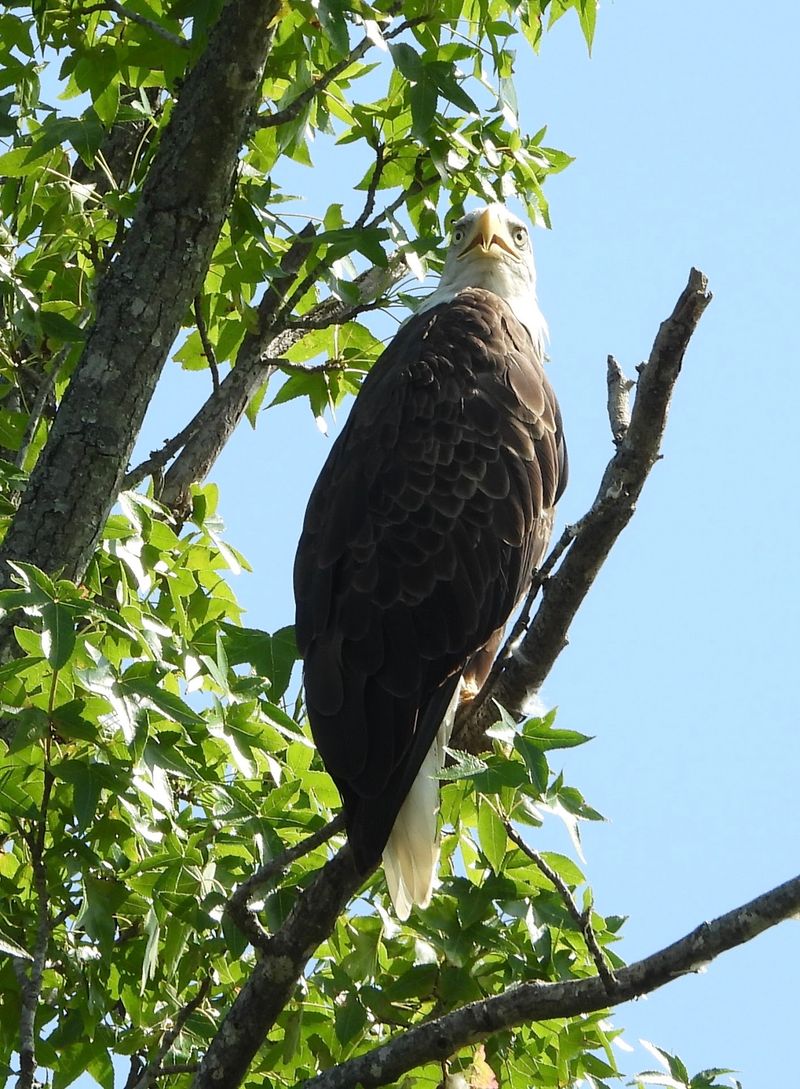
More than 316 bird species have been recorded at Tennessee National Wildlife Refuge, making it one of the state’s most diverse birding destinations. This 51,000-acre refuge sprawls across parts of three counties, following Kentucky Lake and Lake Barkley through a landscape of wetlands, forests, fields, and open water.
The refuge’s size and habitat diversity mean you could bird here for weeks without exhausting its possibilities.
Waterfowl arrive in staggering numbers during fall and winter. Peak counts sometimes exceed 100,000 ducks, transforming the refuge into one vast, feathered spectacle.
Canvasbacks, redheads, and scaup raft up in massive flocks on the open water. Northern pintails, American wigeon, and green-winged teal dabble in the shallows.
The refuge’s moist-soil units, carefully managed to produce natural duck foods, attract particularly high concentrations of feeding birds.
The refuge operates several auto tour routes that wind through different habitat types. Duck River Unit offers excellent waterfowl viewing from the levee roads, while Big Sandy Unit provides access to bottomland forests and river habitat.
Each unit develops its own character based on geography and management practices. Spring migration brings shorebirds to the mudflats when water levels drop, with dunlin, least sandpipers, and both greater and lesser yellowlegs probing the exposed mud.
Bald eagles nest on the refuge and remain visible year-round, though winter brings additional eagles from northern populations. Ospreys fish the open water during warmer months, plunging feet-first to grab fish just below the surface.
Mississippi kites hunt insects over the fields and forest edges in summer. The refuge’s grasslands support breeding populations of dickcissels, blue grosbeaks, and indigo buntings, while the forests harbor Kentucky warblers, hooded warblers, and yellow-billed cuckoos.
Photography opportunities range from distant waterfowl flocks to intimate forest scenes. The refuge’s observation platforms provide elevated vantage points for scanning across the wetlands.
Early morning visits during waterfowl season can produce unforgettable experiences, with thousands of ducks taking flight at once, their wings creating a sound like distant thunder. The refuge visitor center near Paris Landing offers maps, bird lists, and recent sighting information.
Staff can direct you to current hot spots based on season and recent observations.
6. Cross Creeks National Wildlife Refuge, Dover
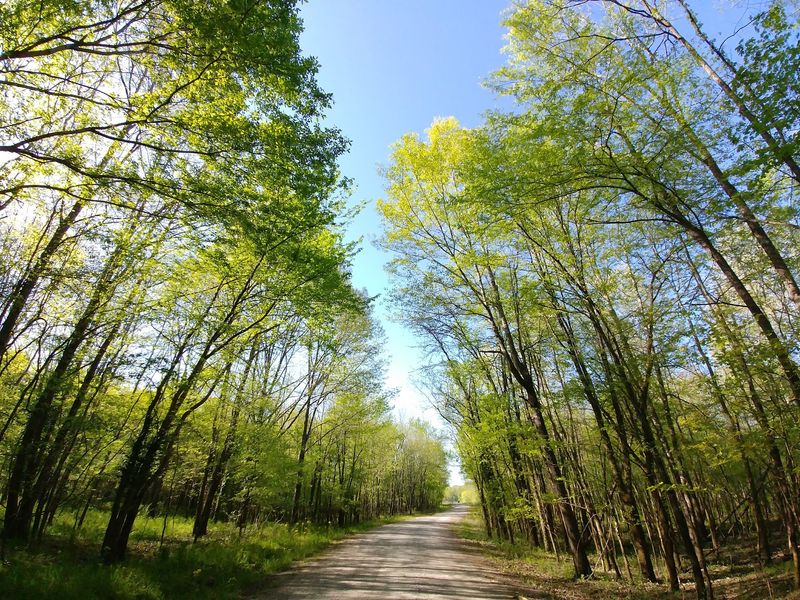
Cross Creeks National Wildlife Refuge wraps around 8,862 acres along Lake Barkley and the Cumberland River, creating a patchwork of habitats that supports an impressive variety of bird species. Open water meets marsh, woodland borders cropland, and the river adds its own dynamic element to the mix.
This habitat diversity translates directly into species diversity, with different birds occupying every available niche from the water’s surface to the forest canopy.
Winter waterfowl viewing ranks among the refuge’s main attractions. Mallards, gadwall, American black ducks, and wood ducks gather in the protected coves and backwaters.
Ring-necked ducks and hooded mergansers dive in the deeper sections, while Canada geese graze in the agricultural fields. The refuge’s strategic position along the Cumberland River places it directly in a major waterfowl migration corridor, ensuring reliable numbers of wintering birds.
Shorebird migration peaks during spring and fall when water levels expose mudflats and shallow feeding areas. Killdeer, least sandpipers, and spotted sandpipers work the shorelines, their quick movements and probing bills constantly searching for invertebrates.
Solitary sandpipers live up to their name, usually appearing singly rather than in flocks. Wilson’s snipe hide in the marsh vegetation, exploding into flight with their distinctive scaip call when approached too closely.
The refuge’s woodlands support breeding populations of forest songbirds. Scarlet tanagers, wood thrushes, and ovenbirds all nest within the mature forest stands.
Red-eyed vireos sing their endless phrases from the canopy, while Carolina wrens investigate every brush pile and fallen log. Barred owls and great horned owls hunt from the forest interior, occasionally venturing to the field edges at dusk.
Raptors use Cross Creeks year-round. Red-tailed hawks and red-shouldered hawks nest on the refuge, while northern harriers and rough-legged hawks appear during winter.
Bald eagles fish the open water and sometimes perch conspicuously in the tallest trees along the shoreline. The refuge’s mix of open and wooded habitat creates ideal hunting grounds for these predators.
Multiple access points and trail systems allow visitors to explore different sections of the refuge, each offering unique birding opportunities based on habitat type and season. The refuge office provides maps and current birding information.
7. Radnor Lake State Natural Area, Nashville
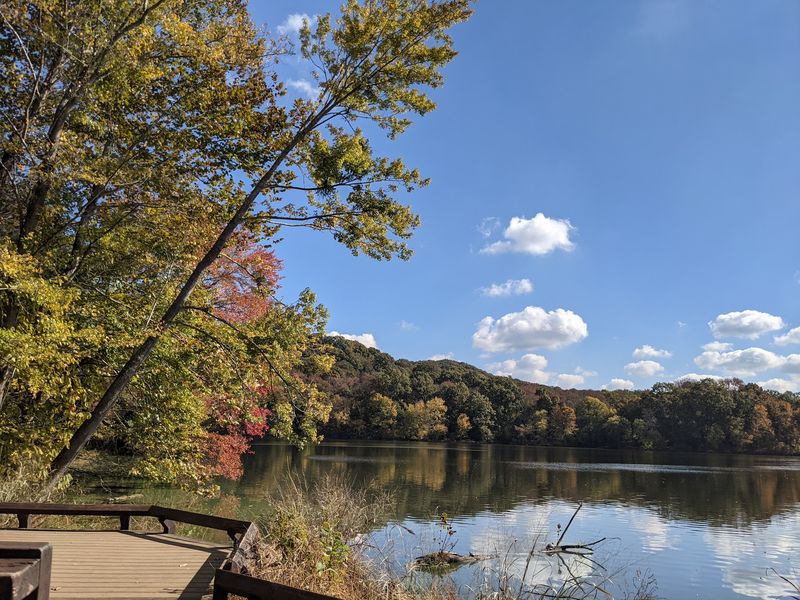
Just eight miles from downtown Nashville, Radnor Lake State Natural Area protects 1,368 acres of forest, wetland, and an 85-acre lake that serves as an oasis for both birds and people. The natural area has recorded 236 bird species, with spring and fall migration bringing particularly impressive diversity.
Dozens of warbler species pass through during peak migration, turning the forest canopy into a moving kaleidoscope of color and song.
Spring migration typically peaks in late April and early May when neotropical migrants flood through Middle Tennessee. Tennessee warblers, black-throated green warblers, chestnut-sided warblers, and magnolia warblers all appear in good numbers.
Cerulean warblers, a species of conservation concern, nest in the mature forest canopy. The natural area’s protected status and extensive forest cover create ideal stopover habitat where exhausted migrants can rest and refuel before continuing their journeys north.
The lake itself attracts wintering waterfowl despite its relatively small size. Wood ducks, hooded mergansers, ring-necked ducks, and pied-billed grebes all use the lake during colder months.
Great blue herons stalk the shallows year-round, while belted kingfishers rattle from perches overlooking the water. Double-crested cormorants occasionally visit, diving repeatedly as they fish the deeper sections.
Summer brings nesting activity throughout the forest. Acadian flycatchers, eastern wood-pewees, and great crested flycatchers all raise young within the natural area.
Scarlet tanagers flash red and black through the canopy, while summer tanagers prefer the forest edges and openings. Louisiana waterthrushes nest along the streams feeding into the lake, their ringing songs echoing through the ravines.
Barred owls nest in the deeper forest, sometimes becoming quite vocal during late winter courtship.
Six miles of trails circle the lake and climb into the surrounding hills, providing access to different elevations and habitat types. The Lake Trail offers the easiest walking and best waterfowl viewing, while the South Cove Trail and Ganier Ridge Trail climb into upland forest where different bird communities exist.
Early morning visits produce the most bird activity and the most pleasant temperatures during summer. The natural area prohibits dogs, bikes, and jogging, maintaining a quiet atmosphere that benefits both wildlife and birders seeking peaceful observation time.
Parking fills quickly on nice weekends, so arrive early or visit on weekdays when possible.
8. Cheatham Wildlife Management Area, Ashland City
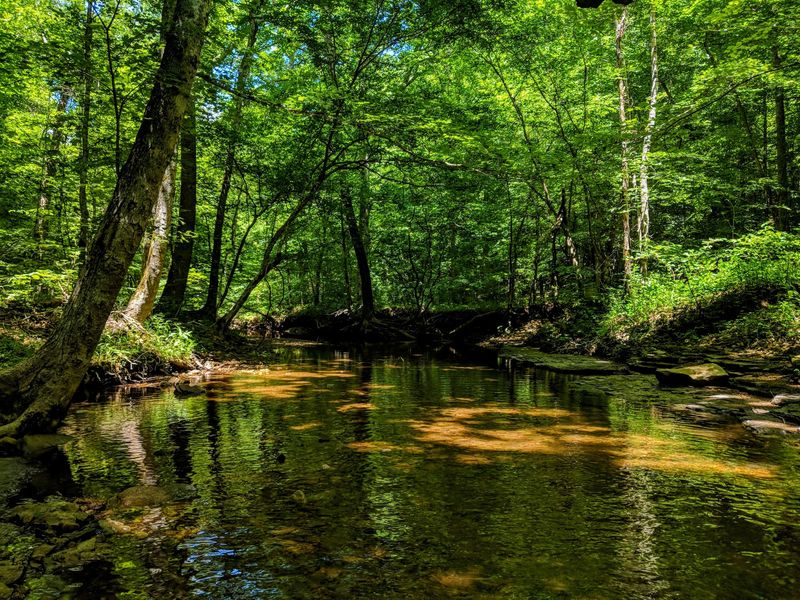
Cheatham Wildlife Management Area spreads across 6,500 acres along the Cumberland River northwest of Nashville, offering a habitat mix that includes sloughs, marshes, open water, bottomland forest, and agricultural fields. This diversity creates opportunities to see everything from diving ducks to woodland songbirds in a single morning visit.
The management area’s proximity to Nashville makes it an accessible destination for urban birders seeking quality habitat without long drives.
Winter waterfowl use Cheatham heavily, with mallards forming the most numerous species. Northern pintails, gadwall, American wigeon, and American black ducks also appear in good numbers.
The sloughs and backwater areas provide protected feeding and resting habitat where ducks can escape the main river’s current. Hooded mergansers and ring-necked ducks dive in the deeper pools, while pied-billed grebes patrol the marsh edges.
Bald eagles remain visible year-round at Cheatham, though winter brings additional birds from northern populations. The eagles perch in the tallest trees overlooking the water, watching for fish or injured waterfowl.
Their massive stick nests occupy prominent positions in mature trees, and observant visitors can sometimes watch adults bringing food to nestlings during spring. Red-tailed hawks and red-shouldered hawks also nest within the management area, their calls frequently heard from the forest edges.
Spring and fall migration periods bring warblers, vireos, and thrushes through the bottomland forests. Prothonotary warblers nest in the flooded timber, their bright yellow plumage impossible to miss against dark water and tree trunks.
Kentucky warblers skulk in the understory, while yellow-throated warblers work the upper branches of sycamores and oaks. The forest canopy comes alive during peak migration as waves of northbound birds pause to feed and rest.
Summer shifts the focus to breeding species adapted to the hot, humid conditions. Acadian flycatchers, great crested flycatchers, and eastern kingbirds all nest within the management area.
Mississippi kites arrive in late spring, hunting insects over the fields and forest openings. Their buoyant, graceful flight makes them easy to identify even at a distance.
The management area allows public access year-round except during specific waterfowl hunt days, so check the schedule before planning your visit. Multiple access points and trails provide options for exploring different habitat types and water levels.
9. Hiwassee Wildlife Refuge, Birchwood
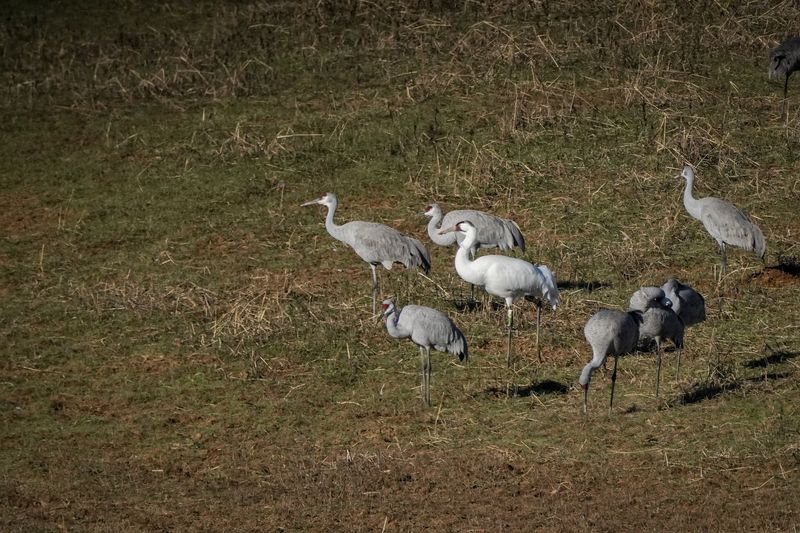
Every winter, thousands of sandhill cranes descend on Hiwassee Wildlife Refuge, creating the largest winter crane congregation in the Southeast outside of Florida. According to the Tennessee Wildlife Resources Agency, this 6,000-acre refuge along the Hiwassee River hosts these magnificent birds from late October through February, with peak numbers usually occurring in December and January.
The sight and sound of hundreds of cranes taking flight at dawn ranks among Tennessee’s most spectacular wildlife experiences.
Sandhill cranes stand nearly four feet tall with wingspans exceeding six feet. Their distinctive rattling calls carry for miles across the refuge, announcing their presence long before you see them.
The cranes spend nights roosting in the shallow water of the refuge pools, then fly out at dawn to feed in surrounding agricultural fields. Late afternoon brings them streaming back to the roost, their long necks extended and legs trailing behind as they descend in spiraling flocks.
Occasionally, endangered whooping cranes appear among the sandhills. These rare visitors, distinguished by their larger size, white plumage, and red face patches, create enormous excitement among birders when they show up.
The refuge’s observation platform stays open year-round, providing an elevated vantage point for scanning across the wetlands and fields. Staff and volunteers often set up spotting scopes during peak crane season, helping visitors get close looks at these impressive birds.
Beyond the cranes, Hiwassee supports diverse waterfowl populations during winter. Mallards, gadwall, northern pintails, and American wigeon gather in the managed wetlands.
Bald eagles fish the river and sometimes scavenge on the refuge. Great blue herons stalk the shallows year-round, while belted kingfishers patrol from riverside perches.
The refuge’s location in the Tennessee River Valley creates a natural corridor for migrating birds, and spring brings warblers, vireos, and other neotropical migrants through the bottomland forests.
Summer birding shifts to breeding residents like prothonotary warblers, indigo buntings, and blue grosbeaks. Wood ducks nest in boxes placed throughout the wetlands, and their broods can be seen paddling behind adults during early summer.
The refuge manages water levels specifically to benefit waterfowl and other wetland-dependent species, creating ideal conditions throughout the year. Visit during crane season for the marquee experience, but any season offers worthwhile birding at this well-managed refuge.
10. Seven Islands State Birding Park, Kodak
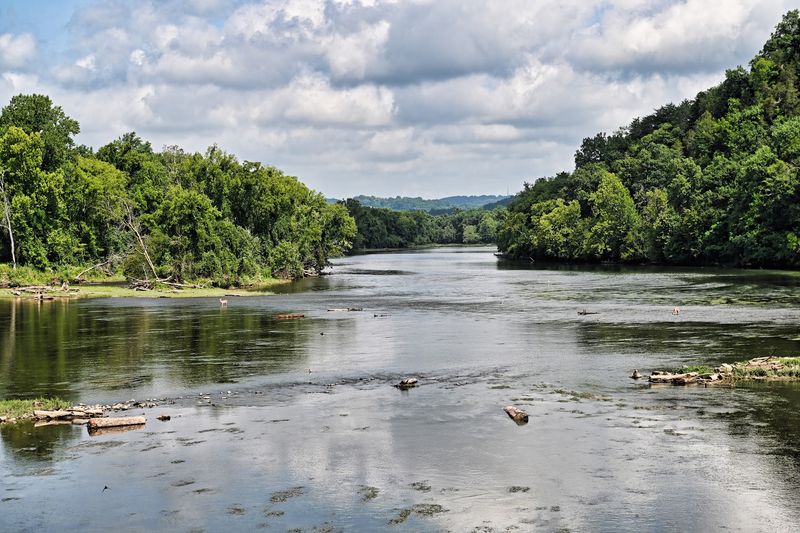
Tennessee’s only state birding park occupies 416 acres along the French Broad River east of Knoxville, where native grasslands, riparian forest, and river habitat combine to support more than 200 recorded bird species. Seven Islands was specifically developed with birders in mind, featuring well-maintained trails, observation platforms, and habitat management designed to maximize bird diversity.
The park’s location in the Tennessee River Valley positions it perfectly to intercept migrating birds following this major flyway.
Grassland birds form one of Seven Islands’ signature attractions. Grasshopper sparrows, field sparrows, and blue grosbeaks all nest in the native warm-season grasses carefully maintained throughout the park.
Eastern meadowlarks sing from fence posts, their bright yellow breasts and distinctive calls making them impossible to miss. Northern bobwhite coveys flush from the field edges, though these once-common quail have declined dramatically across Tennessee.
The park’s grassland restoration efforts provide crucial habitat for these declining species.
Raptors use Seven Islands year-round, with different species appearing seasonally. Red-tailed hawks and red-shouldered hawks nest in the riparian forest, while northern harriers hunt low over the grasslands during winter.
Bald eagles fish the French Broad River, and ospreys appear during migration and occasionally through summer. American kestrels perch on power lines along the park entrance, scanning for grasshoppers and small rodents in the fields below.
The French Broad River attracts waterfowl during migration and winter. Wood ducks, mallards, and hooded mergansers use the quieter sections of the river.
Great blue herons and great egrets stalk the shallows, while belted kingfishers rattle along the riverbank. The riparian forest supports breeding populations of prothonotary warblers, yellow-throated warblers, and northern parula.
Barred owls call from deep within the woods, particularly vocal during late winter courtship.
Seven Islands’ trail system allows visitors to sample different habitats efficiently. The River Trail follows the French Broad through bottomland forest, while the Grassland Trail loops through the restored prairie.
Observation platforms provide elevated views across the grasslands, making it easier to spot distant raptors or scan for sparrows. The park hosts regular bird walks and educational programs, making it particularly welcoming for beginning birders.
Its proximity to Knoxville and the Smoky Mountains makes it an easy addition to any East Tennessee birding itinerary.
11. Rankin Wildlife Management Area, Newport
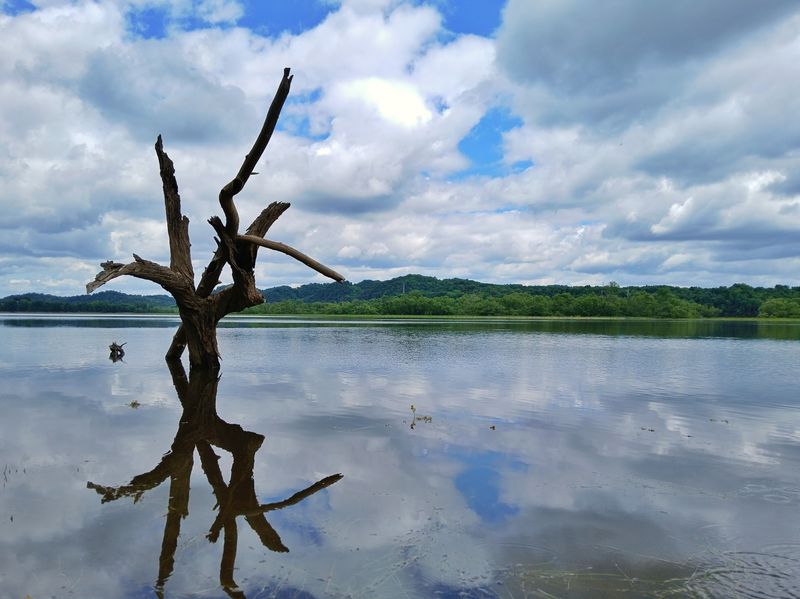
Rankin Wildlife Management Area, often called Rankin Bottoms, occupies 1,400 acres along the French Broad River near Newport in East Tennessee. The Tennessee Wildlife Resources Agency describes it as East Tennessee’s premier warm-season waterbird site, and that reputation is well-earned.
When water levels drop during late summer and early fall, extensive mudflats emerge that attract shorebirds, wading birds, and waterfowl rarely seen elsewhere in the region.
The mudflats create feeding opportunities for migrating shorebirds traveling between Arctic breeding grounds and southern wintering areas. Least sandpipers, semipalmated sandpipers, and spotted sandpipers probe the mud for invertebrates.
Both greater and lesser yellowlegs wade in the shallows, their distinctive calls announcing their presence. Killdeer nest on the gravelly areas, and their broken-wing displays provide entertainment when adults try to lure visitors away from their young.
Herons and egrets gather in impressive numbers when conditions are right. Great blue herons, great egrets, and little blue herons all stalk fish and amphibians in the shallow water.
Green herons perch motionless on exposed branches, waiting to strike at passing prey. Black-crowned night-herons sometimes appear, particularly during migration.
The concentrated food resources attract these wading birds from throughout the region, creating temporary aggregations that can include dozens of individuals.
Rarities show up at Rankin with surprising regularity. American avocets, elegant shorebirds with upturned bills and striking black-and-white plumage, occasionally appear during migration.
Black terns hunt insects over the water during late summer. Caspian terns and Forster’s terns also make appearances, their harsh calls and plunge-diving behavior making them conspicuous.
Birders willing to scan carefully through the more common species sometimes discover unexpected visitors that generate excitement across Tennessee’s birding community.
Water levels determine birding quality at Rankin Bottoms. High water floods the flats and reduces habitat for shorebirds and wading birds, while optimal levels expose extensive mudflats that concentrate birds in easily observable numbers.
The management area’s website and local birding reports provide current water level information. Access requires walking across uneven terrain, and conditions can be muddy, so wear appropriate footwear.
Summer heat and humidity can be intense, making early morning visits most comfortable. Despite these minor challenges, Rankin Bottoms delivers waterbird viewing unmatched anywhere else in East Tennessee.
Share this story