A bell jingles over the door, somebody behind the counter knows the next customer’s order, and a handwritten sign points toward whatever came out of the kitchen that morning. New Jersey still has shops where buying bread, books, chocolates, or Sunday dinner involves more conversation than scanning.
They are places where regulars arrive with lists, newcomers receive unsolicited but useful advice, and the people working the counter understand that “the usual” is a perfectly complete order. Some have occupied the same corner for generations.
Others earned their status by becoming the dependable place locals visit for birthday gifts, holiday ingredients, emergency dinners, and the kind of sandwich that can improve a difficult Tuesday.
Together, these 11 stores show what a proper neighborhood institution looks like: deeply useful, proudly individual, and connected to its community in ways no loyalty app could reproduce.
Bring a shopping bag, leave some room in the trunk, and expect to stay longer than planned.
1. Rambo’s Country Store – Califon
The floorboards have been seasoned by decades of footsteps, and the meat counter still operates on the reassuring principle that customers should be able to speak directly with the person cutting their dinner.
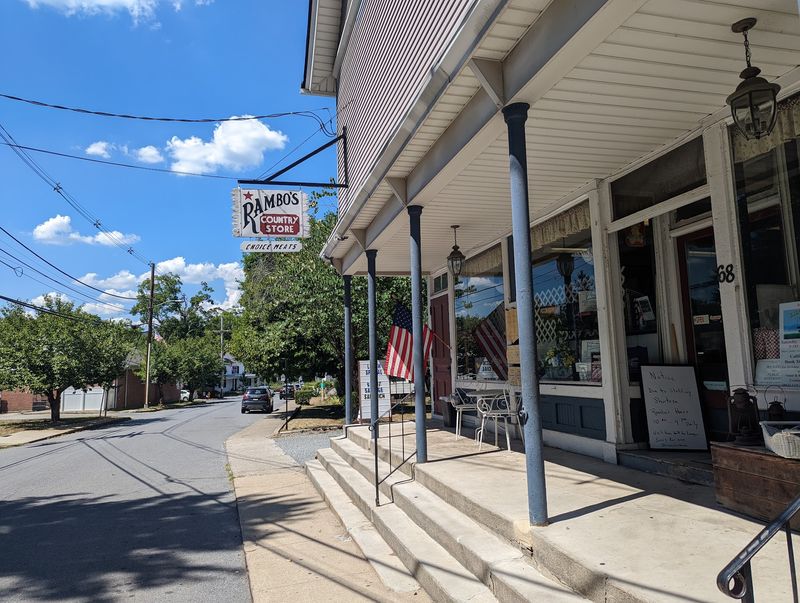
Rambo’s occupies an old-fashioned storefront on Main Street in Califon, where its covered porch and hanging sign look entirely at home among the borough’s historic buildings.
Inside, choice meats and custom cuts remain the heart of the business. Beef, pork, roasts, chops, ground meat, smoked chops, and sausages made on the premises give shoppers plenty of reasons to arrive with a cooler.
The butchers can also help match a cut to a recipe, which is exactly the sort of practical, human service that turns a store into an institution. Lunch adds another layer to the appeal.
The deli makes sandwiches to order, along with hot specials, chef salads, prepared sides, and homemade soups during cooler weather. Calling ahead is sensible around lunchtime, when regulars already know what they want and the counter gets busy.
Historic grocery-store artifacts and well-worn wooden surfaces give the interior character, but the place never feels staged for nostalgia. It is a working market first, one that happens to preserve a style of neighborhood shopping that has largely disappeared.
Rambo’s closes earlier than a supermarket and is typically closed Sunday, so check the schedule before making the drive.
2. Oldwick General Store – Oldwick
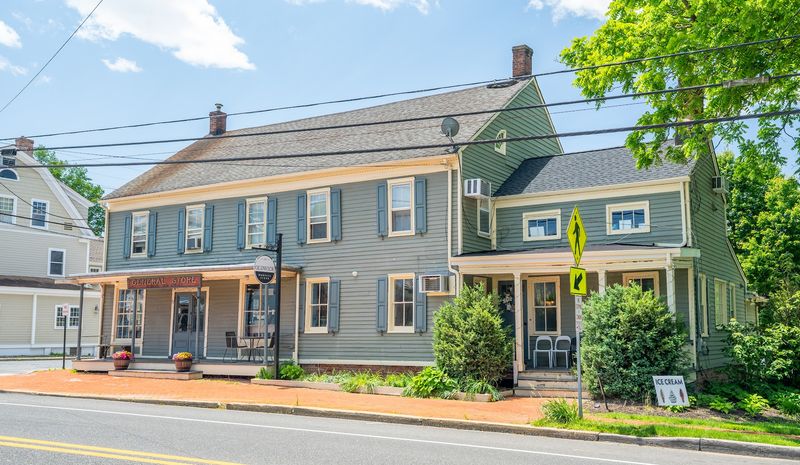
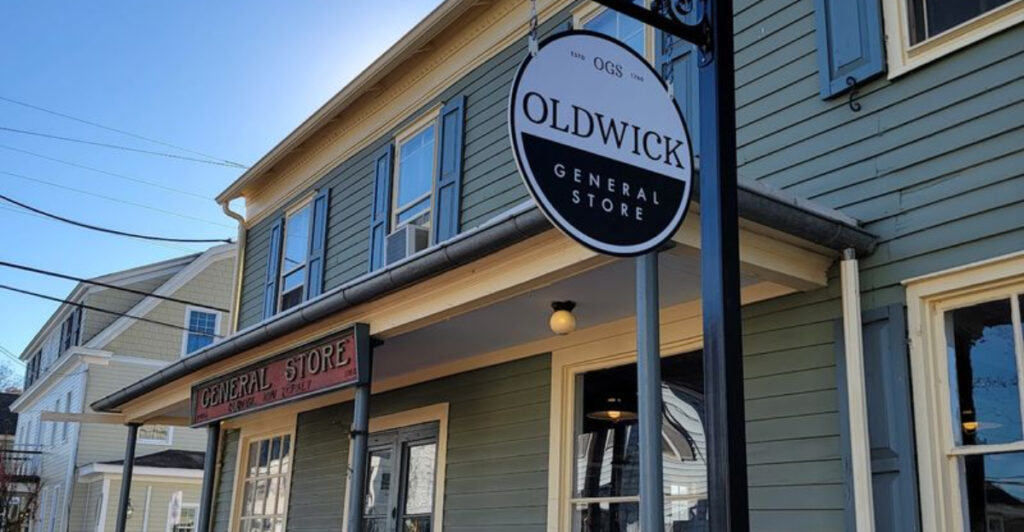
Few errands begin in a building that predates the United States. The country store at the center of Oldwick traces its story to the 18th century, when local farmers could trade butter, meat, and produce for staples such as flour and sugar.
The inventory has become considerably more tempting since then, but the basic role has survived: this is still the place where the village gathers, eats, and catches up. Today, the deli and café side of the operation does much of the drawing.
Breakfast sandwiches, generously built deli creations, salads, soups, baked goods, and prepared foods make it useful from the first coffee run through the evening-dinner scramble. Ordering whatever special is on the board is usually a good move, though a classic sandwich followed by a pastry provides an equally satisfying introduction.
Shelves of pantry goods and locally minded products give visitors an excuse to browse while waiting. The surroundings add to the experience without needing embellishment.
Oldwick is a compact historic village of clapboard buildings, old churches, stonework, and narrow roads threading through horse country. Space around the store can feel tight during the weekend rush, so arrive with a little patience and avoid treating lunch like a timed event.
The reward is a rare kind of place: historic enough to be a landmark, casual enough to stop in wearing muddy boots, and practical enough that residents still depend on it.
3. Allenwood General Store – Allenwood
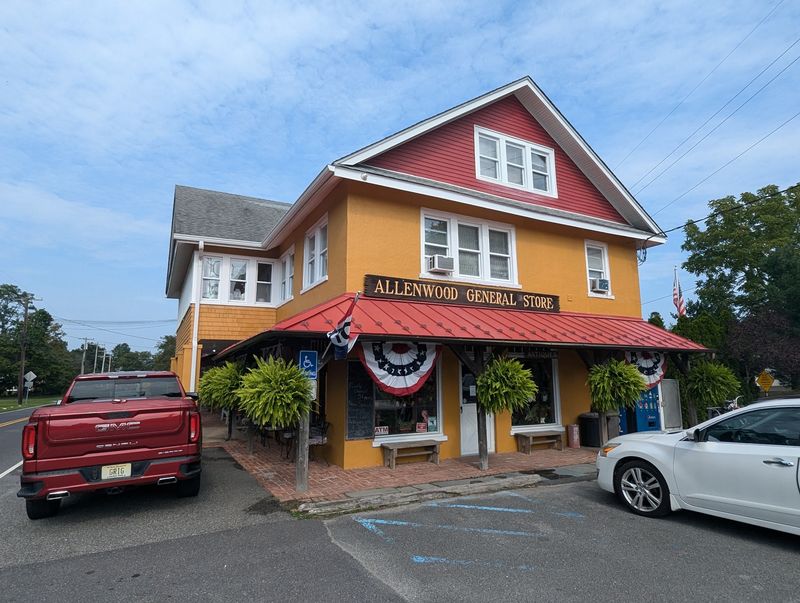
At breakfast time, the antique shop smells like bacon. That delightful contradiction explains much of the charm at this family-run general store, where nearly everything decorating the building is for sale and the kitchen starts working early.
The Herbert family has operated the business since 1972, continuing a general-store tradition that has existed in or near this Wall Township crossroads since the 19th century. Its current owners, Jeffrey and Heather Herbert, preserved the old-store character while making the place genuinely useful for breakfast and lunch.
The menu leans toward comforting, homemade food: egg sandwiches, pancakes, burgers, deli sandwiches, daily specials, organic soups, and chili. Portions suit cyclists and walkers arriving from the Edgar Felix Memorial Bikeway, which passes directly beside the property on its route between Manasquan and Allaire State Park.
Indoor and outdoor seating encourage people to stay, though browsing the antique displays can occupy the wait just as easily. Vintage signs, household pieces, collectibles, and odd little discoveries fill the rooms, creating the feeling that a diner and a country auction somehow decided to share an address.
Early risers get the fullest neighborhood experience, especially when the counter is busy with familiar faces grabbing coffee before the day begins. The store is generally closed Monday, and its hours end by late afternoon.
Come hungry, look closely at the walls, and do not assume that the chair beneath you is merely furniture.
4. Watchung Booksellers – Montclair
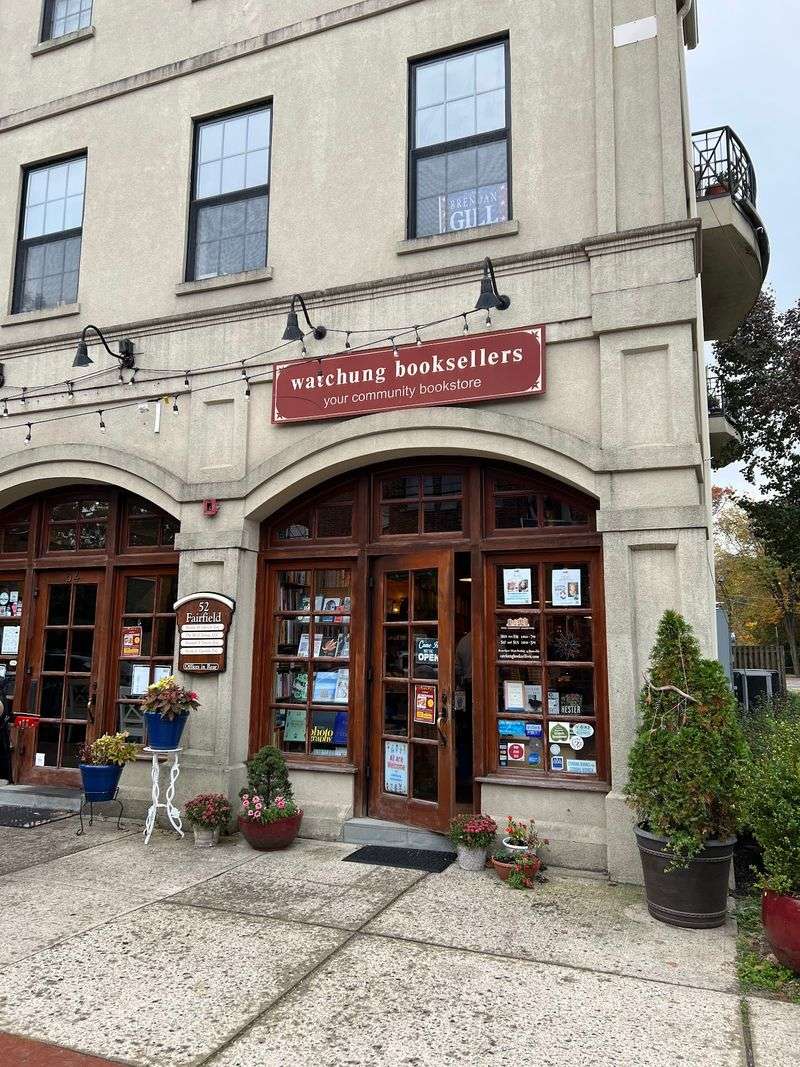
Walk through the narrow passage into this Montclair bookstore and the noise of Watchung Plaza seems to fall away behind you. Since 1991, the shop has grown into one of the community’s essential gathering places, pairing thoughtful bookselling with the friendly intimacy of a store that knows its readers.
Tables are arranged for discovery rather than sheer volume, with staff selections, new fiction, nonfiction, memoirs, cookbooks, poetry, and beautifully chosen gift books inviting an unhurried circuit. The recommendations are a major part of the appeal.
Ask for a vacation novel, a present for a difficult-to-shop-for relative, or something for a child who insists they hate reading, and the staff will usually have an answer more useful than an algorithm.
Its children’s area is especially strong, making the store a reliable stop for picture books, middle-grade adventures, young-adult titles, and gifts that do not require batteries.
A steady calendar of readings, conversations, signings, and community programs gives authors and readers a place to meet face-to-face. That cultural role has helped Watchung Booksellers remain relevant even as the mechanics of buying books have changed around it.
Parking in the plaza can require patience at busy times, but the surrounding cafés and small businesses make the trip easy to turn into a leisurely neighborhood outing. This is not merely somewhere to obtain a title.
It is where Montclair goes to talk about what it is reading next.
5. Goffle Road Poultry Farm – Wyckoff
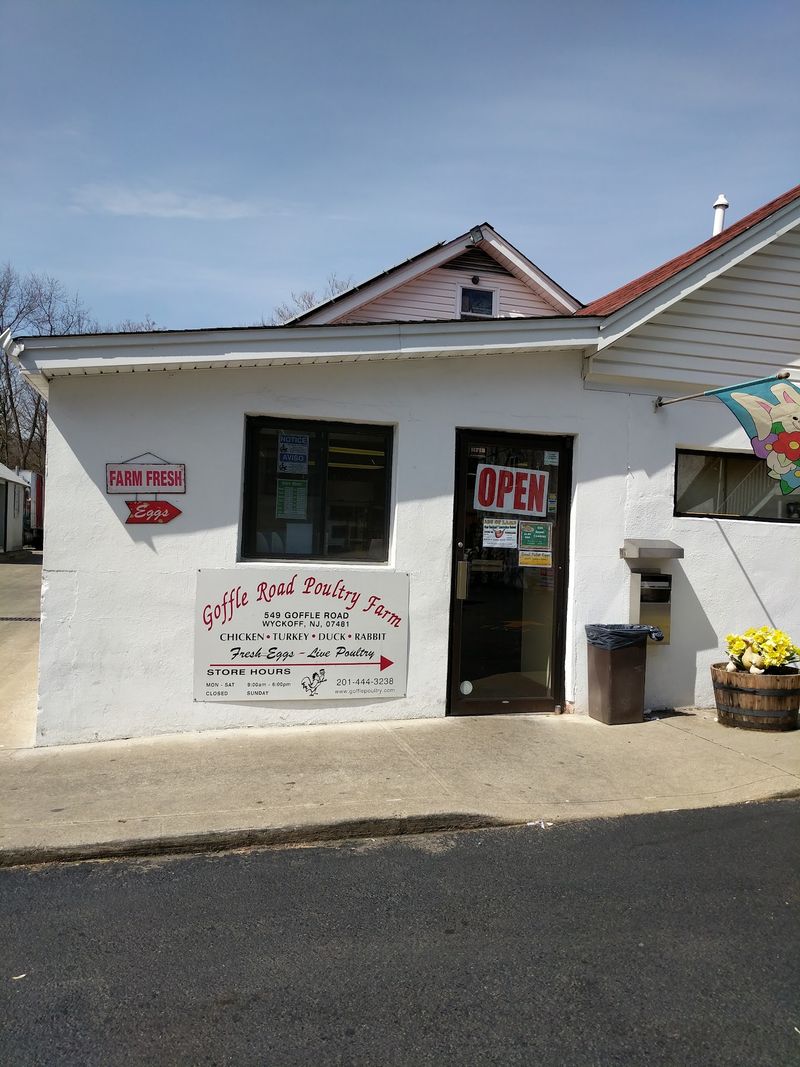
Thanksgiving traffic tells the story before you even reach the counter. Cars roll into this Wyckoff farm store for fresh turkeys, customers compare cooking plans, and staff field the same urgent questions about bird size and roasting time with remarkable good humor.
The holiday rush may be the biggest spectacle, but Goffle Road Poultry Farm operates year-round and has been part of local food routines since the mid-20th century. Poultry is the specialty in the broadest possible sense.
Shoppers can choose whole chickens or individual cuts, along with turkey, duck, capon, quail, pheasant, rabbit, goose, and other game meats depending on availability. Fresh eggs include chicken varieties as well as duck or quail when in season.
The shop also prepares chicken sausage, burgers, and ground poultry, offering useful options for anyone trying to escape another week of identical supermarket packages. Staff knowledge is a genuine advantage here.
They can steer customers toward an appropriate bird, explain quantities, and offer practical preparation guidance without turning the exchange into a culinary lecture. Prices vary by product and season, and specialty items are worth calling about before a long drive.
During major holidays, ordering early is less a clever tip than a survival strategy. The setting remains straightforward and farm-focused, which is precisely why it has endured.
People come because they want freshness, choice, and advice from someone who handles the product every day.
6. Jerry’s Gourmet & More – Englewood
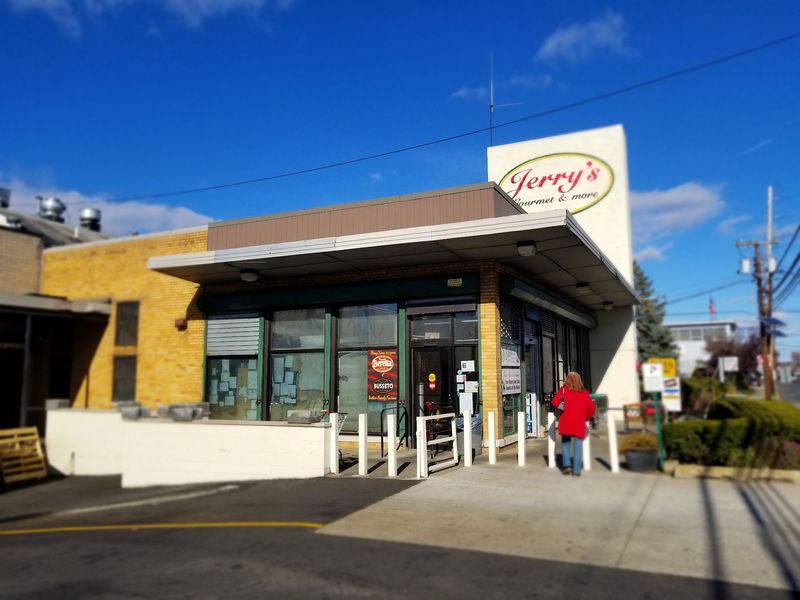
The first challenge at Jerry’s is seeing past the hanging cheeses, crowded shelves, refrigerated cases, bread displays, and towers of imported groceries long enough to remember why you came in. This Englewood Italian market embraces abundance with both arms.
Narrow aisles are packed with olive oils, pastas, canned tomatoes, vinegars, cookies, coffee, cured meats, and pantry goods, while the counters supply the fresh items that make a quick shopping trip expand into a proper haul.
Mozzarella is one of the smartest additions to the basket, especially when paired with prosciutto, roasted peppers, or a loaf of crusty bread.
The prepared-food cases are equally dangerous to anyone shopping while hungry. Eggplant Parmesan, meatballs, chicken dishes, vegetables, sauces, and other ready-to-heat staples offer a persuasive solution to dinner, while generously filled sandwiches handle lunch with considerably less ceremony.
Part of the fun is the store’s density. Jerry’s does not present Italian food as a pristine museum display; it stacks, hangs, slices, wraps, and sells it in a space that feels constantly in motion.
Conversations travel across the counter, regulars know which numbers to take and where to stand, and newcomers may need a minute to learn the choreography. Weekends and holidays can become crowded, so weekday mornings are friendlier to leisurely browsing.
Bring a flexible list, because the market is particularly good at convincing shoppers they also need olives, cheese, cookies, and one more package of pasta.
7. Perrotti’s Quality Meats – Cranford
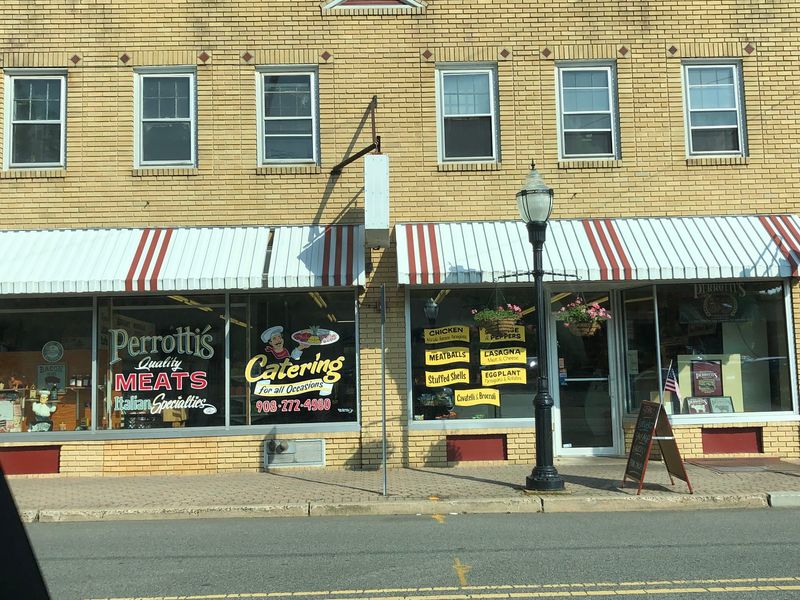
In 1967, brothers David and Mario Perrotti opened a butcher shop using skills they had learned after immigrating from Italy and working in an old-style pork store. More than half a century later, their family’s market still occupies its familiar corner at South Union Avenue and Cherry Street in downtown Cranford.
The business has expanded, but its foundation remains visible at the butcher counter. Custom-cut steaks, chops, roasts, freshly ground meat, and homemade Italian sausage receive the kind of close attention that makes customers comfortable asking questions.
Tell the butcher how many people you are feeding and what you hope to cook; useful guidance usually follows. Prepared foods have made the store even more indispensable to local households.
Lasagna, eggplant Parmesan, chicken Marsala, meatballs, burgers, deli selections, and house-made tomato sauce turn Perrotti’s into a rescue operation for anyone who promised to cook but ran out of time. The food feels designed for an actual family table rather than a decorative catering photograph: familiar, substantial, and easy to serve.
Its downtown location makes the shop convenient to combine with other Cranford errands, and free parking behind the store removes some of the usual Main Street maneuvering. Saturday hours are shorter, particularly during summer, and Sunday is not generally part of the schedule.
That rhythm suits the old-neighborhood-shop identity. This is where people plan Sunday dinner before Sunday arrives—and where the next generation behind the counter is preserving the craft that started it all.
8. Bagliani’s Market – Hammonton
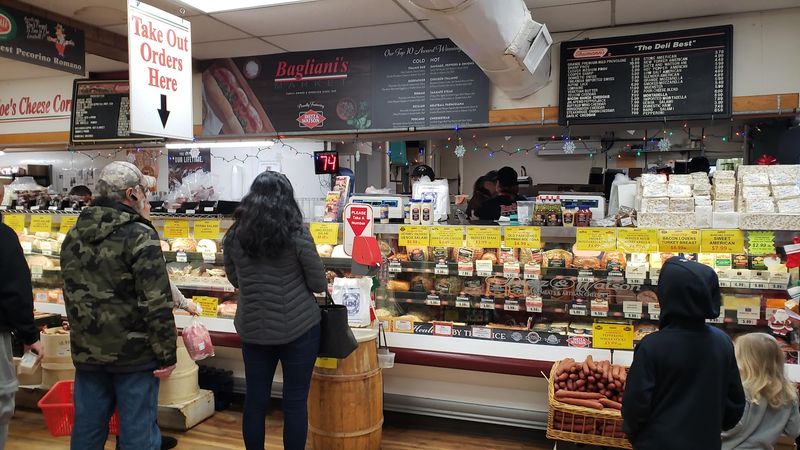
A wheel of cheese can stop traffic inside this Hammonton market. Customers gather near the counter for a taste, a recommendation, or a specific wedge they have been thinking about since their last visit, while carts collect imported pasta and jars of sauce along the way.
Francis and Maria Bagliani established the store in 1959, building it around Italian specialties and personal service. Four generations later, those priorities still define the place.
The old-world deli carries the expected cured meats and cheeses, but the range makes browsing especially rewarding. Its cheese department reaches beyond Italian staples, while shelves hold oils, vinegars, tomatoes, sweets, and hard-to-find ingredients that can turn a simple meal into an event.
Homemade sausage follows original family recipes, and the meat counter provides custom cuts for customers who prefer a conversation to a plastic tray. Fresh pasta, prepared foods, produce, breads, and rolls make it possible to assemble an entire dinner without visiting another store.
Start at the deli, add sausage or pasta, then surrender to whatever smells best near the prepared-food case. The atmosphere is busy and practical, with staff moving quickly and regulars shopping as though they have memorized every aisle.
Still, questions are welcome, especially at the cheese counter. The market opens daily, and mornings offer the easiest browsing before weekend crowds arrive.
Bagliani’s has grown far beyond a tiny corner grocery, yet it retains the essential neighborhood promise: good ingredients, familiar recipes, and somebody available to tell you exactly what to do with them.
9. Calandra’s Bakery – Newark
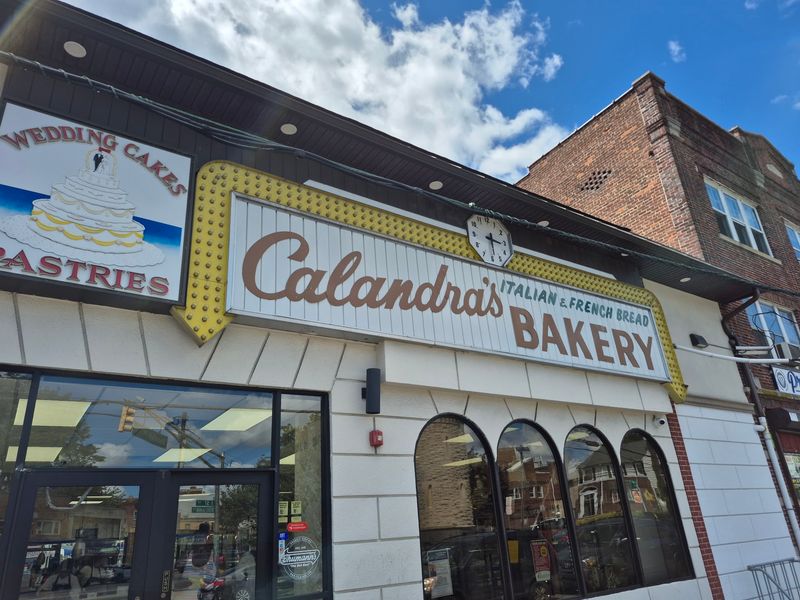
Before sunrise has finished brightening First Avenue, bread is already coming out of the ovens. That schedule has driven Calandra’s since 1962, when Italian immigrant Luciano Calandra Sr. and his wife, Ortenza, opened a small Italian and French bakery in Newark.
The operation is much larger now, supplying restaurants, markets, venues, and households across the region, but the original Newark shop remains rooted in the straightforward pleasure that built its reputation: fresh bread with a crackling crust and a soft, fragrant center.
A seeded semolina loaf is a strong place to begin, though the round breads, Italian loaves, rolls, and specialty varieties make restraint difficult.
Then there are the pastry cases. Cannoli, sfogliatelle, lobster tails, cookies, cakes, pies, and breakfast treats turn a bread run into a full dessert negotiation.
Holiday periods bring their own rituals and crowds, with customers collecting traditional pastries and cakes for tables that may have featured Calandra’s bread for decades. The bakery is not a delicate little boutique; it is a working production powerhouse with racks moving, orders being boxed, and customers arriving with serious quantities in mind.
That energy is part of its identity. Service starts early and continues late, making this one of the more convenient institutions on the list, though checking holiday hours and ordering celebration cakes ahead remains wise.
Calandra’s may now have other locations and a broad wholesale reach, but the Newark bakery still feels connected to the immigrant neighborhood enterprise from which everything grew.
10. Schneider’s Sweet Shop – Westfield
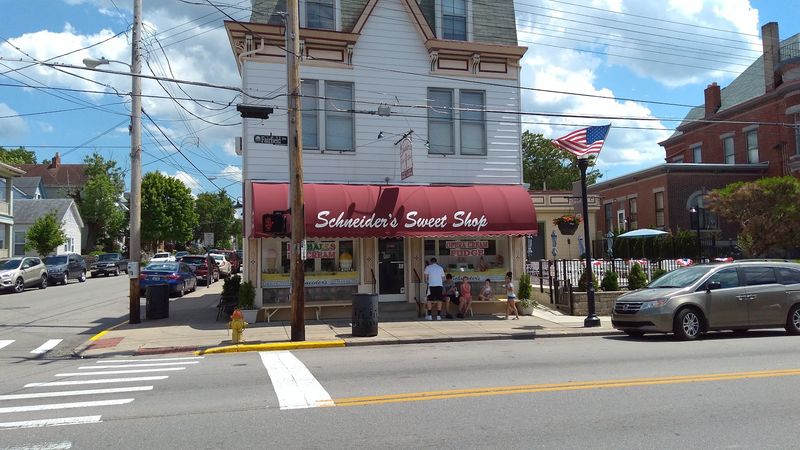
Open the door and the smell of chocolate settles the matter: you are not leaving empty-handed. Schneider’s has been making candy in Westfield since 1947, and the small shop continues to produce the kind of hand-finished treats that inspire customers to develop firm opinions about creams, caramels, and nut clusters.
Display cases offer an old-school education in confectionery—chocolate-covered pretzels, molded seasonal pieces, butter crunch, truffles, nonpareils, fruit creams, marshmallow treats, and boxed assortments prepared for gifting.
Chocolate-covered Oreos and other playful favorites keep the selection from feeling overly formal, while sugar-free choices ensure more people can participate in the ritual.
The best approach is to build a mixed box rather than pretend you know exactly what everyone wants. Staff can explain fillings, point out house favorites, and help select the right assortment for a host gift or holiday table.
Easter and Christmas bring elaborate seasonal shapes and a predictable surge in demand, so advance orders spare shoppers from last-minute disappointment. The storefront fits naturally into walkable downtown Westfield, where a candy stop can follow lunch or errands without requiring a separate expedition.
Yet Schneider’s is more than a pleasant detour. For generations of area families, its boxes have marked birthdays, teacher gifts, anniversaries, and visits to relatives.
That repeated presence in ordinary celebrations gives the shop its institutional status. Plenty of places sell chocolate; considerably fewer can make one familiar box feel like part of the family calendar.
11. James Candy Company – Atlantic City
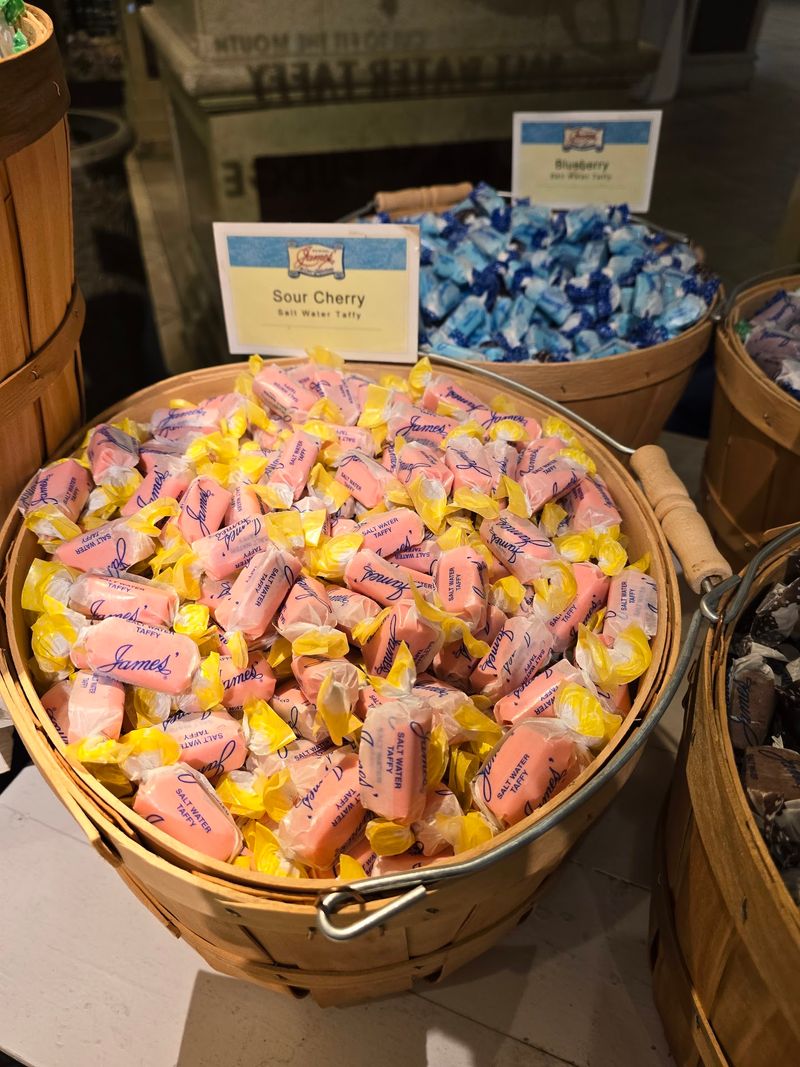
Saltwater taffy wrappers rustling inside a souvenir box may be Atlantic City’s unofficial soundtrack. James Candy Company helped establish that tradition in the 1880s, when confectioner Enoch James brought his distinctive recipe to the Boardwalk.
His taffy was designed to be smoother, creamier, and easier to eat than many early versions, and the company later introduced machines for pulling and wrapping the candy—equipment that transformed a laborious process while preserving its recognizable texture. More than a century later, a box of assorted James’ or Fralinger’s taffy remains the obvious purchase.
Choosing individual favorite flavors is possible, but the colorful assortment is part of the fun: vanilla, chocolate, peppermint, banana, molasses, and fruit varieties turn opening the box into a small group debate.
Almond macaroons, chocolates, fudge, and other confections deserve room in the bag too, especially for shoppers who claim they do not like taffy and then proceed to eat several pieces.
Vintage-style packaging reinforces the connection to Boardwalk history without making the candy feel trapped in the past. This is an institution shaped by visitors, but it also belongs to generations of New Jersey families who associate the boxes with Shore weekends, holiday gifts, and something brought home for the neighbor feeding the cat.
Atlantic City has reinvented itself repeatedly around the company. Through casinos, changing skylines, and shifting fashions, the simple pleasure of pulling open a taffy box has remained wonderfully consistent.