Ohio has more wild places than many people expect, and some of its best trails offer much more than a nice walk. A calm path through woods, marsh, cliffs, or shoreline can suddenly turn into a moment you remember for years when a deer steps out, a heron lifts off, or a fox slips through the brush.
That mix of quiet hiking and surprise animal sightings makes these places special, because they help people slow down, pay attention, and notice how full of life the state really is. From deep forests in the south to bird-filled wetlands along Lake Erie, these Ohio hikes show that every peaceful stretch of trail can feel like a front-row seat to nature if you bring patience, keep your eyes open, and let the landscape tell its story.
1. River Bends and Forest Shadows – Mohican State Park in Loudonville, Ashland County
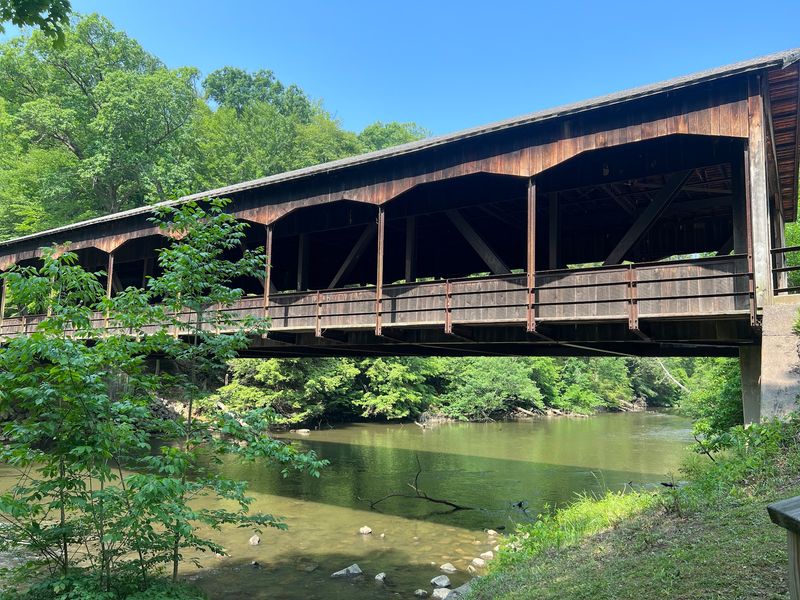
Early light can make the whole forest feel hushed here, and that is often when wildlife seems closest. Mohican State Park mixes hemlock shade, rolling hills, and the nearby Clear Fork of the Mohican River, giving animals water, cover, and room to move.
Hikers often watch for white-tailed deer, wild turkeys, squirrels, woodpeckers, and songbirds moving between branches. If you are lucky and stay quiet, you may also spot a red fox, a hawk circling above, or tracks in soft mud near the riverbank.
The Lyons Falls and Hemlock Gorge areas are especially good for people who enjoy both scenery and animal watching. Rocky ground, deep shade, and flowing water create a cool habitat where birds and small mammals feel at home through much of the year.
Bring binoculars, but do not rush from one viewpoint to the next. Short pauses often matter more than fast miles, because many sightings happen when you stop talking, listen for rustling leaves, and scan the edges of the trail instead of staring at your feet.
Morning and late afternoon are strong times to visit, especially in warmer months when animals avoid the hottest part of the day. Wear sturdy shoes, since some paths can be uneven, damp, or root-filled after rain.
Families who want a slower outing can stick to easier stretches and still enjoy plenty of nature. More experienced hikers can choose longer routes and may notice how the wildlife changes as the forest opens, darkens, or bends closer to water.
Pack water, keep a respectful distance from animals, and never leave snacks behind. Mohican rewards patient hikers, because every bend in the trail feels like it might reveal a flicking tail, a sudden wingbeat, or a quiet creature standing still among the trees.
2. Tracks Near the Towpath – Cuyahoga Valley National Park in Peninsula, Summit County
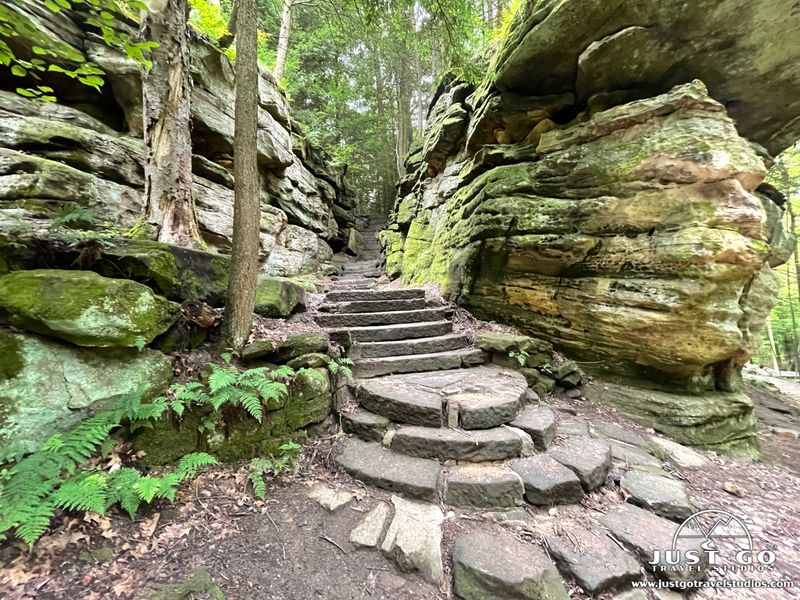
Something about a flat trail beside old canal history makes it easy to settle into a steady walking rhythm. In Cuyahoga Valley National Park, that calm pace helps hikers notice the small signs of life all around the Towpath Trail, marshes, woods, and river edges.
Beavers, great blue herons, turtles, deer, and many songbirds all use the habitats spread across this park. The Cuyahoga River and nearby wetlands act like a long, winding wildlife hallway, so even an easy walk can bring a surprise sighting.
Boardwalk sections and overlooks are smart places to slow down and scan. Water birds often stand so still that they blend into reeds, while muskrats and turtles can appear only after a few quiet minutes of watching.
If you want a bit more variety, connect your outing with side trails through forested sections near Brandywine or Beaver Marsh. Those areas add texture to the hike and can bring different sounds, from frogs and red-winged blackbirds to the tapping of woodpeckers.
One helpful tip is to listen before you look. A splash, wing flutter, or sharp warning call may point you toward an animal long before your eyes find it.
Because this park is popular, weekday mornings can feel more peaceful than busy afternoons. Cooler seasons are rewarding too, since leaves thin out and make it easier to spot deer, nests, and movement in brush near the trail.
Wear layers, especially if the weather changes quickly, and keep your phone or camera ready without getting too close to wildlife. Cuyahoga Valley offers a gentle kind of adventure, where old towpath history and living nature meet in a way that makes every quiet mile feel active and full of possibility.
3. Big Woods with a Southern Feel – Shawnee State Forest in Portsmouth, Scioto County
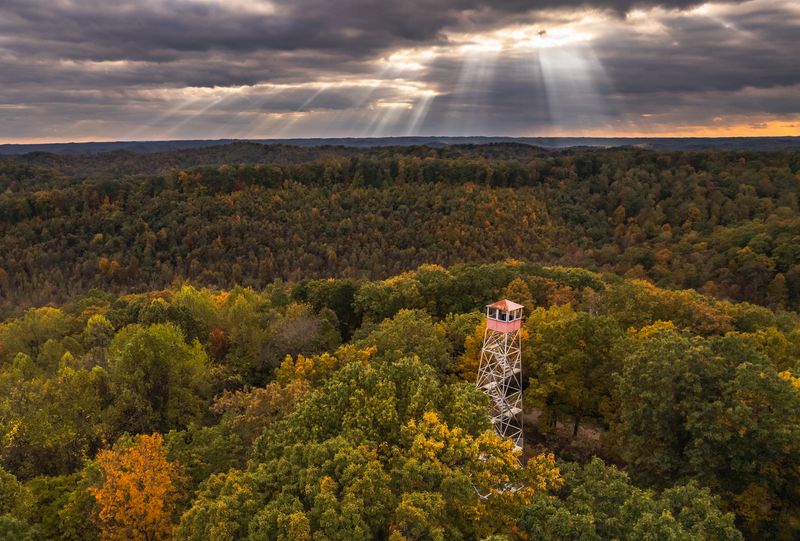
Down in southern Ohio, the hills seem to go on and on, and the forest feels deeper than many first-time visitors expect. Shawnee State Forest has a wilder, more rugged mood than some of the state’s better-known parks, which is part of what makes wildlife watching here so exciting.
Large stretches of unbroken woods give animals room to hide, travel, and feed. Hikers may see deer and wild turkeys most often, but the area also supports owls, hawks, pileated woodpeckers, and plenty of smaller woodland creatures moving through brush and leaf litter.
The forest has an Appalachian flavor, with ridges, hollows, and long trail views that make you feel far from towns and traffic. That remoteness means patience matters, because animals often appear at a distance first, as shapes moving across a slope or slipping into cover.
Trails with elevation changes can be more challenging, so bring water, snacks, and shoes with good grip. A map is also helpful, since bigger forest systems can feel confusing when several paths and service roads cross the area.
Cooler months can be especially rewarding for hikers who enjoy scanning open woods for movement. Without as many leaves in the way, it becomes easier to notice deer among tree trunks or a hawk perched quietly before takeoff.
Birders should keep an ear out as much as an eye out, because the calls here carry across ridges in a memorable way. Even when you do not spot an animal right away, the soundscape keeps reminding you that the forest is busy.
If you like hikes that feel a little more remote and a little less polished, Shawnee is a strong pick. Its long wooded stretches invite slow walking, quiet breaks, and that thrilling moment when a peaceful trail suddenly turns into a wildlife encounter you did not see coming.
4. Old Mines, New Footprints – Wayne National Forest in Nelsonville, Athens County
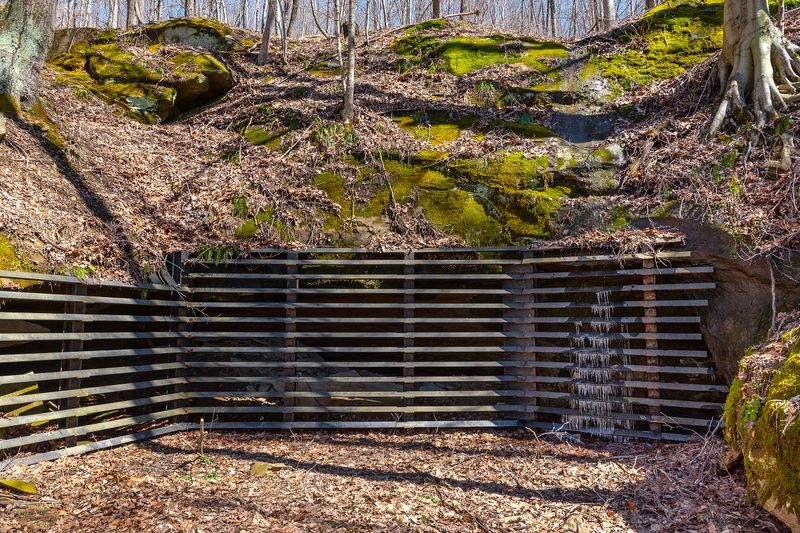
Past and present share the trail in this part of Ohio, where old mining country has returned to thick woods and active habitat. Wayne National Forest near Nelsonville gives hikers a chance to see how nature can reclaim land and turn it into a home for many animals.
Deer, rabbits, wild turkeys, and many bird species are common sights, especially where forest edges meet open clearings. Muddy sections after rain can be just as interesting as the view ahead, since tracks often reveal which animals passed through before you did.
The landscape changes enough to keep a hike interesting. One stretch may feel enclosed by trees, while the next opens to a sunnier patch where butterflies, insects, and birds gather around low plants and young growth.
Trails in Wayne can range from easy to more rugged, so checking your route before you go is a smart move. Some areas may be quieter than state parks, which can improve your chances of seeing wildlife if you walk softly and avoid loud group chatter.
Spring is lively with bird calls, while fall brings cooler air and better visibility through the woods. Each season has its own rewards, and even winter can be good for animal sign if you enjoy spotting tracks, scat, and feeding marks.
Because this is a large national forest, preparation matters more here than on a short city trail. Carry water, know your route, and remember that cell service may not always be dependable in more remote sections.
There is something hopeful about watching life fill spaces once shaped by industry. Wayne National Forest offers that feeling again and again, turning a simple hike into a lesson about resilience, where every bend might hold a resting deer, a drumming woodpecker, or the fresh marks of unseen visitors just beyond the trees.
5. Rock Walls and Raven Calls – Hocking Hills State Park in Logan, Hocking County
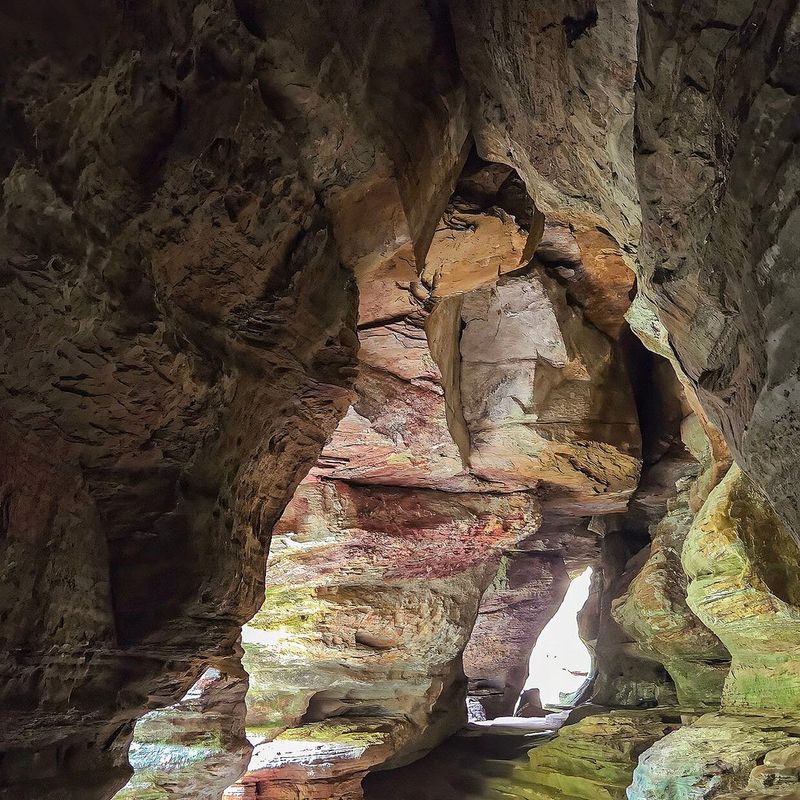
Some trails feel like storybook paths, and Hocking Hills is one of those places. Massive rock walls, cool gorges, waterfalls, and shaded hemlock groves create a dramatic setting where wildlife sightings can feel sudden and magical.
People often come for the famous scenery, but the park also supports deer, chipmunks, box turtles, salamanders, and many bird species. Ravens and hawks can add a wild soundtrack overhead, especially near cliffs and open spaces where air currents help them glide.
Because the terrain includes damp ravines and rocky passages, small creatures thrive in hidden corners. Look near mossy edges, under leaves, and beside trickling water if you enjoy noticing the quieter life that many hikers pass right by.
Popular spots can be busy, so timing matters if wildlife is your goal. Arriving early gives you a better chance to enjoy the hush before crowds grow, and animals are often more active then as well.
Stairways, uneven rock, and muddy patches mean sturdy shoes are a must. Children can enjoy the trails too, but adults should remind them to walk carefully and keep voices low if everyone hopes to spot birds or animals nearby.
Each section of the park has its own feel. A narrow gorge may be cool and shadowy, while a ridge path can be brighter and better for scanning the treetops for movement.
Bring water and take your time between the famous landmarks instead of only hurrying to the next photo stop. Hocking Hills rewards curious hikers who pay attention to more than cliffs, because a still moment beside a rock wall might reveal a wren hopping through roots, a deer easing through the woods, or a raven calling from above like the forest has something to say.
6. A Marsh That Came Back – Mentor Marsh State Nature Preserve in Mentor, Lake County
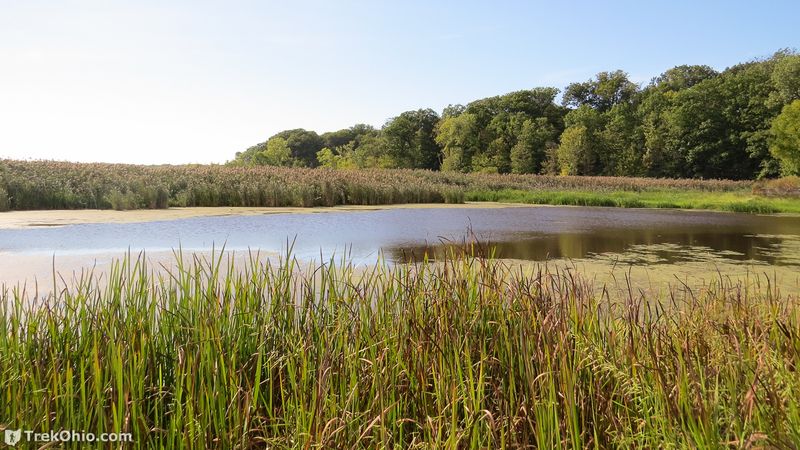
Come here with a quiet step, and the marsh will do the talking for you. Mentor Marsh State Nature Preserve is a strong reminder that damaged places can recover, and now its wetlands attract birds, amphibians, insects, and other wildlife that depend on shallow water and thick plant cover.
Boardwalks and marked paths help visitors move through the area without disturbing sensitive habitat. That makes the preserve a good choice for hikers who want close views of nature while still respecting the space animals need to feed, nest, and hide.
Birdwatchers often look for red-winged blackbirds, herons, marsh wrens, and migrating species during the right season. Frogs and dragonflies can be part of the show too, making even a short walk feel busy with motion and sound.
Unlike a deep forest trail, marsh hiking teaches you to watch open water, reed edges, and muddy pockets all at once. Wildlife here may not burst onto the path, but it often appears in layers, with something fluttering above, gliding across water, and rustling in plants nearby.
Bring bug spray in warmer months, and wear shoes that can handle damp conditions. A hat and binoculars also help, since open sections have less shade and many good sightings happen a little farther from the trail.
Patience works especially well at overlooks or wider boardwalk spots where you can pause without blocking others. Stand still for a few minutes and the marsh seems to reset, letting animals return to their normal routines after your arrival.
Mentor Marsh may not have cliffs or long mountain-like views, but it offers a different kind of thrill. Its restored wetlands show how life returns when habitat gets a second chance, and every peaceful stretch can reward careful hikers with flashes of feathers, ripples in the reeds, and the feeling that the whole marsh is awake around them.
7. Warbler Capital Boardwalks – Magee Marsh Wildlife Area in Oak Harbor, Ottawa County
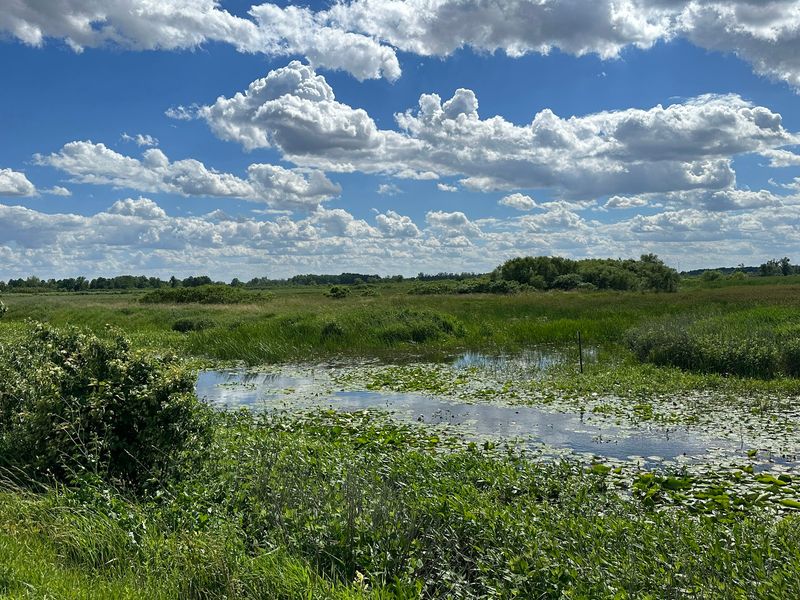
Every spring, this place becomes a kind of birdwatching legend, but even outside peak migration it stays full of life. Magee Marsh Wildlife Area along Lake Erie is famous for close views of warblers, making a simple walk feel like a treasure hunt in the trees.
The boardwalk is the star attraction because it brings visitors through rich habitat without much climbing or rough footing. That easy access lets beginners focus on spotting movement, colors, and bird behavior instead of worrying about a hard trail.
During migration, tiny birds gather here to rest and feed after crossing the lake. Warblers, vireos, thrushes, orioles, and many other species can appear almost at eye level, which is one reason so many people return year after year.
Early morning is often best, especially when birds are active and the light is softer. On busy spring days, arrive early not only for parking but also for a calmer experience before the boardwalk fills with excited birders.
You do not need to be an expert to enjoy Magee Marsh. Start by watching for flickers of yellow, blue, black, or orange in low branches, and listen for fast songs coming from leaves that barely seem to move.
Binoculars are useful, but many sightings happen close enough for the naked eye. A field guide or bird app can also make the visit more fun, since identifying what you saw turns each sighting into a small victory.
Although birds get most of the attention, keep an eye out for frogs, butterflies, and other wetland life nearby. Magee Marsh proves that a peaceful walk can be thrilling without being loud, and every few steps may bring a fresh burst of color, song, and motion from creatures passing through one of Ohio’s most beloved wildlife corridors.
8. Ancient Trees and Quiet Steps – Dysart Woods in Belmont County, Belmont County
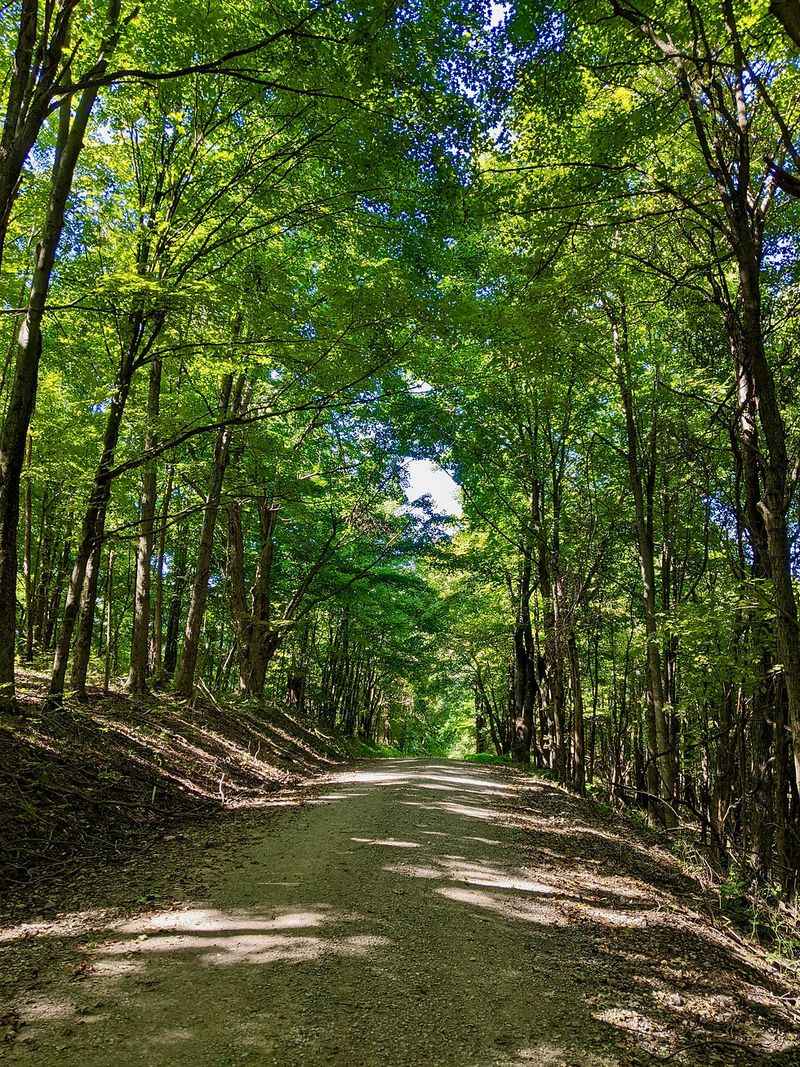
Walking among very old trees changes your pace without you even trying. Dysart Woods feels thoughtful and still, and that calm mood makes it a fine place for hikers who enjoy listening closely and watching for subtle signs of wildlife.
This preserve is known for its old-growth forest, including large trees that have stood for generations. Mature woods like these create special habitat for birds, insects, and small animals that rely on deep shade, fallen logs, and layers of natural forest growth.
Instead of dramatic cliffs or wide marsh views, Dysart offers a quieter kind of reward. You may notice woodpeckers knocking in the distance, squirrels leaping between trunks, or an owl tucked into a spot that blends so well you almost miss it.
Because the setting is so peaceful, it helps to keep your own group conversation light and brief. The less noise you make, the easier it becomes to hear leaves shifting, wings moving, or the quick warning call of a hidden bird.
Good shoes are useful, especially after rain when trails can be soft or slippery in places. Bringing binoculars is worth it here because much of the action happens above eye level, high in branches and cavities among the older trees.
Autumn is especially beautiful, with color overhead and better visibility through the forest. Spring and summer are rewarding too, when nesting birds and insects make the woods feel lively even if the wildlife is harder to see right away.
Dysart Woods is a strong reminder that not every memorable hike needs a huge landmark. Sometimes the magic comes from age, silence, and attention, and every careful step under those tall trees can bring a fresh sign that the forest is busy with life even when it looks almost perfectly still.
9. Island Paths and Lake Breezes – Kelleys Island State Park in Kelleys Island, Erie County
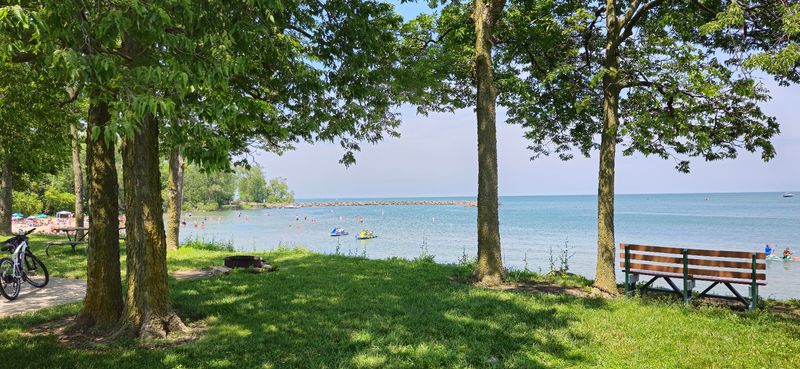
A hike on an island always feels a little different, as if the day has already slowed down before your boots hit the trail. Kelleys Island State Park mixes woodland paths, shoreline views, and Lake Erie breezes that can bring both scenic calm and memorable wildlife moments.
Birds are a big part of the experience, especially during migration seasons when island stopovers matter. Songbirds, water birds, and raptors may all pass through, while quieter corners can also hold deer, butterflies, and smaller woodland animals.
The lake itself adds another layer to the outing. Watch the shoreline for gulls, herons, and other birds, then shift your attention inland where trees and brush offer shelter from wind and sun.
Because island weather can change quickly, dressing in layers is a smart idea. A sunny morning can turn breezy by the water, and open areas may feel cooler than wooded sections only a short walk away.
Trails here are enjoyable for visitors who want wildlife without a punishing hike. You can pair your walk with other island stops, but saving time for a slower pace on the path gives you a better chance of spotting movement in branches or along the ground.
Bring water, sun protection, and binoculars if birding is part of your plan. Ferries and day schedules can make people rush, yet Kelleys Island is best when you let the trail unfold gently instead of treating it like a quick stop.
There is a fresh, open feeling here that sets it apart from inland forests. Between the rustle of leaves and the sound of waves, every peaceful stretch seems to hold two worlds at once, and that makes each wildlife sighting feel special, whether it is a bird resting during migration or a quiet animal slipping through the island woods.
10. Cliffs, Water, and Woodland Surprises – John Bryan State Park in Yellow Springs, Greene County
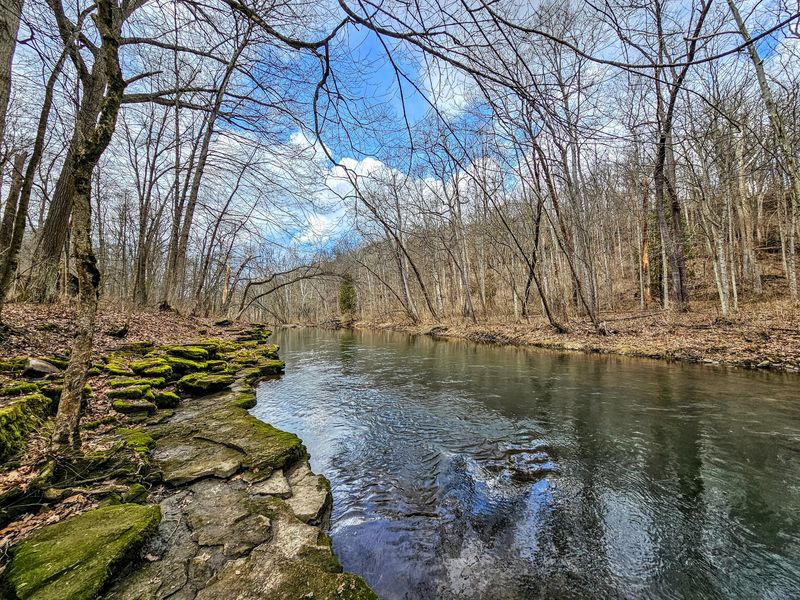
Some parks catch your attention right away with a big scenic feature, and here the limestone gorge does exactly that. John Bryan State Park pairs dramatic cliffs with wooded trails and flowing water, creating several kinds of habitat in one compact and memorable hiking area.
The Little Miami River corridor helps support birds, deer, squirrels, and other woodland wildlife. If you move slowly near quieter stretches, you may notice birds calling from the gorge walls or catch movement near the forest edge where animals come to drink.
One nice thing about hiking here is the changing view. A shaded path can suddenly open to a gorge overlook, then narrow again through trees where the sounds of water and rustling leaves take over.
That variety keeps the walk fun for families, casual hikers, and people who like nature photography. It also means wildlife can show up in different ways, from a hawk gliding above open rock to a chipmunk darting across the trail below.
Wear sturdy shoes because some paths have roots, stone steps, or uneven ground, especially after wet weather. Bringing a light snack and water is helpful if you plan to combine a scenic overlook stop with a longer walk.
Morning offers softer light and a better chance at calmer trails. If you visit later in the day, try side stretches away from the busiest overlook areas, where animals may feel more comfortable moving about.
John Bryan is a good reminder that wildlife watching does not always require a remote wilderness trip. In a park known for cliffs and river views, the quieter details matter just as much, and each peaceful stretch can surprise you with a bird call from above, a deer in the trees, or a quick flash of life along the water.
11. Prairie Calm and Open Skies – Oak Openings Preserve Metropark in Swanton, Lucas County
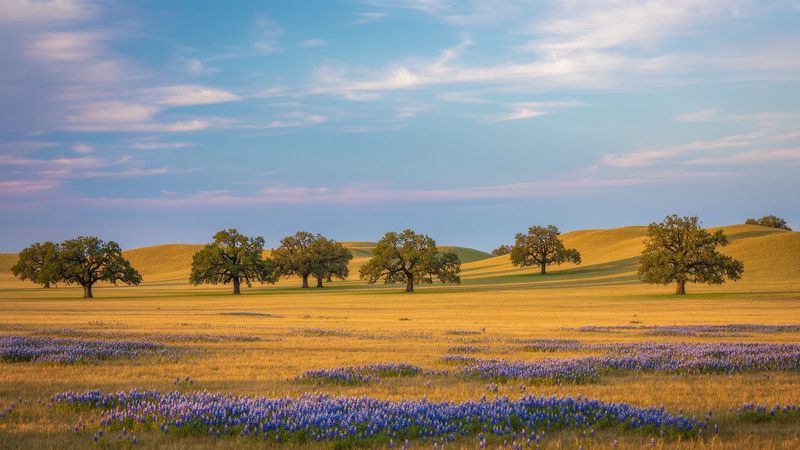
Wide skies can make a hike feel peaceful in a totally different way than a deep forest does. Oak Openings Preserve Metropark stands out because its rare mix of prairie, oak savanna, wetlands, and pine woods creates one of the most varied wildlife habitats in Ohio.
That diversity means hikers may see many kinds of creatures in a single outing. Butterflies, turtles, deer, hawks, frogs, and songbirds all use different parts of the preserve, so each section of trail offers its own little world.
Open areas are especially fun for people who like to scan far ahead. Instead of waiting for an animal to step onto a narrow path, you can watch the edges of grasslands, listen for insect buzz, and track birds moving between scattered trees.
In warmer months, the plant life itself becomes part of the experience, with prairie flowers drawing pollinators in constant motion. Even children who are not serious hikers may enjoy counting butterflies or watching dragonflies patrol wet spots beside the trail.
Sun protection matters here more than in heavily shaded parks, so pack water, a hat, and sunscreen. Bug spray can also help, especially near wetter sections where mosquitoes may be active.
If you want the best wildlife chances, choose a route that passes through more than one habitat type. A trail that moves from open prairie to wooded cover to wetland edge can reveal much more than staying in one landscape the whole time.
Oak Openings has a bright, airy personality that feels different from Ohio’s gorge and hill country. Its peaceful stretches are full of subtle movement, and once you settle into the rhythm of wind, grass, and birdsong, every turn can bring a fresh surprise from one of the state’s richest and most unusual natural areas.
Share this story