Ohio has hotels that do much more than give travelers a place to sleep. Across the state, old inns, grand city towers, and longtime gathering spots still carry pieces of the past in their walls, halls, and front porches.
Some welcomed presidents, some rose during railroad days, and others helped shape the downtown life of the cities around them. If you enjoy history that feels close, personal, and easy to picture, these Ohio stays offer stories you can actually walk through.
1. Hotel LeVeque, Autograph Collection
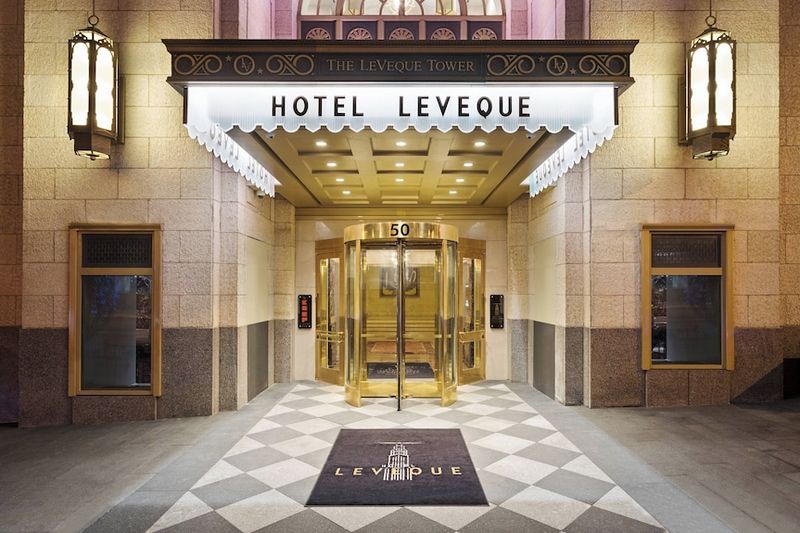
Few Ohio buildings make such a bold first impression as the shining tower along the Columbus skyline. Long before it became a stylish hotel, the LeVeque Tower opened in 1927 as the American Insurance Union Citadel and quickly became a symbol of ambition, wealth, and big-city pride.
Its height and rich Art Deco design helped it stand out in a growing downtown that wanted to look modern and important.
Inside, guests can still spot touches that connect the present to the past. Decorative metalwork, dramatic lighting, and carefully restored details give the hotel a glamorous mood without feeling stiff or hard to enjoy.
Staying here works well for travelers who want history with comfort, since the building keeps its old character while offering updated rooms, river views, and easy access to theaters, restaurants, and downtown events.
One of the most interesting parts of the story is how the tower changed with Columbus over time. Office space, local business life, and preservation efforts all played a role in keeping the landmark active instead of forgotten.
That matters because many grand buildings lose their purpose, but Hotel LeVeque found a way to welcome a new generation without hiding what made it special in the first place.
If you visit, spend a little extra time looking up. The ornament, ceiling details, and exterior crown are part of the experience, not just decoration.
A nighttime walk near the Scioto River is a smart idea too, because the illuminated tower is often at its most memorable after dark, when the city lights help the old landmark feel alive again.
2. The Cincinnatian Hotel
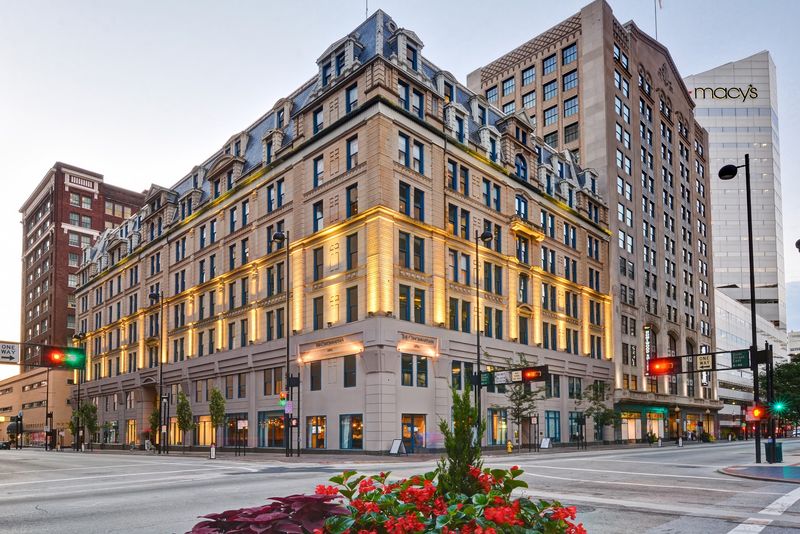
Stepping into a hotel can feel ordinary, but some places still carry the charm of another age. The Cincinnatian Hotel began in 1882 as The Palace Hotel, and its very name hinted at the kind of grand experience guests could expect.
During a time when rail travel helped cities grow fast, this hotel became part of Cincinnati’s image as a busy, confident place with culture and style.
Over the years, the building welcomed visitors who wanted more than a simple overnight stop. Its high ceilings, elegant public spaces, and rich architectural details gave travelers a sense that they had arrived somewhere important.
Modern updates keep the stay comfortable today, yet the property still reflects the kind of hospitality that mattered in the late nineteenth century, when service and appearance were closely tied to a city’s reputation.
The story here is not only about beauty. Preservation helped protect a downtown landmark that could easily have been replaced or stripped of its character.
Instead, the hotel remains a reminder that Cincinnati values its older buildings and sees them as part of daily city life, not just museum pieces. That makes a stay here especially appealing for readers who like history that feels useful and lived in.
A smart visit includes more than time in your room. Look closely at the lobby details, ask about the building’s past, and take a short walk around downtown to notice how the hotel fits into the older streetscape nearby.
Pairing your stay with stops at local theaters, restaurants, or Fountain Square can help the whole experience feel connected, like you are spending the night inside a chapter of Cincinnati history.
3. Hilton Cincinnati Netherland Plaza
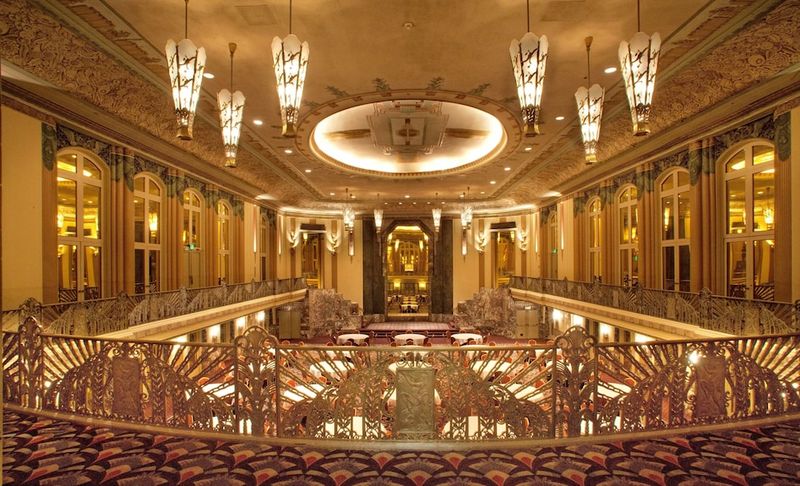
Some hotels feel like movie sets, and that is part of the fun here. Opened in 1931 inside the Carew Tower complex, the Hilton Cincinnati Netherland Plaza is one of Ohio’s best-known Art Deco treasures.
Its design came from a period when builders mixed bold style with modern confidence, and the result still feels dramatic, polished, and a little theatrical in the best possible way.
Guests often remember the lobby and public rooms long after checkout. Murals, metal details, rich colors, and geometric patterns create a look that is both fancy and inviting, which is not always easy to pull off.
The hotel also sits in the middle of downtown Cincinnati, making it useful for visitors who want to explore nearby landmarks, shops, restaurants, and riverfront attractions without a long drive.
Its history matters because the building reflects more than hotel trends. It shows what Cincinnati looked like during a time of growth, ambition, and changing taste in architecture.
The survival of such spaces gives travelers a chance to see craftsmanship up close rather than only reading about it in a book. That direct experience can make history feel more real, especially for younger visitors who connect better with places they can stand in and notice.
Try planning a stay with time set aside for wandering, not rushing. Early morning or evening can be the best moments to appreciate the quieter beauty of the halls and dining spaces.
If you enjoy architecture, bring your phone or a small notebook and pay attention to repeated shapes, colors, and materials, because the little details are what help the Netherland Plaza leave such a strong memory.
4. The Granville Inn
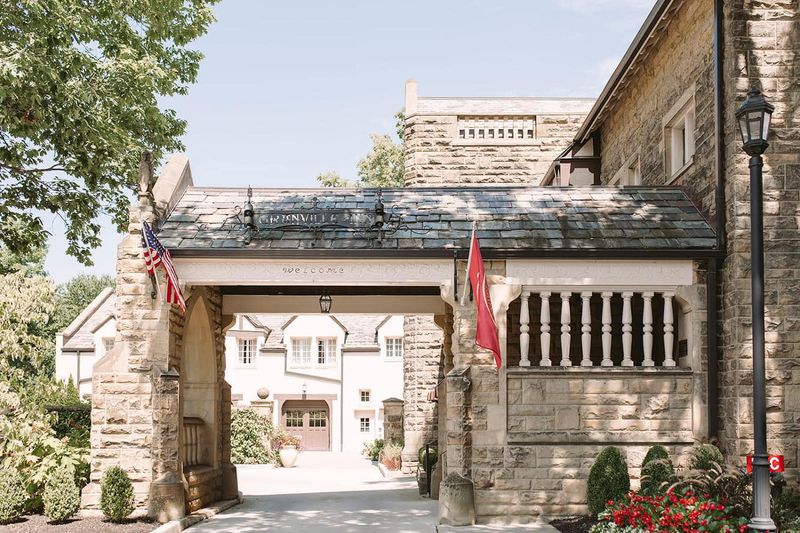
Not every historic hotel towers over a city street. In Granville, a village known for charm and old-fashioned beauty, The Granville Inn offers a quieter kind of story.
Built in 1924 in a Tudor Revival style, it looks like the sort of place where community dinners, weekend visits, and local traditions naturally belong. That cozy feeling is a big part of why the inn continues to matter.
The building has long served as more than lodging. Residents and travelers have used it for gatherings, meals, celebrations, and simple moments of rest in one of Ohio’s prettiest small-town settings.
Its architecture, with steep rooflines and old-world touches, helps it stand apart from newer places that can feel useful but forgettable. Here, the setting encourages visitors to slow down and notice the village around them.
History comes through in a very approachable way at The Granville Inn. Instead of grand city drama, the landmark tells a story about local identity and the role a well-loved inn can play in everyday life.
That is valuable because not all preservation has to be flashy. Sometimes protecting a place means keeping a town’s social heart beating, and this inn has done that for generations.
For the best experience, give yourself time to explore beyond the front door. Walk through Granville’s historic streets, browse local shops, and enjoy the campus feel nearby.
If you stay overnight, common spaces often reveal as much character as the guest rooms, so do not hurry past them. A slower visit suits this property well, since its real magic comes from the mix of architecture, community warmth, and village atmosphere that feels distinctly Ohio.
5. The Historic Buxton Inn
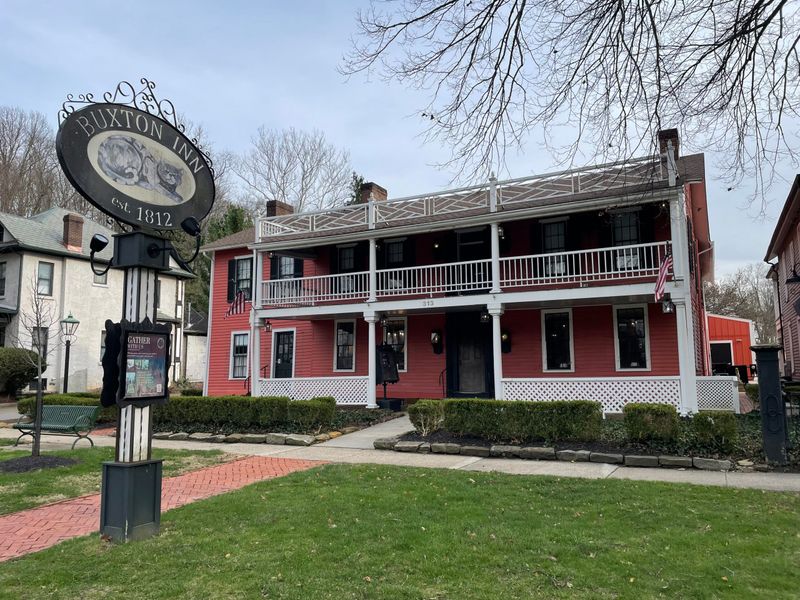
A creaky floorboard can sometimes make history feel closer, and that is part of the charm at The Historic Buxton Inn. Dating back to 1812, it is one of Ohio’s oldest inns and has spent more than two centuries welcoming travelers to Granville.
The building has seen stagecoach days, village growth, changing owners, and generations of guests who passed through for very different reasons.
Because the inn is so old, its story feels personal rather than distant. Rooms, hallways, and dining areas carry the kind of lived-in atmosphere that newer hotels simply cannot copy.
Many visitors are drawn by tales of famous guests and local legends, including stories that give the property a slightly mysterious reputation. Even without focusing on ghost talk, the age of the inn is enough to make each corner feel interesting.
Its value as a landmark comes from endurance. Ohio has changed greatly since the early nineteenth century, yet the Buxton Inn remains a working place where people still eat, sleep, gather, and celebrate.
That continuity helps visitors understand that history is not only found in monuments. Sometimes it survives in ordinary acts of hospitality repeated across many decades.
If you go, lean into the mood of the place. Read a bit about Granville before your trip, enjoy a meal onsite if possible, and look for original features that hint at the inn’s long life.
Since older buildings often have quirks, arriving with flexible expectations can make the experience better. Rather than expecting perfect sameness, appreciate the character, stories, and sense of time that turn this inn into one of Ohio’s most memorable historic stays.
6. The Golden Lamb
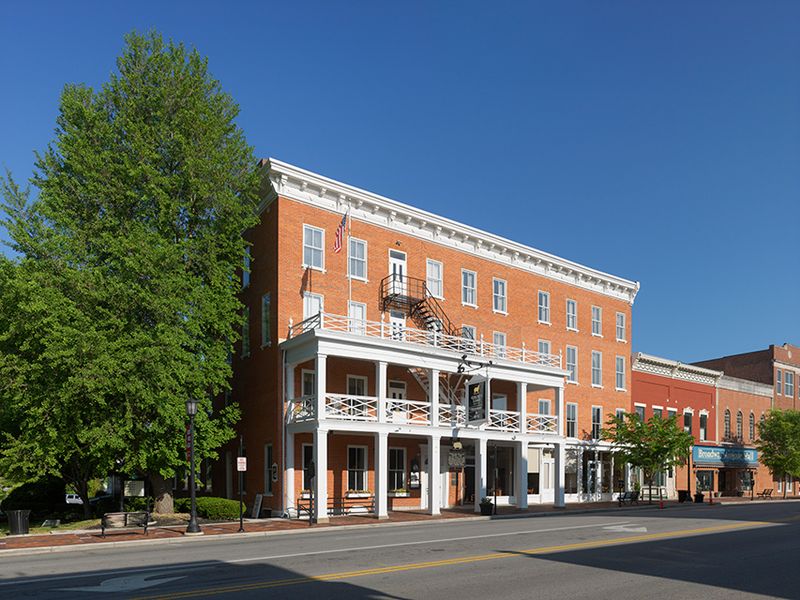
Long before chain hotels covered highway exits, travelers looked for trusted inns with good food and a dependable bed. The Golden Lamb in Lebanon has been filling that role since 1803, making it one of Ohio’s oldest and most famous inns.
Its long guest list includes presidents, writers, and public figures, but the building’s lasting appeal comes from something simpler: it has remained a lively part of town life for generations.
Walking into the Golden Lamb feels a bit like entering a story that never fully stopped. Historic rooms, traditional decor, and carefully preserved spaces help guests imagine what travel might have felt like in earlier centuries.
At the same time, the inn stays active as a restaurant and gathering place, so the experience is not trapped in the past. That blend keeps it warm and approachable instead of overly formal.
The landmark matters because it connects Ohio’s early years to the present in a direct, easy-to-understand way. Lebanon grew around routes, trade, and community life, and the inn stood close to all of it.
Preservation here protects more than a building. It protects a habit of welcome that has shaped the town for over two hundred years, which is pretty remarkable when you stop and think about how much the world has changed.
Visitors should give themselves extra time for both the inn and the surrounding area. Browse downtown Lebanon, ask about notable guests, and look at the named rooms if available.
Eating at the restaurant can add another layer to the visit, since food has always been part of the Golden Lamb’s identity. For travelers who love stories with real roots, this stop offers history that feels grounded, social, and very much alive.
7. Glidden House
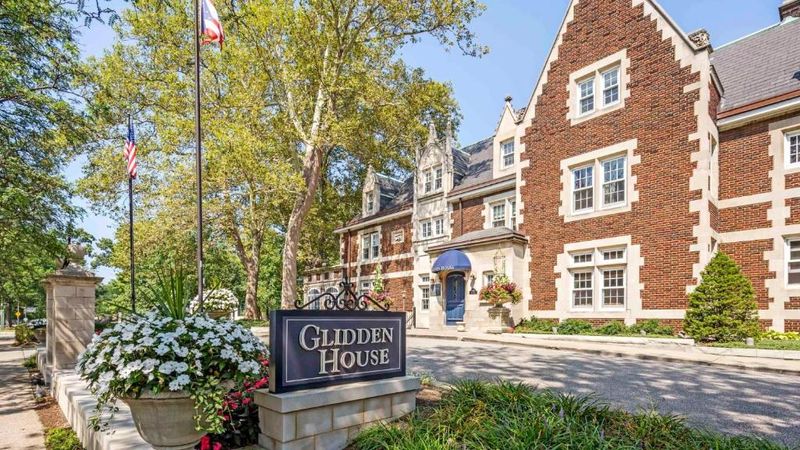
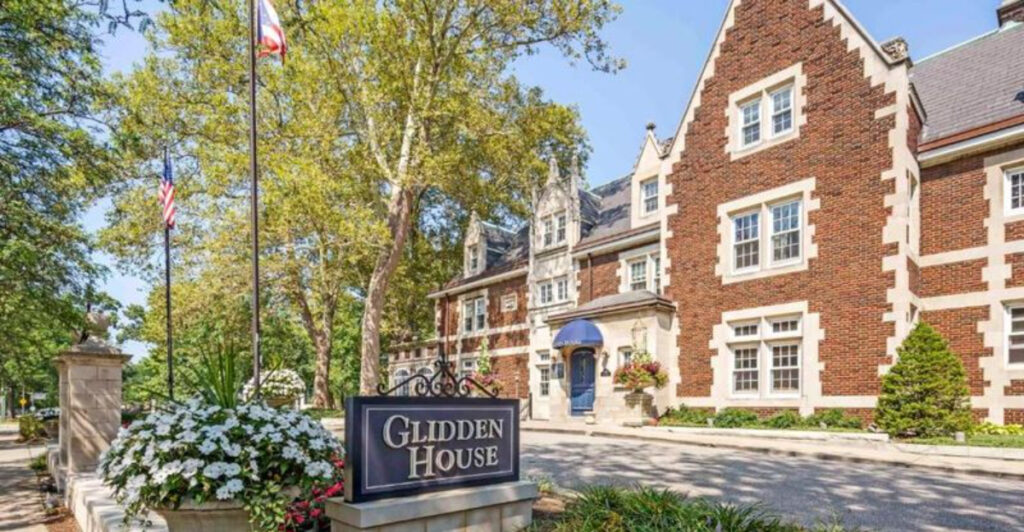
A mansion turned hotel has a special kind of appeal, especially when it still carries the feeling of a private home. Glidden House in Cleveland began in 1910 as the residence of Frank and Sarah Glidden, part of a prominent family connected to local business history.
Today, the property offers guests a chance to stay in a landmark that feels more intimate than a giant downtown tower.
Set in University Circle, the location adds even more value to the experience. Museums, gardens, and cultural institutions sit nearby, making the hotel a smart choice for travelers who want a stay tied closely to Cleveland’s intellectual and artistic side.
The architecture and original sections of the house help preserve that early twentieth-century atmosphere, while newer additions make the property practical for modern visitors.
The story of Glidden House shows how historic preservation can work through adaptation. Rather than letting an old family mansion fade into memory, Cleveland found a use for it that keeps the structure active and appreciated.
That matters because buildings are easier to care about when people can enter them, sleep in them, and connect their own memories to the place. A landmark with daily life in it often survives better than one left empty.
For a rewarding trip, plan around the neighborhood as much as the hotel itself. Visiting nearby museums, walking the grounds, or simply noticing how the house fits among other historic and cultural sites can deepen your understanding of the area.
Glidden House is especially good for travelers who prefer quiet elegance over flash. Its story is gentle but meaningful, offering a polished stay rooted in Cleveland’s past and present at the same time.
8. The Westin Great Southern Columbus
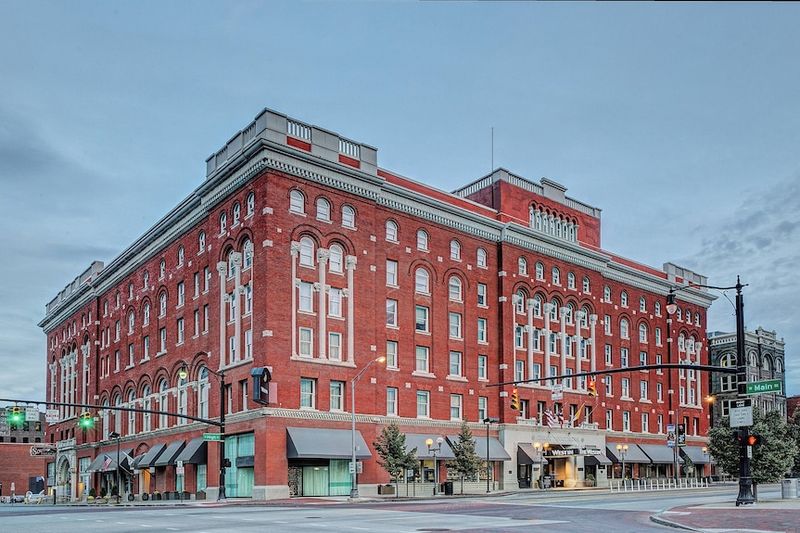
Big city history often hides in plain sight, and that is true of this long-standing Columbus hotel. The Westin Great Southern Columbus opened in 1897 as the Great Southern Fireproof Hotel and Opera House, a name that immediately points to both ambition and practical design.
In an era when fire safety was a major concern, that promise mattered, and the building soon became a significant part of downtown life.
Its architecture and long presence give it weight beyond ordinary lodging. The hotel reflects a period when Columbus was building confidence through culture, commerce, and impressive public spaces.
Opera performances, travelers, and social events once helped shape its identity, and while the experience has changed over time, the sense of importance remains. Staying here can feel like stepping into an older chapter of the city without giving up present-day comfort.
One reason the landmark stands out is its ability to adapt. Many historic urban hotels face hard choices as downtown districts change, but this property continued evolving while holding onto key pieces of its story.
That makes it useful for visitors who want to see how preservation can support a working city. Instead of freezing the past, the hotel carries it forward in a form people still use and enjoy.
Consider spending part of your stay learning about the neighborhood around it. Nearby streets, civic buildings, and entertainment areas help explain why the hotel mattered so much in the first place.
Inside, look for design details that hint at its earlier grandeur. Even small observations, like lobby scale or decorative touches, can tell you a lot.
The Westin Great Southern offers a practical lesson in how Ohio history, architecture, and urban change meet under one roof.
9. Steele Mansion Inn & Gathering Hub
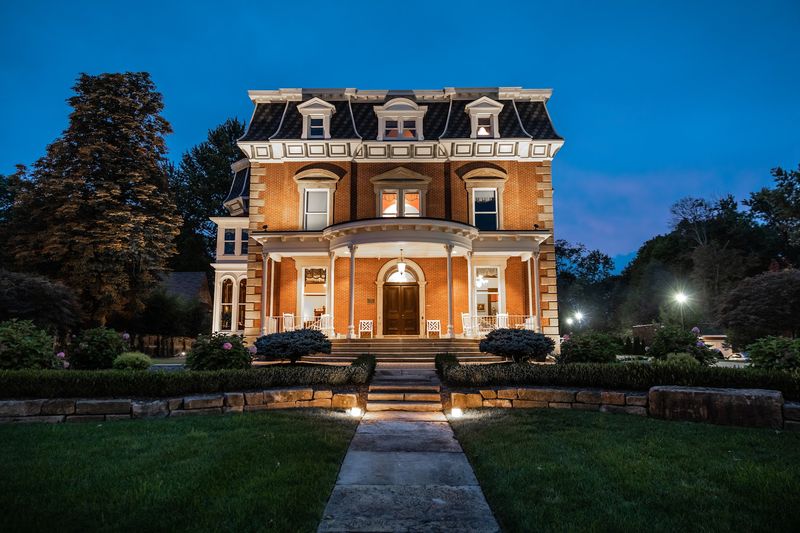
Color, charm, and a touch of surprise make this place memorable from the start. Steele Mansion in Painesville was built in the 1860s for attorney and industrialist Col.
Edwin Steele, and its rich Victorian style still turns heads today. What could have become just another old house instead found new life as an inn and event space, giving the landmark an active role in the community once again.
The mansion’s story is appealing because it blends elegance with resilience. Historic homes of this size often face years of neglect, difficult repairs, or uncertain futures.
Here, restoration brought back decorative detail and personality while also making the building useful for overnight stays, weddings, and local gatherings. That practical success is part of what makes the property worth discovering, not just its pretty exterior or period atmosphere.
Visitors often enjoy how different the experience feels from a standard hotel. Staying in a mansion creates a more personal mood, and the setting encourages curiosity about the people who once lived there and the town that grew around them.
Since Painesville has its own local history, the inn also works as a base for exploring Lake County and learning more about northeast Ohio beyond the state’s biggest cities.
To get the most out of a visit, spend time in the common areas rather than treating the stay like a quick stop. Notice the woodwork, colors, and room layouts that reveal its nineteenth-century roots.
If you are interested in restoration, reading a little about the property’s revival before arriving can make the details more meaningful. Steele Mansion offers an upbeat example of how an old Ohio landmark can become lively, welcoming, and useful all over again.
10. Hotel Lakeside
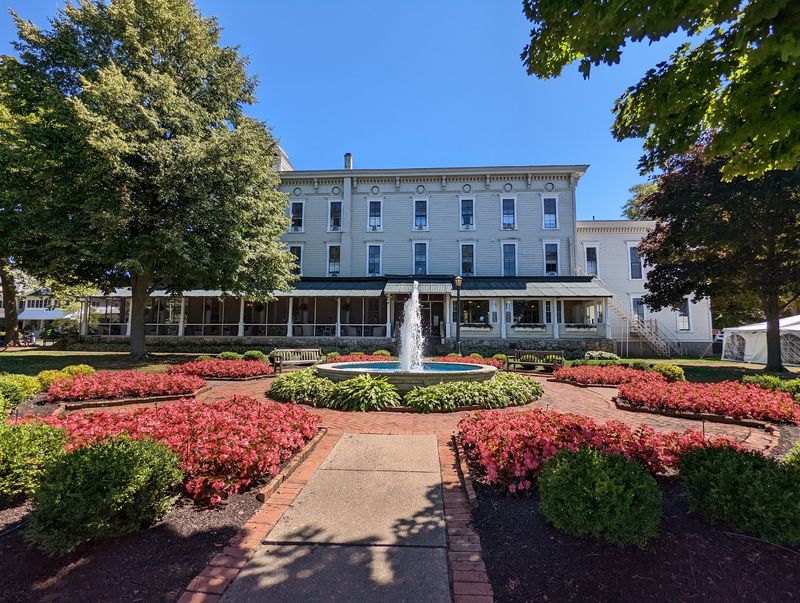
Summer memories seem to cling naturally to places near the water, and Hotel Lakeside has that feeling in abundance. Located in the Lakeside Chautauqua community on Lake Erie, the hotel has welcomed seasonal guests since the late nineteenth century.
Its setting, traditions, and old resort spirit make it different from many other historic properties on this list, because the story here is tied just as much to community life as to architecture.
Lakeside itself developed as a place for learning, recreation, faith, and relaxation, and the hotel became part of that larger experience. Guests are not only booking a room.
They are stepping into a setting where porches, lake breezes, concerts, lectures, and walks by the water all help shape the mood. That broader sense of place gives the hotel its importance as a landmark within one of Ohio’s best-known summer communities.
What makes Hotel Lakeside especially interesting is how it reflects a style of vacation that feels slower and more connected. Instead of nonstop activity, the atmosphere encourages simple pleasures and shared traditions.
Preserving the hotel helps preserve that rhythm too. In a fast-moving world, there is real value in places that remind people how travel once centered on conversation, scenery, and a strong sense of season.
If you plan a visit, think beyond the room and build your stay around the surrounding community calendar. Walking by the lake, attending local programs, and spending time on the porch can be just as important as sightseeing.
Pack with comfort in mind and be ready for a classic resort feel rather than a slick luxury vibe. Hotel Lakeside shines brightest when visitors appreciate its heritage, setting, and relaxed Ohio summer personality.
11. Hotel Millersburg
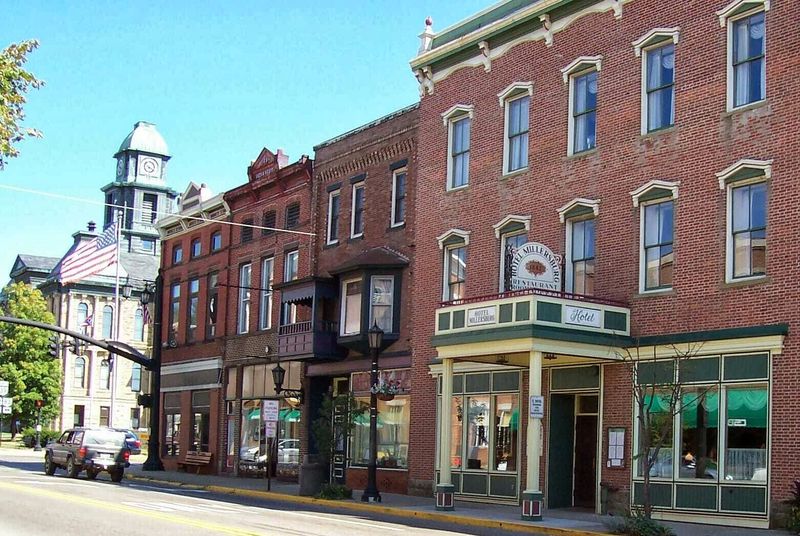
Right on the square in Holmes County, Hotel Millersburg gives visitors a front-row seat to one of Ohio’s most distinctive small-town settings. The hotel dates to 1847 and has long been part of the social and travel life of Millersburg.
Its age alone is impressive, but its location in the heart of town makes the story even richer, since so much local activity has unfolded just outside its doors.
Over time, the building has served guests ranging from everyday travelers to people exploring the region’s Amish Country attractions. That mix gives the hotel a grounded, practical history.
It was never only about luxury. Instead, it became a reliable place tied to commerce, conversation, and community.
For many readers, that kind of history feels especially easy to connect with because it reflects how towns actually worked day by day.
The landmark also shows how an old hotel can help preserve the spirit of a town square. When visitors stay in a historic building instead of passing through, they support the continued life of the downtown around it.
Shops, restaurants, and local sights all benefit from that connection. In this way, Hotel Millersburg is more than a survivor from the past.
It remains part of the present rhythm of the community.
A good visit starts with simple expectations and a curious attitude. Spend time walking the square, learning about Holmes County, and noticing how the hotel’s historic setting shapes the mood of the whole stay.
If you are exploring Amish Country, use the hotel as a comfortable base rather than only a bedtime stop. Hotel Millersburg is best enjoyed by travelers who like authenticity, local flavor, and the pleasure of sleeping in a place that has watched Ohio history pass by for generations.
Share this story