Tennessee has a way of surprising you when you leave the busy highways behind. Sure, the Great Smoky Mountains and Nashville get plenty of attention, but some of the state’s most memorable places are tucked away in small towns, quiet forests, and along winding country roads.
You might find a waterfall pouring straight out of a rocky cliff, an abandoned mountain community slowly being reclaimed by nature, or a historic prison where visitors can explore the cells and hear stories from its past. There are underground caves, unusual rock formations, and hiking trails that lead to views you won’t soon forget.
The best part is that you don’t always have to travel far or spend much money to enjoy these places. Some are just a short walk from the parking lot, while others require a little more effort and a good pair of hiking shoes.
Whether you’re planning a weekend road trip, looking for somewhere new to explore with family, or simply hoping to escape the usual tourist crowds, these 11 lesser-known Tennessee destinations offer plenty of reasons to take the scenic route.
You might even discover a new favorite place along the way.
1. Ozone Falls State Natural Area, Ozone
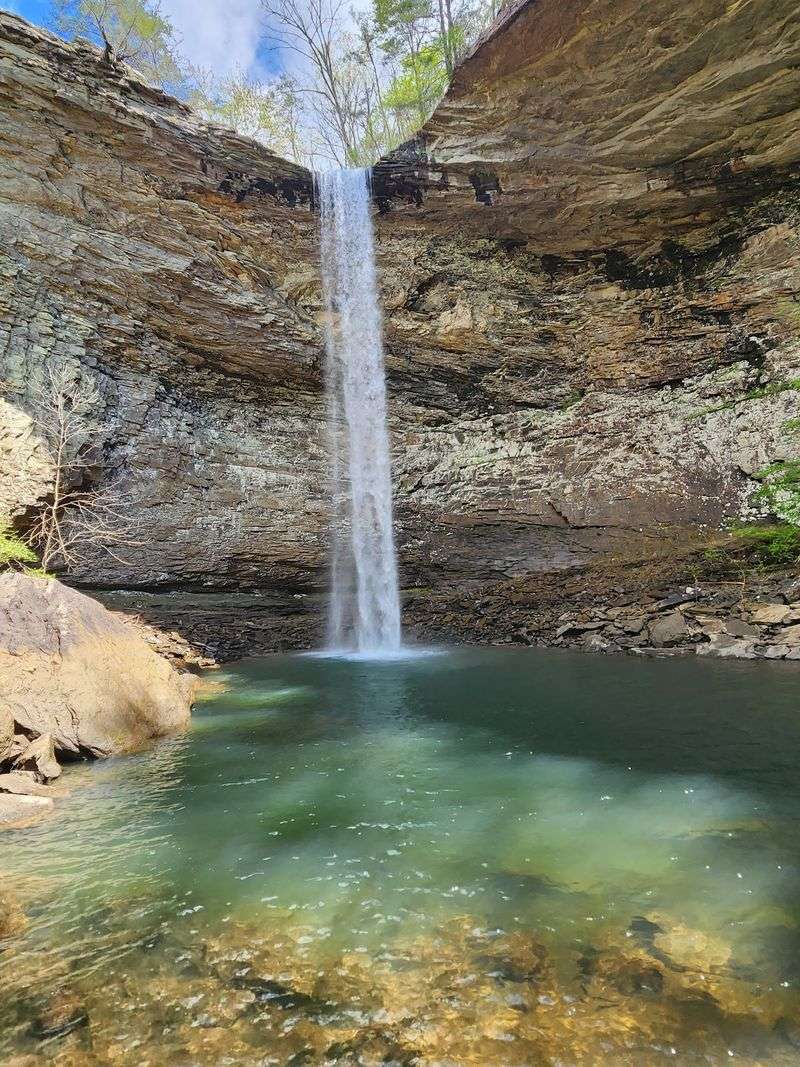
Ozone sounds like a sci-fi planet, but it’s a tiny mountain community on the Cumberland Plateau. It also hides a waterfall that drops into a rock bowl the weather spent ages carving.
That bowl works like a natural amphitheater around the falls. The water lands in a pool at the bottom, and the scene feels much bigger than the roadside setting suggests.
Getting there is part of the surprise. The natural area sits right along TN-1 in Cumberland County, surrounded by thick forest.
Parking is a small asphalt pull-off with room for about five or six vehicles. Arrive early on weekends, since Saturdays and Sundays are the busiest days.
Craving quiet instead? Monday morning and Tuesday tend to be the calmest times to visit.
The top of the falls is easy to reach with a short walk. You get big views without much effort, which helps if you’re traveling with kids or tired legs.
The bottom is a different story. Plan on a steep, rugged climb down that takes about 15 minutes and can get slippery.
Wear shoes with real grip, not flip-flops. Take your time on the rocks, and keep a hand free for balance.
Once you reach the base, the pool and swimming hole make a great payoff. Watch your footing near wet stone, and use good sense about water levels.
Dogs are permitted on leashes, but state officials do not recommend bringing pets because of the area’s rugged terrain.
Pack a picnic, because this is a fine place to linger. A public restroom is on site, which is a nice bonus for such a rural stop.
Ozone Falls proves Tennessee doesn’t always make you hike for miles to get drama. Sometimes the show starts right off the highway.
2. Window Cliffs State Natural Area, Baxter
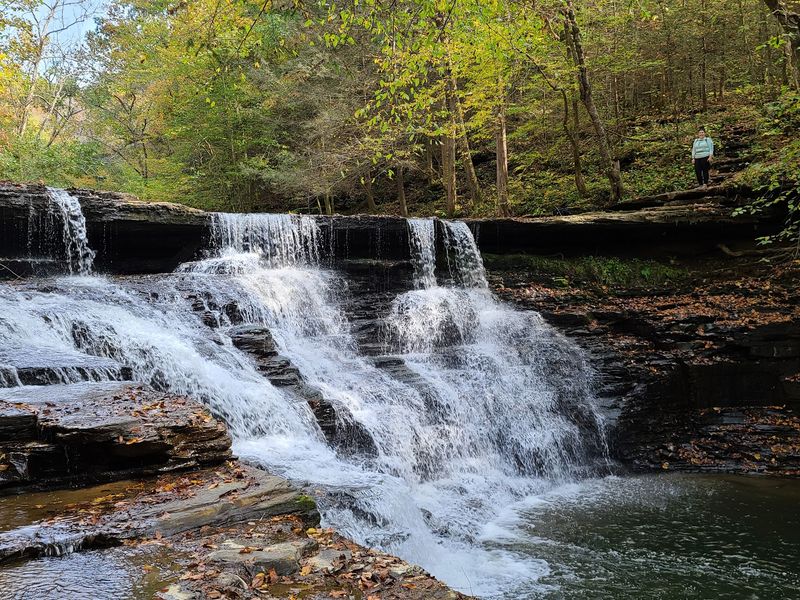
Wet feet are basically the price of admission here. The trail crosses the creek nine times on the way out and nine times on the way back.
That’s 18 splashy crossings, so leave the fancy sneakers at home. Water shoes or quick-drying hiking shoes will make you much happier.
The big reward is a narrow, knife-like cliff with two natural windows worn through the rock. Those openings formed over millions of years, which makes your hike feel pretty short by comparison.
You’ll also get an overlook with views of waterfalls and cliffs. It’s the kind of scene that makes you forget your soggy socks for a while.
The preserve sits outside Baxter, a small rural town in Putnam County. Fewer than 2,000 people live there, so this isn’t exactly a tourist strip.
The trail is listed as strenuous, though many hikers find it moderate. Either way, plan on a real workout with climbs and rocky footing.
Kids who like adventure can handle it, especially older ones who love splashing. Just keep younger hikers close at the creek crossings.
Check the weather before you go. Heavy rain can raise the water, and crossings get trickier fast.
Bring plenty of water and a snack for the overlook. There’s a public restroom, but don’t expect a snack bar in the woods.
The trails are well maintained, which helps with all that up and down. Still, give yourself a few hours so you’re not rushing back to the lot.
Window Cliffs is managed alongside nearby Burgess Falls State Park. If you have extra energy, you could make a full Putnam County day of it.
Tennessee has plenty of pretty overlooks, but few that make you earn them this playfully. Bring a towel for the car ride home.
3. Great Stone Door, Beersheba Springs
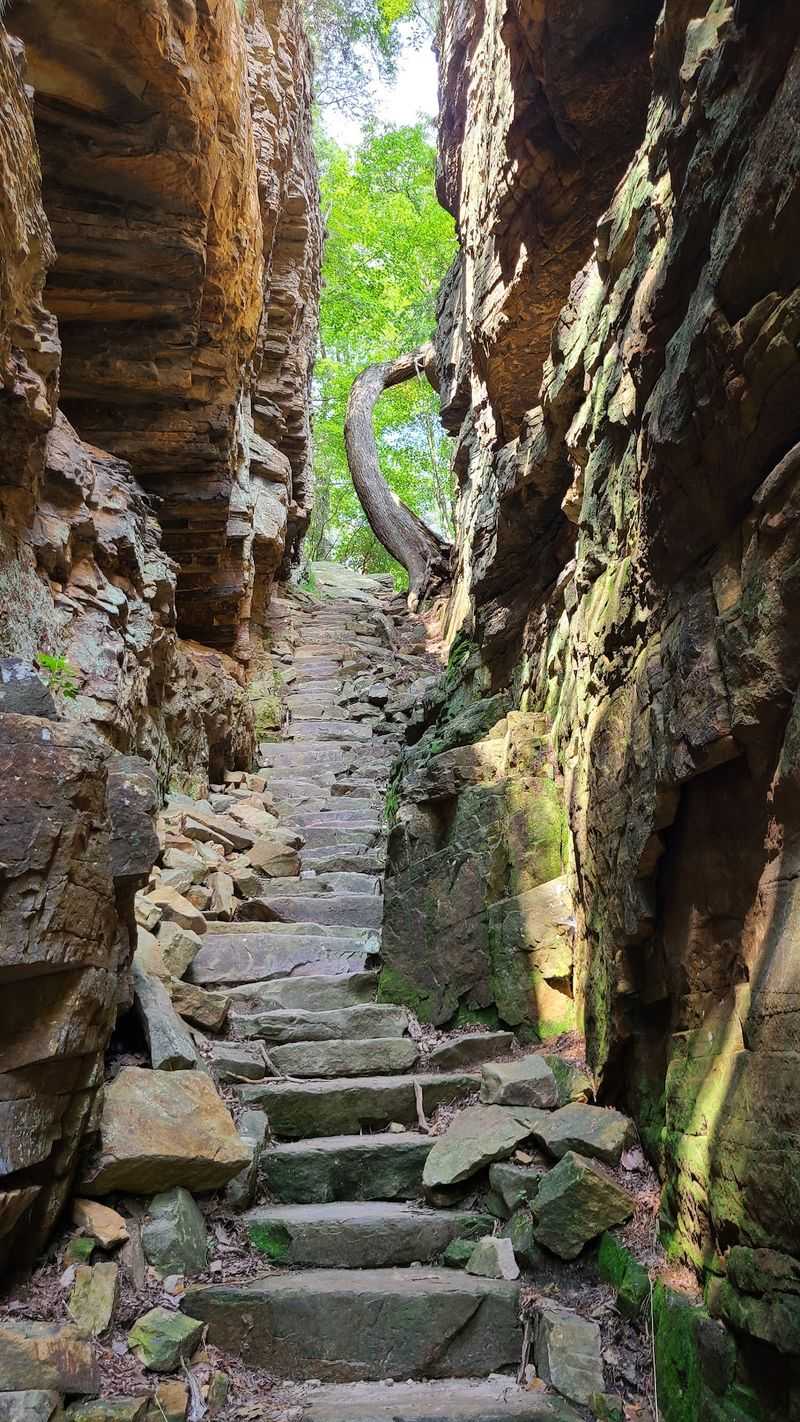
Nature built a doorway into a cliff, and you can walk right up to it. The Great Stone Door is a narrow crevice in the rim of Savage Gulf, approximately 10 feet wide and 100 feet deep.
Standing at the top, it looks like someone sliced the rock with a giant knife. The result feels almost too neat to be natural.
Beersheba Springs is a tiny historic resort community on the Cumberland Plateau. Fewer than 500 people live there, which adds to the faraway feel.
The good news? The trail to the door is easy, paved, and clearly marked.
That makes this one of the friendlier hikes on the list. You can bring hikers of different skill levels and still have a great time.
Along the way, the overlook views open up across the gorge. Give yourself time to stop, because the scenery keeps getting better.
Cliffs and rock formations line the route like a natural sculpture garden. Bring your camera, and maybe a spare battery.
Once you reach the door, take a moment at the edge. The overlook is a fine place for photos, a snack, and some quiet.
Keep kids close near the rim, since cliffs are cliffs. A little caution keeps the day fun.
A large free parking lot sits at the trailhead. That’s helpful on busy days when other hikers have the same idea.
The door sits inside the Savage Gulf area, which holds miles of rugged backcountry. If you love long hikes, this can be a starting point for bigger trips.
Fall is a great time to go, when the gorge fills with color. Spring is lovely too, with fresh green leaves and cooler temperatures.
It’s one of Tennessee’s best views for the least sweat. Not a bad deal for a door with no lock.
4. Historic Brushy Mountain State Penitentiary, Petros
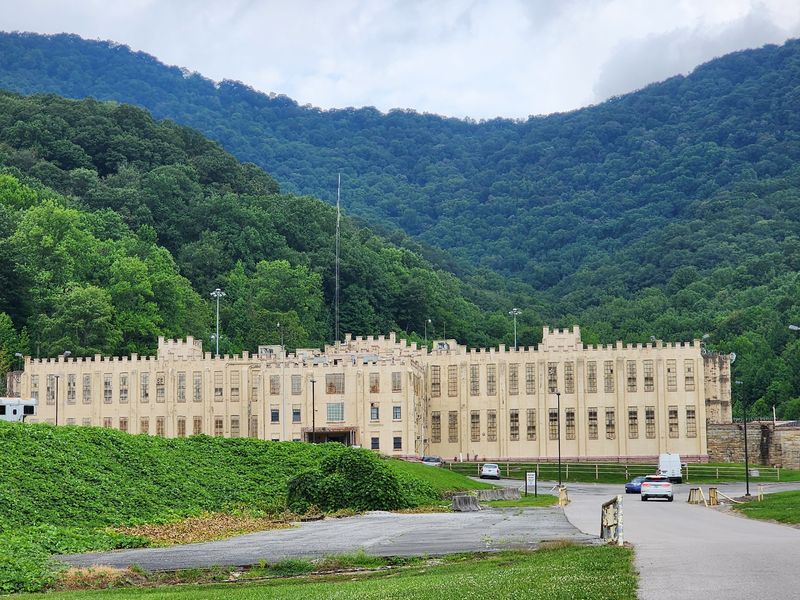
Most people spend their lives trying to stay out of prison. At Brushy Mountain, you pay a visit on purpose, and you’re free to leave.
This former state penitentiary sits in Petros, an old coal-mining hollow in Morgan County. Steep, rugged peaks surround the valley, so the setting feels isolated even today.
Tours are self-guided, so you set your own pace. That’s handy, because there’s a lot of reading to do.
Plan on about an hour and a half if you like soaking up the stories. History fans may want even longer.
You can explore the ruins and step into areas like the hole. It’s an eerie spot, and that’s sort of the point.
A museum adds context about life behind these walls. It helps turn old stone and steel into real human history.
Fans of spooky stuff, take note. The tours lean into reports of paranormal activity in many parts of the prison.
Not into ghosts? The architecture and history are plenty interesting on their own.
When your stomach starts growling, there’s a barbecue restaurant on site. It beats packing a sad sandwich for the drive home.
The gift shop is your stop for souvenirs. Who doesn’t want a reminder of the day they went to prison?
Check the calendar before you go. The site is open Thursday through Sunday from 10:30 AM to 6:30 PM and closed Monday through Wednesday.
It’s one of the most unusual stops in East Tennessee. You’ll leave with stories, and thankfully, no criminal record.
5. Fort Pillow State Historic Park, Henning
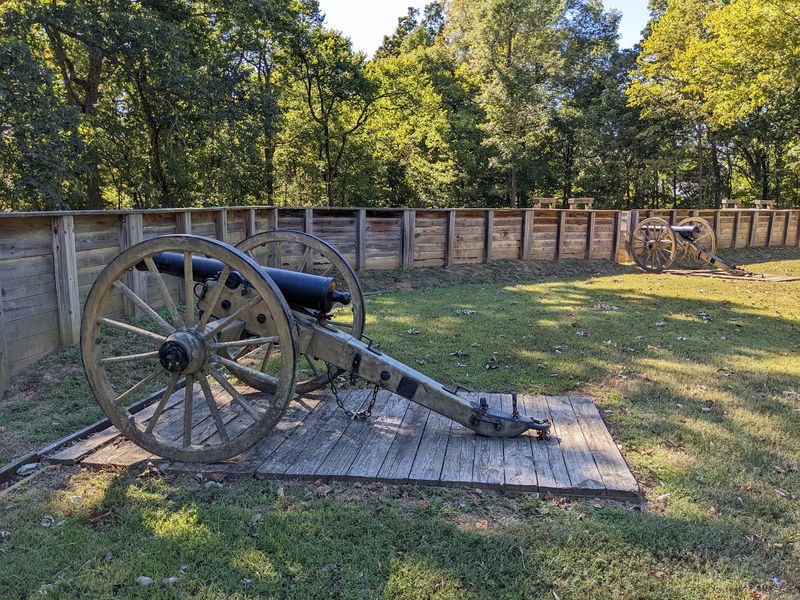
Getting here takes a few miles of quiet country road, and that’s part of the charm. Fort Pillow sits on the Mississippi River in rural West Tennessee.
Henning is a small farm town in Lauderdale County with fewer than 1,000 residents. Don’t expect traffic, just fields and open sky.
The park preserves the site of the 1864 Battle of Fort Pillow, where Confederate troops killed numerous Union soldiers, including Black soldiers who had surrendered. Visitors can explore this difficult history before walking the park’s wooded trails.
Start at the visitor center, where the staff are friendly and helpful. A short movie explains the story of Fort Pillow.
The museum displays Civil War artifacts that make the past feel close. It’s a good primer before you head outside.
Next, check out the restored fort. Seeing it in person helps you picture how the site looked long ago.
Hiking trails wind through the grounds, and a map helps you find your way. Dogs are welcome, so your pup can join the history lesson.
Families get a break here too. There’s a playground with slides and swings, plus a basketball court.
Picnic tables and barbecue grills make it easy to plan lunch. Pack burgers and make an afternoon of it. Want to stay longer?
Camping is available, so you can trade a hotel for a night under the stars.
Public restrooms are on site, which matters out here. The nearest big town is a fair drive away.
Fort Pillow mixes heavy history with calm scenery in a way that sticks with you. It’s worth the long road in.
6. Elkmont Historic District, Gatlinburg
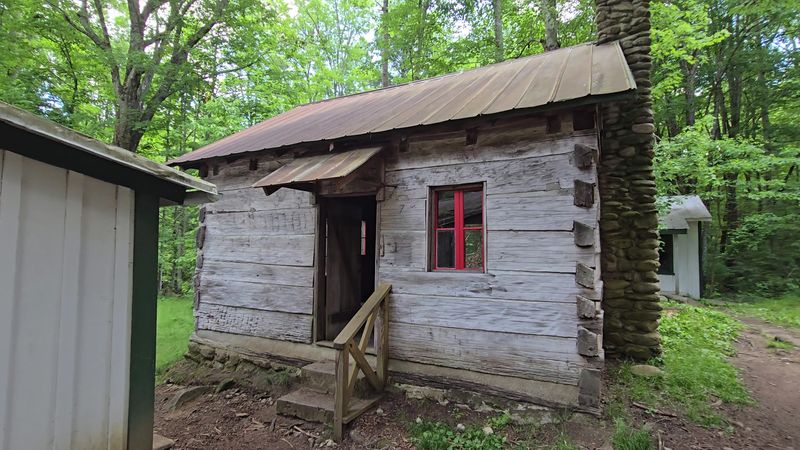
A ghost town in the middle of the Smokies sounds like a campfire story. Elkmont is real, and you can walk right up to its old cabins.
The historic district sits inside Great Smoky Mountains National Park. It carries a Gatlinburg address, but it feels a world away from the busy strip.
Old cabins and homes are scattered through the forest. Some have been restored, while others stand empty and weathered.
That mix gives the place a curious, frozen-in-time mood. You can almost hear the screen doors creak.
Finding the abandoned houses can take a little effort. Look for them off the Elkmont Campground area, then start exploring.
The hunt is half the fun. Once you spot the first cabin, others start appearing through the trees.
Kids usually love this kind of exploring. It feels like a real-life treasure map, minus the pirates.
Respect the buildings as you wander. These are protected historic structures, so look, snap photos, and leave them as you found them.
Timing helps if you want a quieter visit. Sunday through Wednesday mornings tend to be calmer, while Saturday afternoons get busier.
Bring a light jacket, since mountain weather changes quickly. Sturdy shoes help too, especially on damp paths.
The surrounding forest is classic Smokies scenery. Tall trees, mountain streams, and green slopes frame the old homes nicely.
Remember to carry water and snacks. Services are limited once you leave the main roads behind.
For a Tennessee day trip with a little mystery, Elkmont delivers. It’s the rare place where history hides in plain sight among the trees.
7. Stillhouse Hollow Falls State Natural Area, Mt Pleasant
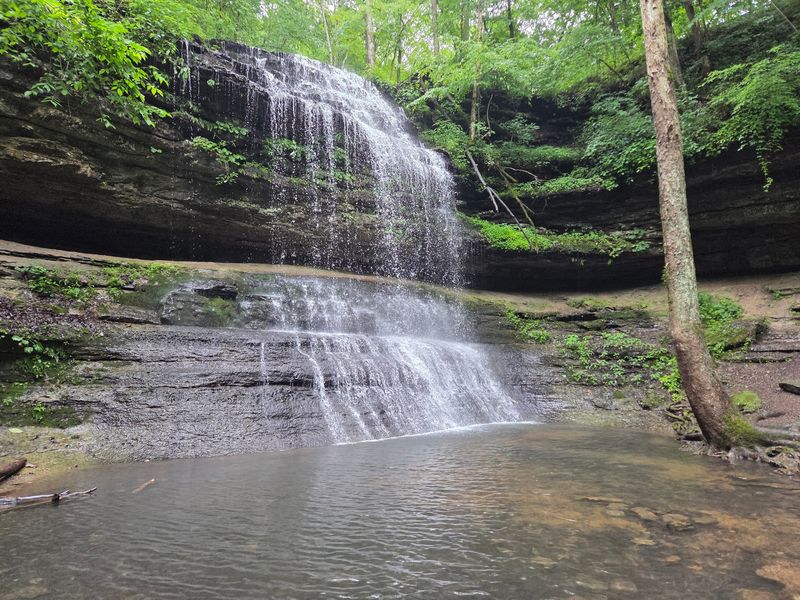
Plenty of drivers zoom past this spot on US 43 with no idea a waterfall waits nearby. Lucky for you, now you know.
Stillhouse Hollow Falls State Natural Area covers 90 acres in rural Maury County. It sits about 21 miles southwest of Columbia and three miles northeast of Summertown.
The star of the show is the waterfall that gives the area its name. You reach it by walking about two-thirds of a mile on the Stillhouse Hollow Falls Trail.
That short distance makes it a great pick for families. Little legs can handle it, and the payoff comes quickly.
The trail heads down into a wooded ravine. It’s a pleasant change of scenery from the farms and highways above.
Wear shoes with decent traction. Trails near water can get muddy after a rain.
Once you reach the falls, take a breather and enjoy the sound of the water. It’s a nice reset button for a busy week.
Bring a picnic lunch to make it a longer outing. Pack out your trash so the hollow stays lovely.
Weekdays are your best bet for peace and quiet. Monday through Thursday mornings and afternoons tend to be the calmest. Saturday and Sunday afternoons draw bigger crowds.
Show up early if the weekend is your only option.
Nearby Mt. Pleasant is a small farming and heritage community. It’s a fine place to stretch your legs before or after the hike.
This might be the easiest waterfall payoff in Middle Tennessee. Short walk, big smile, and you’re back on the road.
8. Tuckaleechee Caverns, Townsend
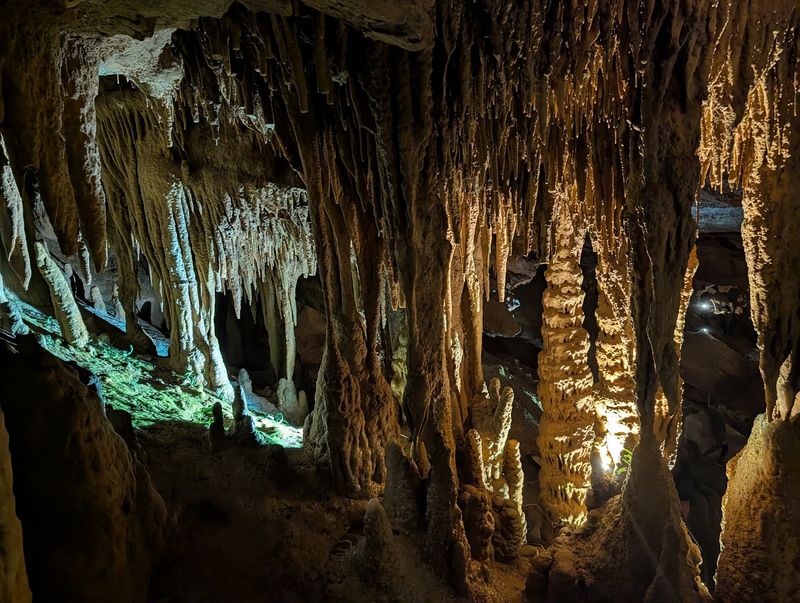
Summer heat in the Smokies has nothing on this place. The caverns stay a cool 58 degrees, so bring a light jacket even in July.
Tuckaleechee Caverns sits in Townsend, a small mountain town known as the Peaceful Side of the Smokies. About 550 people live there, so it’s a calm base compared to busier towns.
Underground, the scenery gets wild. Stalactites hang from above while stalagmites rise from below.
An underground stream runs through the cave. There’s also a waterfall, which makes a great photo stop.
Keep an eye out for the balanced stones. They look like nature was playing a very careful game.
Tours are led by knowledgeable guides who share how the cave formed. Kids and adults both come away knowing more than they expected.
The tour covers a little over a mile, around 1.25 miles round trip. The trek down is scenic, and the walk back up is easy.
Wear comfortable shoes with good grip. Cave floors can be damp, and you’ll be walking a while.
It’s a good choice for families. Children usually love the feeling of exploring a secret world below the mountains.
Tuckaleechee Caverns can be an alternative to outdoor sightseeing during some rainy weather, but visitors should check current tour availability and weather conditions before traveling.
The caverns are open daily from 10 AM to 5 PM. Monday mornings tend to be the quietest time to go. Friday, Saturday, and Sunday afternoons get busier.
Arrive earlier in the day if you want a smaller group.
Townsend makes it easy to pair the caverns with a mountain drive. It’s a fun way to see the Smokies from both above and below.
9. Old Stone Fort State Archaeological Park, Manchester
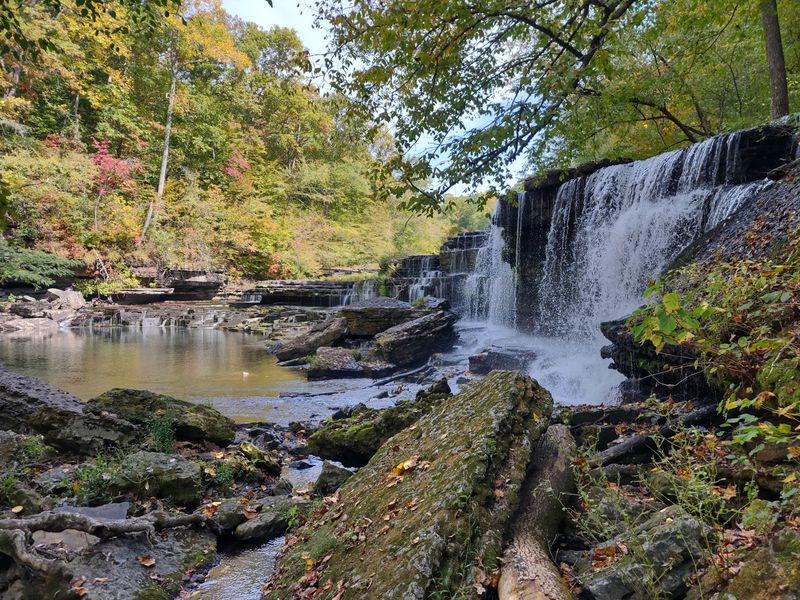
Roughly 2,000 years ago, Native Americans built something remarkable on this bend of the Duck River. You can still walk the site today.
Despite the name, Old Stone Fort was never really a fort. It’s a ceremonial site, with walls enclosing about 50 acres.
That mystery is a big part of the appeal. Why build it here, and what happened inside?
Start at the museum to get the backstory. Exhibits cover archaeology and Native American history in a clear, approachable way.
Then head outside to the trails. Some are easy and family friendly, while others offer more of a challenge.
Waterfalls along the rivers add extra scenery. It’s hard to beat history with a soundtrack of rushing water.
Look for the observation areas and deck. They give you a better sense of the site’s layout.
The park also holds the remains of an old paper mill. That adds a second chapter of history to your visit.
Bringing kids? There’s a playground with slides, plus picnic tables and barbecue grills.
Dogs are allowed, so your pup can sniff out some history too. Public restrooms are on site as well.
Manchester is a small county seat surrounded by rural Middle Tennessee countryside. It’s an easy detour off the interstate, yet it feels far from the rush.
Wear good shoes and give yourself a few hours. Between the museum, trails, and falls, there’s plenty to cover.
Few places let you stand where people gathered two thousand years ago. That’s worth slowing down for.
10. Twin Falls Scenic, Rock Island
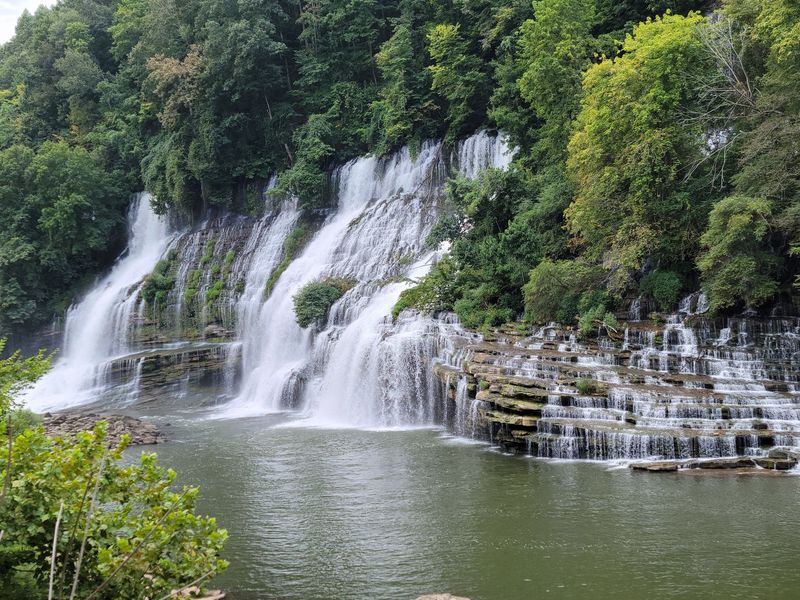
Most waterfalls tumble over a ledge. Twin Falls pours straight out of a limestone cliff wall, which looks like the rock decided to spring a leak.
It’s one of the most unusual waterfalls in Tennessee. Once you see it, you’ll understand why people drive an hour out of their way for it.
The falls sit in Rock Island, a rural spot beside the Caney Fork and Rocky rivers. It feels peaceful, quiet, and blissfully far from city noise.
The waterfall stands around 80 feet tall. That’s plenty of height for a big, misty show.
Some trails here are easy, but the hike down to the falls is steep. Take your time and wear shoes that grip well.
The climb back up will remind you of the climb down. Pace yourself and bring water. At the bottom, big rocks make natural seats.
Grab one and enjoy the mist on your face.
There are plenty of rocks to explore as well. Just watch your footing, since wet stone can be slick.
Fall is a showstopper here. Colorful leaves around the cliffs make the scene even more striking.
Evenings can be lovely too, as the light softens over the water. Just keep an eye on the clock.
If you’re driving between Nashville and the eastern half of the state, this makes a great detour. The extra miles feel worth it once you hear the roar.
Pack snacks and a camera, and leave time to linger. Twin Falls isn’t a quick photo stop; it’s a sit-and-stare kind of place.
11. Bell Witch Cave, Adams
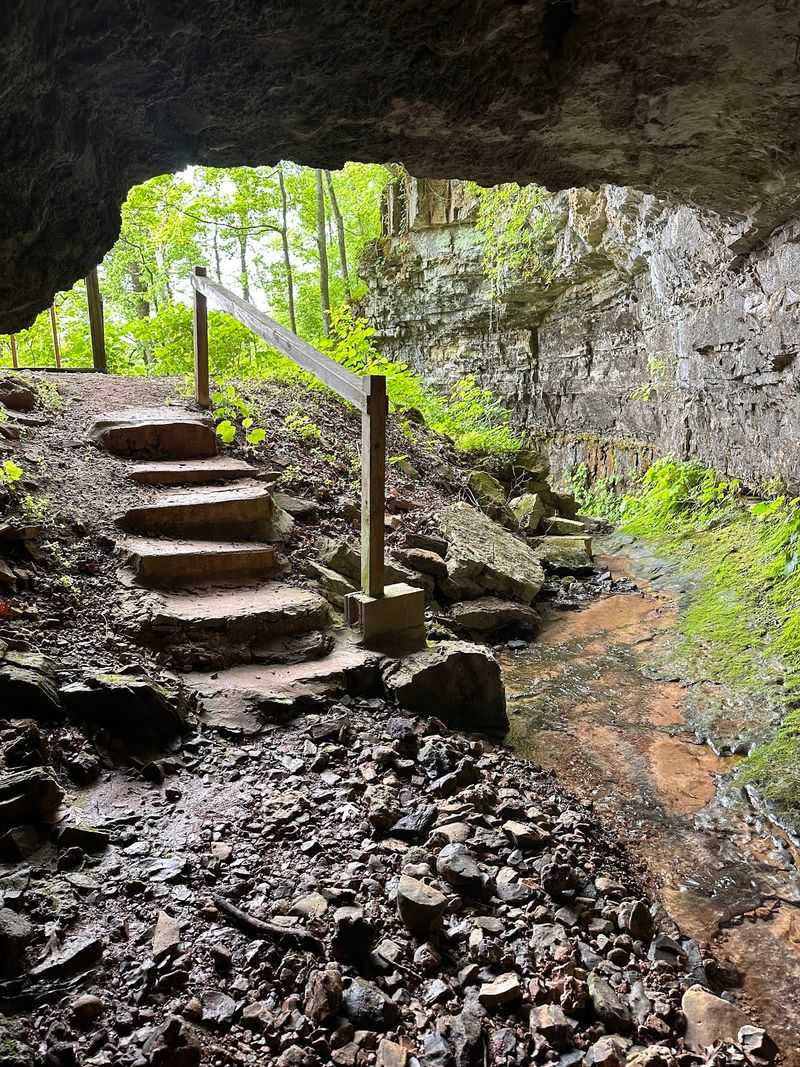
Few Tennessee legends are as famous as the Bell Witch. The story claims a mysterious spirit troubled the Bell family in the early 1800s.
Bell Witch Cave sits on land once owned by that family. It has become a focal point for the legend ever since.
You’ll find it in Adams, a rural farming town in Robertson County. Around 600 people live there, so this spooky stop sits in very quiet country.
The cave is narrow, which adds to the suspense. Inside, you’ll find crystal clear water and a fresh, earthy smell.
Guided tours bring the story to life. The guides are knowledgeable and share plenty of history and folklore along the way.
Is it creepy? A little, but it’s also beautiful, and that mix makes it memorable.
The farmstead also includes a replica of the family cabin. It helps you picture how the Bells lived back then.
Plan your trip around the unusual schedule. The cave is closed Monday through Thursday. On Fridays, it opens from 3 PM to midnight.
Saturdays run from noon to midnight, and Sundays from noon to 6 PM.
Those late hours make for a fun evening outing. Few things beat a ghost story after dark.
Wear shoes you don’t mind getting a bit dirty. Cave floors can be damp, and narrow spaces call for careful steps.
Believer or skeptic, you’ll leave with a great story. Just don’t be surprised if you glance in the rearview mirror on the drive home.
Share this story