Texas is full of incredible outdoor spaces, but the best picnic spots aren’t always the ones you’ll find on tourist maps. Locals have their favorite hideaways tucked into state parks, along quiet riverbanks, and beneath ancient cypress trees where crowds rarely venture. These hidden gems offer stunning scenery, peaceful surroundings, and the kind of natural beauty that makes you want to pack a basket and stay all day.
Whether you’re looking for a shaded oasis near Austin or a remote desert sunset spot in West Texas, these secret locations will quickly become your new go-to escapes.
1. Hamilton Pool Preserve (Dripping Springs)
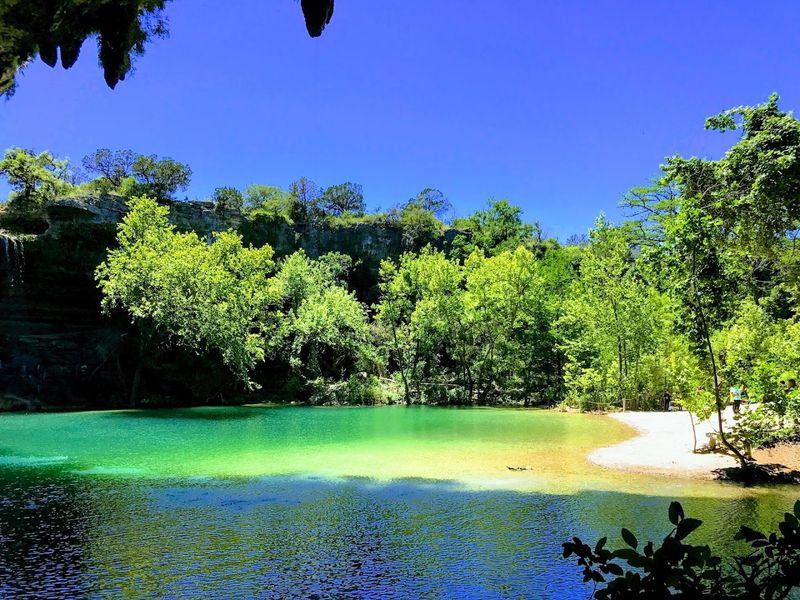
Picture a jade-green pool beneath a massive limestone overhang, where a 50-foot waterfall tumbles into crystal-clear water. This isn’t some far-off tropical paradise—it’s right outside Austin, and it’s one of the most stunning natural swimming holes in Texas. Hamilton Pool formed thousands of years ago when an underground river dome collapsed, creating this magical grotto that feels like stepping into another world.
The preserve itself sits on 232 acres of protected Hill Country landscape. A short trail winds down through the canyon to reach the pool, passing enormous cypress trees and fern-covered rocks. During spring and after good rains, the waterfall flows strong and the surrounding cliffs come alive with greenery.
Even when water levels drop in summer, the dramatic rock formations and peaceful atmosphere make this spot absolutely worth visiting.
Reservations are required year-round, which helps keep crowds manageable and protects this fragile ecosystem. Book online well in advance, especially for weekends. The preserve limits daily visitors, so you’ll never feel like you’re fighting for space on the rocks.
Pack a picnic and claim one of the shaded areas near the pool for an unforgettable afternoon. Swimming is allowed when bacteria levels are safe, though the water stays refreshingly cool year-round. The trail can be slippery, so wear shoes with good grip and watch your footing on the limestone steps.
Arrive early to snag the best picnic spots and enjoy the canyon before it warms up. Morning light filtering through the grotto creates incredible photo opportunities. Respect the preserve rules—no glass containers, pets, or climbing on the fragile rock formations.
This natural wonder has survived millennia, and with careful stewardship, it’ll stay beautiful for generations to come.
2. Krause Springs (Spicewood)
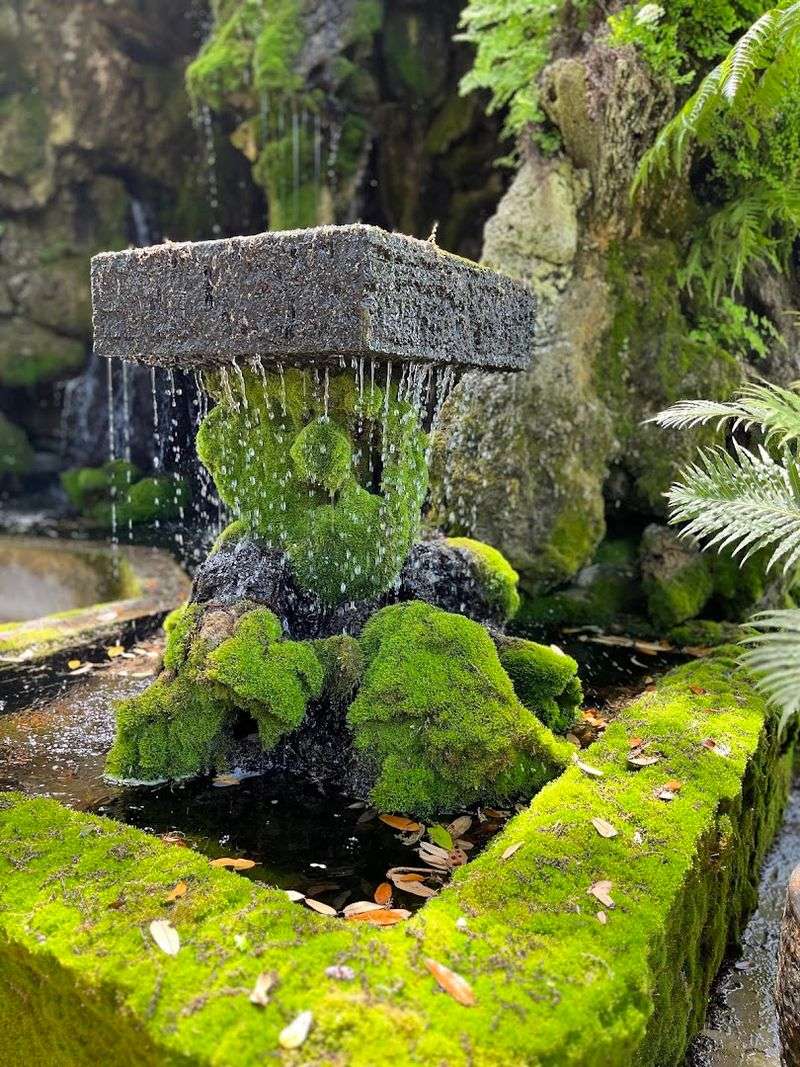
Thirty-two springs bubble up from the ground here, creating a series of natural pools that have been a local favorite for decades. Krause Springs sits on private land that’s been lovingly maintained by the same family since the 1950s. They’ve added just enough amenities—wooden decks, camping areas, and rope swings—without ruining the wild, natural feel that makes this place so special.
The main swimming area features both a natural spring pool and a man-made pool fed by the springs, both staying a constant 68-70 degrees year-round. Massive oak and cypress trees provide plenty of shade for spreading out your picnic blanket. The rope swing over the natural pool is legendary among locals, and watching brave swimmers take the plunge never gets old.
Beyond the main pools, a short trail leads to butterfly gardens and additional springs tucked into the hillside. Peacocks and other birds roam the property freely, adding to the quirky, old-Texas charm. The camping areas offer primitive and RV spots if you want to extend your visit overnight, with access to the pools included.
This is still a family-run operation, so expect a more rustic experience than a state park. There’s a small day-use fee, and they only accept cash at the entrance. Weekdays are significantly less crowded than weekends, especially during summer when word gets out about the cool spring water.
Bring water shoes for the rocky pool bottoms and plenty of snacks—there’s no food sold on-site. The property has basic restrooms and changing areas but limited modern facilities. Pack out everything you bring in to help the family keep this gem pristine.
The combination of natural beauty and laid-back atmosphere makes Krause Springs feel like discovering a secret from another era.
3. Garner State Park Hidden Riverbanks (Concan)
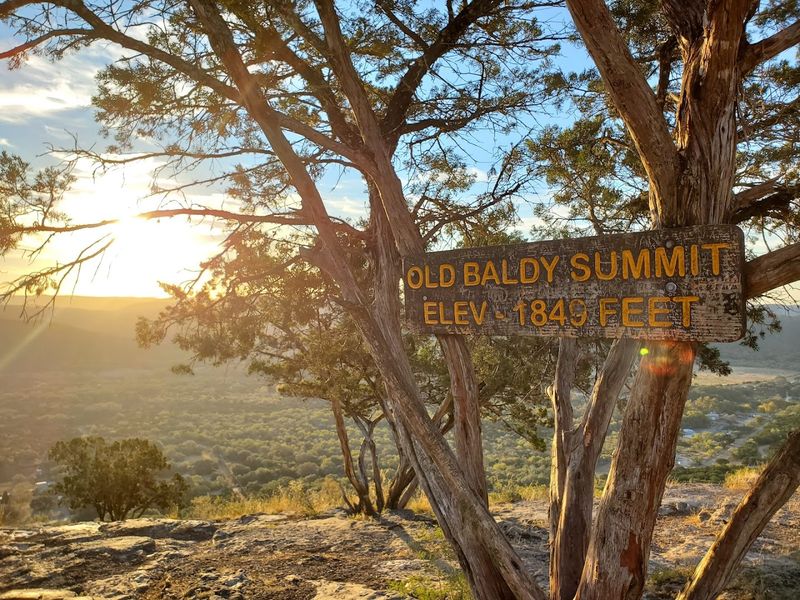
Everyone knows about Garner State Park’s main attractions—the dance pavilion, tube rentals, and crowded swimming areas along the Frio River. What most visitors miss are the quieter stretches of riverbank tucked away from the busy sections. Follow the trails past the main recreation area, and you’ll discover peaceful spots where the river curves through cypress groves and limestone bluffs tower overhead.
The Frio River lives up to its name—its cool, crystal-clear water feels incredibly refreshing even during the hottest Texas afternoons. In these hidden corners of the park, the atmosphere shifts completely. Instead of the sound of large crowds and splashing tubes, you’ll hear the gentle flow of water, rustling leaves, and birds echoing through the trees.
It’s the kind of place where time slows down and the Hill Country scenery truly takes center stage.
Early mornings are especially magical here. Sunlight filters through towering cypress branches while mist rises softly from the riverbanks. Deer are often spotted near the trails, and the quiet stillness makes the entire area feel untouched compared to the park’s busier sections.
Bring a folding chair or picnic blanket, and you can spend hours relaxing beside the water with almost no distractions.
For visitors willing to explore a little farther, Garner reveals a completely different side of itself. Small limestone ledges create natural sitting spots along the river, and shallow pools offer calm places to cool off without the crowds. During the evening, the golden sunset reflecting off the cliffs gives the landscape an almost dreamlike glow.
While the famous attractions bring people to Garner State Park, these peaceful hidden riverbanks are what make many visitors fall in love with it. They offer a quieter, more scenic experience that feels worlds away from the park’s busiest areas.
4. Pedernales Falls State Park Quiet Picnic Areas (Johnson City)
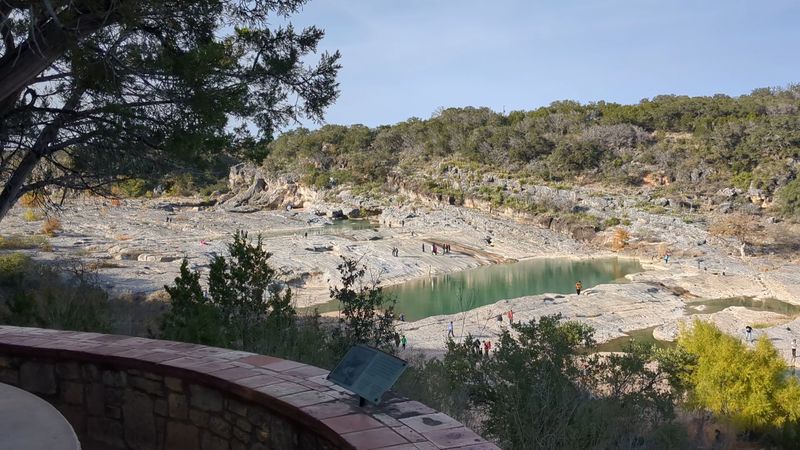
Most park visitors head straight for the main falls overlook, leaving miles of riverside trails and hidden picnic areas virtually empty. The Pedernales River carves through layered limestone, creating scenic pools, rapids, and quiet stretches perfect for a secluded lunch. Scattered live oaks provide natural shade, and the sound of flowing water creates the perfect background soundtrack for an afternoon escape.
The park encompasses over 5,200 acres of Hill Country landscape, with multiple trail systems leading to lesser-known spots. The Wolf Mountain Trail takes you to elevated viewpoints overlooking the river valley, while the river trail hugs the water’s edge past countless spots to spread a blanket. After heavy rains, the falls become a roaring cascade, but during normal flow, the river breaks into gentle pools and limestone shelves perfect for wading.
Pack your picnic and explore beyond the developed areas near the entrance. Several primitive picnic sites sit along the trails, offering tables and grills without the crowds. The park’s size means you can easily find solitude, even on busy weekends.
Wildlife sightings are common—white-tailed deer, armadillos, and dozens of bird species call this park home.
Bring binoculars for bird watching and a camera for the stunning Hill Country vistas. The limestone formations change character depending on water levels, so each visit offers something different. Swimming is allowed in designated areas when conditions are safe, though always check current water levels before entering.
The park sits just an hour west of Austin, making it an easy day trip from the city. Spring wildflowers carpet the hillsides in March and April, adding extra color to your picnic backdrop. Fall brings cooler temperatures and changing foliage along the riverbanks.
Respect posted warnings about flash flooding—the Pedernales can rise rapidly during storms, turning peaceful pools into dangerous currents within minutes.
5. Caddo Lake Cypress Picnic Spots (East Texas)
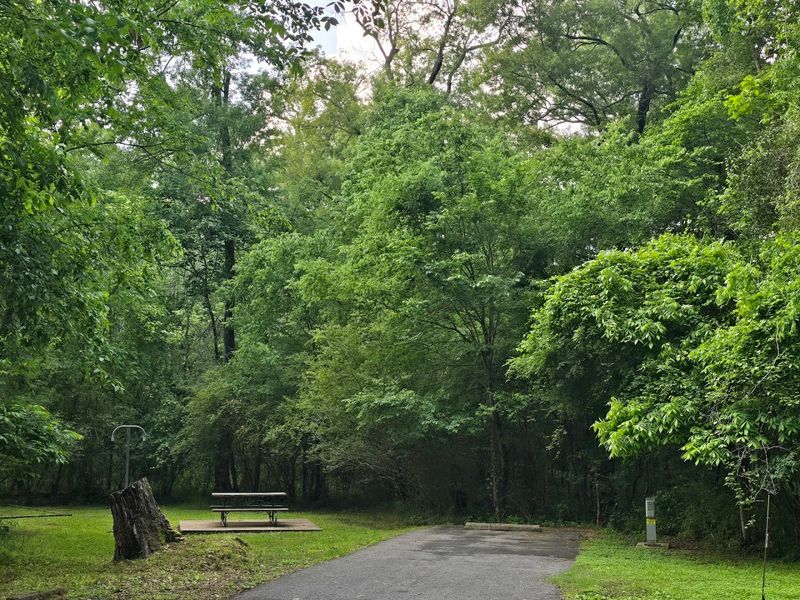
Caddo Lake feels like Louisiana transplanted into East Texas—ancient bald cypress trees draped in Spanish moss rise from dark, mysterious waters that wind through channels and bayous. This is Texas’s only natural lake, formed by a massive logjam on the Red River centuries ago. The otherworldly landscape creates a completely different picnic experience from anywhere else in the state.
Several parks and access points ring the lake, but the best picnic spots sit tucked among the cypress groves where you can watch turtles sunning on logs and herons stalking the shallows. The water reflects the forest canopy like a mirror, creating surreal scenes that change with the light. Morning mist often shrouds the cypress knees, adding to the mystical atmosphere.
Caddo Lake State Park on the Texas side offers developed picnic areas with tables and grills, plus screened shelters if bugs become bothersome. The park’s location puts you right in the heart of the cypress forest, with canoe and kayak rentals available if you want to explore the waterways after lunch. Paddling through the channels feels like navigating a natural maze, with new vistas around every bend.
The lake supports an incredible diversity of wildlife—over 200 bird species, alligators, beavers, and fish species found nowhere else in Texas. Bring insect repellent during warmer months, as mosquitoes thrive in this humid environment. The trade-off for dealing with bugs is experiencing one of the most unique ecosystems in the state.
Photography opportunities abound here, especially during golden hour when light filters through the Spanish moss. Fall brings stunning foliage as cypress needles turn russet before dropping. Winter offers the clearest views through the forest and the fewest insects.
The lake’s water levels fluctuate seasonally, changing the character of the shoreline throughout the year. Pack a field guide to identify the unusual plants and animals you’ll encounter in this special corner of Texas.
6. Colorado Bend State Park Riverside Meadows (Bend)
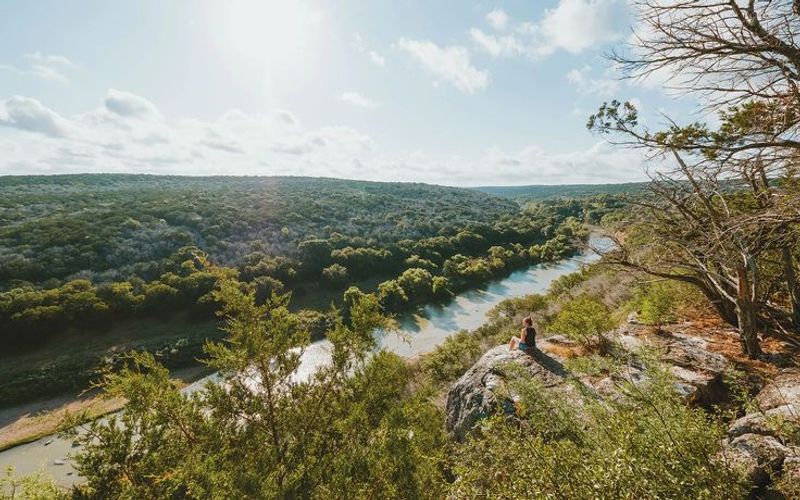
This remains one of Texas’s most remote state parks, sitting at the end of a long gravel road in the Hill Country backcountry. This isolation keeps crowds small and preserves the park’s wild character. The Colorado River flows through rugged terrain here, creating dramatic gorges, limestone caves, and peaceful riverside meadows perfect for spreading out a picnic away from civilization.
The park’s 5,328 acres offer over 35 miles of trails ranging from easy riverside walks to challenging backcountry routes. Several meadows along the river provide natural picnic settings with sweeping views of the surrounding hills. Spring wildflowers transform these grasslands into colorful carpets, while live oaks and pecans offer shade during hotter months.
Gorman Falls, a 60-foot travertine waterfall, is the park’s main attraction and requires a moderate hike to reach. Plan your picnic for after the hike, choosing one of the riverside spots where you can cool off with a swim. The Colorado runs clear and inviting here, with rocky pools perfect for wading.
Fishing is popular, with catfish, bass, and perch inhabiting the waters.
The park’s remote location means limited cell service and no nearby stores or restaurants. Bring everything you’ll need for the day, including plenty of water and sun protection. The gravel access road can be rough on vehicles, so drive carefully and watch for wildlife crossing.
Several primitive camping areas let you extend your stay if you want to fully disconnect from the modern world.
Cave tours are offered on weekends, taking visitors into the park’s extensive cave systems. Bats emerge from cave entrances at dusk during warmer months, creating impressive wildlife viewing opportunities. The night sky here is remarkably dark, perfect for stargazing after your picnic dinner.
This park rewards those willing to make the journey with an authentic Texas wilderness experience increasingly hard to find elsewhere in the state.
7. Lost Maples Scenic Picnic Trails (Vanderpool)
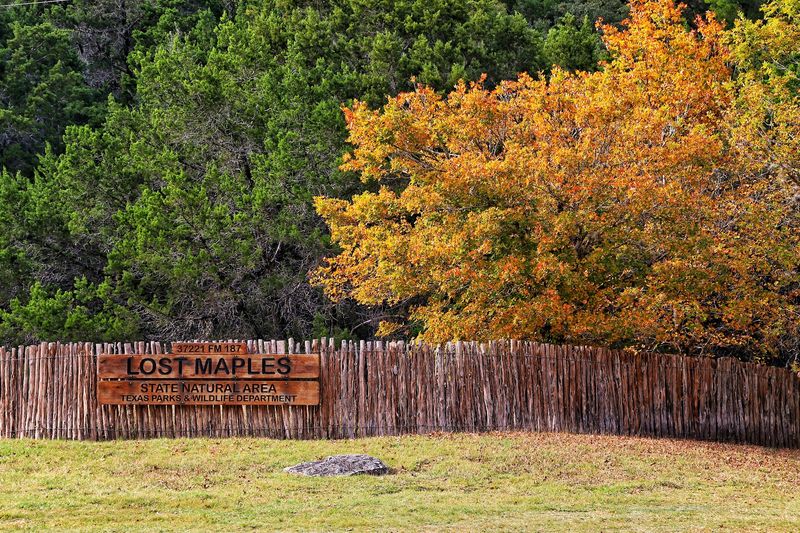
Tucked inside a protected Texas canyon, rare Uvalde bigtooth maples thrive in an environment far removed from where these trees are usually found, giving Lost Maples its distinctive name. These maples put on a spectacular fall color show that draws leaf-peepers from across the state, but the park’s scenic beauty extends year-round. Spring brings wildflowers and flowing creeks, while summer offers shaded canyon hikes and cool swimming holes.
The park’s trail system winds through diverse terrain, from steep canyon walls to creek-side paths beneath towering trees. Several trails lead to elevated viewpoints overlooking the Sabinal River valley and surrounding hills. Pack your picnic and hike to one of the scenic overlooks, or claim a spot along the creek where you can dangle your feet in the water while you eat.
The maples typically peak in late October through mid-November, transforming the canyon into a riot of gold, orange, and crimson. This is when the park sees its biggest crowds, often filling to capacity on weekends. Visit on weekdays during fall, or come during other seasons when you’ll have the trails mostly to yourself.
The maples are beautiful, but the park’s limestone formations, clear streams, and diverse plant life make it worth visiting anytime.
Primitive camping is available for those wanting to extend their stay, though facilities are basic. The park sits in a remote area with limited services nearby, so stock up on supplies before arriving. Cell service is spotty to nonexistent, making this an ideal spot for a true digital detox.
Bring sturdy hiking shoes for the rocky, sometimes steep trails. Several routes require scrambling over boulders and crossing creeks, adding adventure to your picnic outing. The park’s elevation changes create microclimates—canyon bottoms stay cool and shaded while ridgetops bake in full sun.
Plan your picnic location based on weather and time of day. Wildlife sightings are common, including white-tailed deer, armadillos, and numerous bird species attracted to the varied habitat.
8. Blue Hole Regional Park (Wimberley)
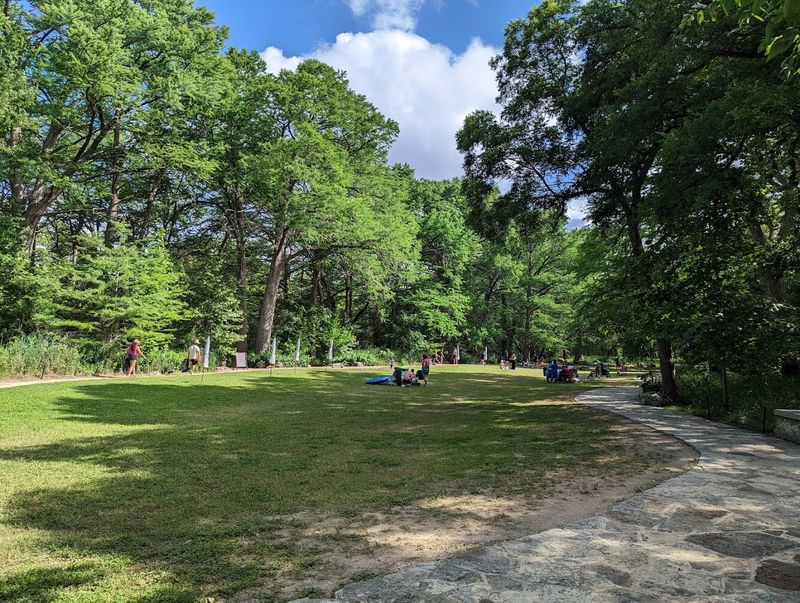
Wimberley’s Blue Hole has been a beloved swimming spot for generations, though it’s managed to stay relatively under-the-radar compared to other Hill Country water destinations. Cypress Creek flows through the park, creating deep, clear pools perfect for swimming and cliff jumping. The surrounding park offers shaded picnic areas where you can set up base camp for a full day of water fun.
The main swimming hole features a rope swing and several jumping rocks of varying heights, from beginner-friendly ledges to adrenaline-pumping high dives. Crystal-clear water stays refreshingly cool even during the hottest summer days. Cypress trees line the banks, providing natural shade and adding to the scenic beauty.
The creek bottom is mostly rock and gravel, making it pleasant for wading without water shoes.
Access is carefully managed to protect this natural gem—the park limits daily visitors and requires advance reservations during peak season. This system prevents overcrowding and keeps the Blue Hole from being loved to death. Book early for summer weekends, or visit during shoulder seasons when availability is better and temperatures are still pleasant for swimming.
The park includes developed picnic areas with tables and grills, plus open lawn space for spreading blankets. Restrooms and changing facilities make this more family-friendly than primitive swimming holes. A short trail follows the creek upstream, offering additional spots to explore and photograph.
The park’s compact size creates a relaxed, neighborhood-park feel despite the spectacular natural features.
Wimberley itself is worth exploring—this artsy Hill Country town offers galleries, shops, and restaurants within a short drive of the Blue Hole. Consider combining your picnic with browsing the famous Wimberley Market Days if you’re visiting on the first Saturday of the month. The town maintains its small-town charm while offering enough amenities to make your visit comfortable.
Respect park rules about alcohol, pets, and noise to help preserve this community treasure for future generations.
9. Village Creek State Park Hidden Clearings (Lumberton)
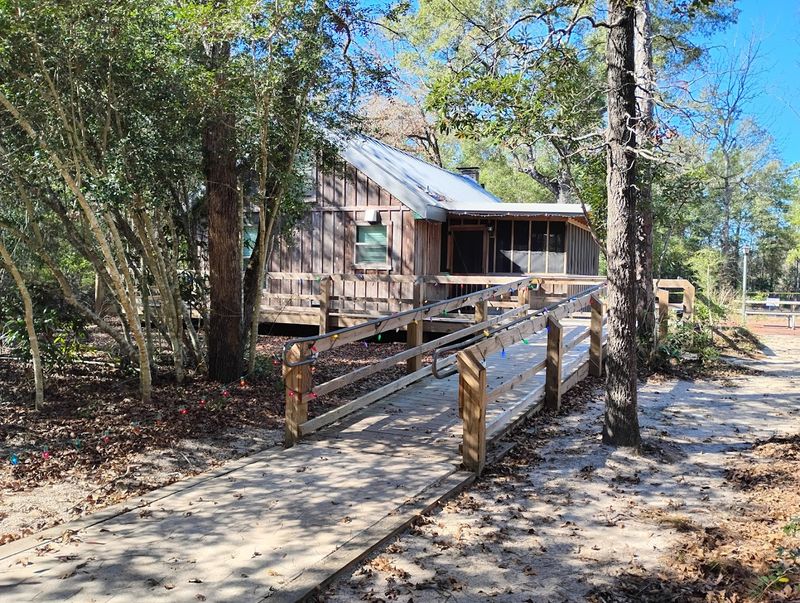
East Texas feels worlds away from the Hill Country or West Texas desert, and Village Creek State Park showcases the region’s unique beauty. Blackwater creeks wind through dense pine and hardwood forests, creating a lush, green landscape that stays verdant year-round. Hidden clearings tucked into the forest provide peaceful picnic spots where you might forget you’re in Texas at all.
The park protects a portion of the Big Thicket ecosystem, where multiple biological zones converge to create exceptional biodiversity. Palmetto palms grow alongside pine trees, while orchids and carnivorous plants thrive in boggy areas. The dark, tea-colored water of Village Creek gets its color from tannins leaching from decaying vegetation—it’s perfectly clean despite its appearance.
Several trails loop through the forest, ranging from easy nature walks to longer backcountry routes. The trails pass through different forest types, from pine uplands to bottomland hardwoods along the creek. Pack your picnic and hike to one of the clearings where sunlight breaks through the canopy, creating natural spotlights on the forest floor.
The sound of birdsong and rustling leaves replaces traffic noise and city stress.
Canoeing and kayaking are popular here, with the creek offering a peaceful paddle through tunnel-like passages beneath overhanging trees. Rent watercraft at the park or bring your own to explore from a different perspective. Fishing for bass, catfish, and other species is productive in the creek’s dark pools.
Summer brings heat and humidity typical of East Texas, along with mosquitoes and other insects. Visit during spring or fall for more comfortable conditions and spectacular wildflower displays or fall foliage. The forest takes on different moods with the seasons—misty mornings in winter create an ethereal atmosphere, while summer thunderstorms drum on the canopy overhead.
This park offers a completely different Texas experience, perfect for those seeking dense forests and flowing creeks instead of wide-open spaces.
10. Monahans Sandhills Sunset Picnic Spots (West Texas)
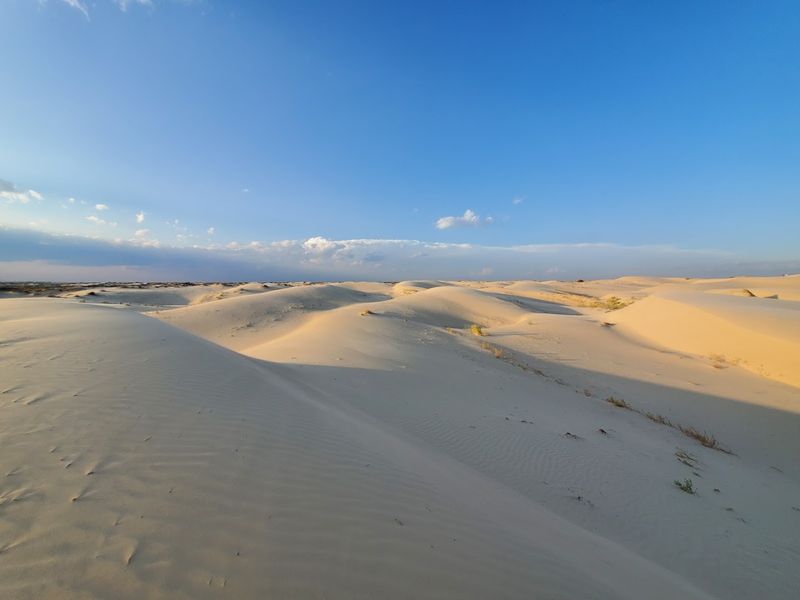
Imagine picnicking on massive sand dunes that stretch as far as you can see, with nothing but blue sky and golden sand in every direction. Monahans Sandhills State Park protects nearly 4,000 acres of active sand dunes in West Texas, creating a landscape that feels more like the Sahara than the Lone Star State. This surreal environment offers a picnic experience unlike anywhere else in Texas.
The dunes shift constantly with the wind, creating ever-changing patterns and formations. Some rise 70 feet high, offering dramatic views across the sandy sea. Hardy shin oak trees anchor some dunes, their roots reaching deep for water while their branches barely poke above the sand.
These oaks can be hundreds of years old despite their stunted appearance, adapted to survive in this harsh environment.
Timing your visit for sunset transforms the experience into something magical. Late afternoon light turns the sand shades of gold, pink, and orange, while long shadows emphasize every ripple and contour. Pack a picnic dinner and claim a spot on one of the taller dunes to watch the sun sink toward the horizon.
The temperature drops quickly after sunset, so bring layers if you’re staying into evening.
The park rents sand disks for sliding down the dunes—a surprisingly fun activity that appeals to all ages. Work up an appetite bombing down the sandy slopes before settling in for your picnic. The sand is surprisingly firm and comfortable for sitting, though bring a blanket to keep sand out of your food.
Limited shade means sun protection is essential during daylight hours.
This remote location offers incredibly dark night skies perfect for stargazing. The Milky Way stretches overhead in a glowing band, and meteor showers put on spectacular shows. Visit during a new moon for the best celestial viewing.
The park’s isolation means planning ahead—bring all supplies from nearby Monahans, as there are no services at the park itself.
11. Devils River Overlook Picnic Areas (Del Rio)
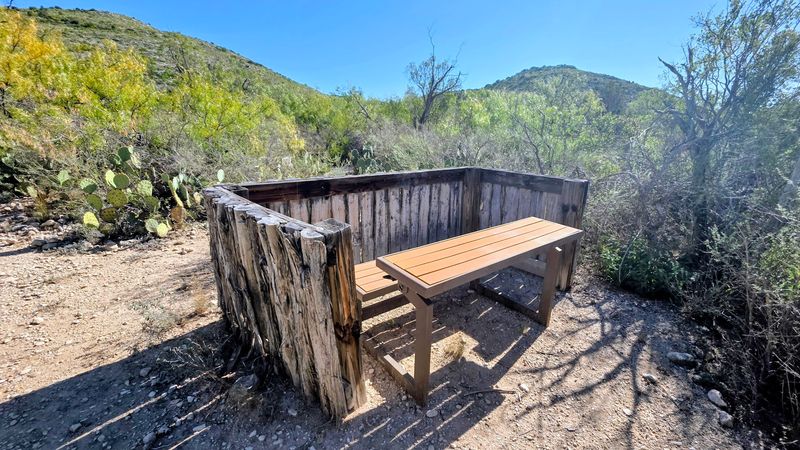
The Devils River remains one of Texas’s most pristine waterways, flowing through remote canyons in the southwestern part of the state. Crystal-clear water cuts through white limestone cliffs, creating spectacular scenery that few Texans ever witness. The river’s isolation has protected it from development and pollution, maintaining water quality that rivals any stream in North America.
Devils River State Natural Area provides access to this remarkable landscape, though getting here requires commitment. The park sits at the end of rough dirt roads that require high-clearance vehicles and careful navigation. This difficulty keeps crowds minimal and preserves the area’s wild character.
Several overlooks offer stunning views of the river canyon far below, perfect for a picnic with a view.
The river runs spring-fed and stays clear year-round, with visibility often exceeding 20 feet. Aquatic vegetation waves in the current, while fish dart through the crystalline water. Kayaking and canoeing here rank among the best paddling experiences in Texas, though the remote location and lack of facilities mean only experienced, self-sufficient adventurers should attempt it.
Picnic at the overlooks and soak in views that have changed little in centuries. The surrounding landscape supports desert plants adapted to harsh conditions—prickly pear cactus, lechuguilla, and sotol dot the rocky hillsides. Wildlife includes javelinas, mule deer, and numerous bird species, including the rare black-capped vireo.
This is serious backcountry requiring preparation and respect. No water, food, or services are available—bring everything you need and pack out all trash. Cell service is nonexistent.
Let someone know your plans before heading into this remote area. The rough roads can damage vehicles, so inspect your tires and suspension before attempting the drive. The reward for making the effort is experiencing one of Texas’s last truly wild places, where nature still reigns supreme and human impact remains minimal.
Share this story