Tennessee has become a surprising hotspot for hands-on craft education, with studios and schools tucked into mountain towns, urban neighborhoods, and quiet valleys across the state. Whether you want to throw clay on a wheel, forge metal in a blacksmith shop, or weave baskets from kudzu vines, you can find a weekend workshop that fits your schedule and skill level.
These aren’t your typical drop-in hobby classes. Many offer immersive experiences with lodging, meals, and expert instruction that turn a Saturday afternoon into a full creative retreat.
1. Arrowmont School of Arts and Crafts, Gatlinburg
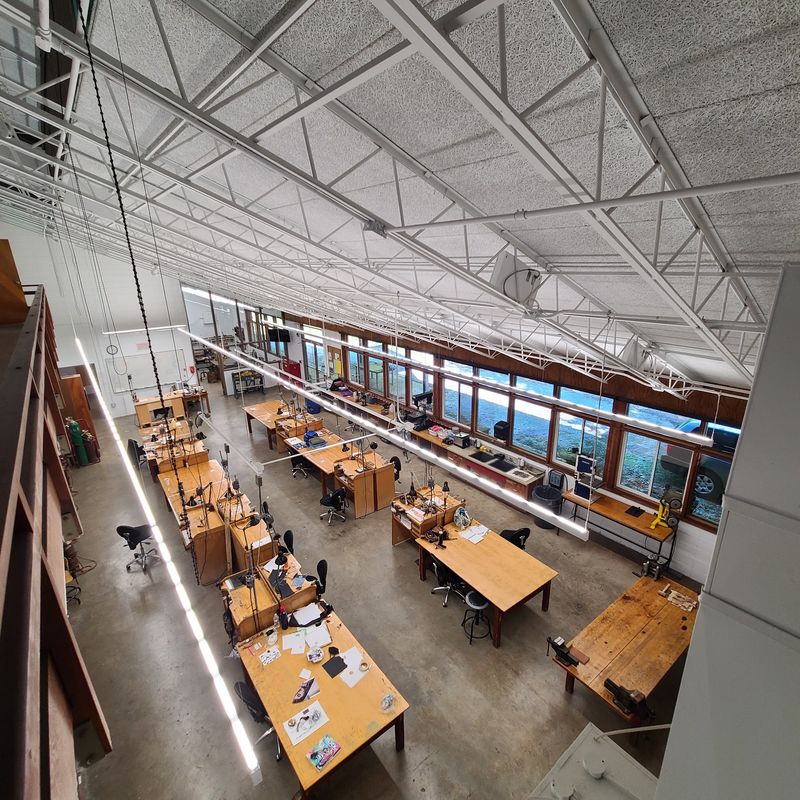
Arrowmont sits on 13 wooded acres just outside downtown Gatlinburg, and the campus alone makes it worth the trip. Stone pathways wind between studios where you might catch the glow of a glass furnace or hear the rhythmic clang of metalwork.
The school was founded in 1912 as a settlement project, and that legacy of craft education runs deep.
Weekend workshops here cover ceramics, fiber arts, metals, jewelry, sculpture, woodworking, and more. You can sign up for a two-day intensive or stretch it into a weeklong residency if your schedule allows.
Instructors are practicing artists who teach technique but also encourage experimentation, so you leave with finished work and new ideas to try at home.
On-campus housing means you can stay in a dorm-style room steps from the studios. Meals are included, and the dining hall has big windows overlooking the woods.
After class, you might join other students around a fire pit or take a short walk into town for ice cream.
The spring and fall schedules fill up fast, especially for popular topics like wheel throwing and natural dyeing. Summer sessions tend to have more availability, and the mountain location keeps things cooler than you’d expect.
If you’ve never taken a formal craft class, Arrowmont’s weekend format is a low-pressure way to test the waters without committing to a semester-long course.
Parking is free, and the campus is small enough that you won’t need a car once you arrive. Check the online catalog early because some workshops require a materials fee on top of tuition.
The school also hosts artist residencies and exhibitions, so you might catch a gallery opening during your visit.
2. Appalachian Center for Craft, Smithville
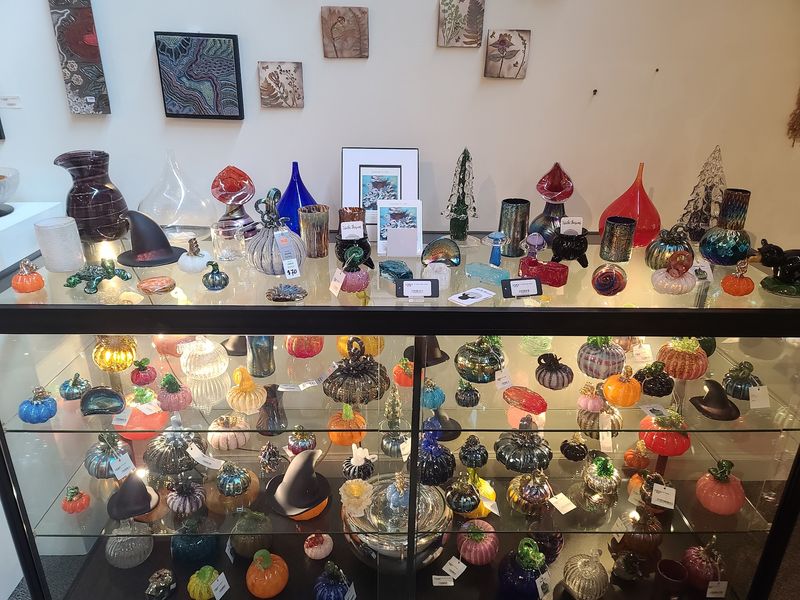
Tennessee Tech runs this 600-acre center about an hour east of Nashville, and it’s one of the few places in the state where you can take a blacksmithing class one weekend and try glassblowing the next. The facility is built for serious craft education, with dedicated studios for clay, fibers, glass, wood, metals, and painting.
Equipment is professional-grade, and the instructors are working artists who exhibit nationally.
The 2026 schedule includes both weekend and weeklong sessions, which makes it easy to plan a trip around a specific craft. A two-day pottery workshop might start Saturday morning and wrap up Sunday afternoon, giving you time to explore the nearby lake or grab dinner in Smithville.
Longer sessions often include lodging options, though you’ll need to arrange that separately since the center doesn’t have on-site dorms.
Blacksmithing workshops are especially popular here. You’ll work with coal forges and anvils, learning to shape hot steel into tools or decorative pieces.
It’s physical work, but the instructors pace the class so beginners don’t get overwhelmed. By the end of the weekend, you’ll have something functional to take home, like a fire poker or a set of hooks.
Glassblowing sessions require advance registration because class sizes are kept small for safety. You’ll learn to gather molten glass on a blowpipe and shape it into bowls or paperweights.
The studio stays hot, so dress accordingly and bring water. Most people find the process addictive, and the center offers follow-up classes if you want to keep practicing.
The center also hosts an annual craft fair in May, where you can see work from students and faculty. It’s a good excuse to visit the campus even if you’re not enrolled in a class.
3. Cumberland Folk School, Sequatchie
Tucked into the Sequatchie Valley, this folk school teaches the kind of crafts your great-grandparents might have practiced. Basketweaving, chair caning, natural dyeing, and woodcarving are all on the roster, along with occasional classes in traditional music and food preservation.
The setting feels intentionally off the grid, with a main lodge and workshop spaces that overlook pastures and wooded hillsides.
Classes here run on a slower schedule than you’d find at a city studio. A weekend workshop might include time for storytelling, group meals, and walks through the property.
Instructors often have deep roots in Appalachian craft traditions, and they’re generous with background stories about the techniques they’re teaching. If you’re weaving a white oak basket, you’ll hear about how the material was harvested and why certain patterns developed in this region.
Lodging is available in shared cabins, and meals are served family-style in the main building. The food leans toward Southern comfort cooking, with plenty of vegetarian options.
You’ll eat with other students and instructors, which makes the whole experience feel more like a retreat than a class.
The school runs workshops year-round, but fall is especially beautiful when the valley is full of color. Spring classes often focus on foraging and natural materials, while winter sessions lean toward indoor crafts like quilting and spinning.
Check the schedule early because some workshops fill up months in advance, especially those taught by well-known instructors.
If you’ve never tried traditional crafts, this is a welcoming place to start. The pace is relaxed, and there’s no pressure to produce gallery-ready work. You’ll leave with something handmade and a better understanding of the skills that shaped life in rural Tennessee.
4. Seize the Clay, Memphis
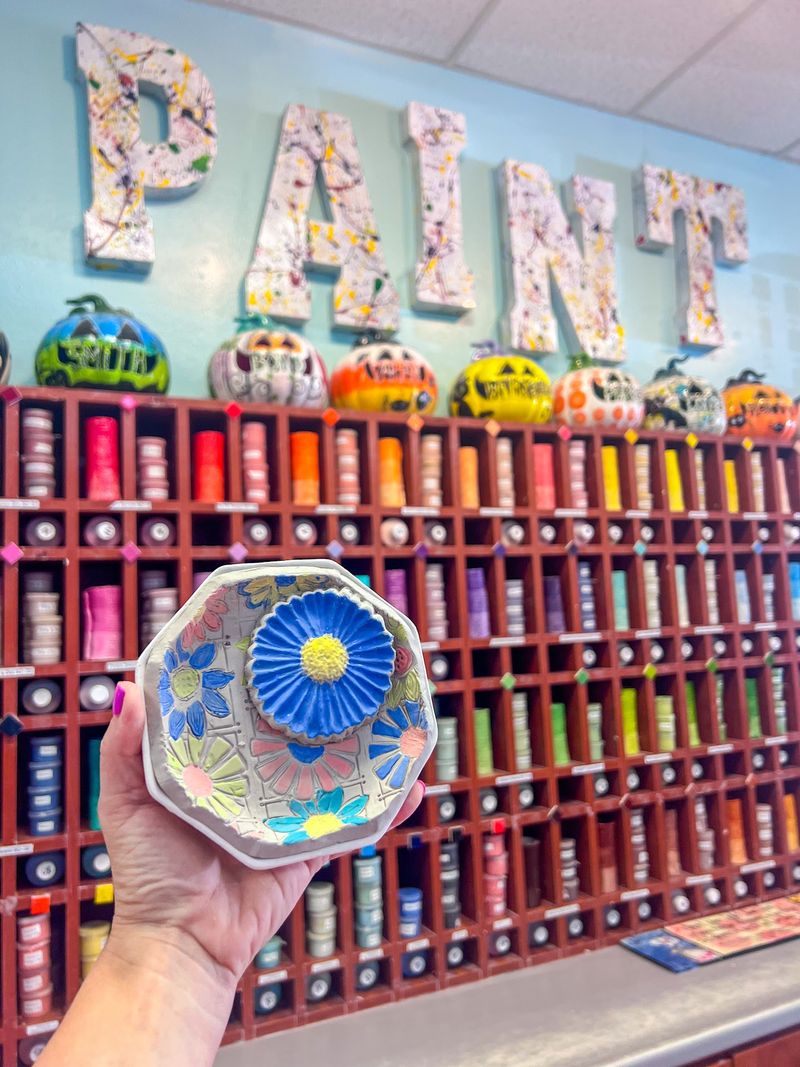
Memphis doesn’t always come to mind when you think of craft schools, but Seize the Clay has built a loyal following in the Cooper-Young neighborhood. The studio offers drop-in wheel sessions, beginner courses, and weekend intensives that let you work through a full project from centering to glazing.
It’s a good option if you want to combine a pottery class with the city’s music and food scene.
Weekend workshops are structured so you can finish a set of bowls or mugs in two days. Saturday is usually dedicated to throwing and trimming, while Sunday focuses on glazing and surface decoration.
Your pieces will be fired after you leave, and the studio ships them to you a few weeks later. That delayed gratification is part of the process, and it’s always a surprise to see how your glaze choices turned out.
The studio space is bright and welcoming, with big windows and shelves full of student work. Instructors are patient with beginners and good at troubleshooting when your clay refuses to cooperate.
Classes are small, so you get plenty of hands-on help without feeling rushed. If you’ve tried pottery before and want to refine your skills, the studio also offers intermediate sessions focused on specific techniques like trimming foot rings or pulling handles.
Cooper-Young is walkable, with coffee shops, record stores, and barbecue joints within a few blocks. After class, you can explore Overton Park or catch live music on Beale Street.
The studio is close enough to downtown that you can easily build a full weekend around the class without needing to drive much.
Parking can be tight on weekends, so plan to arrive a few minutes early. The studio provides all materials and tools, but you’ll want to wear clothes that can get messy. Aprons are available, but clay has a way of finding every surface.
5. Catbird Studio, Jackson
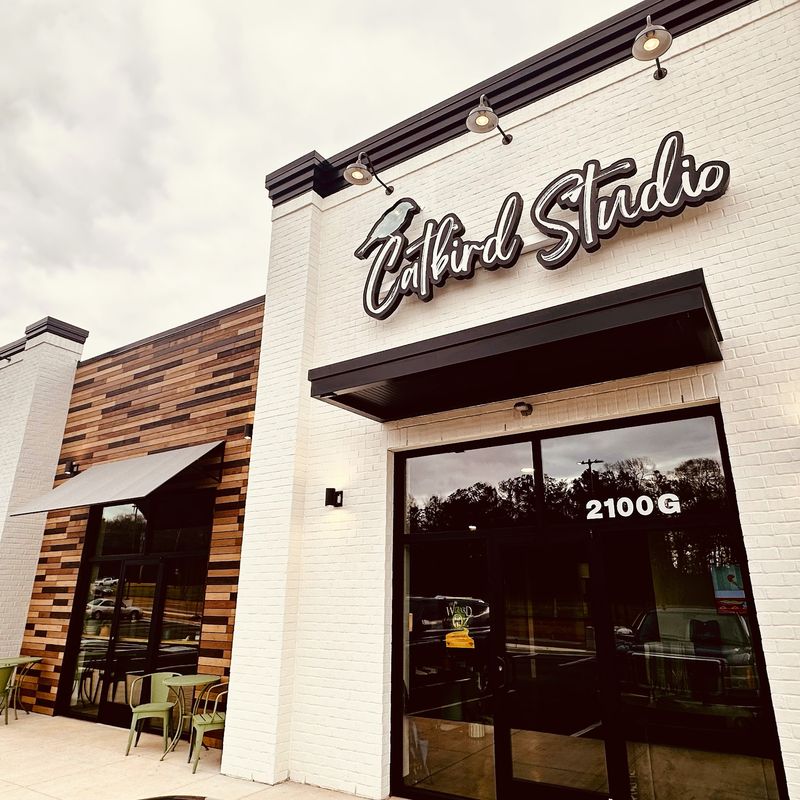
Jackson’s Catbird Studio operates as both a gallery and a teaching space, with rotating exhibitions and a steady schedule of workshops. The focus is on painting and mixed media, though you’ll also find occasional classes in printmaking and collage.
It’s a smaller operation than some of the craft centers farther east, but that intimacy makes it a good fit for people who want personal instruction without the pressure of a big classroom.
Weekend workshops here might cover watercolor landscapes, acrylic pouring techniques, or intuitive painting methods that encourage experimentation over precision. Instructors are local artists who teach in a conversational style, offering feedback without hovering.
Classes usually run three to four hours, which leaves time to explore Jackson’s downtown or visit nearby Cypress Grove Nature Park.
The studio space is bright and cluttered in the best way, with shelves of paint tubes, brushes in jars, and finished canvases propped against the walls. You’ll work at shared tables, and there’s always music playing in the background.
It’s the kind of place where you can ask questions without feeling like you’re interrupting, and where mistakes are treated as part of the creative process.
Catbird also hosts open studio nights where you can drop in and work on your own projects using the space and supplies. These aren’t formal classes, but instructors are usually around to offer advice if you’re stuck.
It’s a low-key way to meet other artists in the area and get feedback on work in progress.
The studio is located in a historic building near downtown Jackson, with street parking and a few restaurants within walking distance. If you’re planning a weekend trip, consider pairing a class with a visit to the Casey Jones Home and Railroad Museum or a hike at Natchez Trace State Park.
Jackson doesn’t get as much attention as Nashville or Memphis, but it has a quiet creative community worth exploring.
6. Mudslingers Pottery Studio, Huntingdon
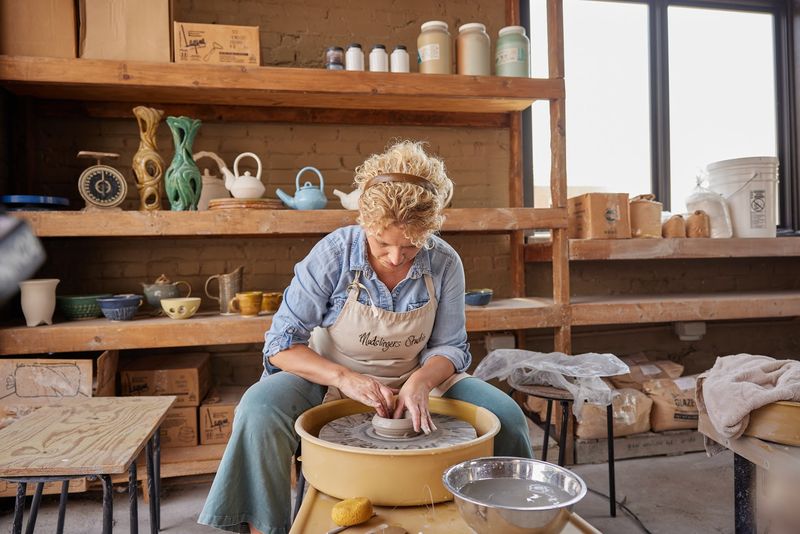
Huntingdon is a small town between Jackson and Paris, and Mudslingers Pottery Studio is one of those unexpected finds that makes a road trip worthwhile. The studio teaches wheel throwing and handbuilding in a relaxed setting that feels more like working in a friend’s garage than attending a formal class.
Owner-instructors here are generous with their time and happy to let you experiment with different clay bodies and techniques.
Weekend workshops are offered sporadically, so check the schedule ahead of time. When they do run, they’re typically structured as two-day sessions where you throw or handbuild on Saturday and come back Sunday to trim and finish your pieces.
The studio fires everything in-house, and you can pick up your finished work a few weeks later or arrange for shipping if you’re coming from out of town.
Class sizes are kept small, often just four or five students, which means you get a lot of one-on-one instruction. If you’re struggling to center your clay or shape a rim, the instructor will sit down at the wheel with you and walk through the motions.
It’s hands-on teaching in the most literal sense, and it’s especially helpful for beginners who need to see and feel the technique rather than just hear it explained.
The studio also sells handmade pottery from local artists, so you can browse while you’re there. Prices are reasonable, and you’ll find everything from mugs and bowls to planters and serving dishes.
It’s a good way to support the local craft community and take home something beautiful even if your own pieces don’t turn out perfectly.
Huntingdon doesn’t have much in the way of hotels, so plan to stay in Jackson or Paris if you’re making a weekend of it. The drive is scenic, especially in the fall, and you’ll pass through farmland and small towns that feel far removed from the interstate corridor.
7. Five in One Social Club, Memphis
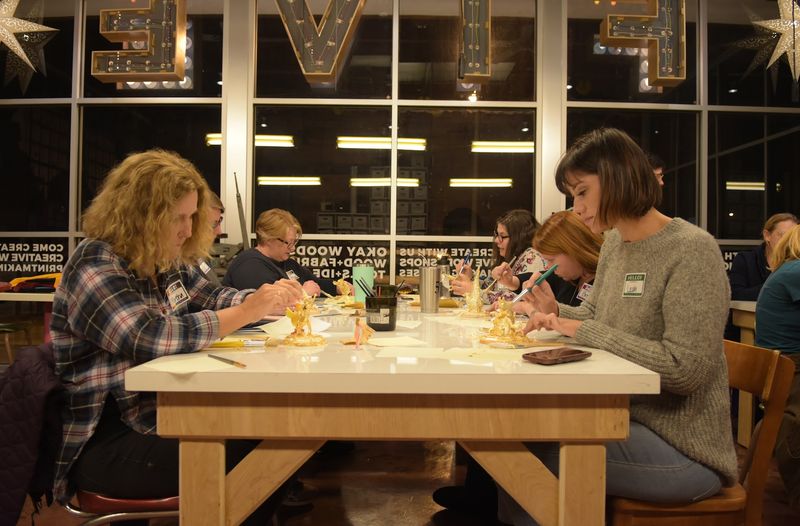
Five in One Social Club operates as a maker space and community workshop in Memphis, with a focus on accessible DIY projects rather than traditional fine arts. You’ll find classes in screen printing, embroidery, natural dyeing, bookbinding, and other crafts that you can finish in a few hours.
It’s a good match for people who want to make something useful without committing to a multi-week course.
Weekend workshops rotate frequently, so the calendar always has something new. One Saturday might feature a tote bag printing session, while the next focuses on embroidered patches or hand-bound journals.
Instructors are local makers who bring their own creative energy to each class, and the vibe is casual and collaborative. You’ll work alongside other students, sharing supplies and swapping ideas as you go.
The space itself feels more like a creative clubhouse than a formal studio. There are long worktables, shelves stocked with fabric and paper, and walls covered in student projects and event posters.
Music is always playing, and there’s usually coffee brewing in the corner. It’s the kind of place where you can show up alone and leave with new friends who share your interest in making things by hand.
Five in One also hosts open craft nights and skill-shares where members teach each other techniques outside the formal workshop schedule. These events are free or low-cost, and they’re a great way to try a new craft without the commitment of a full class.
If you’re visiting Memphis for the weekend, it’s worth checking their calendar to see what’s happening during your stay.
The Social Club is located in the Crosstown Concourse, a repurposed Sears distribution center that now houses artists, nonprofits, and small businesses. The building has restaurants and a food hall, so you can grab lunch or dinner without leaving the complex.
Parking is plentiful, and the location is central enough that you can easily explore other parts of Memphis before or after your class.
8. Make Nashville, Nashville
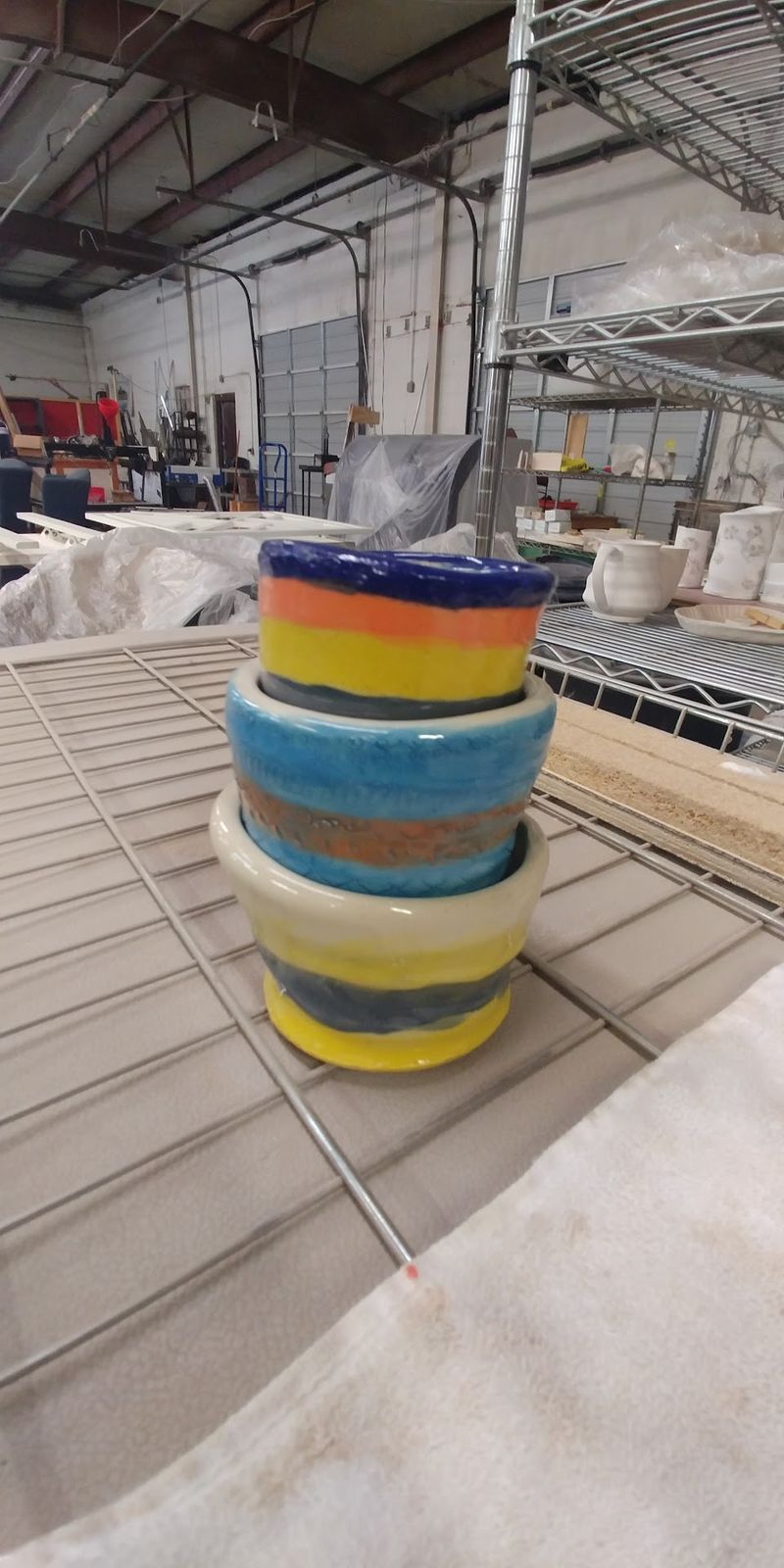
Make Nashville is a membership-based makerspace that also offers public workshops in woodworking, welding, metalworking, and digital fabrication. It’s not a traditional craft school, but the hands-on approach and weekend workshop schedule make it a strong fit for anyone who wants to build functional objects rather than decorative art.
You’ll find classes on furniture making, knife forging, CNC routing, and laser cutting, among other skills.
Weekend workshops are intensive and project-focused. A two-day welding class might have you building a steel side table or a set of plant stands.
Woodworking sessions could cover joinery techniques or guide you through constructing a cutting board from start to finish. Instructors are makers themselves, often with backgrounds in design, engineering, or fine arts, and they’re good at breaking down complex processes into manageable steps.
The facility is large and well-equipped, with separate rooms for wood, metal, and digital fabrication. You’ll have access to table saws, drill presses, MIG welders, plasma cutters, and a laser engraver, depending on the class.
Safety is taken seriously, and every workshop includes an orientation to the tools you’ll be using. If you’ve never worked with power tools, the instructors will make sure you’re comfortable before turning anything on.
Make Nashville also offers open shop time for members, so if you take a class and want to keep working on projects, you can join and come back to use the equipment. Membership includes 24-hour access, which is handy if you’re the type who likes to work late or on weekends.
Day passes are available if you just need the space for a single project.
The makerspace is located near the airport, which makes it convenient if you’re flying in for a workshop. Parking is free, and there are a few restaurants nearby if you need to grab food between sessions.
Nashville has plenty of other attractions, so you can easily turn a weekend class into a longer trip.
9. Mighty Mud, Knoxville
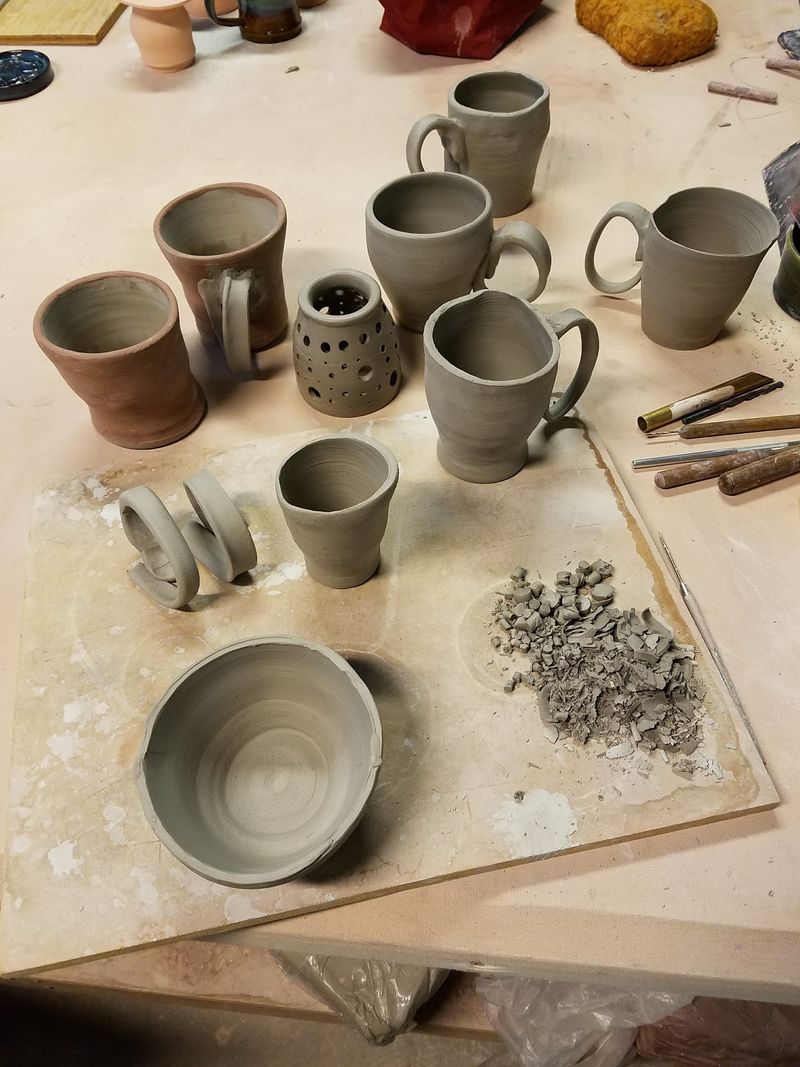
Mighty Mud runs one of the most approachable pottery programs in East Tennessee, with weekend workshops designed for people who’ve never touched clay. Wine and Wheel nights are especially popular, combining wheel throwing with a relaxed social vibe.
You’ll get two hours of instruction, a glass of wine, and plenty of encouragement as you learn to center and shape your first bowl or mug. It’s more about the experience than perfection, which takes the pressure off.
The studio also offers Raku workshops, which involve pulling red-hot pottery from a kiln and placing it in combustible materials to create dramatic surface effects. It’s a hands-on process that feels equal parts art and chemistry, and the results are always unpredictable.
You’ll leave with pieces that have crackled glazes and smoky finishes, each one completely unique. Raku sessions usually run on Saturday afternoons and include all materials and firing.
For people who want to go deeper, Mighty Mud offers multi-week courses in wheel throwing and handbuilding. These meet once a week, but the studio also schedules weekend intensives that compress the curriculum into two full days.
You’ll cover centering, pulling walls, trimming, and glazing, with time to practice each step. By the end, you’ll have a set of functional pottery and enough skill to keep practicing at home if you invest in your own wheel.
The studio space is small and cozy, with big windows that let in natural light. Shelves are packed with student work in various stages of completion, and there’s always something interesting to look at.
Instructors are patient and funny, quick to offer tips when you’re struggling and equally quick to celebrate when you finally get a piece to cooperate.
Mighty Mud is located in Knoxville’s downtown area, within walking distance of Market Square and several good restaurants. If you’re visiting for a class, consider spending the rest of the weekend exploring the Old City or hiking in the nearby Smokies.
10. Mountain Arts Community Center, Signal Mountain
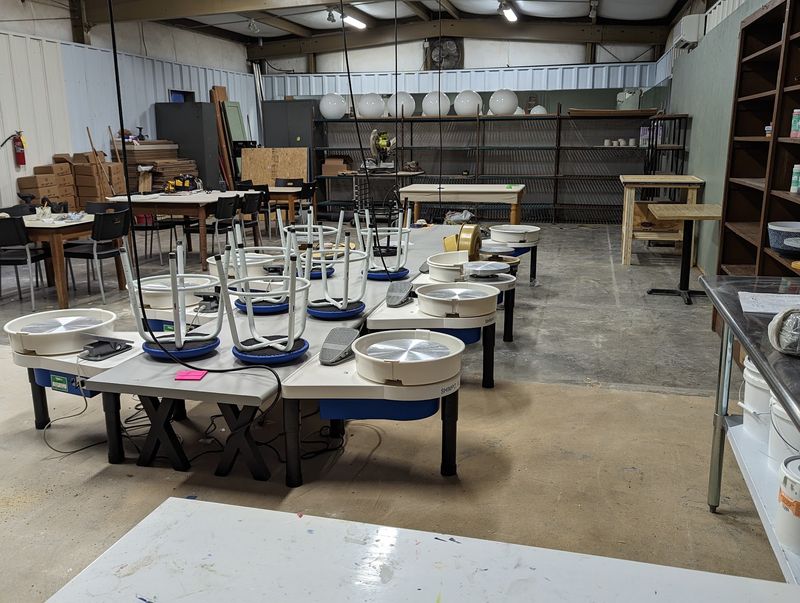
Signal Mountain’s arts center occupies a 1920s school building that’s been converted into studios and classrooms. The pottery program is the main draw, with wheel throwing and handbuilding classes running year-round.
You’ll also find workshops in painting, drawing, and fiber arts, but clay is where the center really shines. Instructors are local potters who exhibit regionally, and they bring a mix of technical knowledge and creative encouragement to every class.
Weekend workshops are offered throughout the year, with topics ranging from basic wheel skills to more specialized techniques like sgraffito and slip trailing. A recent addition to the schedule is a kudzu basket-weaving class that teaches you to harvest and prepare the invasive vine for functional baskets.
It’s a great example of how the center blends traditional craft with environmental awareness, turning a problem plant into something useful and beautiful.
The pottery studio has about a dozen wheels and plenty of table space for handbuilding. Kilns are fired regularly, so you won’t wait long to see your finished pieces.
The center provides clay and basic glazes, though you’re welcome to bring your own if you have specific colors in mind. Classes are small, usually capped at eight students, which gives everyone room to work without feeling crowded.
Mountain Arts also hosts exhibitions and artist talks, so you might catch a gallery opening during your visit. The building has a welcoming, community-oriented feel, and it’s not uncommon to see students lingering after class to chat or browse the gift shop.
Prices are reasonable, with most weekend workshops running under a hundred dollars including materials.
Signal Mountain is just outside Chattanooga, perched on the edge of the Cumberland Plateau. The drive up the mountain is scenic, with views that open up as you climb.
If you’re visiting for a class, plan time to explore the nearby trails or grab lunch at one of the local cafes.
11. Oak Ridge Art Center, Oak Ridge
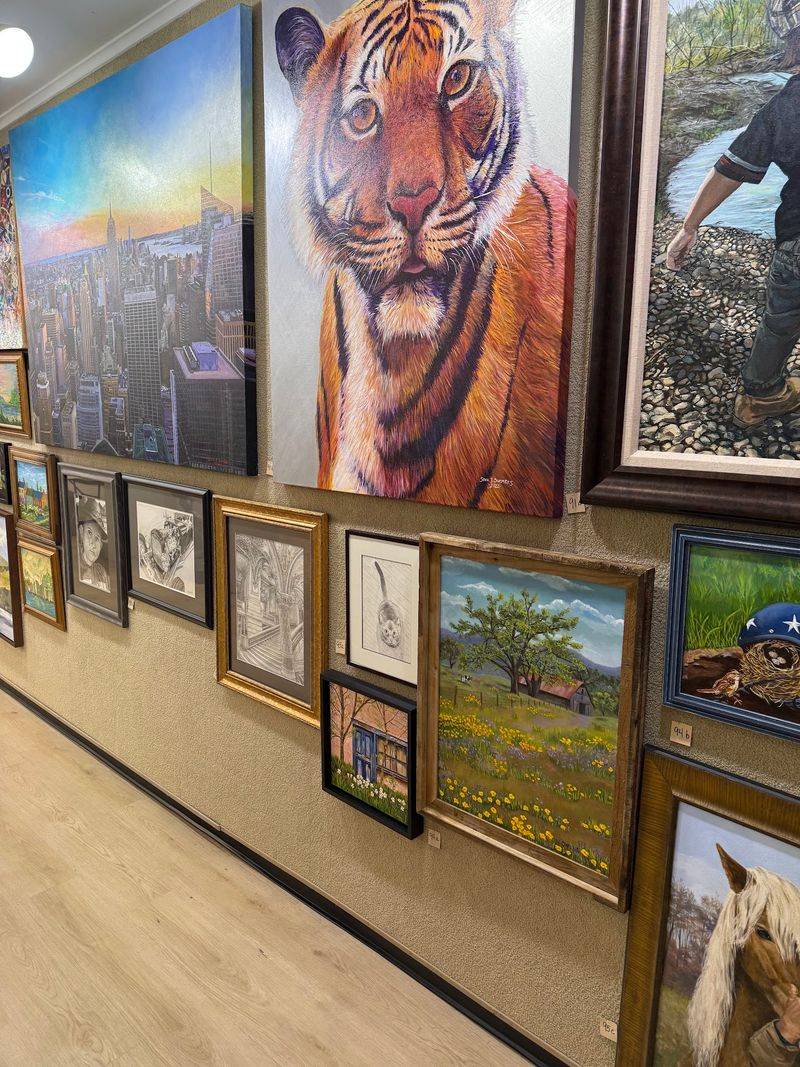
Oak Ridge Art Center has been teaching visual arts and crafts since the 1950s, making it one of the oldest continuously operating centers in the state. The facility offers classes in pottery, painting, drawing, jewelry making, and fiber arts, with both ongoing courses and weekend workshops.
It’s a community-focused organization, and the instructors are working artists who live in the area and know the local creative scene well.
Pottery workshops cover wheel throwing, handbuilding, and glaze chemistry, with separate sessions for beginners and more advanced students. A typical weekend class might start with centering practice on Saturday morning and move into trimming and surface decoration by Sunday afternoon.
You’ll fire your pieces in the center’s kilns, and pickup is usually available within two weeks. The studio has a good selection of glazes, and instructors are happy to help you choose colors that will work well together.
Jewelry classes focus on metalwork techniques like soldering, sawing, and stone setting. You’ll work with copper and silver to create rings, pendants, or earrings, learning basic skills that you can build on in future classes.
The center provides most tools and materials, though you’ll pay a small fee for precious metals if you’re working in silver. These workshops are hands-on and move at a comfortable pace, with plenty of time to ask questions and refine your designs.
The Art Center also runs a gallery that features work from local and regional artists. Exhibitions change monthly, and opening receptions are open to the public.
It’s a good way to see what’s happening in the Oak Ridge arts community and meet other people who share your interest in making things by hand.
Oak Ridge is about a half-hour from Knoxville, and the city has a surprising number of parks and trails if you want to stretch your legs between classes. The Art Center is located near the historic downtown, with a few restaurants and coffee shops within walking distance.
Share this story