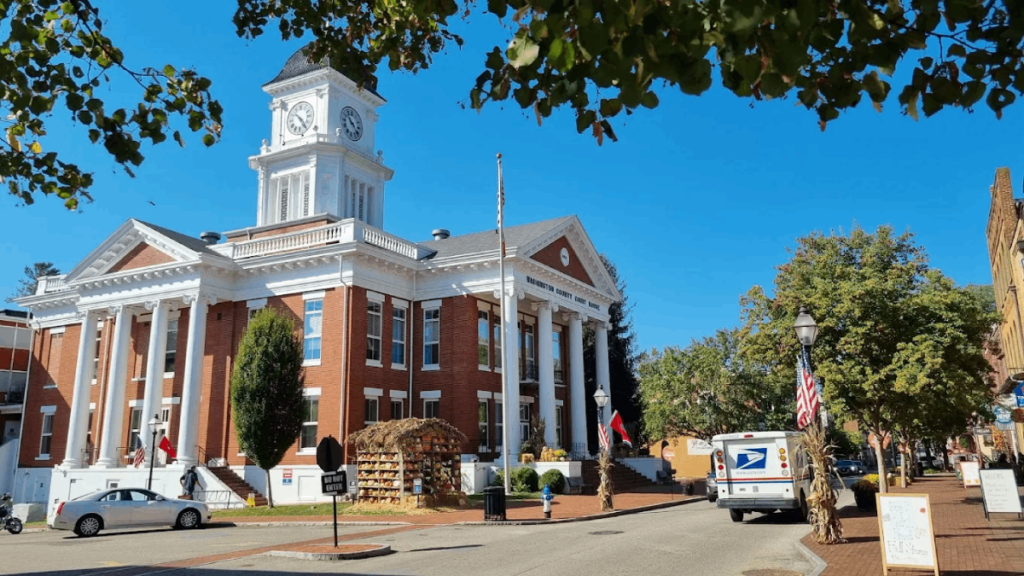
Tennessee has no shortage of charm, but some of its smallest towns look like they were designed by a Hollywood set decorator. From brick-lined streets frozen in time to mountain backdrops that belong on the big screen, these places offer more than just Southern hospitality—they deliver pure visual magic.
Whether you’re a photographer, a daydreamer, or just someone who appreciates a good backdrop, these eleven towns prove that real life can be just as stunning as the movies.
1. Jonesborough
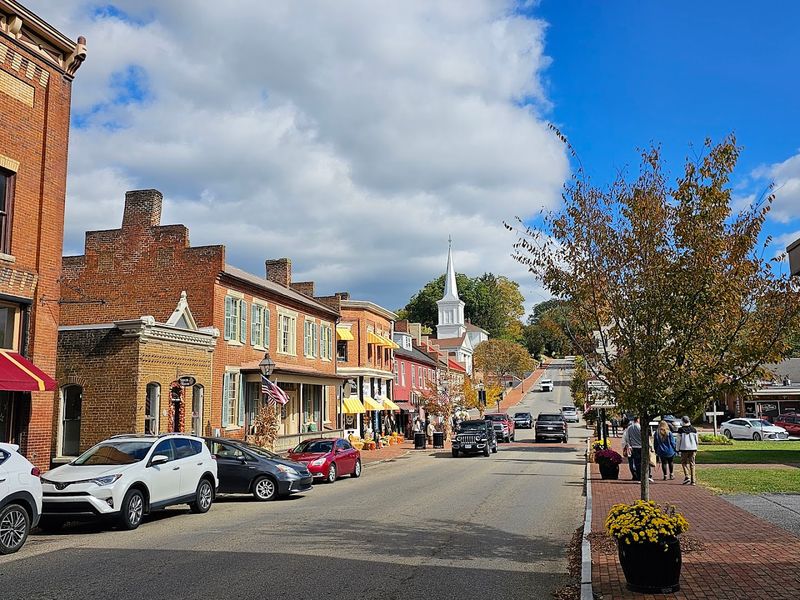
Walking through Jonesborough feels like stepping onto a film set where every detail has been carefully preserved. The oldest town in Tennessee doesn’t just claim history—it shows it off with brick-lined streets, gas lamps, and storefronts that look ready for their close-up. Founded in 1779, this place has maintained its character without turning into a theme park version of itself.
The downtown district stretches along Main Street with buildings that showcase original architecture from the 1800s. You’ll find hand-painted signs, wooden benches, and details that modern construction just doesn’t replicate. It’s the kind of place where directors scout for period pieces because the authenticity is already built in.
What really sets Jonesborough apart is its storytelling culture. The National Storytelling Festival happens here every fall, drawing people from all over the country. That tradition of narrative runs deep, making the town feel like it’s constantly performing its own story.
The historic courthouse anchors the town square, and surrounding shops include bookstores, antique dealers, and cafes housed in buildings with real history. There’s no corporate sprawl here—just independently owned spots that add to the small-town movie magic.
If Hollywood needed a quintessential Southern town for a Civil War drama or a heartwarming period piece, Jonesborough would be first on the list. It delivers that rare combination of authenticity and beauty that cameras love.
2. Bell Buckle
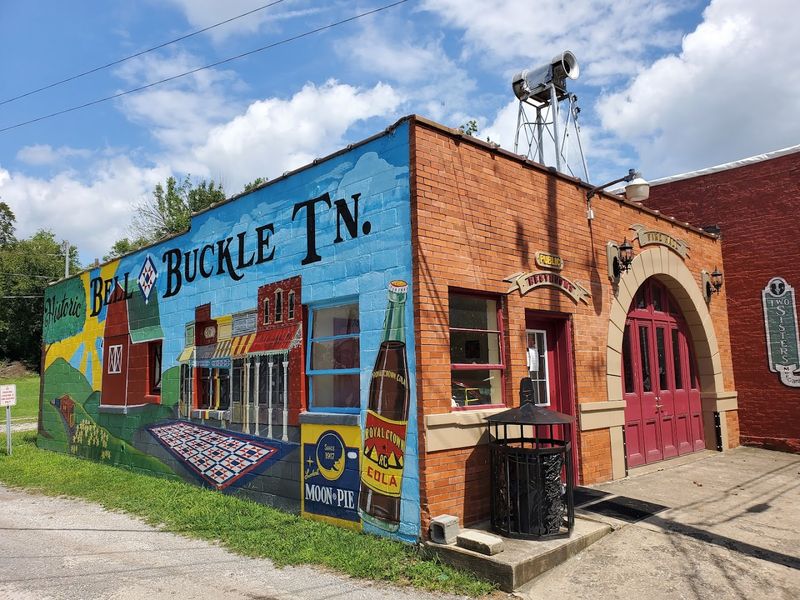
Bell Buckle might be tiny, but it punches way above its weight class when it comes to visual charm. This little spot in Bedford County has fewer than 500 residents, yet it’s become famous for its storybook appearance and artsy vibe. The whole downtown can be walked in about ten minutes, but you’ll want to linger much longer.
Main Street is lined with preserved buildings that house antique shops, galleries, and quirky boutiques. The storefronts feature bright paint, hand-lettered signs, and architectural details that belong in a romantic comedy about small-town life. Everything feels intentionally quaint without being fake.
The town hosts festivals throughout the year, including the RC Cola & Moon Pie Festival that draws thousands of visitors. These events turn Bell Buckle into a living movie scene, with crowds filling the streets and music spilling from shop doorways.
Bell Buckle’s historic train depot adds another layer of cinematic appeal. The railroad runs right through town, and watching a train pass through feels like a scene from a classic American film. The depot itself has been preserved and serves as a reminder of the town’s transportation history.
Local businesses have embraced the town’s character rather than fighting it. You’ll find places like the Bell Buckle Cafe serving Southern comfort food in a building that’s been around since the early 1900s. The owners know they’re part of something special and treat the town’s aesthetic accordingly.
For filmmakers looking for a perfectly preserved small Southern town without the tourist crowds of bigger destinations, Bell Buckle delivers. It’s got that magical quality where everything just looks right—like someone designed it specifically to be photographed. The scale is intimate, the details are authentic, and the whole place radiates a warmth that translates beautifully on camera.
3. Leiper’s Fork
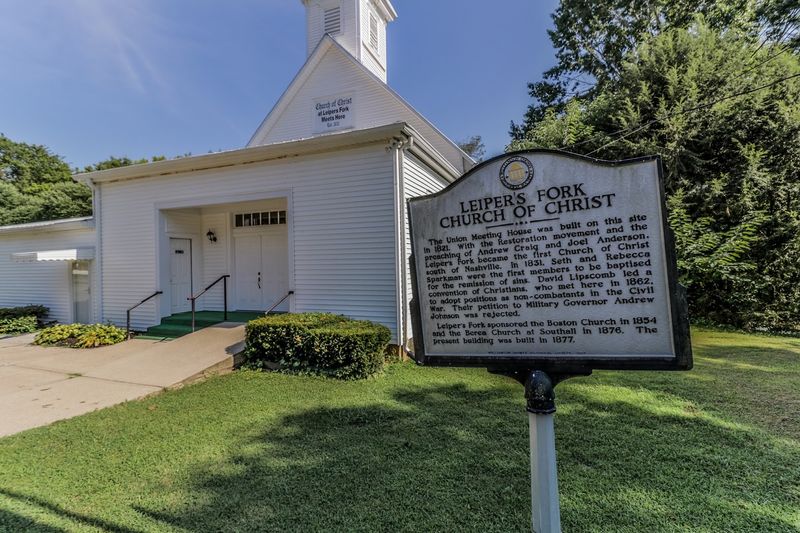
Leiper’s Fork doesn’t try too hard, which is exactly why it works so well. This unincorporated community in Williamson County has become an insider favorite for people who appreciate authentic rural charm mixed with artistic sensibility. Country roads wind through the area, passing historic buildings that have been repurposed into galleries, shops, and music venues.
The village center clusters around a few key buildings, including the famous Leiper’s Creek Gallery and Puckett’s Grocery, where live music happens regularly. These aren’t polished tourist attractions—they’re real businesses that happen to occupy spaces with serious character. The wood-sided buildings, covered porches, and vintage signage create a look that’s effortlessly cinematic.
Musicians love Leiper’s Fork, and you’ll often find impromptu performances happening in unexpected places. The town has become a retreat for Nashville artists who want a quieter creative space, which adds an authentic cultural layer beyond just the visuals. That artistic energy is palpable and adds depth to the town’s appeal.
The surrounding countryside enhances the movie-set quality. Rolling hills, old barns, split-rail fences, and winding roads create that classic rural Tennessee landscape. It’s the kind of scenery that makes you want to pull over and take photos, which plenty of visitors do.
Unlike some small towns that feel frozen in time accidentally, Leiper’s Fork has been consciously preserved by residents who recognize its value. There are no chain stores or modern developments disrupting the aesthetic. Everything fits together in a way that feels both natural and intentional.
Film and TV productions have discovered Leiper’s Fork, using it as a location for projects that need that specific blend of rural authenticity and visual appeal. The town delivers small-town Americana without the clichés, offering instead a genuine glimpse into a community that values its character.
4. Rogersville
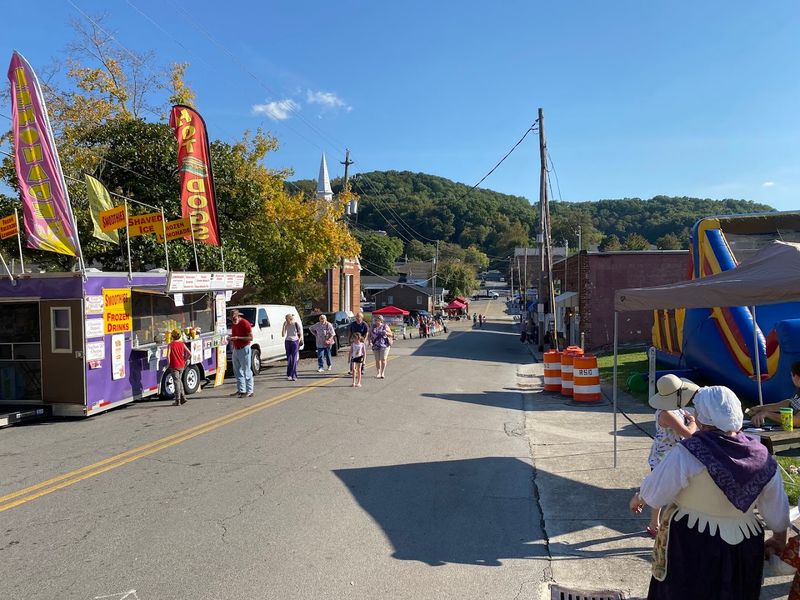
Rogersville stakes its claim as one of Tennessee’s oldest towns, and the architecture backs it up. Founded in 1786, this Hawkins County seat has maintained its historic downtown with impressive dedication. The courthouse square serves as the town’s centerpiece, surrounded by buildings that showcase Federal and Victorian architectural styles.
The Hawkins County Courthouse itself is a photogenic landmark with its clock tower and traditional design. It’s the kind of building that anchors a town both functionally and visually, providing that classic small-town focal point that filmmakers love. The square around it features brick sidewalks, mature trees, and benches that invite lingering.
Federal-style buildings line the streets with their symmetrical facades, detailed brickwork, and elegant proportions. These aren’t replicas or restorations that went too far—they’re original structures that have been maintained over centuries. The result is a downtown that feels authentically historic rather than reconstructed for tourists.
Local businesses operate out of these historic buildings, creating a living downtown rather than a museum. You’ll find law offices, shops, and restaurants that serve the community while also contributing to the town’s visual appeal. The mix of function and beauty makes Rogersville feel genuine.
The town’s setting in East Tennessee adds natural beauty to the architectural charm. Mountains rise in the distance, providing backdrop variety for different visual needs. The combination of historic buildings and natural scenery creates layered compositions that work from multiple angles.
Rogersville has avoided the fate of many small towns that lost their downtowns to sprawl or neglect. The commitment to preservation shows in every detail, from the period-appropriate street lamps to the careful maintenance of historic facades.
The timeless quality is already there, waiting to be captured.
5. Dandridge
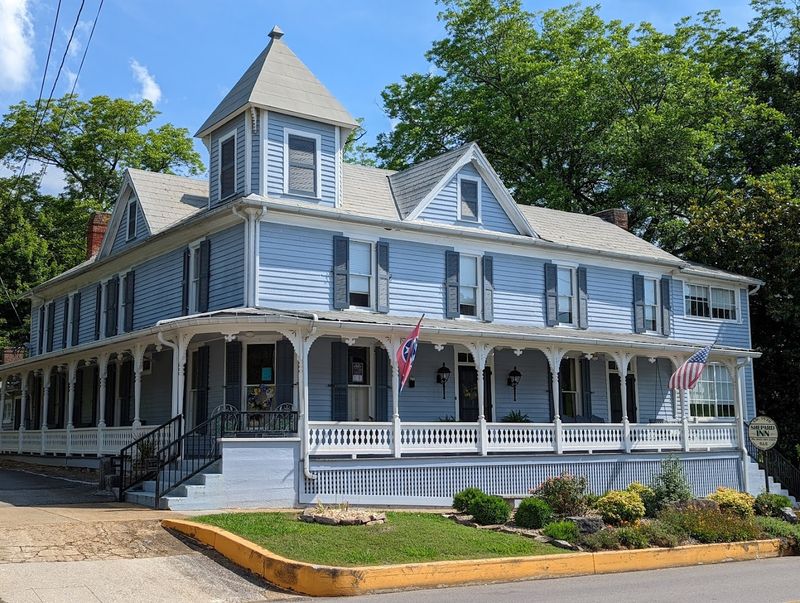
Dandridge sits on the shores of Douglas Lake with the Great Smoky Mountains providing a dramatic backdrop. This Jefferson County town is Tennessee’s second-oldest, and it wears that history well. The lakefront location gives Dandridge a different visual flavor than inland towns—water and mountains combine to create opening-scene-worthy views.
Main Street runs through the historic downtown with buildings dating back to the early 1800s. The scale is intimate, with two and three-story structures housing local businesses. What makes Dandridge special is how the historic downtown transitions naturally to the lakefront, creating visual variety within a small area.
Douglas Lake wasn’t always here—it was created by the Tennessee Valley Authority in the 1940s. The lake transformed Dandridge’s identity, adding recreational opportunities and scenic water views. Now you can photograph historic buildings with boats and water in the background, a combination that works beautifully for establishing shots.
The mountain views are consistently spectacular. Whether you’re looking across the lake or just turning your head toward the horizon, the Smokies provide natural drama that enhances every frame. Morning fog over the water with mountains in the distance creates particularly cinematic moments.
Dandridge has maintained its small-town character despite being relatively close to larger cities. There’s no overdevelopment or tourist kitsch—just a functioning town that happens to occupy a gorgeous location. That authenticity makes it perfect for projects that need real small-town Tennessee rather than a sanitized version.
The combination of water, mountains, and historic architecture gives directors and photographers multiple options within one location. You can shoot lakefront scenes, mountain backdrops, or downtown period pieces without moving far. That versatility, combined with the town’s peaceful atmosphere, makes Dandridge feel like it was designed for the camera.
It’s got that rare quality where natural beauty and human history enhance each other rather than competing.
6. Granville
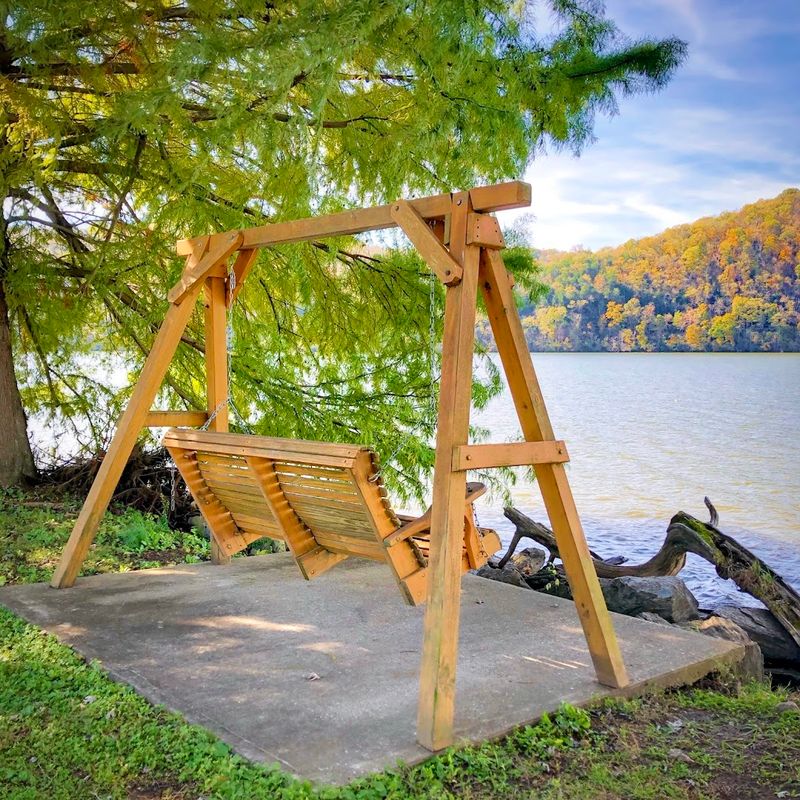
Granville is the definition of a preserved river town. Located on the Cumberland River in Jackson County, this tiny community has maintained its 19th-century character through careful stewardship. The centerpiece is the Granville Museum, housed in the old general store that once served as the town’s commercial heart.
The general store itself looks like it was pulled from a Western film. Wooden construction, a covered porch, and vintage signage create that classic frontier-town aesthetic. Inside, the museum preserves artifacts and stories from Granville’s steamboat days, when the river was the main transportation route.
Other historic buildings cluster near the store, including old homes and structures that have survived floods and time. The Cumberland River runs right alongside the town, and the combination of water and weathered buildings creates a nostalgic atmosphere. You can almost hear the steamboat whistles from a century ago.
Granville’s small size works in its favor visually. There’s no sprawl, no modern intrusions—just the historic core surrounded by rural countryside. This concentration of authentic buildings makes it easy to capture the essence of a river town from Tennessee’s past.
The community takes pride in its heritage, hosting events that celebrate the town’s history. These gatherings bring the old buildings to life, showing how the town functioned rather than just preserving empty structures. That living history approach adds depth to the visual appeal.
Photographers and filmmakers seeking that specific river-town look will find that Granville delivers. The scale is intimate enough to feel personal but substantial enough to tell a story. The Cumberland River provides natural beauty and historical context—this was a working waterway that shaped communities along its banks.
For projects needing an authentic Tennessee river town from the steamboat era, Granville is a ready-made set. The buildings, the river, and the surrounding landscape all contribute to a sense of place that’s increasingly hard to find. It’s a time capsule that happens to be incredibly photogenic.
7. Townsend
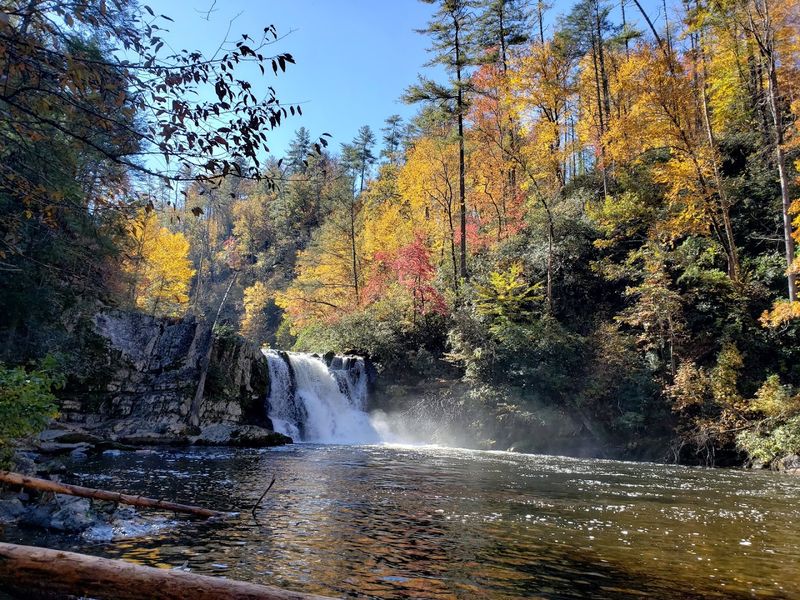
Townsend calls itself the peaceful side of the Smokies, and that marketing actually undersells the visual appeal. While Gatlinburg and Pigeon Forge get the crowds, Townsend offers a quieter gateway to Great Smoky Mountains National Park. Mountain backdrops dominate every view, and the Little River runs right through town.
The pace here is deliberately slower. Rustic cabins dot the landscape, many available as vacation rentals that blend into the forested surroundings. The architectural style favors wood and stone, materials that complement rather than compete with the natural environment.
Everything feels integrated with the landscape.
The Little River is a major visual asset, offering cascades, swimming holes, and scenic stretches that filmmakers love. Water in motion adds energy to static landscape shots, and Townsend has plenty of accessible river views. The combination of mountains and moving water creates dynamic compositions.
Cades Cove, one of the Smokies’ most popular destinations, is accessed through Townsend. This historic valley with its preserved buildings and mountain meadows has been used in countless photo shoots and film projects. Having that resource nearby while staying in a less crowded base makes Townsend strategically valuable.
The town itself maintains a low-key character. You won’t find neon lights or tourist gimmicks—just local businesses, outdoor outfitters, and places to eat that serve the community and visitors without overdoing it. That restraint preserves the mountain-town atmosphere that makes Townsend special.
For projects needing mountain scenery with a slower, more contemplative feel, Townsend delivers. It’s got the dramatic backdrops without the tourist chaos, allowing for cleaner shots and more authentic mountain-town atmosphere. The rivers, forests, and peaks provide endless natural beauty, while the town itself offers just enough infrastructure without overwhelming the landscape.
8. Erwin
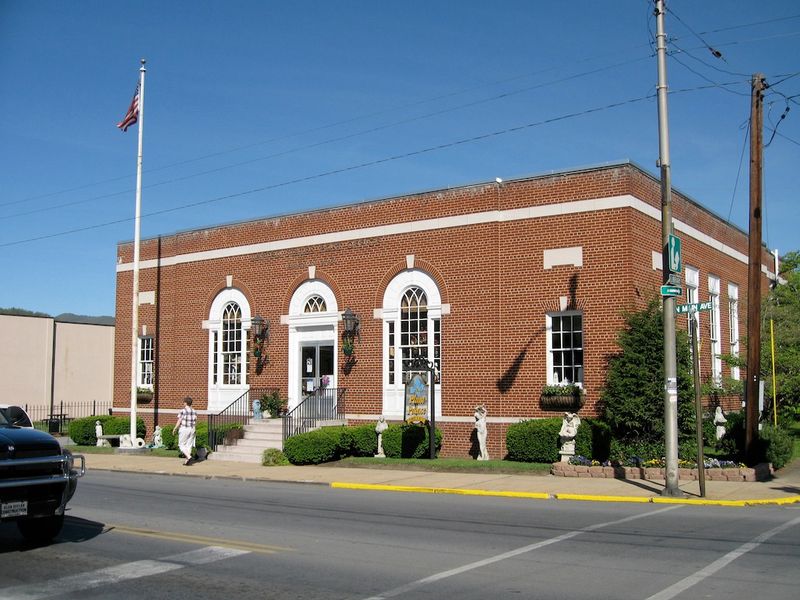
Erwin sits in the Appalachian Mountains of Unicoi County, surrounded by peaks that define its character. The Nolichucky River cuts through the area, providing whitewater rafting opportunities and scenic river views. This is mountain-town Tennessee with an edge—rugged, authentic, and visually striking.
Downtown Erwin features brick buildings and a traditional main street layout. The architecture isn’t fancy, but it’s solid and functional, reflecting the town’s working-class roots. These aren’t boutique shops for tourists—they’re real businesses serving a real community, which gives the town an honest feel.
The mountain backdrop is consistently dramatic. Peaks rise directly behind the town, creating a natural amphitheater effect. Whether you’re shooting from downtown or the surrounding areas, those mountains provide visual weight and context.
They remind you constantly that this is Appalachian country.
The Nolichucky River adds another dimension. It’s a serious whitewater river, attracting rafters and kayakers who appreciate its challenging rapids. The river valley provides scenic drives and overlooks where the combination of water and mountains creates powerful landscape images.
Erwin’s history includes both railroad heritage and industrial roots. The town was built around practical concerns rather than tourism, and that authenticity shows. There’s a grittiness here that contrasts with more polished mountain towns, offering a different visual and emotional tone.
9. Lynchburg
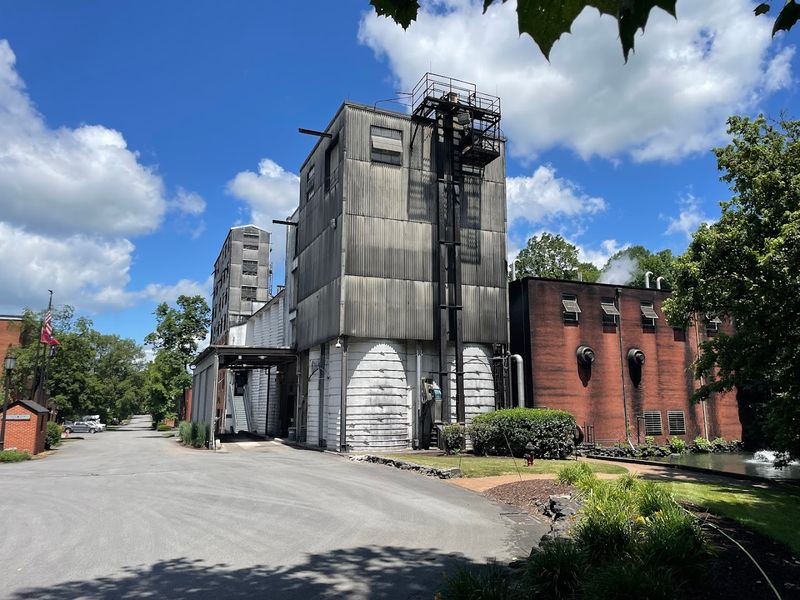
Lynchburg is famous worldwide for Jack Daniel’s whiskey, but the town itself deserves attention beyond the distillery. This Moore County seat has maintained its courthouse-square charm while hosting one of Tennessee’s most recognized brands. The juxtaposition of small-town life and global commerce creates an interesting dynamic.
The town square is textbook Southern, with the Moore County Courthouse at its center and brick buildings surrounding it. These structures house shops, restaurants, and businesses that cater to both locals and the steady stream of distillery visitors. The commercial activity hasn’t destroyed the town’s character—it’s been absorbed into it.
Rolling countryside surrounds Lynchburg, with the kind of pastoral scenery that belongs on postcards. Green hills, old barns, and winding roads create that classic rural Tennessee landscape. The distillery itself, with its distinctive black barrel houses, has become part of the visual identity.
What makes Lynchburg cinematically interesting is how it balances authenticity with accessibility. It’s a real town with real residents, but it’s also accustomed to visitors and cameras. That comfort with attention means you can shoot here without disrupting daily life or dealing with camera-shy locals.
The historic buildings downtown have been well-maintained, with period details preserved. You’ll find hand-painted signs, original storefronts, and architectural elements that establish the town’s age and character. The scale is walkable and intimate, perfect for capturing that small-town atmosphere.
Beyond the square, residential streets feature historic homes and tree-lined sidewalks. The town extends just enough to feel substantial but not so much that it loses cohesion. Everything remains within the visual vocabulary of a classic Southern small town.
10. Greeneville
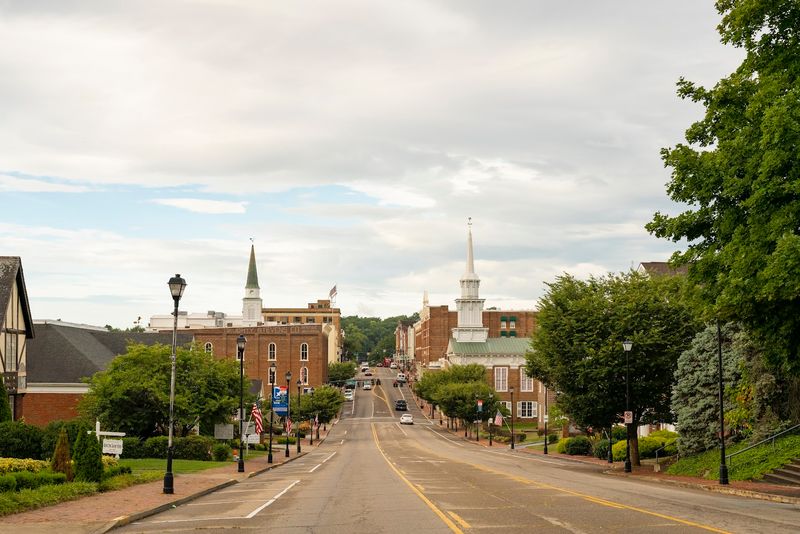
Greeneville brings serious historical weight to its cinematic appeal. This Greene County seat was home to Andrew Johnson, the 17th U.S. President, and the town has preserved his homestead and tailor shop as national historic sites.
That presidential connection adds gravitas to a town that already had plenty of character.
Downtown Greeneville features blocks of preserved 19th-century buildings with architectural styles ranging from Federal to Victorian. The variety creates visual interest while maintaining historical cohesion. These aren’t reconstructions—they’re original buildings that have been continuously used and maintained for over a century.
The Andrew Johnson National Historic Site includes his home, tailor shop, and burial site. These locations provide ready-made period settings for projects dealing with Civil War-era history or 19th-century American life.
Main Street stretches through downtown with local businesses, restaurants, and shops occupying historic storefronts. The commercial district remains active, giving the town a living feel rather than a museum atmosphere. People actually use these spaces, which adds authenticity.
Greeneville’s location in East Tennessee provides mountain proximity without being completely in the mountains. You get the benefits of elevation and scenic views without the extreme terrain of higher elevations. The surrounding countryside offers rolling hills and rural beauty that enhance the town’s visual appeal.
The town has maintained its character through conscious preservation efforts. Local organizations work to protect historic buildings and promote awareness of Greeneville’s heritage. That commitment shows in the quality of the downtown and the number of intact historic structures.
The town looks good and means something, which is a powerful combination.
11. Paris
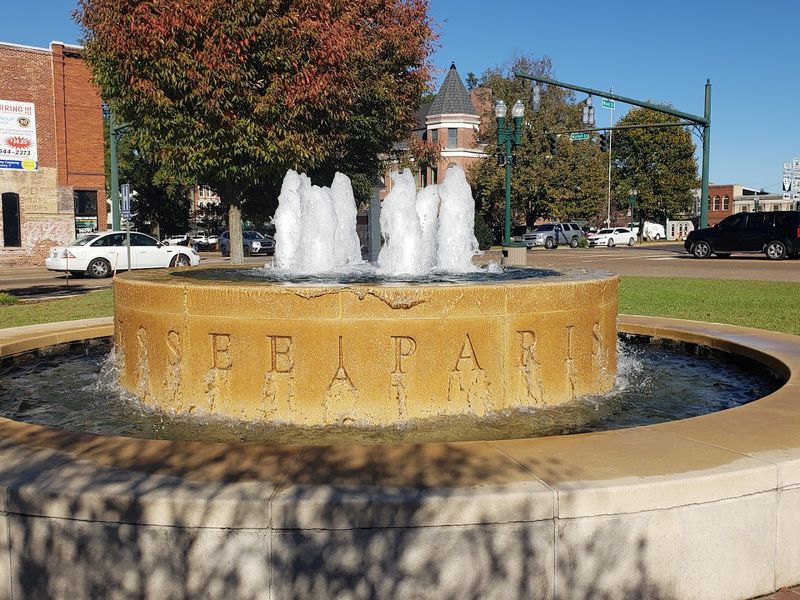
Paris, Tennessee, embraces its name with a miniature Eiffel Tower that stands in a city park. This quirky landmark immediately sets the town apart visually, providing an unexpected focal point that photographers and filmmakers love. The 60-foot tower is a conversation starter and a symbol of the town’s willingness to have fun with its identity.
Beyond the tower, downtown Paris features a charming main street with historic storefronts and local businesses. The commercial district maintains that classic small-town layout with diagonal parking, wide sidewalks, and buildings that house everything from law offices to cafes. It’s functional and photogenic in equal measure.
Paris Landing State Park sits on Kentucky Lake just outside town, providing major scenic value. The lake offers water views, recreational opportunities, and natural beauty that complements the town’s urban charm. Having both downtown and waterfront locations in close proximity gives Paris versatility for different shooting needs.
The Henry County Courthouse anchors the town square with traditional architecture and a central location. Surrounding buildings create that courthouse-square arrangement that defines so many Southern towns. The layout is familiar but well-executed, providing visual comfort alongside authentic character.
Paris has maintained its small-town identity while incorporating enough modern amenities to remain functional. The balance allows the town to serve residents and visitors without sacrificing the historic character that makes it appealing.
It’s quirky without being gimmicky, charming without being precious—a combination that works beautifully on camera.
Share this story