Texas has a long history with flight, from military training bases to pioneering airfields that helped shape American aviation. Scattered across the state are museums dedicated to preserving these stories, housing everything from vintage warbirds to rare gliders. Whether you’re a lifelong aviation enthusiast or just curious about the planes that once filled Texas skies, these museums offer a fascinating look at the machines and people who made flight possible.
1. Silent Wings Museum (Lubbock)
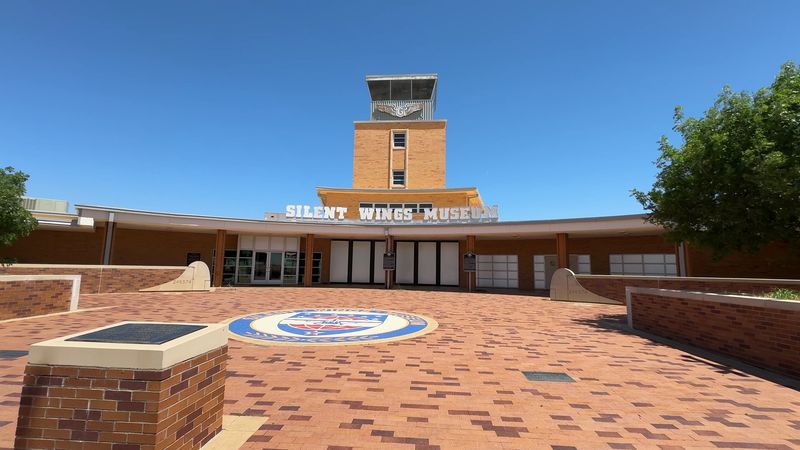
Gliders don’t get the same attention as fighter jets or bombers, but they played a crucial role during World War II. The Silent Wings Museum in Lubbock tells the story of these engineless aircraft and the brave pilots who flew them into combat zones. This museum sits on the grounds where thousands of glider pilots trained during the 1940s, making it the perfect location to honor their legacy.
Walking through the exhibits, you’ll see actual gliders suspended from the ceiling and learn how these fragile-looking machines delivered troops and supplies behind enemy lines. The pilots had no second chances. Once released from the tow plane, they had one shot at landing in often hostile territory.
The museum does an excellent job explaining the training process and the dangers these aviators faced every time they took off.
Interactive displays let you understand the physics of glider flight and why Lubbock’s flat terrain and consistent winds made it ideal for training. You’ll also find personal stories from veterans who trained here, along with photographs and artifacts that bring their experiences to life. The museum hosts special events throughout the year, including veteran reunions and educational programs for students.
What makes this place special is its focus on a lesser-known chapter of aviation history. Most people don’t realize how important gliders were to military operations or how many pilots trained in West Texas. The staff here are passionate about preserving these stories, and their enthusiasm shows in every exhibit.
If you’ve never thought much about gliders, this museum will change your perspective on what it means to fly without an engine.
2. Lone Star Flight Museum (Houston)
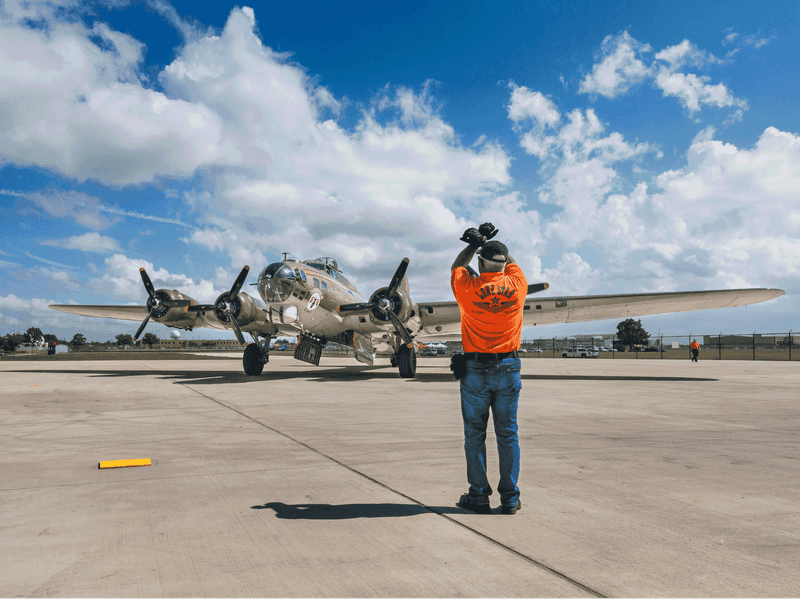
Houston’s connection to aviation runs deep, from NASA’s mission control to the countless aerospace companies that call the area home. The Lone Star Flight Museum celebrates this heritage with one of the most impressive collections of vintage aircraft in the Southwest. Relocated to Ellington Airport in 2017, the museum now occupies a massive hangar that gives these historic planes the space they deserve.
The collection includes beautifully restored warbirds from World War II, Korea, and Vietnam. You’ll find everything from a B-17 Flying Fortress to sleek fighter planes that once ruled the skies. What sets this museum apart is that many of these aircraft still fly.
The museum operates a flying program that keeps these vintage machines airworthy, and if you time your visit right, you might see one take off or even book a ride yourself.
Beyond the aircraft, the museum offers hands-on exhibits that explain how planes work and what it takes to restore and maintain vintage aircraft. Kids love the flight simulators, while adults appreciate the detailed restoration workshops visible from the main floor. You can watch skilled mechanics and volunteers working on ongoing projects, bringing damaged aircraft back to their former glory piece by piece.
The museum also houses an extensive aviation art collection and rotating exhibits that explore different aspects of flight history. Educational programs run year-round, making this a favorite destination for school groups and families. The location at Ellington Airport means you’ll often see modern military aircraft operating nearby, creating an interesting contrast between past and present.
Plan to spend at least half a day here because there’s genuinely too much to absorb in a quick visit.
3. National WASP WWII Museum (Sweetwater)
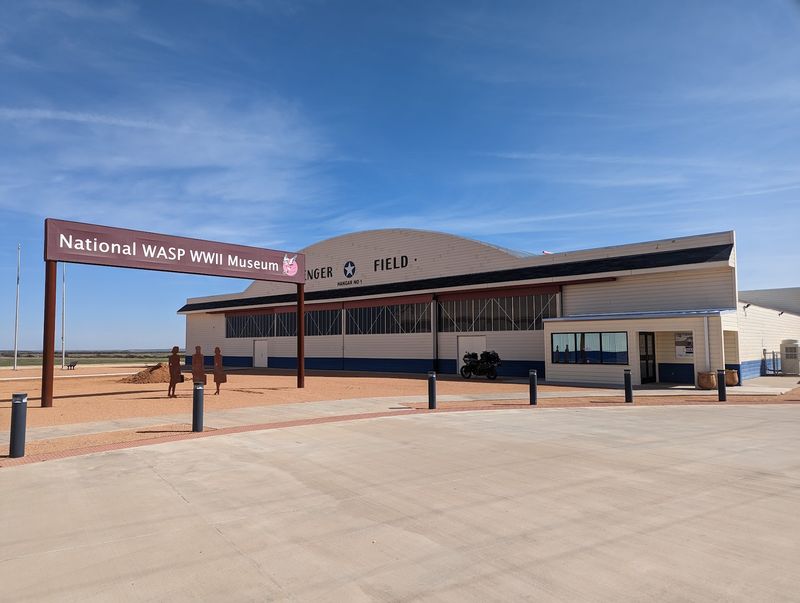
During World War II, over a thousand women became military pilots, ferrying aircraft across the country and testing planes fresh off the assembly line. The Women Airforce Service Pilots, known as WASPs, trained at Avenger Field in Sweetwater, and today the National WASP WWII Museum preserves their remarkable story. This museum sits on the original training base, giving visitors a genuine connection to where these pioneering aviators learned to fly military aircraft.
The exhibits showcase the challenges these women faced, from skeptical male pilots to the physical demands of flying heavy bombers and fighters. They weren’t officially recognized as military veterans until 1977, decades after the war ended. The museum displays their uniforms, training materials, personal letters, and photographs that reveal both the excitement and hardship of their service.
You’ll learn about the 38 WASPs who died during their service, reminding visitors that this wasn’t just a symbolic program but dangerous work that demanded real courage.
Original barracks buildings still stand on the grounds, restored to show what daily life looked like for the women who trained here. You can peek into the sleeping quarters and imagine what it must have been like to be among the first American women to fly military aircraft. The museum regularly hosts WASP reunions, and if you visit during one of these events, you might meet actual veterans who trained at Sweetwater.
What makes this museum powerful is its focus on a group of women who broke barriers at a time when most people believed women couldn’t handle military flying. Their story deserves wider recognition, and this museum ensures their contributions won’t be forgotten. The small-town setting adds to the experience, making it feel more personal than larger museums in big cities.
4. Texas Air & Space Museum (Amarillo)
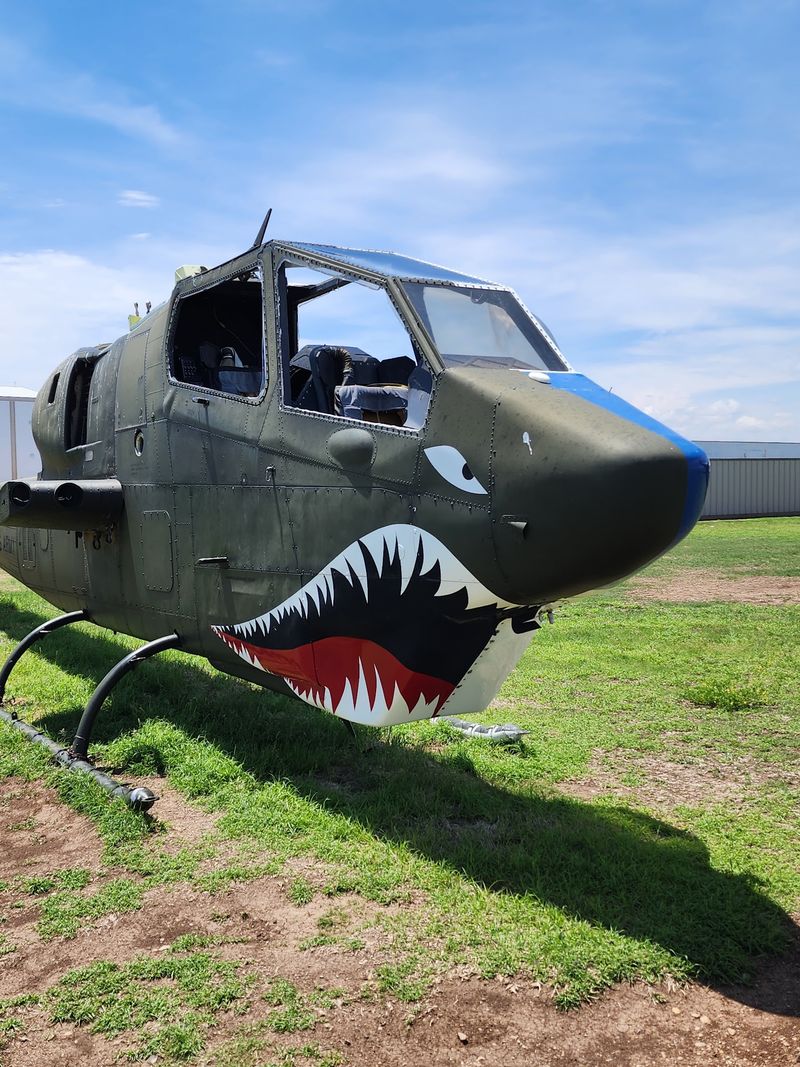
Amarillo might not be the first place you think of when it comes to aviation history, but the Panhandle played a significant role in military flight training and aerospace development. The Texas Air & Space Museum occupies a hangar at Rick Husband Amarillo International Airport, named after the Space Shuttle Columbia commander who grew up in Amarillo. The museum honors both aviation and space exploration, making it unique among Texas aviation museums.
The collection includes aircraft ranging from World War II trainers to Cold War jets, each with its own story about how it ended up in the Panhandle. Many of these planes have local connections, flown by pilots who trained at nearby bases or built at facilities in the region. The museum does an excellent job connecting these machines to the people who flew and maintained them, with oral histories and personal artifacts that add human context to the hardware.
Space exploration exhibits highlight the connection between aviation and the space program, showing how pilots transitioned from flying jets to commanding spacecraft. The museum pays special tribute to Rick Husband and other astronauts with Texas ties, displaying actual space-flown items and detailed explanations of their missions. Interactive exhibits let visitors experience what it’s like to pilot a spacecraft or understand the challenges of living in orbit.
Volunteers run the museum, and their passion for aviation shows in how well-maintained everything is despite the limited budget. They’re always happy to share stories about the aircraft and answer questions about aviation history. The museum hosts special events throughout the year, including veteran recognition ceremonies and educational programs for local schools.
It’s smaller than some of the other museums on this list, but what it lacks in size it makes up for in heart and community connection.
5. Frontiers of Flight Museum (Dallas)
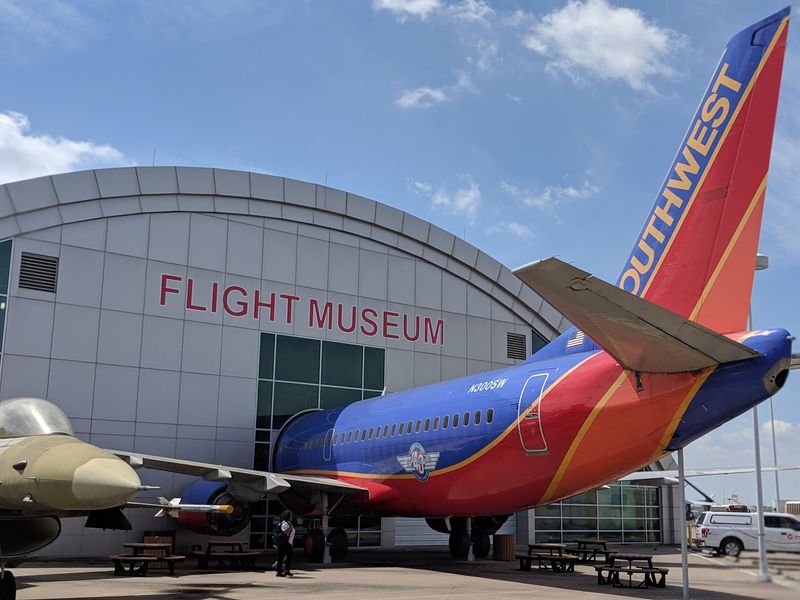
Located right next to Dallas Love Field, the Frontiers of Flight Museum covers the entire span of aviation history, from the Wright Brothers to modern spaceflight. The museum’s location at a working airport means you can watch commercial jets take off and land while exploring exhibits about how flight evolved over the past century. It’s one of the most comprehensive aviation museums in Texas, with collections that rival institutions in much larger cities.
The exhibits are organized chronologically, walking you through the early days of flight when pilots were still figuring out basic aerodynamics. You’ll see replicas of early aircraft alongside authentic pieces from aviation’s pioneering era. As you move through the museum, the planes get faster and more sophisticated, reflecting how quickly aviation technology advanced during the twentieth century.
The World War II section is particularly strong, with multiple aircraft and extensive displays about the war’s impact on aviation development.
One of the museum’s highlights is its collection of aviation art and memorabilia, including original airline posters, pilot uniforms, and navigation equipment that shows how dramatically cockpit technology has changed. The space exploration section features actual Apollo-era equipment and detailed explanations of how NASA’s programs built on aviation technology. Kids especially enjoy the flight simulators and hands-on exhibits that let them experience what it’s like to control an aircraft.
The museum regularly updates its exhibits and brings in traveling displays that cover specific aspects of aviation history. Recent additions include expanded coverage of commercial aviation’s growth and the role of women and minorities in flight. The research library contains thousands of books, photographs, and documents available to serious aviation researchers.
Whether you’re a casual visitor or a dedicated aviation buff, you’ll find something new to discover here. The museum’s proximity to downtown Dallas makes it easy to combine with other attractions for a full day of exploring.
6. Hangar 25 Air Museum (Big Spring)
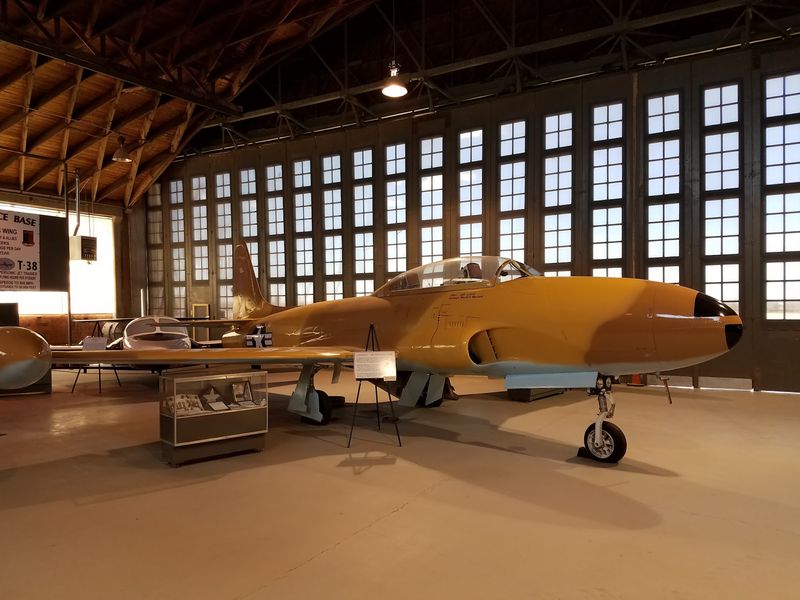
Big Spring’s economy once revolved around Webb Air Force Base, a major pilot training facility that operated from 1942 until 1977. When the base closed, it left behind buildings and runways that slowly fell into disrepair. Hangar 25 Air Museum preserves this history, occupying one of the original base hangars and telling the story of the thousands of pilots who earned their wings here.
The museum feels authentic because it sits on the actual base where these aviators trained.
The collection focuses primarily on training aircraft and the experience of learning to fly military jets. You’ll see the types of planes student pilots flew during different eras, from basic propeller trainers to early jets that required entirely new flying techniques. The exhibits explain the training process in detail, including the academic work, physical conditioning, and flight hours required to become a military aviator.
Personal stories from instructors and students bring these experiences to life.
Walking through the hangar, you get a sense of what daily life was like on a busy training base. The museum has preserved offices, ready rooms, and equipment that show how operations were conducted. Photographs line the walls showing classes of pilots who trained here, some of whom went on to fly in Korea, Vietnam, and other conflicts.
The museum maintains a database of former students and regularly hosts reunions where veterans return to see where they learned to fly.
What makes Hangar 25 special is its focus on a single base and the community that grew around it. Big Spring’s identity was tied to Webb Air Force Base for decades, and when it closed, the town lost a major economic driver. The museum preserves not just aviation history but the story of how military installations shaped West Texas communities.
Volunteers who run the museum often have personal connections to the base, adding depth to the tours they provide.
7. Texas Air Museum – Stinson Field (San Antonio)
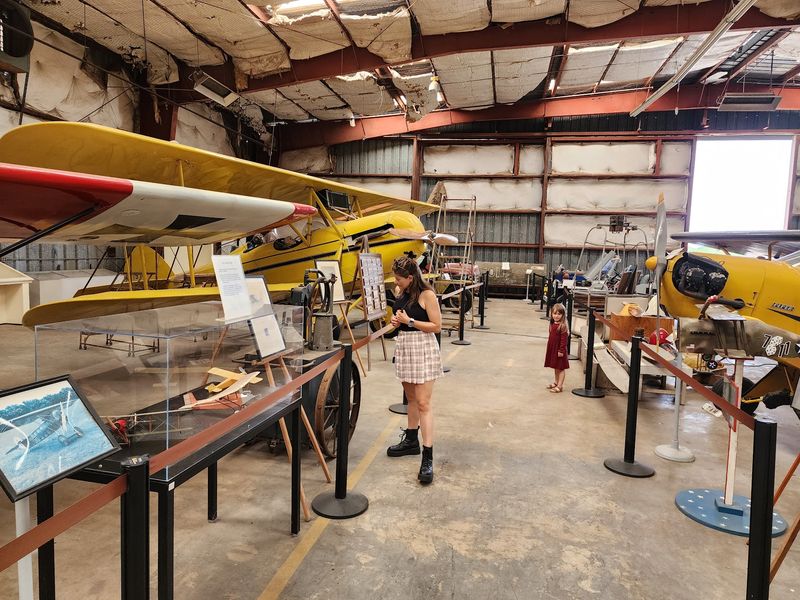
San Antonio has deep roots in military aviation, with multiple Air Force bases that have trained pilots for over a century. The Texas Air Museum at Stinson Field celebrates this heritage while also honoring civilian aviation’s growth in South Texas. Stinson Field itself is historic, one of the oldest continuously operating airports in the United States, making it the perfect home for a museum dedicated to preserving flight history.
The museum’s collection includes aircraft that represent different eras of Texas aviation, from early barnstorming planes to military trainers and civilian aircraft that connected small Texas towns before highways made ground travel easier. Each plane has a story about how it ended up in San Antonio or its connection to Texas aviation history. The museum pays special attention to the pilots and mechanics who kept these machines flying, recognizing that aviation history isn’t just about the aircraft but the people who operated them.
One of the museum’s strengths is its focus on restoration and education. Volunteers work on ongoing restoration projects, and visitors can watch as they bring damaged aircraft back to flying condition. The museum offers educational programs that teach young people about aviation careers and the science behind flight.
These programs have inspired countless students to pursue careers in aviation and aerospace, continuing San Antonio’s tradition as a center for flight training.
The location at Stinson Field means you’ll see a mix of historic and modern aircraft, with vintage planes parked near contemporary general aviation aircraft. This contrast highlights how far aviation technology has come while showing that the basic principles of flight remain unchanged. The museum hosts fly-ins and special events that bring together pilots and aviation enthusiasts from across Texas.
The friendly atmosphere and knowledgeable volunteers make every visit feel personal, like you’re being welcomed into a community of people who genuinely love everything about flight.
8. Mid America Flight Museum (Mount Pleasant)
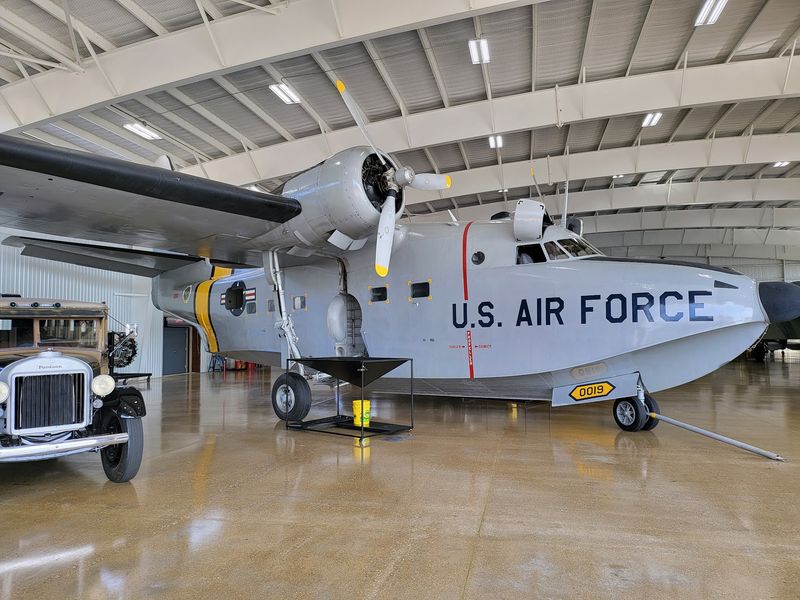
Tucked away in Northeast Texas, the Mid America Flight Museum might be off the beaten path, but it houses one of the finest collections of restored vintage aircraft you’ll find anywhere. The museum focuses on keeping these historic planes flying rather than just displaying them as static exhibits. This philosophy means you’re looking at aircraft that still take to the skies regularly, maintained to the same standards they met when they were built decades ago.
The collection emphasizes aircraft from the 1920s through the 1950s, a golden age when aviation was transitioning from experimental curiosity to reliable transportation. You’ll see beautiful examples of classic designs, each restored with meticulous attention to original specifications. The craftsmanship is stunning, from the fabric-covered wings to the polished metal fuselages that gleam under the hangar lights.
These aren’t just old planes but works of art that represent the peak of pre-jet aviation technology.
What sets this museum apart is the opportunity to see these aircraft in action. The museum regularly participates in air shows and fly-ins, and many of the planes in the collection are flown to events across the country. If you visit on the right day, you might see mechanics preparing an aircraft for flight or even watch one take off from the adjacent runway.
The museum also offers rides in some of the vintage aircraft, giving adventurous visitors a chance to experience what flying was like before modern jets and glass cockpits.
The museum’s location in Mount Pleasant reflects the important role small Texas towns played in aviation’s development. Before large commercial airports, every town wanted its own airfield, and local pilots flew everything from crop dusters to small passenger planes. The museum preserves this era of grassroots aviation, when flying was more accessible and personal.
The staff and volunteers are passionate about keeping these aircraft flying and sharing their love of vintage aviation with visitors.
9. Historic Aviation Memorial Museum (Tyler)
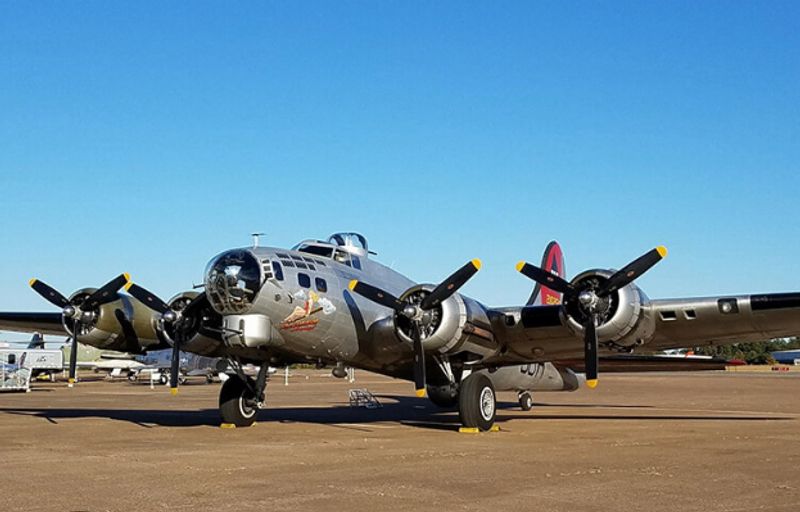
Tyler’s Pounds Regional Airport houses the Historic Aviation Memorial Museum, a tribute to East Texas aviators and the aircraft they flew. The museum started as a grassroots effort by local veterans and aviation enthusiasts who wanted to preserve the region’s connection to flight. Over the years, it has grown into a significant collection that honors both military and civilian aviation, with a special emphasis on the people from East Texas who served in various conflicts.
The exhibits tell personal stories of local pilots, navigators, and crew members who flew in World War II, Korea, Vietnam, and more recent conflicts. Photographs, uniforms, medals, and personal letters create intimate portraits of these individuals and what they experienced during their service. The museum doesn’t glorify war but honestly presents the challenges and sacrifices these aviators faced.
Family members have donated many of the artifacts, adding emotional weight to the displays.
Aircraft in the collection range from trainers to fighters, each selected because of its connection to East Texas veterans or its role in aviation history. The museum does an excellent job explaining not just what each aircraft did but who flew them and under what conditions. Interactive displays let younger visitors understand what it was like to operate these machines, while detailed technical information satisfies aviation enthusiasts who want to know how everything worked.
The museum serves as a community gathering place for veterans and their families, hosting events that recognize their service and keep their stories alive. Educational programs bring local students to learn about aviation history and the importance of remembering those who served. The museum’s focus on personal stories rather than just hardware makes it feel more meaningful than collections that only display aircraft without context.
Volunteers who run the museum are often veterans themselves or family members of those who served, bringing authentic perspectives to every tour and conversation.
10. No. 1 British Flying Training School Museum (Terrell)
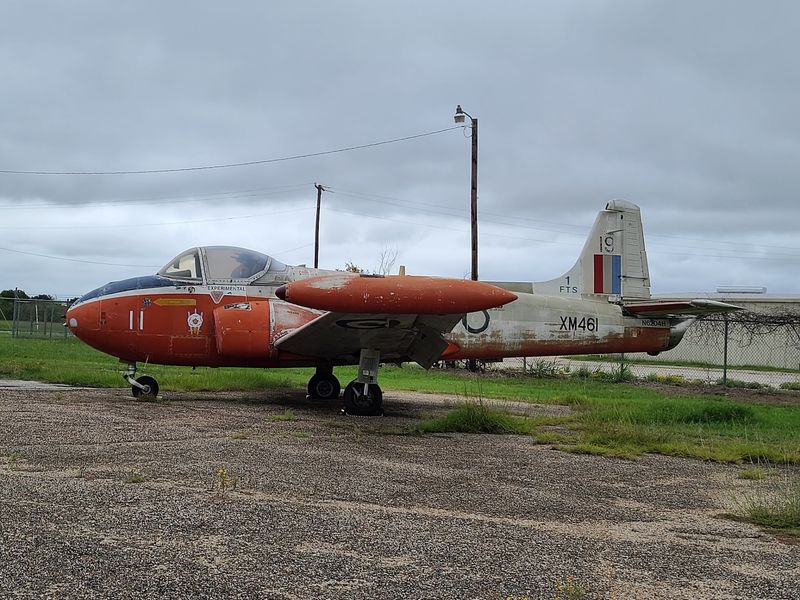
Most people don’t know that thousands of British pilots trained in Texas during World War II, learning to fly at bases far from the combat zones threatening their homeland. Terrell hosted the No. 1 British Flying Training School, where Royal Air Force cadets learned the skills they would need to defend Britain against German attacks. The museum dedicated to this program preserves a unique chapter in both Texas and British history, showing how two nations worked together during a desperate time.
The exhibits explain why Britain sent pilots to train in Texas rather than at home. German bombing made flight training in Britain dangerous and inefficient, so the RAF established training schools in safer locations. Texas offered good weather, open space, and friendly communities willing to host foreign cadets.
The museum displays training aircraft, uniforms, photographs, and personal items that show what daily life was like for young British pilots far from home. Many of these cadets had never been outside Britain before, making their Texas experience both exciting and sometimes overwhelming.
Personal stories throughout the museum reveal the bonds that formed between British cadets and Terrell residents. Local families hosted pilots for dinners and holidays, creating friendships that lasted decades after the war ended. Some pilots married local women and returned to Texas after the war.
The museum maintains contact with veterans and their families, regularly hosting reunions that bring together people from both sides of the Atlantic. These gatherings add living history to the museum’s collections.
What makes this museum fascinating is its focus on an international connection that most Texans never learned about in school. The partnership between Britain and Texas during World War II saved countless lives and helped win the war, yet it’s a story that nearly disappeared from public memory. The museum ensures this history survives, honoring both the pilots who trained here and the community that welcomed them during a critical moment in world history.
11. Texas Air Museum (Slaton)
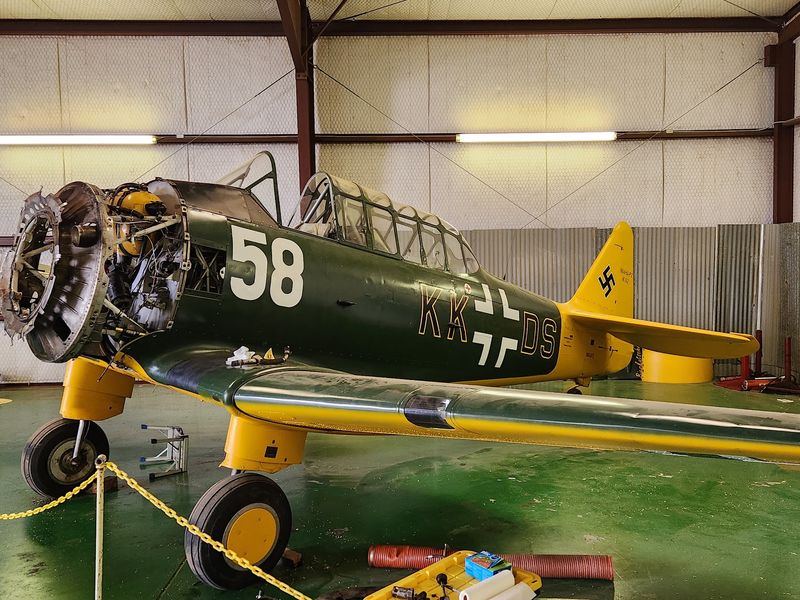
Slaton might be a small town, but it has a big aviation story to tell. The Texas Air Museum here focuses on the role of small communities in supporting military flight training during World War II and the decades that followed. Slaton Army Air Field operated during the war, training bomber crews who would fly missions over Europe and the Pacific.
The museum preserves this history while also celebrating civilian aviation’s importance to rural Texas communities.
The collection includes aircraft types that trained at Slaton and other West Texas bases, along with extensive displays about what life was like for the thousands of service members who passed through during the war. The museum has gathered photographs, documents, and personal artifacts that show both the military operations and how the base affected the local community. Slaton’s population swelled during the war years, and the base brought economic prosperity along with the challenges of hosting a large military installation.
Beyond the World War II exhibits, the museum explores how aviation connected small Texas towns to the wider world. Before good highways and commercial airlines reached every region, small airports and local pilots provided essential transportation for business, medical emergencies, and personal travel. The museum honors these civilian aviators who kept rural Texas connected, flying everything from crop dusters to small passenger planes.
Their contributions to Texas aviation history often get overlooked, but they were crucial to the state’s development.
Volunteers who run the museum have deep connections to Slaton and its aviation history. Many are descendants of people who worked at the base or flew from local airfields. Their personal knowledge adds authenticity to the exhibits and makes every visit feel like you’re learning family history rather than just looking at old planes.
The museum may be small, but it offers genuine insights into how aviation shaped small-town Texas life during the twentieth century.
Share this story