Retirement means finding a place where your savings stretch further, your days feel fuller, and the weather doesn’t punish you half the year. Texas offers all that and more, with cities that blend affordability, culture, and sunshine in ways few other states can match. From bustling metro areas with world-class healthcare to laid-back coastal towns where every day feels like a vacation, the Lone Star State has become a magnet for retirees seeking their next chapter.
Here are eleven Texas cities where retirees are putting down roots and loving every minute of it.
1. Austin
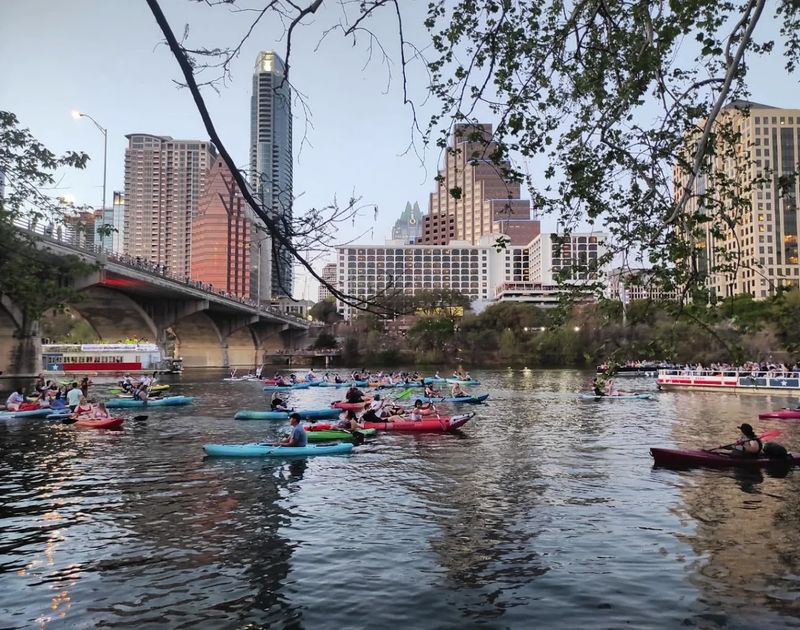
Live music spills out of honky-tonks every night of the week, and food trucks serve everything from breakfast tacos to Korean BBQ on practically every corner. Austin’s reputation as a creative hub doesn’t fade when you hit retirement age—it only gets better. The city’s parks, trails, and outdoor spaces make it easy to stay active, whether you’re kayaking on Lady Bird Lake or catching a free concert at Zilker Park.
Healthcare here ranks among the best in the state, with top-tier hospitals and specialized care centers scattered throughout the metro area. That peace of mind matters when you’re planning your golden years. Plus, Austin’s lack of state income tax means your retirement savings go further, even if housing costs have climbed in recent years.
The cultural scene never sleeps. Museums, galleries, and theater productions keep calendars packed year-round. You can catch a film at the historic Paramount Theatre one night and browse the farmers market at the Capitol the next morning.
Temperatures stay mild most of the year, though summers do get toasty. Air conditioning becomes your best friend from June through September. Still, the trade-off is worth it for those who’d rather deal with heat than shovel snow.
Neighborhoods like Tarrytown and Hyde Park offer tree-lined streets with character homes, while newer developments in the outskirts provide modern amenities. Wherever you land, you’ll find a community that values individuality and welcomes newcomers. Austin’s motto—Keep Austin Weird—applies to retirees just as much as anyone else, and that quirky spirit keeps life interesting long after the work badge gets turned in.
2. San Antonio
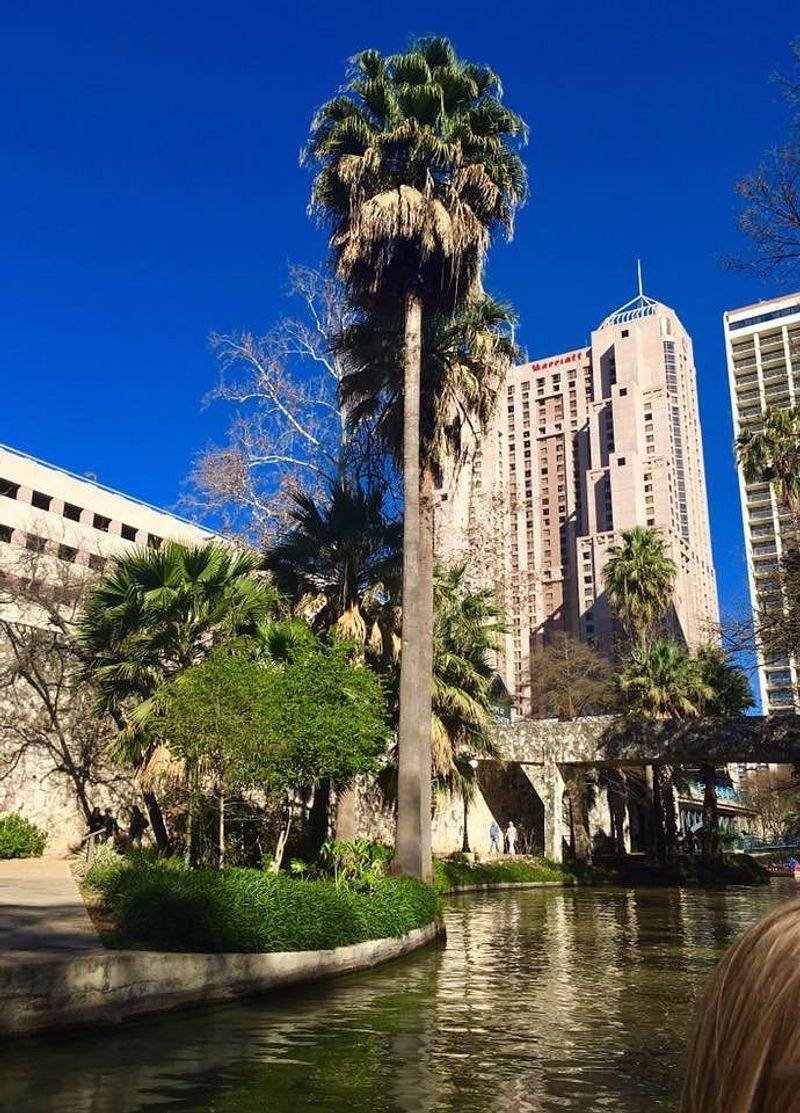
History runs deep along the River Walk, where cypress trees shade pathways that wind past restaurants, shops, and centuries-old missions. San Antonio blends old-world charm with modern conveniences in a way that feels effortless. Retirees here get to live somewhere that tourists pay good money just to visit for a weekend.
The cost of living sits comfortably below the national average, making it easier to stretch Social Security checks and retirement accounts. Housing options range from historic King William District homes to newer communities north of Loop 1604. You can find something that fits your budget without sacrificing quality or location.
Medical care is exceptional, anchored by the South Texas Medical Center and several military medical facilities. Veterans especially appreciate the strong military presence and the resources that come with it. The city honors its service members in tangible ways, from dedicated healthcare to community programs.
Year-round festivals celebrate everything from Fiesta to Día de los Muertos, keeping the social calendar full. The food scene mixes Tex-Mex staples with innovative cuisine, and breakfast tacos are practically a religion. You’ll never run out of new places to try or old favorites to revisit.
Summers get hot, but that’s the price of admission for winters where you can golf in January. The climate keeps outdoor activities accessible most of the year. Parks like Brackenridge and McAllister offer green space and recreation without leaving city limits, while the nearby Hill Country provides quick escapes for day trips and weekend getaways that feel like mini-vacations.
3. Corpus Christi
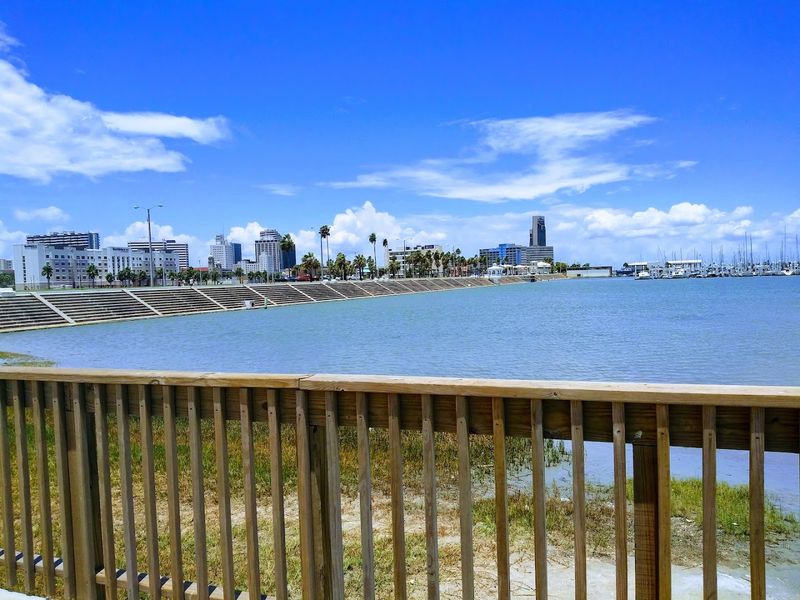
Waking up to the sound of waves and the smell of salt air becomes routine when you retire to Corpus Christi. The Gulf Coast lifestyle here centers around fishing, boating, and beach days that never get old. It’s the kind of place where flip-flops count as formal wear and sunset watching is a daily ritual.
Housing costs remain reasonable compared to other coastal communities across the country. You can find waterfront condos, suburban neighborhoods, and everything in between without breaking the bank. Property taxes are manageable, and the absence of state income tax sweetens the deal even further.
The fishing scene is legendary. Whether you prefer pier fishing, surf fishing, or heading out on a charter boat, the opportunities are endless. Redfish, speckled trout, and flounder are just a few of the species that keep anglers coming back day after day.
Healthcare facilities have grown significantly in recent years, with CHRISTUS Spohn Health System and other providers offering comprehensive services. You won’t need to travel far for quality medical care. The city has invested in expanding healthcare infrastructure to meet the needs of its growing retiree population.
Padre Island National Seashore sits just down the road, offering miles of undeveloped coastline perfect for beachcombing and birdwatching. The Texas State Aquarium and USS Lexington Museum provide rainy-day entertainment and educational opportunities. Cultural events, art galleries, and live music venues keep the social scene vibrant, while the laid-back atmosphere ensures you never feel rushed or pressured to keep up with anyone’s pace but your own.
4. Dallas–Fort Worth
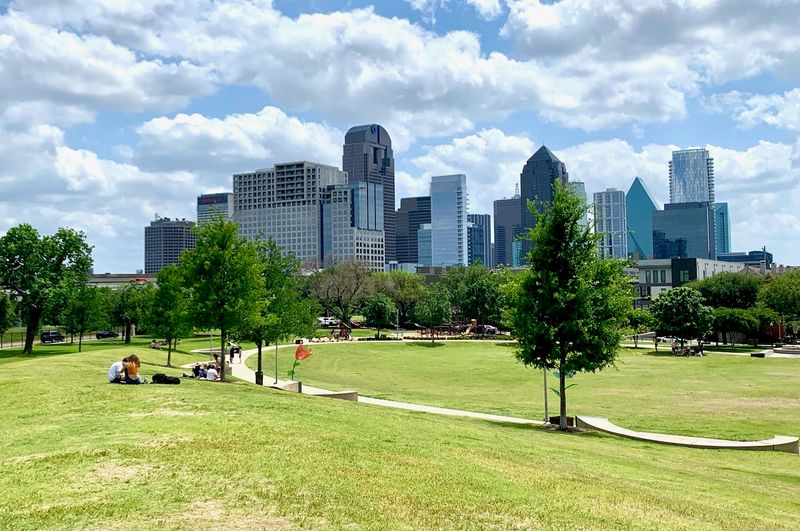
Big-city amenities meet Southern hospitality in the sprawling Dallas–Fort Worth metroplex, where retirees can choose their own adventure every single day. World-class museums, professional sports teams, and dining options that span every cuisine imaginable create an urban playground for those who want their retirement to feel anything but sleepy. The Metroplex offers variety that smaller cities simply can’t match.
Healthcare infrastructure here is massive, with renowned institutions like UT Southwestern Medical Center and Texas Health Resources providing cutting-edge treatment. Access to specialists and advanced medical technology gives retirees confidence that their health needs will be met. Clinical trials and research opportunities also abound for those interested in participating in medical advancements.
Both Dallas and Fort Worth maintain distinct personalities despite their proximity. Dallas leans modern and cosmopolitan, with sleek architecture and upscale shopping districts. Fort Worth embraces its Western heritage with stockyards, rodeos, and a more laid-back vibe that feels authentically Texan.
The arts scene thrives in both cities. The Dallas Museum of Art, Kimbell Art Museum, and AT&T Performing Arts Center offer world-class exhibitions and performances. You could spend years exploring cultural venues and still discover something new.
Theater, symphony, ballet, and opera all have dedicated followings and professional companies.
Suburban communities throughout the Metroplex provide quieter alternatives to downtown living while keeping city amenities within easy reach. Places like Plano, Southlake, and Grapevine offer excellent golf courses, shopping centers, and community programs designed specifically for active adults who want the best of both worlds without compromise.
5. McAllen
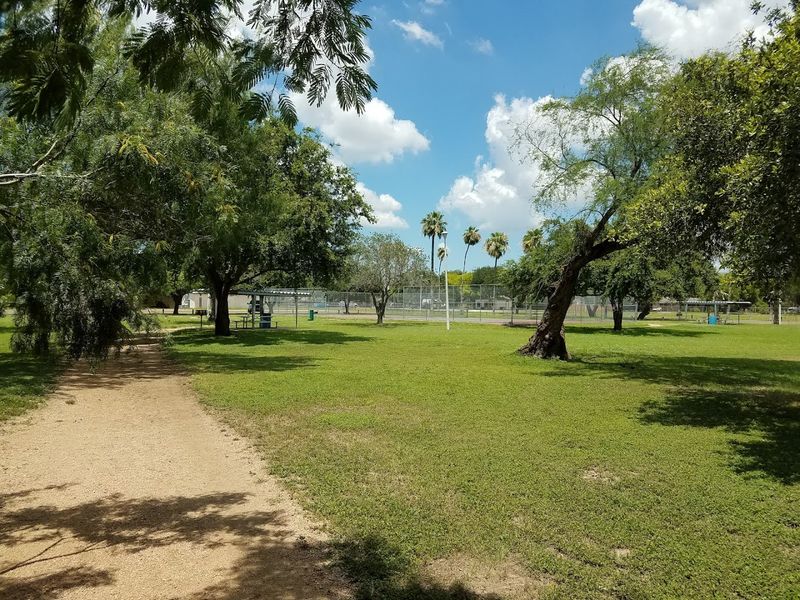
Palm trees sway in the breeze just minutes from the Mexican border, where McAllen offers a retirement lifestyle that blends two cultures seamlessly. The Rio Grande Valley climate means winter freezes are practically unheard of, making this a haven for snowbirds and year-round residents who’ve had enough of cold weather. Shorts and sandals work twelve months a year here.
Healthcare costs run significantly lower than the national average, and the proximity to Mexico opens additional options for prescriptions and medical procedures. Many retirees appreciate the ability to access affordable dental work and medications just across the border. Quality care remains available locally through McAllen Medical Center and other facilities that serve the region well.
The cost of living is among the lowest in Texas, with housing prices that seem almost too good to be true compared to other retirement destinations. Your dollar stretches remarkably far here. Groceries, utilities, and entertainment all come cheaper than most places, leaving more money for travel and hobbies.
Birding enthusiasts flock to the Valley for its incredible diversity of species, with many found nowhere else in the United States. The World Birding Center and nearby wildlife refuges provide endless opportunities for nature lovers. Even casual observers find themselves captivated by the colorful birds that visit local parks and gardens daily.
The food scene celebrates both Tex-Mex and authentic Mexican cuisine at prices that won’t wreck your budget. Fresh tortillas, tamales, and barbacoa become weekend staples. Shopping trips to Reynosa offer everything from handicrafts to clothing at bargain prices, adding an international flavor to everyday retirement life.
6. Houston
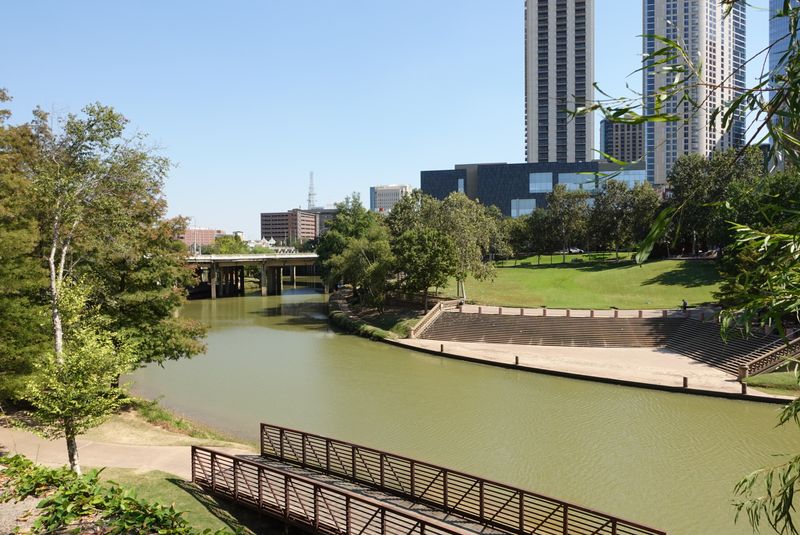
America’s fourth-largest city doesn’t immediately scream retirement destination, but Houston’s combination of world-class healthcare, diverse culture, and no state income tax makes it surprisingly attractive. The Texas Medical Center alone employs more people than some Texas towns have residents, and the expertise concentrated there is unmatched. When health becomes a priority, having the best doctors and facilities minutes away matters tremendously.
Cultural diversity defines Houston in ways few American cities can claim. The restaurant scene reflects this beautifully, with authentic Vietnamese pho, Nigerian suya, and Indian dosas available alongside Texas barbecue. You can eat your way around the world without leaving Harris County, and the variety keeps meals interesting year after year.
The Museum District packs nineteen museums into a walkable area, many offering free admission on certain days. The Houston Symphony, Houston Grand Opera, and Alley Theatre provide top-tier performances throughout the season. Arts and culture thrive here with institutional support and passionate audiences that keep venues packed and programming innovative.
Neighborhoods like The Heights, Montrose, and Rice Village offer distinct personalities and walkable amenities. Suburban communities in Sugar Land, The Woodlands, and Katy provide master-planned living with golf courses, recreation centers, and social clubs geared toward active adults. Options exist for every lifestyle preference and budget level.
Yes, humidity hangs heavy in summer, and hurricanes occasionally threaten the coast. But mild winters, no state income tax, and unbeatable healthcare access create a compelling package. The city’s energy—both literal and figurative—keeps life from feeling stagnant, and there’s always something new opening, some event happening, some reason to get out and explore.
7. El Paso
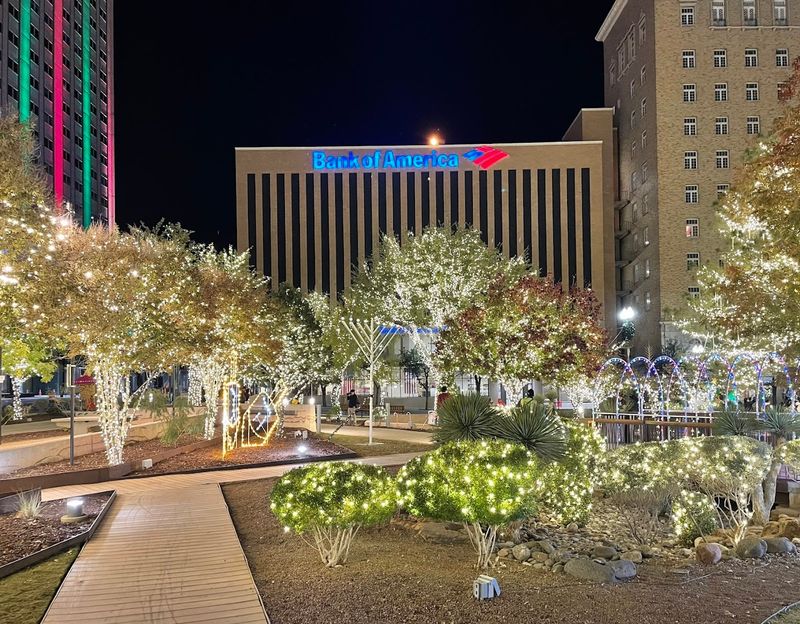
Mountains rise dramatically from the desert floor, creating a backdrop that makes El Paso feel more like the Southwest than traditional Texas. The Franklin Mountains State Park sits right in the city limits, offering hiking trails and rock climbing that keep outdoor enthusiasts busy year-round. Sunsets here paint the sky in colors that photographs never quite capture accurately.
The cost of living ranks among the lowest for any major Texas city, with housing prices that leave room in the budget for travel and entertainment. Property taxes stay reasonable, and everyday expenses from groceries to utilities come cheaper than most urban areas. Your retirement income simply goes further here without sacrificing quality of life.
El Paso’s location on the border creates a unique cultural blend where English and Spanish mix freely in daily conversation. The food reflects this heritage beautifully, with authentic Mexican restaurants serving dishes you won’t find elsewhere in Texas. Street tacos, menudo, and fresh tortillas are everyday pleasures, not special occasions.
The dry climate means low humidity even when temperatures climb, making summer heat more bearable than in humid Houston or sticky San Antonio. Allergies often improve for those moving from wetter climates. Over three hundred days of sunshine annually keep spirits high and outdoor activities accessible almost every single day.
Healthcare services have improved significantly with the addition of Texas Tech University Health Sciences Center and expanded facilities at University Medical Center. Access to specialists has grown, reducing the need to travel to larger cities for care. The military presence at Fort Bliss also contributes to the area’s medical infrastructure and veteran services that benefit many retirees.
8. Beaumont
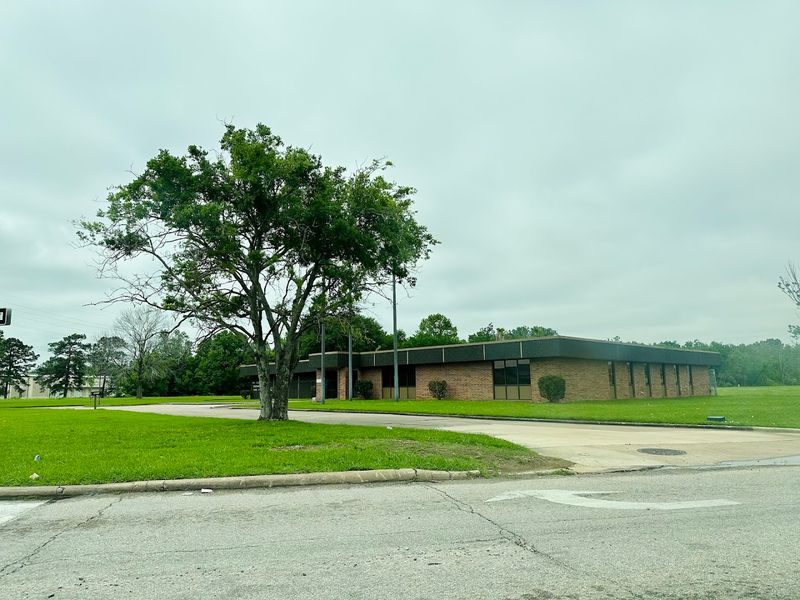
Southeast Texas doesn’t get the attention that other parts of the state receive, but Beaumont offers a quiet retirement that appeals to those who prefer small-city charm over metropolitan hustle. The cost of living sits well below state and national averages, making it possible to live comfortably on modest retirement income. Housing options range from historic homes in established neighborhoods to newer developments on the city’s outskirts.
Outdoor recreation centers around the Big Thicket National Preserve, where dense forests and winding waterways create a landscape unlike anywhere else in Texas. Hiking, birdwatching, and kayaking opportunities abound. The preserve’s biodiversity attracts nature enthusiasts from across the country, but locals get to enjoy it whenever the mood strikes.
Healthcare services are anchored by Christus Southeast Texas and Baptist Hospitals Beaumont, providing comprehensive care without the overwhelming size of big-city medical centers. The facilities handle most needs locally, though Houston sits just ninety minutes west for specialized treatment. That proximity offers peace of mind without requiring you to live in a massive metro area.
The pace of life moves slower here, which is exactly what some retirees are seeking. Traffic doesn’t exist in the way Houston or Dallas residents understand it. Running errands takes minutes, not hours, and you’ll recognize faces at the grocery store and local restaurants after just a few months of living here.
Cultural attractions include the Beaumont Botanical Gardens, Art Museum of Southeast Texas, and historic homes that offer glimpses into the region’s oil boom past. The food scene leans heavily toward Cajun and Gulf Coast seafood, with local favorites serving crawfish, gumbo, and boudin that rival anything in Louisiana.
9. Killeen
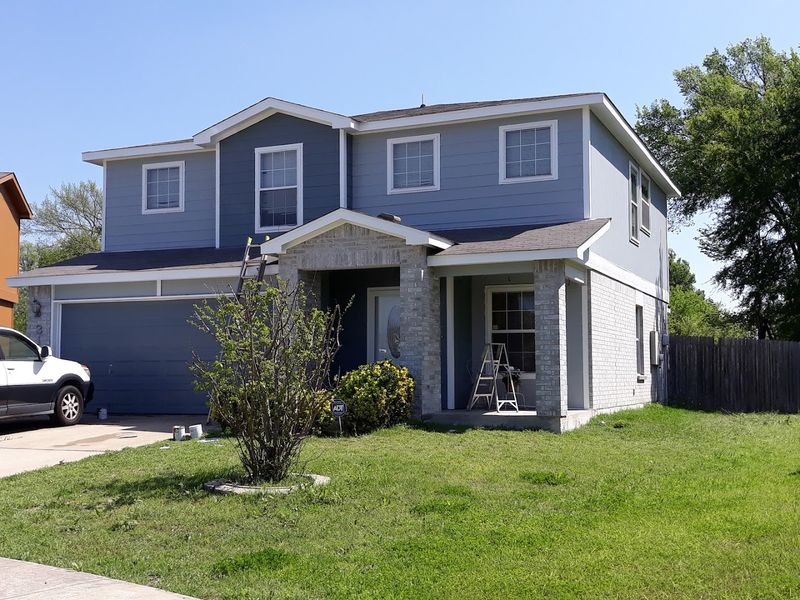
Fort Hood’s presence shapes everything about Killeen, creating a community with deep military roots and strong support for veterans. Military retirees find themselves among kindred spirits who understand the service life and share similar values. The commissary, PX, and on-base facilities remain accessible to those with military ID, providing familiar shopping and services at reasonable prices.
Housing costs stay remarkably affordable, with options ranging from suburban neighborhoods to rural properties just outside city limits. The absence of state income tax combines with low property taxes to create favorable financial conditions. Your retirement pay and benefits stretch further here than in many other military-friendly communities across the country.
Healthcare access through the Carl R. Darnall Army Medical Center and local civilian facilities ensures veterans receive the care they’ve earned. The VA clinic in Temple sits just thirty minutes away, providing additional options for service-connected care.
Having multiple healthcare choices gives retirees flexibility in managing their medical needs.
Central Texas location puts Killeen within easy driving distance of Austin, San Antonio, and Dallas–Fort Worth. Weekend trips to bigger cities for entertainment or shopping are simple day trips. But daily life remains peaceful and uncomplicated, without the traffic and stress that come with metro living.
The climate offers four distinct seasons, though winter rarely brings more than occasional freezing temperatures. Spring wildflowers blanket the surrounding countryside, creating postcard-worthy landscapes. Summer heat is real but manageable, and fall brings comfortable temperatures perfect for outdoor activities and exploring nearby state parks.
Community events often center around military appreciation and patriotic celebrations. The population understands deployment cycles, military jargon, and the unique challenges of service life in ways civilian communities sometimes don’t grasp fully.
10. Brownsville
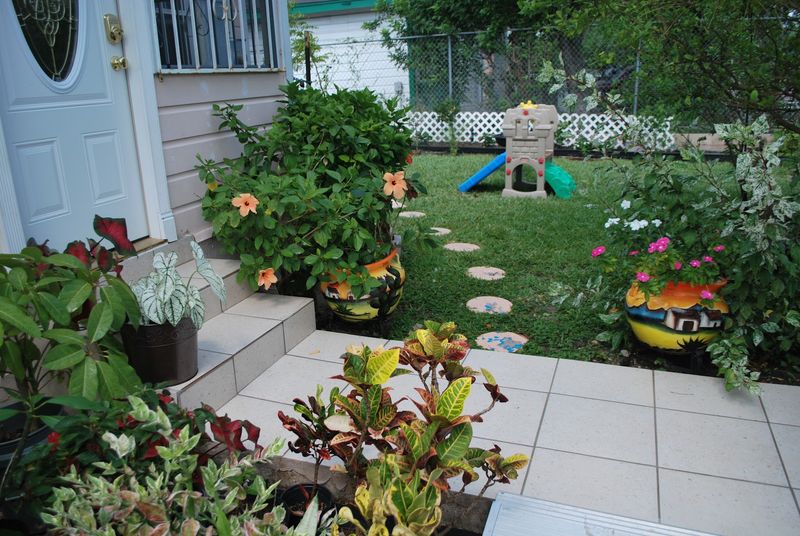
The southernmost city in Texas sits just across the border from Matamoros, creating a binational culture where Spanish flows as freely as English. Brownsville’s tropical climate means palm trees, citrus groves, and year-round warmth that attracts retirees tired of winter coats and heating bills. Freezes are so rare that locals talk about them for years afterward when they do occur.
Housing remains incredibly affordable, with prices that seem almost too good compared to other coastal retirement destinations. The cost of living overall ranks among the lowest in the state. Your retirement dollars buy more house, more land, and more lifestyle than almost anywhere else you could choose to settle down.
South Padre Island sits just thirty minutes away, offering beach access without the tourist crowds and high prices of Florida or California coastal towns. Fishing, boating, and beach activities
11. Waco
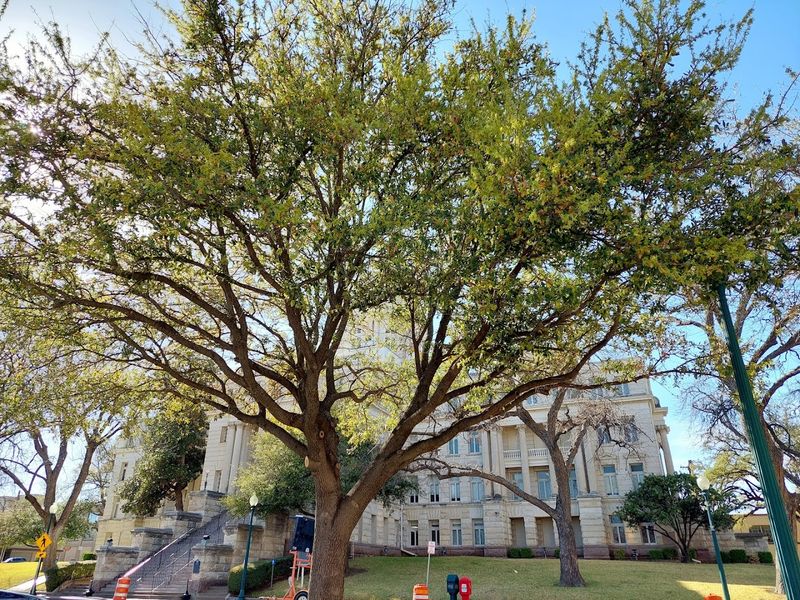
Waco has quietly become one of Texas’s most appealing retirement spots, especially for those looking to balance affordability, comfort, and a slower pace of life without feeling isolated.
One of the biggest draws is cost of living. Compared to larger Texas cities like Austin or Dallas, Waco offers significantly lower home prices and everyday expenses. Retirees can often find charming homes with space for gardening or relaxing outdoors, all without stretching their budgets.
That financial breathing room makes a big difference when living on a fixed income.
Waco also strikes a rare balance between small-town feel and modern convenience. It’s large enough to have solid healthcare options, shopping, and dining, but small enough to avoid heavy traffic and big-city stress. Baylor Scott & White Medical Center provides reliable care, which is a key factor for many retirees.
The lifestyle is another major selling point. Waco moves at a comfortable pace, making it easy to enjoy simple routines—morning walks, coffee downtown, or afternoons by the Brazos River. The city has invested heavily in its riverfront and parks, offering scenic spots for walking, biking, or just unwinding outdoors.
There’s also a growing sense of community and culture. Downtown Waco has been revitalized, with local shops, restaurants, and attractions like Magnolia Market drawing visitors and creating a lively but not overwhelming atmosphere. Retirees often appreciate having things to do without constant crowds.
Location plays a role too. Waco sits roughly between Dallas and Austin, making it easy to visit family, catch flights, or take day trips while still enjoying a quieter home base.
For retirees who want affordability, accessibility, and a relaxed but engaging lifestyle, Waco offers a well-rounded and increasingly popular choice.
Share this story