Big Bend gets all the love, and sure, it deserves the hype. But Texas has more than 80 state parks scattered across deserts, forests, canyons, and coastlines, each with its own personality and hidden surprises. If you’re ready to skip the crowds and discover landscapes just as stunning, these 11 parks will blow your mind without the five-hour drive to the middle of nowhere.
1. Caprock Canyons State Park (Quitaque)
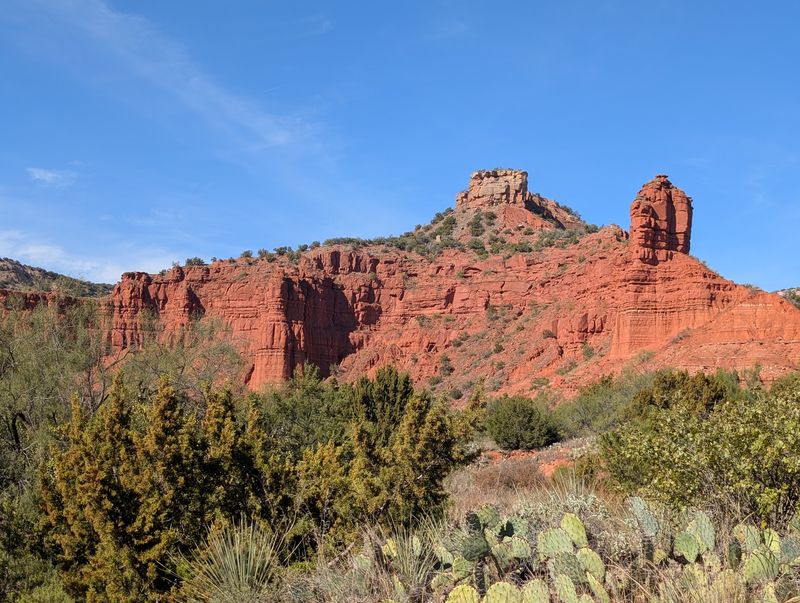
Out in the Panhandle where the flat prairie suddenly drops into a kaleidoscope of red, orange, and yellow rock layers, you’ll find one of Texas’s best-kept secrets. The canyon walls here tell a story that goes back millions of years, carved by wind and water into shapes that look almost alien. It’s quiet, remote, and totally different from the crowded tourist traps you’re used to.
Hiking the trails here feels like stepping onto another planet. The Upper Canyon Trail takes you through narrow gorges and past rock formations that glow at sunrise. Keep your eyes peeled for the official state bison herd that roams free across the park’s 15,000 acres.
Spotting one of these massive animals in the wild is a moment you won’t forget.
Mountain bikers rave about the Caprock Trailway, a 64-mile converted rail line that cuts through the heart of the park. The terrain varies from smooth and fast to technical rocky sections that’ll test your skills. Campers love the backcountry sites tucked into hidden canyons where you can stargaze without a single light for miles.
The park sits about two hours southeast of Amarillo, far enough from civilization that the night sky explodes with stars. Summer temperatures can hit triple digits, so spring and fall bring the best weather for exploring. Winter offers its own charm with fewer visitors and crisp, clear days perfect for photography.
If you’re chasing solitude and landscapes that rival anything out west, this place delivers without the hype. No gift shops, no tour buses, just raw Texas wilderness that reminds you why public lands matter. Pack plenty of water, charge your camera, and prepare to be amazed by a corner of Texas most people drive right past.
2. Village Creek State Park (Lumberton)
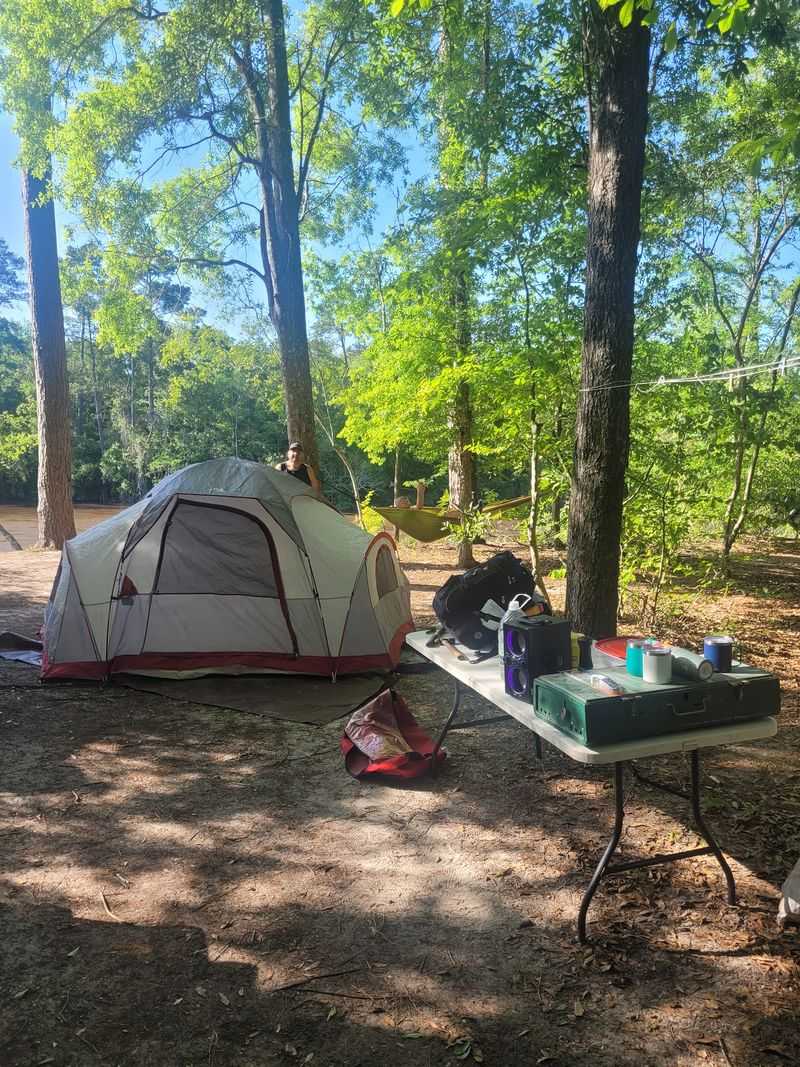
East Texas doesn’t mess around when it comes to green. Towering pines, thick hardwoods, and a blackwater creek that winds through the forest like a secret passage create an atmosphere that feels more Louisiana than Lone Star State. This park sits in the Big Thicket region, where biodiversity goes wild and every trail reveals something unexpected.
The creek itself is the main attraction, dark as coffee from tannins leaching out of decaying leaves. Paddlers love the calm water that meanders through cypress swamps and under canopies so dense they block out the sun. You might spot an alligator sunning on a log or a great blue heron fishing in the shallows.
The silence here is broken only by birdsong and the occasional splash.
Hiking trails loop through different ecosystems, from sandy uplands covered in longleaf pine to boggy lowlands where carnivorous pitcher plants grow. The Big Sandy Creek Trail offers an easy walk perfect for families, while more adventurous types can explore the backcountry areas where wild hogs and white-tailed deer leave tracks in the mud. Spring brings wildflowers and migrating songbirds that turn the forest into a living concert.
Located just north of Beaumont, the park makes a perfect weekend escape from Houston. Summer humidity can be intense, but the shade keeps things bearable and swimming in the creek offers relief. Fall transforms the hardwoods into a palette of yellows and reds that rival anything up north.
Campsites are well-spaced and shaded, with some right on the water. The park stays relatively quiet even on weekends, probably because most Texans forget this corner of the state exists. If you want to experience the subtropical side of Texas without crossing into another state, this is your spot.
3. Longhorn Cavern State Park (Burnet)
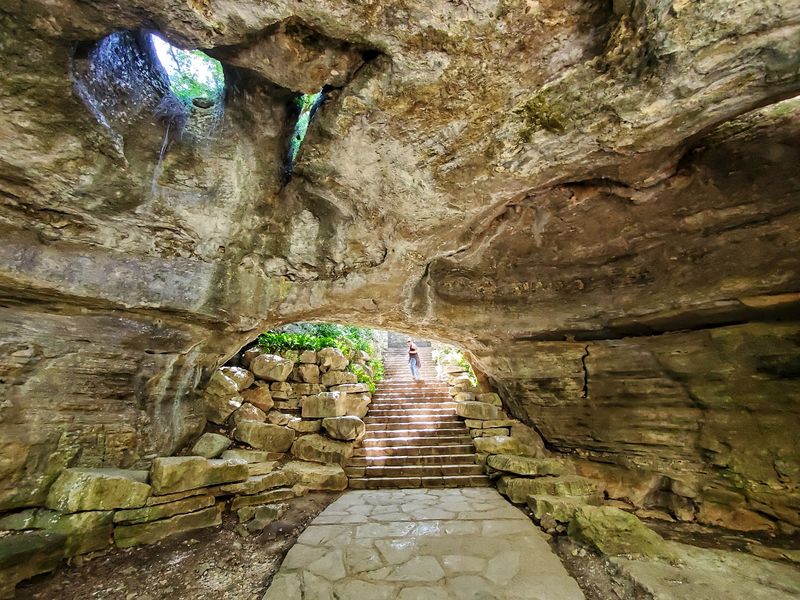
Forget everything you think you know about Texas caves. This one formed not from dripping water but from an underground river that carved massive rooms through the limestone millions of years ago. The result is a cavern system with smooth, flowing walls and chambers big enough to host concerts, which actually happened back in the 1930s when a dance floor was installed inside.
Guided tours take you deep into the earth where the temperature stays a constant 68 degrees year-round. The formations here don’t look like typical stalactites and stalagmites because the river didn’t leave deposits, it just carved space. You’ll walk through passages with names like the Queen’s Throne and the Hall of Diamonds, each with its own geological story.
The guides know their stuff and share tales about the cave’s colorful history, from Confederate gunpowder production to Prohibition-era speakeasies.
Above ground, the Hill Country landscape offers hiking trails through juniper and oak savanna with views that stretch for miles. Deer are everywhere, and if you’re lucky, you might catch a glimpse of the cave swallows that nest in the cavern entrance during summer months. The park sits in the heart of Texas wine country, so you can easily combine your visit with tastings at nearby vineyards.
Located about an hour northwest of Austin near Burnet, the park makes an easy day trip or overnight adventure. The camping area is small but scenic, with sites nestled among the rocks and trees. Spring and fall bring wildflowers and perfect weather for exploring both above and below ground.
This place proves Texas has way more going on underground than most people realize. The cave stays cool even when surface temperatures soar, making it a perfect summer destination. Book your tour in advance because spots fill up fast, especially on weekends.
4. Caddo Lake State Park (Karnack)
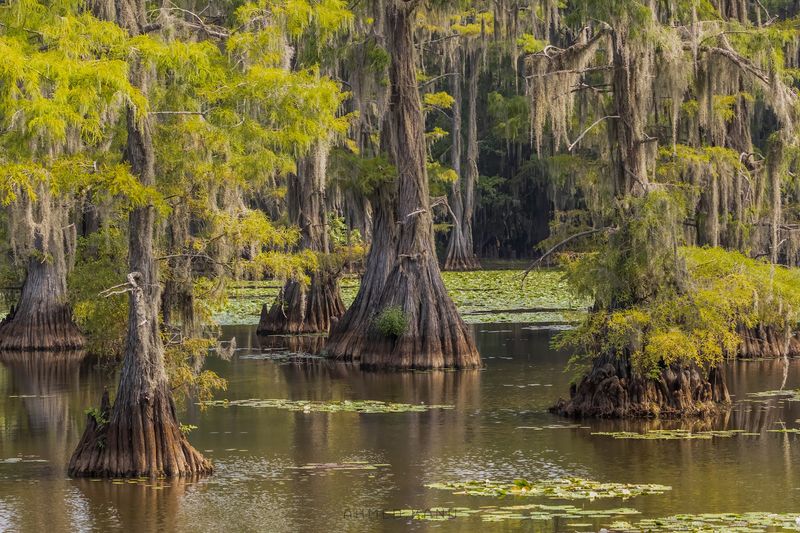
Spanish moss dripping from ancient cypress trees, water so dark it reflects the sky like obsidian, and a maze of sloughs that could hide anything. This is Texas at its most mysterious, a place that feels pulled straight from a Southern gothic novel. The only natural lake in Texas formed by a massive logjam on the Red River, creating a wetland ecosystem unlike anything else in the state.
Paddling here is less about exercise and more about exploration. The bayous twist and turn through a forest of bald cypress, their knobby knees poking up from the water like sentinels. You can rent a canoe or kayak and spend hours getting pleasantly lost among the lily pads and lotus blooms.
Wildlife is everywhere: alligators (yes, really), river otters, wood ducks, and more than 200 species of birds that make this a premier birding destination.
The park offers both camping and screened shelters, some perched right on the water’s edge. Fishing is excellent for crappie, catfish, and largemouth bass, with local anglers swearing by early morning trips when the mist still hangs low. Hiking trails wind through bottomland hardwood forest where armadillos root around in the leaf litter and turtles sun themselves on every available log.
Located in the far northeast corner of Texas near the Louisiana border, Caddo Lake feels more Deep South than Wild West. The town of Uncertain (yes, that’s its real name) sits nearby and offers boat tours if you want a guide to navigate the waterways. Fall brings cooler temperatures and the cypress trees turn a rusty orange before dropping their needles.
This park reminds you that Texas contains multitudes. It’s eerie, beautiful, and completely unique. Bring your camera, your sense of adventure, and maybe some bug spray because the mosquitoes here don’t mess around.
5. Davis Mountains State Park (Fort Davis)
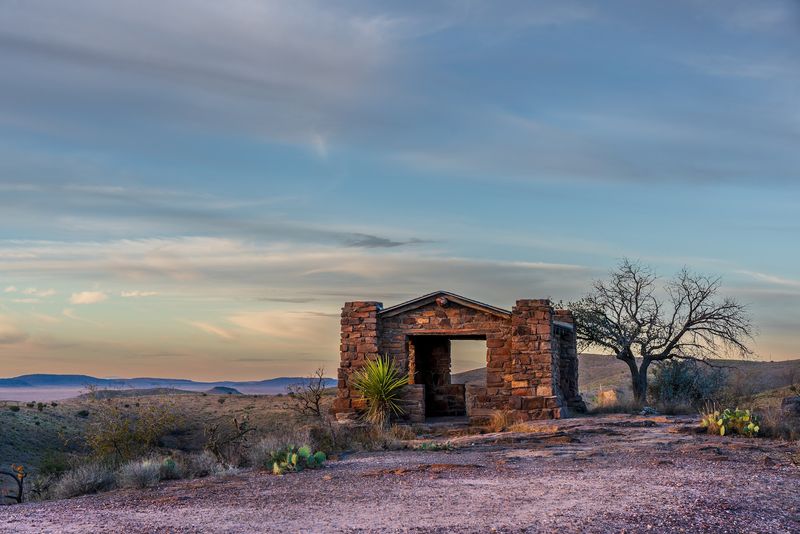
Up in the high desert where the air is thin and the stars are ridiculous, these mountains rise like islands in a sea of grassland. The elevation here tops 5,000 feet, which means cooler temperatures and plant life you won’t find anywhere else in Texas. Mule deer wander between juniper and oak, golden eagles soar overhead, and the night sky is so clear it feels like you could reach up and touch the Milky Way.
The park sits at the base of the Davis Mountains, with trails that climb into canyons and up to ridges offering views that go on forever. The Skyline Drive Trail is a moderate hike that rewards you with panoramic vistas of the surrounding peaks and valleys. Early morning is magic hour when the light turns the mountains purple and pink.
Birders flock here to spot species like the Montezuma quail and zone-tailed hawk that rarely show up elsewhere in the state.
Indian Lodge, a pueblo-style hotel built by the Civilian Conservation Corps in the 1930s, sits within the park and offers rooms with a view. Even if you’re camping, the lodge restaurant serves breakfast and dinner worth the splurge. The campground has both developed sites with water and electric and primitive spots for those who want more solitude.
Mountain biking is allowed on certain trails, and the terrain offers a mix of technical climbs and fast descents.
Located about 200 miles southeast of El Paso and 25 miles north of the town of Fort Davis, the park makes a perfect base for exploring the region. McDonald Observatory is just up the road, offering star parties that’ll blow your mind. Summer days are warm but nights cool down significantly, and winter can bring snow to the higher elevations.
This is Texas at its most alpine, a landscape that surprises everyone who thinks the state is all flat and hot.
6. Monahans Sandhills State Park (Monahans)
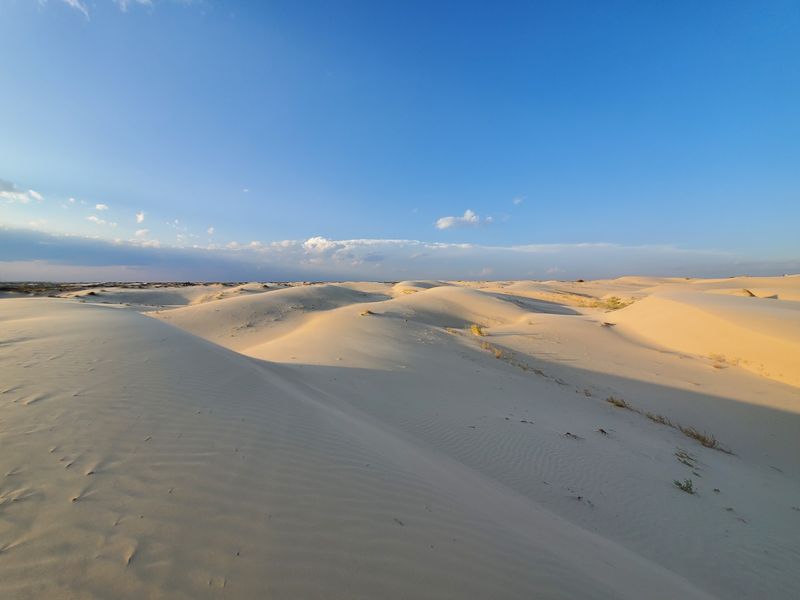
Imagine 3,840 acres of sand dunes that shift and change with every wind, creating a landscape that looks more Sahara than Southwest. The dunes here can reach 70 feet high, and they’re made of gypsum sand so fine it squeaks when you walk on it. This is one of the most surreal places in Texas, a desert within a desert where you can sandboard down slopes or just wander among the dunes watching the light change.
The park rents sandboards and sand discs, turning the dunes into a natural playground. Kids and adults alike spend hours climbing up and sliding down, laughing as they tumble into the soft sand. The workout is real, though, climbing a 70-foot dune in loose sand will have your legs burning.
But the views from the top and the thrill of the ride down make it worth every step.
Despite the harsh environment, life finds a way. Harvard shin oak grows in scattered mottes, their roots reaching deep to find water. Lizards and kangaroo rats leave delicate tracks across the sand, and roadrunners hunt among the dunes.
The Sandhills are part of a much larger dune field that stretches for miles, and you can hike out into the backcountry where the only sounds are wind and your own breathing.
Located just east of the town of Monahans in West Texas, the park is about halfway between Midland-Odessa and Pecos. Summer temperatures can be brutal, with the sand reflecting heat back at you like an oven. Spring and fall offer the best conditions, with cooler air and occasional wildflowers blooming in the valleys between dunes.
Winter brings its own stark beauty, especially after a rare snowfall dusts the white sand.
This place is pure fun mixed with genuine natural wonder. Bring plenty of water, sunscreen, and a sense of adventure. The sand gets everywhere, but that’s part of the experience.
7. Guadalupe River State Park (Spring Branch)
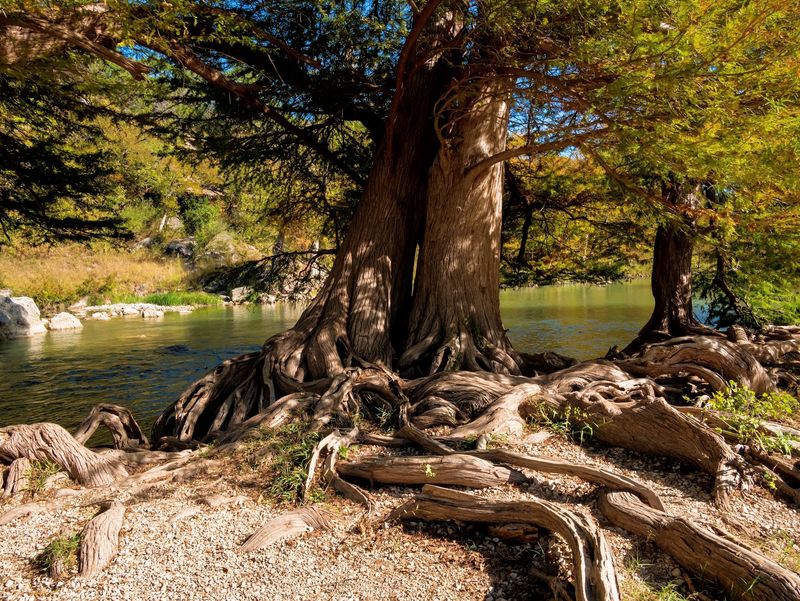
Crystal-clear water rushing over limestone ledges, towering bald cypress trees providing shade, and the sound of rapids mixing with laughter. The Guadalupe River cuts through the Hill Country here, creating one of the most popular summer destinations in Texas. But the park offers way more than just tubing, with hiking trails, mountain biking, and some of the best river scenery in the state.
Four miles of river frontage give you plenty of room to spread out, whether you’re wading in the shallows, swimming in deeper pools, or floating downstream. The water stays cool year-round thanks to springs feeding the river upstream, making it perfect for hot Texas days. Cypress trees along the banks create a canopy that filters the sunlight into golden beams, and the limestone bottom keeps the water clear enough to see fish darting between the rocks.
Hiking trails range from easy riverside walks to more challenging climbs up the bluffs overlooking the river. The park shares a boundary with Honey Creek State Natural Area, where guided tours on Saturdays take you through pristine Hill Country habitat. Birding is excellent, with golden-cheeked warblers nesting in the cedar brakes during spring and summer.
White-tailed deer are so common they barely look up when you walk by.
Located about 30 miles north of San Antonio near the town of Spring Branch, the park gets crowded on summer weekends when tubers descend en masse. Visit on weekdays or in the off-season for a more peaceful experience. The campground offers sites with water and electric as well as primitive camping for backpackers.
Fall brings cooler weather and the cypress trees turn rust-colored before dropping their needles.
This is Hill Country at its finest, with all the natural beauty and none of the commercialization that plagues other river spots. The park protects the river and the surrounding landscape, ensuring future generations can enjoy this Texas treasure.
8. Lake Mineral Wells State Park (Mineral Wells)
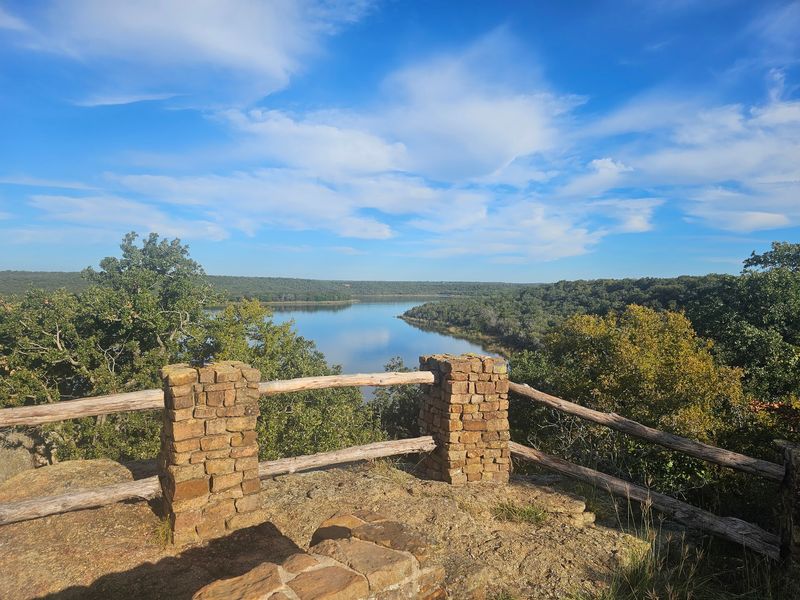
Rock climbers come from all over Texas to test their skills on the vertical limestone and sandstone cliffs that ring this 646-acre lake. The park has become a premier destination for both sport and traditional climbing, with routes ranging from beginner-friendly to expert-only. But even if you’ve never touched a carabiner, the scenery here is worth the trip, with rugged terrain that feels more Colorado than Central Texas.
The lake itself was created in the 1920s as a water supply for the nearby town, but now it serves as a playground for paddlers, swimmers, and anglers. Kayaks and canoes glide across the calm water while bass boats work the deeper channels. Swimming is allowed in designated areas, and on hot days the cool water is pure relief.
The shoreline varies from sandy beaches to rocky outcrops, giving you options depending on your mood.
More than 20 miles of hiking and mountain biking trails wind through the park, crossing rocky hills covered in juniper, oak, and mesquite. The terrain is challenging, with steep climbs and technical descents that’ll get your heart pumping. Equestrian trails offer another way to explore, and the park has facilities for horse camping.
Wildlife includes armadillos, raccoons, and the occasional bobcat, though you’re more likely to see their tracks than the animals themselves.
Located about 50 miles west of Fort Worth near the town of Mineral Wells, the park makes an easy weekend getaway from the Metroplex. The area has a quirky history involving mineral water spas and a supposedly haunted hotel downtown. Camping options include everything from tent sites to screened shelters to full hookup RV spots.
The park can get busy on weekends, especially in spring and fall when the weather is perfect.
This is North Texas’s outdoor playground, offering adventures for climbers, paddlers, hikers, and anyone who wants to escape the city without driving for hours.
9. Colorado Bend State Park (Bend)
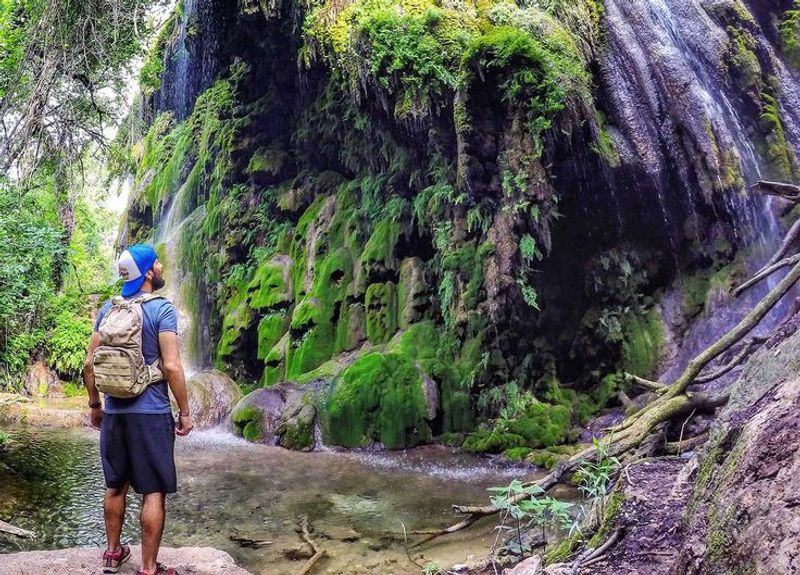
Hidden at the end of a long dirt road where cell service disappears and civilization feels like a distant memory, this park protects some of the wildest Hill Country left in Texas. Gorman Falls, a 60-foot travertine waterfall covered in emerald moss and ferns, is the crown jewel. Getting there requires a three-mile hike over rocky terrain, but the sight of water cascading down the colorful cliff face makes every step worthwhile.
The Colorado River flows through the park, creating opportunities for fishing, swimming, and paddling in a setting that feels truly remote. Smallmouth bass and catfish patrol the deeper holes, while turtles sun themselves on rocks along the shore. The river has carved numerous caves into the limestone, and guided tours take you into Gorman Cave where delicate formations and resident bats create an underground wonderland.
The cave stays closed during bat maternity season to protect the colonies.
Hiking trails crisscross the park, ranging from easy riverside walks to strenuous climbs up the bluffs. Primitive camping is the only option here, with sites scattered throughout the backcountry requiring you to pack in everything you need. The lack of development means darker skies and quieter nights than you’ll find at more popular parks.
Spring brings wildflowers that carpet the hillsides in bluebonnets, Indian paintbrush, and pink evening primrose.
Located about 30 miles south of Lampasas in the remote Hill Country, the park requires commitment to reach. The final six miles are on a rough dirt road that can become impassable after heavy rain. Check conditions before you go, and make sure your vehicle can handle the terrain.
Summer heat can be intense, but the falls and river offer cooling relief.
This is Texas wilderness at its purest, a place where nature still calls the shots and modern conveniences fade into memory.
10. Bentsen-Rio Grande Valley State Park (Mission)
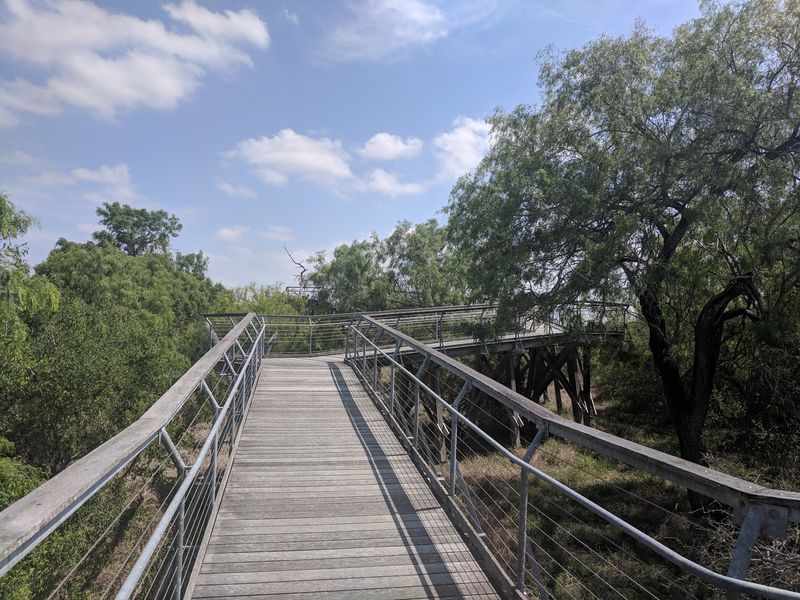
Birders treat this place like a pilgrimage site, and for good reason. Located in the Rio Grande Valley where the tropics meet the desert, the park hosts species found nowhere else in the United States. Green jays flash through the undergrowth, great kiskadees call from the treetops, and if you’re lucky, you might spot a plain chachalaca or even a green parakeet.
More than 300 bird species have been recorded here, making it one of the top birding destinations in North America.
The landscape is subtropical thorn forest, thick with mesquite, ebony, and retama creating a jungle-like canopy. Walking the trails feels like entering another world, with butterflies the size of your hand floating past and lizards scurrying through the leaf litter. The park connects to the World Birding Center network, with observation towers and blinds strategically placed for optimal wildlife viewing.
Early morning and late afternoon bring the most activity when temperatures cool and animals emerge to feed.
Paddling trails wind through resacas, the oxbow lakes left behind when the Rio Grande changed course. These quiet waterways offer a different perspective on the landscape, with turtles plopping into the water as you approach and kingfishers diving for fish. The park also features paved bike trails that loop through the forest, perfect for families or anyone who wants an easier way to explore.
Located just outside Mission in the heart of the Rio Grande Valley, the park sits only minutes from the Mexican border. The subtropical climate means mild winters perfect for snowbirds escaping northern cold, though summer heat and humidity can be oppressive. The park offers camping and screened shelters, with amenities more developed than many Texas state parks.
This is Texas at its most tropical, a landscape that defies expectations and delivers experiences you can’t find anywhere else in the state. Bring binoculars, a field guide, and patience.
11. Franklin Mountains State Park (El Paso)
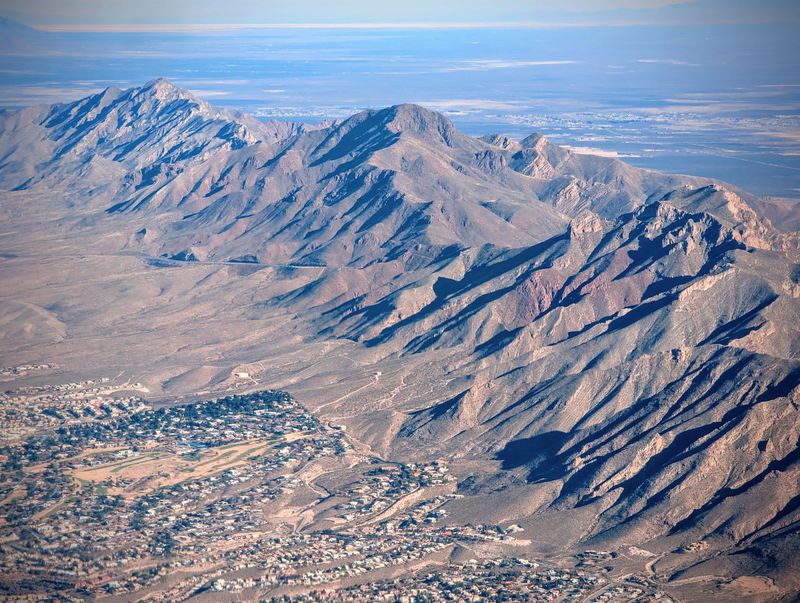
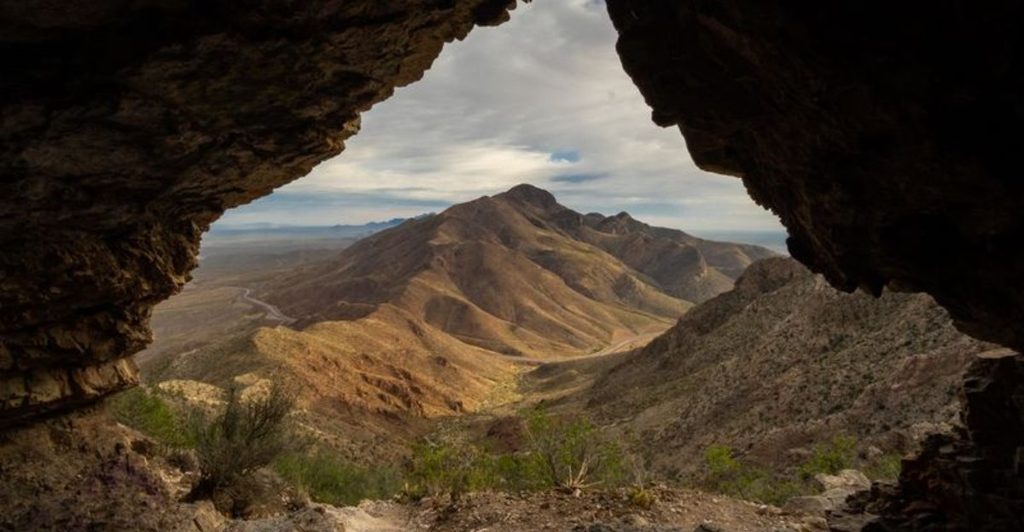
The largest urban park in the United States sprawls across 24,000 acres of pure Chihuahuan Desert mountain terrain. These peaks rise dramatically from the desert floor, creating a backdrop for El Paso that rivals any city in America. The park offers everything from easy nature walks to technical rock scrambles, all within minutes of downtown.
You can watch the sunrise from a mountain peak and be eating breakfast tacos in the city before the morning rush starts.
More than 100 miles of trails crisscross the mountains, with options for hikers, mountain bikers, and rock climbers. The North Franklin Peak trail climbs over 3,000 feet in about seven miles, rewarding those who make it with 360-degree views spanning three states and two countries. On clear days you can see into New Mexico to the north and across the border into Mexico to the south.
Desert plants like ocotillo, agave, and prickly pear cactus cover the slopes, blooming spectacularly after spring rains.
Wildlife has adapted to the harsh environment, with mule deer, jackrabbits, and roadrunners making their homes among the rocks. Golden eagles nest in the high cliffs, and if you’re hiking at dawn or dusk you might spot a mountain lion, though they generally avoid humans. The park also protects important archaeological sites with petroglyphs left by indigenous peoples thousands of years ago.
Located entirely within El Paso city limits, the park offers multiple access points from different neighborhoods. Wyler Aerial Tramway on the east side takes visitors to Ranger Peak without the hike, though the tram is operated separately from the state park. Summer temperatures regularly exceed 100 degrees, making early morning or winter visits more comfortable.
The desert landscape is unforgiving, so bring more water than you think you’ll need.
This park proves that Texas cities can have wild spaces worth protecting, offering adventure and solitude without leaving urban boundaries.
Share this story