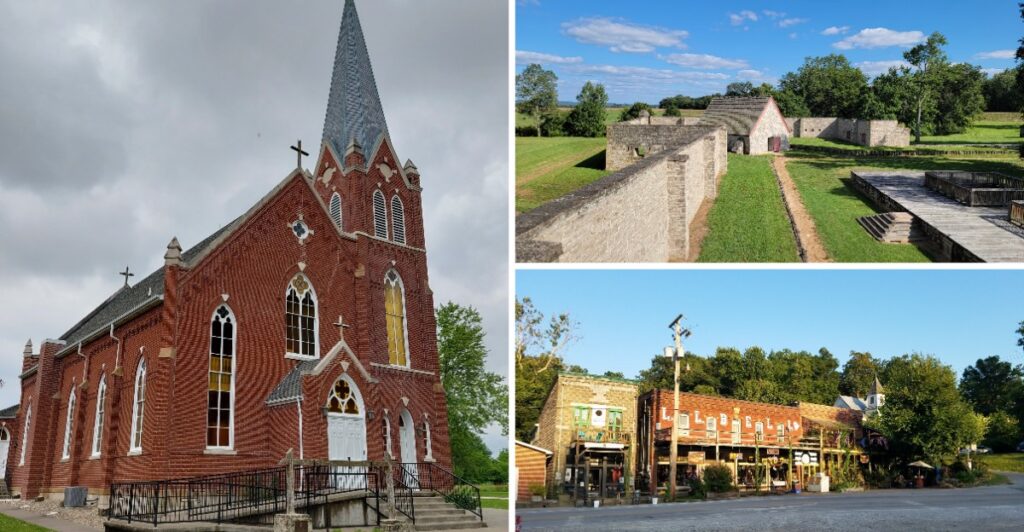
Blink at the wrong moment on an Illinois road trip and you might miss a town that deserves an entire afternoon. Some of the state’s smallest communities surprise visitors with historic streets, riverside scenery, unusual landmarks, outdoor adventures, and local stories far bigger than their populations suggest.
Their compact size is actually part of the appeal, making it easy to slow down, wander around, and notice details that busier destinations often bury. What looks like a tiny dot on the map can turn into the highlight of the drive. These 11 Illinois towns prove that memorable places do not need big-city boundaries.
1. Kaskaskia
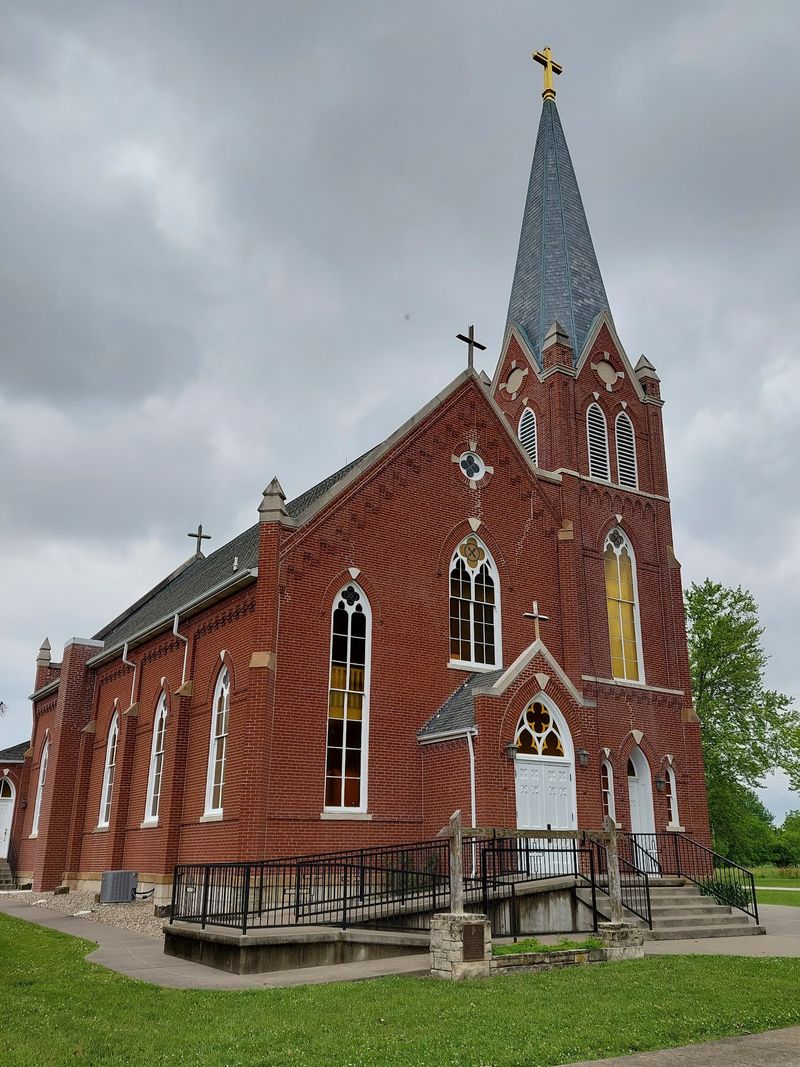
History gets very real in Kaskaskia because this tiny place once held a major role in Illinois. It served as the first state capital, yet today it stands as a quiet community that many travelers have never seen. That sharp contrast gives the town its special pull.
The setting adds another layer. Kaskaskia sits in an unusual spot shaped by the Mississippi River, and that alone makes a visit more memorable than a standard small-town stop. Roads, fields, and the broad river landscape create a sense that geography changed the story here, not just people.
Visitors do not need a packed schedule to enjoy Kaskaskia. The best approach is to slow down, read historic markers, notice surviving landmarks, and think about how important decisions once happened in a place that is now so small. A short visit can still feel rich when the focus is on context instead of crowds.
Because the community is tiny, planning ahead helps. Bring water, check local hours before going, and pair Kaskaskia with nearby historic villages for a fuller day.
That works especially well for families, road trippers, and anyone who enjoys places that teach without feeling like a classroom.
Kaskaskia leaves an impression by showing how much can change over time. One era made it central to state history, while another turned it into a nearly forgotten stop. That mix of importance, isolation, and river-shaped character gives the town a striking identity.
For travelers who enjoy overlooked corners of Illinois, Kaskaskia offers a strong reminder that size and historical weight are rarely the same thing.
2. Maeystown
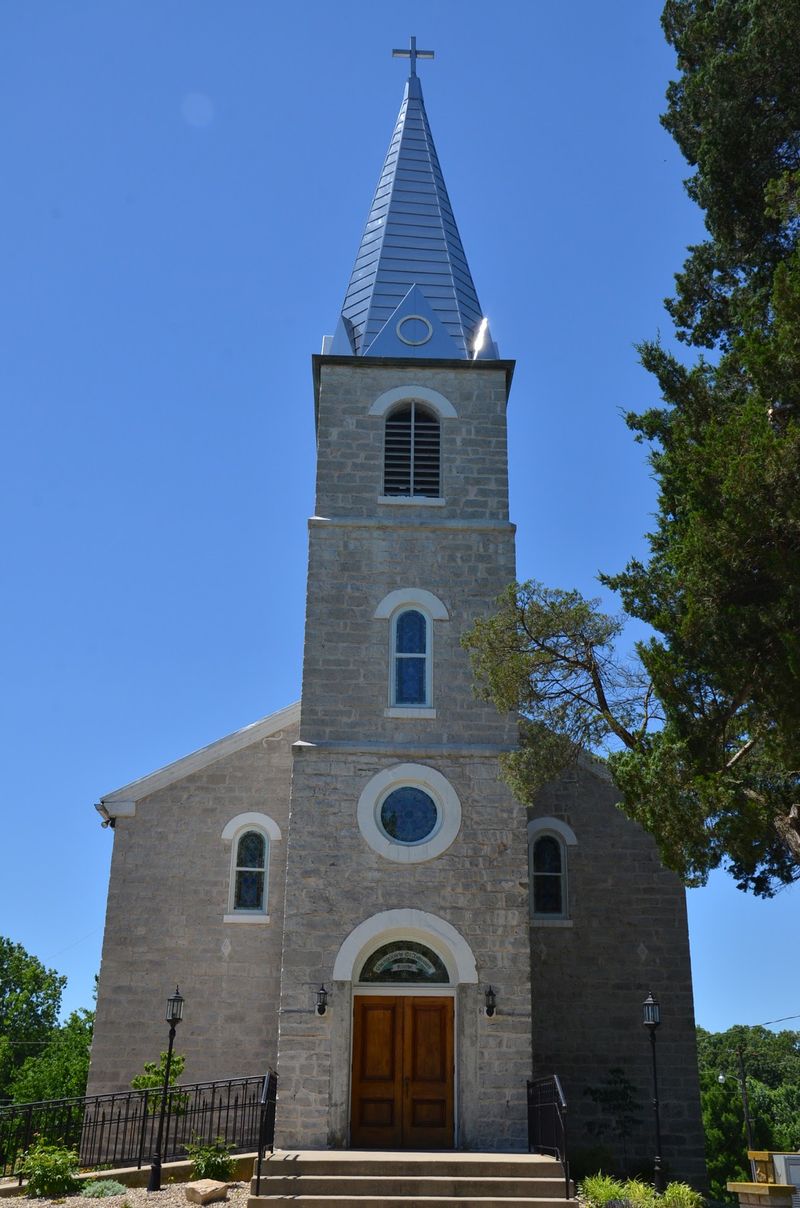
Maeystown catches attention fast because the streets and stone buildings look carefully held in place by time. Tucked in Monroe County, this very small village still shows the German-American roots of the settlers who shaped it in the 1800s. A walk here can feel more focused and vivid than a much larger historic district.
Limestone architecture is the star. Walls, bridges, and older structures give the village a sturdy, grounded look that stands apart from many other Illinois towns. Instead of flashy attractions, Maeystown relies on texture, quiet corners, and details that reward visitors who look closely.
That makes it a smart stop for travelers who like to move slowly. Stroll the streets, bring a camera, and pay attention to how the buildings relate to the landscape around them. The village works best when treated less like a checklist destination and more like a place to notice craftsmanship, settlement patterns, and local character.
Families can keep the visit simple by turning it into a short history outing. Kids often respond well to old stone structures because they are easy to picture in another era. Pairing Maeystown with nearby river communities or scenic roads can also turn a brief stop into a satisfying day trip without much stress.
Maeystown packs a surprising punch because so much of its historic setting appears remarkably intact. It offers a strong sense of place without demanding hours of planning or a full weekend. In a state better known for larger cities and open farmland, this tiny village proves that architecture and heritage can create a memorable stop all on their own.
3. Elsah
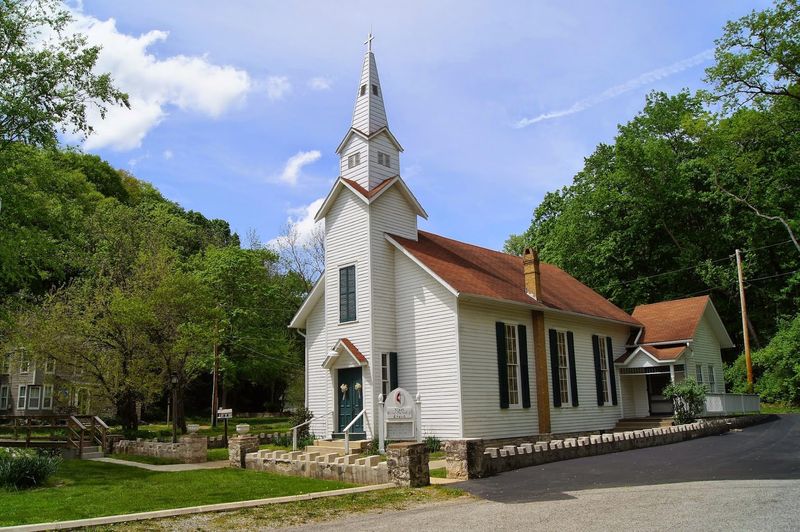
Elsah makes a quick first impression with its narrow streets and bluff-side setting. Nestled beneath the Mississippi River bluffs, the village has stone and brick buildings that give the whole place a compact, old-fashioned look. Modern life seems to soften around the edges here, which is part of the appeal.
The preserved architecture does a lot of the heavy lifting. Instead of one major attraction trying to carry the town, building after building adds to the experience.
Walking through Elsah becomes less about rushing toward a single stop and more about noticing doors, masonry, rooflines, and the way the village fits into the land.
Its small museum adds useful context for visitors who want more than scenery. Even a short visit can become richer when local exhibits explain who lived here, how the town developed, and why so much of its built environment still stands. That background helps turn a pleasant stroll into a fuller story.
Elsah works especially well for people who enjoy low-key outings. Good shoes, a charged phone for photos, and a little patience are all that is really needed. The streets invite slow wandering, and the bluffs nearby help create a setting that feels sheltered, almost tucked away from the bigger roads and busier towns nearby.
For a tiny village, Elsah offers a lot to look at in a small space. The combination of preserved buildings, museum interest, and striking natural placement gives it unusual depth.
Travelers often search for places with strong visual character and an easy pace, and Elsah answers both needs without trying too hard or stretching beyond what it already does very well.
4. Bishop Hill
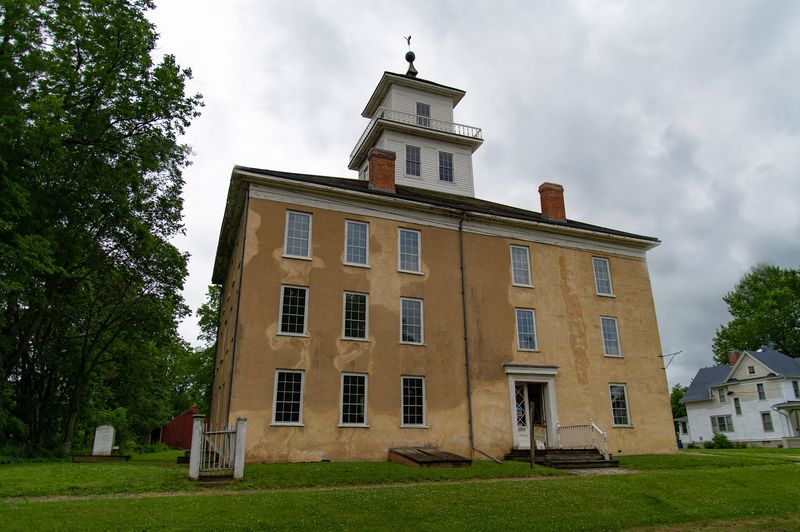
Bishop Hill has the kind of backstory that gives every block extra weight. Founded by Swedish immigrants as a religious communal settlement in 1846, the village still carries visible links to that beginning through its preserved buildings and cultural traditions. It is small on the map, but it offers the range of a much larger destination.
Museums, galleries, studios, and shops give visitors several ways to explore. One stop may focus on settlement history, while another highlights art or handmade goods. That variety keeps the village lively and makes it easy for different kinds of travelers to find a favorite corner.
Seasonal events add another reason to plan a visit carefully. A celebration can bring music, crafts, food, and history together in a way that helps the village show off more than one side of itself. Even on a quieter day, the historic structures and local businesses make the town feel active rather than frozen in place.
Practical planning goes a long way here. Check event calendars, allow enough time for a museum or two, and leave room to browse instead of hurrying through. Bishop Hill rewards curiosity, especially when visitors treat the village as both a history stop and a creative community.
The big surprise is how much ground this tiny prairie settlement covers. It tells an immigration story, preserves rare communal history, and supports present-day art and culture at the same time. That blend gives Bishop Hill unusual depth for a place of its size.
For anyone looking beyond the usual Illinois road trip stops, it delivers texture, learning, and a strong local identity in one compact package.
5. Scales Mound
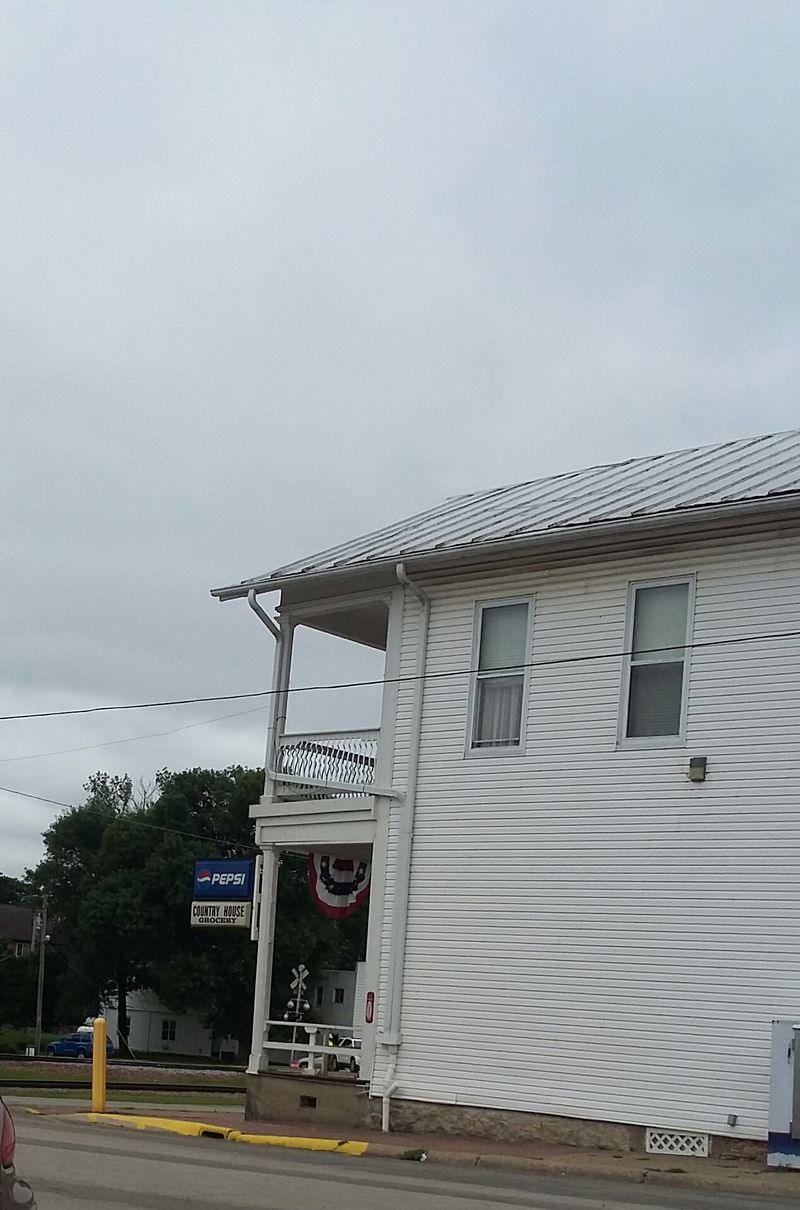
Ask people to picture Illinois, and many imagine flat land stretching for miles. Scales Mound quickly challenges that idea. Set in the rolling landscapes of the northwestern corner of the state, this small community shows off hills, curves, and views that surprise travelers expecting a typical prairie scene.
The surrounding geography is the main draw, and it earns the attention. Nearby Charles Mound is known as the highest natural point in Illinois, giving Scales Mound an outsized claim to fame. Even without climbing anything, simply driving the area reveals a side of the state that feels more rugged and varied than many first-time visitors expect.
That makes the town a good base for a scenic outing. Bring a full gas tank, plan a relaxed route, and leave time to stop safely for wide views of fields and ridges.
Photographers, cyclists, and road trippers often get the most from the area because the landscape itself provides the entertainment.
Scales Mound is not trying to overwhelm visitors with nonstop attractions. Its strength comes from how well it pairs a tiny-town setting with a broader natural story. The contrast between the community’s modest size and the region’s dramatic terrain is exactly what makes the stop memorable.
For travelers who want a different picture of Illinois, Scales Mound delivers one of the clearest examples. The town connects directly to a landscape many people do not realize exists in the state. That alone gives it a bigger presence than its population might suggest.
Add in the nearby bragging rights tied to Charles Mound, and this quiet place becomes an easy choice for anyone chasing a fresh view of Illinois.
6. Cave-In-Rock
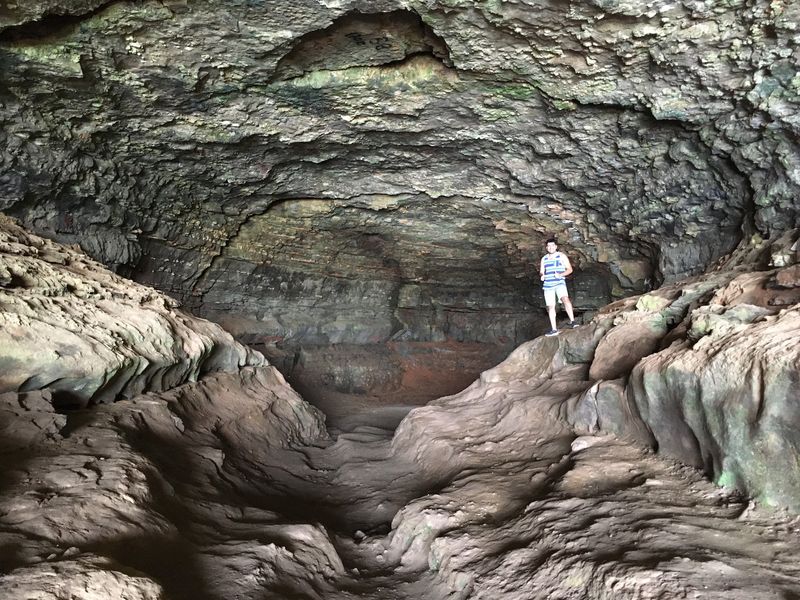
Few tiny towns in Illinois come with a name that grabs attention as fast as Cave-In-Rock. The village takes that name from the huge riverside cave protected inside Cave-In-Rock State Park, and the cave is every bit the headline attraction. One glance at the Ohio River setting explains why people make the detour.
The fun part is that the town works as more than a single photo stop. Visitors can explore the cave, take in broad river views, and then branch out into hiking, picnicking, and other outdoor activities in the surrounding area. The region encourages movement, which gives the village a more adventurous personality than its size suggests.
Then there is the ferry. Riding the free ferry across the Ohio River into Kentucky adds a practical and slightly quirky bonus to the trip. Even travelers who usually stick to simple day outings often enjoy that extra crossing because it turns a park visit into a small river journey.
A little preparation helps here. Comfortable shoes, weather awareness, snacks, and a camera all make sense, especially for families or anyone planning to spend several hours outdoors. Since natural areas can shape the day more than the village itself, it is smart to treat Cave-In-Rock as a base for exploration rather than a place to rush through.
What gives this town such a big punch is its mix of scenery and activity. The cave is dramatic, the river is broad and memorable, and the nearby outdoor options keep the experience from feeling one-note.
Add the ferry ride, and the visit gains an extra layer that few Illinois towns can match. For a small village, Cave-In-Rock delivers a notably full day.
7. Grand Tower
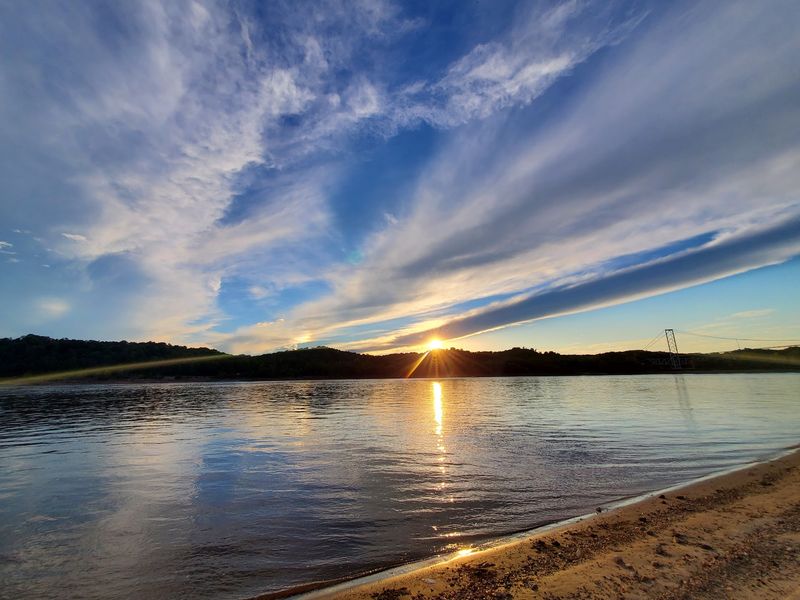
Grand Tower does not ask for much time to make an impression. Parked beside the Mississippi River, this small town pairs river-town calm with scenery that can look surprisingly bold. That combination gives it more visual energy than many quick roadside stops.
Devil’s Backbone is one reason drivers should slow down instead of continuing on. The rugged nearby feature adds a dramatic edge to the landscape, while views toward Tower Rock deepen the sense that this stretch of the river has a story bigger than the town limits. Grand Tower benefits from being part of that wider scene.
The place also carries links to river and industrial history, which adds texture for visitors who enjoy reading landscapes as much as reading signs.
Even without turning the visit into a research project, it is easy to notice that the town’s setting helped shape its identity. Water routes, work, and geography all intersect here.
Grand Tower is best approached with a flexible plan. Stop for the views, walk a bit, and allow room for simple observation rather than packing the schedule too tightly. The town rewards people who can appreciate a strong location and a few well-chosen vantage points over nonstop entertainment.
That is where its oversized appeal comes from. Grand Tower combines a tiny footprint with bluff-and-river drama that feels much larger than expected. It also offers a sense of depth through its historical connections, even if the visit stays brief.
For travelers exploring southern Illinois, this is the kind of place that proves a pause can be more satisfying than a long detour, especially when the landscape is doing so much of the talking.
8. Prairie du Rocher
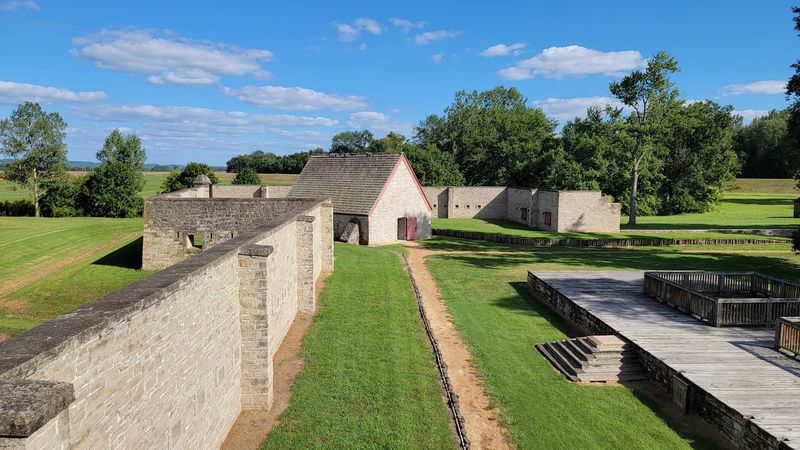
Prairie du Rocher brings a much older layer of Illinois into view. As one of the state’s oldest communities, it still reflects the French heritage that shaped this part of the region long before many later towns were founded. That early history gives the village a different flavor from more familiar Midwestern main streets.
The nearby Fort de Chartres is a major reason the town stands out. Reconstructed fortifications and living-history events can help visitors picture daily life, military presence, and colonial connections in a direct way. Instead of reading about the past from a distance, people get a stronger visual sense of how this corner of Illinois developed.
That connection between village and fort is the key to planning a good visit. Prairie du Rocher works best when travelers give attention to both the community itself and the historic site nearby. Seen together, they create a fuller experience than either would alone.
Families, students, and history-minded road trippers can all get a lot from this stop. Check event dates if possible, because demonstrations and special programs may add extra context. Even on a quiet day, the setting encourages slower observation and a broader view of Illinois history than many visitors expect to find in such a small place.
Prairie du Rocher packs a big punch by connecting a tiny present-day village to centuries of earlier stories. French influence, regional heritage, and Fort de Chartres give the area unusual weight for its modest size.
Travelers often chase large attractions and miss places like this, where the reward comes from depth rather than scale. In that sense, Prairie du Rocher offers one of the strongest history stops on this list.
9. Nauvoo
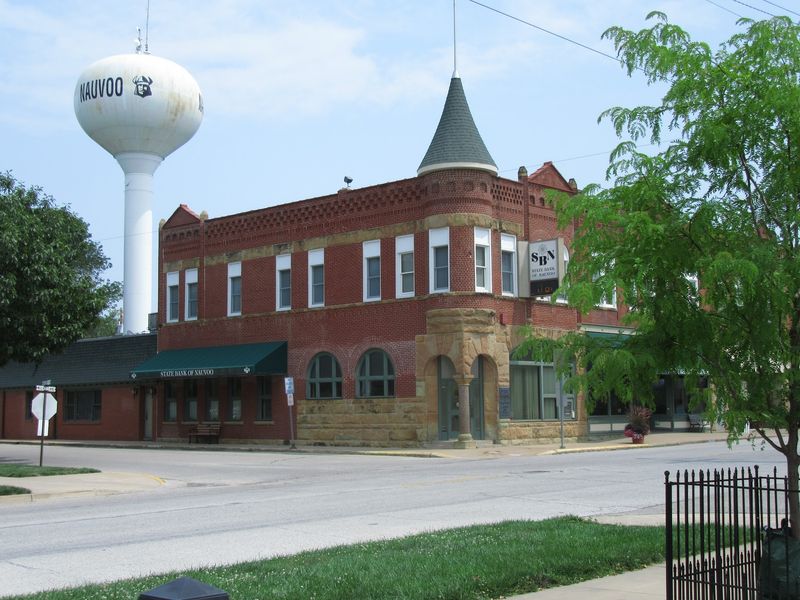
Nauvoo has a larger historical footprint than its current size suggests. Today it is a small town, yet its preserved district tells the story of a place that became deeply significant during the 19th century. That gives visitors an unusual chance to explore a community where many buildings still help explain the larger picture.
Dozens of historic structures and attractions provide plenty to see. Instead of one central landmark doing all the work, the town spreads its story across homes, streets, and interpretive stops. The result is a place where walking around can steadily build understanding rather than delivering everything in one burst.
Nauvoo is especially important for travelers interested in Latter-day Saint history. People come from around the world to learn about that connection, and the town continues to serve as a major place of remembrance and education. Even visitors without prior background can appreciate how strongly history remains visible here.
Because there is so much to explore, a little pacing matters. Comfortable shoes, a rough plan, and extra time help more than speed. Families and casual visitors may enjoy choosing a few key sites instead of trying to cover everything at once, while serious history fans can build a longer visit around the district.
What makes Nauvoo stand out is scale in the historical sense, not the population sense. The town’s present-day quiet contrasts sharply with the importance it once held, and that contrast gives every preserved building extra meaning.
For anyone looking for a tiny Illinois town with serious depth, Nauvoo offers one of the richest experiences in the state, combining walkable history, strong identity, and a story that still reaches far beyond local borders.
10. Grafton
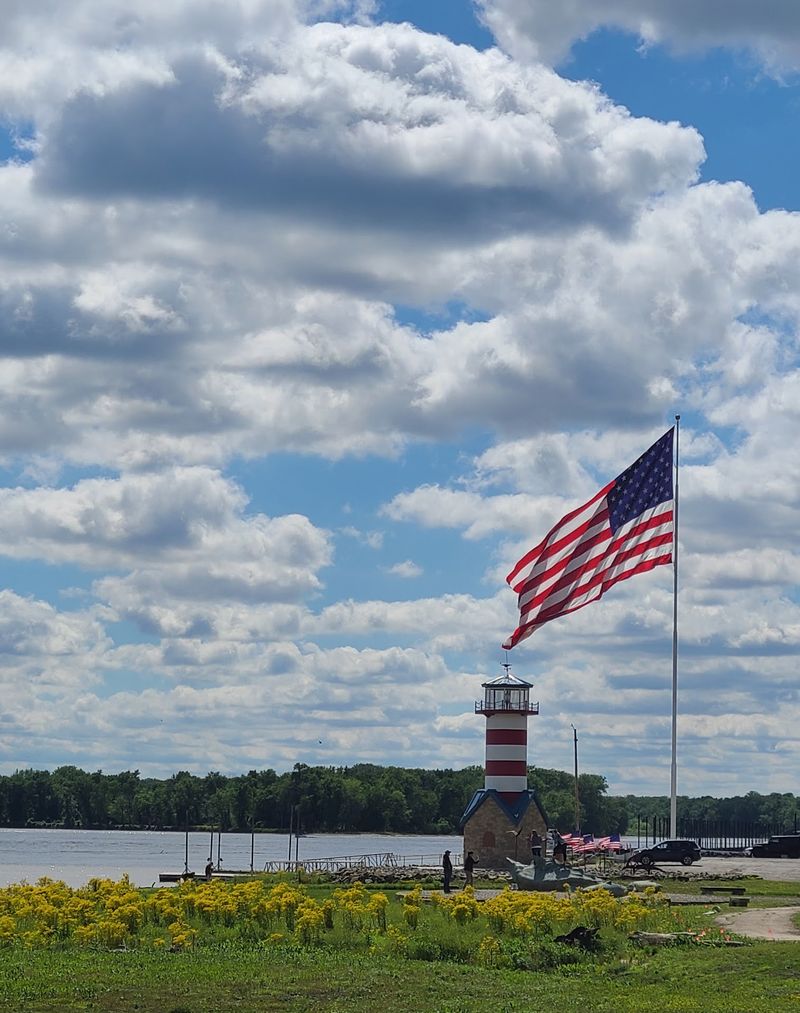
Grafton knows how to use its location. Set near the meeting of the Illinois and Mississippi rivers, this small town serves up broad water views, limestone bluffs, and a riverfront that feels active without losing its local scale. It is one of the easiest places on this list to turn into a full day out.
The town itself offers plenty to work with. Restaurants line the river area, scenic stretches invite slow walks, and the combination of water and bluffs gives nearly every stop some visual payoff. Even people who normally skip small towns may find Grafton more dynamic than expected because there is movement all around it.
Nearby Pere Marquette State Park pushes the experience even further. Hiking trails, scenic overlooks, and the chance to trade the riverfront for wooded elevation make the area especially appealing for mixed-interest groups. One person can focus on lunch and views while another chases trails and lookout points.
That flexibility is one of Grafton’s biggest strengths. Visitors can keep the day relaxed with food and sightseeing or add more structure with a park visit and planned stops. Checking weather ahead of time helps, since clear conditions make the bluffs and river confluence even more impressive.
Grafton packs a surprisingly big punch because it blends natural scenery with an easy social energy. The river setting is broad and memorable, yet the town remains approachable and simple to enjoy. Add the nearby state park, and the destination grows beyond a single street or short meal stop.
For travelers looking for a little town with real variety, Grafton makes a strong case without needing much effort from the visitor.
11. Makanda
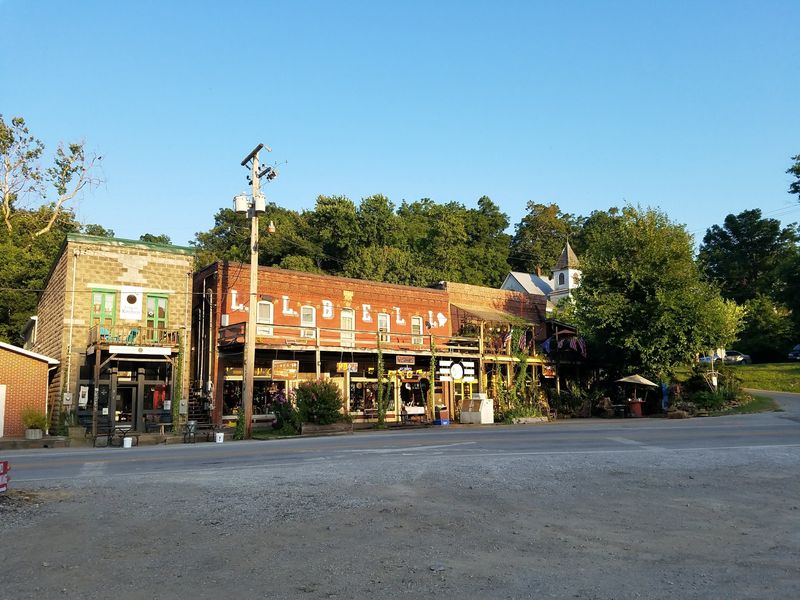
Makanda wastes no time showing personality. The historic boardwalk gives the tiny village a distinct look, and the local arts scene adds color, texture, and plenty to browse in a short stretch. For such a small place, it offers an experience that feels focused rather than thin.
The real advantage, though, is how closely Makanda connects to bigger outdoor adventure. Giant City State Park sits just minutes away with massive sandstone formations, hiking trails, camping areas, horseback riding, climbing opportunities, and the well-known Giant City Lodge. That pairing gives visitors two good reasons to come instead of one.
The town works nicely as either a starting point or a relaxing break between outdoor activities. Spend part of the day on the trails, then return for a slower pace among shops and local creative spaces. That shift in rhythm helps Makanda stand out from places that offer only scenery or only browsing.
Planning can be simple here. Dress for the park if hiking is part of the day, and save a little unhurried time for the boardwalk area. Families, couples, and solo travelers can all shape the visit differently because the town and park support more than one style of trip.
Makanda punches far above its size by balancing art, history, and rugged nearby landscapes in one compact area. The boardwalk gives the village a memorable center, while Giant City provides the kind of outdoor scale that can anchor an entire weekend. That mix is hard to beat in southern Illinois.
For travelers who want a town with both character and access to major natural scenery, Makanda lands near the top of the list.