A great Colorado steak dinner does not always come with white tablecloths or a fancy dining room. Sometimes it is waiting inside an old saloon, a small-town grill, or a mountain restaurant that looks remarkably modest from the road.
These low-key spots put the attention where hungry travelers want it: on thick cuts of beef, satisfying sides, and the kind of meal that makes a detour feel completely justified. The relaxed surroundings only add to the appeal, especially after a long day behind the wheel. These 11 unassuming Colorado restaurants prove an impressive steak can hide behind a surprisingly simple exterior.
1. The Flame Steakhouse (Fort Morgan)
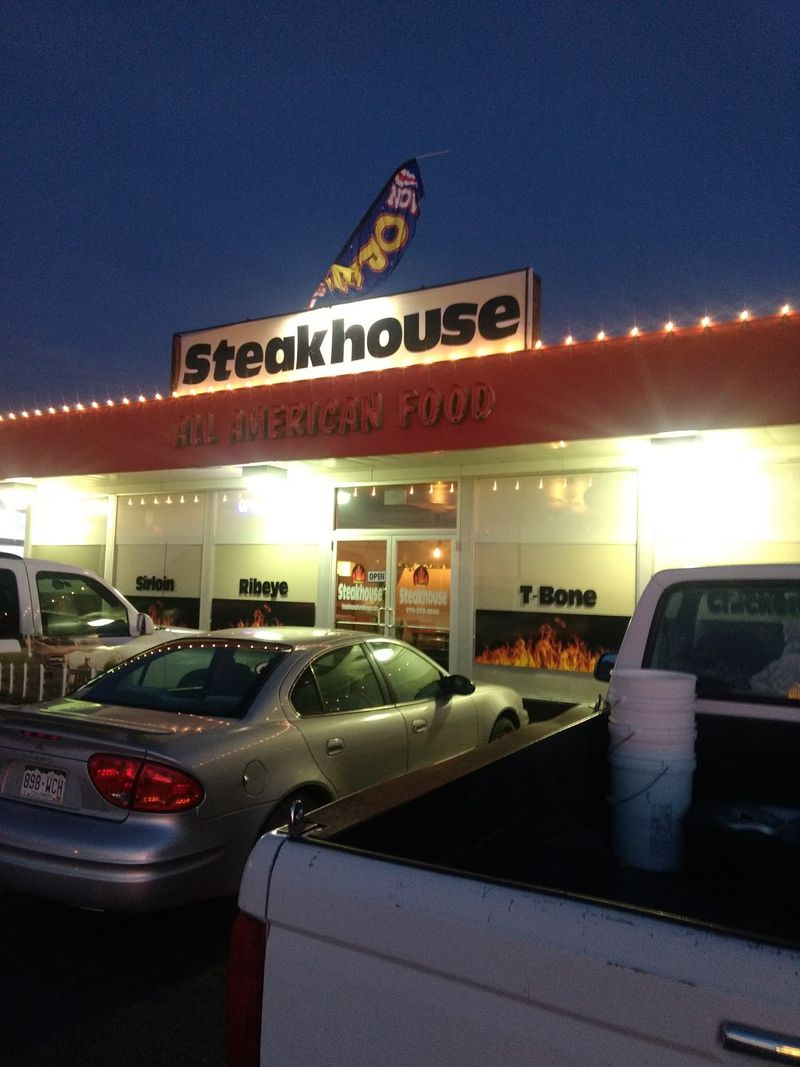
Out on the eastern plains, Interstate 76 stretches past cattle country for miles, and hunger has a way of sneaking up on drivers. Fort Morgan offers a smart answer. The Flame Steakhouse sits in town with no big-city polish and no need for it.
Steaks here get hand-trimmed, which matters more than most people realize. Trimming by hand lets the kitchen control fat and shape, so each cut cooks evenly over the grill. The lineup sticks to the classics: ribeye, T-bone, sirloin, and a buffalo steak for anyone wanting a leaner, slightly sweeter bite.
Buffalo is a fun pick on the plains, since these animals once roamed this exact region in enormous herds. The meat has less fat than beef, so ordering it medium-rare or medium helps keep it juicy. Cook it too long and it can turn tough fast.
Dinners arrive with the old-school supporting cast. A crisp wedge salad starts things off, a baked potato waits on the side, and warm bread shows up before anyone has to ask twice. No foams, no fancy towers of vegetables, just a plate built to fill up a hungry traveler.
Road-trippers heading between Denver and Nebraska can plan around this stop instead of settling for a drive-through bag. Timing helps. Aim for an early dinner so there is still daylight left for the rest of the drive, and bring a cooler if leftovers seem likely, because ribeye makes an excellent next-day sandwich.
Ordering tip: the T-bone gives two steaks in one, with tender filet on one side of the bone and beefy strip on the other. Sharing with a travel buddy works well if appetites run small. Save a little room, though, since that bread basket tends to disappear quickly.
2. Bruce’s Bar and Restaurant (Severance)
Let’s clear up one thing right away: Rocky Mountain oysters do not come from the ocean. They are bull testicles, sliced, breaded, and fried, and Bruce’s Bar and Restaurant in Severance is famous for serving them. Plenty of first-timers order a plate on a dare and leave surprised by how much they liked it.
Steak fans have their own reason to point the car toward this small northern Colorado town. The menu leans hard into meat, with hearty portions built for people who worked up an appetite. Nobody comes here for tiny plates.
Bruce’s has been around a long time, and it shows in the best possible way. The rustic room skips decorator trends in favor of a comfortable, lived-in look. Boots, work jackets, and ball caps fit right in, and so do families on a Saturday outing.
A smart strategy for a group is simple. Order one basket of oysters for the table so everyone can try a piece, then let each person pick their own steak. That way the curious get their bragging rights, and the cautious still get a solid dinner.
Severance is an easy detour for anyone driving around Greeley, Windsor, or Fort Collins. Country roads lead in past fields and farms, which makes the ride part of the fun. Check hours before heading out, since small-town restaurants often keep schedules that differ from chain spots.
Fun fact: Severance has leaned into its oyster reputation for years, and many locals treat a visit to Bruce’s as a rite of passage for newcomers. Snap a photo before the first bite. Friends back home will want proof.
Pair the meal with a cold drink from the bar and take your time. Rushing a steak dinner in a place this relaxed would miss the point entirely.
3. Manning’s Steaks & Spirits (Littleton)
Not every great steak requires parking garages, valet stands, and downtown traffic. Manning’s Steaks & Spirits proves the point from an easy-to-miss spot in Littleton. Blink while driving by and you might sail right past it.
For folks living in the south Denver suburbs, that convenience is a big deal. Skipping the drive into the city saves time, gas, and the headache of hunting for parking. Dinner can start sooner, and the ride home stays short.
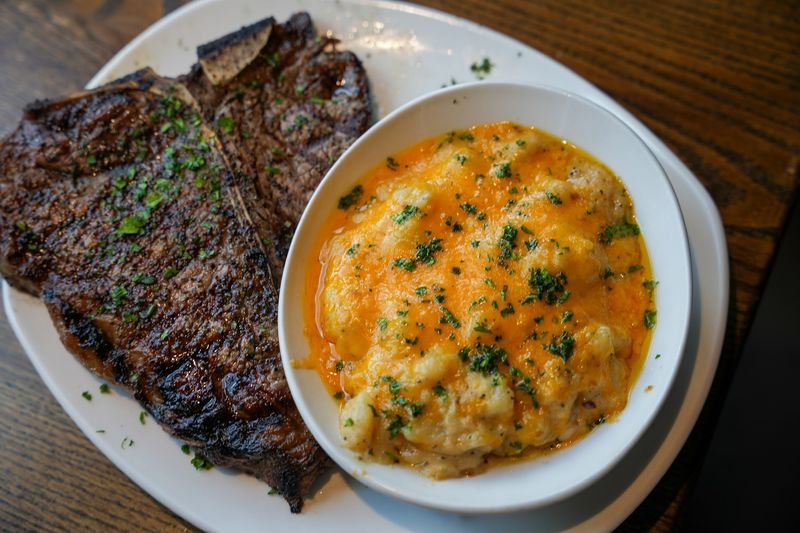
Manning’s keeps its focus clear: steak comes first. The neighborhood setting is comfortable rather than fancy, which suits weeknight dinners just as well as birthdays or anniversaries. Regular diners tend to find a favorite booth and a favorite cut, then stick with both.
New to ordering steak at a sit-down restaurant? Temperature is the main decision. Rare has a cool red center, medium-rare is warm and red-pink, medium is mostly pink, and well-done has no pink at all.
Many steakhouse cooks recommend medium-rare for fattier cuts, since that level of heat softens the marbling and brings out flavor. Leaner cuts can dry out if cooked too long. Servers are usually happy to suggest a temperature if you are unsure.
Littleton itself has plenty going on, including a charming historic Main Street area and easy access to trails along the South Platte River. Pairing an afternoon walk with an evening steak makes a satisfying local outing. Visitors staying in south metro hotels will appreciate having a strong option nearby.
Because suburban restaurants often draw steady local crowds, reservations are smart on Friday and Saturday nights. Check the current menu online before going, since offerings can change. A little planning keeps the evening smooth from start to finish.
Leftovers deserve a plan too. Reheat sliced steak gently in a skillet over low heat instead of the microwave, which can make it rubbery.
4. Boss Hogg’s Saloon & Restaurant (La Junta)
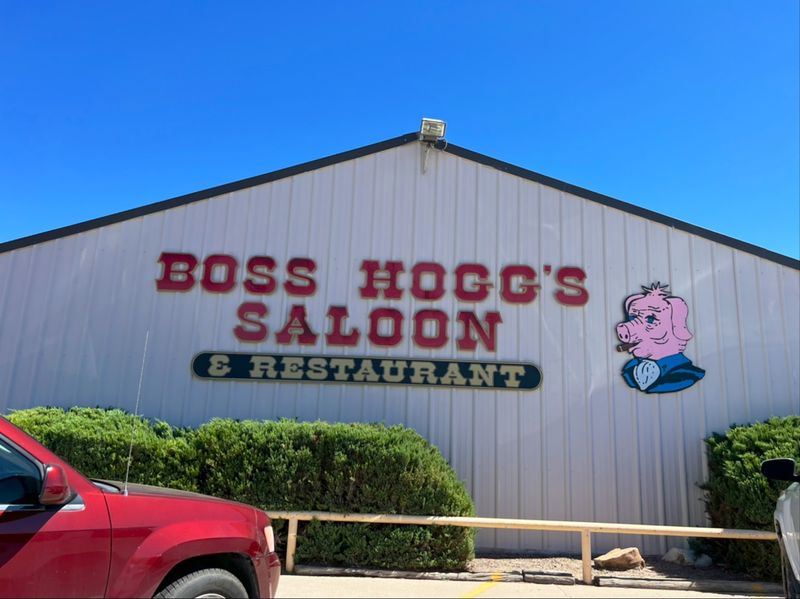
La Junta does not get many headlines, and that is part of its charm. Out on the southeastern plains, along the old Santa Fe Trail route, this small city serves as a crossroads for ranchers, travelers, and history buffs. Boss Hogg’s Saloon & Restaurant feeds all of them.
Walk through the door and the Western saloon style is obvious right away. The vibe stays loose and easygoing, the kind of place where nobody minds if dinner stretches out over a long conversation. Yet the steak menu takes its job seriously.
Ribeyes and filet mignon headline the list, giving diners a choice between bold and tender. Steak-and-seafood combinations add another option for anyone who cannot decide between land and sea. Surf and turf on the plains, hundreds of miles from any ocean, has a certain playful charm.
Ordering a combo? Ask how the seafood is prepared, since different styles pair differently with beef. A lighter seafood choice balances a rich ribeye, while a leaner filet can handle something heartier on the side.
History lovers have extra reasons to linger in town. Bent’s Old Fort National Historic Site, a reconstructed 1840s adobe trading post, sits a short drive away. A morning at the fort followed by a steak dinner makes for a well-rounded day of Old West exploring.
Road-trippers crossing between Kansas and southern Colorado pass through this region, often on U.S. Highway 50. Long stretches of open road can wear anyone down. A sit-down meal with real plates and silverware beats gas station snacks every time.
Consider calling ahead on weekends, especially if traveling with a larger group. Small-town favorites can fill up quickly when locals head out for date night. Arrive hungry, because a saloon steak dinner is not a light snack.
5. Riviera Supper Club and Scratch Kitchen (Glenwood Springs)
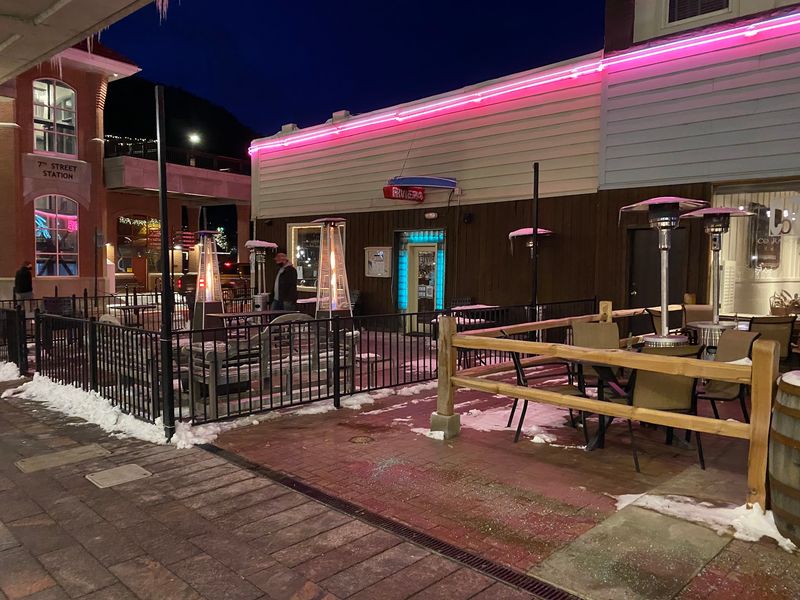
Supper clubs were a big deal in mid-century America, when a night out meant dinner, drinks, and maybe some entertainment all under one roof. The Riviera Supper Club and Scratch Kitchen brings that spirit to downtown Glenwood Springs. Expect energy, conversation, and a room that buzzes.
Scratch cooking is the other half of the name, and it matters. Cooking from scratch means the kitchen prepares dishes from raw ingredients rather than opening packaged shortcuts. Sauces, sides, and specials get real attention as a result.
The menu changes with the seasons, so a summer visit might look quite different from a winter one. Seasonal cooking lets chefs use ingredients at their peak, like fresh vegetables in summer or heartier flavors when snow falls. Steak lovers should check the current menu, since preparations can rotate.
Glenwood Springs gives visitors plenty to do before dinner. Soak in the famous hot springs pools, hike the steep trail up to Hanging Lake with a permit, or ride the gondola at Glenwood Caverns Adventure Park. Any of those builds a serious appetite.
Supper club dining encourages you to slow down. Start with a drink or appetizer, then move on to the main course without watching the clock. Leaving room for dessert is a very supper club thing to do.
Downtown parking can get tight on busy evenings, especially in summer, so plan a few extra minutes to find a spot. Walking from a nearby hotel is often easier. Reservations help too, since lively restaurants tend to fill up fast.
Here is a fun bit of trivia for the table: Glenwood Springs is the resting place of Doc Holliday, the famous Old West gunfighter and dentist. His memorial sits in Linwood Cemetery above town. Hiking up there makes a quirky pre-dinner outing for history fans.
6. Minturn Country Club (Minturn)
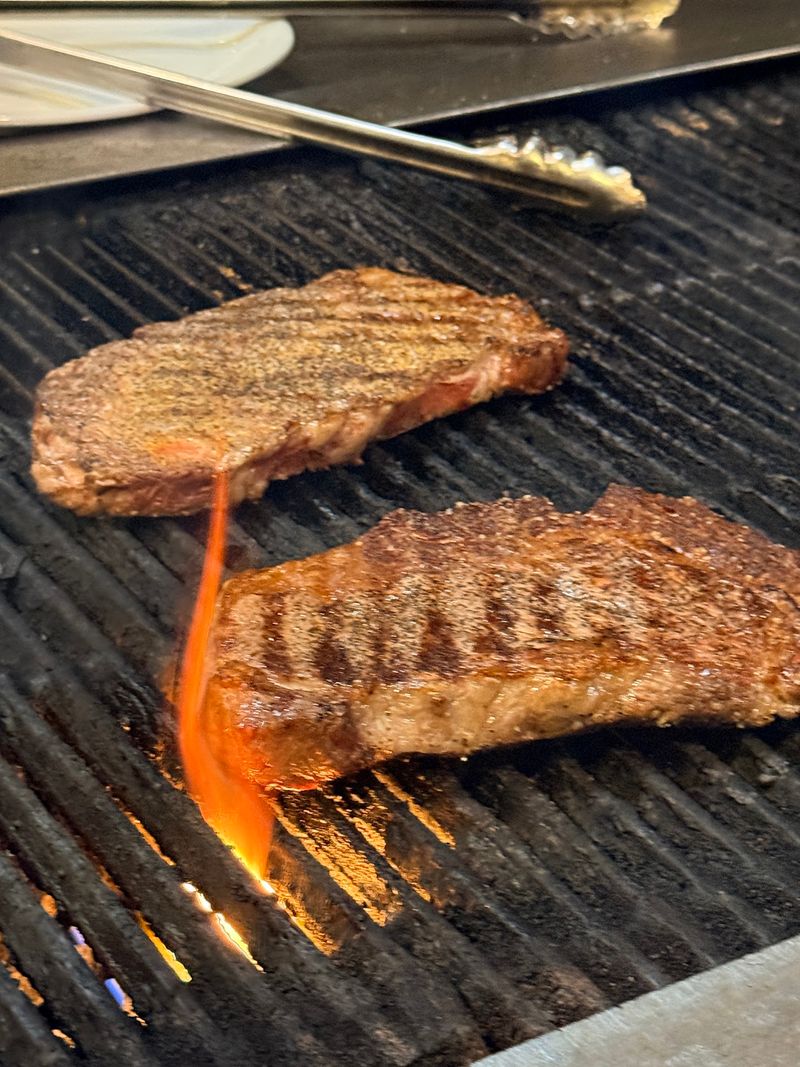
No tee times, no golf carts, and no collared-shirt dress code. Minturn Country Club borrows a fancy-sounding name and then flips it on its head, because the only club in sight is the tongs you will be holding at the grill.
Here is how dinner works. Guests pick a raw steak from the case, such as a New York strip, filet mignon, or ribeye, and then carry it over to big lava-rock grills to cook it themselves. Diners handle the sizzle.
Grilling in a crowd is half the fun. Strangers swap tips, kids watch the flames jump, and someone always asks the person next to them how long to leave a filet on. Conversations start easily when everybody shares the same fire.
A few pointers help first-timers look like pros. Let the grill give the steak a good sear before flipping, and resist poking it with a fork, since that lets juices escape. Press the center with the tongs: soft means rare, springy means medium, and firm means well-done.
Thicker cuts like filet mignon need more patience, so move them to a slightly cooler spot on the grill after searing. Ribeye has more fat, which can cause flare-ups, so keep a little space around it. A New York strip lands right in the middle, making it a friendly choice for beginners.
Minturn itself is a small, old railroad town just off Interstate 70, a short hop from Vail. Its funky, low-key personality makes a nice break from the polished resort scene nearby. After a day of skiing or hiking, standing around a warm grill hits the spot.
Expect a wait on busy nights, especially during ski season. Grab a drink and plan your cooking strategy, since a perfect steak means you get all the credit.
7. The Winery Restaurant (Grand Junction)
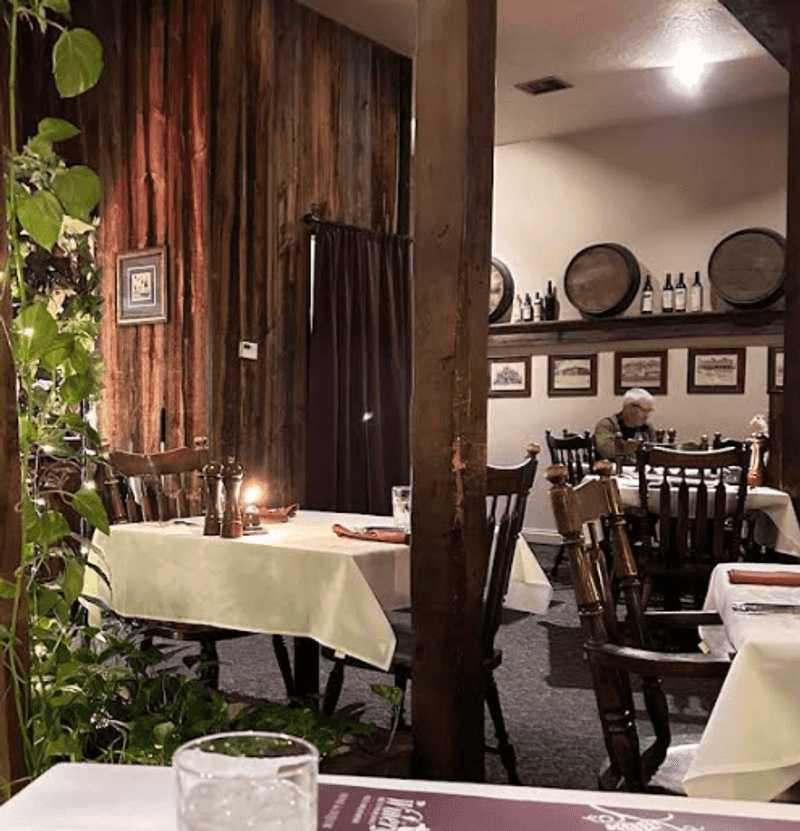
Old brick, warm lighting, and a quiet hum of conversation set the stage at The Winery Restaurant in downtown Grand Junction. The historic building gives the dining room character that no modern strip mall could copy. Date nights practically plan themselves here.
The Winery walks a careful line. Dinner comes across as a treat without turning into a show. Nobody sets steaks on fire tableside or piles plates with gold flakes, and that restraint is part of the appeal.
The intimate setting encourages lingering. Tables invite slow conversation, making it a strong pick for anniversaries, reunions with old friends, or simply celebrating the end of a long road-trip day. Plan on more than a quick bite.
Location adds bonus points. Grand Junction sits in the heart of Colorado wine country, with vineyards spread across the nearby Grand Valley and the town of Palisade just up the road. Afternoons tasting local wines lead naturally into a steak dinner downtown.
For adults pairing wine with steak, a simple rule helps. Bolder red wines tend to match fattier cuts like ribeye, while lighter reds can suit leaner steaks. Palisade is also famous for its peaches, so summer visitors might want to grab a bag at a fruit stand on the way into town.
Downtown Grand Junction is walkable, with shops, galleries, and outdoor sculptures lining Main Street. A stroll before dinner builds an appetite, and a stroll after helps settle it. Colorado National Monument, with its towering red rock canyons, sits just outside town for daytime adventures.
Reservations are a smart move, especially on weekends and during harvest season in late summer and fall. Arriving a few minutes early leaves time to admire the old building’s details. Look up, look around, and enjoy the craftsmanship before the steak arrives.
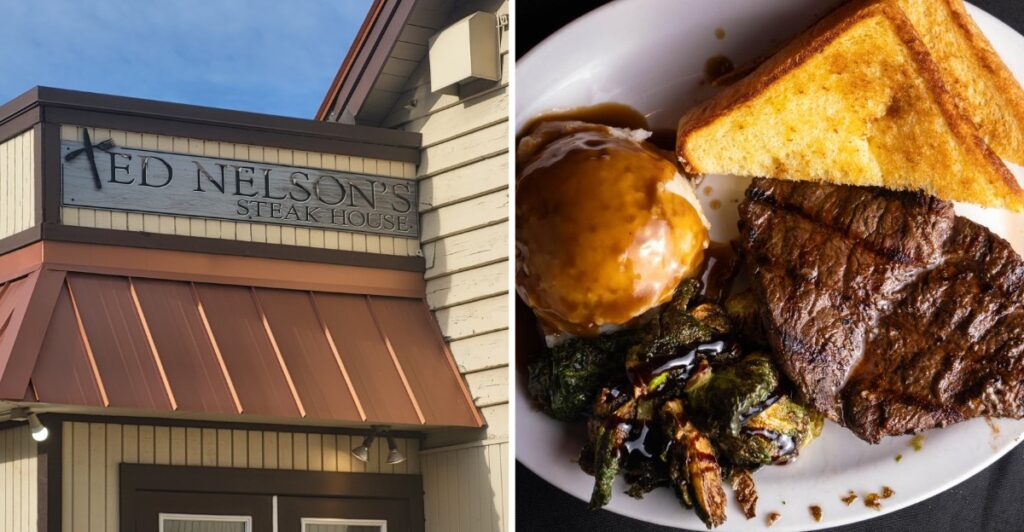
8. Ted Nelson’s Steakhouse (Montrose)
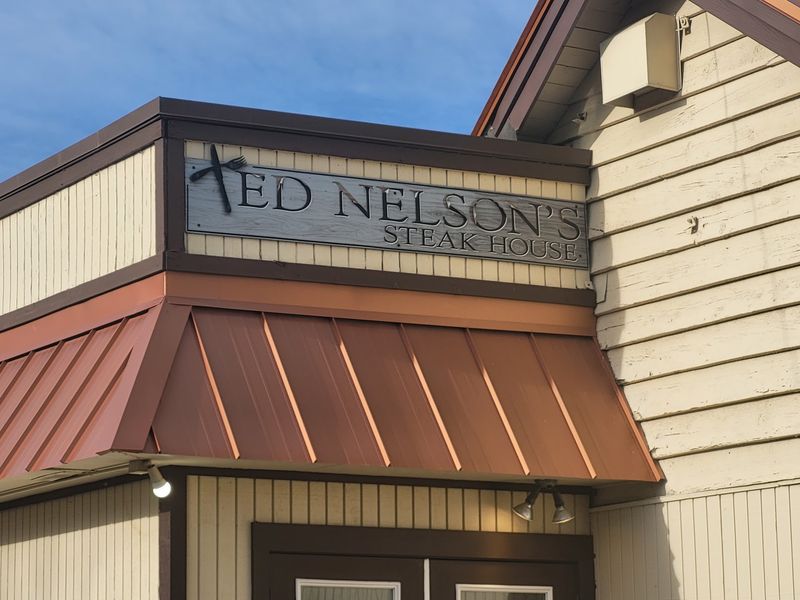
Picture a long day on the Western Slope: a morning peering over the edge of the Black Canyon of the Gunnison, an afternoon on back roads, and a growling stomach by sunset. Montrose sits right in the middle of all that, and Ted Nelson’s Steakhouse is where plenty of those days end.
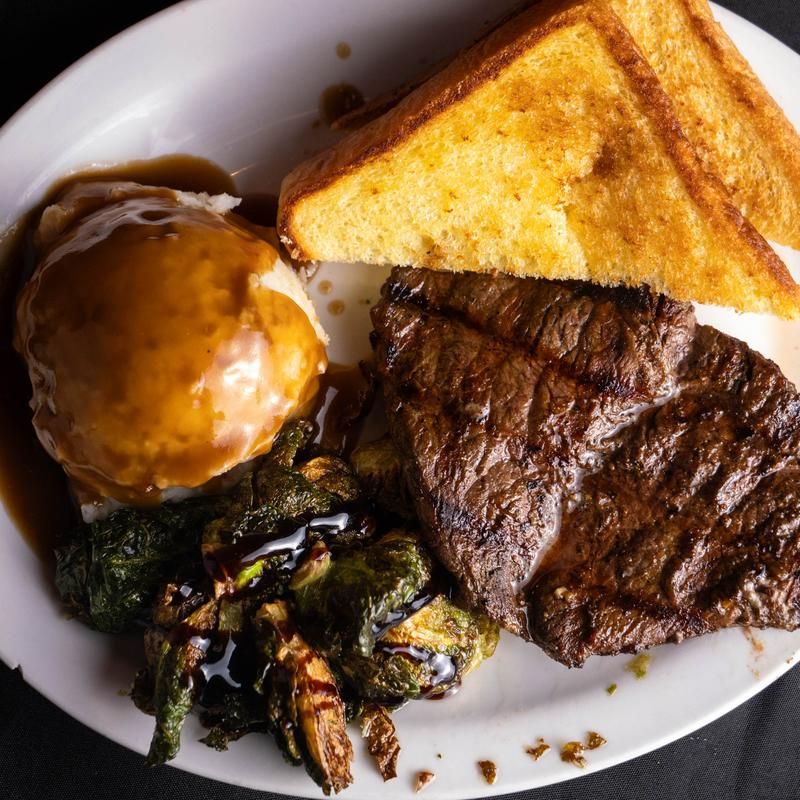
The name has an old-school ring to it, and the restaurant lives up to it. Hand-cut steaks and prime rib run the show, served without white-glove fuss or stiff service.
Choosing a cut can be the hardest part. Ribeye brings rich marbling and big flavor, filet offers buttery tenderness with a milder taste, and New York strip lands between the two with a satisfying chew. Prime rib is a different animal altogether, slow-roasted and sliced thick.
Hand-cutting matters for a simple reason. When a butcher cuts steaks in-house, the kitchen can control the thickness, which helps each one cook evenly and hit the requested temperature. A thicker steak also stays juicier because it has more time to build a crust before the center overcooks.
Families traveling with kids can relax here, since the setting stays comfortable rather than formal. Teens can tackle a big ribeye while younger eaters split something smaller. Asking the server about portion sizes before ordering can save a pile of leftovers, or at least prepare you for a to-go box.
Montrose makes a handy base camp for exploring the region, with Ouray, Telluride, and the Black Canyon all within reach. Booking dinner ahead during summer is a smart move, when travelers fill the town.
One more tip: prime rib is often a limited item at steakhouses, cooked in batches and sometimes sold out late in the evening. Arriving on the earlier side improves the odds of snagging a slice.
9. Montezuma Roadhouse (Keystone)
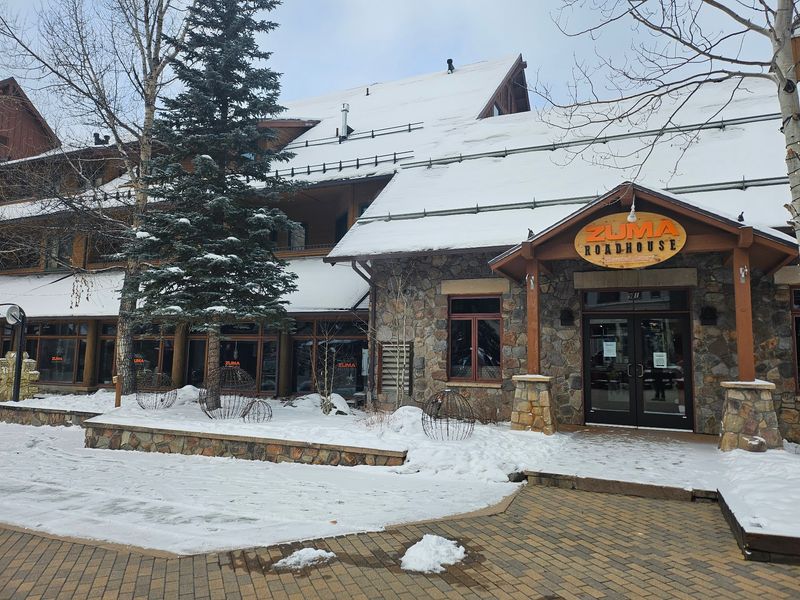
Ski boots off, feet thawing, cheeks still pink from the wind. That is the ideal condition to arrive at Montezuma Roadhouse in Keystone’s River Run Village. Hungry skiers, hikers, and mountain travelers all find their way here.
River Run sits at the base of Keystone Resort, surrounded by shops, walkways, and gondola access. Having a relaxed sit-down restaurant right in the middle of it all is a gift after a big day on the slopes or trails. No long drive, no dressing up, no stress.
The menu mixes burgers, seafood, and American comfort food, and steak frites has made appearances too. Steak frites is a French bistro classic, simply a grilled steak served with a pile of crispy fries. Think of it as steak and potatoes wearing a beret.
Menus at mountain restaurants can shift with the seasons, so check what is available before setting your heart on one dish. Other hearty options should still fill the tank if steak frites is missing. Mixed groups work well here, since the picky eater can grab a burger while the steak fan goes for beef and fries.
A quick altitude reminder helps too. Keystone sits well above 9,000 feet, and at high elevation, drinking plenty of water matters more than usual. Alcohol can also hit harder up here, so pace any apres drinks accordingly.
Winter brings crowds, especially on weekends and holidays, so eating a bit early or a bit late can help avoid peak waits. Summer is calmer and still lively, with mountain biking, hiking, and village events drawing visitors. Either season works for a good plate of steak.
Parking and village access details can change between seasons, so look up current info before heading over. Then settle in, order, and let tired legs recover while the kitchen does the work.
10. Buckhorn Exchange (Denver)
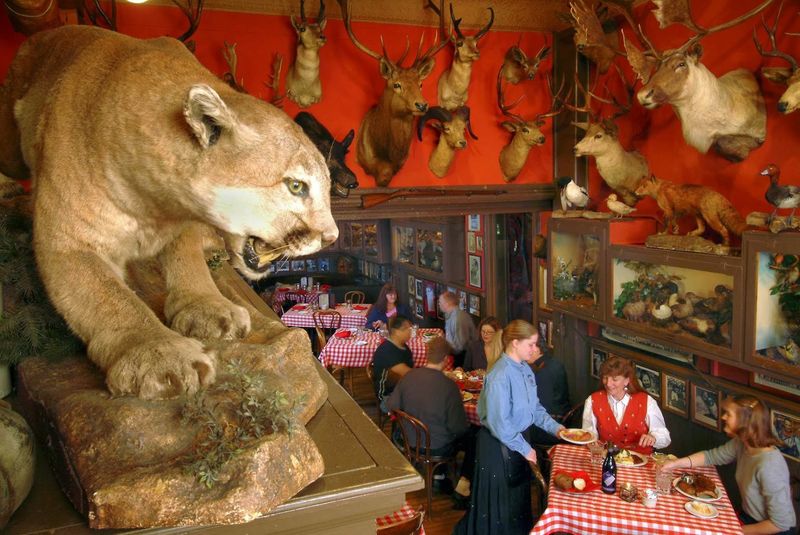
Opened in 1893, the Buckhorn Exchange has been serving Denver since before the city had cars on its streets. That is a lot of steak dinners. Somehow the place still flies a bit under the radar compared to the trendy spots downtown.
Step inside and the walls do most of the talking. Old West memorabilia covers nearly every surface, including mounted game animals, historic photos, and artifacts that turn dinner into a museum visit. Kids and adults alike end up craning their necks to take it all in.
The menu matches the setting. USDA Prime beef, the top grade the U.S. Department of Agriculture gives, shares space with buffalo and other game meats. Only a small slice of American beef earns the Prime label, thanks to its abundant marbling.
Steak lovers can go classic with a T-bone or beef tenderloin. Anyone curious about Western flavors should consider the buffalo tenderloin, which is lean, tender, and richer tasting than many expect. Game meats cook quickly because they carry less fat, so trust the kitchen’s recommended temperature.
Adventurous eaters may spot other unusual items on the menu, depending on the day. Trying something new at a restaurant this old is a fun way to connect with Colorado’s frontier past. Cowboys, miners, and railroad workers all ate game regularly back when the Buckhorn first opened its doors.
Visitors from out of town should reserve a table ahead, especially on weekends and around holidays. Dressing up is optional. Plenty of guests show up in jeans, while others treat it as a special-occasion night out.
Give yourself a few extra minutes before or after the meal to wander and look at the displays. Staff members may have stories to share about the building. Asking a question or two can turn a good dinner into a memorable history lesson.
11. Quincy’s Steak & Spirits (Leadville)
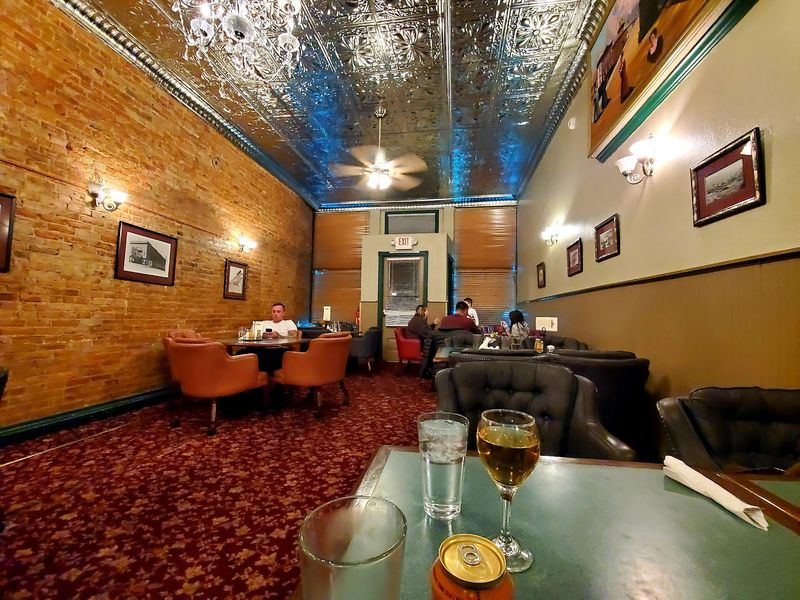
At more than 10,000 feet above sea level, Leadville holds the title of the highest incorporated city in the United States. Thin air, old mining history, and brick buildings define the town. Quincy’s Steak & Spirits fits right into the scene.
Plenty of restaurants try to do everything. Quincy’s does the opposite, keeping the formula refreshingly simple and making steak the star of the show. Fewer distractions on the menu mean decisions come fast.
The original location sits in historic downtown Leadville, along streets lined with Victorian-era storefronts from the silver boom days. Locally owned and laid-back, it draws a mix of residents and travelers passing through the high country. Hiking boots and fleece jackets count as formal wear up here.
Cooking at high altitude comes with quirks. Water boils at a lower temperature, which changes how some foods cook, and baking recipes often need adjustments. Grilling steak is more forgiving, though kitchens at elevation still learn to account for the thinner, drier air.
Eaters should also take care of themselves at this height. Visitors coming from lower elevations may feel tired or short of breath, so drinking plenty of water and taking it easy on alcohol can help. A hearty meal provides fuel for the next day’s adventures.
Leadville packs in plenty to explore. The National Mining Hall of Fame and Museum shares the town’s rich mining story, and nearby peaks like Mount Elbert, the tallest in Colorado, attract hikers every summer. Scenic train rides and bike trails round out the options.
Weather changes quickly in the mountains, even in summer, so pack layers for the evening. Checking hours ahead of time is wise, since small mountain towns sometimes adjust schedules by season. Then grab a seat, order a steak, and enjoy dinner nearly two miles closer to the sky.