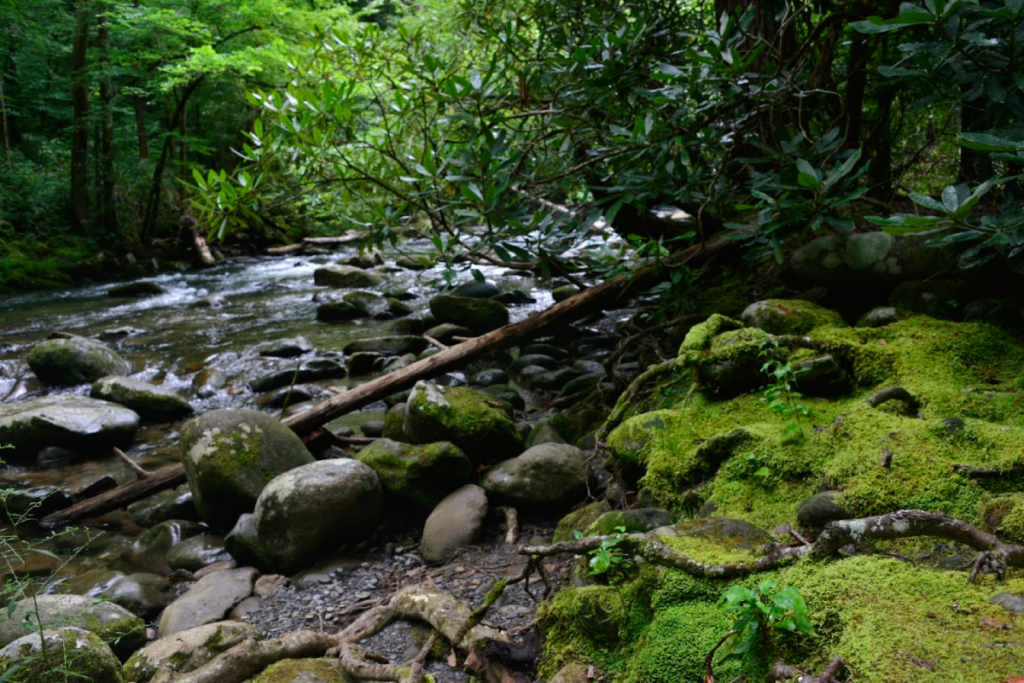
Tennessee’s natural beauty is packed into some surprisingly short trails. You don’t need to hike all day to see waterfalls, mountain views, or ancient forests.
These easy walks prove that the best outdoor experiences often come in small packages, and every corner of the state has something special waiting just a mile or two down the path.
1. Sugarlands Valley Nature Trail, Gatlinburg
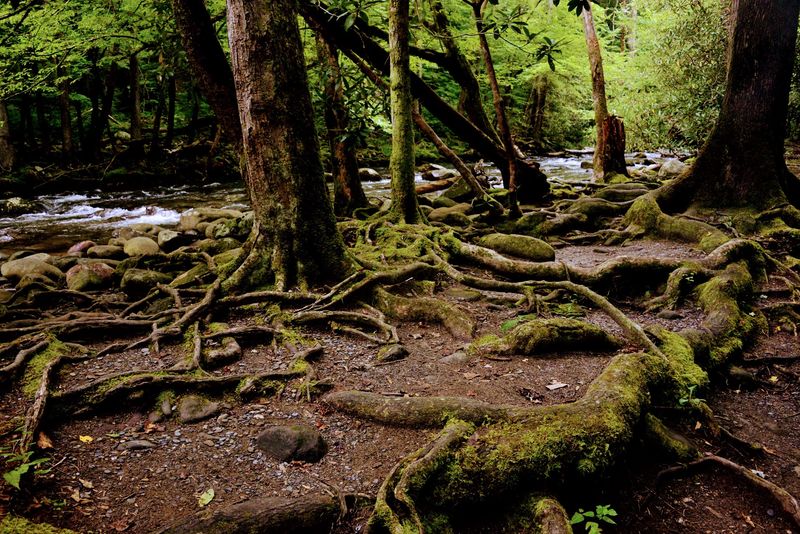
Right at the entrance to Great Smoky Mountains National Park, this half-mile loop delivers exactly what most visitors hope to find without the usual Smokies crowd crush. The paved path winds through old-growth hardwoods while the West Prong of the Little Pigeon River rushes along beside you, close enough to feel the cool air rising off the water.
Families with strollers and wheelchair users love this trail because it’s one of the park’s few fully accessible routes. But don’t mistake “accessible” for boring.
The forest here is thick and green, full of massive tulip poplars and hemlocks that have been growing since before the park existed.
Spring brings wildflowers to the forest floor, and summer offers shade when the parking lots are baking in the sun. Fall turns the canopy into a riot of orange and gold, while winter reveals the bones of the forest and makes the river’s voice even louder.
Interpretive signs along the way explain what you’re seeing, from tree species to the role of decomposition in mountain ecosystems. It’s educational without feeling like homework.
The best part? You’re done in about 20 minutes if you walk briskly, or you can stretch it to 45 minutes by stopping to read every sign and watch the water.
Either way, you’ve experienced genuine Smokies forest without committing your whole afternoon. Park at the Sugarlands Visitor Center and the trailhead is right there, making this one of the easiest nature walks in Tennessee to actually access.
2. Kuwohi Observation Tower Trail, Great Smoky Mountains National Park
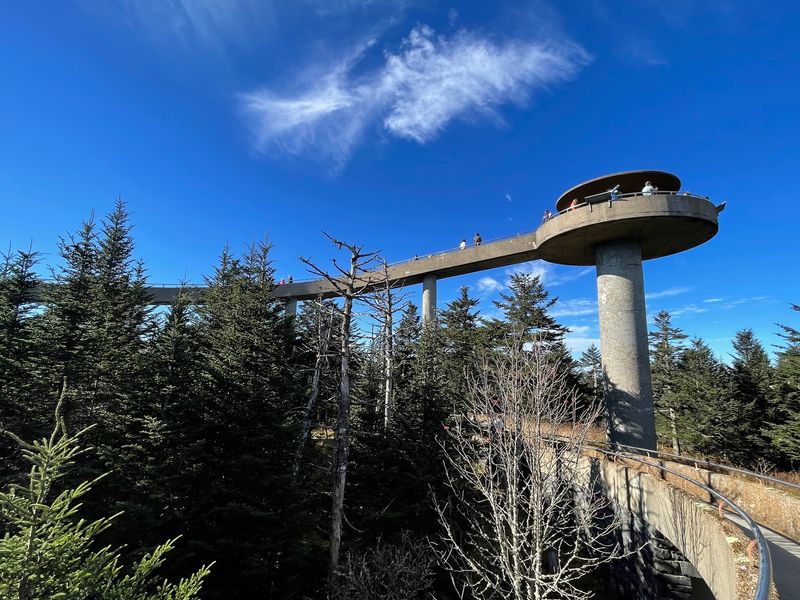
Standing at 6,643 feet, Kuwohi (formerly known as Clingmans Dome) is Tennessee’s highest point, and this short trail is your ticket to views that belong on a postcard. The catch?
That one mile is almost entirely uphill, gaining about 330 feet of elevation on a paved but steep path that’ll have your lungs working harder than the distance suggests.
The concrete observation tower at the summit looks like something from a 1960s space station, spiraling up to a circular platform where the world drops away in every direction. On clear days, you can see seven states from up here. On foggy days, you’re standing above the clouds watching them roll through the valleys below like slow-motion rivers.
Summer temperatures at the summit run 10 to 15 degrees cooler than Gatlinburg, making this a smart escape when the lowlands are sweltering. Winter can bring legitimate alpine conditions with ice, snow, and wind that’ll cut right through your jacket, so check conditions before you go.
The spruce-fir forest along the trail is unlike anything else in Tennessee, more reminiscent of Canada than the South. Unfortunately, many of the Fraser firs are dead or dying from an invasive insect, giving parts of the forest a ghostly appearance that’s both sad and strangely beautiful.
Get there early in summer to beat the tour buses and find parking. The lot fills up by mid-morning on weekends. And yes, you’ll see plenty of people huffing and puffing on the way up. That’s normal.
The views from the top make every step worthwhile, and you can always take your time and rest on the benches placed strategically along the route.
3. Roan Mountain State Park Trails
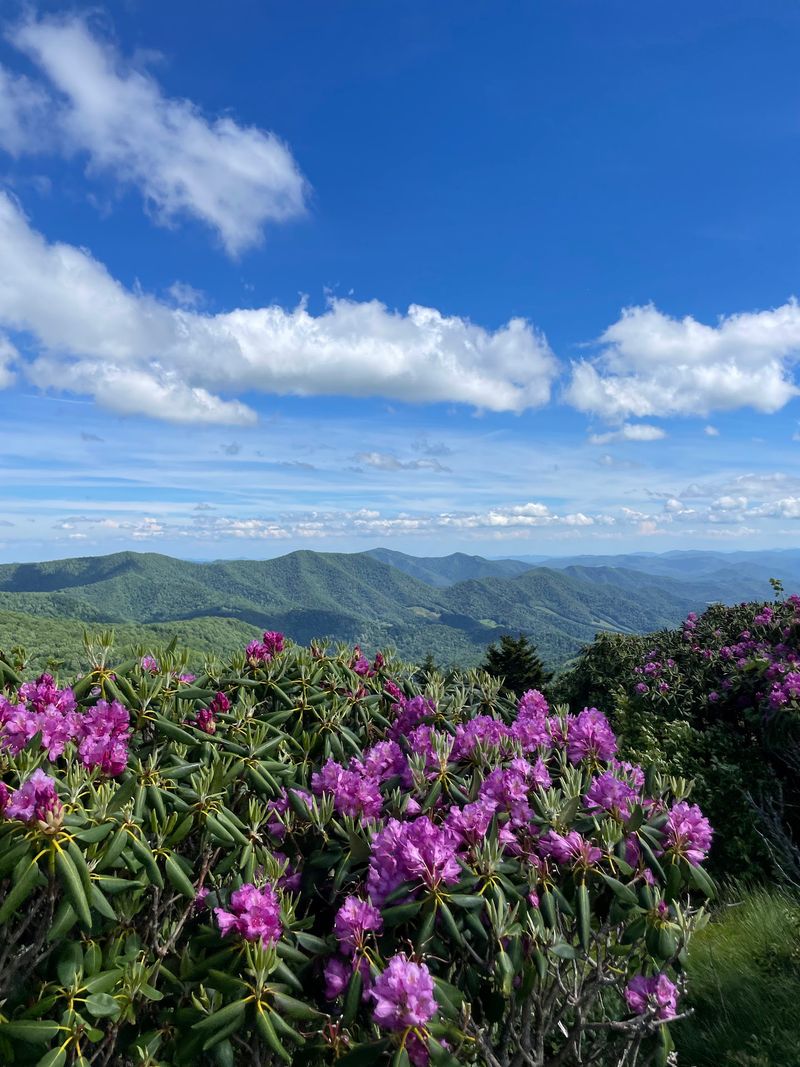
Tucked up near the North Carolina border at elevations that keep things cool even in July, Roan Mountain State Park offers several short nature trails that showcase high-country scenery without requiring mountaineering skills. The forest here feels different, more northern, with dense rhododendron thickets and hemlock groves that stay green year-round.
Pick from several options under three miles, each offering something distinct. Some trails follow mountain streams that chatter over mossy rocks, while others climb gently through hardwood forests where wildflowers carpet the ground in spring.
The elevation means you’re walking through ecosystems that don’t exist in lower Tennessee, with plant communities more common in the Appalachian highlands.
June brings one of the region’s most spectacular natural events when the rhododendrons on nearby Roan Highlands explode into bloom, covering entire mountainsides in pink and purple. Even the shorter park trails catch some of this show, and the timing varies by elevation, so you might find flowers even if you’ve missed the peak bloom higher up.
The park sits at around 2,800 feet elevation, making summer temperatures noticeably more comfortable than the valleys below. Locals know this and use the park as a heat refuge when the rest of East Tennessee is baking.
Fall color arrives earlier here too, usually hitting peak a week or two before the lower elevations.
Facilities are solid, with a well-maintained campground, visitor center, and clean restrooms. Trail maps are available at the park office, and rangers can recommend specific routes based on what you want to see and how much effort you want to expend.
The shorter nature trails are well-marked and maintained, suitable for families and casual hikers who want mountain scenery without the commitment of an all-day trek.
4. Burgess Falls River Trail, Sparta
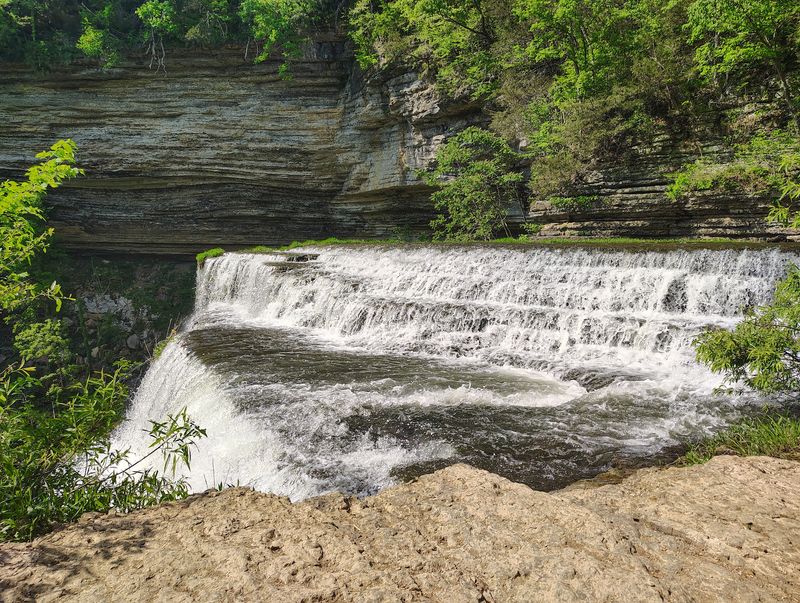
Only 1.5 miles round trip, but this trail punches way above its weight class in the scenery department. You’ll pass three separate waterfalls before reaching the main event, a thundering 130-foot drop that ranks among the most impressive waterfalls in Middle Tennessee.
The roar of the water is audible long before you see it, building anticipation with every step.
Don’t let the short mileage fool you into thinking this is a casual stroll. The terrain is more demanding than the distance suggests, with rocky sections, stairs, and some legitimate elevation change.
Your knees will know you went hiking, especially on the way back up from the lower falls viewpoint.
The Falling Water River carved this gorge over thousands of years, cutting through layers of limestone to create the series of cascades you’ll encounter. Each waterfall has its own personality.
The first two are smaller, almost warm-up acts, pretty but not show-stoppers. Then you round a bend and the main falls comes into view, and suddenly you understand why people drive from Nashville and Knoxville to see this place.
Summer brings heavy visitation because the falls are most impressive after spring rains or during periods of good water flow. The spray from the main falls creates a perpetually damp microclimate that supports ferns and mosses you won’t find in drier parts of the park.
Bring a light jacket even on warm days if you plan to linger at the overlook.
The viewing platform for the main falls is fenced and safe, but the rocks near all the waterfalls can be slippery. Every year, people ignore the signs and venture onto wet rocks for photos, and every year, some of them slip.
Stay on the designated viewing areas and you’ll be fine. The views are spectacular from the official platforms anyway, no risky scrambling required.
5. Greeter Falls Trail, Savage Gulf State Park
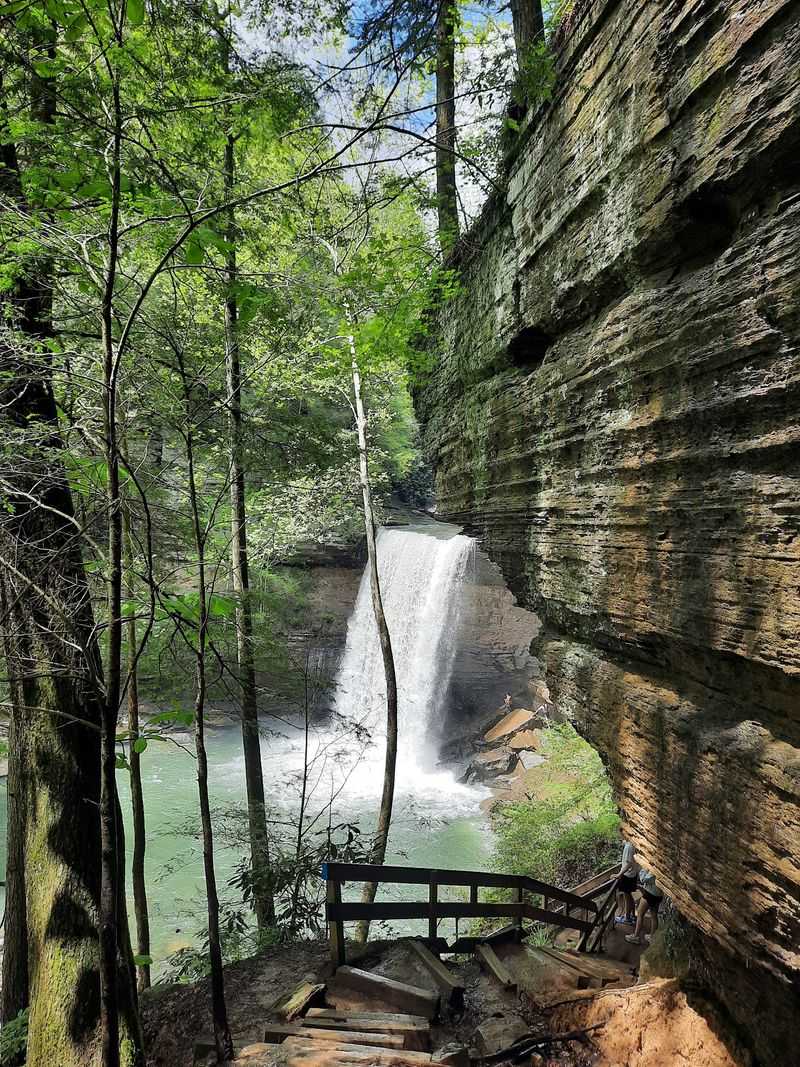
Less than a mile of walking nets you waterfalls, sandstone bluffs, forest scenery, and remnants of the area’s logging history. Greeter Falls packs more visual interest into 0.8 miles than trails three times its length, making it one of the best short hikes on the Cumberland Plateau.
The main waterfall drops about 50 feet over a sandstone ledge into a pool that glows turquoise-green in the right light. The rocks around the falls are sculpted and pocketed from centuries of erosion, creating the kind of natural architecture that looks almost deliberate.
Upstream, a smaller waterfall called Boardtree Falls adds a bonus feature that many hikers miss because they turn around at the main attraction.
Historic artifacts from early 20th-century logging operations are scattered along the trail, including old cables, metal remnants, and the foundations of structures long since rotted away. These traces of human history add a layer of interest beyond just the natural features, reminding you that these forests were once working landscapes.
The trail follows the gorge rim before descending to the falls via a series of switchbacks. The descent is manageable but requires attention, especially when wet.
Tennessee State Parks specifically warns that rocks near the falls are slippery, and they’re not exaggerating. The sandstone stays damp from spray and seepage, creating conditions that look fine but can send you sliding if you’re not careful.
Spring and fall are ideal visiting seasons. Spring brings higher water flow and wildflowers, while fall offers cooler temperatures and fewer bugs.
Summer can be hot and humid, though the gorge provides some shade and the falls create a cooling effect. Winter is quieter still, and ice formations around the falls can be spectacular, though the descent becomes more challenging when frozen.
6. Enclosure Trail, Old Stone Fort State Archaeological Park
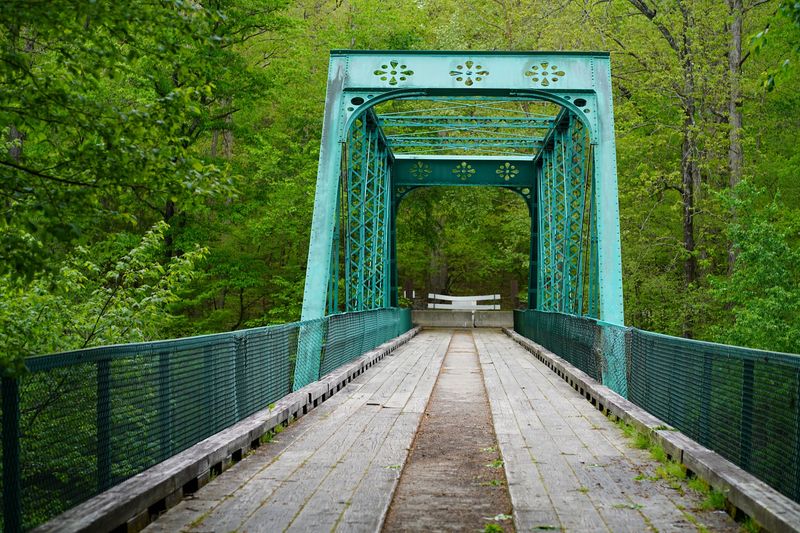
Where the Duck River and Little Duck River meet, ancient peoples built earthworks that still puzzle archaeologists today. The Enclosure Trail loops 1.4 miles through this mysterious site, combining riverside scenery, multiple waterfalls, and a 2,000-year-old mystery that nobody’s completely solved.
The “stone fort” isn’t really a fort at all, but a series of earthen and stone walls that enclose about 50 acres. Scholars debate whether it was ceremonial, defensive, or served some other purpose entirely.
What’s certain is that the people who built it chose a spectacular location where two rivers converge and several waterfalls tumble over limestone ledges.
Big Falls and Blue Hole Falls are the trail’s scenic highlights, both easily reached from the main loop. The rivers have carved deep gorges through the limestone, creating cliff faces and rocky overhangs that stay cool even in summer.
The sound of falling water accompanies much of your walk, a constant background music that makes the whole place feel timeless.
Forest covers most of the enclosure now, with hardwoods and cedars growing where ancient people once gathered. Interpretive signs explain what’s known about the site’s history and what remains mysterious.
It’s rare to find a trail that offers both natural beauty and genuine archaeological intrigue, making this a particularly interesting choice for families with curious kids.
The trail is well-maintained and relatively flat, with only modest elevation changes. Boardwalks and bridges keep your feet dry at stream crossings.
Benches are placed at scenic overlooks, inviting you to sit and contemplate the view or just rest your legs.
Visit during the week for maximum solitude. Weekends bring more traffic, especially in spring and fall when weather is ideal.
The park has a small museum near the trailhead that’s worth a quick stop before or after your hike, with artifacts and displays that provide context for what you’ll see on the trail.
7. Lake Trail, Radnor Lake State Natural Area
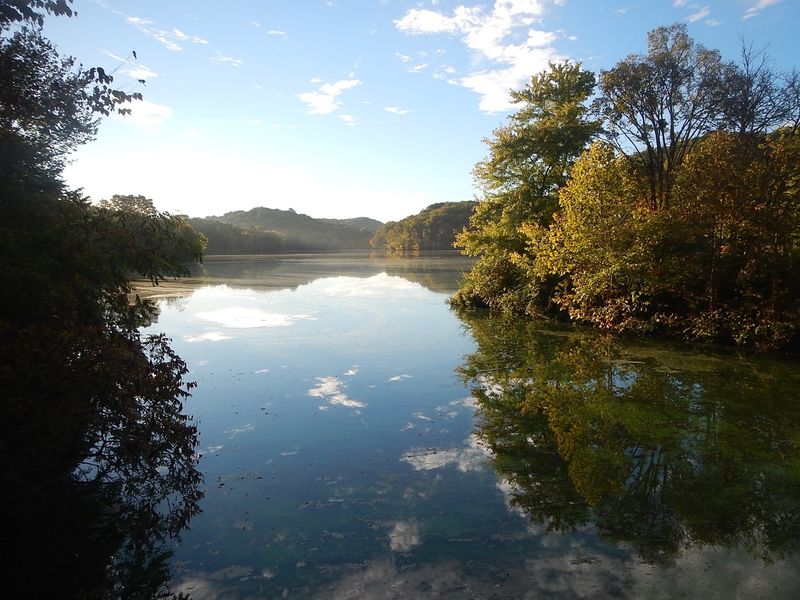
Just seven miles from downtown Nashville, Radnor Lake offers an escape so complete you’ll forget you’re in a major metropolitan area. The Lake Trail follows the north shore for 1.35 miles, mostly level and gentle, perfect for a quick nature fix between meetings or a peaceful early-morning walk before the city wakes up.
The 85-acre lake attracts an impressive variety of wildlife. Turtles bask on every available log, their dark shells lined up like sunbathers at a resort.
Herons stalk the shallows with prehistoric patience, while wood ducks paddle in the coves and Canada geese honk their way across the water. Bring binoculars if you’re into bird-watching; the list of species spotted here runs into the hundreds.
Forest presses close to the trail, creating a green tunnel effect in summer that provides welcome shade. Spring brings waves of wildflowers and migrating songbirds, making early May particularly rewarding for plant and bird enthusiasts.
The trail surface is natural but well-maintained, suitable for most fitness levels. Several observation platforms extend out over the water, giving you front-row seats for wildlife watching without disturbing the animals.
These spots are popular with photographers, especially in early morning light when mist rises from the lake and the angle of the sun turns everything golden.
Radnor Lake is a state natural area, which means stricter protections than a typical state park. No bikes, no dogs, no radios, no fishing.
The rules exist to preserve the wildlife sanctuary atmosphere, and they work. The result is a trail experience that feels more remote and wild than its location would suggest.
Parking can be challenging on nice-weather weekends. Arrive early or consider weekday visits when the trails are quieter and parking is easier.
8. Dunbar Cave State Park, Clarksville
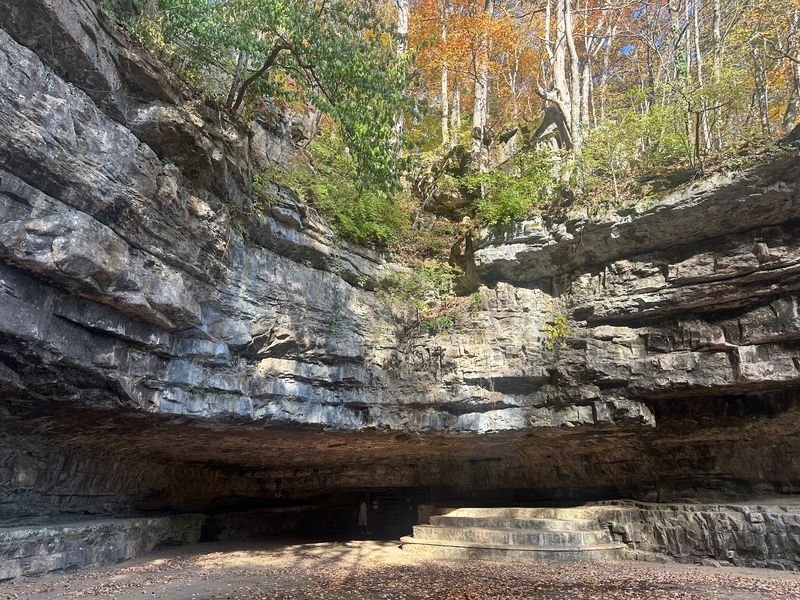
Clarksville’s Dunbar Cave has been attracting people for thousands of years, from prehistoric Native Americans to 1930s big band audiences who danced in a nightclub built right at the cave entrance. Today’s visitors come for the unusual combination of cave, lake, limestone landscape, and forest trails that make this feel nothing like a typical city park.
The cave itself is the star attraction, an eight-mile labyrinth that stays a constant 58 degrees year-round. Guided tours are offered seasonally, but even if you’re not going underground, the massive entrance is impressive.
It exhales cool air in summer and relatively warm air in winter, creating microclimates that support unusual plant communities.
Several short trails loop through the park’s 110 acres, none exceeding three miles. They wind through cedar glades and hardwood forest, past sinkholes and limestone outcrops that reveal the karst topography underlying everything.
Swan Lake, formed by a dam on a small creek, adds aquatic scenery and attracts waterfowl and wading birds.
The park’s history is surprisingly colorful. In the 1930s and 40s, the cave entrance hosted a nightclub and music venue where big names like Benny Goodman and Tommy Dorsey performed.
Roy Acuff, the “King of Country Music,” owned the property for a time. Remnants of this era remain, adding a quirky historical dimension to your nature walk.
Trail surfaces vary from paved to natural, generally easy walking suitable for families. The park provides trail maps at the visitor center, and rangers can suggest routes based on your interests and time available.
Spring wildflowers are particularly good in the cedar glades, where unusual species adapted to thin soils and harsh conditions put on a show you won’t see in typical Tennessee forests.
Free admission makes this an excellent budget-friendly outing. The park is well-maintained with clean facilities, and its proximity to Clarksville makes it convenient for both locals and visitors to Fort Campbell or Austin Peay State University.
9. Cedars of Lebanon State Park Trails
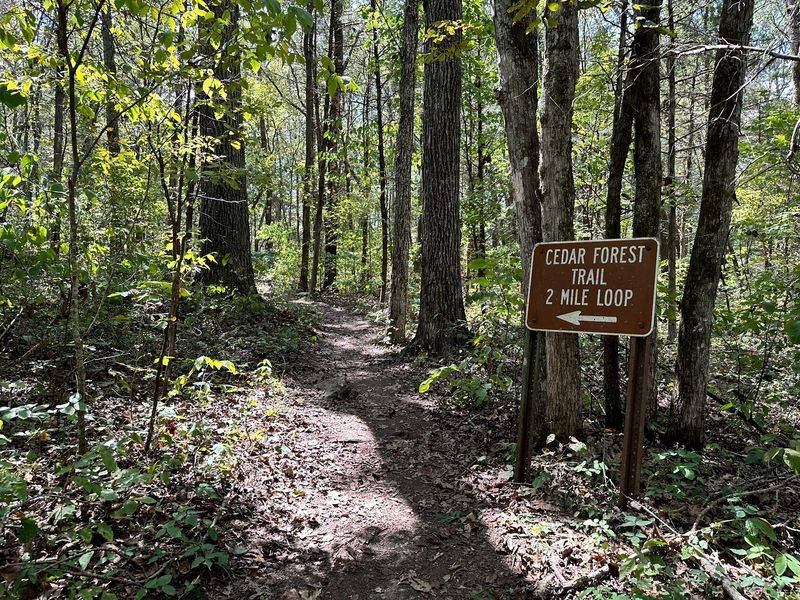
Cedars of Lebanon State Park protects one of the largest remaining cedar glades in the world, an ecosystem so unusual that the first European settlers thought they’d found a barren wasteland. These limestone glades support plant communities found almost nowhere else, making even a short walk here feel like visiting another planet.
Cedar glades form where limestone bedrock lies close to the surface, creating thin, rocky soils that flood in winter and bake dry in summer. Only specially adapted plants survive these harsh conditions.
Walk the park’s shorter nature trails (several options under three miles) and you’ll see species that exist in only a handful of locations globally, including the federally endangered Tennessee coneflower.
Eastern red cedar dominates the forest, though botanists will tell you it’s actually a juniper, not a true cedar. The trees twist and gnarl in dramatic shapes, their trunks often splitting into multiple stems.
In open glades, the exposed limestone is pocked and weathered into fantastic shapes, creating natural rock gardens that look almost landscaped.
Spring is prime time for glade wildflowers. From late March through May, waves of blooms appear as different species time their flowering to the available moisture.
Purple coneflowers, yellow composites, white and pink phlox, all specially adapted to glade conditions. It’s a completely different show from the woodland wildflowers you’d see in East Tennessee forests.
Summer heat makes glade walking less pleasant, as the open rock reflects and amplifies the sun’s intensity. Fall and winter are underrated seasons here.
The cedars stay green year-round, providing color when deciduous forests are bare, and cooler temperatures make the exposed terrain more comfortable.
Trail surfaces are natural and can be rocky in places. Several shorter loops offer good introductions to glade ecology without requiring major time or effort.
10. Woodland Trail, Millington
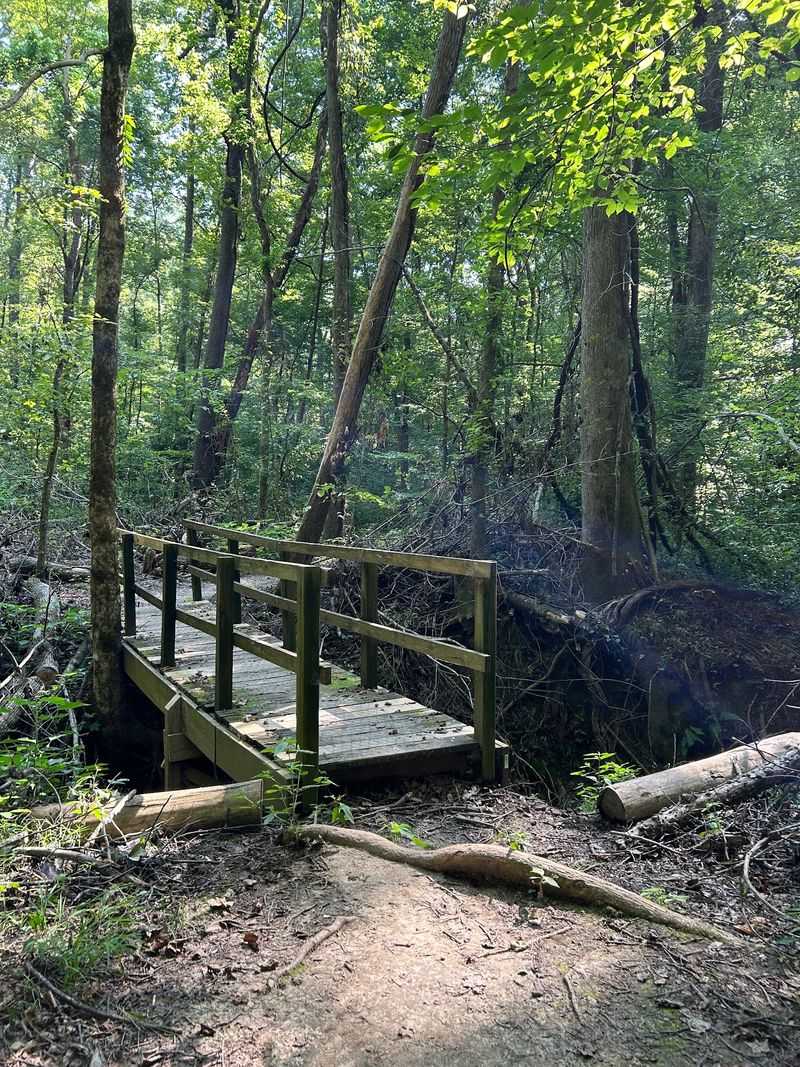
West Tennessee doesn’t get much attention in hiking discussions, but Millington’s Woodland Trail proves that the state’s western corner has its own quiet appeal. This 1.2-mile path winds through rolling hardwood forest near the Mississippi River, offering Memphis-area residents a quick nature escape without the drive to Middle or East Tennessee.
The terrain here is different from what you’d find in the Cumberland Plateau or Smokies. Gentler, with softer contours shaped by rivers rather than mountains.
The forest is dominated by oaks and hickories with an understory of smaller trees and shrubs that provide excellent wildlife habitat. Deer are common, and bird-watching can be surprisingly good, especially during spring and fall migrations when the Mississippi River corridor funnels birds through the region.
Rolling doesn’t mean flat. The trail gains and loses elevation enough to keep things interesting without becoming strenuous.
You’ll climb small ridges and descend into moist hollows where different plant communities thrive. Stream crossings are minimal but add variety to the walk.
This trail flies under the radar compared to more famous Tennessee hikes, which means you’re likely to have it largely to yourself, even on nice-weather weekends. That solitude is valuable.
There’s something peaceful about walking a trail where you might not encounter another person for your entire visit.
The forest canopy provides good shade in summer, making this more comfortable than exposed trails when temperatures climb.
Facilities are basic but adequate. Parking is available near the trailhead, and the path is well-marked enough that getting lost isn’t a concern.
The trail surface is natural, sometimes muddy after rain, so choose your footwear accordingly. Bring bug spray during warm months; West Tennessee mosquitoes are enthusiastic and numerous.
For Memphis-area residents tired of having to drive hours for a decent nature walk, Millington’s Woodland Trail is a welcome option that proves good hiking exists closer than you might think.
11. Fort Pillow State Historic Park Trails
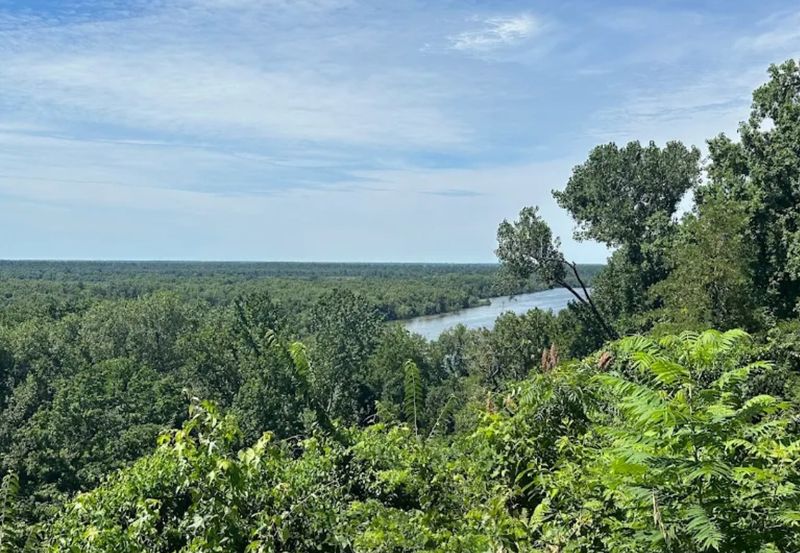
About 40 miles north of Memphis, Fort Pillow State Historic Park combines Civil War history with some of West Tennessee’s most dramatic natural scenery. Forested bluffs rise 200 feet above the Mississippi River, creating views and terrain that feel nothing like the surrounding Delta flatlands.
Several trails wind through the park, with shorter options under three miles that explore both the historic fortifications and the natural landscape. The bluff-top trails offer long views up and down the river, watching barges and towboats push their loads against the current.
The river here is massive, more than a mile wide in places, with a power and presence that’s hard to appreciate until you’re standing above it.
Forest covers the bluffs in a mix of hardwoods that turn spectacular colors in fall. The elevation change from river level to bluff top creates ecological variety, with different plant communities at different heights.
Spring brings wildflowers and migrating songbirds, while summer’s heat is moderated by the river’s presence and the forest canopy’s shade.
The park’s Civil War history is significant and sobering. In 1864, Fort Pillow was the site of a controversial battle where Union troops, including many Black soldiers, were killed after the fort’s surrender.
Trail surfaces vary from mowed grass to natural woodland paths. Some sections can be steep where trails descend toward the river, so watch your footing.
The shorter historic trails are generally easier, staying on the bluff top and touring the fortification remnants.
Facilities include a small museum, picnic areas, and clean restrooms. The park is rarely crowded, even on nice weekends, making it easy to find solitude.
Bring binoculars for watching river traffic and scanning the opposite shore. Hawks and vultures ride the thermals rising from the bluffs, and the birding can be excellent during migration seasons when the river corridor funnels birds through the region.
12. Reelfoot Lake Boardwalk, Tiptonville
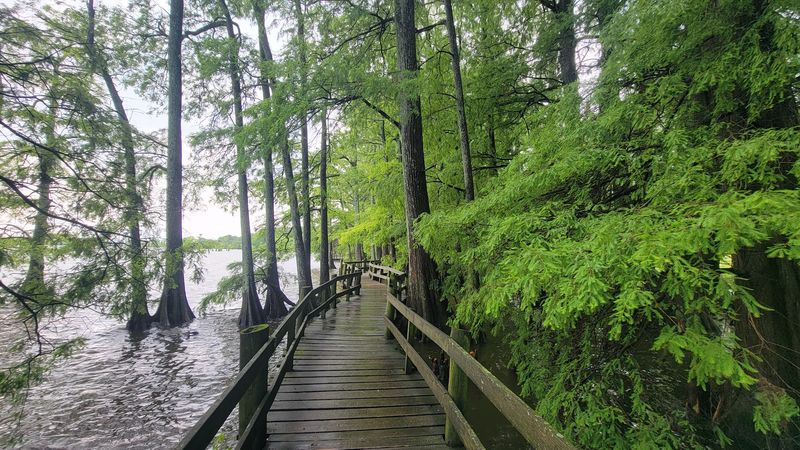
Reelfoot Lake is the result of earthquakes in 1811-1812 that were so powerful they made the Mississippi River flow backward temporarily and created a 15,000-acre lake where dry land had been. Today, that lake is one of the most unusual and beautiful natural areas in Tennessee, and the short boardwalk at Tiptonville offers the easiest way to experience its otherworldly landscape.
The 0.45-mile boardwalk extends into the flooded cypress forest, taking you among trees that rise straight from the water like columns in a drowned cathedral. Bald cypress knees poke up everywhere, woody projections that help the trees breathe in their waterlogged environment.
Spanish moss drapes from branches, and the water reflects the trees in perfect mirror images on calm days.
This is serious bird habitat. Reelfoot Lake is a critical stopover for migrating waterfowl, and winter brings huge numbers of ducks and geese. Bald eagles nest here, one of the largest winter populations in the country. Great blue herons stalk the shallows, and wood ducks nest in tree cavities above the water.
Even if you’re not a birder, you’ll see wildlife on this walk.
The boardwalk is wheelchair-accessible according to Tennessee State Parks, making this one of the most inclusive nature experiences in the state. The surface is smooth and level, with railings throughout.
Benches are placed at intervals for resting and wildlife watching.
Sunrise and sunset are magical times on the boardwalk, when the light turns golden and the wildlife is most active. Photographers love these conditions, when the still water reflects the sky and the cypress trees become silhouettes.
Midday works too, especially in summer when the shade from the cypress canopy provides relief from the heat.
The atmosphere here is genuinely eerie in the best way. Quiet, mysterious, beautiful in a way that feels ancient and untouched despite the modern boardwalk.
It’s a perfect way to end this list because Reelfoot Lake is so completely different from the mountain trails and waterfall hikes that dominate most Tennessee hiking discussions. This is swamp, wetland, a landscape shaped by catastrophe into something strange and wonderful.