
Tennessee is packed with incredible museums and galleries that won’t cost you a single penny to explore. From Nashville’s grand state museum to small-town history centers, these free attractions let you experience art, culture, and local stories without worrying about admission fees.
Whether you’re a resident looking for weekend plans or a visitor trying to stretch your travel budget, these spots prove that the best things in life really can be free.
1. Tennessee State Museum — Nashville
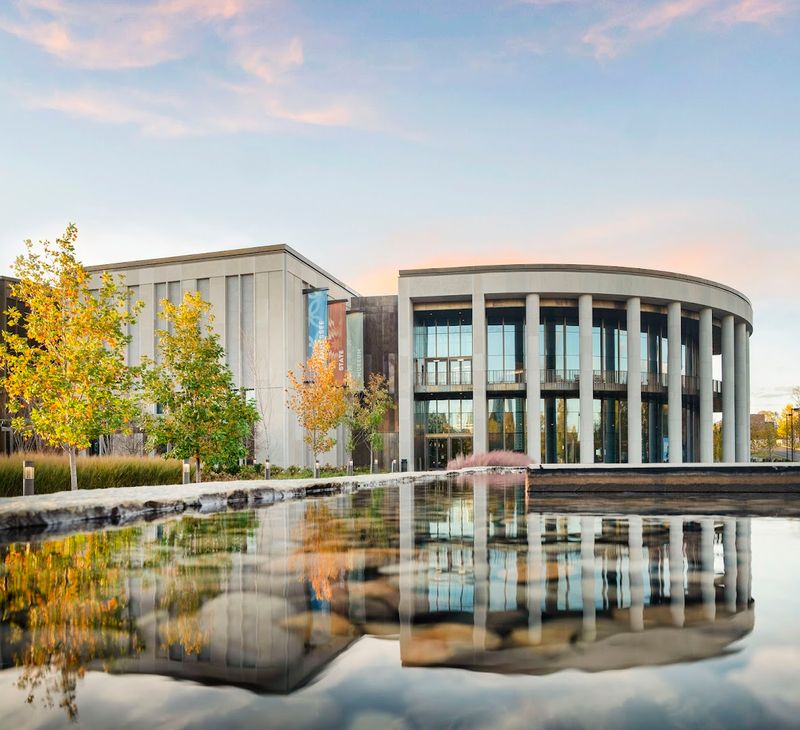
Walking through the doors of this Nashville landmark feels like stepping into a time machine that spans thousands of years. The Tennessee State Museum sits in the heart of downtown, offering a massive collection that tells the complete story of the Volunteer State from prehistoric times to the present day.
You could easily spend an entire afternoon here without seeing everything. The exhibits cover Native American history, the Civil War, the state’s musical heritage, and so much more. One floor might have you examining ancient artifacts, while another showcases the evolution of Tennessee’s role in shaping American culture.
The building itself is impressive, with modern architecture that creates bright, welcoming spaces for the collections. Natural light pours through large windows, making the experience feel open and comfortable rather than stuffy or overwhelming.
Families appreciate that the museum keeps kids engaged with interactive displays and hands-on elements scattered throughout. Adults love the depth of information available, with detailed descriptions that go beyond surface-level facts.
What really sets this place apart is how it connects Tennessee’s past to the present. You’ll see how early settlers influenced modern communities, how music evolved from folk traditions to international fame, and how the state’s geography shaped its history.
The location makes it easy to combine with other downtown Nashville activities. Parking can be tricky during busy times, but public transportation and nearby garages offer solutions. The museum also hosts special exhibitions that rotate throughout the year, giving repeat visitors fresh reasons to return.
Best of all, this world-class experience costs absolutely nothing. The state funds the museum to ensure everyone can access Tennessee’s rich heritage regardless of their budget.
2. Dixon Gallery & Gardens — Memphis
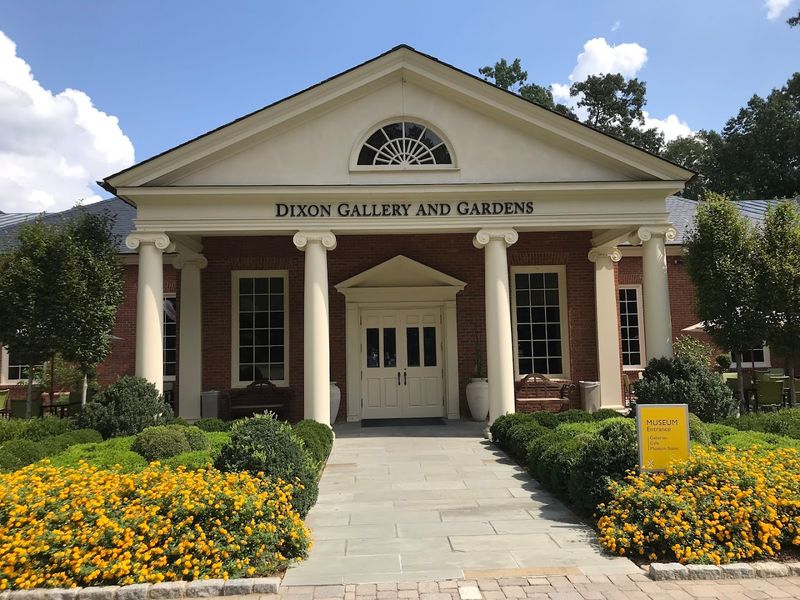
Imagine strolling through galleries filled with French Impressionist masterpieces, then stepping outside into 17 acres of stunning gardens. That’s exactly what awaits at this Memphis gem, where art and nature blend into one unforgettable free experience.
The Dixon started as a private collection and estate before opening to the public. Today, visitors can admire works by Monet, Renoir, Degas, and other famous artists without spending a dime. The intimate gallery spaces create a personal connection with the art that larger museums sometimes lack.
But the galleries are only half the story. Outside, the gardens showcase different styles and seasons, from formal English gardens to woodland trails. Sculptures dot the landscape, creating outdoor gallery spaces where art meets the environment.
Spring brings explosions of color with azaleas and dogwoods, while summer offers shaded paths perfect for escaping Memphis heat. Fall transforms the grounds into a tapestry of warm colors, and even winter has its own quiet beauty.
The mansion itself provides context for how wealthy Memphis families lived in earlier decades. Period furnishings and decorative arts show the refined tastes that led to the impressive art collection you see today.
Plan for at least two hours to properly experience both indoor and outdoor offerings. The staff regularly hosts special programs and guided tours that add extra depth to your visit. Some events require registration, but many remain completely free.
This combination of world-class art and beautiful grounds makes the Dixon feel like getting two attractions for the price of zero.
3. Art Museum of the University of Memphis — Memphis
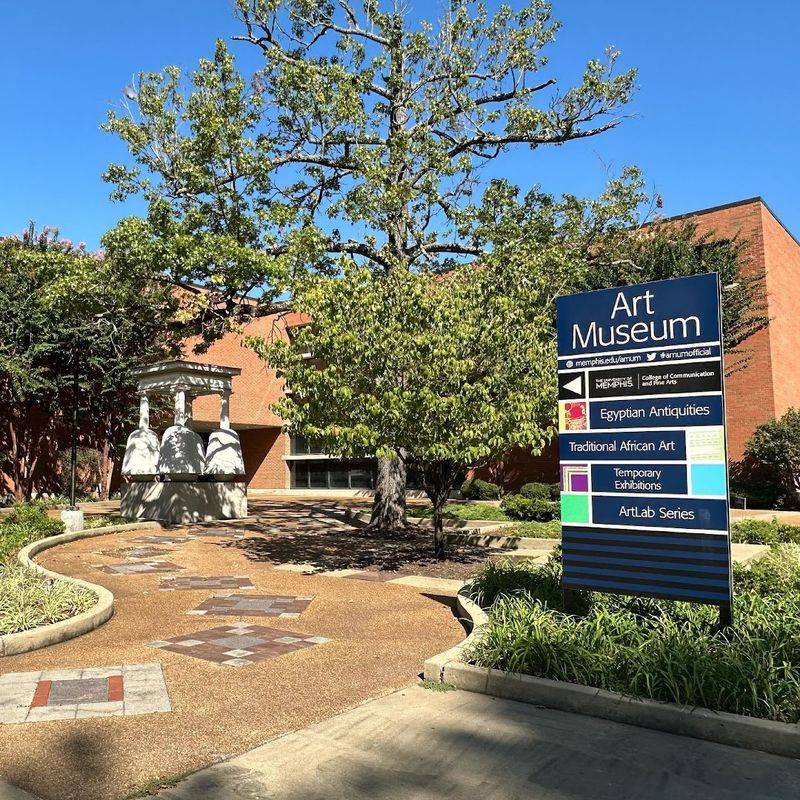
College campuses often hide unexpected treasures, and this Memphis museum proves that point brilliantly. Tucked within the University of Memphis, this free attraction punches well above its weight with collections that span continents and centuries.
The Egyptian collection alone makes the trip worthwhile. Ancient artifacts, hieroglyphic displays, and carefully preserved items transport you back thousands of years. You don’t need to be an archaeology buff to appreciate the craftsmanship and history on display.
African art takes center stage in another section, showcasing traditional and contemporary works that highlight the continent’s diverse artistic traditions. These pieces often get overlooked in larger institutions, making this focused collection especially valuable for expanding your cultural knowledge.
Contemporary and modern art round out the offerings, with rotating exhibitions that keep the museum fresh for repeat visitors. Student work sometimes appears alongside professional artists, creating an interesting mix of emerging and established talent.
The museum occupies a manageable space that won’t exhaust you like massive institutions can. You can see everything in an hour or take your time and spend an entire afternoon studying pieces that catch your eye.
University museums tend to have an educational mission that shows in their thoughtful curation and detailed labeling. You’ll leave having learned something new, whether about ancient civilizations, artistic techniques, or cultural traditions.
Parking on campus can be confusing for first-time visitors, so check the museum’s website for specific directions and parking information. During the academic year, the campus buzzes with student energy, while summer visits offer a quieter, more contemplative experience.
Don’t let the university setting fool you into thinking this is just for students. The collections rival many standalone museums, and the free admission makes it accessible to everyone.
4. West Tennessee Regional Art Center — Humboldt

Between the big cities of Memphis and Nashville sits this unexpected art haven in Humboldt. Small-town museums often surprise visitors with their quality, and the West Tennessee Regional Art Center delivers exactly that kind of pleasant shock.
The permanent collection focuses on regional artists who capture the character and landscapes of West Tennessee. You’ll see familiar scenes rendered in unfamiliar ways, giving you new appreciation for the area’s beauty and culture. Local talent deserves recognition, and this museum provides exactly that platform.
Rotating exhibitions keep things interesting throughout the year. One visit might feature contemporary paintings, while your next could showcase photography, sculpture, or mixed media works. The variety ensures you’ll never see the same show twice.
The building itself has character, with well-lit gallery spaces that let the art speak for itself without distracting architectural elements. Clean white walls and thoughtful lighting create a professional presentation that matches what you’d find in bigger cities.
Humboldt’s small-town atmosphere adds charm to the museum experience. You won’t fight crowds or wait in lines, creating a relaxed environment for actually connecting with the artwork. Sometimes the staff includes volunteers who genuinely love art and enjoy sharing insights with visitors.
The museum serves as a cultural anchor for the region, hosting events, workshops, and educational programs beyond just displaying art. These offerings strengthen the local arts community and provide opportunities for hands-on creative experiences.
Getting to Humboldt requires a drive for most Tennessee residents, but the journey takes you through scenic countryside that’s part of the experience. Consider combining your museum visit with exploring Humboldt’s downtown or nearby state parks.
This regional gem proves that world-class art experiences exist outside major metropolitan areas. The free admission removes any barrier to discovering what West Tennessee artists have created.
5. Cookeville History Museum — Cookeville

Every town has stories worth telling, and Cookeville’s history museum does exactly that with style and substance. Located in the Upper Cumberland region, this free museum captures what makes this area unique through carefully curated exhibits and fascinating artifacts.
The museum digs into Cookeville’s development from a small settlement to a thriving regional hub. You’ll discover how geography, railroads, and education shaped the community’s growth over generations.
Local industries get their due attention, from agriculture to manufacturing. Understanding what people did for work helps explain how communities developed their particular character. The exhibits show both the challenges and triumphs that defined different eras.
Personal stories add emotional depth to the historical facts. Letters, diaries, and personal items connect you to real people who walked the same streets you do today. These human elements transform dry history into relatable narratives.
The Upper Cumberland region has its own distinct identity within Tennessee, and this museum helps explain what sets it apart. Geography, culture, and historical events combined to create communities that differ from East, Middle, and West Tennessee neighbors.
Special exhibitions rotate periodically, focusing on specific themes, time periods, or aspects of local history. These temporary displays give regular visitors reasons to return and explore new angles on familiar stories.
The museum’s size makes it perfect for a focused visit without overwhelming you with information. You can absorb everything in about an hour, though history enthusiasts might linger longer reading every label and examining every artifact.
Staff members often include local history buffs who love answering questions and sharing additional context beyond what the exhibits provide. Their knowledge adds valuable depth to your understanding of Cookeville’s past.
6. Cookeville Depot Museum — Cookeville
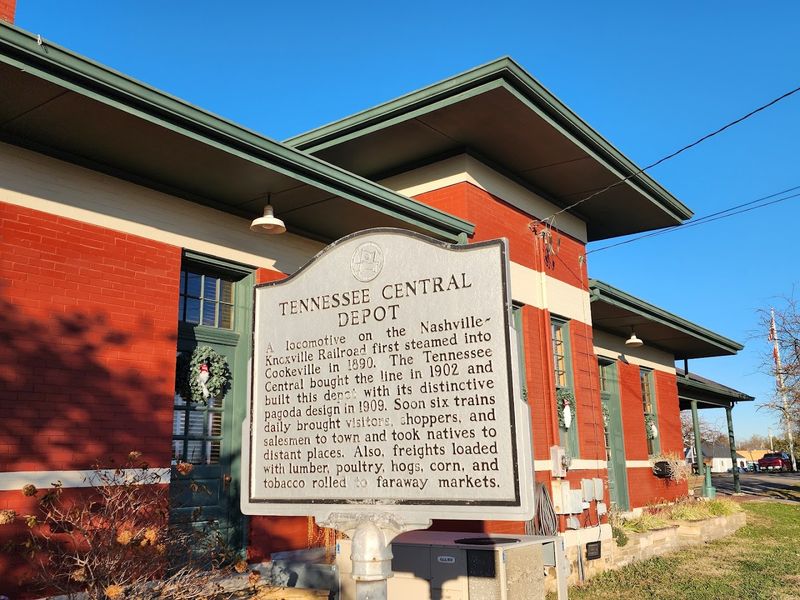
The whistle of trains once defined daily life in countless American towns, and this restored depot keeps that heritage alive. Railroad history might sound niche, but the Cookeville Depot Museum makes it fascinating for everyone, even people who’ve never given trains a second thought.
The building itself tells a story as a beautifully preserved depot that once bustled with passengers, freight, and activity. Walking through the doors feels like stepping back to when trains were the lifeline connecting small towns to the wider world.
Inside, you’ll find railroad artifacts, vintage photographs, and detailed information about how trains shaped Cookeville’s development. Model train displays delight kids and nostalgic adults alike, showing intricate miniature worlds where tiny locomotives chug through carefully crafted landscapes.
The outdoor exhibits steal the show for many visitors. Actual train cars and engines sit on the grounds, letting you climb aboard and imagine what travel was like in different eras. Kids especially love exploring the massive machinery up close.
Railroad history intertwines with broader American history in ways the museum illustrates clearly. Trains moved people westward, transported goods that built the economy, and connected isolated communities to modern life. Understanding railroads means understanding how America developed.
The depot’s location in downtown Cookeville makes it easy to combine with lunch or shopping. The surrounding area has maintained some historic character, helping you picture what the depot district looked like during its heyday.
Volunteers often staff the museum, bringing personal passion and knowledge to their explanations. Their enthusiasm proves contagious, turning casual visitors into temporary railroad history fans. The free admission ensures this unique slice of local heritage remains accessible to everyone.
7. The Heritage Center of Murfreesboro and Rutherford County — Murfreesboro
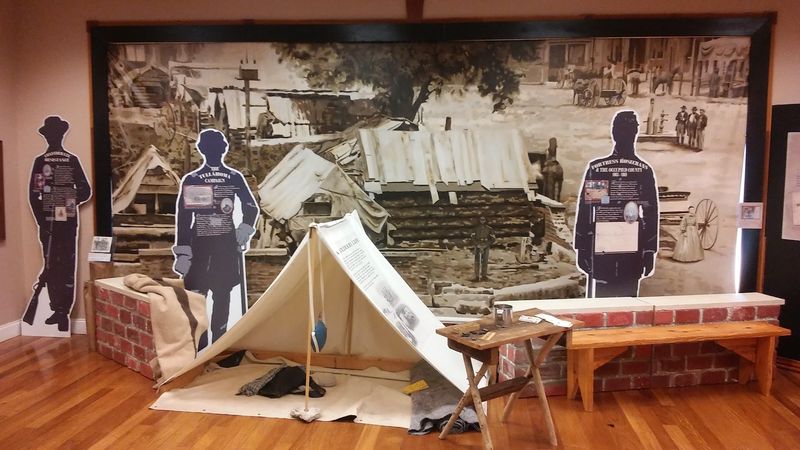
Middle Tennessee’s history runs deep, and this Murfreesboro museum serves as the perfect introduction to Rutherford County’s rich past. The Heritage Center takes local history seriously while keeping presentations accessible and engaging for all ages.
Exhibits cover everything from Native American inhabitants to modern development, showing how the area transformed over centuries. Civil War history features prominently, which makes sense given Murfreesboro’s strategic importance during that conflict. The Battle of Stones River changed the town forever, and the museum helps you understand those dramatic events.
Beyond war stories, you’ll discover how ordinary people lived, worked, and built communities. Agricultural heritage, early industries, and daily life exhibits show the human side of history that military accounts often overlook.
The museum occupies a historic building that adds authenticity to your visit. Original architectural details remind you that you’re standing where history actually happened, not just looking at recreations in a modern structure.
Rotating exhibitions supplement the permanent collection, exploring specific themes or time periods in greater depth. These changing displays reward repeat visits and allow the museum to share more stories than permanent space allows.
Murfreesboro’s location between Nashville and Chattanooga makes it a natural stopping point for travelers. The Heritage Center provides context for understanding the broader region, not just one town’s story.
Educational programs and events happen regularly, from lectures to hands-on activities for children. These offerings strengthen the museum’s role as a community gathering place beyond just displaying artifacts.
The staff’s knowledge runs deep, drawing from academic research and local expertise. They can answer detailed questions and point you toward additional resources if you want to learn more about specific topics.
Free admission removes any excuse for skipping this worthwhile stop. Whether you’re a history buff or just curious about your community, the Heritage Center offers valuable insights into how Rutherford County became what it is today.
8. Rutherford County Historic Courthouse Museum — Murfreesboro
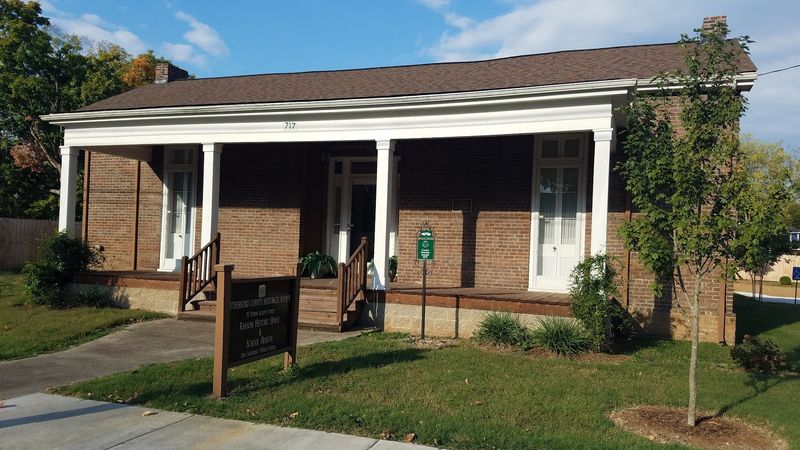
Courthouses anchor communities both physically and symbolically, and Rutherford County’s historic courthouse does both while serving as a fascinating free museum. The building itself qualifies as an artifact, with architecture and details that transport you to earlier eras of Tennessee history.
More than 200 years of county records, stories, and artifacts fill the museum spaces. You’ll trace Rutherford County’s evolution from frontier territory to modern suburban community, seeing how each generation left its mark.
The courthouse setting adds unique context that standalone museums can’t replicate. Standing in actual courtrooms where justice was administered, deals were struck, and community business was conducted creates powerful connections to the past. These rooms witnessed real drama, triumph, and tragedy.
Architectural enthusiasts appreciate the building’s period details, from ornate woodwork to original fixtures. Historic preservation efforts have maintained authenticity while adapting spaces for museum use. You’re seeing the real thing, not a reproduction.
County history might sound dry, but these local stories often prove more interesting than broad national narratives. You’ll discover colorful characters, surprising events, and fascinating details about how people actually lived in different time periods.
The museum explores both famous events and everyday life, creating a balanced picture of the past. Major historical moments get their due, but so do the ordinary people whose collective efforts built communities.
Having two history museums in Murfreesboro might seem redundant, but the Heritage Center and the Courthouse Museum complement each other nicely. Different focuses and collections mean visiting both provides a more complete understanding than either alone could offer.
Downtown Murfreesboro surrounds the courthouse with shops, restaurants, and other historic buildings. The square maintains its role as the community’s heart, just as it has for generations.
Free admission to this architectural and historical treasure ensures everyone can experience this important piece of Tennessee heritage. The combination of beautiful building and compelling exhibits makes it a must-visit stop.
9. Knoxville Museum of Art — Knoxville
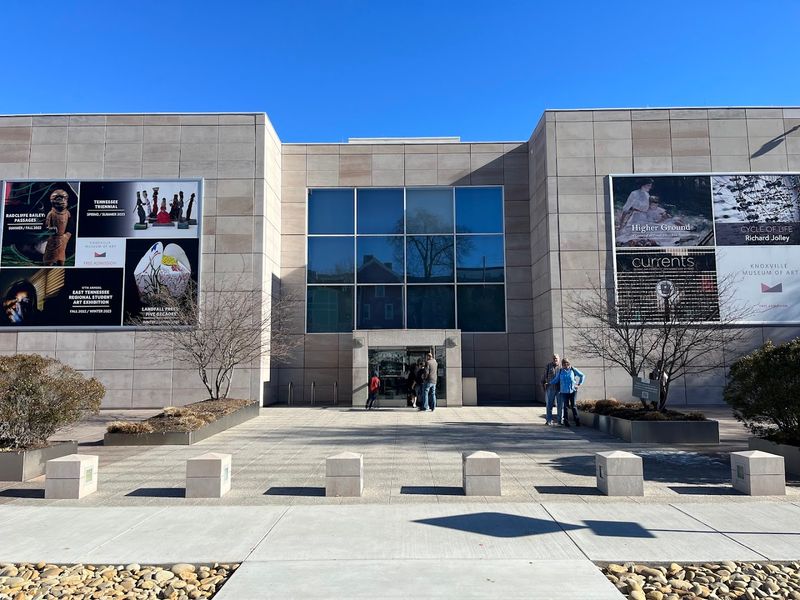
East Tennessee’s premier art destination welcomes visitors without charging admission, making world-class art accessible to everyone. The Knoxville Museum of Art combines regional focus with broader collections, creating exhibitions that feel both locally relevant and internationally significant.
Regional artists receive prominent attention, showcasing the incredible talent that calls East Tennessee home. You’ll discover painters, sculptors, and mixed-media artists whose work deserves wider recognition. Supporting local creativity while maintaining high standards creates a win-win situation for artists and audiences.
The glass collection stands out as a particular strength. Delicate, colorful pieces demonstrate the technical skill and artistic vision required to transform molten material into stunning art. Natural light streaming through the building highlights the glass works beautifully.
Rotating exhibitions bring variety throughout the year, from contemporary installations to historical retrospectives. The museum’s programming ensures you’ll encounter different styles, media, and perspectives with each visit.
The building itself impresses with modern architecture that creates bright, welcoming spaces. Large windows, high ceilings, and thoughtful design let the art take center stage while providing a comfortable viewing environment.
Outdoor sculpture installations extend the museum experience beyond interior walls. Walking the grounds reveals unexpected art pieces that interact with landscape and architecture in interesting ways.
Educational programs serve all ages, from children’s activities to adult lectures and workshops. These offerings deepen understanding and create hands-on opportunities for creative expression beyond just viewing finished works.
The museum’s location near downtown Knoxville makes it easy to combine with other activities. Market Square, restaurants, and shops sit within walking distance, creating opportunities for full-day outings.
Free admission to this caliber of museum is genuinely remarkable. Major cities often charge $15-20 for similar institutions, making the Knoxville Museum of Art an incredible value at zero dollars.
Whether you’re an art expert or someone who just knows what they like, the museum provides engaging experiences. The combination of quality, variety, and accessibility makes it a cornerstone of East Tennessee’s cultural landscape.
10. Reece Museum — Johnson City
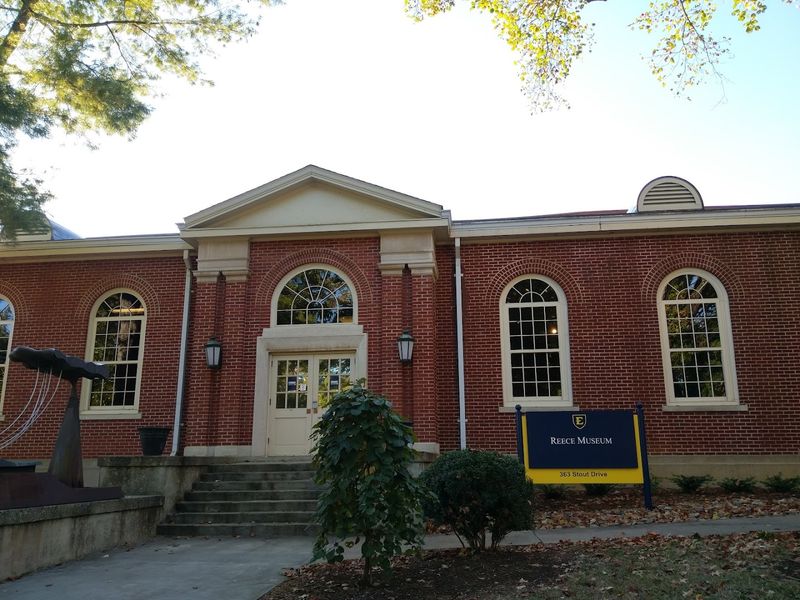
Appalachian culture possesses a richness that outsiders often miss, and the Reece Museum works to change that perception. Located at East Tennessee State University in Johnson City, this free museum celebrates regional heritage through art, history, and cultural exhibits.
The Appalachian focus sets the Reece apart from more general museums. You’ll gain a deep understanding of mountain culture, traditional crafts, music, and the people who shaped this distinctive region. These stories deserve telling, and the museum does so with respect and scholarly rigor.
Art exhibitions showcase both historical and contemporary Appalachian artists. Traditional crafts like quilting and woodworking appear alongside modern interpretations of mountain themes. The range demonstrates that Appalachian culture continues evolving rather than remaining frozen in the past.
Historical exhibits explore how geography influenced culture, economics, and daily life in the mountains. Isolation created self-sufficiency, while limited resources sparked creativity. Understanding these forces helps explain why Appalachian culture developed its unique characteristics.
The museum regularly rotates exhibitions, ensuring fresh content for repeat visitors. Temporary shows might focus on specific artists, time periods, or cultural aspects, adding depth beyond what permanent displays can provide.
University museums benefit from academic expertise and research, which shows in the Reece’s thoughtful curation and detailed information. Labels provide context without overwhelming you with jargon, striking a good balance between scholarly and accessible.
The campus setting in Johnson City places you in the heart of Appalachia, making the museum’s focus feel immediate and relevant. You’re not studying distant cultures but learning about the region surrounding you.
Special programs and lectures expand on exhibition themes, offering opportunities for deeper engagement. These events bring in experts, artists, and community members who share additional perspectives and knowledge.
Whether you’re from the region or just passing through, the Reece Museum offers valuable insights into Appalachian life past and present.
11. Green McAdoo Cultural Center — Clinton
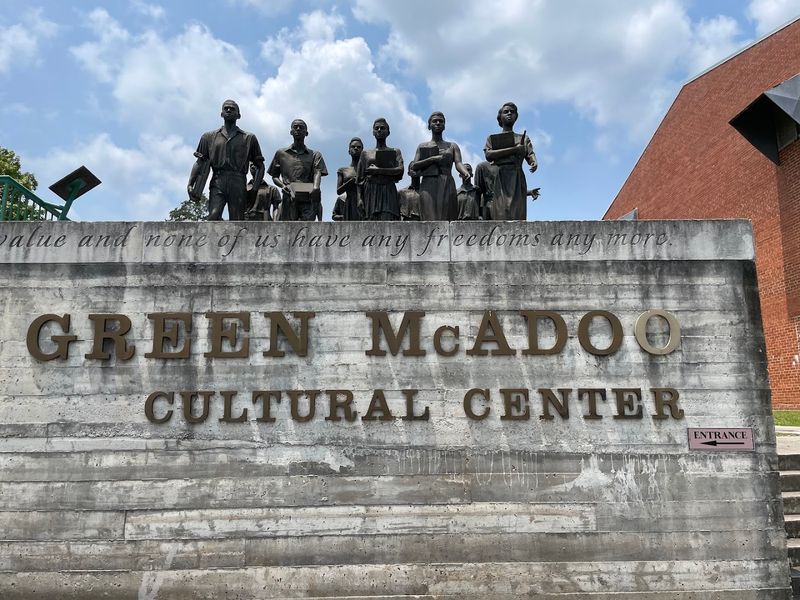
Some museums preserve pleasant memories, while others document difficult but essential history. The Green McAdoo Cultural Center falls firmly in the second category, telling the powerful story of the Clinton 12 and school desegregation in Tennessee.
In 1956, twelve African American students integrated Clinton High School, making it one of the first public high schools in the South to desegregate. These brave teenagers faced hatred, violence, and constant pressure, yet they persevered. Their courage helped change America.
The museum occupies the former Green McAdoo School, which served Clinton’s Black students during segregation. The building itself represents the separate and unequal system that the Clinton 12 helped dismantle. Walking these halls connects you directly to that history.
Exhibits use photographs, documents, and personal accounts to bring the story alive. You’ll see the faces of the Clinton 12, read their words, and understand what they endured. The presentations don’t sugarcoat the ugliness of racism or the difficulty of their experience.
Context sections explain the broader Civil Rights Movement, showing how Clinton’s story fit into national events. Understanding the bigger picture helps you appreciate both the local courage and the systemic changes that were needed.
The museum serves as both a memorial and an educational tool, ensuring future generations understand this chapter of Tennessee history. Some stories must be remembered, even when they’re uncomfortable, because forgetting them risks repeating past mistakes.
Visitors often leave emotionally moved by what they’ve learned. The Clinton 12’s story inspires reflection on courage, justice, and the ongoing work of creating a more equitable society.
Clinton sits in East Tennessee between Knoxville and Oak Ridge, making it accessible for day trips. The small-town setting helps you understand the intimate scale of these events and how they affected an entire community.
12. Vanderbilt University Museum of Art — Nashville

Nashville’s college campuses hide cultural gems, and Vanderbilt’s art museum ranks among the best free attractions in the city. Located on Vanderbilt’s beautiful campus, this museum combines academic rigor with public accessibility, creating exhibitions that educate and inspire.
The permanent collection spans centuries and continents, from ancient artifacts to contemporary works. You’ll encounter European paintings, Asian art, American pieces, and rotating exhibitions that explore specific themes or artists in depth.
University museums often take risks that larger institutions avoid, presenting experimental or challenging work alongside traditional favorites. This adventurous programming keeps the museum feeling fresh and intellectually engaging rather than stale or predictable.
The building provides elegant spaces that complement the artwork without overwhelming it. Natural light, proper proportions, and thoughtful design create an environment where you can focus on the art itself.
Educational mission drives everything the museum does, which shows in detailed labels, supplementary materials, and programming designed to deepen understanding. You’ll leave having learned something new, whether about artistic techniques, historical context, or cultural significance.
Special exhibitions rotate regularly, bringing important works and traveling shows to Nashville audiences. These temporary displays add excitement and give repeat visitors reasons to return throughout the year.
The campus location offers pleasant surroundings for your museum visit. Vanderbilt’s grounds feature beautiful architecture and landscaping that make wandering before or after your gallery time genuinely enjoyable.
Parking can be challenging on campus, especially during the academic year. Check the museum’s website for specific visitor parking information and consider using nearby public parking garages if on-campus spots aren’t available.
Free admission to this quality of art museum is remarkable in a city like Nashville. While tourists crowd expensive attractions elsewhere, smart visitors discover this hidden gem where world-class art costs nothing.
Whether you’re an art history expert or simply curious about exploring something new, Vanderbilt’s museum welcomes you with open doors and zero admission fees.
Share this story