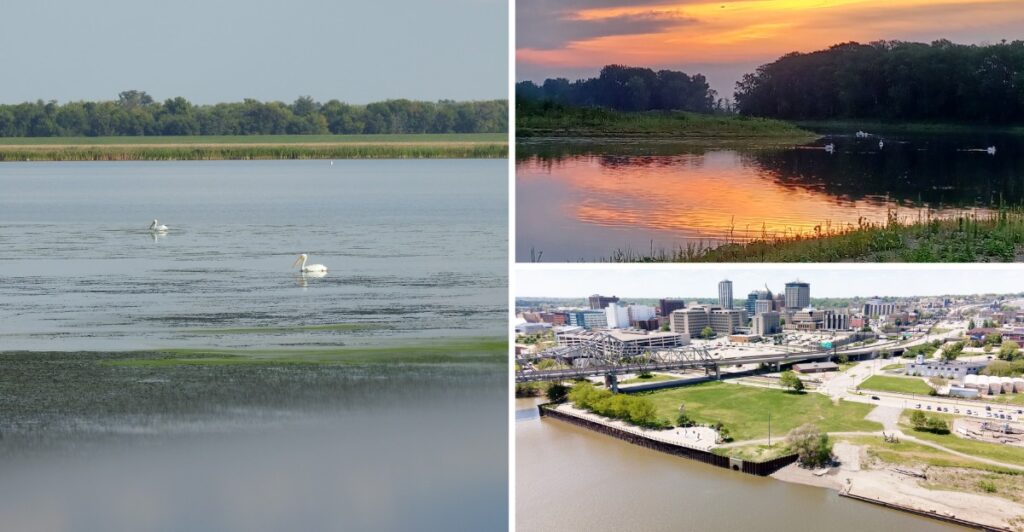
Imagine looking across the Illinois River and spotting enormous white birds gliding just above the water, their broad wings catching the autumn sunlight. Every fall, American white pelicans pass through Illinois during migration, gathering around rivers, lakes, and wetlands where they can rest and feed.
With impressive wingspans that can stretch nearly nine feet, these birds are hard to mistake for ordinary gulls. Families can watch for them from riverfront parks, peaceful overlooks, and wildlife refuges without ever stepping into a boat. Bring binoculars and a little patience, because these 12 Illinois river spots offer exciting opportunities to witness fall migration.
1. Illinois Waterway Visitors Center (Ottawa)
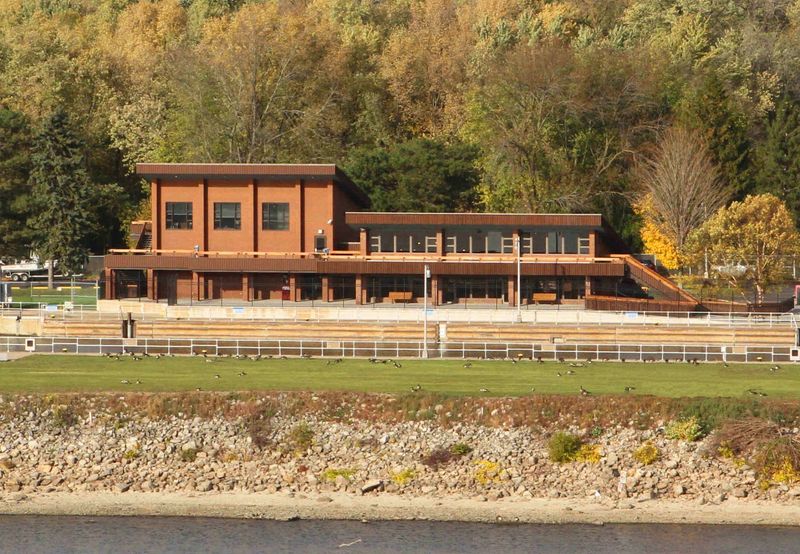
A barge sliding through a lock gives kids something big to watch while everyone searches for something even more surprising: enormous white birds. The Illinois Waterway Visitors Center overlooks Starved Rock Lock and Dam, bringing river traffic and wildlife into the same scene.
That mix helps on a family outing. Instead of standing beside an empty stretch of water and waiting, visitors have the working waterway to study while watching for migrating American white pelicans.
Pelicans may appear as a loose group on the surface or as pale shapes moving overhead. Their long bills and heavy bodies help separate them from smaller birds, while black flight feathers become easier to notice when their wings open.
The viewing area makes this stop especially convenient for families who want a manageable introduction to birdwatching. There is no need to build the visit around a long woodland hike, and the river itself supplies plenty of conversation.
Children can compare how a barge moves with how a swimming bird moves, or notice where birds gather away from busy boat traffic. A lock also offers a simple way to explain why people change rivers and how wildlife still uses the surrounding water.
One useful family strategy is to share binoculars and take turns describing a single bird before naming it. That slows down the search and turns a distant white speck into an actual observation rather than a quick guess.
Fall sightings depend on migration activity, weather, and river conditions, so this is a watchful stop rather than a promised pelican show.
The most satisfying visit leaves room for both possibilities: a flock drifting into view, or an afternoon spent discovering how much happens along one busy riverbank, with boats, birds, and changing water sharing the same wide view throughout a relaxed family visit together.
2. Emiquon National Wildlife Refuge (Near Lewistown)
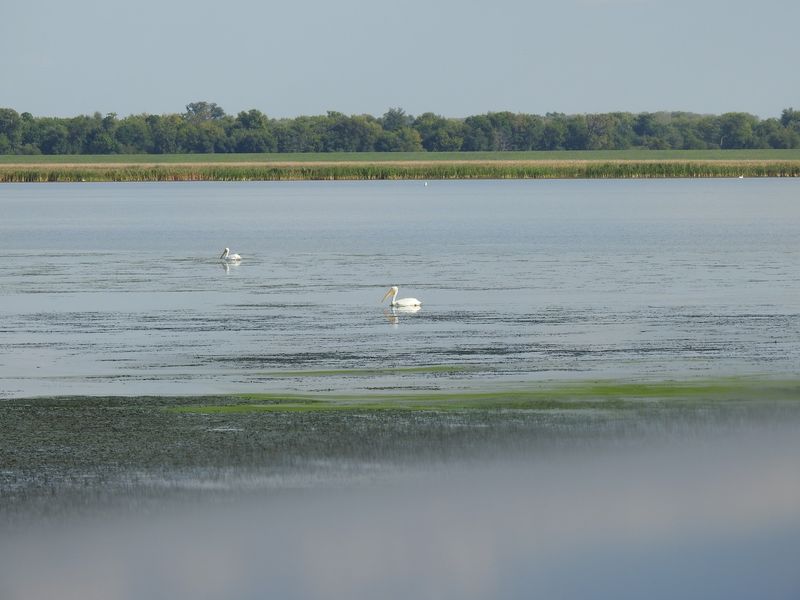
Big skies do much of the work here. Across the restored wetlands at Emiquon National Wildlife Refuge, open views give families room to follow birds moving between water, reeds, and the wider Illinois River floodplain.
Near Lewistown, this landscape shows why migration needs more than a river channel. Wet places beside the river provide space for waterbirds to pause, find food, and gather before continuing their seasonal journeys.
American white pelicans can use this floodplain during migration, although their numbers and locations change. A group might be obvious against darker water, while a few resting birds may blend into a distant pale patch until someone notices movement.
The outing can stay simple because families can use designated public viewing areas without making a strenuous hike the main event. The focus is the view itself: wide water, changing light, and birds spread across a large landscape.
There is also a useful distinction behind the Emiquon name. Nearby conservation lands may have different owners, entrances, and visitor rules, so the national wildlife refuge should not be treated as interchangeable with every neighboring preserve or access point.
For children, the wetland becomes a living comparison chart. Ducks sit low in the water, geese carry a different shape, and pelicans stand out with their large bills and broad bodies when viewing distance allows.
A quiet spell still offers plenty to examine, from ripples crossing an open pool to birds lifting suddenly from the shoreline. Unlike a small pond where everything is close, this broad setting makes distance part of the experience and rewards careful looking rather than constant walking.
The refuge suits a slower family afternoon, with the understanding that wildlife chooses its own schedule. A pelican flock is the headline attraction, but the surrounding floodplain explains the larger story of why migrating birds stop here each fall.
3. Chautauqua National Wildlife Refuge (Near Havana)
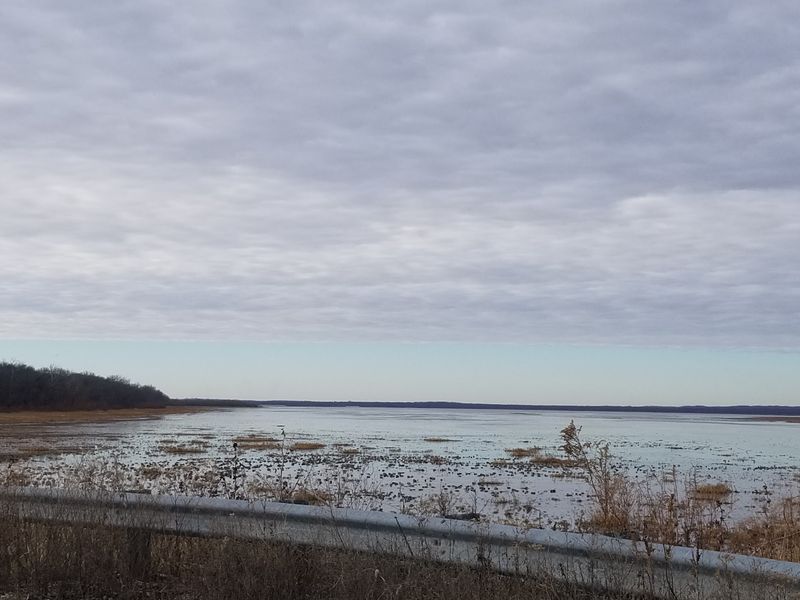
A muddy shoreline may not sound like the star of a family outing, but migrating birds would disagree. At Chautauqua National Wildlife Refuge, open water, mudflats, and floodplain habitat create a changing scene with plenty to examine.
Near Havana, the refuge offers places to watch for American white pelicans during their seasonal movements. These large birds are part of a much wider cast, so a scan across the water can become a lesson in different shapes, sizes, and feeding habits.
Water levels matter here. A shoreline that exposes mud during one visit may look quite different later, and those changes affect where birds rest and which parts of the habitat they use.
Designated observation areas give families a way to enjoy the refuge without entering sensitive habitat. Grounds are generally accessible from sunrise to sunset, although current notices and any area restrictions remain the guide for a particular fall visit.
Pelicans are especially interesting when a group moves together. American white pelicans often feed while swimming rather than making the dramatic diving plunge associated with brown pelicans, giving children a different picture of how a pelican finds its meal.
The wide scene also encourages patience. What first appears to be a row of white shapes can gradually reveal bills, turning heads, and small movements as the birds shift their positions.
Families do not need every bird identified for the visit to have substance. Comparing a pelican with a nearby duck, watching birds choose deeper or shallower water, and noticing how far the shoreline reaches all build useful observation skills.
Chautauqua works best as a place to watch the habitat as well as its visitors. Even when the pelicans are elsewhere, the open water and exposed edges show how a floodplain can offer many different kinds of resting places within the same broad wetland landscape.
4. Sue and Wes Dixon Waterfowl Refuge (Hennepin)
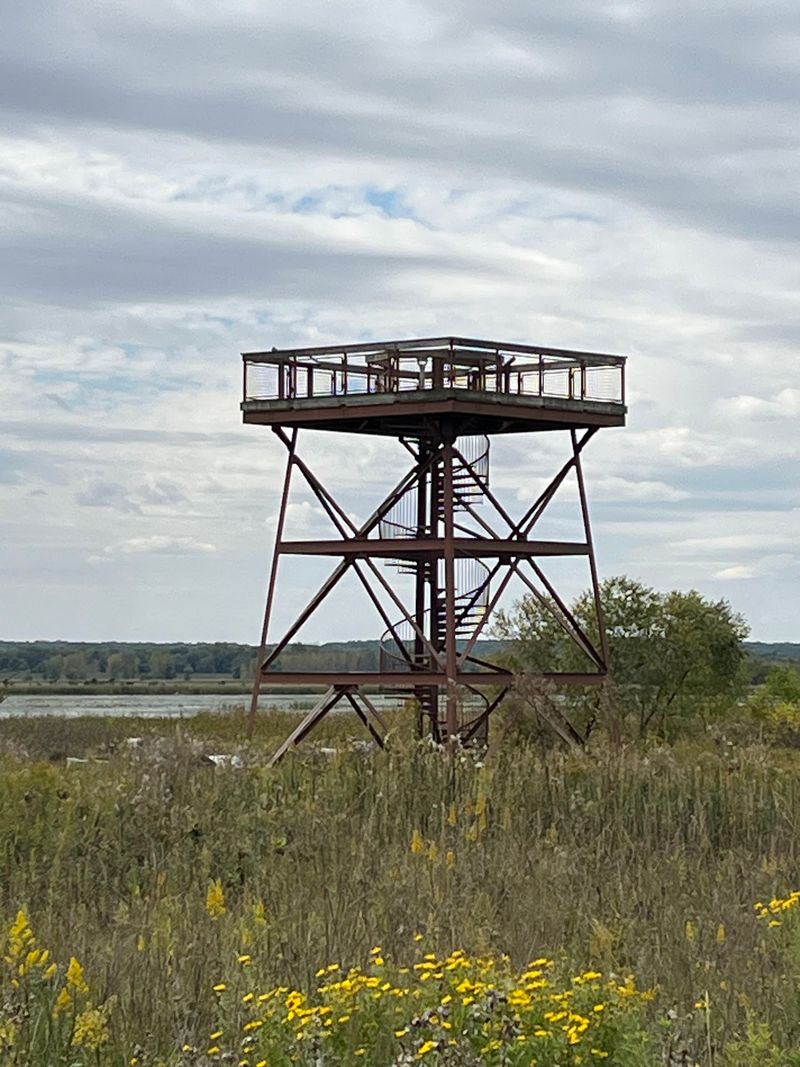
Forget the boat for this fall outing. Walking trails, boardwalks, and observation areas at the Sue and Wes Dixon Waterfowl Refuge let families explore a restored wetland landscape while keeping their feet on land.
At Hennepin, the sanctuary provides habitat used by migrating pelicans, swans, and other waterbirds. Its appeal comes from being able to look across water and marsh vegetation while also experiencing the wetland at walking speed.
A boardwalk changes the way children see a marsh. Rather than viewing every plant as part of one distant green or brown strip, they can notice stems, openings in the vegetation, and the boundary where land gives way to water.
Beyond those close details, American white pelicans may appear on open water during migration. Their large size helps, but a distant bird still requires a careful look before anyone declares the search successful.
The refuge’s seasonal paddling program has ended by the fall period described here. That does not make the birdwatching season over; land viewing remains the focus, with any current trail or access notices shaping the available route.
This setting offers a different rhythm from a downtown riverfront. A walk can include a stretch of close observation, a pause at an overlook, and another stretch where the broad wetland comes back into view.
Swans and pelicans can both look strikingly white at a distance, making comparisons part of the fun. A pelican’s large bill and bulky outline differ from a swan’s long neck, though the answer may remain uncertain when birds are far away.
There is no need to turn every sighting into a contest. The refuge gives families a chance to connect the birds with the habitat around them, noticing that reeds, shallow water, and open pools each serve different purposes across a landscape restored for wildlife rather than busy river traffic.
5. Starved Rock State Park (Oglesby)
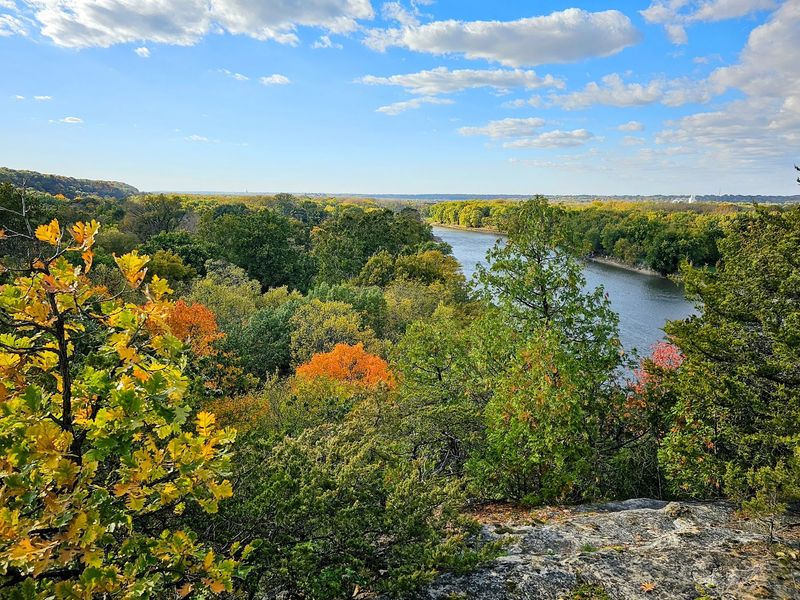
Sandstone bluffs usually steal the attention at Starved Rock, but the river below deserves a second look. During migration, American white pelicans may add bright moving shapes to a view already packed with water, woods, and rock.
Near Oglesby, the park allows families to combine a scenic walk with a search for waterbirds. That combination suits a group with mixed interests: some people want the trail, while others are happy studying whatever moves across the river.
A higher viewpoint changes the birdwatching puzzle. Birds on the water can look small despite their actual size, while a passing flock may become easier to follow against the river or an open stretch of sky.
American white pelicans show black flight feathers when their wings spread. From a distance, that contrast can be more useful than trying to see a bill, especially when the birds are circling or traveling together.
The practical detail that matters most here is route planning. Current trail and overlook closures should be checked before choosing a walk, since a familiar route or a view shown in an older photograph may not be available.
Not every park trail leads to a useful river view, and a canyon hike should not be treated as a guaranteed pelican search. Birdwatching fits best into the portions of an outing where the Illinois River is actually visible.
Fall also brings a busy visual background. Leaves, shadows, and moving water can distract the eye, making a short pause more effective than trying to spot birds while hurrying along.
The park’s strongest offering is variety rather than certainty. A family can spend part of the visit looking at rock layers and wooded slopes, then shift attention to the river, where migrating birds may pass through the same landscape that has drawn people outdoors for generations of Illinois autumn afternoons.
6. Pere Marquette State Park (Grafton)
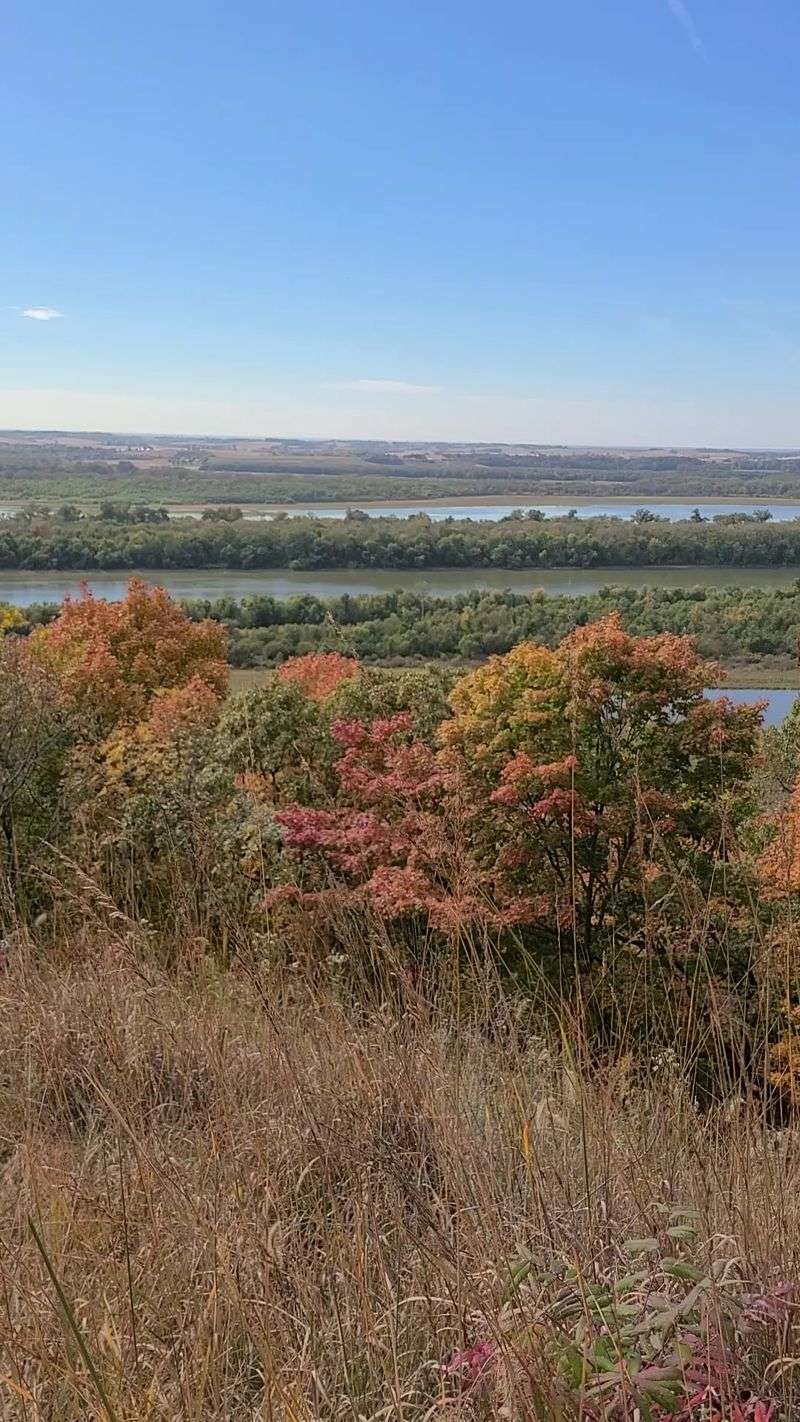
The river landscape opens up near Grafton, where the Illinois approaches its meeting with the Mississippi. Pere Marquette State Park puts families beside that larger setting, with river views, wooded slopes, and room to build an outing around several interests.
For pelican watchers, the attraction is the chance to scan a broad travel corridor used by migrating waterbirds. American white pelicans may pass overhead or appear on visible water, though a visit should never depend on a flock being present.
Scenic drives and designated hiking trails offer different ways to experience the park. One family might make the river view the main stop, while another includes it between stretches of walking through the fall woods.
The scale of the landscape is part of the lesson. Two major rivers near one another help explain why this region matters to birds moving between feeding and resting areas during seasonal travel.
A flying pelican flock is not always a neat line. Birds can circle, change spacing, or glide together, making their movement interesting even before anyone gets a clear view of individual features.
From a distant overlook, a few seconds can change the scene completely. A white group that seems fixed over the water may rise, spread out, and become much easier to recognize as wings reveal dark edges.
River views should be enjoyed from established visitor areas rather than improvised stops along busy roads. Within the park, the available route and visibility depend on the particular viewpoint, vegetation, and current conditions.
Pere Marquette suits families who want a broad river-country outing instead of a single-purpose birding stop. The day can include woodland scenery and a drive, while the pelican search stays woven into the moments when the water or sky opens up ahead, giving everyone a reason to look beyond the colorful leaves and notice movement farther away.
7. Peoria Riverfront Park (Peoria)

Downtown sidewalks and giant migrating birds can share the same afternoon. Along Peoria’s riverfront, families can watch the Illinois River without leaving the city for a remote refuge or planning a full day on the trail.
Paved walking paths and open water views make the search easy to fold into a casual stroll. The setting stays lively, with the river acting as both a working waterway and a place where wildlife may pass through.
American white pelicans are occasional visitors to the view rather than a guaranteed attraction. A flock might move overhead, or birds may gather on visible water when migration activity and conditions line up.
That uncertainty suits a flexible outing. Families can enjoy the waterfront itself and let a bird sighting become an unexpected bonus instead of making the whole visit depend on one species.
The city background also creates a useful contrast. Buildings and paved paths show the human side of the river, while moving birds reveal that the same corridor connects habitats well beyond downtown.
For children new to birdwatching, a pelican offers a memorable shape to learn. Its large bill, broad wings, and heavy body look different from the smaller birds that people commonly notice around urban waterfronts.
Distance can still fool the eye, especially over a wide river. A white bird far offshore may remain unidentified, and that is a reasonable result rather than a failed outing.
Peoria’s strength is convenience, not isolation. A family can fit the river into an ordinary city day, linger when something interesting appears, and keep moving when the water is quiet.
There is room for simple discoveries here: a bird landing, a group changing direction, or a flock crossing above familiar buildings. Those moments show that fall migration is not limited to places with marsh trails and wildlife refuge signs at the entrance.
8. Meredosia National Wildlife Refuge (Near Meredosia)
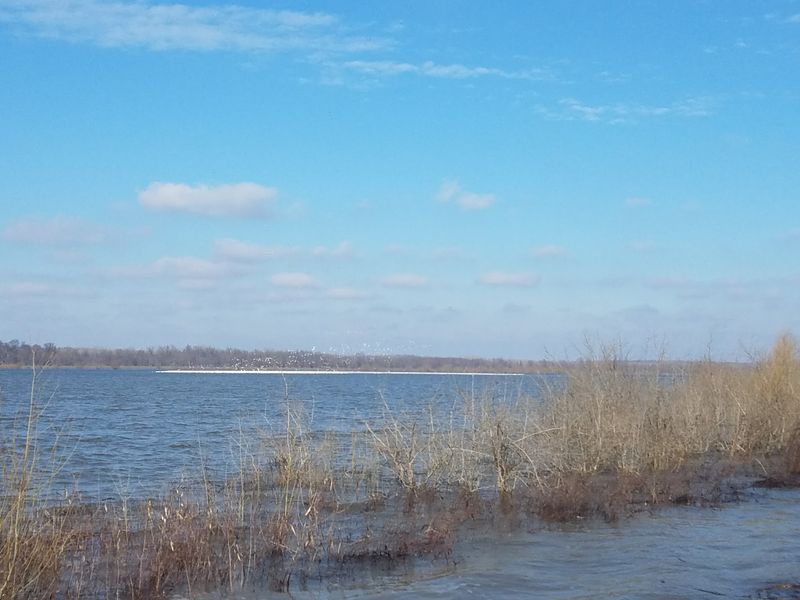
Backwater lakes tell a quieter river story than the main channel. At Meredosia National Wildlife Refuge, wetlands and floodplain habitat provide places where migrating birds can rest away from the busiest stretches of the Illinois River.
Near Meredosia, the refuge invites a slower kind of looking. Instead of following constant boat movement, families can study open water, shoreline cover, and the spaces between patches of vegetation.
American white pelicans may use this habitat during migration, but their presence changes with conditions. Some visits may reveal a group in the distance; others may feature different waterbirds or little visible activity.
The landscape helps explain why a river corridor includes more than flowing water. Backwaters and nearby wetlands can offer different depths, sheltered edges, and resting space, giving migrating birds options within the larger floodplain.
Public access needs careful attention here because seasonal restrictions can affect certain sections. Designated open areas, current refuge notices, and posted boundaries determine where a family visit can take place.
A closed area is still doing useful work even when visitors cannot enter it. Keeping some habitat undisturbed gives wildlife space, which is part of the purpose of a refuge rather than an inconvenience separate from it.
For children, that idea can make the visit more meaningful. The best view is not always the closest view, and a bird resting far away is behaving naturally without people pressing into its space.
Pelicans often become easier to notice when they move, turn, or spread their wings. A distant pale patch might suddenly resolve into several birds, while another shape remains impossible to identify confidently.
Meredosia is a good match for families comfortable with a quiet search and a flexible outcome. Its wetlands offer a glimpse of the river’s less obvious side, where sheltered water can matter as much to migration as the broad channel nearby.
9. Banner Marsh State Fish and Wildlife Area (Near Banner)
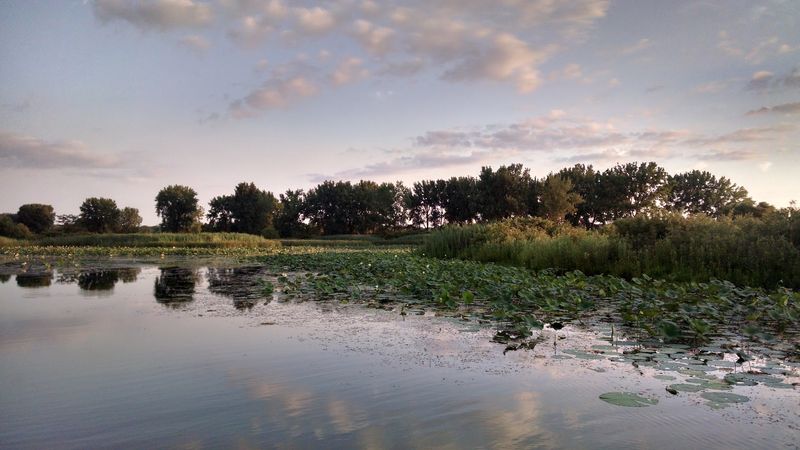
Coal mining helped shape this landscape, but waterbirds now supply much of the action. Banner Marsh State Fish and Wildlife Area contains lakes, marshes, and wetlands where families can watch a former industrial setting support a different kind of activity.
Near Banner, the mix of water and vegetation gives migrating birds several kinds of habitat to use. American white pelicans are among the waterbirds that may appear during seasonal movements through the Illinois River region.
The history provides a concrete conversation starter. Land can change purpose over time, and a place once altered for mining can later become valuable for fish, birds, and people interested in wildlife.
For a family camera outing, the contrast between white birds and darker water can be striking. Actual viewing distance still matters, so many photographs will show the wider landscape rather than close details of a pelican’s face.
Several kinds of birds may share the scene without using it in the same way. Some stay near cover, others cross open water, and pelicans can look especially large beside smaller swimming birds when they are close enough to compare.
Fall is also a season of shared use at a state fish and wildlife area. Posted hunting-season restrictions and current access information determine which public areas are available, and an open entrance does not mean every section is open for wandering.
That distinction keeps the outing grounded in the site’s actual rules. Wildlife watching belongs in permitted public areas, with boundaries respected even when an interesting bird appears beyond them.
Banner Marsh offers more than a single riverbank view. Its patchwork of lakes and wet places shows how birds use different parts of a landscape, while its mining background adds a human history that children can connect with the water, grasses, and wildlife visible in front of them during a fall visit.
10. Two Rivers National Wildlife Refuge (Brussels)
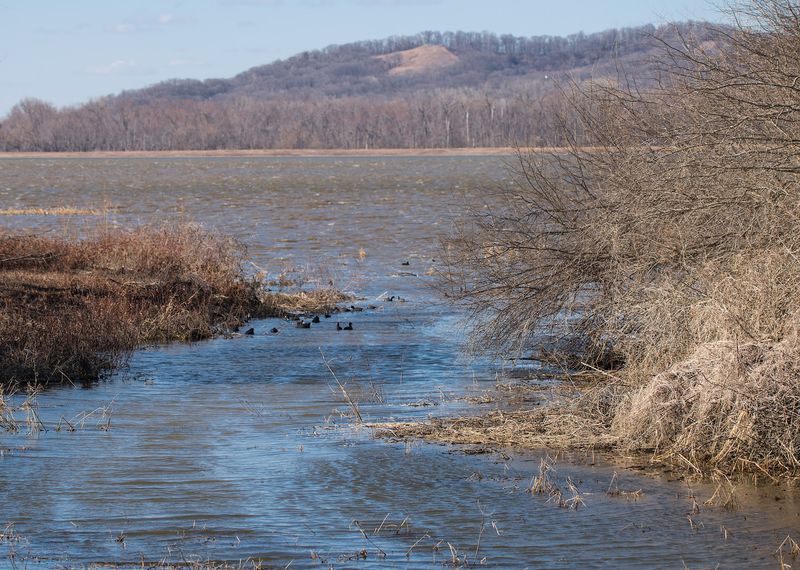
Two major rivers bring a lot of birds into the same neighborhood. Near Brussels, Two Rivers National Wildlife Refuge protects wetlands and open water around the meeting region of the Illinois and Mississippi rivers.
The name gives children a starting point for understanding the map. Rather than treating each river as a separate blue line, they can picture a connected landscape where water, floodplain habitat, and migrating wildlife meet.
American white pelicans are among the birds families can watch for during fall movements. They may pass through the view or use nearby water, depending on migration timing and local conditions.
Designated observation areas make the refuge’s public viewing opportunities the focus. The broad landscape can hold birds at considerable distances, so seeing a flock and studying individual birds are not always the same experience.
Seasonal restrictions deserve particular attention at this stop. Some sections have closures beginning October 16, and current refuge notices should confirm which areas remain accessible and how the rules apply to the planned visit.
That date does not mean the entire refuge necessarily closes to every visitor. It does mean that an older route description or photograph is not enough to establish access during the fall season.
Protected quiet areas help support the birds that draw people here. For families, observing from an allowed location offers a practical example of sharing habitat without treating every shoreline as a place to explore.
A passing flock can change the pace of the outing in seconds. Large white birds gliding across an open sky are easier to follow than distant resting shapes, especially when their dark flight feathers become visible.
Two Rivers gives the pelican search a larger geographic frame. Even without a sighting, the refuge helps explain why the meeting of river systems and the wetlands around them can become such important places during seasonal bird travel.
11. Havana Riverfront Park (Havana)
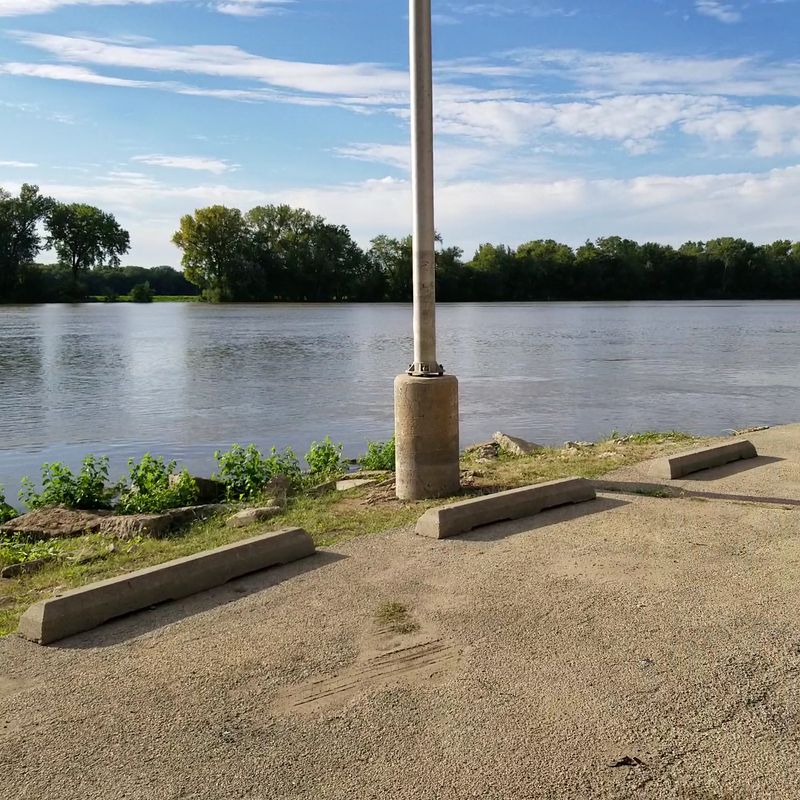
A short waterfront walk can be enough to put migration on the family calendar. Havana Riverfront Park offers a straightforward place to look across the Illinois River without heading deep into surrounding wetlands.
The downtown setting makes the visit easy to combine with time elsewhere in Havana. Birdwatching can be one part of the afternoon rather than an expedition that requires everyone to commit to a long outdoor route.
American white pelicans may appear during their seasonal travels, but the park is a viewing opportunity, not a reliable daily gathering place. River conditions and migration activity decide whether the large white birds enter the scene.
The open water gives families a broad area to scan. Some birds may be on the surface, while others cross overhead quickly enough that a person looking only toward the shoreline could miss them.
Pelicans offer an especially clear lesson in scale when other birds are nearby. Their broad bodies and long bills can make familiar waterfront birds look surprisingly small, although distant views sometimes hide those differences.
The park also separates two experiences that people often lump together. Watching the river from town is different from exploring a refuge, but both can reveal wildlife using the same larger corridor.
A family does not need to reach a secluded marsh for an observation to count. A flock passing above a downtown waterfront is still part of migration, and the ordinary surroundings can make that movement easier for children to connect with daily life.
Nearby downtown attractions provide another direction when the river is quiet. That flexibility removes the pressure to keep searching after younger visitors have lost interest.
Havana’s riverfront works as a compact stop with a wide view. The reward may be pelicans, another bird entirely, or simply a clearer picture of how the river runs alongside a community rather than apart from it.
12. Rice Lake State Fish and Wildlife Area (Canton)
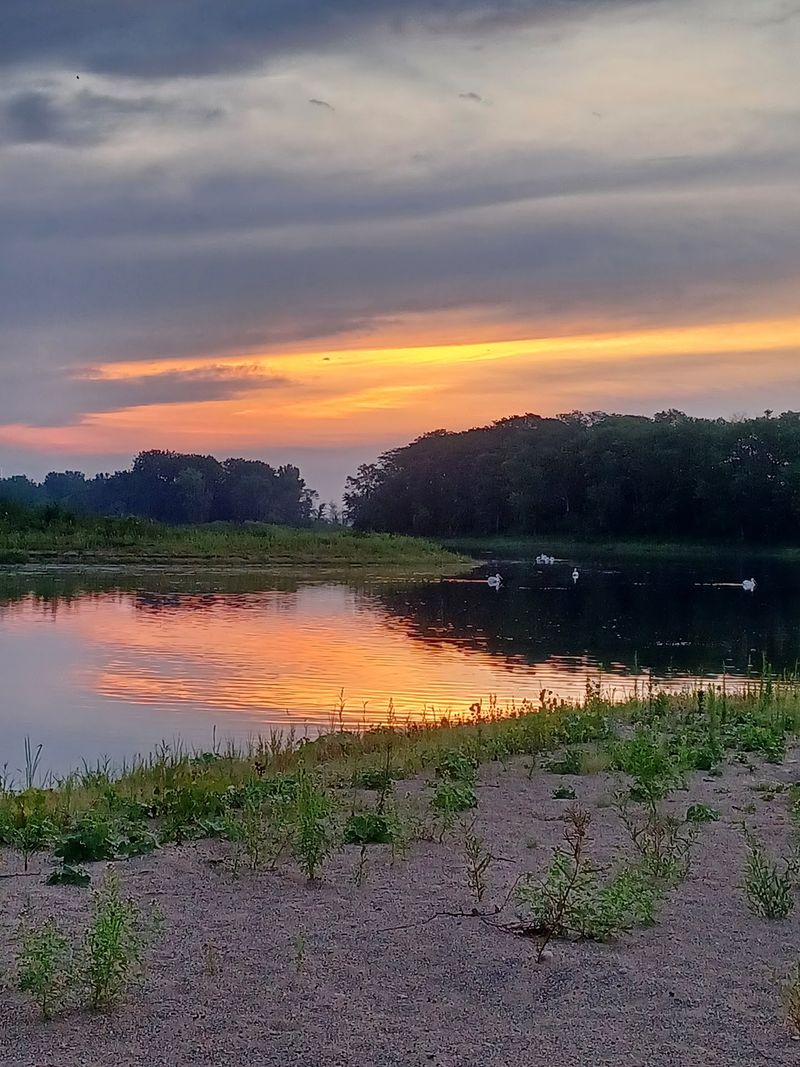
Open water is only part of the picture at Rice Lake. Lakes, marshes, and floodplain habitat work together here, creating places where migratory waterbirds can rest and feed within the Illinois River region.
Near Canton, Rice Lake State Fish and Wildlife Area gives families another setting for watching American white pelicans during fall migration. Their appearance depends on the birds’ movements and the conditions of the water available to them.
The surrounding habitat adds context to a sighting. A pelican on a lake is not simply posing in a scenic spot; it is using one piece of a larger network of places that support travel, feeding, and rest.
Children can follow that idea without needing a complicated ecology lesson. Different birds use open pools, shallow edges, and plant cover differently, and the visible variety helps explain why a wildlife area protects more than a single patch of water.
Fall access requires attention because this is also a hunting area. Seasonal hunting regulations, posted boundaries, and current access notices determine where wildlife watching is permitted on a particular day.
A lake visible on a map should not automatically be treated as an available viewing destination. The appropriate family outing stays within public areas that are open for the intended use.
When pelicans are present, their movements can be more revealing than their color alone. A turn of the head shows the bill, an opened wing reveals dark feathers, and several birds swimming together make their size easier to judge.
There may also be long stretches when the scene changes very little. That slower pace suits families interested in noticing details rather than collecting a long list of sightings.
Rice Lake rounds out the river journey with a look at supporting habitat beyond the main channel. Its lakes and marshes show where migrating birds can find room to pause along the way.