Pennsylvania is packed with museums that make learning feel like an adventure, whether you love trains, paintings, science, ships, fossils, or stories from long ago. Across the state, these places help visitors see how people built towns, solved problems, made art, fought for ideas, and explored the natural world, and each stop offers a different kind of discovery that can stick with you long after the visit ends.
Some museums are huge and famous, while others feel quieter and more personal, but all of them give families, students, and curious travelers a chance to slow down, look closely, and find something surprising in Pennsylvania’s past and present. If you have ever wanted a road trip filled with hands-on exhibits, strange objects, beautiful rooms, and true stories that make history feel real, these twelve museums show why Pennsylvania remains one of the best states for unforgettable museum days.
1. Railroad Museum of Pennsylvania – Strasburg
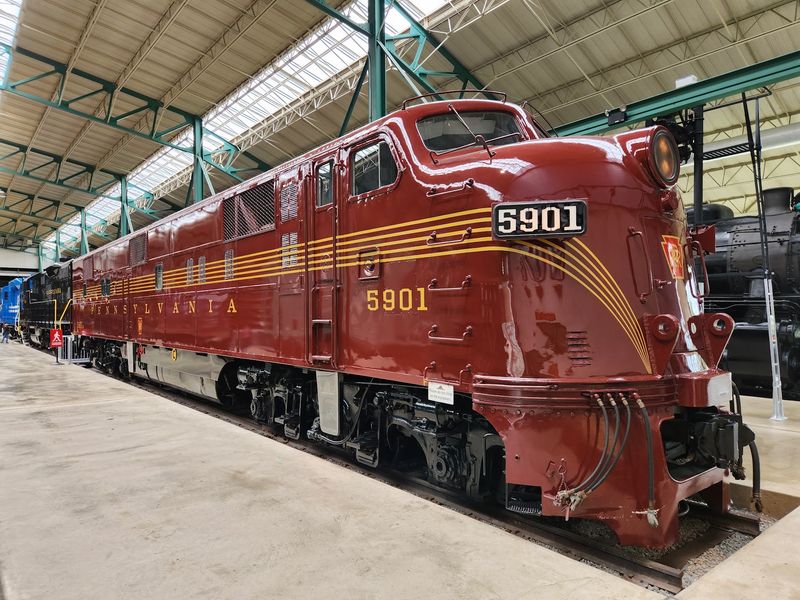
The first thing many visitors notice is the sheer size of the trains.
Standing beside a towering steam locomotive makes it easy to imagine how railroads changed Pennsylvania, carrying coal, steel, mail, and people across the state.
At the Railroad Museum of Pennsylvania in Strasburg, the machines are not just old equipment.
They feel like giant storytellers.
Inside, you can see engines, passenger cars, cabooses, and freight equipment that show how travel and work changed over time.
Signs and displays explain how rail lines helped towns grow and connected farms, factories, and cities.
Kids often enjoy spotting shiny details, wooden interiors, and big wheels, while adults may like learning how train design improved safety, speed, and comfort.
One of the best ways to enjoy this museum is to move slowly.
Look up at the tops of the engines, peek into the cars when allowed, and compare fancy passenger spaces with hardworking freight equipment.
The museum also does a good job showing that railroads were about people too, including engineers, porters, mechanics, and families heading somewhere new.
Because Strasburg sits in Lancaster County, many visitors pair the museum with a ride on the nearby Strasburg Rail Road.
That combination helps the past feel even more real.
Comfortable shoes are a smart idea, since the exhibits cover a large indoor space and there is a lot to study from different angles.
What makes this stop memorable is its mix of power and detail.
You leave with a better sense of how Pennsylvania helped shape railroad history in America.
For anyone curious about invention, travel, or big machines with even bigger stories, this museum offers one of the state’s most exciting discoveries.
2. The Andy Warhol Museum – Pittsburgh
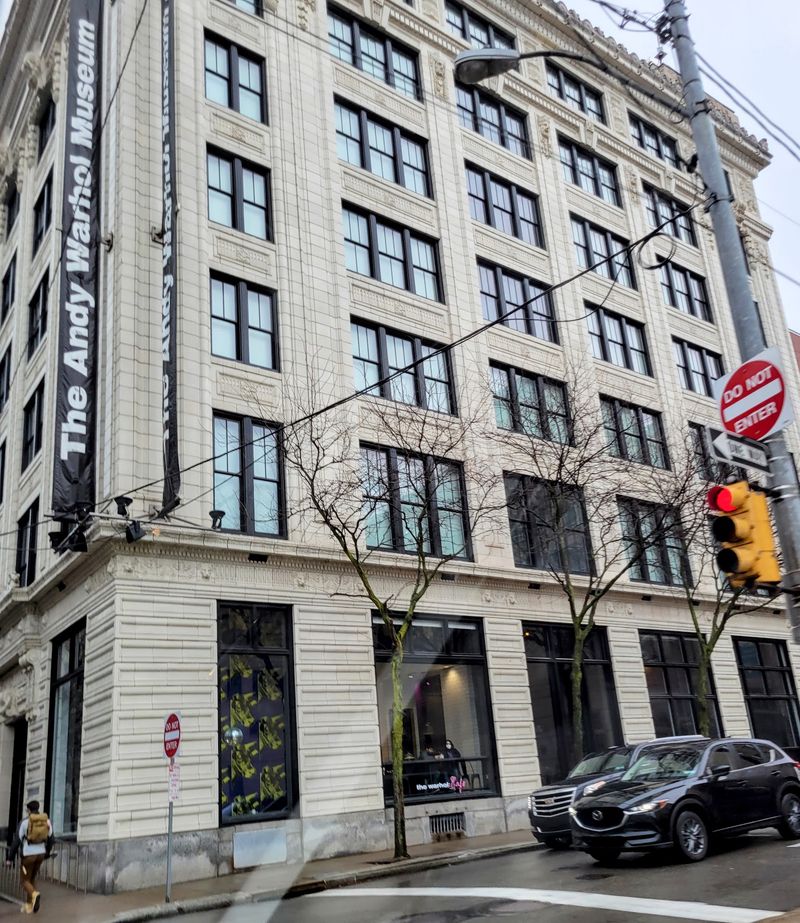
Bright color hits you fast here, and that is part of the fun.
The Andy Warhol Museum in Pittsburgh celebrates one of Pennsylvania’s most famous artists, but it also shows how art can come from everyday life.
Soup cans, celebrity images, films, photos, and sketches all help tell a bigger story about fame, media, and imagination.
Warhol was born in Pittsburgh, so visiting this museum adds a hometown feeling to the experience.
Instead of seeing only a few famous works, guests can follow his path from young artist to major cultural figure.
Along the way, the museum reveals how he worked across painting, printmaking, film, and performance, which helps visitors understand that creativity does not always stay in one lane.
Many students expect art museums to feel quiet and distant, yet this one often feels playful and energetic.
Repeated images, bold colors, and unusual subjects invite people to ask simple questions.
Why would an artist paint that?
What makes a common object worth framing?
Those questions can make even new museumgoers feel welcome.
Try taking time with pieces that seem strange at first.
Warhol’s work often becomes more interesting when you notice patterns, color choices, or how celebrity faces are treated like products.
The museum also helps explain his life, including his background, business skills, and interest in popular culture, giving the art more meaning.
Pittsburgh has many strong museums, but this one stands out because it turns familiar images into something worth studying.
You may leave thinking differently about advertising, magazines, music, and the way pictures shape memory.
That fresh way of looking at ordinary things is one of the museum’s best discoveries.
3. Brandywine Museum of Art – Chadds Ford
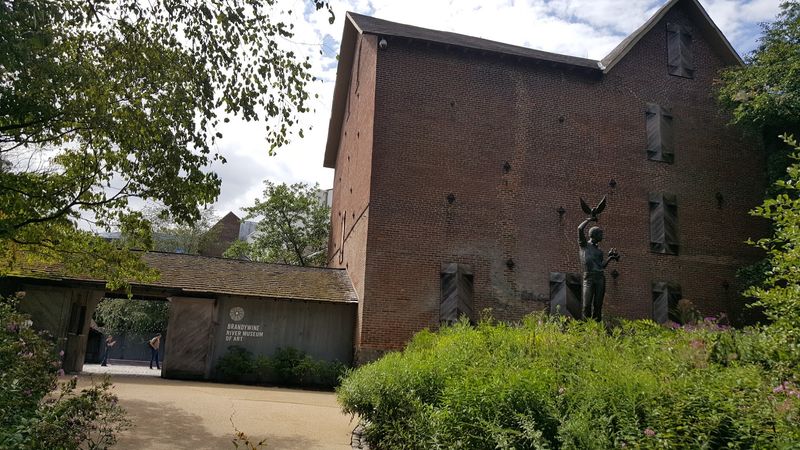
Some museums feel loud and busy, but this one invites a slower kind of wonder.
The Brandywine Museum of Art in Chadds Ford is closely linked with the Wyeth family of artists, and that connection gives the museum a deep sense of place.
Art, landscape, and local history come together in a way that feels thoughtful and calm.
Set in a restored mill near the Brandywine Creek, the building itself adds character before you even enter the galleries.
Inside, visitors often come to see works by N. C. Wyeth, Andrew Wyeth, and Jamie Wyeth, yet the museum offers more than one famous family.
American illustration, still lifes, and regional scenes help show how artists have captured everyday life, weather, homes, fields, and people with care.
A helpful way to enjoy this museum is to look for mood instead of rushing to identify facts.
Notice how a room can feel lonely, peaceful, chilly, or hopeful just from color and light.
Younger visitors may be surprised by how a simple field, window, or figure can hold so much feeling when an artist pays close attention.
The grounds and surrounding area matter too.
Chadds Ford’s hills and open views help explain why so many artists found inspiration here.
If you visit in different seasons, you may understand the paintings in new ways, especially when winter trees, summer greens, or soft autumn light echo what hangs inside the galleries.
What stays with many people is the museum’s quiet honesty.
It does not need flashy effects to be memorable.
Instead, it teaches an important discovery that fits Pennsylvania well: beauty can live in ordinary places, and when you really look at land, homes, and faces, familiar things start to feel rich, layered, and new.
4. The Franklin Institute – Philadelphia
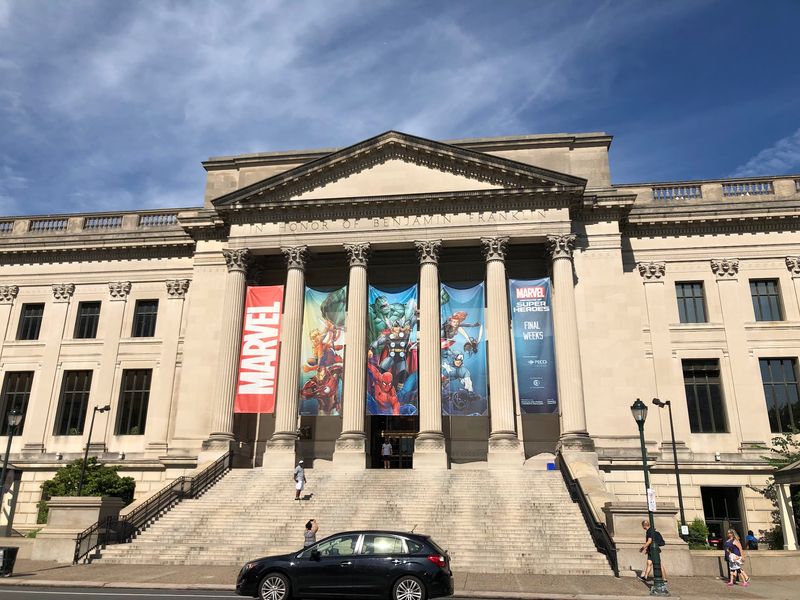
Energy buzzes through this museum in a way that is hard to miss.
The Franklin Institute in Philadelphia has long been one of Pennsylvania’s most loved science museums, and it earns that reputation with exhibits that turn big ideas into hands-on experiences.
Instead of reading about science from a distance, visitors can test, touch, watch, and wonder.
Named for Benjamin Franklin, the museum reflects his spirit of curiosity and practical thinking.
Popular exhibits often explore electricity, space, the human body, engineering, motion, and technology.
Walking through the giant heart is a classic memory for many families, and younger visitors often come away excited because science feels active rather than abstract.
One of the smartest ways to visit is to let interest lead the day.
If a child loves machines, spend more time with engineering displays.
If weather, the brain, or space grabs your attention, follow that path.
Museums like this work best when people feel free to chase questions, push buttons, and connect facts to real life at home or school.
Philadelphia offers many historic sites, so The Franklin Institute adds a different layer to the city.
It reminds visitors that Pennsylvania history is not only about the past.
It is also about invention, research, health, and problem solving.
Exhibits often make it easy to understand how science shapes transportation, medicine, communication, and even sports.
Plenty of museums teach facts, but this one helps build confidence.
A student who enters saying science is difficult may leave talking excitedly about circuits, the stars, or how the body works.
That change matters.
Among the state’s best discoveries, few feel as practical and inspiring as the idea that learning can be playful, useful, and thrilling all at once.
5. Erie Maritime Museum – Erie
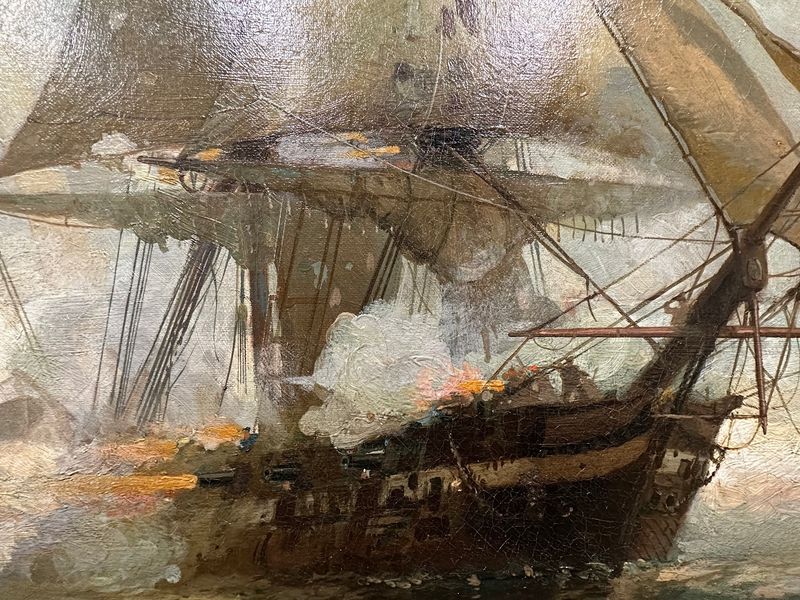
Lake history can surprise people who mostly connect Pennsylvania with forests, farms, or big cities.
Up in Erie, the Erie Maritime Museum shows how the Great Lakes played a major role in trade, defense, and daily life.
The museum is best known for telling the story of the War of 1812 and Commodore Oliver Hazard Perry’s fleet.
Exhibits help visitors understand why Lake Erie mattered so much during that conflict.
Ship models, tools, weapons, maps, and personal stories bring the past close in a way textbooks often cannot.
If the tall ship associated with the museum is available to see, that adds an extra layer of excitement, because it helps turn naval history into something physical and real.
What makes this museum stand out is its setting.
Being near the water changes the mood of the visit.
You can look at artifacts inside, then step outside and imagine shipbuilding crews, rough lake weather, and the challenge of moving men and supplies across a huge freshwater battlefield.
Families may find that the museum opens useful conversations about teamwork, geography, and how transportation shapes military and business decisions.
It also reminds visitors that Pennsylvania’s history is tied to more than roads and rail lines.
Water routes mattered too, and Erie gave the state an important doorway to the Great Lakes.
A good visit here comes from asking simple questions.
How did sailors live?
What did they fear?
How were ships built so quickly?
Those questions help the exhibits come alive.
By the time you leave, the lake may feel less like scenery and more like a powerful historical force.
That shift in perspective is one of the museum’s most rewarding discoveries, and it gives northwestern Pennsylvania a story many travelers do not expect.
6. National Civil War Museum – Harrisburg

Few museum visits feel as serious and thoughtful as this one.
The National Civil War Museum in Harrisburg explores one of the hardest periods in American history, and it does so with care, depth, and balance.
Rather than treating the war as a list of battles alone, the museum shows how the conflict changed soldiers, families, politics, and everyday life.
Artifacts such as uniforms, weapons, flags, photographs, and letters help visitors connect with real people from the era.
Reading a personal note or seeing worn equipment can make the past feel immediate in a powerful way.
The museum also presents viewpoints from both sides of the war, which helps visitors understand the conflict’s complexity while still facing the human cost honestly.
Because Pennsylvania was deeply tied to Civil War history, this museum fits the state especially well.
Harrisburg served as an important location during the war, and Gettysburg lies not far away.
Visiting here can give helpful background before seeing battlefields, monuments, or historic towns elsewhere in Pennsylvania.
Students and families may appreciate taking breaks between galleries, since the material can feel heavy.
That slower pace allows time to think about larger themes such as freedom, leadership, sacrifice, and the unfinished work that followed the war.
Museums like this are not only about dates.
They help people ask what kind of country Americans wanted to build and who was allowed to share in it.
One reason the museum leaves a lasting mark is that it connects the national story to personal choices.
Visitors see that history was shaped by ordinary people facing impossible pressures.
The discovery here is not cheerful, but it is meaningful.
Understanding the Civil War more clearly helps us better understand Pennsylvania, the nation, and the lasting weight of decisions made long ago.
7. Philadelphia Museum of Art – Philadelphia
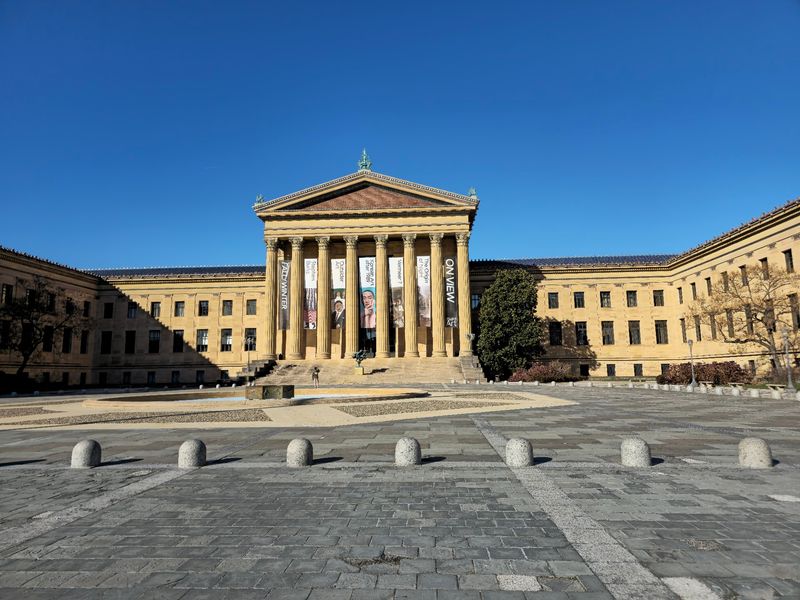
Even people who have never visited often recognize the grand steps outside.
Once you get past that famous entrance, the Philadelphia Museum of Art offers room after room of discovery, from European paintings and Asian art to armor, sculpture, decorative objects, and American works.
It is one of those places where a short visit can easily turn into half a day.
The scale of the museum is part of its magic.
A visitor might move from a peaceful temple room to a bright gallery of modern art, then find detailed furniture, bold portraits, or medieval armor.
That variety keeps the experience lively, especially for families or groups with different interests.
Someone who thinks art museums are only about paintings may be surprised by how much design, craft, and history appear here.
It helps to choose a simple plan before going in.
Pick a few collections, a special exhibit, or one theme such as color, portraits, or world cultures.
Without a plan, the museum can feel huge.
With a plan, it becomes exciting, because every gallery feels like a fresh corner of the world opening up inside Pennsylvania.
The museum’s location adds even more appeal.
After exploring the galleries, visitors can step outside for city views and a sense of Philadelphia’s energy.
That mix of art and place matters.
It reminds people that museums are not separate from daily life.
They sit inside living communities and shape how people see beauty, history, and each other.
Among Pennsylvania’s museum discoveries, this one stands out for pure range.
A single afternoon can bring ancient objects, new ideas, and moments of quiet awe.
The best lesson may be simple: when a museum gathers many cultures and time periods under one roof, curiosity grows fast, and the world starts to feel bigger.
8. Mütter Museum – Philadelphia
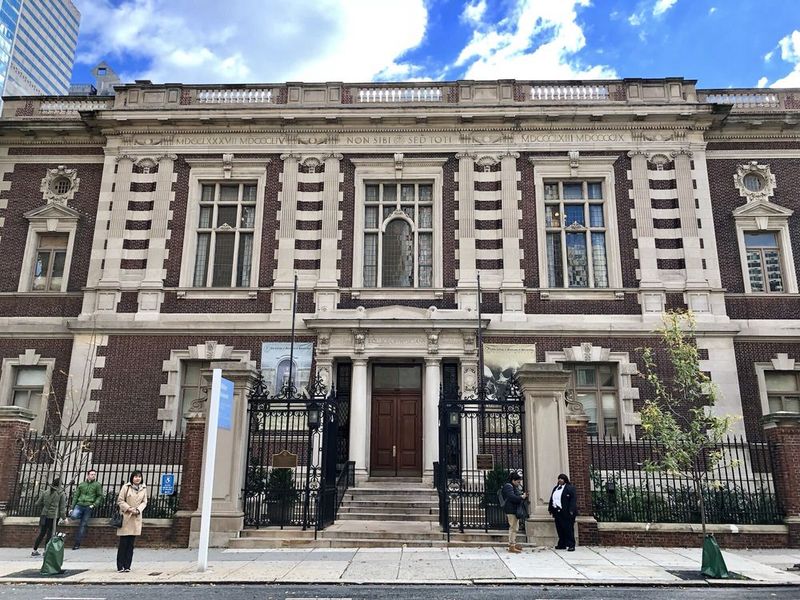
Not every museum is comfortable in the usual way, and that is exactly why this one stays in people’s minds.
The Mütter Museum in Philadelphia explores medical history through preserved specimens, old instruments, models, and records that can feel fascinating, strange, and sometimes unsettling.
For curious visitors, it offers a rare look at how doctors studied the human body and tried to solve difficult health problems.
Part of the museum’s power comes from its honesty.
Bodies are complicated, and medical care has changed through trial, error, and careful observation.
The exhibits show conditions, injuries, and treatments that remind visitors how much people in the past endured.
At the same time, the museum highlights the effort to understand illness and improve healing, which gives the collection an important purpose beyond shock value.
This is not the best stop for everyone, especially very young children or people who are uneasy around medical specimens.
Still, older students and adults often find it deeply memorable because it pushes them to think about science in human terms.
Behind every display is a person, a question, and a search for answers about pain, disease, growth, or survival.
A respectful attitude goes a long way here.
Reading the labels carefully helps visitors move beyond the unusual appearance of objects and focus on what they teach.
You may notice how ideas about ethics, public health, anatomy, and education have shifted over time.
That makes the museum useful as both a history lesson and a science lesson.
Philadelphia is full of major cultural institutions, yet the Mütter Museum has a voice all its own.
Its biggest discovery may be this: learning about the body can be uncomfortable and meaningful at the same time.
That mix of curiosity, empathy, and reflection is what makes the museum unforgettable in Pennsylvania.
9. AACA Museum, Inc. – Hershey
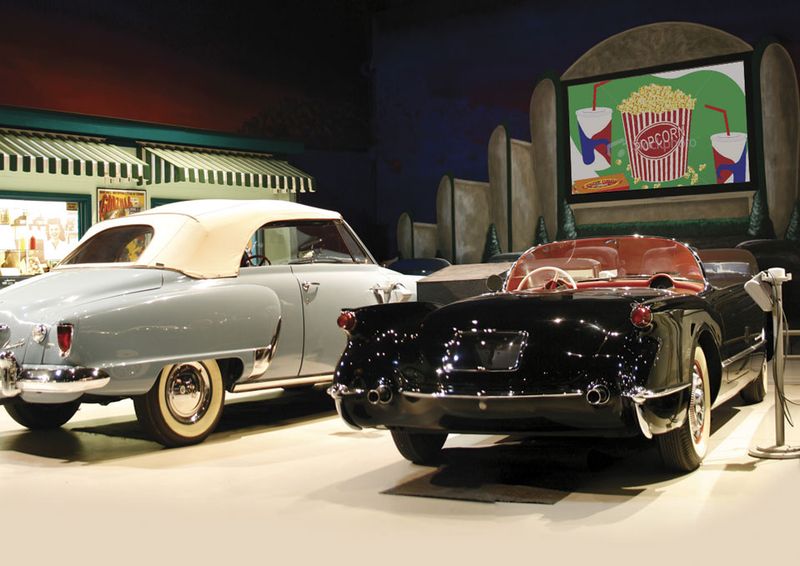
Chrome, curves, and bright paint make a strong first impression here.
The AACA Museum, Inc. in Hershey celebrates transportation history through classic cars, buses, motorcycles, and other vehicles that show how Americans moved from place to place in different eras.
It is a museum where design, engineering, and nostalgia share the same floor.
Visitors do not need to be car experts to enjoy the displays.
A child may simply love the colors and shapes, while an adult might remember a family vehicle from years ago.
That wide appeal gives the museum warmth.
It connects history to ordinary life, road trips, work routines, and the excitement people once felt seeing a brand-new model roll into town.
Beyond the shiny surfaces, the museum tells bigger Pennsylvania stories too.
Cars and buses changed how towns grew, how families traveled, and how business worked across the state.
In a place like Hershey, known for tourism and family visits, a transportation museum feels especially fitting because it highlights the very machines that made travel easier and more common.
A good strategy is to compare vehicles from different decades.
Look at seat design, dashboards, headlights, tires, and body shapes.
Small changes reveal larger shifts in technology, safety, comfort, and style.
Some exhibits may also show repair culture, road life, or custom work, which adds personality beyond the factory floor.
The museum’s charm comes from more than beautiful old machines.
It reminds visitors that transportation history is really people history.
Someone designed the car, someone built it, someone drove it to school, to work, to vacation, or to a new home.
That everyday connection makes the collection easy to relate to.
Among Pennsylvania museums, this one offers a joyful discovery: even a parked vehicle can carry a whole era with it.
10. Carnegie Museum of Natural History – Pittsburgh
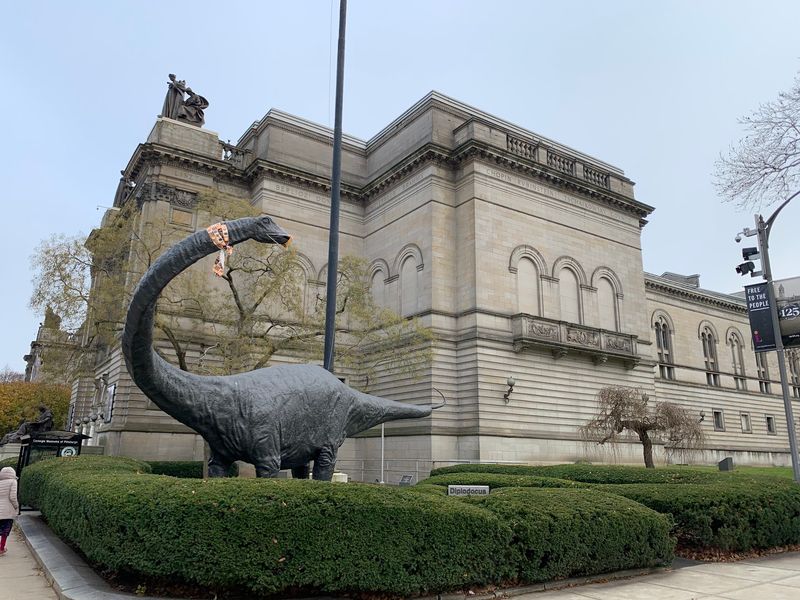
Huge skeletons have a way of stopping people in their tracks.
The Carnegie Museum of Natural History in Pittsburgh is famous for dinosaur fossils, but its strengths go far beyond prehistoric giants.
From ancient life and minerals to wildlife, anthropology, and changing environments, the museum helps visitors see Earth as a place with a very long and eventful story.
Dinosaurs often get the loudest attention, and for good reason.
The scale of the fossil halls sparks instant excitement.
Yet some of the richest discoveries happen in the quieter galleries, where visitors can learn how plants, animals, and humans have adapted over time.
A museum like this makes big ideas easier to understand because it puts evidence right in front of you.
Families can get a lot from asking comparison questions.
How is one skull different from another?
What do teeth reveal about diet?
Why do certain rocks preserve fossils so well?
That approach turns the museum into an active investigation instead of a simple walk past display cases.
It also helps students connect museum learning to science class in a natural way.
Pittsburgh’s industrial image makes this museum especially interesting.
It shows another side of the region, one tied to research, fieldwork, and the deep history of the planet.
Visitors begin in Pennsylvania, but the collections stretch their imagination across deserts, oceans, forests, and ages that came long before people existed.
What makes the museum unforgettable is its sense of scale.
You leave thinking about time differently.
A school year, a decade, even a century can feel small after standing beside creatures from millions of years ago.
That perspective is one of the best discoveries any museum can give.
It encourages humility, curiosity, and a fresh respect for life on Earth and Pennsylvania’s role in studying it.
11. Mercer Museum – Doylestown
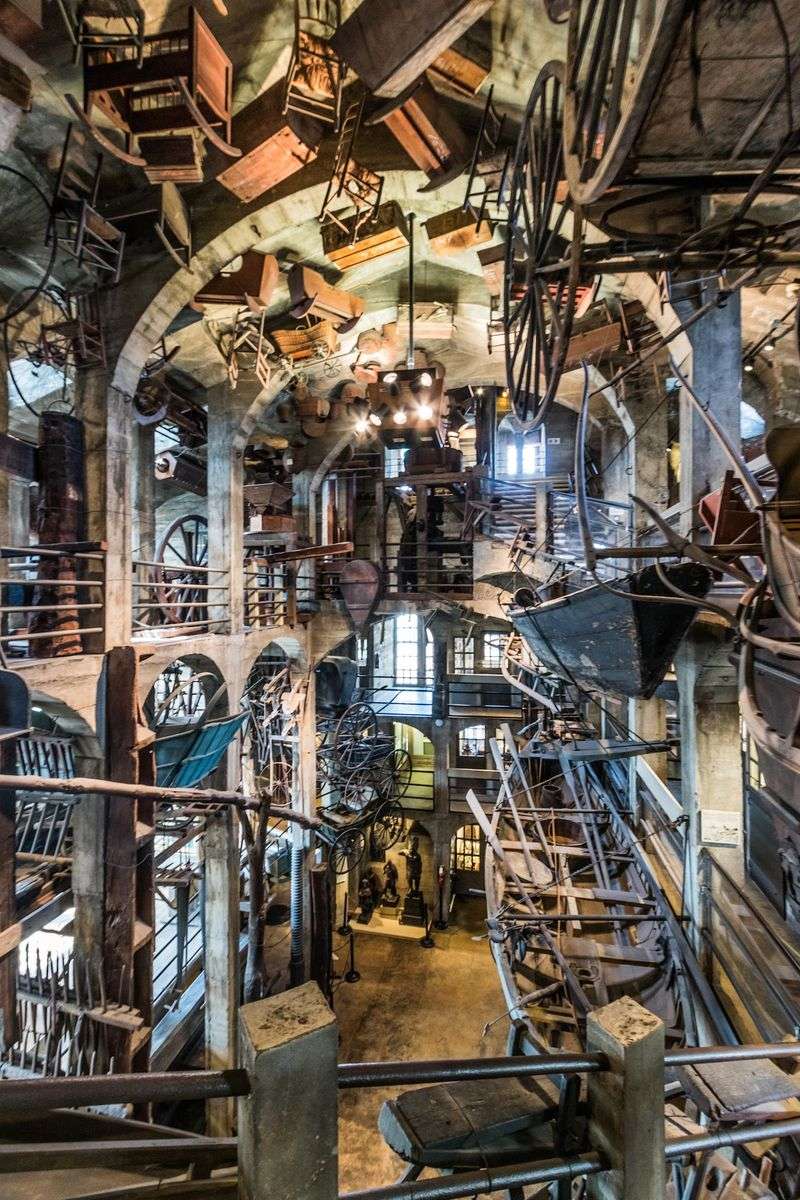
Walking into this museum can feel like stepping inside a giant cabinet of curiosities.
The Mercer Museum in Doylestown is known for its striking concrete building and its remarkable collection of tools and everyday objects from preindustrial America.
Instead of focusing on kings, battles, or famous paintings, it pays attention to how ordinary people worked, built, cooked, farmed, and solved problems.
That focus makes the museum surprisingly engaging.
Rows of hand tools, wagons, household items, and trade equipment reveal a world powered by skill and muscle.
You begin to notice how much knowledge was once carried in a craftsperson’s hands.
Blacksmiths, weavers, farmers, and carpenters all needed tools designed for very specific tasks, and the museum helps make those tasks easier to picture.
The building itself adds to the adventure.
With objects displayed high above and across multiple levels, visitors often keep spotting new details from unexpected angles.
It almost feels like history is stacked around you.
That unusual arrangement encourages curiosity, especially for kids who enjoy looking up, around corners, and into cases packed with odd and wonderful things.
Doylestown has a strong arts and history scene, and Mercer Museum fits that identity beautifully.
A visit works best when you slow down and choose a few categories to study, such as farming tools, transportation, or home life.
Trying to see everything at once can be overwhelming because the collection is so rich.
Among Pennsylvania museums, this one offers a special discovery about daily labor.
Modern life hides many of the processes behind the things we use, but Mercer Museum brings those processes back into view.
After a visit, a simple chair, shoe, or basket may seem more impressive because you understand the effort and ingenuity once needed to make it.
12. Everhart Museum – Scranton
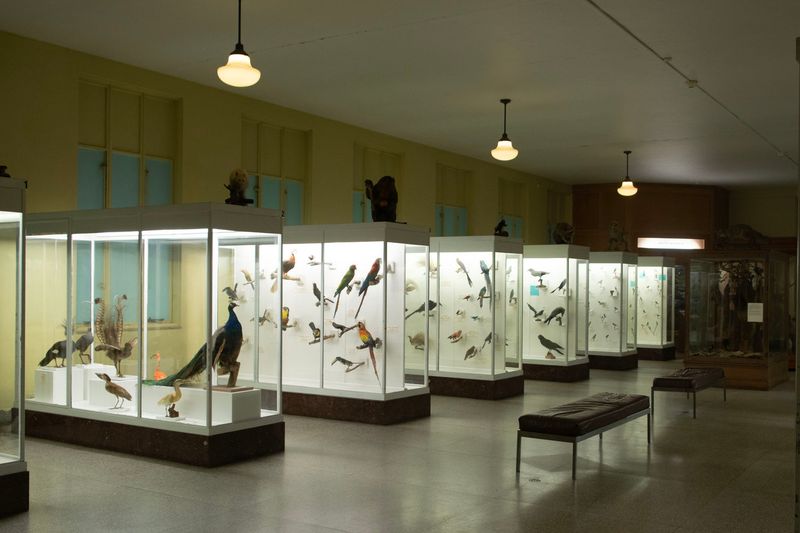
Sometimes the most pleasant surprise comes from a museum that does a little bit of everything.
The Everhart Museum in Scranton blends art, natural history, and science in a way that feels approachable and local.
Rather than overwhelming visitors with endless halls, it offers a community-centered experience that still sparks plenty of curiosity.
Located in Nay Aug Park, the museum benefits from a setting that already invites families and school groups to explore.
Inside, exhibits may shift over time, which keeps return visits interesting.
Art displays, cultural objects, and natural history materials work together to show that learning does not need to stay inside one subject.
A visitor can move from looking at creative expression to thinking about animals, environments, or regional identity.
That flexible style is one of the museum’s strengths.
Some places are famous for a single star attraction, but the Everhart Museum feels more like a thoughtful sampler of ideas.
It can be a great stop for younger visitors who are still discovering what they enjoy most, since one gallery might pull them toward art while another sparks interest in science or local history.
Scranton itself has a strong industrial and cultural story, and this museum adds a softer, broader layer to that picture.
It encourages people to connect the city with learning, creativity, and civic pride.
Because the museum is not as nationally famous as some others on this list, it can also feel more personal, which many visitors appreciate.
The lasting discovery here is about access.
Great museum experiences do not always have to be massive or world famous.
Sometimes they grow from a place that knows its community and welcomes curiosity in many forms.
In Pennsylvania, the Everhart Museum stands as a reminder that smaller institutions can still open big doors to wonder, conversation, and connection.
Share this story