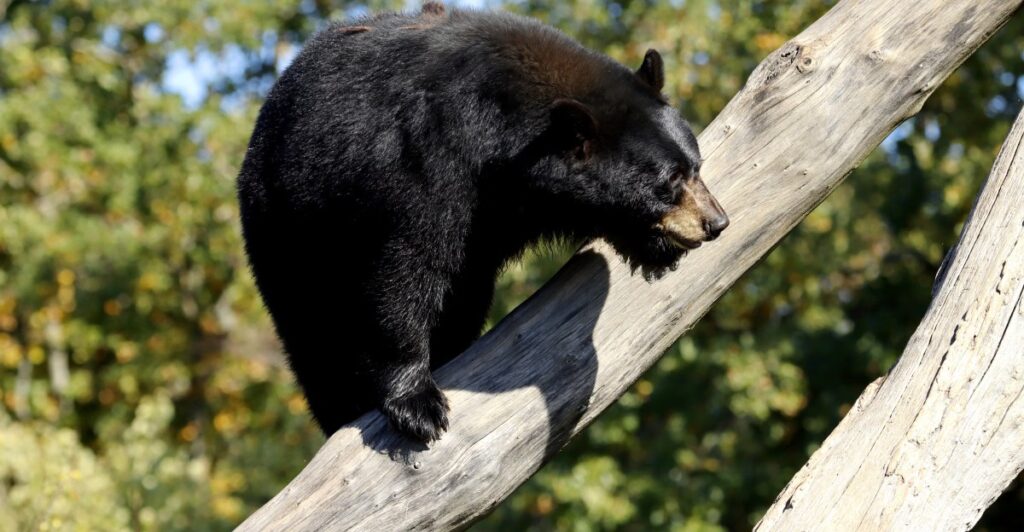
A tipped-over garbage can, muddy pawprints across a patio, and a suspiciously empty bird feeder can announce an overnight visitor before anyone spots the culprit. In early fall, New Jersey’s black bears enter hyperphagia, an intense feeding period during which they consume as much as possible before winter denning.
That search for calories frequently pulls them toward neighborhoods, campgrounds, orchards, dumpsters, and other places where food is easy to find.
Sightings are possible statewide, but they remain especially common across the forested northwestern counties, where houses and roads weave through established bear habitat.
Most encounters amount to a bear crossing a yard or disappearing into the trees, yet they still demand caution. Residents and visitors should secure garbage, remove outdoor food, leash pets, and give every bear a wide escape route.
From remote mountain communities to increasingly busy suburbs, these 12 areas regularly find themselves sharing the fall landscape with New Jersey’s largest wild animal.
1. West Milford, Passaic County
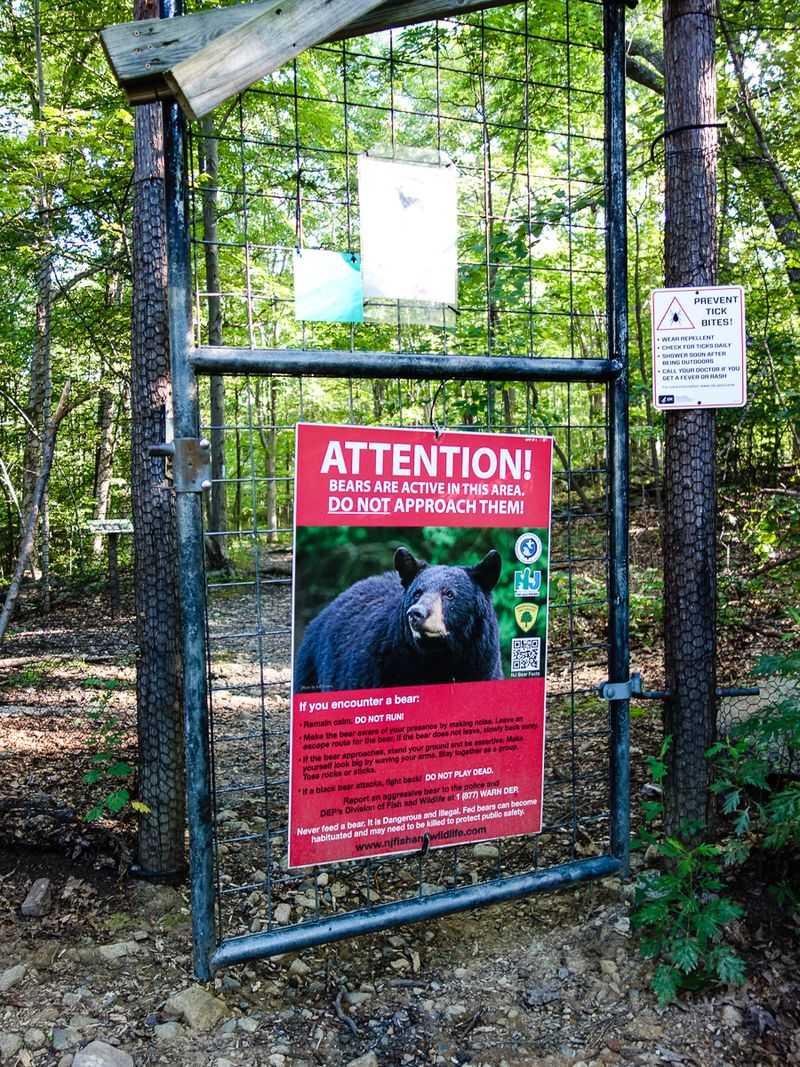
A bulky silhouette crossing a wooded road hardly qualifies as an unbelievable story in West Milford. The sprawling township contains reservoirs, ridgelines, wetlands, and extensive forest, creating some of the most dependable black bear habitat in northern New Jersey.
Neighborhoods around Upper Greenwood Lake, Newfoundland, Oak Ridge, and Hewitt sit close to uninterrupted woodland, allowing bears to travel between feeding areas without remaining in the open for long.
Early fall raises the chances of an encounter because bears are covering more ground in search of calorie-rich foods.
Acorns, hickory nuts, berries, and insects keep them busy in the forest, but unsecured garbage, birdseed, compost, and outdoor pet food provide tempting shortcuts. Sightings may happen along quiet roads, beside reservoirs, on hiking trails, or directly outside someone’s kitchen window.
Drivers should be especially attentive around dawn and dusk, when a dark-coated animal can be difficult to distinguish from roadside shadows. Anyone hiking in Abram S.
Hewitt State Forest or near the township’s numerous trail networks should remain aware, keep dogs leashed, and avoid wearing headphones that block surrounding sounds. A bear that wanders through without causing trouble is generally best left alone.
Give it room, never block its route back to cover, and resist the temptation to follow it for a better photograph.
2. Ringwood, Passaic County
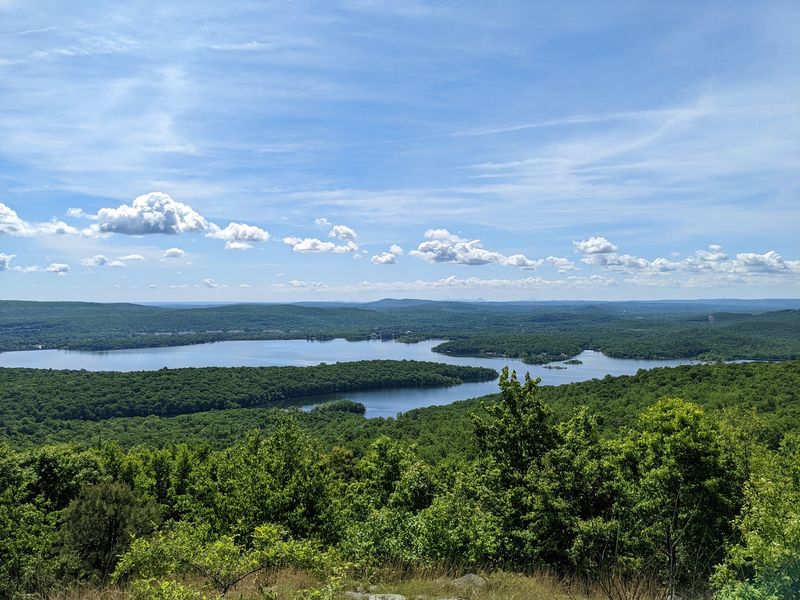
In Ringwood, the boundary between backyard and bear habitat can be little more than a row of trees. The borough is surrounded by rugged public land, including Ringwood State Park, Norvin Green State Forest, and the forested slopes around the Wanaque Reservoir.
Those connected green spaces serve as natural travel corridors, bringing bears surprisingly close to homes without requiring them to cross much developed ground. Fall is when their appetite becomes particularly impressive.
A bear preparing for winter may consume around 20,000 calories in a day, turning spilled birdseed, a greasy grill, or an unlocked trash container into a prize worth revisiting. That last part matters: once a bear finds reliable food at a property, it can quickly incorporate the stop into its routine.
Residents can discourage return visits by putting garbage out on collection morning, cleaning containers regularly, collecting fallen fruit, and removing outdoor pet bowls. Hikers should also expect wildlife rather than treat a sighting as a freak occurrence.
Make your presence known around blind turns, stay together, and give any bear plenty of space. Seeing one stand on its hind legs may look threatening, but it is often trying to see or smell more clearly.
The correct response remains calm and deliberate: do not run, do not approach, and slowly create distance while leaving the animal an obvious way out.
3. Vernon Township, Sussex County
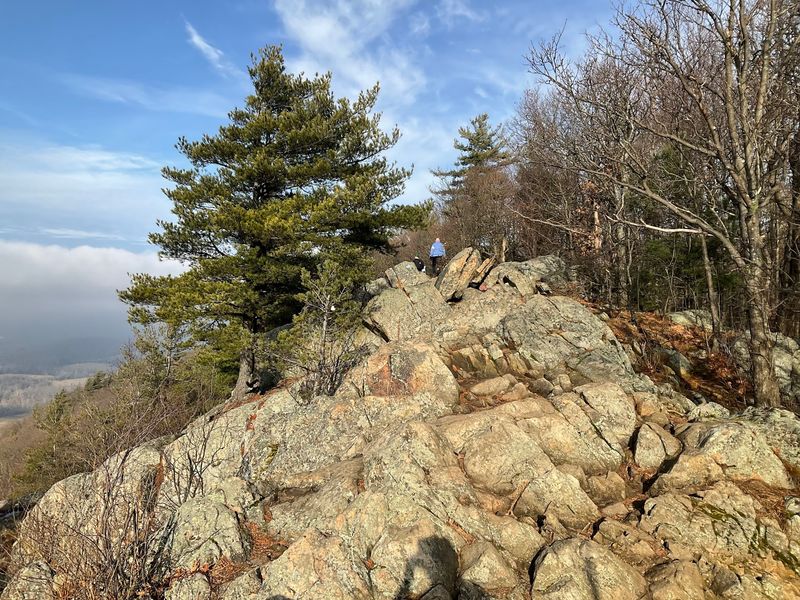
Ski slopes, golf courses, lake communities, farms, and Appalachian Trail mileage all meet in Vernon Township, forming a patchwork that works remarkably well for black bears.
The animals can feed in the mountains, follow streams and wooded corridors, and emerge near homes or businesses before slipping back into cover.
That mobility becomes especially noticeable in September and October, when natural foods are abundant but bears are also intensely motivated to find every available calorie.
The township received an unusually vivid reminder in September 2025, when a bear entered a Dollar General in the McAfee section after earlier encounters nearby.
Such behavior is far from typical, but the incident demonstrated what can happen when a bear becomes comfortable around developed areas. More commonly, residents notice tracks near garbage cans, a bear crossing a back road, or movement along the edge of a yard.
Visitors using the Appalachian Trail, Wawayanda State Park, or other nearby recreation areas should keep food sealed and never leave packs unattended. Dogs deserve particular attention because barking or chasing can turn a quiet sighting into a dangerous confrontation.
Keep them close and leashed, even when a trail seems empty. Vernon offers abundant room for bears and people alike; the safest encounters are the uneventful ones in which everyone maintains distance and the bear continues toward the woods.
4. Sparta Township, Sussex County
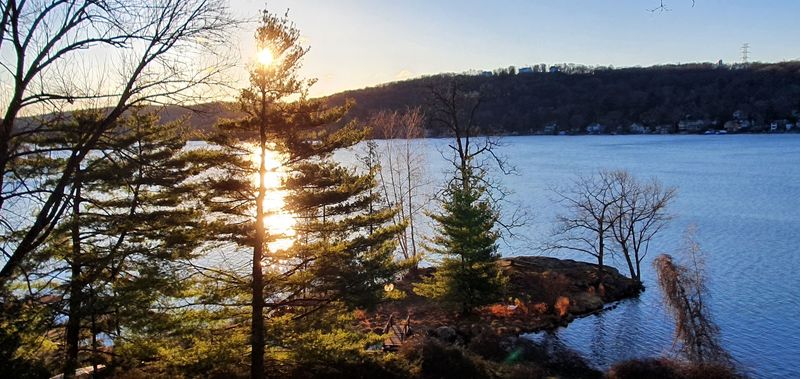
Doorbell cameras have changed the way Sparta records its wildlife. A bear may cross a lawn for only a few seconds, yet the footage quickly reveals how regularly these animals move among the township’s wooded neighborhoods and lake communities.
Sparta sits within one of New Jersey’s strongest bear regions, with forested ridges, wetlands, streams, and spacious properties providing food and shelter. Early fall adds urgency to a bear’s daily routine.
Nuts and fruit are ripening, but so are the smells coming from garbage containers, grills, compost piles, and pet dishes. A bear following its nose can appear on a porch or beside a garage without showing any particular interest in the people inside.
Residents should still treat every encounter seriously, especially when pets are outdoors. A bear killed a small dog in Sparta in 2024, underscoring why dogs should not be left unattended or allowed to confront wildlife.
Around popular outdoor areas such as Sparta Glen, walkers should remain alert near dense vegetation and give animals time to clear the path. If a bear enters a yard, observing through a closed window is safer than stepping outside to film it.
Remove whatever attracted the visitor only after it has left, then prevent another easy meal by securing bins, cleaning cooking equipment, and bringing feeders or food bowls indoors.
5. Hardyston Township, Sussex County
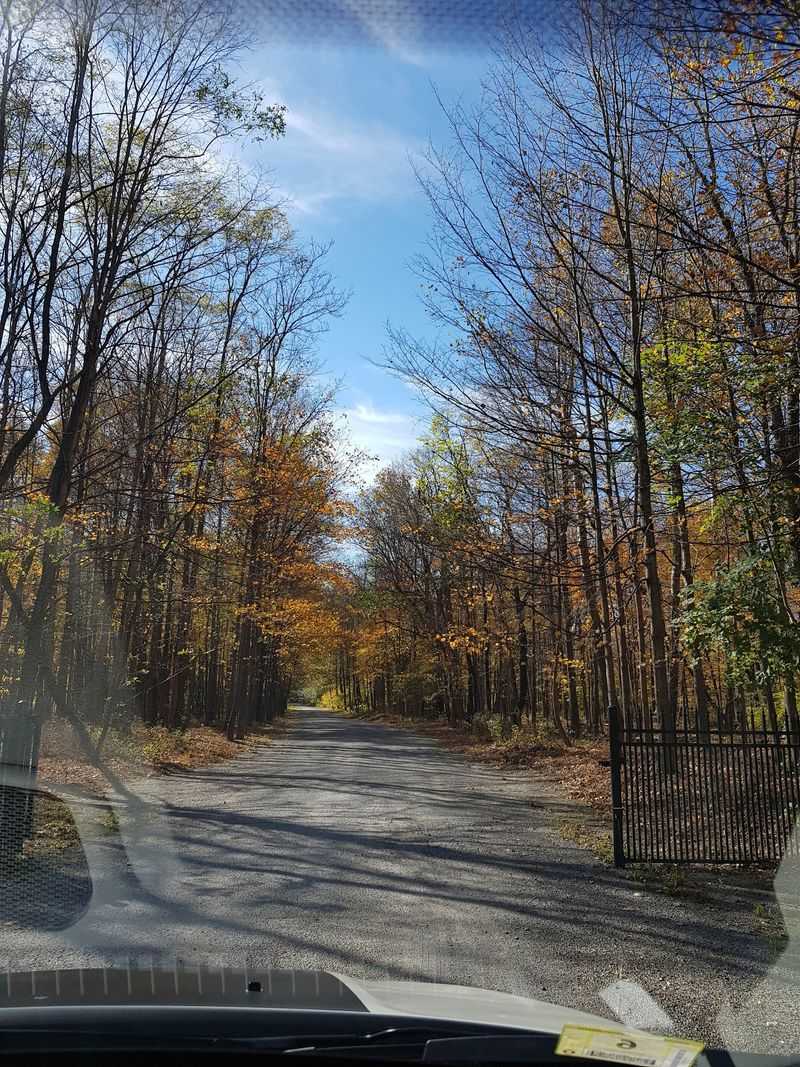
Quiet roads winding between farms, golf communities, wetlands, and forest make Hardyston look peaceful from behind the wheel. They also run directly through excellent bear country.
The township lies in the heart of Sussex County, where New Jersey’s black bear population is most firmly established, and its mix of developed pockets and wooded acreage gives animals plenty of concealed routes.
Sightings here may not always generate headlines; they are often ordinary moments, such as a bear crossing Route 94, tracks beside a shed, or a damaged compost pile discovered in the morning.
That everyday quality is precisely why Hardyston belongs on this list. During the early-fall feeding surge, bears travel widely between stands of acorns, fruiting plants, agricultural land, and water sources.
A roadside apple tree or overflowing dumpster can interrupt that natural route and draw them closer to people. Motorists should reduce speed on narrow back roads at dawn and after sunset, when visibility is poor and wildlife is active.
Homeowners can make their properties less rewarding by gathering fallen fruit, securing livestock feed, and keeping garbage where its odor cannot carry into the woods.
Anyone who sees a bear should remain at a generous distance rather than trying to steer or frighten it at close range.
In most cases, the animal is passing through and will leave once it finds a clear, undisturbed path.
6. Hampton Township, Sussex County
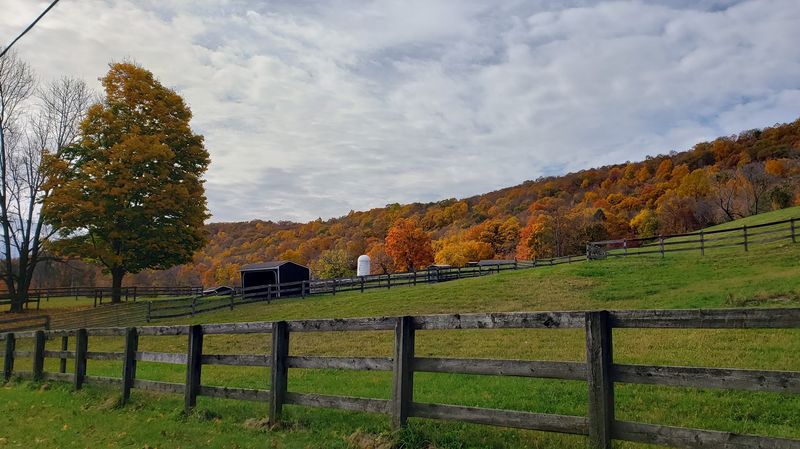
Quiet roads winding between farms, golf communities, wetlands, and forest make Hardyston look peaceful from behind the wheel. They also run directly through excellent bear country.
The township lies in the heart of Sussex County, where New Jersey’s black bear population is most firmly established, and its mix of developed pockets and wooded acreage gives animals plenty of concealed routes.
Sightings here may not always generate headlines; they are often ordinary moments, such as a bear crossing Route 94, tracks beside a shed, or a damaged compost pile discovered in the morning.
That everyday quality is precisely why Hardyston belongs on this list. During the early-fall feeding surge, bears travel widely between stands of acorns, fruiting plants, agricultural land, and water sources.
A roadside apple tree or overflowing dumpster can interrupt that natural route and draw them closer to people. Motorists should reduce speed on narrow back roads at dawn and after sunset, when visibility is poor and wildlife is active.
Homeowners can make their properties less rewarding by gathering fallen fruit, securing livestock feed, and keeping garbage where its odor cannot carry into the woods. Anyone who sees a bear should remain at a generous distance rather than trying to steer or frighten it at close range.
In most cases, the animal is passing through and will leave once it finds a clear, undisturbed path.
7. Byram Township, Sussex County
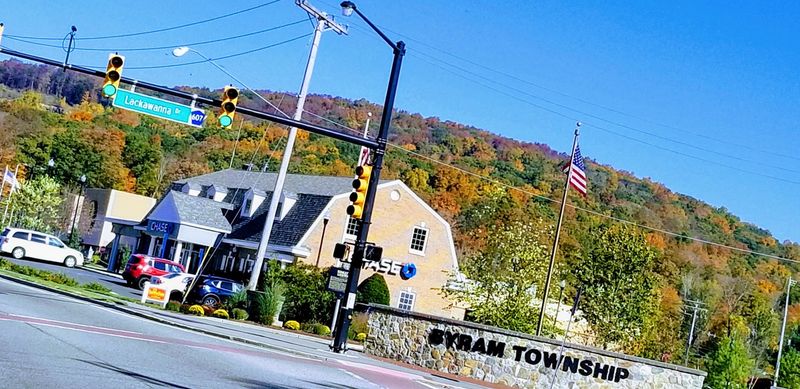
Known as the “Township of Lakes,” Byram contains the kind of landscape bears can navigate with ease: wooded slopes, rocky ridges, streams, and residential communities clustered around the water. Allamuchy Mountain State Park borders the township, while additional forest stretches across and beyond its boundaries.
For a roaming black bear, those green spaces function less like separate parks and more like one connected neighborhood. Fall brings heavier movement as animals search for acorns, beechnuts, hickory nuts, berries, and any human food they can reach without much effort.
Around lake communities, attractants can include more than household garbage. Fish remains, coolers, outdoor refrigerators, birdseed, and food left on decks can all produce enough scent to draw an inquisitive bear.
Walkers and cyclists should pay attention on roads bordered by thick vegetation, particularly in the early morning. Cyclists move quickly and quietly, making a bell or spoken warning useful near blind curves.
Families hiking around Cranberry Lake or elsewhere in the surrounding parkland should keep snacks packed away and children nearby. If cubs appear, assume the mother is close even when she cannot be seen.
Never move between them, and immediately increase your distance. Byram’s repeated sightings are not evidence that bears are invading the township; they reflect a community built within long-established habitat, where sensible habits can keep an impressive neighbor from becoming a troublesome one.
8. Hopatcong, Sussex County
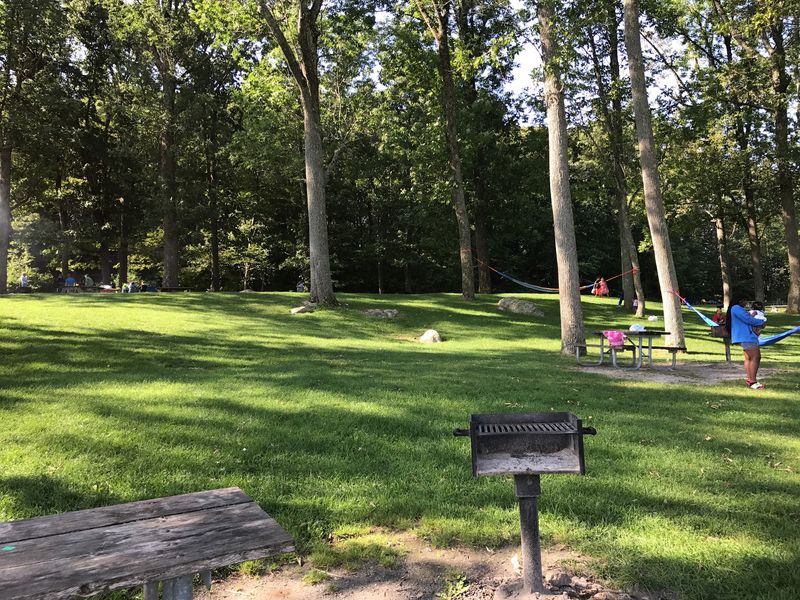
Lake Hopatcong gives this borough its identity, but the steep, wooded terrain surrounding the water is what makes it so accessible to bears. Houses climb hillsides broken by patches of forest, and many backyards lead toward cover rather than another row of homes.
A bear can follow a ravine or wooded slope into a neighborhood, investigate a promising smell, and vanish again before most residents know it was there.
Many local encounters involve what wildlife officials classify as normal behavior: an animal crossing a road, moving through a yard, or briefly approaching a feeder before retreating.
Early fall increases the frequency of those visits as bears spend more hours feeding ahead of winter. Lakeside living introduces its own collection of temptations, including grills, coolers, bait, garbage from weekend gatherings, and pet food left on patios.
Cleaning up promptly is not merely a matter of tidiness here. It helps prevent bears from associating homes with dependable meals.
Residents walking near wooded roads at night should carry a light and keep dogs on a short leash. If a bear is spotted ahead, turn around or wait at a safe distance rather than pushing past it.
Hopatcong’s bears usually want food, not confrontation, but an animal cornered between people, fencing, and buildings may react defensively. Space and an unobstructed exit are the most useful things anyone can provide.
9. Jefferson Township, Morris County
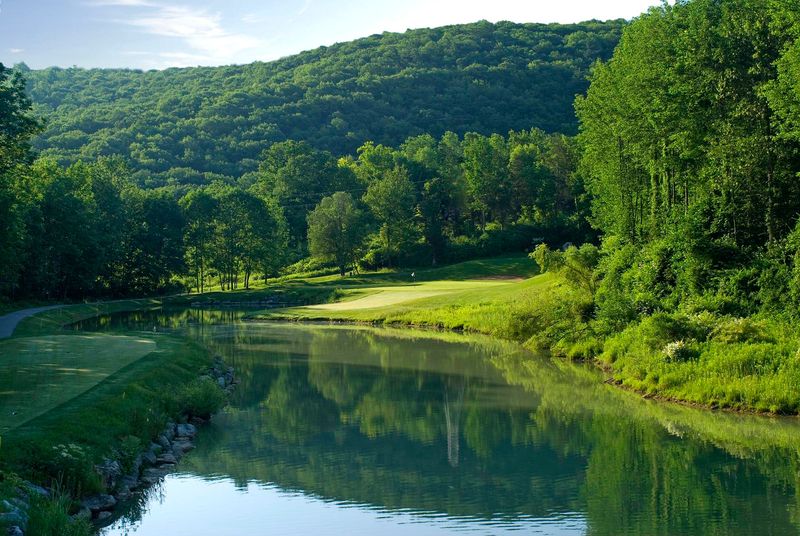
With Lake Hopatcong on one side and large stretches of forest on the other, Jefferson Township offers bears an almost continuous network of water, cover, and feeding ground.
Mahlon Dickerson Reservation and nearby wild areas deepen that connection, while lake neighborhoods and wooded residential streets place people directly alongside it.
Sightings can occur from spring through late autumn, but the pre-winter feeding period brings a noticeable sense of purpose to bear movement. They are not wandering aimlessly; they are checking proven food sources and searching for new ones.
That may lead an animal past a shed, through an unfenced yard, or toward a garbage container that was easy to open the previous week. Prevention is particularly important because a bear rewarded with food can become persistent.
Sturdy latching bins, clean grills, indoor pet food, and collection-morning garbage placement remove much of the incentive. Outdoor recreation requires the same practical awareness.
On quiet trails, hikers should talk normally around bends, keep dogs leashed, and avoid approaching fresh cub tracks or a feeding animal. Running is never the right response to a close sighting.
Instead, stay calm, make the bear aware of your presence, and back away slowly without blocking its route. Jefferson’s residents are accustomed to living near substantial wildlife, and that familiarity can be helpful—as long as it never turns into carelessness or an attempt to treat a bear like a neighborhood pet.
10. Rockaway Township, Morris County
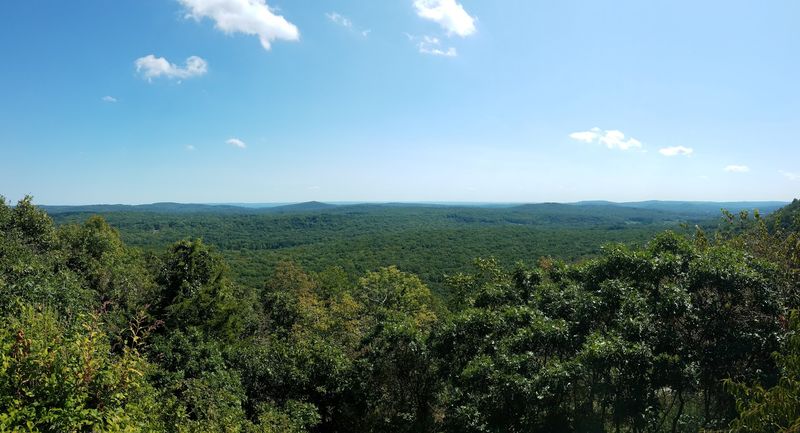
A mother bear leading cubs across a lawn is the kind of scene that stops an entire household at the windows in Rockaway Township. The area has produced many such encounters, particularly around wooded lake communities where developed streets sit close to extensive habitat.
Farny State Park, Wildcat Ridge Wildlife Management Area, and surrounding forests provide room for bears to den, feed, and travel, while neighborhoods such as White Meadow Lake offer plenty of edges where forest and human activity meet. Autumn sharpens the attraction of anything edible.
Even a garbage bag left in a pickup bed or a bag of birdseed stored in an accessible garage can become a target. Bears are capable climbers and surprisingly skilled problem-solvers, so merely placing food a little higher is rarely enough.
Containers need secure lids, garage doors should remain closed, and food residue should be cleaned from recyclables and grills. Hikers heading into Wildcat Ridge may notice scat, tracks, or disturbed logs before seeing a bear.
Those signs are a cue to become more attentive, not to begin searching for the animal. Groups should remain together, and dogs should not be allowed to run ahead.
When cubs are present, distance becomes even more important. Watch from inside a building or vehicle, let the family move through, and skip the closer photo.
The best Rockaway bear story ends with nothing damaged and everyone—human and animal—continuing safely on their way.
11. Mendham Township, Morris County
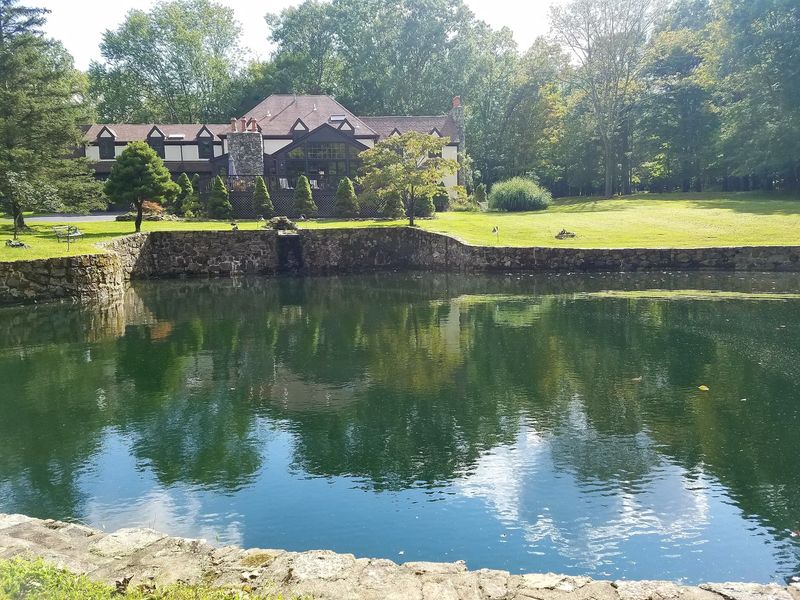
Horse farms, stone walls, and broad lawns make Mendham Township appear more pastoral than wild, yet forested stream corridors run quietly through that polished landscape. Bears can use those strips of cover to travel between larger wooded areas while remaining nearly invisible from nearby roads.
Their sudden appearance beside a field or behind a home may feel surprising, but the township sits within the northwestern portion of New Jersey where black bears are most abundant.
Early fall is an especially active time because natural foods are ripening and bears are building the fat reserves needed for winter.
Oaks dropping acorns can concentrate feeding activity in one area, while orchards and fallen backyard fruit provide another easy draw.
Properties with livestock, beehives, or bulk animal feed require additional precautions; electric fencing and secure storage can prevent a curious visitor from learning an expensive habit.
People using local trails or walking along wooded lanes should stay aware near dawn and dusk. A bear standing still at a field edge may simply be assessing the situation before retreating.
Give it that opportunity instead of approaching or crowding it with vehicles. Mendham’s roomy lots can create a false sense that wildlife is far away, but bears can cover considerable distances quickly.
Keeping attractants controlled allows these brief crossings to remain exactly that: a glimpse of a wild animal moving between patches of suitable habitat.
12. The Caldwells, Essex County
Repeated sightings in Caldwell and North Caldwell show how far regular bear activity has expanded beyond New Jersey’s most rugged northwestern terrain. In early October 2025, reports surfaced on two consecutive weeks, first near woods beside a Caldwell pizzeria and later around residential streets in North Caldwell.
The setting explains part of the pattern. The Caldwells sit near wooded corridors and sizable green spaces, including the lands around Essex County’s Hilltop Reservation, allowing a roaming bear to move between cover and densely developed neighborhoods.
Here, an animal may emerge near a school route, restaurant dumpster, backyard, or busy street rather than a remote trail. That makes public reaction especially important.
Crowds gathering to watch can trap a bear or push it toward traffic, while loose dogs may provoke a chase. Residents should move indoors, bring pets with them, and give police or wildlife personnel accurate location information if the bear creates an immediate concern.
Businesses also play a role by closing dumpster lids and preventing food waste from accumulating outside. Fall’s intense feeding drive makes even faint odors worth investigating, especially for an animal already accustomed to suburban spaces.
The Caldwells are a useful reminder that bear awareness no longer belongs only to mountain communities. Wherever wooded corridors meet reliable food, a black bear may appear—and the calmest response is usually to create distance and let it keep moving.
Share this story