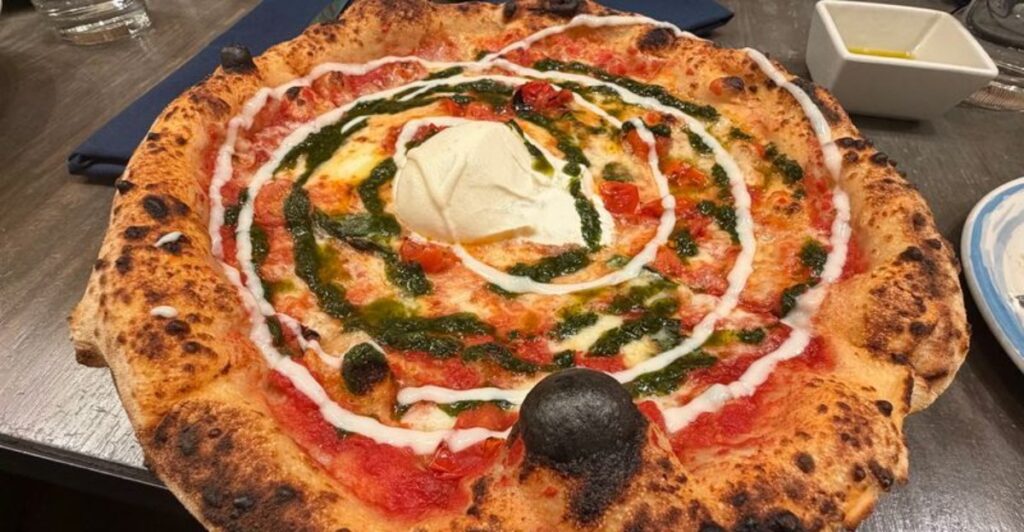
At Polizzi’s in Sewell, cheese runs all the way to the edge of a square pan and turns into a crisp, caramelized frame. Up in Montvale, airy Roman slabs wait to be cut into rectangles.
Around Trenton, sauce lands on top of the cheese, while one particularly Jersey-minded variation hides spicy mustard beneath it. None of these pies behaves like the standard floppy slice, and that is precisely the point.
New Jersey may be famous for its classic neighborhood pizzerias, but its pizza identity stretches far beyond one familiar style. Wood-fired Neapolitan rounds, Detroit-style squares, cracker-thin tavern pies, upside-down creations, and old-fashioned tomato pies all have devoted followings here.
Some arrive from Italian traditions; others borrow their personality from Detroit, Brooklyn, or New Haven. Together, they offer an excellent excuse to rethink what a pizza run can look like—and perhaps argue over crust with considerably more expertise afterward.
1. Polizzi’s Brick Oven Pizza – Sewell
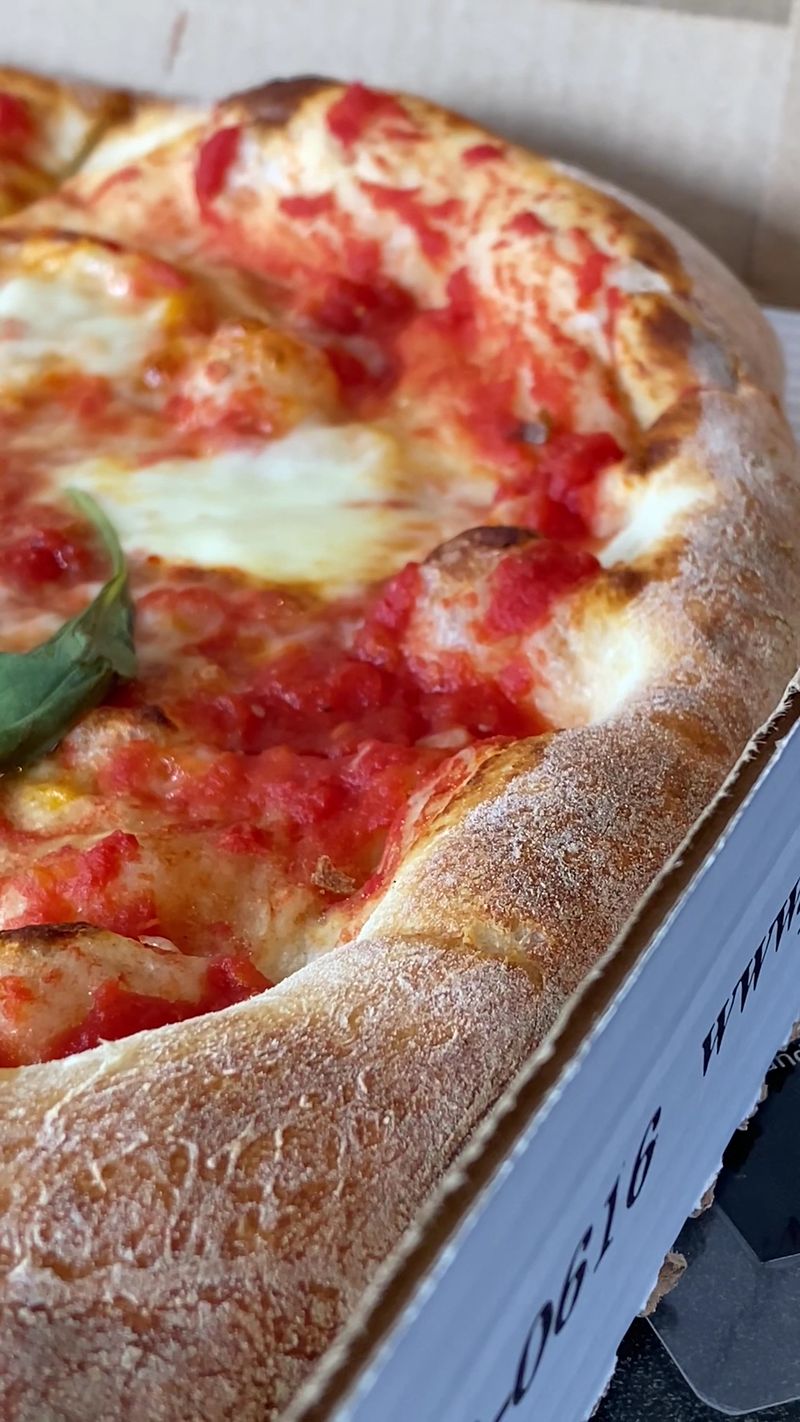
A border of deeply browned cheese is the first clue that the 313 is no ordinary square pie. Polizzi’s specializes in Detroit-style pizza, building its version on naturally fermented dough with a soft, airy middle and crisp bottom.
Cheese reaches the pan’s edges, where it caramelizes into the dark, crunchy crust that Detroit fans chase from corner to corner. Sauce runs across the top, keeping the finished pie bright and balanced rather than merely heavy.
The 313 makes the smartest introduction, especially with pepperoni cups and a touch of hot honey. Every square delivers several textures at once: fluffy dough, bubbling cheese, tangy sauce, and those coveted crisp edges.
Corner-piece negotiations may become necessary. This Sewell counter-service spot does not limit itself to one regional tradition.
The menu also moves through Neo-Neapolitan rounds, traditional Sicilian pizza, tomato pies, and a New Haven-inspired style with a thinner, more charred finish. That range makes Polizzi’s particularly useful for groups who want to compare crusts without organizing a statewide road trip.
The dining room is casual, the restaurant is BYOB, and takeout remains a major part of the operation. Since the kitchen makes its dough fresh and popular pies can sell out, ordering ahead is a good move—especially on Friday or Saturday.
Come for the Detroit square, but leave enough appetite to trade slices across styles.
2. SQ Pizza – Montvale
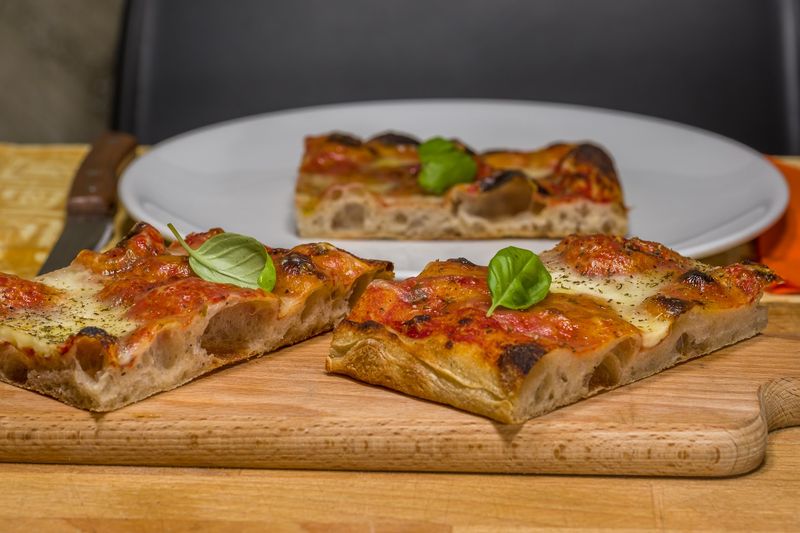
Forget the fold. The signature pizza at this Montvale shop is meant to stand upright, with a crisp base supporting a tall, open interior full of air pockets.
SQ focuses on Roman-style pan pizza made from high-hydration dough and Italian flour. A long fermentation helps create a crust that feels surprisingly light despite its substantial appearance.
The Margherita provides the clearest look at the format: tomato, fresh mozzarella, and basil spread across a rectangular slab that crackles underneath but stays tender inside. Pepperoni fans can go for the Peppi, while the Upside Down reverses the expected order with mozzarella beneath the sauce.
More playful choices include cacio e pepe topped with spaghetti, prosciutto and pesto, spicy soppressata, and a tie-dye combination of marinara, vodka sauce, and pistachio pesto. Slices are larger and more filling than their rectangular shape initially suggests.
A half pan contains six pieces and works well for sharing, while a full pan turns the meal into a group project. Prices sit above the neighborhood-slice baseline, but the size and labor-intensive crust explain the difference.
The setup is bright, casual, and easy to navigate, making SQ equally practical for a quick lunch or a take-home spread. Thin round pies are available, too, but the square Roman pizza is the reason to visit.
Add house-made gelato if the table somehow finds room.
3. Low Fidelity – Jersey City
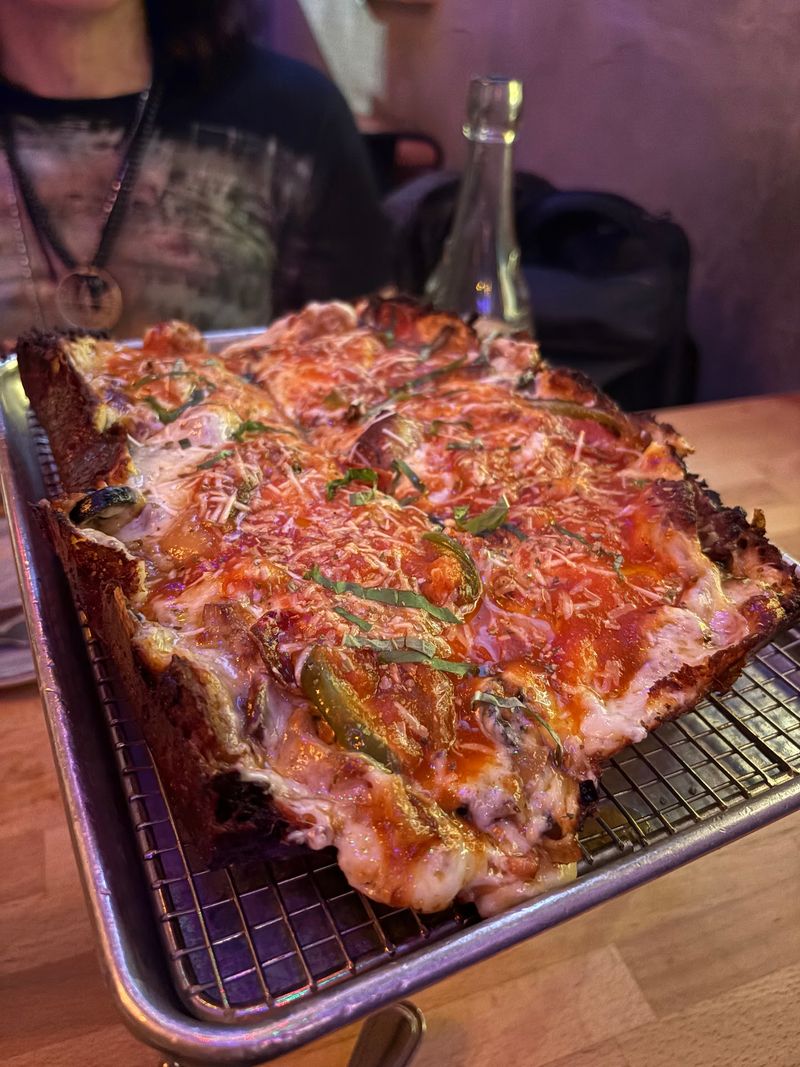
Cocktails, carefully chosen music, and Detroit-style pizza make an unexpectedly natural trio at this Jersey City Heights bar. Low Fidelity—usually shortened to Lo-Fi—treats pizza as more than something to absorb the evening’s drinks.
Its rectangular pies have the thick, focaccia-like center and caramelized cheese perimeter associated with Detroit, but the toppings carry the kitchen in creative directions. The Motor City keeps the introduction straightforward with sauce, cheese, and pepperoni.
From there, the choices become more distinctive. The Jersey Cosmonaut has become a house favorite, layering pork roll onto a square that already arrives with plenty of personality.
Other combinations lean into roasted vegetables, pesto, spicy flavors, or sweet-and-savory contrasts. The crust remains the anchor: crisp enough underneath to hold a slice confidently, yet soft and chewy through the middle.
Lo-Fi feels more like a neighborhood bar than a conventional pizzeria. Low lighting, original cocktails, and a roomy backyard encourage customers to settle in rather than grab a box and disappear.
It works especially well for an easygoing date or a small group willing to order several pies and swap corner pieces. Street parking in the Heights can require patience, so arriving before the busiest evening stretch helps.
The pizzas are substantial, and sharing is the sensible strategy. Just do not assume a single square will be enough once that crisp cheese edge hits the table.
4. Blue Steel Pizza Company – Bloomfield
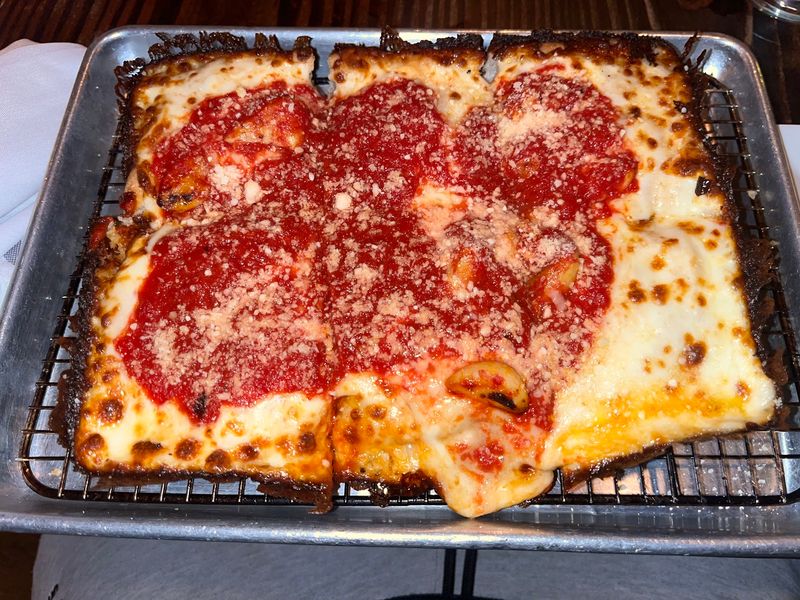
The crust at Blue Steel is built around contrast. A slice may look thick and imposing, but its interior stays airy while the exterior develops a deeply browned shell.
The Bloomfield restaurant draws heavily from Detroit pizza, then lets inventive toppings and a polished bar program pull the experience beyond the traditional red-sauce pizzeria. Expect rectangular pies with cheese pushed against the pan, creating crisp, nearly lacy edges.
The menu changes periodically, but combinations tend to favor boldly seasoned meats, roasted vegetables, creamy cheeses, chile heat, and sauces used with purpose rather than piled on for spectacle.
Starting with a simpler red pie makes it easier to appreciate the dough and caramelized perimeter before exploring the more elaborate options.
Blue Steel is also one of the more grown-up pizza stops on this list. Industrial details, moody lighting, and a cocktail-focused bar make it feel suited to a proper evening out, yet the central pleasure remains wonderfully uncomplicated: tearing into a hot square while the cheese is still bubbling at its edges.
Small plates help round out the table without distracting from the main event. Reservations are helpful on weekend evenings, particularly for anyone who wants a table rather than a spot at the bar.
Prices reflect the full-service setting, so this is less of a spontaneous slice counter and more of a share-a-pie-and-drinks destination. For Detroit-style pizza with a creative restaurant sensibility, it earns its place.
5. Papa’s Tomato Pies – Robbinsville
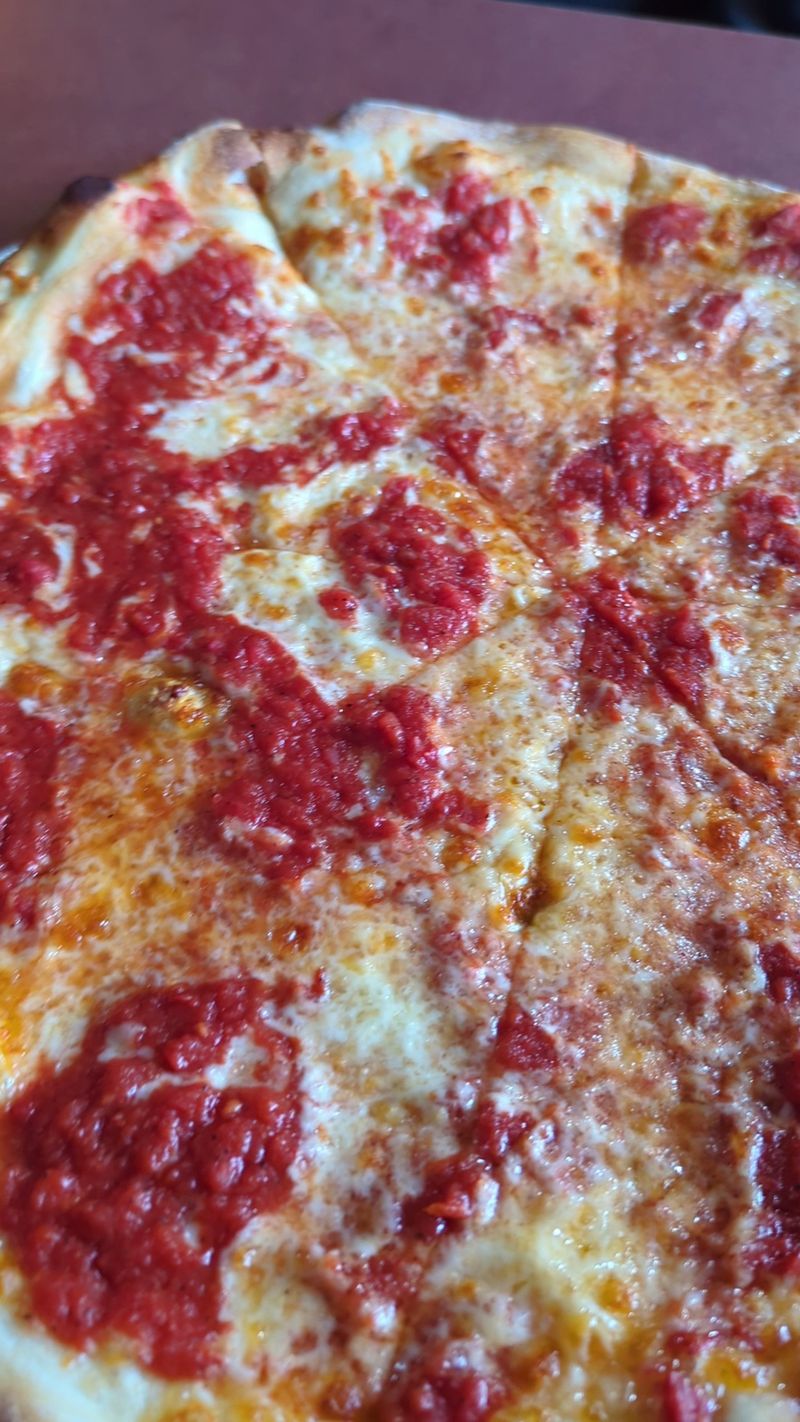
Spicy brown mustard beneath cheese and tomato sauce sounds like a dare until the first bite explains the logic. Papa’s famous mustard pie delivers a gentle tang that sharpens the cheese and makes the tomato taste sweeter.
It is a curious, distinctly local variation tied to the Trenton-area tomato-pie tradition—and one worth trying before deciding it is too unusual. Papa’s history reaches back to 1912, giving the restaurant a remarkable connection to generations of central New Jersey pizza eaters.
Though it moved from Trenton to Robbinsville, the defining method remains intact. Cheese goes onto the dough before the tomato, creating small pockets where the sauce stays bright and concentrated.
Pies are typically cooked well-done, producing a thin, sturdy crust with dark spots around the rim. First-timers should order one classic tomato pie and one mustard pie for the table.
Sausage is a particularly fitting topping, adding savory richness without covering up the crust or sauce. Pork roll is available for anyone determined to make the meal even more New Jersey.
This is a sit-down, BYOB restaurant rather than a grab-and-go counter, with pastas and familiar Italian-American dishes filling out the menu. Still, pizza is the reason tables keep returning.
Weekend waits are possible, so earlier dining hours are easier. Mustard skeptics can relax: the standard tomato pie is excellent, and no one is required to pledge allegiance after one slice.
6. De Lorenzo’s Tomato Pies – Robbinsville
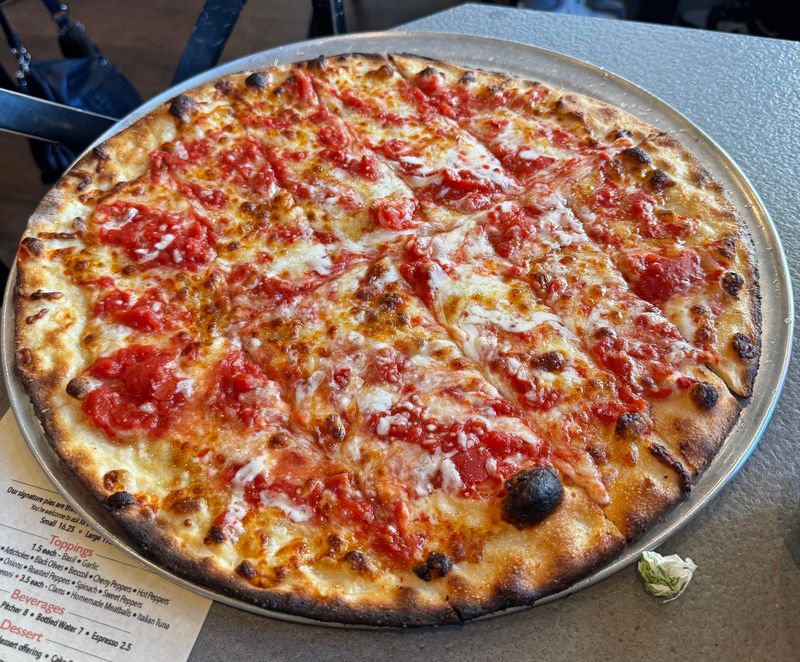
A proper Trenton tomato pie puts the sauce in the spotlight. At De Lorenzo’s, mozzarella meets the dough first and crushed tomato follows, leaving vivid streaks of red across the top.
The arrangement is not cosmetic. It keeps the tomato tasting fresh while the cheese forms a protective layer that helps the thin crust maintain its structure.
The De Lorenzo family began serving tomato pies in Trenton in 1947, and the Robbinsville restaurant continues that tradition with a pleasingly focused approach. A plain pie is far more revealing than the name suggests: crisp, slightly charred crust, milky cheese, bright tomato, and enough oil to bring everything together.
Sausage is the classic addition, distributed in small pieces so it becomes part of each bite rather than a heavy topping. The crust lands between cracker-thin and chewy.
It holds its shape, but it is not rigid, and darker spots around the perimeter provide a welcome roasted bitterness. Ask for the pie well-done if you appreciate extra crispness.
Ordering two sizes or topping combinations for a group makes sense because slices disappear quickly. The atmosphere is casual and family-oriented, with table service and a broader Italian menu for anyone not chasing tomato pie.
On busy nights, however, every table seems to have at least one red-streaked round in the middle. De Lorenzo’s belongs here because it does not treat regional history like a museum display. It simply keeps baking it for dinner.
7. Palermo’s Tomato Pie – Bordentown
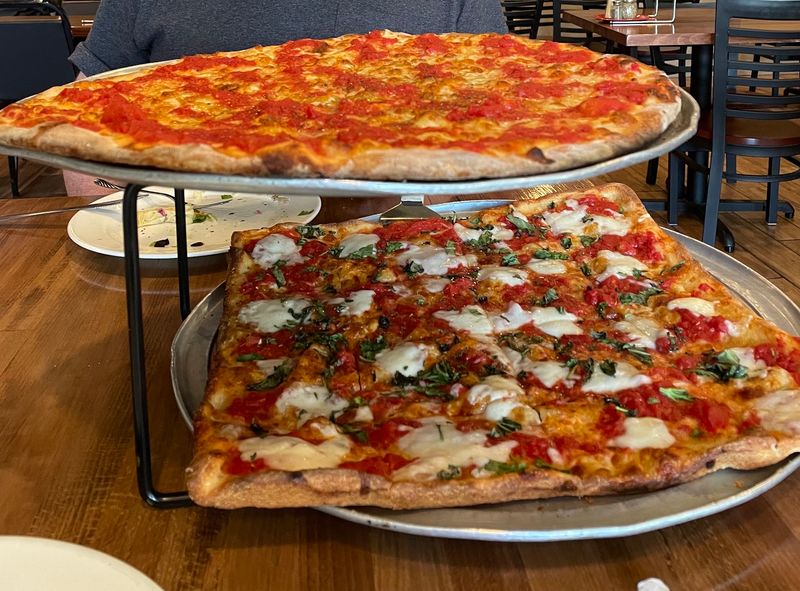
Mustard pie takes a confident turn at Palermo’s, where a thin layer of mustard beneath the cheese brings acidity, spice, and a faint deli-sandwich familiarity to each bite. The combination may sound aggressive on paper, but the oven softens its sharpest edges.
What remains is a savory background note that makes pepperoni, sausage, and tomato sauce taste even fuller. The Bordentown restaurant works within the central New Jersey tomato-pie tradition, applying sauce over the cheese instead of hiding it below.
That gives the top a rustic, red-speckled appearance and preserves the brightness of the tomato. The crust is thin, crisp around the rim, and sturdy enough for toppings without becoming brittle.
Ordering a plain tomato pie alongside the mustard version is the fairest comparison. The standard pie lets the sauce and bake speak clearly; the mustard pie shows how one small change can transform the entire profile.
Pepperoni works especially well because its salty, curled edges play against the mustard’s tang. Do not overload the first pie with toppings—the regional method deserves room to show itself.
Palermo’s has the relaxed feel of a neighborhood Italian restaurant, so families can add appetizers, pasta, or entrées without turning the visit into an all-pizza ultimatum. Bordentown’s compact downtown also makes this an easy stop during a leisurely afternoon in town.
If Papa’s introduced the mustard-pie question, Palermo’s offers another delicious argument for why this odd local specialty has lasted.
8. Song’ E Napule – Rutherford
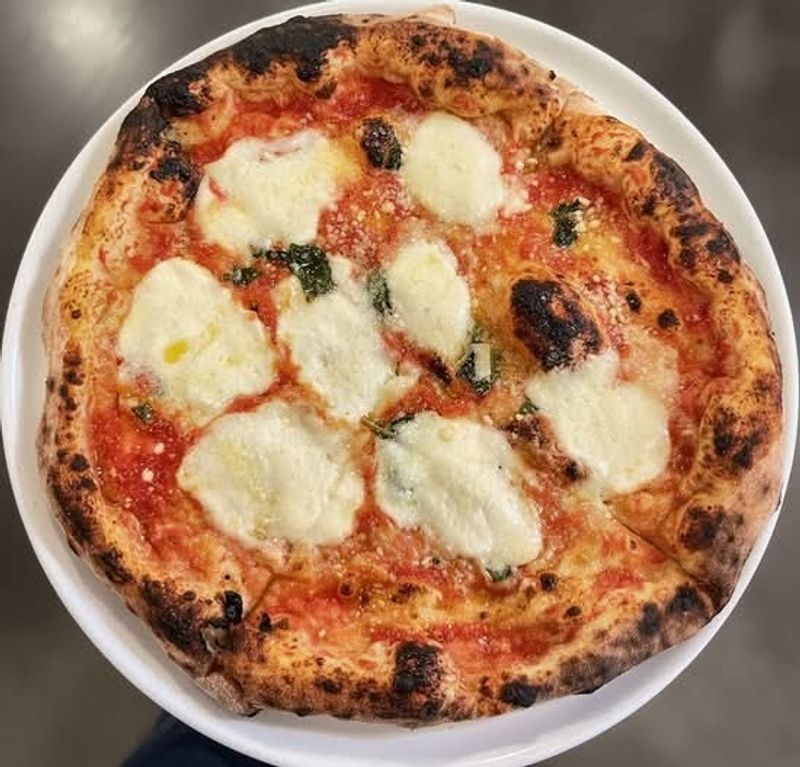
A Neapolitan pizza should arrive looking almost alive: its rim inflated and blistered, its center soft, and its toppings still shimmering from an extremely hot oven. Song’ E Napule brings that style to Rutherford with a clear attachment to Naples, from the restaurant’s name and ingredients to the light-handed way each pizza is assembled.
The Margherita is the essential first order. Tomato, mozzarella, basil, and olive oil may be familiar, but the pleasure comes from proportion and heat.
The crust develops leopard-like char while remaining elastic inside, and the center stays tender enough that folding or using a knife and fork both feel reasonable. This is not a rigid slice designed to survive a long car ride.
More elaborate pies showcase ingredients such as burrata, buffalo mozzarella, smoked cheese, prosciutto, sausage, and pistachio. The temptation to order extravagantly is understandable, yet restraint usually rewards the crust.
A marinara pie—with tomato, garlic, oregano, and no cheese—can be especially revealing. The dining room channels the sociable side of a Neapolitan trattoria, with closely spaced tables, Italian dishes beyond pizza, and an energy that builds during dinner.
Reservations are a wise idea on popular nights, particularly for groups. These pizzas are individually sized, but sharing two or three allows everyone to compare combinations while they are hot.
Eat promptly: a delicate Neapolitan center waits for no photographer, indecisive friend, or slow-moving group chat.
9. Bivio Pizza Napoletana – Montclair
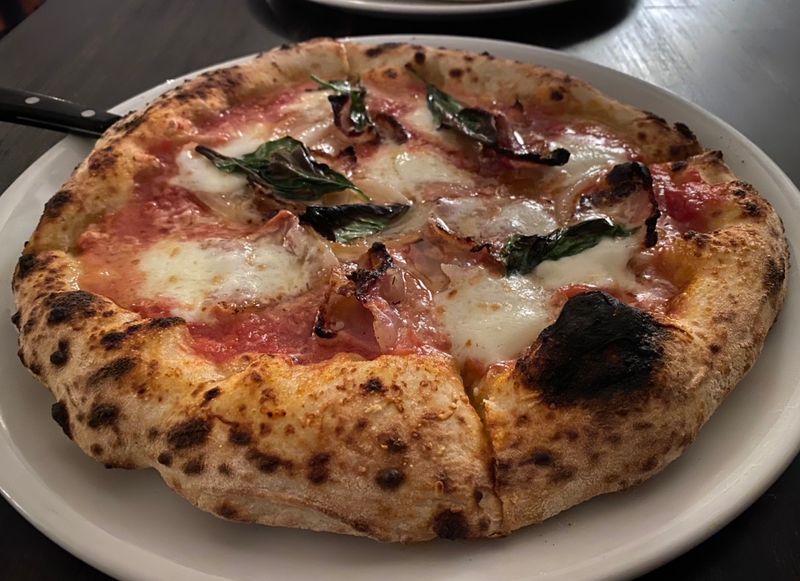
The hottest seat at Bivio may be the one with a clear view of the oven. Pizzas enter as pale rounds and emerge moments later with ballooned rims, blackened blisters, and toppings transformed by intense heat.
That quick bake is central to Neapolitan pizza, and this Montclair restaurant approaches it with serious attention to Italian ingredients and seasonal produce. A Margherita built with San Marzano tomatoes and buffalo mozzarella establishes the baseline beautifully.
For something less expected, the Sorrento combines lemon with mozzarella, stracciatella, cheese, soppressata, basil, and olive oil, creating a fragrant balance of citrus, dairy, and spice. The Piennolo emphasizes tomatoes, garlic, oregano, pepperoncino, and ricotta, while the Funghi layers mixed mushrooms with roasted garlic and creamy cheese.
Every pie has the style’s characteristic soft center and chewy, blistered cornicione. Diners expecting a crisp New York base may initially be surprised, but that tenderness is intentional.
Tear off pieces of the rim and drag them through any sauce left on the plate; wasting it would be poor strategy. Bivio occupies an intimate space on Pine Street, away from Montclair’s largest restaurant clusters.
The room suits a date or a smaller gathering better than a sprawling party, and reservations help on weekend evenings. The menu is concise, which keeps the focus where it belongs.
Order an antipasto, choose a couple of contrasting pizzas, and let the oven dictate the pace.
10. Brooklyn Square Pizza – Jackson
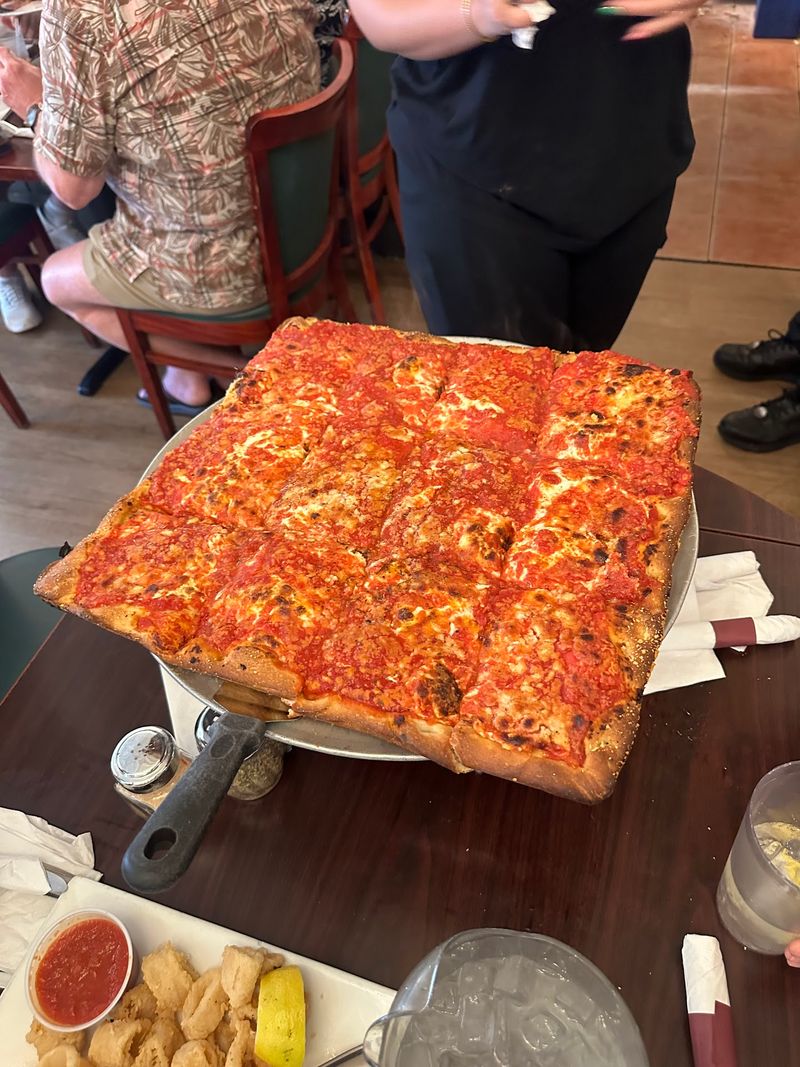
Sauce belongs on top at Brooklyn Square, especially when the pizza underneath is thick, airy, and edged with crisp cheese. The Jackson restaurant’s upside-down square is a substantial Brooklyn-style pan pie layered with fresh mozzarella, homemade sauce, and pecorino Romano.
It arrives looking rugged and unapologetic, with enough heft to turn one slice into a legitimate meal. That Upside Down Square is the obvious starting point.
Its structure keeps the crust from becoming soggy, while the visible sauce brings brightness to the rich cheese and dough. A vodka version makes the format creamier, and the New Jersey Square adds pepperoni and honey for a salty-sweet finish.
Anyone who prefers a thinner base can try Peter’s Special or the peppery Johnny Pepe, topped with burrata and pecorino. Even the round pies make a regional statement through their sesame-seed crust, a small detail that adds toastiness and crunch.
The Old Fashioned, cooked very well-done with peeled tomato sauce, fresh mozzarella, and pecorino, is a strong choice for diners who want less thickness without retreating to an ordinary cheese slice. Brooklyn Square is a full Italian restaurant with heroes, pasta, seafood, and entrées, but the menu’s many square variations are the real playground.
Whole pies dominate, so bring people prepared to share. Prices rise with the size and generous toppings, though leftovers reheat especially well.
A skillet or hot oven restores the bottom far better than a microwave ever could.
11. Star Tavern – Orange
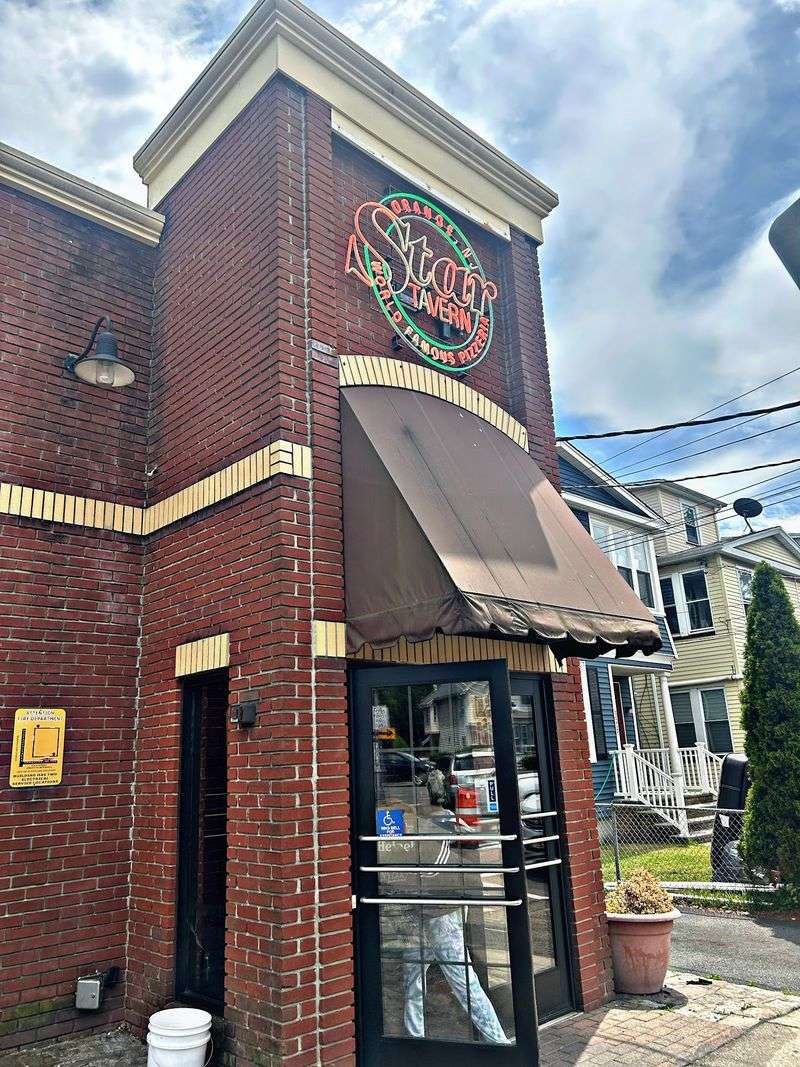
Thin crust means something very specific at Star Tavern. The pizza arrives low, round, and crisp enough to produce a clean bite, with cheese and sauce stretched nearly to the edge.
Cut into small pieces rather than oversized wedges, it encourages the dangerous belief that eating “just one more” barely counts. This Orange institution has been serving its tavern-style pies for decades.
The formula is refreshingly direct: a cracker-like base, a modest layer of sauce, evenly melted cheese, and toppings spread so each piece gets its share. Sausage is a favorite, while pepperoni adds crisp, salty edges.
The white clam pie offers a departure from tomato without abandoning the restaurant’s thin-crust identity. The best approach is to order more than one pie for the table, since the crust leaves room for comparison.
A plain or sausage pizza shows why the restaurant built such a following, while a second specialty pie keeps things interesting. Requesting it well-done adds extra snap for diners who like a darker bottom.
Star Tavern looks and behaves like the neighborhood bar it has long been. The room is practical, tables turn quickly, and pizza shares space with cold drinks and the hum of regular conversation.
Crowds can build during prime dinner hours, and parking may take a little patience. This is not the place for towering crust or elaborate garnish.
Its regional personality comes from disciplined thinness—and from proving how much flavor can fit into such a slim package.
12. Santillo’s Brick Oven Pizza – Elizabeth
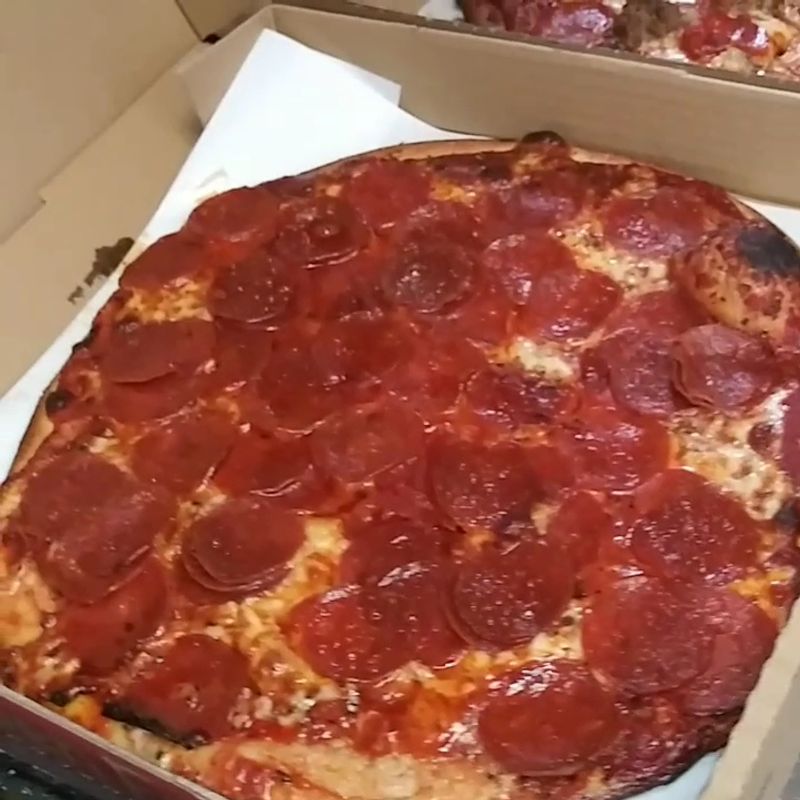
At Santillo’s, ordering pizza can sound like choosing a year from a history book. The menu includes pies associated with different eras, each reflecting changes in crust, cheese, and baking style.
A 1940 tomato pie, for example, strips the idea down dramatically, while later versions bring mozzarella, Parmesan, olive oil, and different crust treatments into the picture. The Elizabeth bakery traces its roots through generations of the Santillo family, and its massive brick oven dates to the early 20th century.
That oven gives the pizza a character difficult to reproduce with modern equipment: a dry, forceful heat that crisps the base, freckles the crust, and concentrates the sauce. The setting is wonderfully unpolished, closer to a working bake shop than a carefully staged dining destination.
A standard round pie cooked well-done is a sensible introduction, but the era-specific pizzas are what make Santillo’s unlike anywhere else on this list. The extra-thin combinations highlight crunch, while thicker Sicilian-style options show how the same oven handles a more substantial dough.
Fried eggplant makes an excellent topping when available, adding creamy richness beneath its crisp exterior. Santillo’s is primarily a takeout operation, so plan where the pizza will be eaten while still hot.
Calling ahead is smart, as hours and availability can be idiosyncratic. There is no polished dining-room experience to distract from the point.
This is pizza as living family history, baked in an oven that has seen New Jersey change around it.