Texas is huge, but you don’t need a week-long vacation to see some of its most stunning spots. Scattered across the state are natural wonders, hidden swimming holes, and jaw-dropping landscapes that pack a serious punch in just one day. Whether you’re craving canyon views, underground caves, or emerald-green rivers, these 12 destinations prove that epic adventures can happen between sunrise and sunset.
1. Caddo Lake (Uncertain)
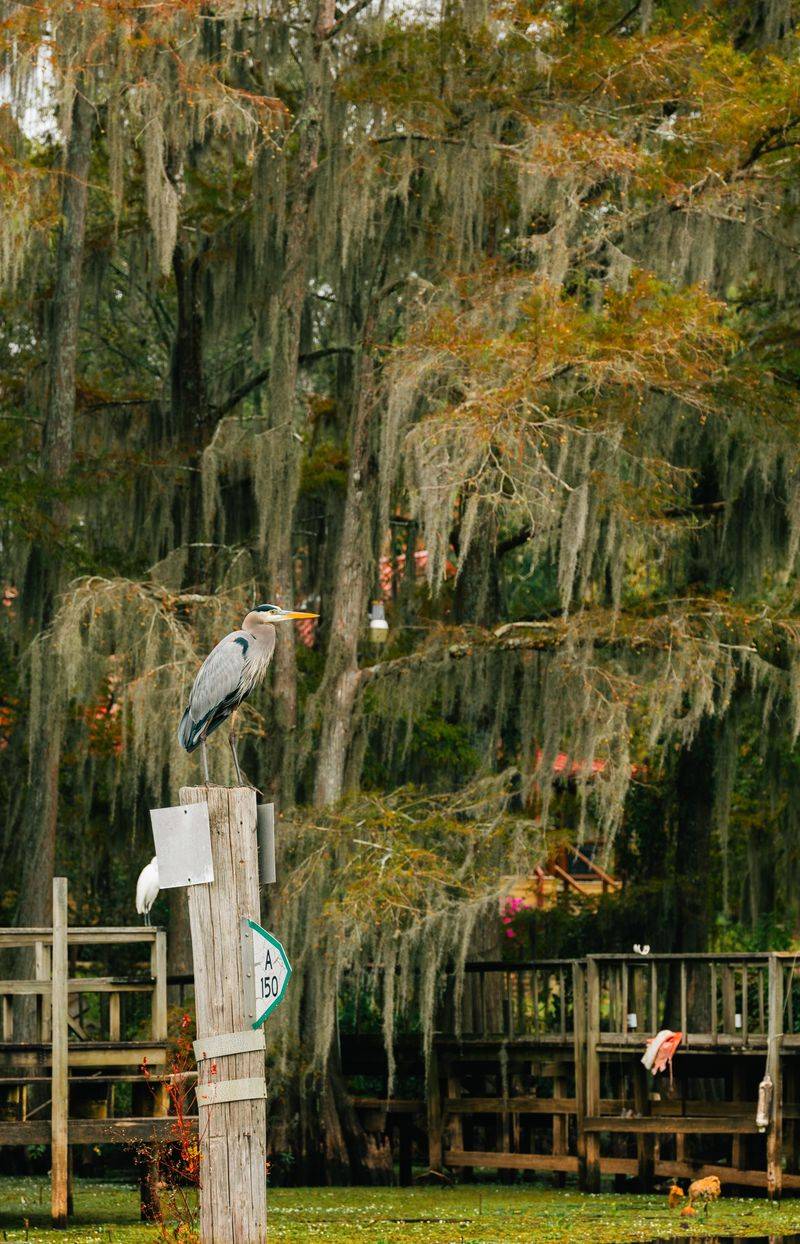
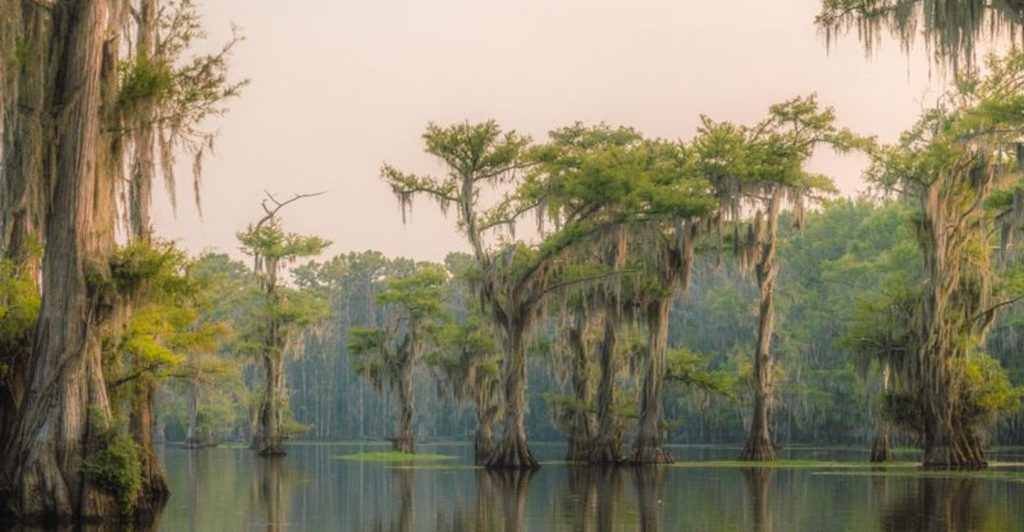
Forget what you think Texas looks like. Caddo Lake feels more like Louisiana bayou country, with towering bald cypress trees standing knee-deep in dark, tannin-stained water. Spanish moss hangs from every branch, and narrow channels twist through a maze of stumps and lily pads.
It’s eerie, beautiful, and wildly different from anything else in the state.
Rent a kayak or canoe and paddle through the flooded forest. The lake sprawls across more than 25,000 acres, so you’ll want a map or a guide if you’re new. Some channels are wide and calm, while others feel like secret tunnels carved through the trees.
Keep your eyes peeled for alligators, turtles, herons, and egrets.
Sunrise and sunset are magic hours here. The light filters through the moss and reflects off the water, turning everything golden and soft. Midday can get hot and buggy in summer, so bring bug spray and plenty of water.
Fall and spring offer cooler temps and fewer mosquitoes.
If you prefer a motor, pontoon boat rentals are available too. They’re great for covering more ground and spotting wildlife from a comfortable seat. Either way, you’ll feel like you’ve stepped into another world.
The town of Uncertain lives up to its quirky name, with a handful of cabins and a laid-back vibe.
Plan for at least half a day on the water. Pack snacks, sunscreen, and a camera. Caddo Lake is one of those places that surprises people who think Texas is all desert and cattle ranches.
It’s swampy, mysterious, and absolutely worth the drive.
2. Natural Bridge Caverns (San Antonio)
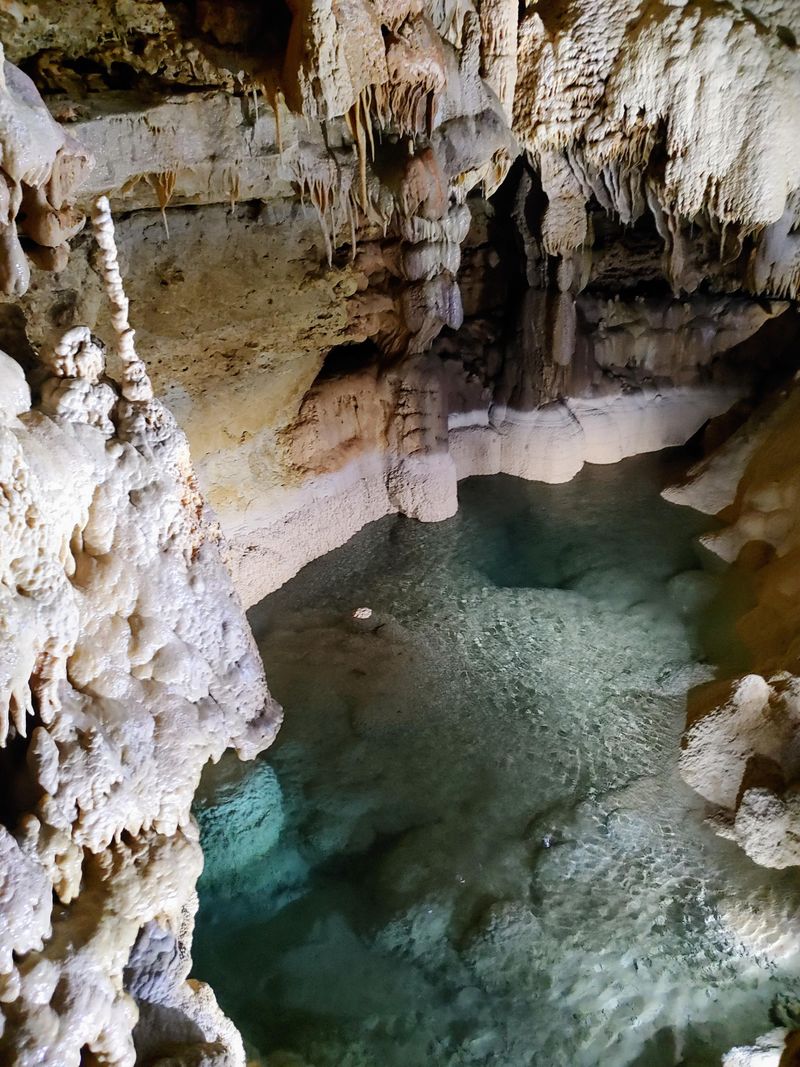
About 30 minutes north of San Antonio, you’ll find one of the most impressive cave systems in the country. Natural Bridge Caverns goes deep underground, where the temperature stays a cool 70 degrees year-round. That makes it a perfect escape on a scorching Texas summer day.
The caverns were discovered in the 1960s by college students, and they’ve been wowing visitors ever since.
The Discovery Tour is the most popular option. It takes you 180 feet below the surface, winding through massive chambers filled with stalactites, stalagmites, and flowstone formations. Some of the features are thousands of years old, and the guides do a great job explaining how everything formed.
The trail is paved but steep in spots, so wear comfortable shoes.
If you’re feeling adventurous, book the Hidden Passages Tour. It’s more rugged, with tight squeezes and crawl spaces that make you feel like a real spelunker. Helmets and headlamps are provided, and you’ll get muddy.
Kids love it, and adults do too if they don’t mind getting dirty.
Above ground, there are zip lines, a ropes course, and a maze. The whole property is designed to keep families entertained for hours. Bring layers since the cave is much cooler than the surface, especially in summer.
Winter visits are less crowded and just as stunning.
Plan for two to three hours if you’re doing a tour and some of the outdoor activities. The caverns are easy to reach from San Antonio or Austin, making them a solid half-day stop. It’s geology, adventure, and air conditioning all rolled into one.
3. Pedernales Falls State Park (Johnson City)
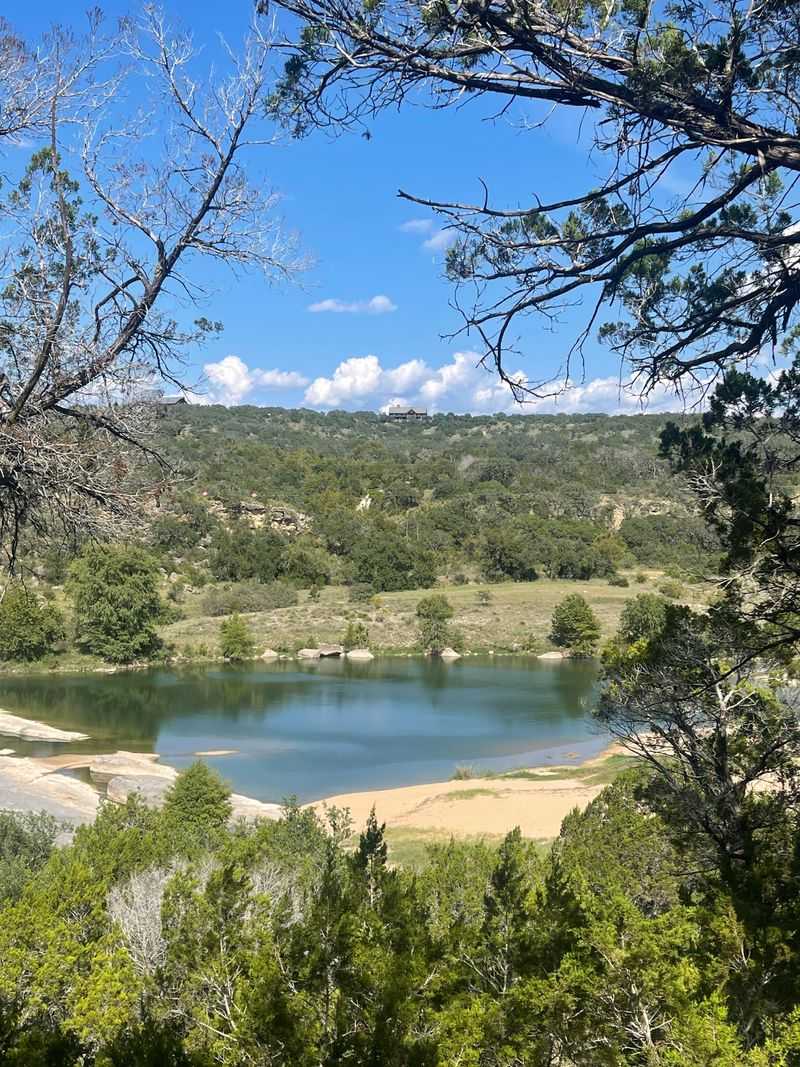
This park sits in the Texas Hill Country, about an hour west of Austin. The Pedernales River carves through layers of white limestone, creating wide, flat waterfalls that look more like cascading staircases than dramatic drops. When the water is low, you can walk across the rock and explore shallow pools.
When it’s high after a good rain, the falls roar with power.
Swimming is allowed in designated areas downstream from the falls, and it’s some of the best river wading in the region. The water is clear and cool, and the rock formations create natural slides and pools. Bring water shoes since the limestone can be slippery.
Weekends get busy, so aim for a weekday visit if you can.
Hiking trails loop around the park, offering views of the river and surrounding hills. The Pedernales Falls Trail is short and easy, leading to an overlook where you can see the whole waterfall spread out below. For a longer trek, try the Wolf Mountain Trail, which climbs through juniper and oak forests.
Spring wildflowers are spectacular here, especially bluebonnets.
Fishing is popular too, with bass and catfish in the river. You’ll need a Texas fishing license, and catch-and-release is encouraged in some zones. Picnic areas are scattered throughout the park, many with grills and shaded tables.
It’s a great spot for a leisurely lunch after a morning of exploring.
Plan to spend most of the day here. The park has restrooms and drinking water, but no food vendors, so pack a cooler. It’s a classic Hill Country experience that feels remote without being hard to reach.
4. Palo Duro Canyon State Park (Canyon)
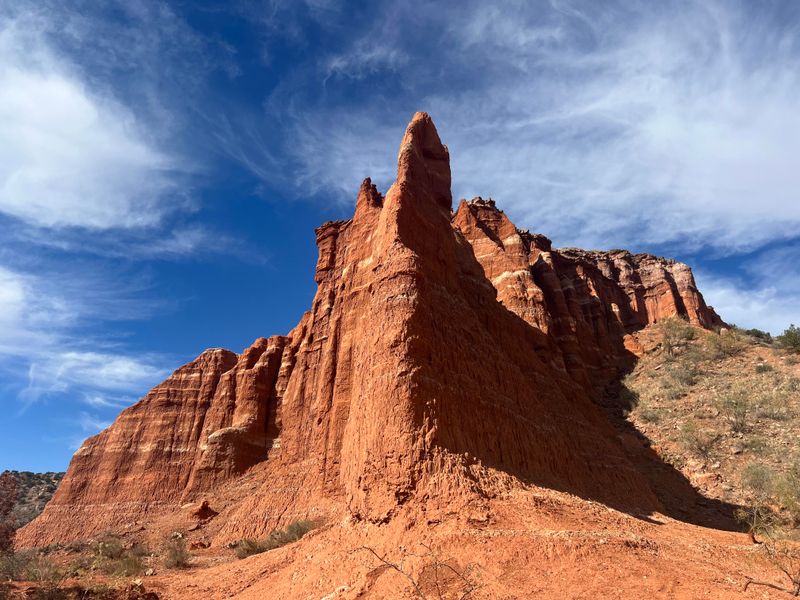
Most people think of Arizona when they picture canyons, but Texas has its own version that’s nearly as dramatic. Palo Duro Canyon stretches 120 miles long and drops 800 feet deep, making it the second-largest canyon in the United States. The rock layers glow in shades of red, orange, and pink, especially at sunrise and sunset.
It’s a showstopper.
You can drive through the canyon on a scenic loop, stopping at overlooks and trailheads along the way. The Lighthouse Trail is the park’s signature hike, a six-mile round trip that leads to a distinctive rock formation towering above the canyon floor. It’s moderately challenging, with some elevation gain, but the views are worth every step.
Go early to beat the heat and the crowds.
Mountain biking is huge here too. The park has miles of trails that wind through juniper groves and along canyon ridges. Rent a bike in nearby Amarillo if you don’t have your own.
Horseback riding is another option, with guided tours available through the park’s concessionaire. Seeing the canyon from horseback feels like stepping into an old Western movie.
Camping is available if you want to turn your day trip into an overnight adventure. But even a single day gives you plenty of time to hike, bike, and soak in the scenery. Bring lots of water, sunscreen, and snacks since services inside the park are limited.
The canyon is about 30 minutes south of Amarillo, making it an easy add-on if you’re road-tripping across the Panhandle. It’s a reminder that Texas landscapes are way more diverse than most people realize.
5. Hamilton Pool Preserve (Dripping Springs)
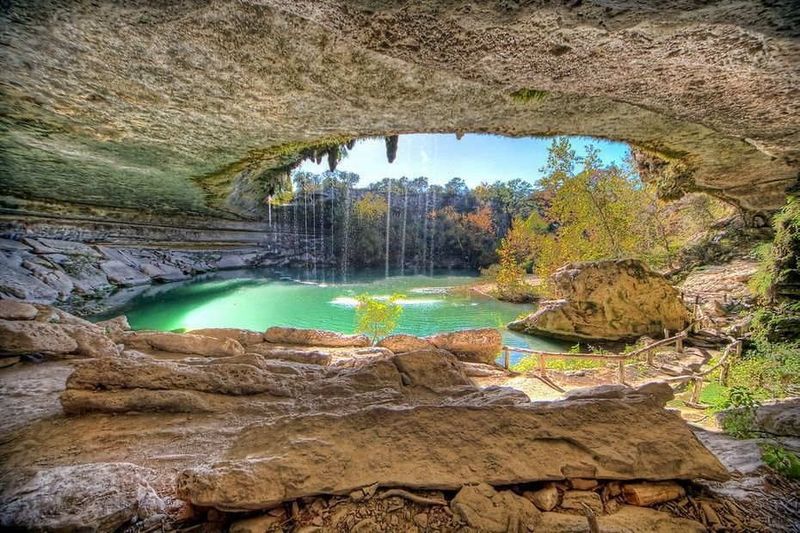
About 45 minutes west of Austin, Hamilton Pool is one of those places that looks too good to be real. A 50-foot waterfall spills over a limestone overhang into a jade-green pool below. The whole scene is tucked inside a grotto, with ferns clinging to the walls and sunlight filtering through the trees above.
It’s been a local favorite for decades, and it’s easy to see why.
Swimming is allowed when water quality tests come back clean, which is most of the time. The pool is deep and cold, fed by underground springs. Wading near the waterfall is popular, and the mist feels amazing on a hot day.
Reservations are required to visit, and they often sell out weeks in advance during summer. Book online as soon as you know your dates.
The short trail to the pool is less than a quarter-mile, but it’s steep and rocky in spots. Wear sturdy shoes and take your time. The preserve is managed by Travis County, and they take conservation seriously.
That means no glass, no alcohol, and no pets. Pack light and respect the rules.
The preserve also has a nature trail that loops through the surrounding woods. It’s about 1.3 miles and offers views of Hamilton Creek and the surrounding Hill Country. Wildflowers bloom in spring, and the trees turn golden in fall.
It’s a peaceful walk if the pool area feels too crowded.
Plan for a half-day visit. Arrive early to snag a parking spot and enjoy the pool before the afternoon rush. Hamilton Pool is proof that some of Texas’s best swimming holes are hidden in plain sight.
6. Garner State Park (Concan)
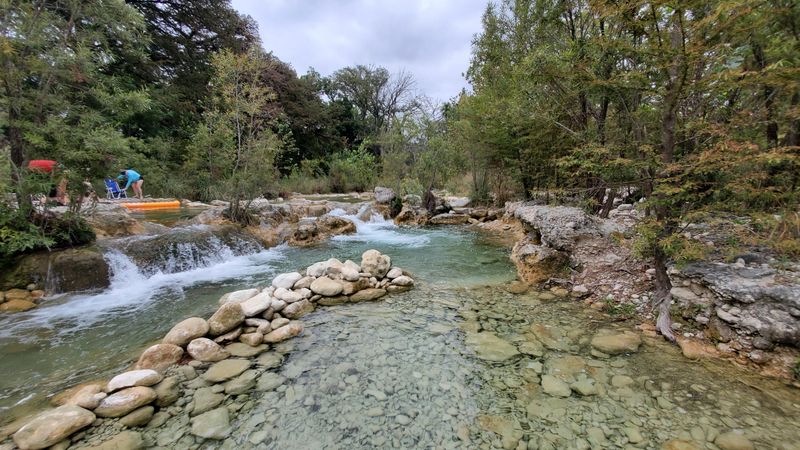
The Frio River is the star of the show at Garner State Park. Its name means cold in Spanish, and the spring-fed water lives up to it even in the middle of summer. Crystal-clear and fast-moving, the Frio is perfect for tubing, swimming, and just floating the day away.
Families have been coming here for generations, and it’s become a Texas summer tradition.
Tubing is the main activity. Rent a tube at the park or bring your own, then hop in upstream and float down to the designated exit. The current is gentle enough for kids but fun enough to keep adults entertained.
Cypress trees line the banks, offering patches of shade along the way. Plan to do multiple runs if you have time.
Hiking trails wind through the park’s 1,700 acres. Old Baldy is the most popular, a steep climb to a hilltop overlook with panoramic views of the Hill Country. It’s a workout, especially in the heat, but the views are stunning.
Early morning is the best time to tackle it before the sun gets too intense.
The park also has paddleboats, mini golf, and a nightly dance on the pavilion during summer. Yes, a dance. It’s a quirky throwback tradition that brings locals and visitors together.
Live music, cold drinks, and a wooden dance floor under the stars make it one of the park’s most beloved features.
Garner gets packed on summer weekends, so weekdays or off-season visits are ideal. Day passes sell out fast, and reservations are required. Bring sunscreen, water shoes, and a cooler.
It’s a Hill Country classic that never gets old.
7. Enchanted Rock State Natural Area (Fredericksburg)
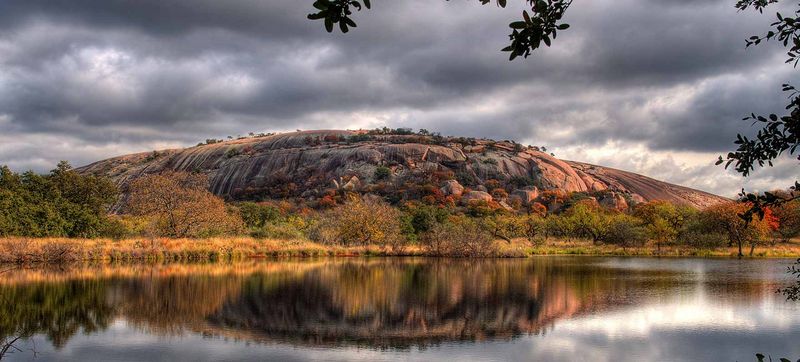
A giant pink granite dome rises 425 feet above the surrounding Hill Country, visible for miles in every direction. Enchanted Rock is one of the largest batholiths in the United States, formed over a billion years ago. Native Americans considered it sacred, and modern visitors find it just as awe-inspiring.
The hike to the top is steep but short, and the views from the summit are incredible.
The Summit Trail is the main route, a half-mile climb up the bare rock face. It’s steeper than it looks, and the granite can get slippery, especially after rain. Wear shoes with good grip and bring plenty of water.
The summit offers 360-degree views of the Hill Country, with rolling hills stretching to the horizon. On clear days, you can see for miles.
Rock climbing and bouldering are popular here too. The park has routes for all skill levels, from beginner-friendly slabs to technical cracks. If you’re new to climbing, stick to the easier areas near the base.
Experienced climbers will find plenty of challenges higher up. Always check in at the office and follow Leave No Trace principles.
Loop Trail circles the base of the dome, offering a less strenuous option with great views of the rock and surrounding landscape. It’s about four miles and passes through oak groves and open meadows. Spring wildflowers are stunning, and fall brings cooler temps and fewer crowds.
The park has a strict capacity limit and often reaches it by mid-morning on weekends. Arrive early or book a reservation online. Enchanted Rock is about 20 minutes north of Fredericksburg, making it an easy day trip from Austin or San Antonio.
8. San Antonio River Walk (San Antonio)
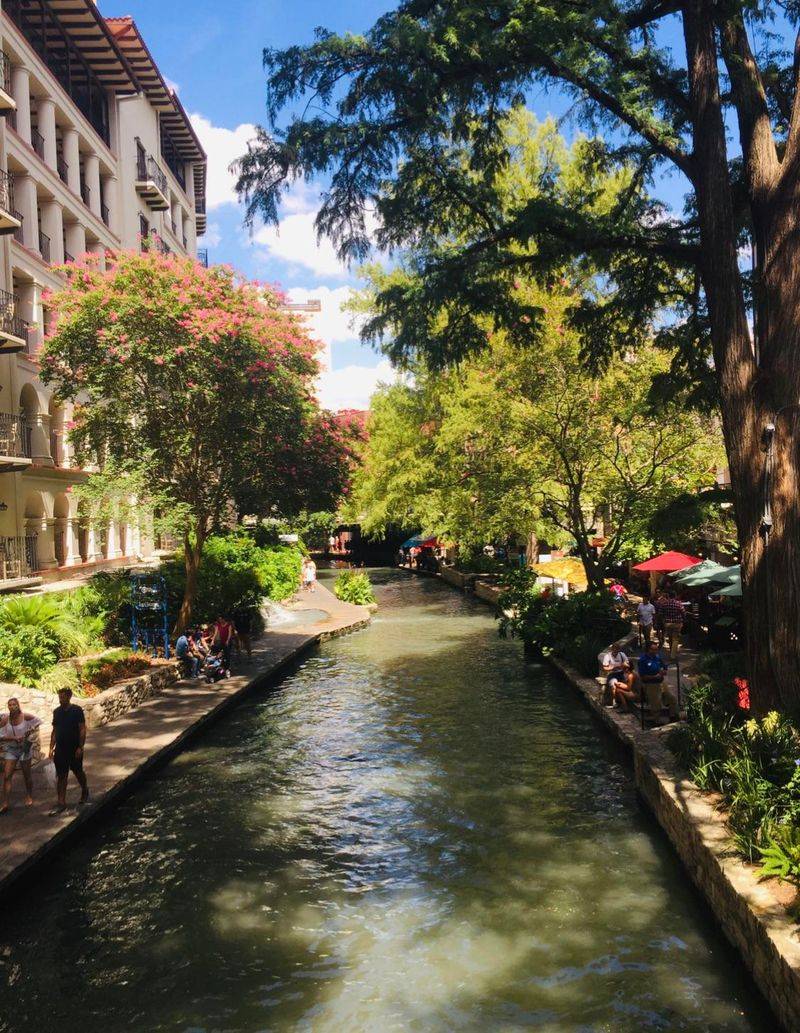
Winding through the heart of downtown San Antonio, the River Walk is a tree-shaded oasis below street level. Restaurants, shops, and bars line the banks of the San Antonio River, connected by stone pathways and arched bridges. It’s touristy, sure, but it’s also genuinely charming.
Locals still hang out here, especially in the quieter stretches away from the main drag.
The most popular section runs through downtown, packed with Tex-Mex joints, steak houses, and ice cream shops. Grab a table by the water and watch the boats drift by. River barges offer guided tours, floating past historic buildings and under shaded canopies.
It’s a relaxing way to see the city without walking.
For a quieter experience, head to the Museum Reach or Mission Reach sections. Museum Reach connects downtown to the Pearl Brewery, a revitalized neighborhood with a farmers market, boutique shops, and top-notch restaurants. The path is wider and less crowded, perfect for a morning jog or bike ride.
Mission Reach extends south toward the historic Spanish missions, offering a more natural setting with native plants and wildlife.
The River Walk is especially beautiful at night, when lights twinkle in the trees and the water glows. It’s romantic, festive, and buzzing with energy. Special events happen year-round, from Fiesta parades to holiday light displays.
Check the calendar before you go to see what’s happening.
Plan to spend at least a few hours here, more if you’re eating and shopping. Parking can be tricky downtown, so consider using a rideshare or parking at one of the nearby garages. The River Walk is San Antonio’s signature attraction for good reason.
9. Colorado Bend State Park (Bend)
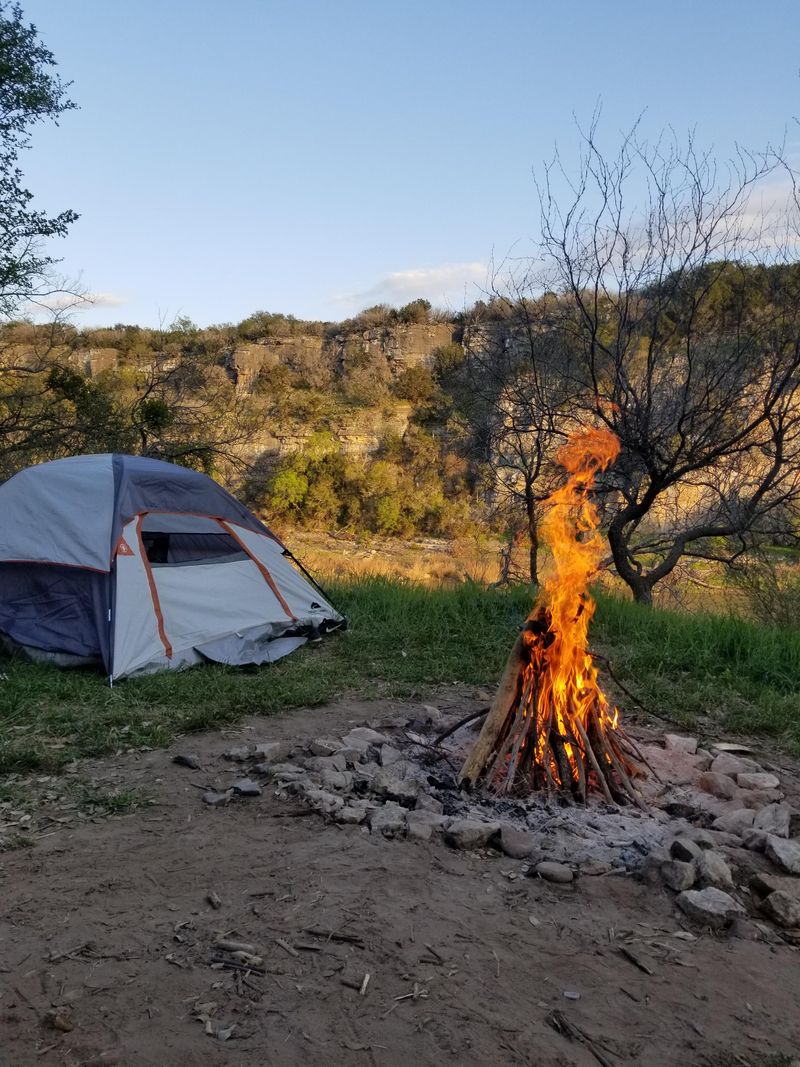
Tucked away in a remote corner of the Hill Country, Colorado Bend State Park feels like a secret. The park sits along the Colorado River, surrounded by rugged limestone hills and oak-juniper woodlands. It’s less developed than other state parks, which means fewer crowds and a more wild, untamed vibe.
If you want solitude and stunning scenery, this is your spot.
Gorman Falls is the park’s crown jewel. A 70-foot travertine waterfall spills over a moss-covered cliff, creating a scene straight out of a jungle. The hike to the falls is about three miles round trip, steep and rocky in places.
It’s worth every step. The falls are fed by underground springs, so they flow year-round, even during droughts. The turquoise pools at the base are off-limits for swimming, but you can get close enough to feel the mist.
The park has over 30 miles of hiking and mountain biking trails. Spicewood Springs Trail is a favorite, winding through canyons and along the river. Cave tours are offered on weekends, taking you into Gorman Cave, a wild cave system that requires crawling and squeezing through tight spaces.
It’s not for the claustrophobic, but adventurous types love it.
Fishing and paddling are popular on the Colorado River. The water is calm and scenic, perfect for a lazy afternoon in a kayak or canoe. Bass and catfish are common catches.
Primitive camping is available if you want to stay overnight, but day visitors have plenty to explore.
Colorado Bend is about two hours from Austin, down some winding country roads. Bring snacks, water, and a full tank of gas. It’s remote, rugged, and absolutely worth the drive.
10. Lost Maples State Natural Area (Vanderpool)
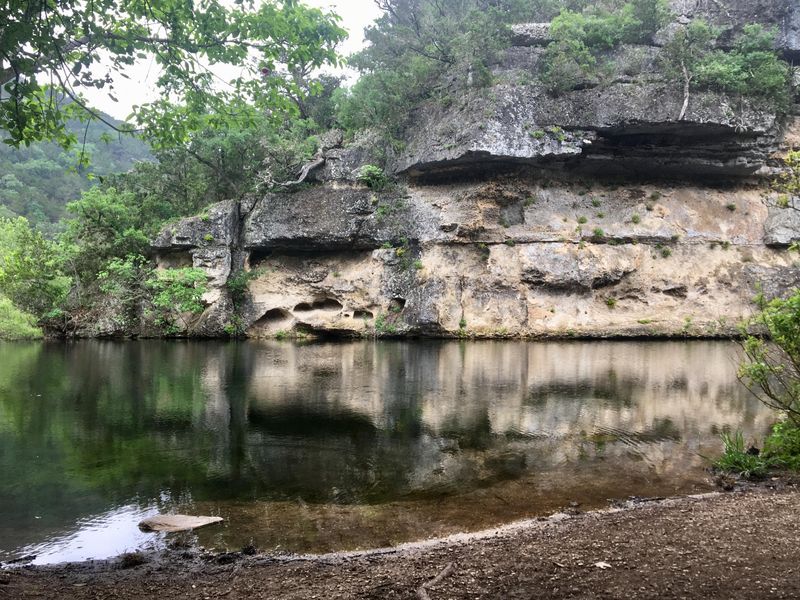
Fall color in Texas is rare, but Lost Maples delivers a show that rivals New England. Bigtooth maples blanket the hillsides, turning brilliant shades of red, orange, and gold in late October and early November. The park is named for these isolated pockets of maples, remnants from a cooler, wetter climate thousands of years ago.
It’s a botanical oddity and a visual treat.
The East Trail is the most popular hike, a 4.8-mile loop that winds through canyons and along Sabinal River. Steep in spots, the trail rewards hikers with panoramic views and close-up encounters with the colorful maples. Go during peak color season, and you’ll be surrounded by a kaleidoscope of fall hues.
Weekdays are less crowded than weekends.
Even outside of fall, Lost Maples is worth visiting. Spring brings wildflowers and flowing creeks. Summer offers shaded canyons and cool swimming holes.
Winter is quiet and peaceful, with fewer visitors and crisp, clear days. The park is beautiful year-round, but autumn is when it truly shines.
Birdwatching is excellent here, with golden-cheeked warblers nesting in the spring and a variety of raptors soaring overhead. The Sabinal River supports a healthy population of fish, and the clear water is perfect for wading. Primitive camping is available, but day trips are the norm.
Lost Maples is about 90 minutes west of San Antonio, deep in the Hill Country. The park has a strict capacity limit during fall color season, and it often fills up by mid-morning. Arrive early or visit on a weekday.
Bring layers since temperatures can fluctuate, and pack a lunch to enjoy by the river.
11. Big Bend National Park (Big Bend)
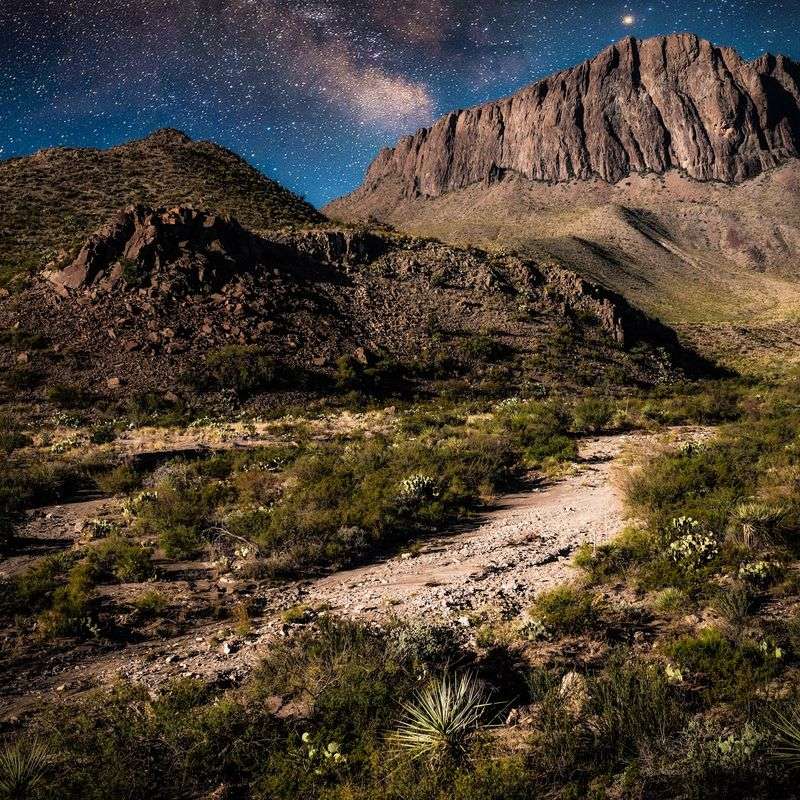
Big Bend sits in the far southwestern corner of Texas, where the Rio Grande carves a massive bend through the desert. It’s one of the most remote national parks in the country, hours from any major city. That isolation is part of the appeal.
The park covers over 800,000 acres of desert, mountains, and river canyons, offering a landscape unlike anywhere else in Texas.
The Chisos Mountains rise from the desert floor, creating a cool, forested island in the middle of the park. The Window Trail is a must-do hike, a 5.6-mile round trip that leads to a dramatic V-shaped notch in the mountains. The views at sunset are legendary, with the desert glowing in shades of pink and purple.
Arrive early to beat the heat and the crowds.
Santa Elena Canyon is another highlight, where sheer limestone walls tower 1,500 feet above the Rio Grande. A short trail leads into the canyon, following the river and offering jaw-dropping views. Bring water shoes if you want to wade across the creek at the trailhead.
The canyon is cool and shaded, a welcome relief from the desert sun.
Boquillas Canyon and Mariscal Canyon offer similar scenery with fewer visitors. River trips are popular, ranging from easy floats to multi-day expeditions. Outfitters in nearby towns can arrange guided trips if you don’t have your own gear.
Paddling through the canyons is an unforgettable way to see the park.
Big Bend is a long drive from anywhere, but it’s worth it. Plan for at least a full day, though two or three is better. Bring plenty of water, snacks, and a full tank of gas.
Cell service is nonexistent, and the nearest town is an hour away. It’s wild, remote, and absolutely stunning.
12. Guadalupe Mountains National Park (Salt Flat)
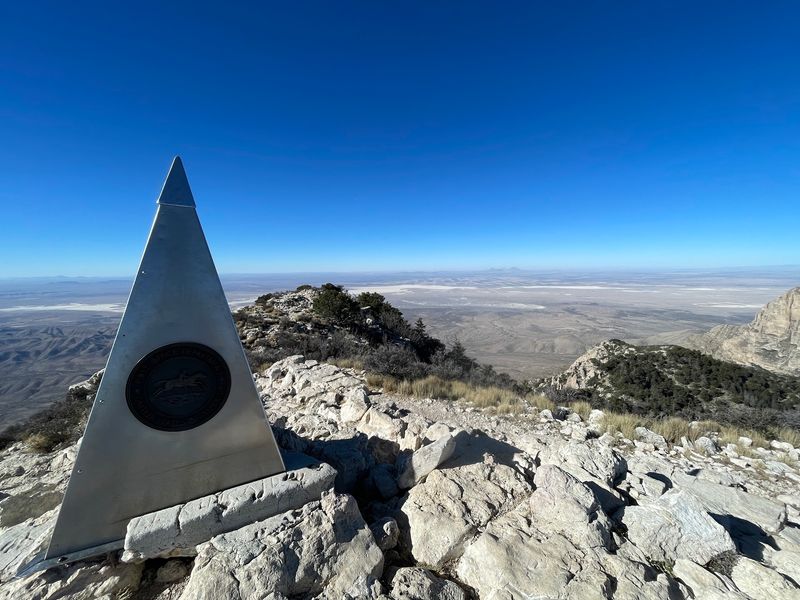
Guadalupe Peak towers 8,749 feet above sea level, making it the highest point in Texas. The mountain is part of an ancient fossilized reef, one of the best-preserved examples in the world. Guadalupe Mountains National Park protects this rugged landscape, offering some of the best hiking in the state.
It’s remote, challenging, and absolutely breathtaking.
The Guadalupe Peak Trail is the park’s signature hike, an 8.4-mile round trip that climbs over 3,000 feet to the summit. It’s steep, rocky, and exposed, but the views from the top are worth every drop of sweat. On clear days, you can see into New Mexico and across the Chihuahuan Desert.
Start early to avoid the midday heat and afternoon thunderstorms.
McKittrick Canyon is another must-see, especially in fall when bigtooth maples turn the canyon into a river of color. The trail follows a creek through the canyon, passing historic cabins and towering cliffs. It’s an easier hike than Guadalupe Peak, making it perfect for families or anyone looking for a more relaxed experience.
The canyon is also beautiful in spring when wildflowers bloom.
The park has over 80 miles of trails, ranging from short nature walks to multi-day backcountry treks. Devil’s Hall Trail leads to a natural rock staircase carved by water over millions of years. El Capitan, a massive limestone cliff, is visible from miles away and serves as a landmark for hikers and travelers.
Guadalupe Mountains is about 110 miles east of El Paso, in one of the most remote parts of Texas. There are no restaurants or gas stations nearby, so come prepared. Bring layers since temperatures can swing wildly between day and night.
It’s a hidden gem that rewards those willing to make the journey.
Share this story