Texas summers are legendary, and for good reason. From crystal-clear swimming holes tucked into the Hill Country to wide-open beaches along the Gulf Coast, the Lone Star State offers endless ways to soak up the sunshine before the season slips away. Whether you’re floating down a lazy river, stargazing under the wide Texas sky, or chasing waterfalls in hidden state parks, now’s the time to make those warm-weather memories count.
1. Spend a Summer Day at Balmorhea State Park (Toyahvale)
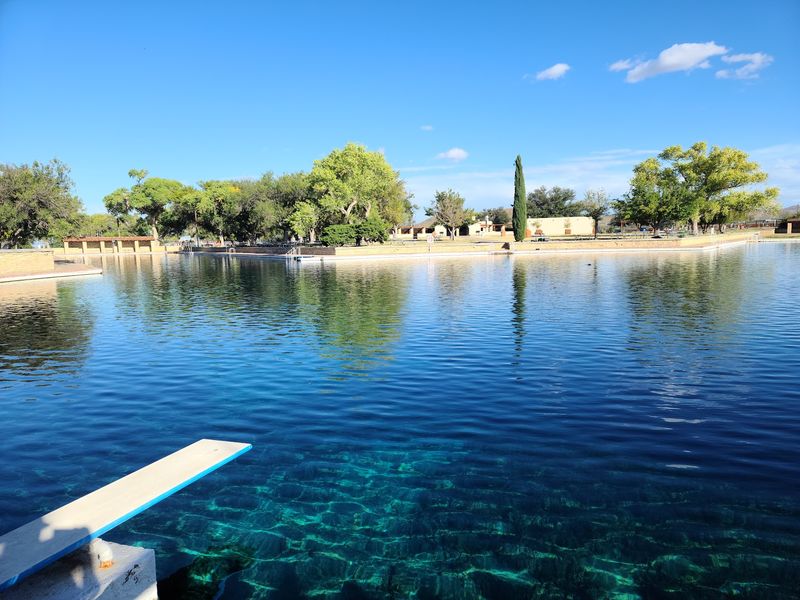
Out in West Texas, where the desert stretches for miles and the heat shimmers off the highway, sits one of the most surprising swimming spots in the entire state. The spring-fed pool at this remote park stays a refreshing 72 to 76 degrees year-round, fed by the San Solomon Springs that pump out 15 million gallons of water daily. That constant flow keeps the water so clear you can spot fish swimming around your feet, and the pool itself is massive, covering nearly two acres.
Snorkeling here feels like entering another world. You’ll glide over underwater grasses and spot endangered Comanche Springs pupfish, a tiny species found nowhere else on Earth. The pool reaches depths of 25 feet in some spots, giving strong swimmers plenty of room to explore.
Families love the shallow areas where kids can splash safely while parents relax on the grassy banks.
Getting here requires a bit of a drive since Toyahvale sits about 75 miles south of Pecos, but that isolation is part of the charm. Pack plenty of water and snacks because services are limited in this corner of Texas. The park offers campsites if you want to extend your visit and catch a spectacular desert sunset.
Arrive early during summer weekends because the park limits daily visitors to protect the delicate ecosystem. Once you’re inside those gates and slipping into that cool, clear water with the desert sun beating down overhead, you’ll understand why people make the pilgrimage. It’s an oasis in every sense of the word, and swimming here beats any chlorinated pool you’ve ever experienced.
The combination of desert scenery and spring-fed perfection creates something truly special that you won’t find anywhere else in Texas.
2. Float the Guadalupe River at Guadalupe River State Park (Spring Branch)
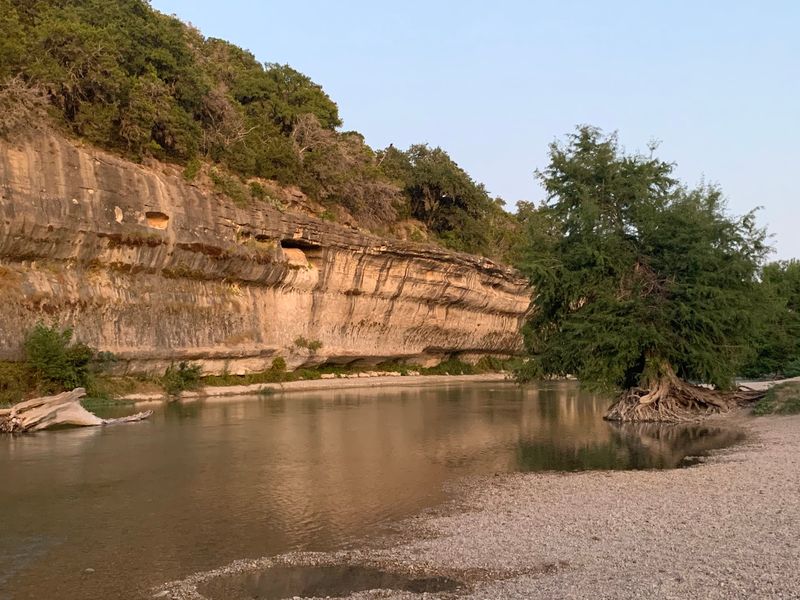
The Guadalupe River winds through the Hill Country like a liquid highway, and floating it ranks as one of those quintessential Texas summer experiences everyone should try. At this particular state park, the river runs clear and cool, fed by springs that keep temperatures comfortable even when the mercury climbs. Cypress trees line the banks, their roots creating natural sculptures in the limestone, and you’ll spot turtles sunning themselves on logs as you drift past.
Unlike some of the more party-focused float spots, this stretch maintains a family-friendly vibe. The current moves at a gentle pace, perfect for beginners or anyone who wants to actually relax instead of white-knuckling through rapids. You can rent tubes from nearby outfitters or bring your own, though the park itself doesn’t offer rentals on-site.
The float typically takes two to three hours depending on water levels and how often you stop to swim. Several spots along the route feature deeper pools where you can hop off your tube and cool down completely. The water stays shallow enough in most places that you can touch bottom if needed, which helps nervous floaters feel more confident.
Pack a waterproof bag for your phone, sunscreen, and snacks because you’ll want to reapply protection frequently out on the water. The Texas sun reflects off the river surface and can burn you faster than you’d expect. Wear water shoes too since the rocky bottom can be rough on bare feet when you’re getting in and out.
After your float, the park offers picnic areas and hiking trails if you’ve got energy left. But honestly, most people just want to find a shady spot and let that river-relaxed feeling sink in a little deeper before heading home.
3. Catch a Sunset at Enchanted Rock State Natural Area (Fredericksburg)
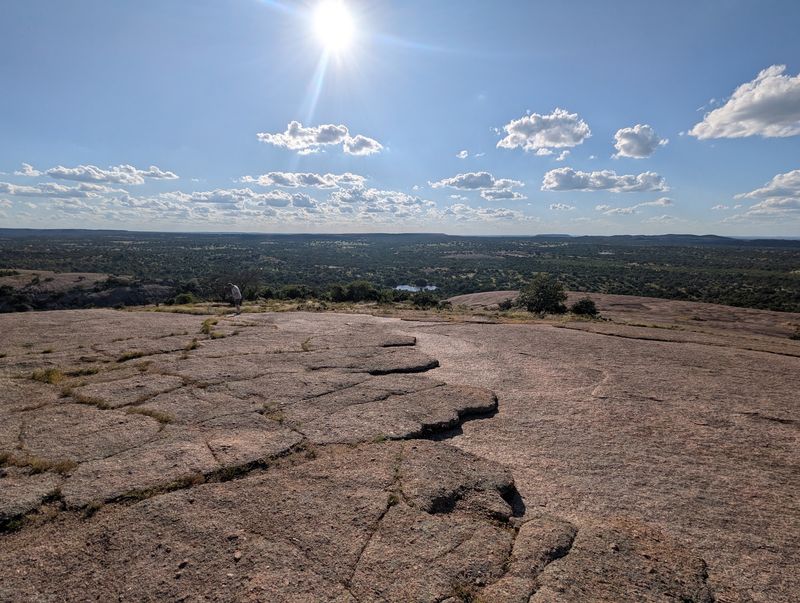
A massive pink granite dome rises 425 feet above the surrounding Hill Country, and climbing it to watch the sun go down creates memories that stick with you long after summer ends. The rock itself formed over a billion years ago, making it one of the oldest exposed rock formations in North America. When you stand on top, you’re literally touching ancient history while watching the sky put on its nightly show.
The hike to the summit follows a steep but straightforward trail that takes most people 30 to 45 minutes. Wear good shoes because the granite can be slippery, especially if it’s been wet. The climb gets your heart pumping, but the 360-degree views from the top make every step worthwhile.
You’ll see rolling hills stretching to the horizon in every direction, dotted with oak trees and the occasional ranch house.
Timing your visit for sunset means you’ll need to plan carefully. The park requires reservations during peak season, and they often sell out days in advance. Arrive at least two hours before sunset to give yourself plenty of time to make the climb and find a good spot on the summit.
Bring a headlamp or flashlight because you’ll be hiking back down in the dark.
As the sun drops lower, the granite beneath you seems to glow with that famous pink hue. Other hikers spread out across the dome, everyone finding their own little perch to watch the show. The temperature cools as the light fades, and you’ll understand why this place earned its mystical name.
The descent requires extra caution in low light, so take your time and watch your footing. That careful walk back down gives you time to process what you just witnessed and feel grateful for Texas landscapes that never stop surprising you.
4. Take One Last Tube Ride on the Comal River (New Braunfels)
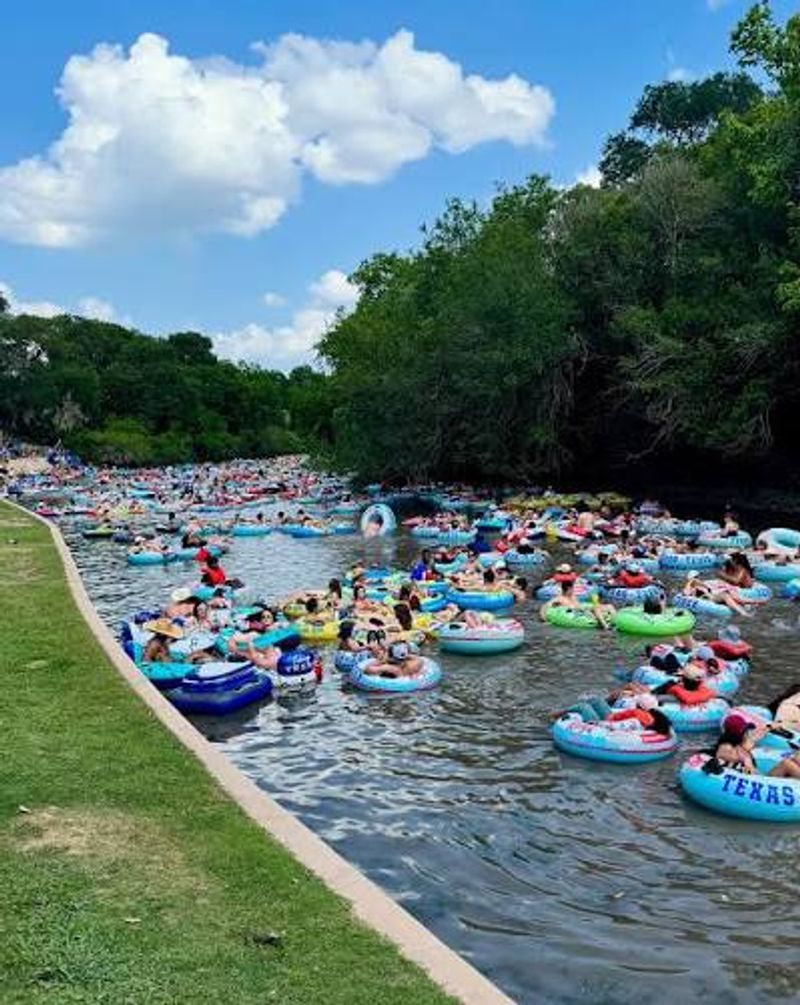
New Braunfels knows how to do summer right, and the Comal River serves as the town’s liquid playground. This spring-fed river holds the title of shortest river in Texas at just 2.5 miles long, but what it lacks in length it makes up for in pure fun. The water stays a constant 70-something degrees year-round, pumped out by massive springs that create the clearest, most inviting tubing conditions you’ll find anywhere.
Tubing the Comal feels different from other Texas rivers. The current moves steadily but not aggressively, carrying you past backyards where locals wave from their docks and under bridges where kids jump into the deep spots below. You’ll float through sections shaded by towering cypress and pecan trees, then emerge into sunny stretches where the water sparkles like liquid diamonds.
The most popular route takes about two hours, though you can extend or shorten your float depending on where you put in and take out. Numerous outfitters along the river rent tubes and provide shuttle service back to your car. Some offer cooler tubes so you can keep drinks cold, though New Braunfels has strict rules about disposable containers to keep the river clean.
Weekends get crowded during peak summer, so weekday floats offer a more relaxed experience. The river sees families, college students, tourists, and locals all mixing together in that uniquely Texan way where everyone’s just trying to beat the heat and have a good time. You’ll probably make friends with the people floating near you because something about drifting down a river makes folks chatty and cheerful.
Before fall arrives and everyone starts thinking about pumpkin patches instead of river days, squeeze in one more Comal float. Your future self will thank you for making the time.
5. Spend a Beach Day at Padre Island National Seashore (Corpus Christi)
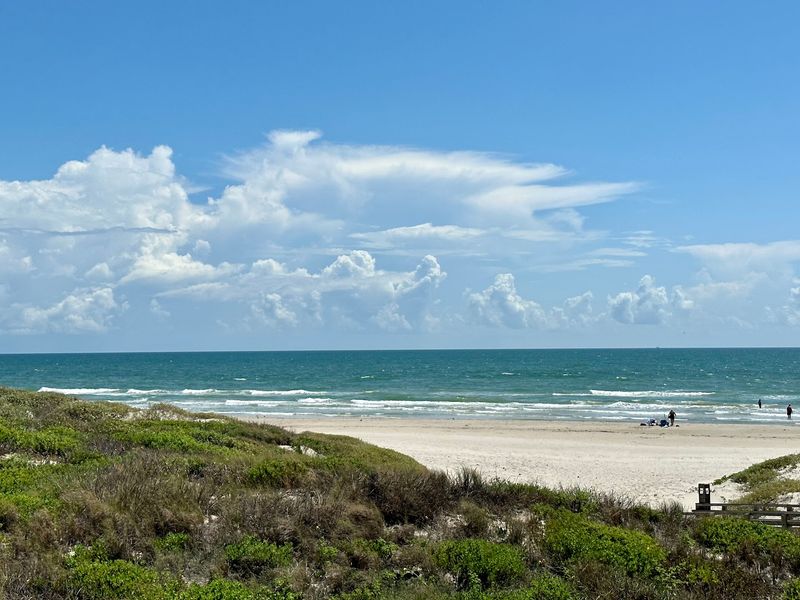
Stretching for 70 miles along the Gulf Coast, this protected shoreline represents the longest undeveloped barrier island in the world. Unlike crowded resort beaches packed with high-rises and beach bars, this place keeps things wild and natural. You’ll find miles of sand where your footprints might be the only ones, waves rolling in from the Gulf, and a sense of space that feels increasingly rare in our crowded modern world.
The beach here works for all kinds of summer fun. Families spread out blankets and build sandcastles while the kids splash in the surf. Surfers catch waves when conditions align just right.
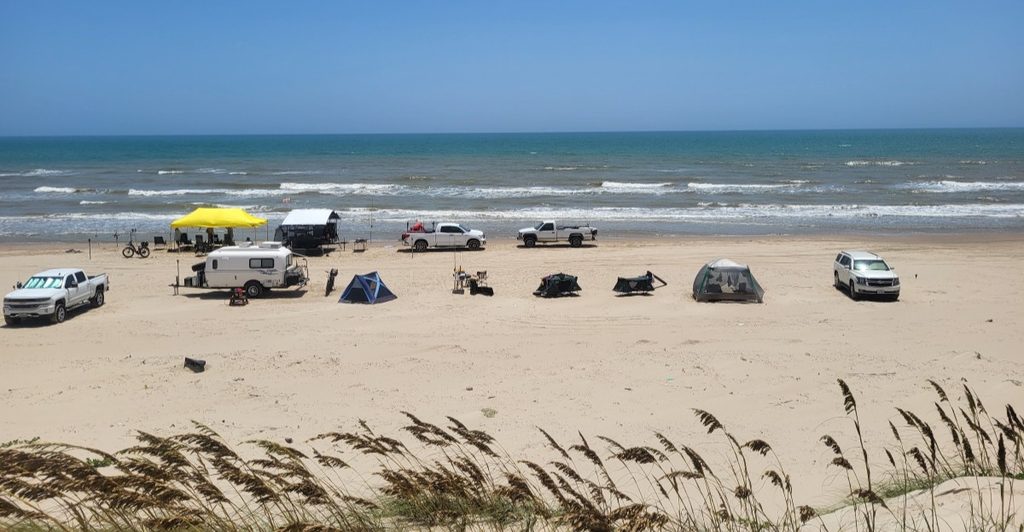
Shell collectors walk the tide line hunting for treasures washed up overnight. You can even drive your vehicle onto certain sections of the beach, making it easy to haul coolers, chairs, and all your gear to a perfect spot.
Swimming in the Gulf requires paying attention to conditions because currents can be strong and surf can get rough. Check the flag warnings posted at beach access points and don’t push your luck if conditions look sketchy. The water temperature in late summer hovers in the low 80s, which feels like bathwater compared to some of those chilly spring-fed swimming holes.
Bird watching reaches peak season during migration periods, but even in late summer you’ll spot pelicans diving for fish and various shorebirds running along the water’s edge. If you’re incredibly lucky, you might see sea turtle tracks where a mother came ashore to nest, though those are more common earlier in summer.
Bring plenty of sunscreen, water, and shade because the beach offers limited natural shelter from that relentless coastal sun. Plan to stay through sunset when the sky explodes with color over the Gulf, creating a perfect ending to your beach day.
6. Paddle and Float the South Llano River (Junction)
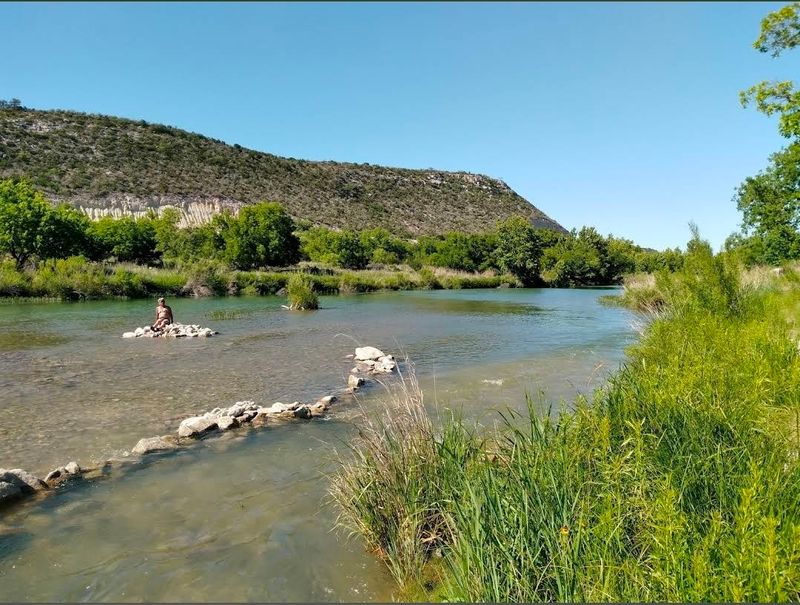
Junction sits where the North and South Llano Rivers meet, and the South Llano section offers some of the prettiest paddling in the entire state. The river runs clear and relatively shallow, perfect for kayaks, canoes, or just floating on a tube while the current does all the work. Massive pecan trees create shady canopies over certain stretches, giving you relief from the sun while you drift through this Hill Country gem.
The state park along the river provides easy access and well-maintained facilities. You can launch from the park and float downstream, or put in upstream and end at the park. Either way, you’ll spend your time gliding past limestone bluffs, spotting fish in the clear water below, and listening to birds calling from the trees.
The river attracts serious birders because over 300 species have been recorded in the area.
Water levels fluctuate depending on recent rainfall, so check conditions before you go. Low water means more walking your boat over shallow spots, while higher flows create faster currents and slightly more challenging conditions. Even at higher levels, this river maintains its family-friendly character without serious rapids or dangerous obstacles.
Pack a waterproof container for your valuables and bring a mesh bag for collecting any trash you spot along the way. The local community works hard to keep this river pristine, and visitors doing their part helps preserve it for future generations. You’ll likely see locals out on the water too since Junction residents treat this river like their private backyard paradise.
The paddle or float typically takes two to four hours depending on your chosen route and how often you stop to swim or explore. Unlike some Texas rivers that get overrun with crowds, the South Llano maintains a peaceful vibe where you can actually hear yourself think and reconnect with nature before summer slips away completely.
7. Cool Off at Barton Springs Pool (Austin)
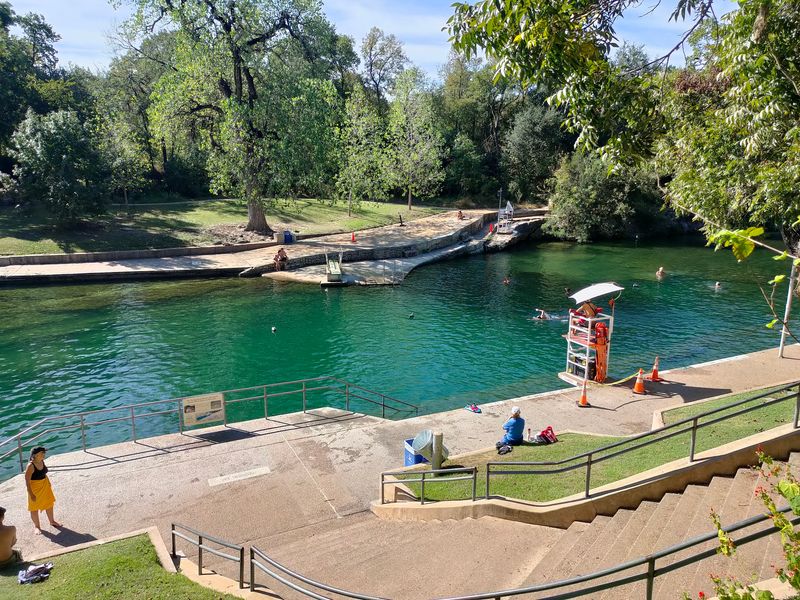
Right in the middle of Austin, fed by underground springs that pump out 27 million gallons daily, sits a swimming hole that’s become legendary among locals and visitors alike. The pool stretches nearly three acres and maintains temperatures between 68 and 70 degrees year-round. On a scorching August afternoon when the thermometer pushes past 100, slipping into that cool spring water feels like the best decision you’ve ever made.
The pool itself occupies a spot in Zilker Park, Austin’s beloved green space that hosts everything from kite festivals to outdoor concerts. Natural limestone forms the bottom and sides, and you can swim laps in the designated lanes or just float around soaking up the scene. Grassy areas surrounding the pool fill with sunbathers, picnickers, and people reading books under the shade of massive pecan trees.
Locals treat Barton Springs like a community gathering spot. You’ll see families teaching kids to swim, groups of friends meeting up after work, and solo swimmers getting in their daily exercise. The vibe stays relaxed and welcoming, very Austin in its come-as-you-are attitude.
Dogs aren’t allowed in the pool itself, but the rest of Zilker welcomes four-legged friends.
The pool charges a small admission fee, and lifeguards stay on duty during operating hours. They close the pool periodically for cleaning, so check the schedule before you make the trip. Early morning swimmers can enter free before the lifeguards arrive, though you swim at your own risk during those hours.
Endangered Barton Springs salamanders live in the pool and surrounding springs, so the city monitors water quality carefully to protect them. That means no sunscreen in the water and other rules designed to keep the ecosystem healthy. Following those guidelines ensures this Austin treasure stays swimmable for generations to come.
8. Chase Waterfalls at Colorado Bend State Park (Bend)
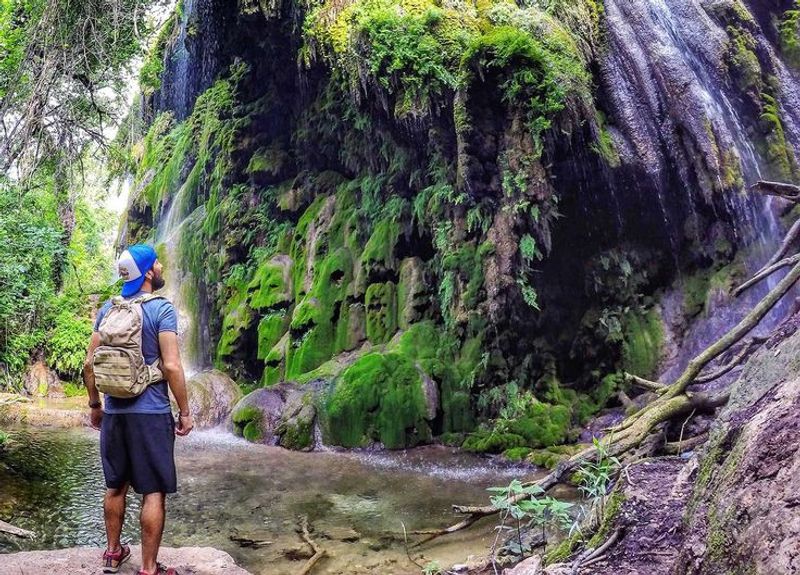
Hidden in a remote corner of the Hill Country, this park protects one of Texas’s most spectacular waterfalls. Gorman Falls drops 60 feet over a wall of travertine formations covered in moss, ferns, and other plants that create a lush green curtain. Water flows year-round from springs above, creating a microclimate that supports vegetation you wouldn’t expect to find in Texas.
The hike to reach it covers about three miles round trip, winding through rocky terrain that rewards your effort with jaw-dropping views.
The trail to the falls isn’t particularly difficult, but it does require decent shoes and reasonable fitness. You’ll cross Gorman Creek multiple times, sometimes hopping rocks and sometimes just wading through the water. In late summer, water levels typically run low enough that creek crossings stay manageable.
The path winds through juniper and oak trees before descending to the viewing platform near the falls.
You can’t swim at Gorman Falls itself because the park protects the delicate ecosystem, but other spots in the park offer swimming opportunities. Spicewood Springs near the main parking area provides a nice place to cool off after your hike. The park also features caves that you can explore on guided tours, adding another dimension to your visit.
This park sees fewer visitors than some better-known Texas destinations, partly because it takes effort to reach. The last several miles of road leading to the park are unpaved, and cell service disappears long before you arrive. That remoteness is part of the appeal for people seeking a genuine escape from city life and screen time.
Bring plenty of water, snacks, and a camera because you’ll want to document this natural wonder. The falls photograph beautifully, especially in morning or late afternoon light when the sun angles highlight all that lush green vegetation. Summer’s the perfect time to make this pilgrimage before fall brings different weather and different adventures.
9. Swim and Relax at Garner State Park (Concan)
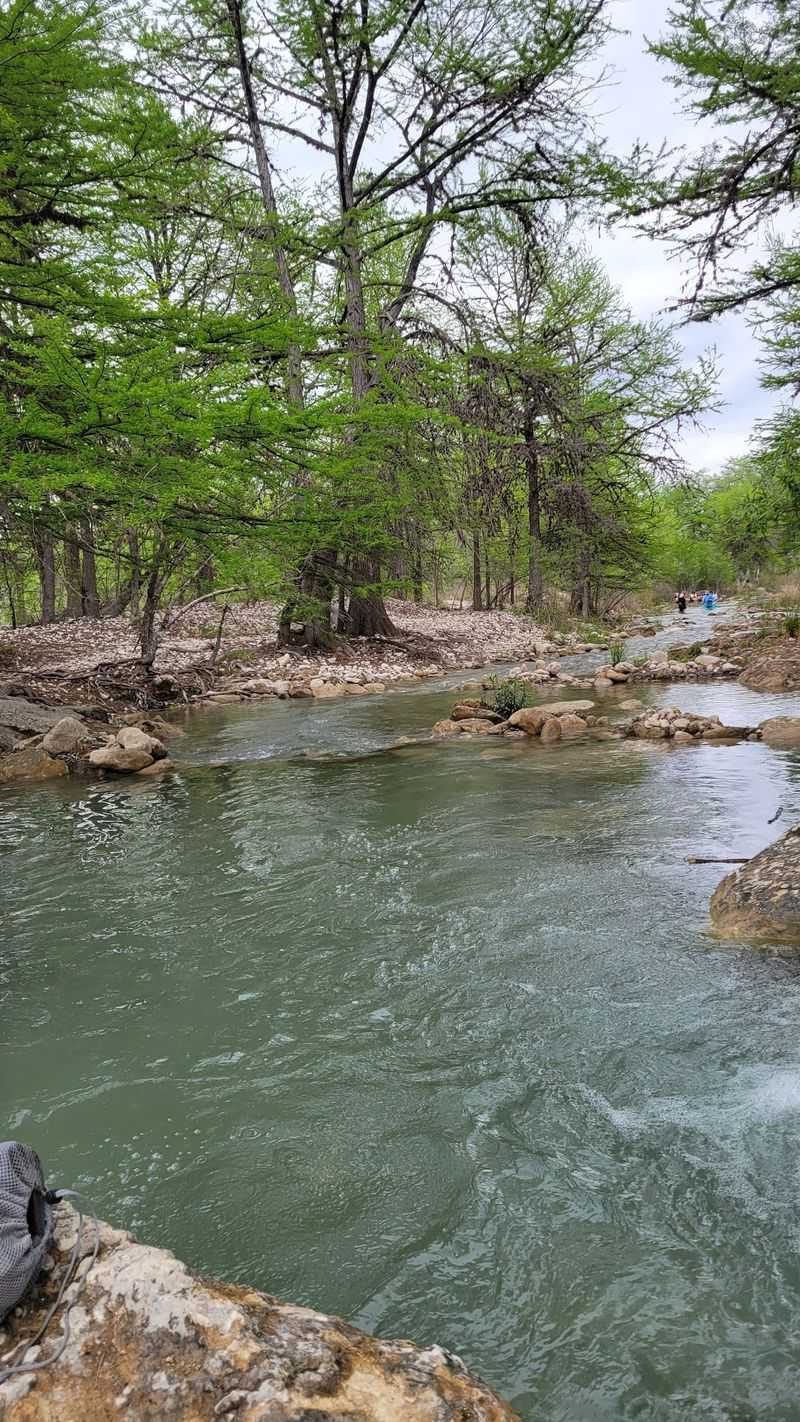
The Frio River earned its name, which means cold in Spanish, and swimming here on a hot summer day proves why. Spring-fed and shaded by towering bald cypress trees, this Hill Country river stays refreshingly cool even when air temperatures soar. Garner State Park sits along a particularly beautiful stretch where the river creates natural pools perfect for swimming, and limestone bluffs rise on one side creating dramatic scenery.
Families have been coming to this park for generations, creating traditions that get passed down through the years. Kids learn to swim in the shallow areas near the park’s main beach. Teenagers cliff jump from designated spots into deeper pools.
Parents relax on the pebbly shore watching it all unfold. The park rents inner tubes if you want to float downstream, though the float here is shorter and more relaxed than some other Texas river adventures.
Beyond the river, the park offers miles of hiking trails that climb into the surrounding hills. Old Baldy Trail leads to a scenic overlook where you can see the river winding through the valley below. The hike gets steep in sections, but reaching the top and catching your breath while taking in that view makes the climb worthwhile.
Summer evenings at Garner bring out another park tradition with outdoor dances at the pavilion. Live music, a concrete dance floor under the stars, and people of all ages doing the Texas two-step create a scene straight out of another era. Even if you don’t dance, watching the fun unfold captures something essential about Texas culture.
The park’s popularity means you need reservations well in advance for camping, and day use can fill up on summer weekends. Arriving early gives you the best chance of snagging a good spot by the river. Pack a cooler with drinks and snacks, claim your patch of riverbank, and settle in for a perfect Hill Country summer day.
10. Spend a Warm Evening Stargazing at a Texas State Park

Texas skies stretch wide and dark in places far from city lights, and late summer offers some of the best stargazing conditions of the year. Several state parks have earned Dark Sky designations, meaning they meet strict standards for limiting light pollution. On a clear night at one of these locations, you’ll see thousands of stars, the Milky Way stretching across the sky like a river of light, and maybe even a shooting star or two if you’re patient.
Big Bend Ranch State Park in West Texas offers some of the darkest skies in North America. The remoteness that makes getting there challenging also means zero light pollution once the sun goes down. Copper Breaks State Park near Quanah provides another excellent option, hosting regular star parties where amateur astronomers set up telescopes and share views of planets, star clusters, and distant galaxies.
You don’t need any special equipment to enjoy stargazing, though binoculars can enhance the experience. Bring a blanket or reclining chair so you can look up comfortably without straining your neck. Let your eyes adjust to the darkness for at least 20 minutes before you start really looking because that adjustment period makes a huge difference in what you can see.
Download a stargazing app on your phone to help identify constellations, planets, and other celestial objects. Point your device at the sky and the app will label what you’re looking at, turning the night sky into an interactive learning experience. Kids especially love this technology-meets-nature combination.
Late summer means warm evenings, so you won’t need heavy jackets like you would for winter stargazing. The temperature drops as night deepens, but it stays comfortable enough that you can lie out for hours watching the sky. Bring bug spray because mosquitoes can be active after dark in some locations.
Make this final summer stargazing session count before fall arrives and the evening chill drives everyone indoors earlier.
11. Make One Last Big Splash at Schlitterbahn (New Braunfels)
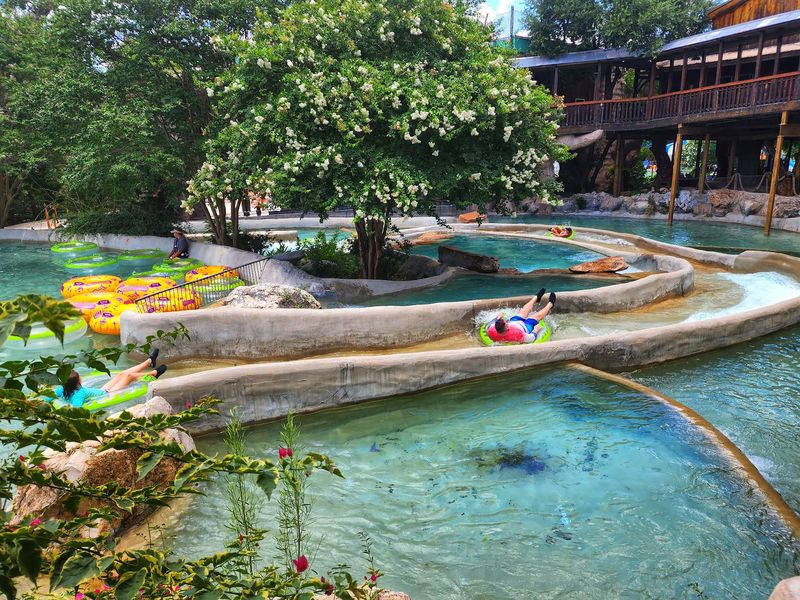
Sometimes you want natural swimming holes and peaceful river floats, and sometimes you just want to scream down a waterslide at ridiculous speeds. This waterpark has been a Texas summer institution since 1979, combining spring-fed rivers with engineered thrills to create something uniquely Texan. The park uses actual river water in many of its attractions, keeping temperatures naturally cool and creating a connection to the landscape that sets it apart from typical chlorinated waterparks.
The Master Blaster uphill water coaster remains a park signature, using water jets to propel rafts both up and down, creating a roller coaster experience on water. Multiple slides offer everything from gentle family-friendly rides to intense drops that leave your stomach somewhere around your throat. The lazy river lets you float peacefully when you need a break from the adrenaline.
Smart park visitors arrive right when gates open to maximize ride time before crowds build. Wear water shoes because the concrete gets hot under the Texas sun, and you’ll be doing lots of walking between attractions. Rent a locker for your valuables since you’ll be getting thoroughly soaked.
The park allows you to bring in your own food and drinks, which can save serious money if you’re feeding a family.
The park sprawls across multiple sections connected by rivers and walkways, so grab a map when you enter and plan your route. Some attractions have height requirements, so check those in advance if you’re bringing kids to avoid disappointment. Weekdays see smaller crowds than weekends, making for shorter wait times and more rides per visit.
As summer winds down, waterparks start shifting toward fall schedules with reduced hours and eventually closure for the season. Getting in one last visit before they shut down for the year creates a perfect bookend to your summer adventures. You’ll leave tired, waterlogged, and already planning next year’s visit.
12. Swim at Krause Springs (Spicewood)
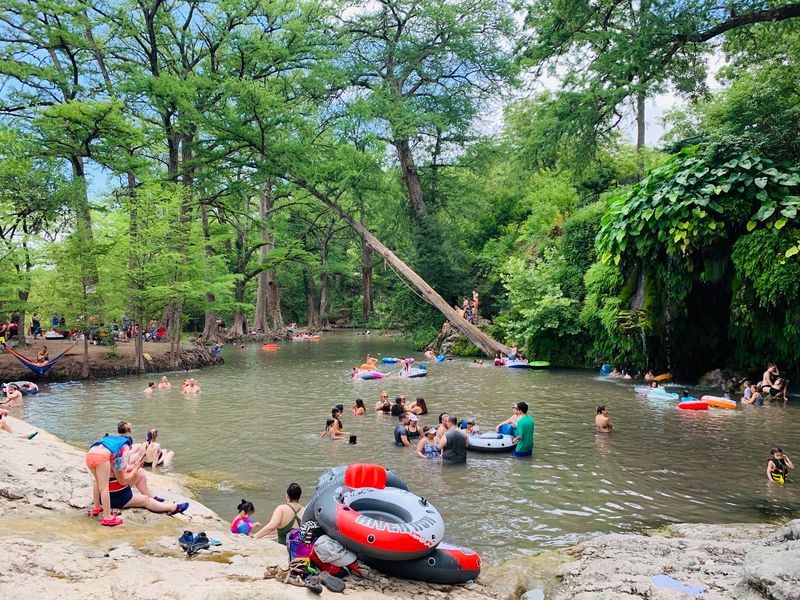
Privately owned but open to the public, this Hill Country gem combines natural springs, man-made pools, and a butterfly garden into one magical swimming destination. Twenty-six springs feed the property, creating multiple pools at different levels that cascade down toward Lake Travis. The main pool stays a constant 68 degrees, fed by springs that have flowed for thousands of years.
Cypress trees tower overhead, and a small waterfall adds to the natural beauty.
The property has been in the Krause family for generations, and they’ve developed it thoughtfully to preserve its natural character while making it accessible to visitors. Stone steps and pathways connect the different pool levels. Camping areas nestle among the trees for people who want to extend their visit overnight.
The butterfly garden attracts dozens of species, adding flashes of color to the already scenic landscape.
Swimming here feels more intimate than visiting a state park because the property covers less acreage. You’ll find families splashing in the shallow areas, couples relaxing on the grassy banks, and kids jumping off the small cliff into deeper water. The vibe stays laid-back and friendly, with visitors respecting the property and each other to keep this special place accessible.
The springs require an admission fee, and they limit daily visitors to prevent overcrowding. Summer weekends can sell out, so arriving early or visiting on weekdays gives you the best chance of getting in. They don’t take reservations, so admission works on a first-come basis.
Once inside, you can stay all day, making it worth the effort to arrive when gates open.
Bring your own food and drinks since the property doesn’t have a concession stand. Pack out everything you bring in because the owners work hard to maintain this natural treasure. Before summer ends and everyone starts thinking about sweater weather instead of swimming holes, make time for Krause Springs.
It’s the kind of place that reminds you why Texas swimming spots are legendary.
Share this story