Texas might be famous for wide-open plains and desert landscapes, but hidden across the state are some genuinely spectacular waterfalls that most travelers never see. You won’t find Niagara-sized cascades here, but what you will discover are tucked-away swimming holes, moss-covered limestone cliffs, and trails that reward your effort with crystal-clear pools perfect for cooling off. Whether you’re driving through Hill Country or exploring the rugged terrain of West Texas, these waterfall hikes offer an escape that’s absolutely worth the detour.
1. Westcave Preserve Trail (Round Mountain)
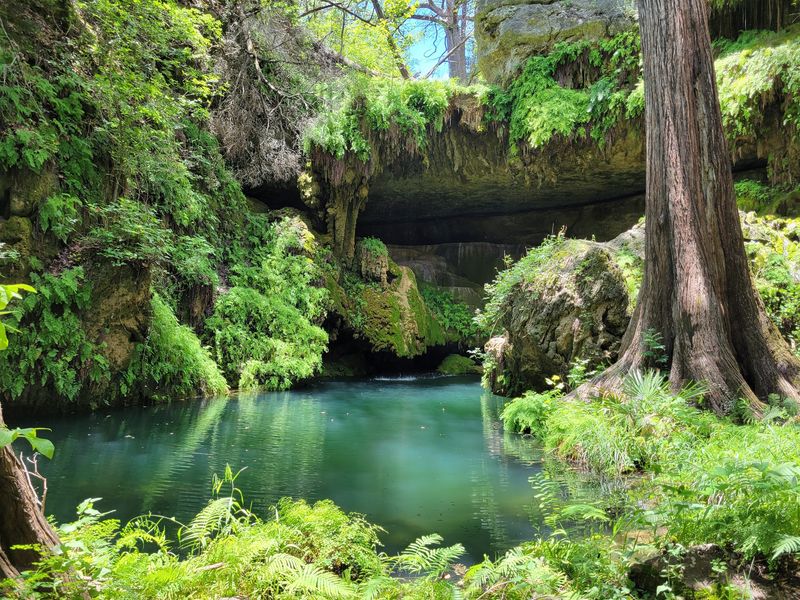
About 30 miles west of Austin, a collapsed grotto hides one of the most stunning waterfall scenes in Central Texas. The preserve only allows guided tours on weekends, which keeps crowds manageable and protects the delicate ecosystem that thrives in this hidden canyon.
The hike itself is short but steep, dropping about 90 feet into a limestone canyon where the temperature can be 15 degrees cooler than the surface. Cypress trees tower overhead, and the air smells like wet rock and green growing things. The waterfall spills over a 40-foot cliff into a shallow pool, creating a scene that feels more like something you’d find in a rainforest than in the middle of Texas.
What makes this spot special is the microclimate. Ferns, mosses, and maiden-hair plants cling to the dripping rock walls, thriving in the constant moisture and shade. It’s a fragile environment, which is exactly why the preserve limits access and requires reservations.
Tours run every hour on Saturdays and Sundays, and they fill up fast during spring and fall when the weather is perfect. Weekday access is more limited, so plan ahead if you want to see this place. The guides are knowledgeable and point out geological features and plant species you’d otherwise miss.
The waterfall flows year-round thanks to underground springs, though it’s most impressive after heavy rains. Summer visits offer the bonus of cooling off in the grotto’s naturally air-conditioned environment. Wear sturdy shoes with good grip because the trail can be slick, especially near the bottom where mist from the falls keeps everything damp.
Photography is allowed, but tripods aren’t practical on the narrow trail, so bring a camera that handles low light well.
2. McKinney Falls Trail (Austin)
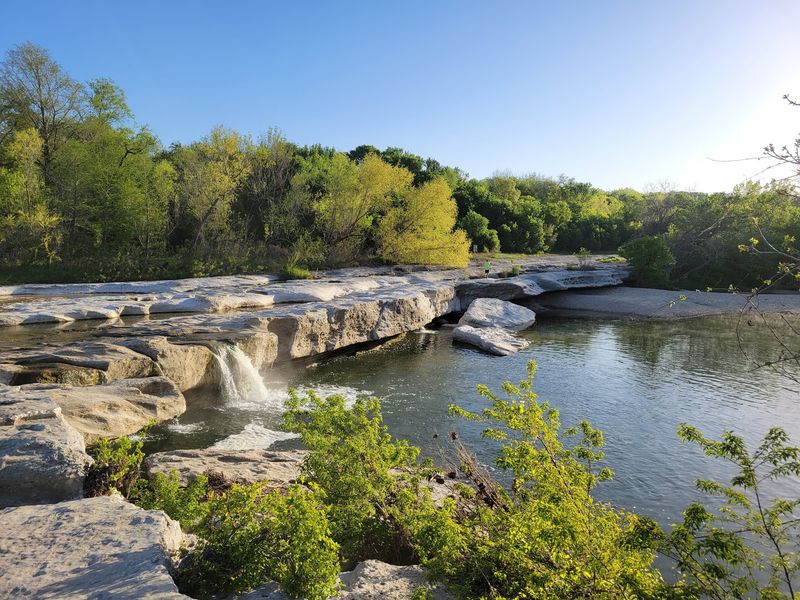
Right inside Austin city limits, this state park offers two waterfalls that locals have been swimming at for generations. The Lower Falls are the easiest to reach, just a quarter-mile from the parking area, making them perfect for families or anyone who wants a quick nature fix without committing to a long hike.
The Upper Falls require a bit more walking, about a mile and a half round trip, but the payoff is a wider cascade that creates multiple pools perfect for wading. Both falls flow over layered limestone shelves that look like giant stair steps, worn smooth by centuries of water and foot traffic.
During dry spells, the falls can slow to a trickle, but Onion Creek usually keeps at least some water flowing. After big rains, though, this place transforms into a rushing torrent that’s genuinely impressive. The park closes the swimming areas when water levels get too high, so check conditions before you go if you’re planning to get in the water.
The trails connect to a larger network that winds through the park, passing old homestead ruins and offering glimpses of the creek from different angles. Pecan trees and Texas live oaks provide decent shade, which you’ll appreciate on hot summer days when the temperature climbs into the 90s.
Weekends get crowded, especially when school’s out and the weather is nice. Arriving early or visiting on weekdays gives you a better chance of finding parking and enjoying the falls without jostling for space on the rocks. The park charges a small entrance fee, and facilities include restrooms and picnic areas.
Bring water shoes if you plan to explore the creek, because the limestone can be sharp and slippery in spots.
3. Gorman Falls Trail (Bend)
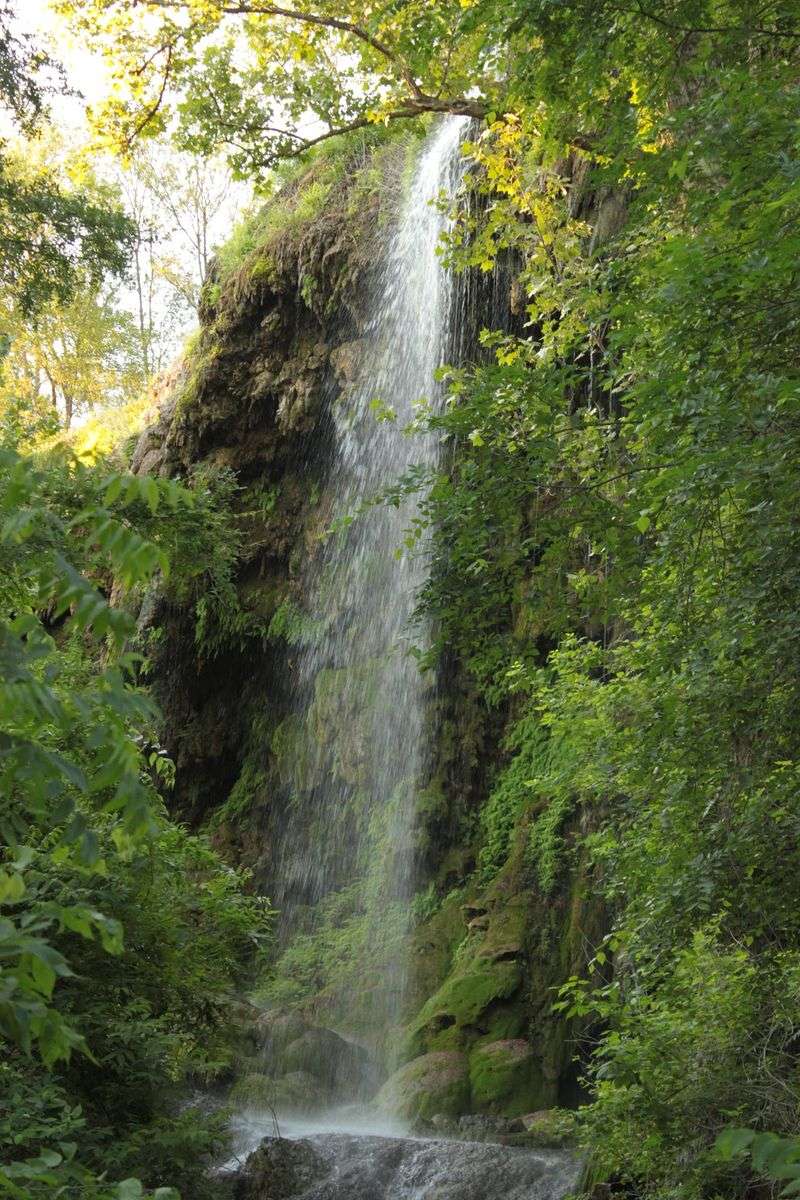
This 70-foot waterfall might be the most photographed in Texas, and once you see it, you’ll understand why. The water pours over a cliff covered in emerald moss and bright orange mineral deposits, creating a scene that looks almost tropical. Getting there requires either a three-mile hike each way or a boat ride across the Colorado River, followed by a shorter walk.
The hiking route is rugged and rocky, winding through cedar breaks and crossing dry creek beds before descending steeply to the falls. It’s not technically difficult, but the terrain is uneven and the distance adds up, especially in summer heat. Most people take about an hour and a half each way, though you can do it faster if you’re in good shape.
The falls themselves flow year-round, fed by springs that emerge from the limestone cliff face. The constant water creates a unique ecosystem where rare plants thrive in the perpetual mist. You can’t swim right at the base of the falls, but the creek below offers plenty of spots to cool off.
Guided tours run on weekends and are worth considering if you want to learn about the geology and ecology. The park rangers know their stuff and can point out details you’d miss on your own. Private tours can also be arranged for groups.
Bring plenty of water because there’s no shade for long stretches of the trail. The best times to visit are spring and fall when temperatures are moderate and wildflowers add color to the landscape. Summer visits are doable but start early to avoid hiking in the worst heat.
The parking area is small, so arriving before 10 a.m. on weekends is smart if you want to guarantee a spot.
4. Hamilton Pool Trail (Dripping Springs)
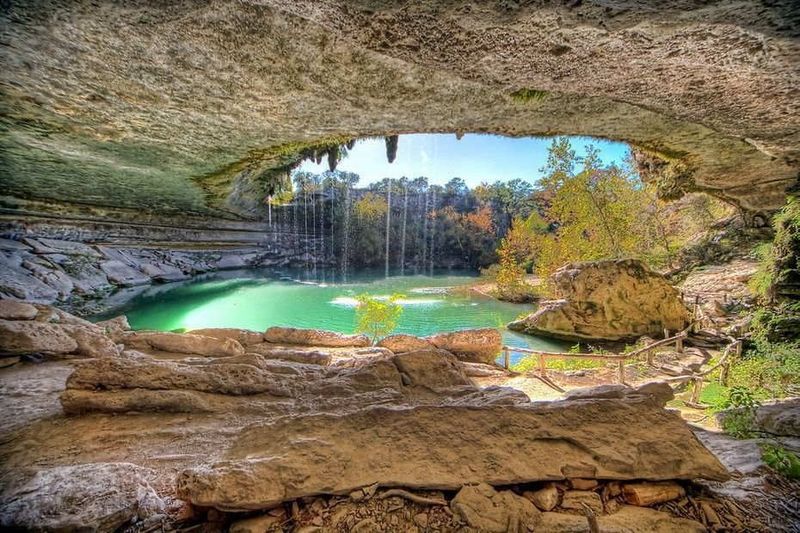
A collapsed underground river created this swimming hole about 10,000 years ago, and it’s been drawing visitors ever since. The waterfall spills from a 50-foot cliff overhang into a jade-green pool that’s perfect for swimming when conditions allow. Stalactites still cling to the grotto ceiling, dripping water that’s been filtering through limestone for who knows how long.
The trail down to the pool is only a quarter-mile, but it’s steep and can be slippery. Metal stairs and gravel paths make it manageable for most people, though it’s not wheelchair accessible. Once you reach the bottom, the view is worth every step.
Swimming is only allowed when bacteria levels are safe, which the park tests regularly. Even when swimming is closed, the preserve is worth visiting just to see the geological wonder and take photos. The waterfall flows strongest in spring and after heavy rains, sometimes creating multiple cascades along the cliff face.
Reservations are required year-round and they book up weeks in advance during peak season. The preserve limits daily visitors to protect the fragile environment, so you can’t just show up and hope to get in. Plan ahead and reserve your spot online as soon as you know your travel dates.
The surrounding trails offer additional hiking through Hill Country terrain, with views of cypress-lined creeks and limestone outcrops. The preserve is home to the Golden-cheeked Warbler, an endangered species that nests in the area, so keep an eye out for these small yellow-and-black birds.
Facilities are basic, with portable restrooms near the parking area. Bring your own food and drinks because there’s nothing nearby. The closest town, Dripping Springs, is about 15 minutes away if you need supplies or a meal after your visit.
5. Spicewood Springs Trail (Bend)
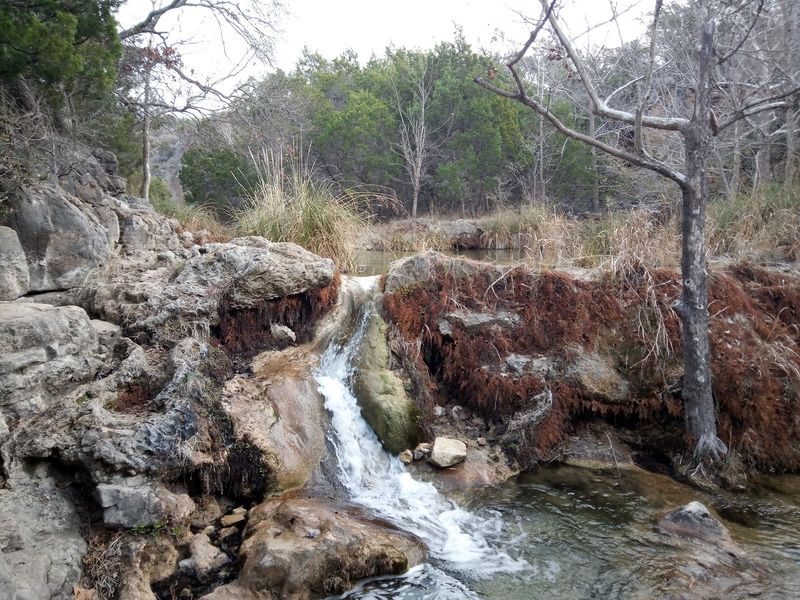
Another gem in Colorado Bend State Park, these springs create a series of small waterfalls and crystal-clear pools that stay cool even in the middle of summer. The hike is moderate, about two miles round trip, following a rocky trail through cedar and oak forest before dropping down to the springs.
The water here is incredibly clear because it’s spring-fed, bubbling up from underground aquifers rather than running off the surface. That means it flows year-round and maintains a constant temperature in the mid-70s, perfect for swimming. The main pool is deep enough for diving off the surrounding rocks, though you need to check the depth first because water levels can vary.
Multiple smaller cascades and pools line the creek both upstream and downstream from the main swimming hole. You can spend hours exploring, finding your own private spot to relax in the shade of overhanging trees. The limestone creek bed creates natural water slides in places, worn smooth by centuries of flowing water.
This spot doesn’t get quite as crowded as Gorman Falls, partly because it requires more hiking to reach and partly because fewer people know about it. Weekdays are nearly empty, giving you a good chance of having the place to yourself. Weekends see more visitors but rarely feel overcrowded.
The trail can be tricky to follow in places, with multiple social paths branching off the main route. Staying close to the creek generally keeps you on track, and the sound of flowing water helps guide you to the springs. Cell service is nonexistent in the park, so download a trail map before you arrive.
Bring a waterproof bag for your valuables if you plan to swim, and pack out everything you bring in because there are no trash facilities at the springs. The park entrance requires a fee, and primitive camping is available if you want to make a weekend of exploring the various trails and water features.
6. Cattail Falls Trail (Big Bend National Park)
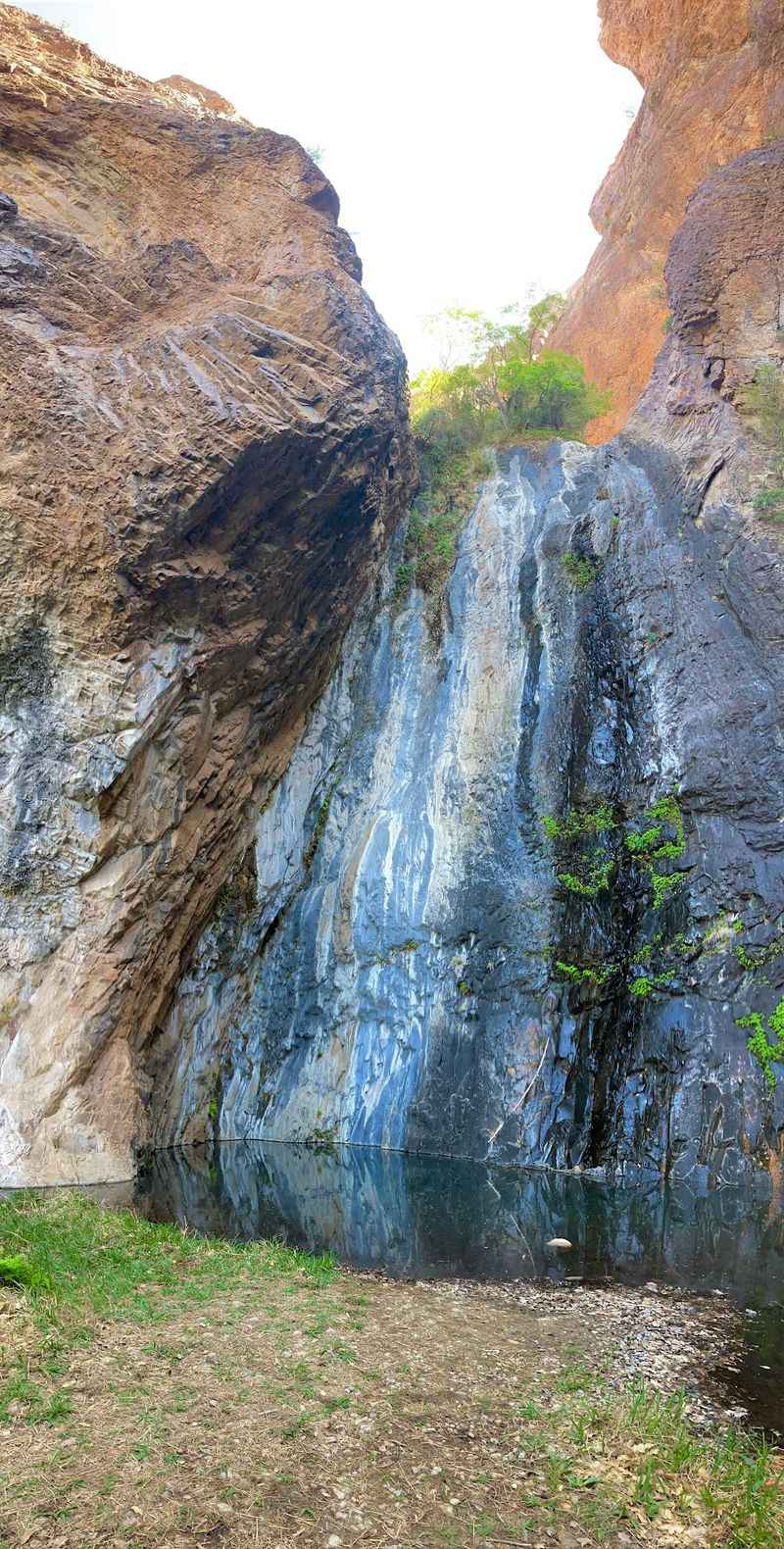
Finding a waterfall in the Chihuahuan Desert feels like discovering a secret, and Cattail Falls delivers exactly that experience. The trail is only about three miles round trip, but it gains elevation quickly as it climbs into the Chisos Mountains. Views open up as you ascend, showing layers of desert peaks fading into the distance.
The waterfall itself is seasonal, flowing only after substantial rain in the mountains. When it’s running, water tumbles down a rocky cliff face into a small pool surrounded by desert plants adapted to the harsh environment. Even when the falls are dry, the hike is worth doing for the scenery and the chance to explore a mountain canyon in one of the most remote national parks in the country.
The trail starts in the Chisos Basin and climbs through juniper and pinyon pine forest before entering a narrow canyon. Rock cairns mark the route in places where the trail isn’t obvious, and some scrambling over boulders is required near the end. It’s not dangerous, but it’s definitely more adventurous than a typical nature walk.
Spring and fall are the best seasons for this hike because summer temperatures in Big Bend can easily reach 110 degrees. Winter is usually mild but can bring surprisingly cold weather to the higher elevations. Always carry more water than you think you’ll need because the desert environment is unforgiving.
Wildlife sightings are common, with possibilities including javelinas, Carmen white-tailed deer, and a huge variety of bird species. Mountain lions live in the Chisos, though seeing one is extremely rare. Making noise as you hike and staying alert is always smart in lion country.
The park entrance fee covers seven days, giving you time to explore other trails and attractions. The Chisos Basin has a lodge and campground, making it easy to base yourself for several days of hiking and waterfall hunting.
7. Pedernales Falls Trail System (Johnson City)
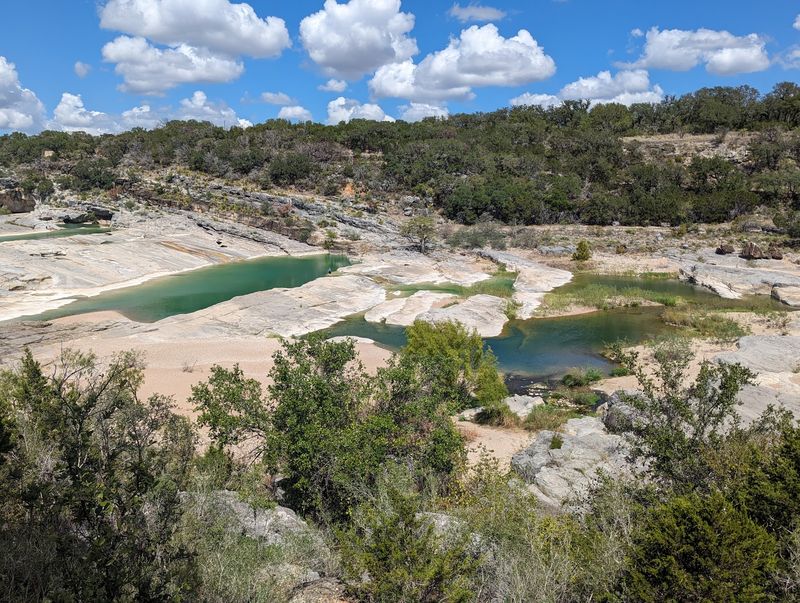
The Pedernales River creates one of the most accessible waterfall experiences in Texas, with multiple trails offering different perspectives on the cascading water. The main falls aren’t a single dramatic drop but rather a series of limestone shelves that create countless small waterfalls and pools stretching across the wide riverbed.
During normal water levels, you can walk out onto the dry sections of limestone and explore the smooth rock formations carved by thousands of years of flowing water. The patterns in the rock are mesmerizing, with swirls and pockets worn into the surface. When the river is flowing strong, the entire scene transforms into a powerful display of water rushing over multiple tiers.
The park has about 20 miles of trails total, ranging from easy riverside walks to more challenging backcountry routes. The most popular viewpoint is just a short stroll from the parking area, making this an excellent option for families or anyone with limited mobility. Longer trails explore the surrounding Hill Country terrain, offering chances to see wildflowers in spring and changing leaves in fall.
Swimming is allowed in designated areas when conditions are safe, but the current can be deceptively strong during high water. Flash floods are a real danger here, and the park takes water safety seriously. Signs warn visitors about the risks, and park rangers enforce closures when necessary.
The best waterfall views come after recent rains when the river is running high but not dangerously so. Too little water and the falls are barely trickling. Too much and the park closes access to the river entirely.
Checking the park’s website or calling ahead can help you time your visit for optimal conditions.
Camping is available, with sites ranging from primitive backcountry spots to developed campgrounds with water and restrooms. Day use fees are reasonable, and the park is just an hour from Austin, making it an easy day trip destination.
8. Krause Springs Trail (Spicewood)
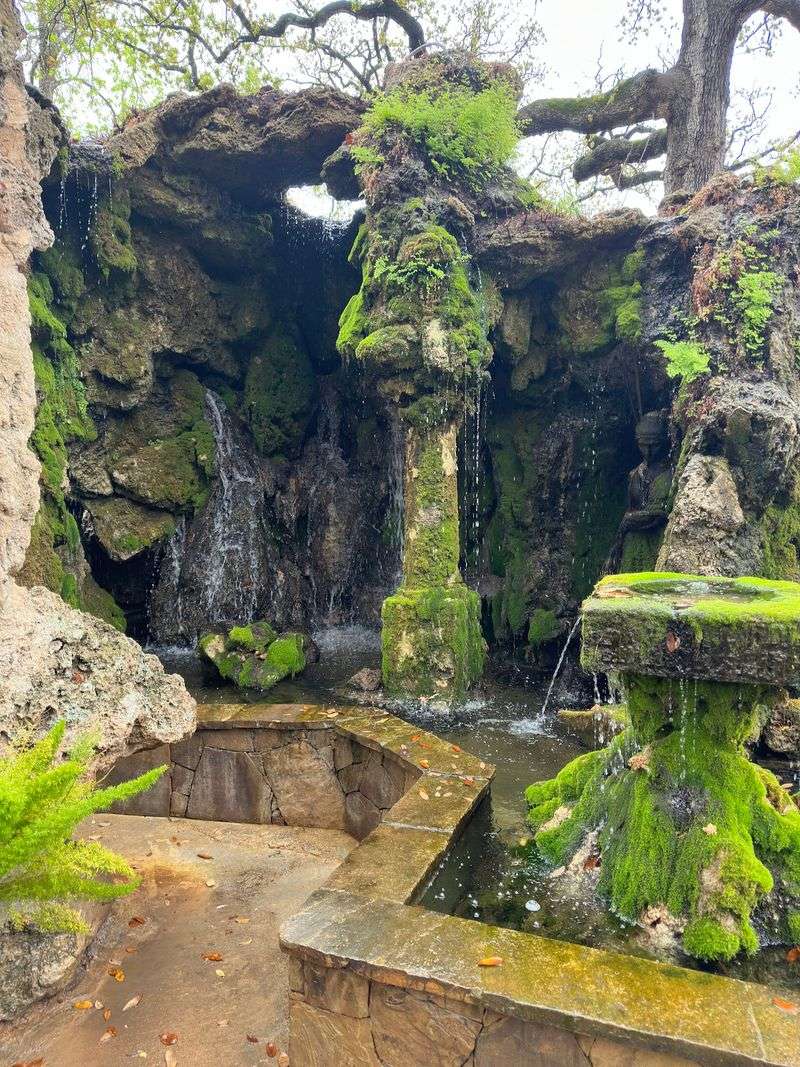
This privately-owned property has been welcoming visitors since the 1950s, offering spring-fed pools, small waterfalls, and a swimming hole that feels like a tropical oasis. The main waterfall isn’t huge, maybe 10 feet tall, but it creates a beautiful backdrop for the crystal-clear pool below.
Multiple springs bubble up throughout the property, creating several distinct swimming areas connected by short walking paths. The water stays in the low 70s year-round, which feels refreshing in summer and surprisingly warm in winter. Cypress trees draped with Spanish moss surround the pools, adding to the lush, jungle-like atmosphere.
The property is rustic and has a laid-back vibe that appeals to families, college students, and anyone looking for a casual swimming spot. There’s camping available, both tent sites and RV hookups, and the place gets lively on summer weekends with people barbecuing and hanging out all day.
An entrance fee grants you access to all the pools and grounds, and the owners maintain the property well without over-developing it. Facilities include changing rooms, restrooms, and picnic tables scattered throughout the shaded areas. You can bring your own food and drinks, which helps keep costs down for a full day of swimming.
The waterfall and main pool are the centerpiece, but exploring the property reveals smaller springs and quieter spots if you want to escape the crowd. Rope swings hang from trees over some of the deeper pools, adding an element of fun that kids especially love.
Weekdays are much less crowded than weekends, and visiting in the morning gives you the best chance of finding parking close to the entrance. The springs are open year-round, and winter visits can be magical when steam rises off the warm water into the cool air. Just be prepared for chilly temperatures getting in and out of the pool.
9. Lower Falls and Homestead Loop Trail (Big Bend Ranch State Park)
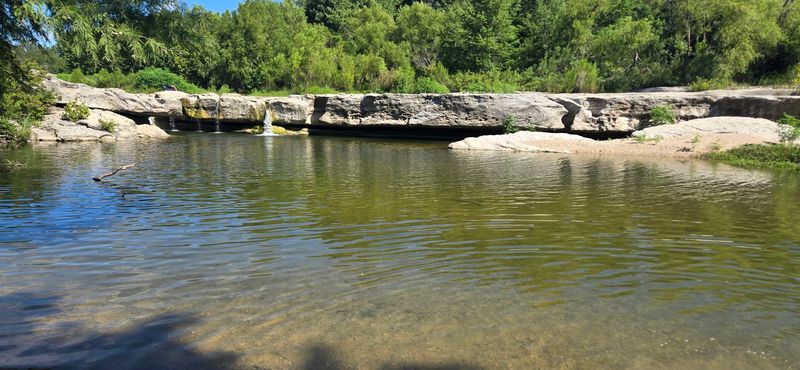
Big Bend Ranch is Texas’s largest state park, covering more than 300,000 acres of some of the most remote and rugged terrain in the state. The Lower Falls and Homestead Loop is a challenging eight-mile hike that rewards serious hikers with a desert waterfall that few people ever see.
The trail descends into a deep canyon where Fresno Creek has carved through layers of volcanic rock and limestone. When water is flowing, the falls drop about 15 feet into a pool that’s sometimes deep enough for a quick dip. The surrounding canyon walls rise hundreds of feet, creating a dramatic setting that feels completely isolated from the modern world.
This is not a hike for beginners or anyone unprepared for serious desert conditions. The trail is rocky, exposed to full sun for much of its length, and requires route-finding skills in places where the path isn’t obvious. Temperatures can exceed 110 degrees in summer, making spring and fall the only reasonable seasons to attempt this hike.
The waterfall is seasonal, flowing only after substantial rainfall in the watershed. Some years it doesn’t flow at all, while other times it can be surprisingly robust. Checking with park rangers about recent conditions is essential before committing to this long, difficult hike.
Along the route, you’ll pass remnants of old homesteads and ranching operations, reminders that people once tried to make a living in this harsh landscape. The solitude and wildness of the area are the real attractions, with the waterfall serving as a destination that gives structure to the adventure.
The park is extremely remote, with the nearest services more than an hour away. Primitive camping is available, and spending multiple days exploring the park’s various trails and features is the best way to experience this wild corner of Texas. Always carry a GPS device or detailed maps because cell service is nonexistent and getting lost could be life-threatening.
10. Twin Falls Nature Trail (Johnson City)
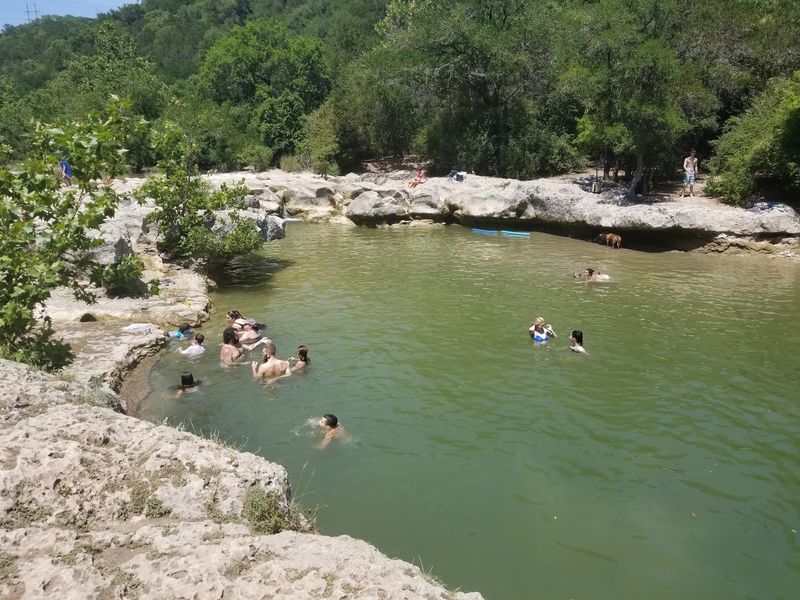
Just outside Johnson City, this relatively easy trail leads to a pair of waterfalls that flow side by side over limestone ledges. The hike is about two miles round trip, following a well-maintained path through typical Hill Country terrain of juniper, oak, and prickly pear cactus.
The falls themselves are modest in height, maybe 10 to 15 feet, but the twin cascades create a photogenic scene that’s especially pretty when both are flowing strong. A pool at the base is popular for wading and cooling off, though it’s not really deep enough for serious swimming. The surrounding rocks provide plenty of spots to sit and enjoy the sound of flowing water.
Spring is the best time to visit when wildflowers bloom along the trail and recent rains keep the falls flowing. Summer visits are possible but can be hot, and the falls may slow to a trickle during dry spells. Fall brings cooler temperatures and changing foliage, while winter can be surprisingly cold but usually sees decent water flow.
The trail is family-friendly and doesn’t require any technical skills or special equipment. Regular hiking shoes or even sturdy sneakers work fine, though the rocks near the water can be slippery. Bringing water and snacks is smart because there are no facilities at the trailhead or along the route.
Parking is limited to a small roadside area, and the trail can get crowded on nice weekends when locals are out enjoying the weather. Arriving early or visiting on weekdays gives you a better experience with fewer people competing for space at the falls.
The property is privately owned but open to the public, so respecting the land and packing out all trash is especially important. No camping is allowed, and the trail is only open during daylight hours. The nearby town of Johnson City has restaurants and shops if you want to make a longer outing of your visit to the area.
11. Colorado Bend State Park River Trail (Bend)
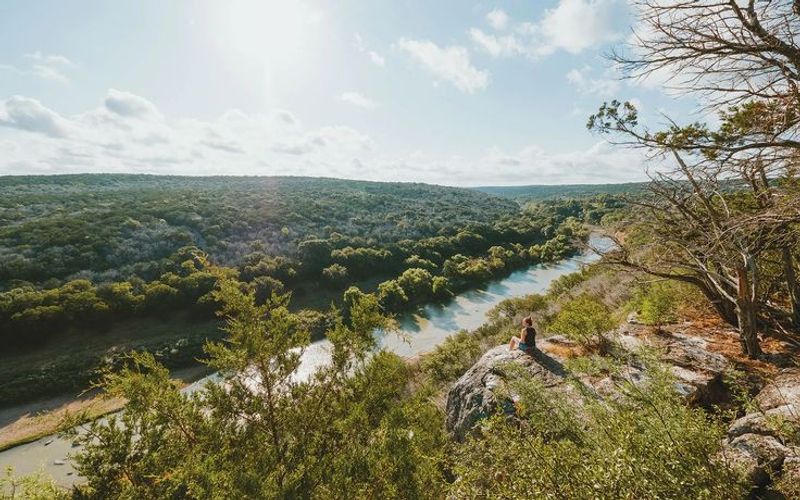
The River Trail in Colorado Bend offers multiple waterfall opportunities along its length as it follows the Colorado River through limestone bluffs and oak forest. This isn’t a single destination hike but rather a chance to explore and discover cascades and springs at various points along the route.
The full trail is about seven miles one way, but you can hike shorter sections and still see waterfalls and interesting geological features. The terrain varies from easy riverside walking to rockier sections that require more attention to footing. Creek crossings are common, and water levels determine whether you’ll get wet feet or need to find alternate routes.
Springs emerge from the limestone bluffs at several points, creating small waterfalls that flow year-round regardless of rainfall. These spring-fed cascades stay cool and clear, supporting unique plant communities that thrive in the constant moisture. Ferns and mosses cling to the rock faces, creating green oases in the otherwise dry Hill Country landscape.
The park is less developed than many state parks, maintaining a more primitive feel that appeals to hikers looking for a backcountry experience close to civilization. Trails are marked but not heavily maintained, and you’ll need to navigate around fallen trees and overgrown sections in places.
Wildlife is abundant, with white-tailed deer, armadillos, and countless bird species commonly seen along the trail. River otters have been spotted occasionally, and the park’s bat population emerges at dusk to hunt insects over the water.
Camping is available at several primitive sites along the river, making overnight backpacking trips possible. Day hikers should plan for several hours if they want to explore the various waterfalls and springs along the route. Bringing a trail map is essential because the park’s size and multiple intersecting trails can be confusing without navigation aids.
The best conditions come in spring when water levels are up and temperatures are moderate. Summer can be brutally hot with little shade on exposed sections of trail.
12. Airfield Falls Trailhead & Conservation Park (Fort Worth)
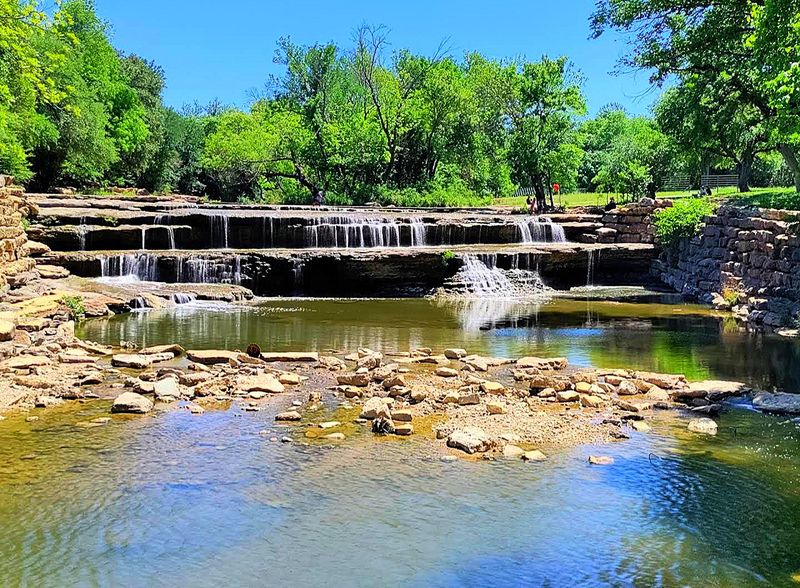
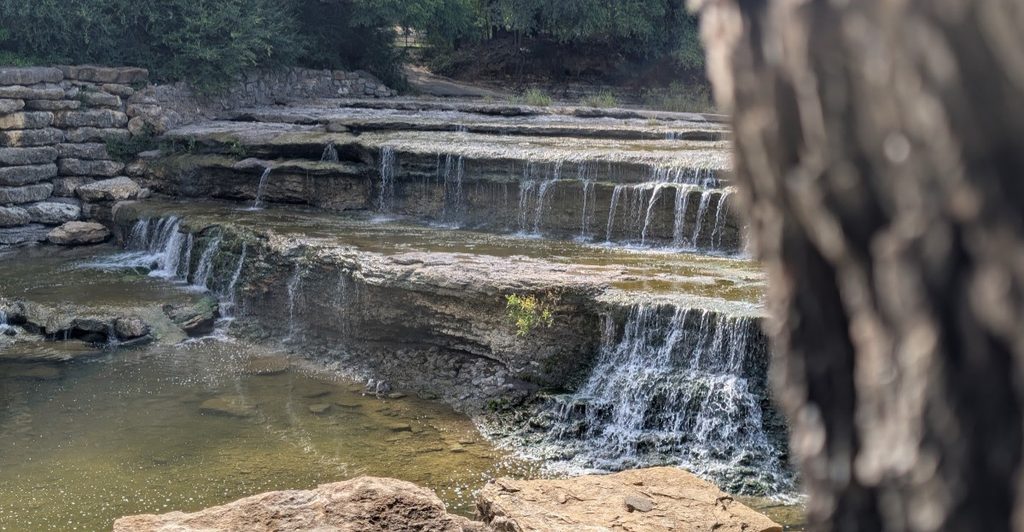
In the middle of Fort Worth’s urban sprawl, this conservation park offers a surprising escape into nature complete with a small waterfall and several miles of trails. The falls aren’t natural but were created as part of the park’s design, using recirculated water to create a pleasant sound and visual focal point.
The park itself is built on a former military airfield, transformed into a 247-acre green space with native prairie restoration, wetlands, and walking trails. The waterfall feature flows into a creek that winds through the property, supporting wildlife and creating habitat in an otherwise developed area.
While the waterfall won’t impress anyone who’s hiked to remote wilderness cascades, it serves as a peaceful spot for urban dwellers who want a quick nature fix without leaving the city. The trails are paved and accessible, making them popular with joggers, dog walkers, and families with strollers.
What makes this park interesting is the combination of natural and designed elements working together to create functional green space. Native grasses and wildflowers attract butterflies and birds, while the water features provide drinking and bathing spots for urban wildlife. Educational signs explain the prairie ecosystem and the park’s conservation goals.
The park is free to enter and open from dawn to dusk year-round. Facilities include parking, restrooms, and picnic areas. It’s popular with local residents but rarely feels crowded because of its size and multiple trail options.
This isn’t a destination waterfall worth a special trip if you’re visiting from out of town, but for Fort Worth residents or anyone with a few hours to kill in the city, it’s a pleasant way to spend time outdoors. The trails connect to a larger regional trail system, making it possible to walk or bike for miles through interconnected parks and green spaces.
Bird watching is surprisingly good, especially during migration seasons when species passing through the area stop to rest and refuel. The park’s location along the Trinity River corridor makes it an important stopover habitat.
Share this story