Tennessee has plenty of big-name grocery chains, but tucked away in small towns and city neighborhoods are independent markets that locals depend on every single day. These aren’t your typical supermarkets. They’re family-run shops, country stores with decades of history, and specialty markets where the owners know your name and your favorite products.
Once you discover them, you’ll understand why the community fights so hard to keep them around.
1. Three Rivers Market – Knoxville
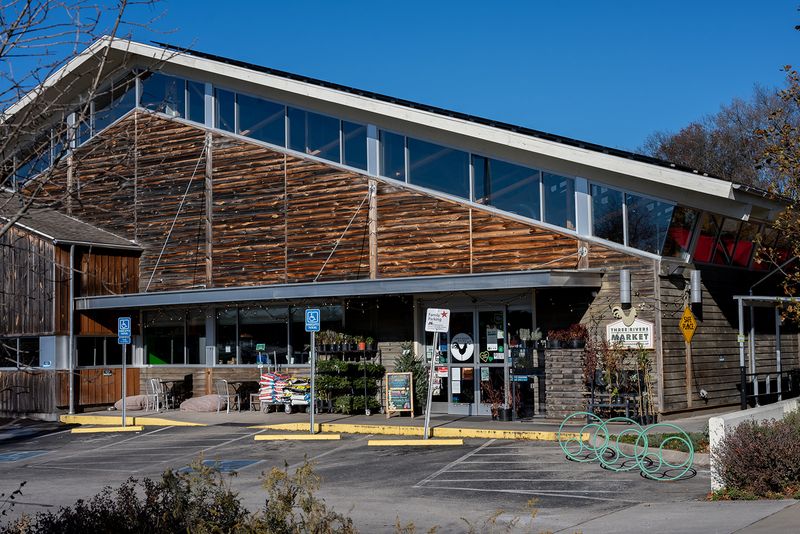
Walking into Three Rivers Market feels different than stepping into a corporate grocery chain. This member-owned cooperative in Knoxville has built a loyal following by focusing on local farmers, organic produce, and products you won’t find anywhere else in East Tennessee. The staff actually knows where their food comes from, and they’re happy to tell you all about it.
What makes this place special goes beyond the shelves stocked with Tennessee-made goods. The market hosts cooking classes, supports local food producers, and creates a genuine sense of community that’s rare in today’s grocery landscape. You might come in for organic vegetables and leave with a new recipe from a fellow shopper.
The bulk section alone is worth the trip. You can buy exactly the amount you need of grains, nuts, spices, and snacks without paying for excess packaging. It’s practical, budget-friendly, and better for the environment.
Three Rivers also takes food access seriously. Their community programs help make healthy food available to everyone, not just those who can afford premium prices. The deli serves up fresh sandwiches and prepared foods that rival any restaurant in town.
Knoxville locals worry about losing this gem because it represents something bigger than groceries. It’s a place where sustainable practices, community values, and quality food come together. The cooperative model means shoppers have a say in how the business runs, creating genuine investment in its success and longevity.
2. The Produce Place – Nashville
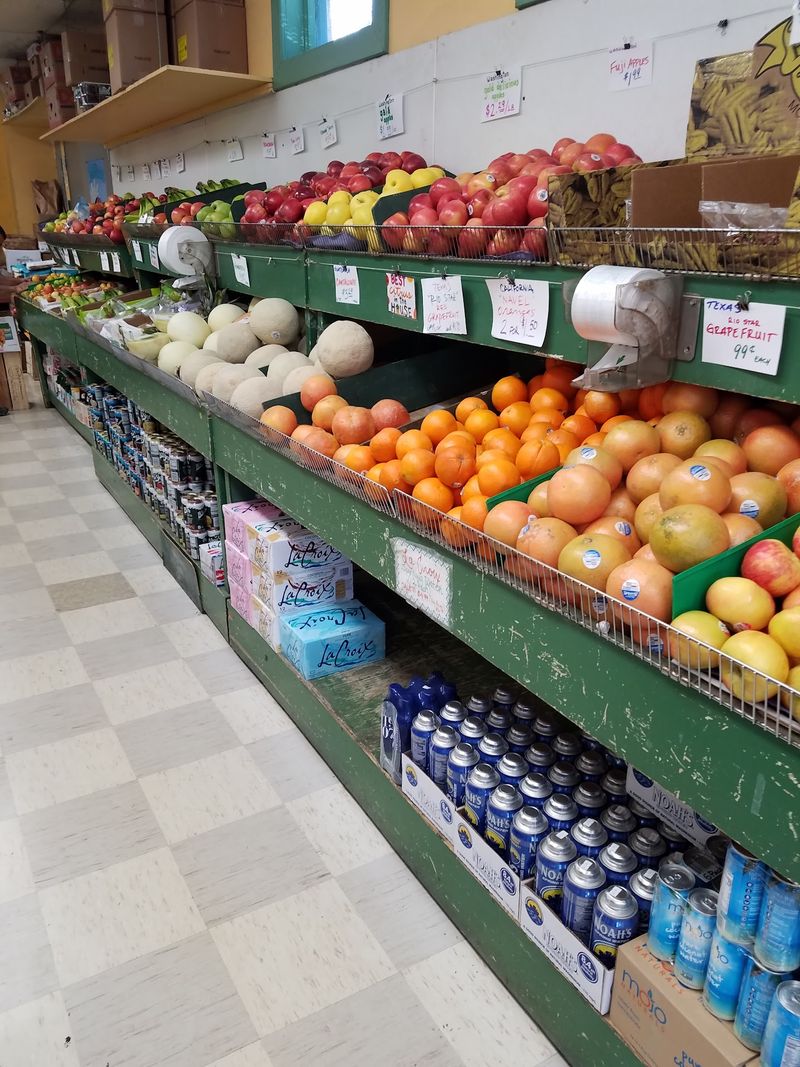
Tucked away in Nashville, The Produce Place has been feeding families fresh fruits and vegetables for years without the fancy marketing or inflated prices of trendy grocery stores. This no-frills market focuses on one thing: getting quality produce into your hands at prices that won’t drain your wallet. The selection changes with the seasons, which means you’re eating food at its peak freshness.
The owners have relationships with local farms and regional growers, so the turnover is fast and the quality stays high. You won’t find wilted lettuce or mealy apples here because products move too quickly. Regular customers know to stop by weekly to see what’s just arrived.
What locals love most is the straightforward approach. There’s no pretense, no over-designed displays, just honest food at honest prices. The staff can tell you which melons are ready to eat today and which peaches need another day or two on your counter.
The Produce Place also carries specialty items that bigger stores skip over. Looking for specific peppers for a recipe? Need a particular herb that’s hard to find?
This market often has what you’re searching for, especially during growing season when variety peaks.
Nashville residents worry about losing markets like this because they provide an alternative to corporate grocery monopolies. When independent produce markets disappear, neighborhoods lose access to affordable fresh food and the personal service that makes shopping feel less like a chore and more like supporting your community.
3. Country View Market – Charlotte
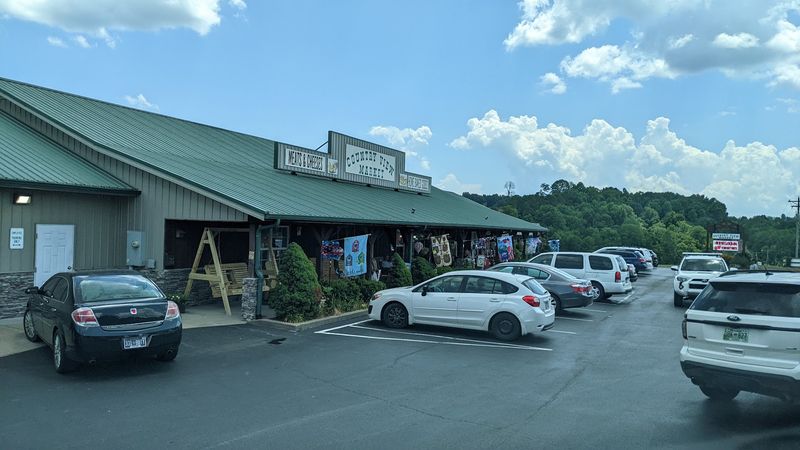
Country View Market serves Charlotte and the surrounding Dickson County area with the kind of grocery shopping experience that’s rapidly disappearing from rural Tennessee. This isn’t a place trying to be something it’s not. It’s a straightforward market where neighbors run into each other, catch up on local news, and grab everything they need without driving thirty miles to a bigger town.
The market stocks a mix of everyday groceries, fresh meat cut in-house, and locally sourced items that reflect what people in this area actually eat. You’ll find country staples alongside modern conveniences, all priced fairly for families watching their budgets. The meat counter is particularly popular, with butchers who know their cuts and can make recommendations.
What makes Country View Market essential to Charlotte isn’t just convenience, though that matters in rural areas where options are limited. It’s the personal connection that develops when the same people ring up your groceries week after week. They notice when you’ve been away, ask about your family, and remember your preferences.
The market also serves as an informal community hub. Local events get announced here, neighbors share information, and the bulletin board tells you everything happening in town. These social functions matter more than most people realize until they’re gone.
Residents fear losing Country View Market because replacing it would be nearly impossible. Corporate chains rarely invest in small towns like Charlotte, and without this market, families would face longer drives, higher prices, and the loss of a gathering place that helps hold the community together.
4. Troyer’s Mountain View Country Market – Limestone
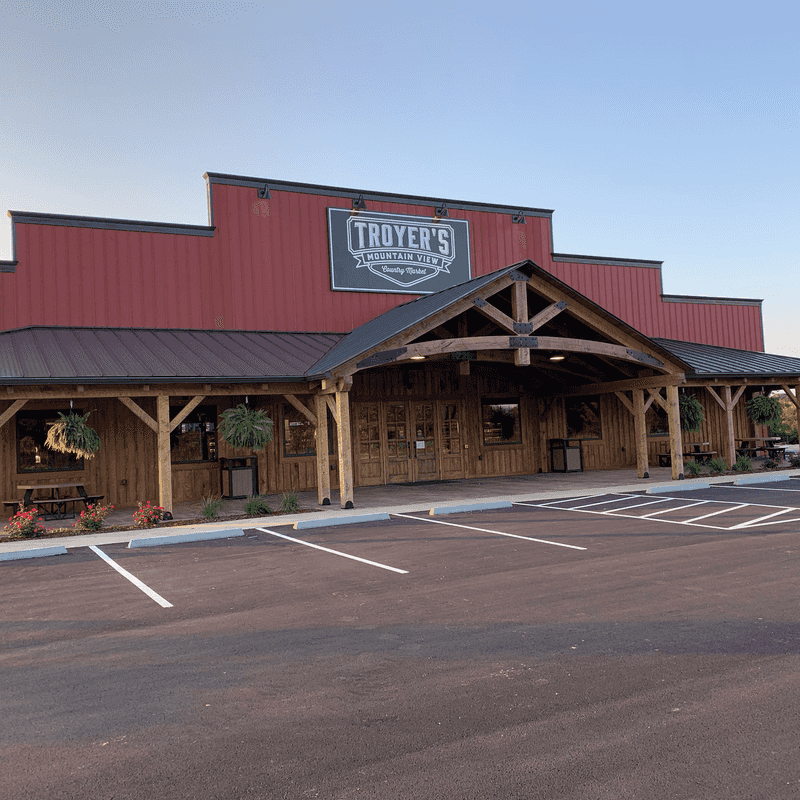
Troyer’s Mountain View Country Market brings a taste of Amish tradition to Limestone, offering shoppers something completely different from conventional grocery stores. This family-run market specializes in bulk foods, homemade baked goods, and products made the old-fashioned way without shortcuts or artificial ingredients. The quality speaks for itself, which is why people drive from surrounding counties to shop here.
The bulk section is legendary among regular customers. You’ll find flours, grains, spices, dried fruits, nuts, candies, and baking supplies in quantities and varieties that put chain stores to shame. Buying in bulk saves money and reduces packaging waste, making it practical for large families and anyone who enjoys cooking from scratch.
Troyer’s baked goods deserve special mention. The breads, pies, cookies, and pastries are made fresh, using simple ingredients and traditional methods. One bite of their cinnamon rolls or fruit pies explains why people keep coming back.
The market also carries locally made jams, jellies, honey, and other preserves that make perfect gifts or pantry staples.
Beyond food, Troyer’s stocks handmade items, kitchen tools, and household goods you won’t find elsewhere. The shopping experience feels like stepping back in time, but in a good way. There’s no rushing, no harsh lighting, no overwhelming choices.
Just quality products and friendly service.
The community treasures Troyer’s because it represents values that seem increasingly rare: honest work, quality ingredients, fair prices, and genuine hospitality. Losing this market would mean losing access to unique products and a shopping experience that feels more personal and less commercial than typical grocery runs.
5. Turnip Truck Natural Market – Nashville
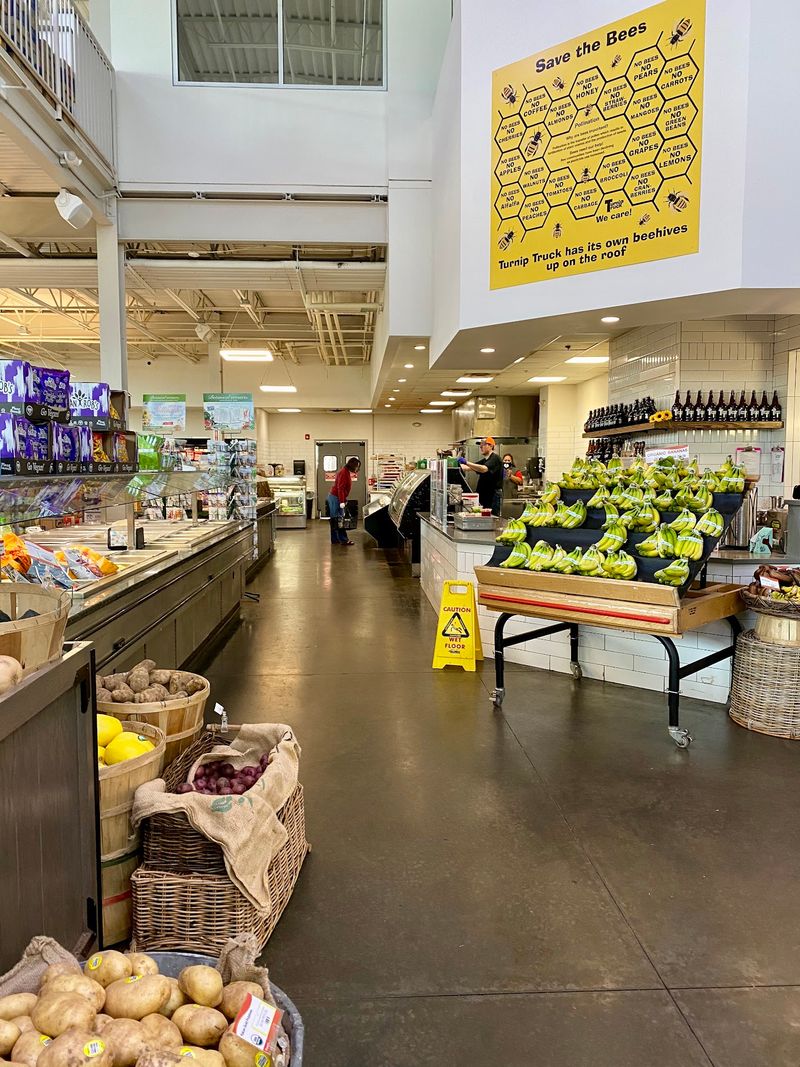
Turnip Truck Natural Market carved out a niche in Nashville long before organic food became mainstream. This locally owned market focuses on natural, organic, and sustainably sourced products without the corporate feel of national chains. The two Nashville locations serve neighborhoods that rely on them for healthy food options and specialty items that reflect how they want to eat and live.
The produce section emphasizes local and organic whenever possible, with clear labeling about where food comes from. The market works directly with Tennessee farms, supporting regional agriculture while giving customers access to the freshest possible fruits and vegetables. Seasonal eating becomes natural when you shop here because the selection reflects what’s actually growing nearby.
Turnip Truck’s prepared foods and deli section solve the weeknight dinner dilemma for busy families who want healthy meals without spending hours in the kitchen. The hot bar, salad bar, and grab-and-go options use quality ingredients and actually taste good, unlike the sad offerings at many grocery store delis.
The market also carries an impressive selection of supplements, body care products, and household items that meet strict standards for ingredients and environmental impact. Staff members are knowledgeable and can help you find what you need without being pushy or salesy.
Nashville locals worry about protecting Turnip Truck because independent natural food markets face intense pressure from corporate competitors with deeper pockets. When locally owned markets disappear, communities lose businesses that invest in local farms, employ neighbors, and make decisions based on community needs rather than distant corporate interests. The personal touch and local focus simply can’t be replicated by national chains.
6. Walnut Street Market – Cookeville
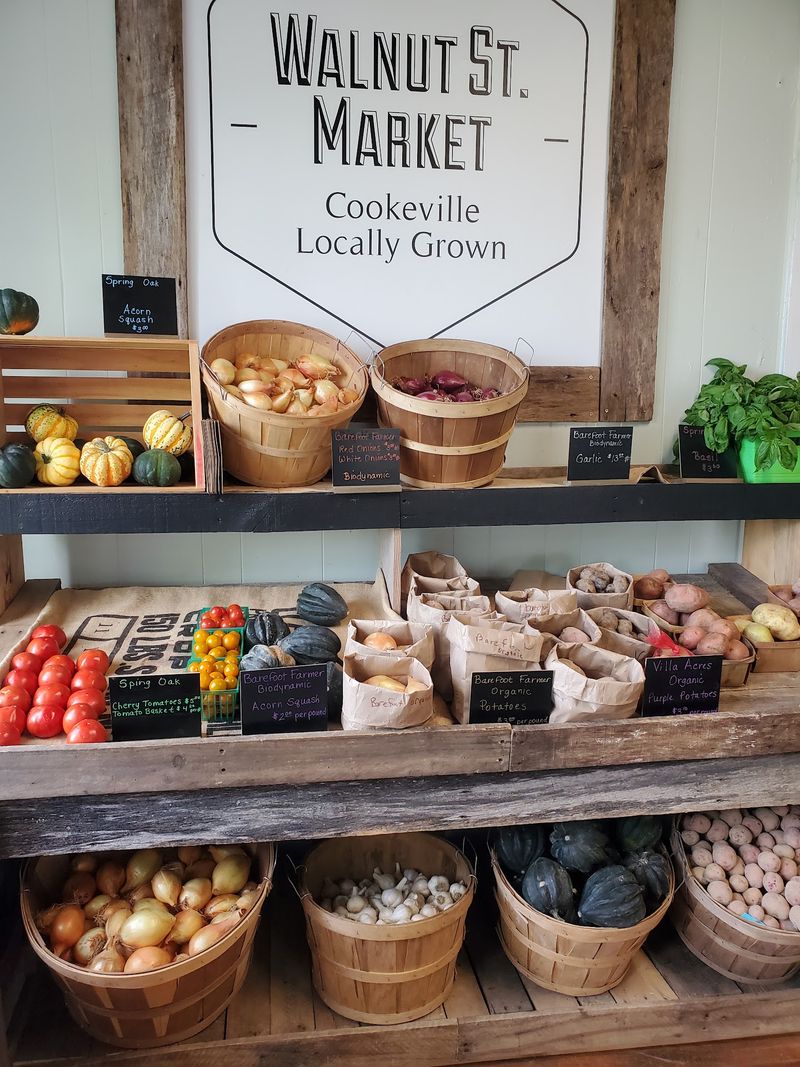
Walnut Street Market serves Cookeville with the kind of neighborhood grocery shopping that builds community one transaction at a time. This modest market may not have the square footage of big box stores, but it offers something more valuable: convenience, personal service, and a selection tailored to what local residents actually want and need.
The market’s location makes it a lifeline for nearby residents who can walk to pick up groceries instead of driving across town. For elderly neighbors, families without reliable transportation, and anyone who appreciates quick trips for forgotten ingredients, Walnut Street Market fills a crucial role. The compact size means you can get in and out quickly without navigating a massive store.
Staff members recognize regular customers and provide the kind of personal attention that disappeared from most grocery shopping decades ago. They’ll set aside special orders, help carry bags to your car, and genuinely care about serving the neighborhood well. These relationships matter, especially to older customers who value familiar faces and friendly conversation.
The market stocks essentials along with a selection of local products and specialty items that reflect Cookeville’s tastes. You’ll find what you need for everyday cooking plus interesting additions that keep shopping from feeling routine. The meat and produce quality stays high because the owners take pride in what they sell.
Cookeville residents fight to preserve Walnut Street Market because losing it would hurt the neighborhood’s character and convenience. Small markets like this anchor communities, provide employment, and offer alternatives to corporate chains. When they close, neighborhoods lose more than a place to buy milk and bread.
They lose a gathering spot and a business invested in local success.
7. Bryant’s Country Store – Greenbrier
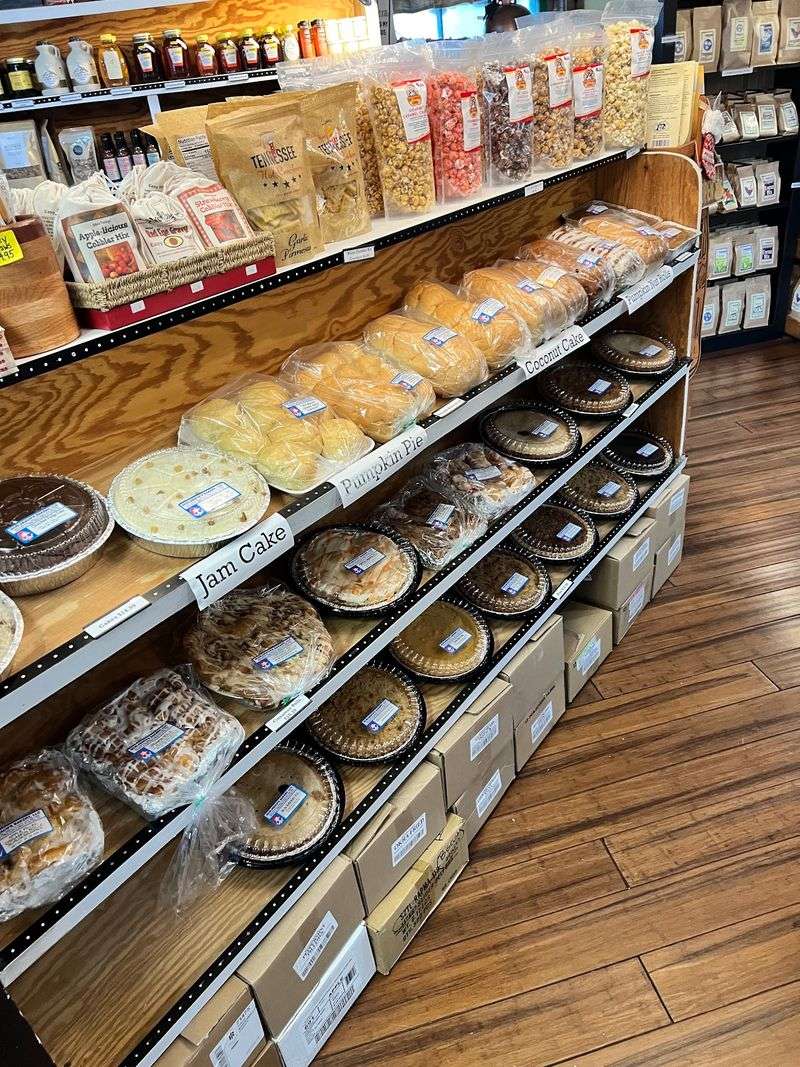
Bryant’s Country Store has been a Greenbrier institution for generations, serving Robertson County with groceries, hardware, feed, and just about anything else country folks might need. This is the kind of place where farmers stop in for supplies, families grab groceries, and everyone catches up on local happenings. The store reflects rural Tennessee life in all its practical, down-to-earth glory.
The grocery section covers basics and then some, with a focus on products that local families actually use. You won’t find fifteen types of artisan crackers, but you will find quality meat, fresh produce when available, and pantry staples at fair prices. The store also carries items specific to country living that you’d never find in suburban supermarkets.
Bryant’s serves multiple purposes in the community. Beyond groceries, they stock animal feed, farming supplies, hardware, and seasonal items like gardening tools and hunting supplies. This one-stop-shop approach matters in rural areas where specialized stores are few and far between.
The convenience saves time and gas money for people already juggling farm work and family responsibilities.
The atmosphere at Bryant’s feels authentically country without trying too hard. Locals gather to talk, share information, and maintain the social connections that keep rural communities strong. The owners know their customers by name and understand the challenges and rhythms of country life because they live it too.
Greenbrier residents value Bryant’s Country Store as more than a business. It represents a way of life and a connection to the area’s agricultural heritage. Losing stores like this would leave rural communities with fewer options and less character, forcing residents to drive further and shop at impersonal chains that don’t understand or serve their specific needs.
8. Amburn’s Market – Maryville
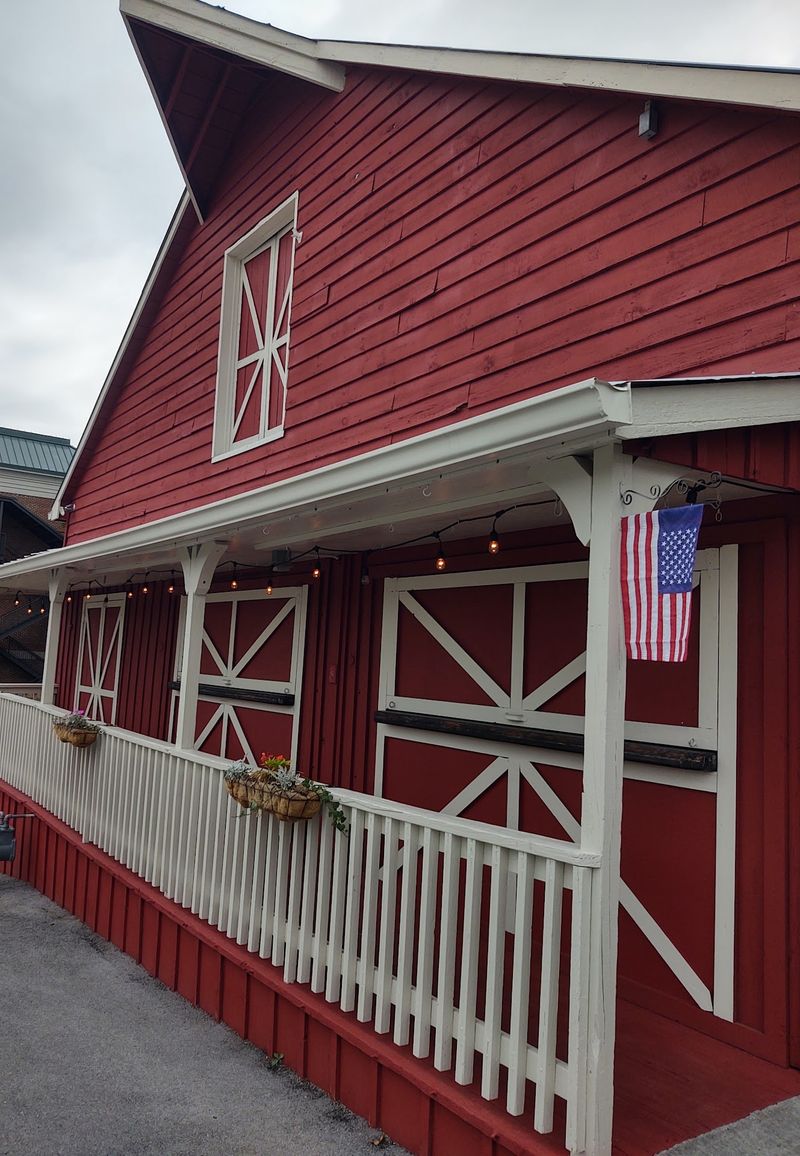
Amburn’s Market has earned its place in Maryville’s heart through decades of serving Blount County families with quality groceries and genuine customer care. This independent market competes with big chains by doing what they can’t: providing personal service, supporting local suppliers, and treating customers like neighbors instead of anonymous transactions. The difference shows up in every aspect of shopping here.
The meat department stands out as a particular point of pride. Skilled butchers cut meat fresh daily, take special orders, and offer advice on preparation and cooking. You can request specific cuts, get recommendations for recipes, and trust that quality stays consistently high.
This level of service has become rare as more stores switch to pre-packaged meat from distant processing plants.
Amburn’s produce section emphasizes freshness and variety, with seasonal items from local farms whenever possible. The turnover keeps quality high, and the selection reflects what Maryville residents actually want to cook and eat. Prices stay competitive without sacrificing quality, which matters for families watching their grocery budgets.
The market also functions as a neighborhood hub where people run into friends, catch up on news, and feel connected to their community. Staff members remember regular customers, ask about their families, and create an atmosphere that makes grocery shopping feel less like a chore. These personal touches build loyalty that transcends price comparisons.
Maryville locals worry about preserving Amburn’s Market because they understand what’s at stake. Independent grocers face constant pressure from corporate competitors, and when they close, communities lose more than a place to buy food. They lose jobs held by neighbors, businesses that support local farms, and gathering places that strengthen community bonds in ways that matter deeply.
9. Garden Fresh Food Market – Madison
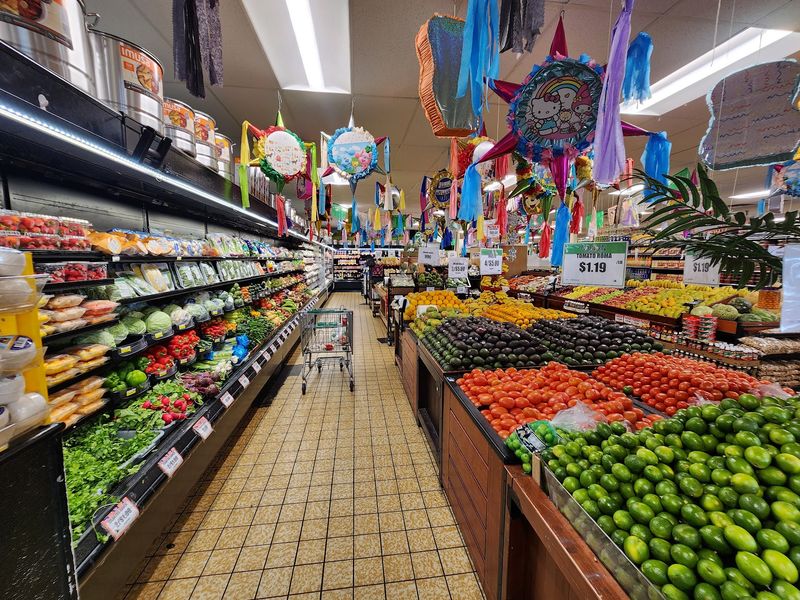
Garden Fresh Food Market serves Madison and the surrounding Nashville suburbs with a focus on fresh produce, quality meats, and international foods that reflect the area’s growing diversity. This market fills gaps left by larger stores, offering specialty ingredients and produce varieties that mainstream grocers often ignore. The result is a shopping destination that serves multiple communities with different culinary traditions and preferences.
The produce selection goes beyond standard grocery store offerings. You’ll find Asian vegetables, Hispanic peppers and herbs, and seasonal items from local farms alongside conventional fruits and vegetables. This diversity matters for families cooking traditional recipes that require specific ingredients.
Garden Fresh makes it possible to prepare authentic meals without driving all over Nashville searching for specialty stores.
The meat and seafood departments offer variety and freshness that keep customers coming back. Whether you need specific cuts for a special recipe or just want quality protein for everyday meals, the selection and service deliver. Staff members can answer questions, make recommendations, and help you find exactly what you need.
Garden Fresh also stocks international groceries, spices, and pantry items that aren’t available everywhere. This makes the market essential for immigrant families and anyone who enjoys cooking diverse cuisines. The ability to find ingredients in one place saves time and money while supporting a business that values cultural diversity.
Madison residents value Garden Fresh Food Market as a community asset that serves everyone, regardless of background. Markets like this prove that independent grocers can adapt to changing neighborhoods and serve diverse populations better than corporate chains with rigid, standardized approaches. Losing this market would limit food access and reduce the area’s culinary diversity in ways that would be difficult to reverse.
10. Whaley’s Country Store – Pigeon Forge
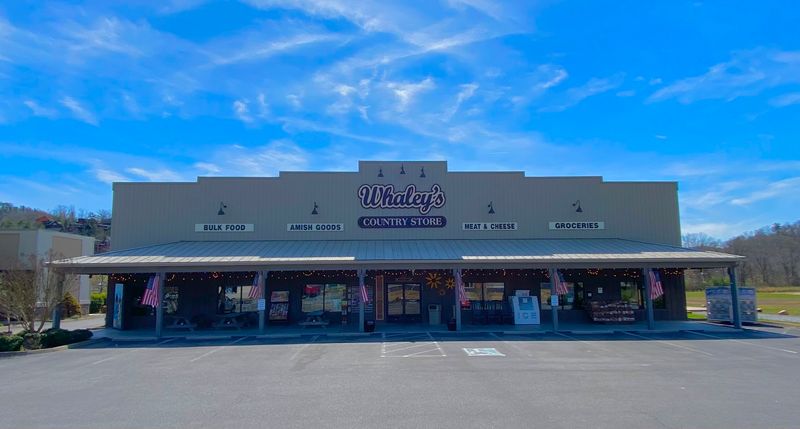
Whaley’s Country Store brings authentic mountain market charm to Pigeon Forge, a town better known for tourist attractions than genuine local businesses. While visitors often stop in looking for souvenirs and snacks, locals depend on Whaley’s for groceries, deli items, and a taste of what Pigeon Forge was like before it became a vacation destination. The store manages to serve both audiences without losing its soul.
The deli serves up sandwiches, fried chicken, and country sides that locals crave and tourists love discovering. Everything is made fresh daily using quality ingredients and recipes that haven’t changed because they don’t need to. The combination of good food, fair prices, and friendly service keeps people coming back whether they live here or visit annually.
Whaley’s also stocks groceries and convenience items that nearby residents need for everyday life. Living in a tourist town creates unique challenges, and having a local market that serves actual residents instead of just capitalizing on vacation traffic matters enormously. The store provides a sense of normalcy and community in an area that can feel overrun by tourism.
The market carries local products, mountain specialties, and gift items that represent genuine Smoky Mountain culture rather than cheap tourist trinkets. This commitment to authenticity distinguishes Whaley’s from countless souvenir shops lining the parkway. You can find real local honey, preserves, crafts, and foods that reflect the region’s heritage.
Pigeon Forge locals treasure Whaley’s Country Store as a reminder of their town’s roots and a business that serves them, not just tourists. As tourism development continues, preserving authentic local businesses becomes increasingly important. Whaley’s represents the real Pigeon Forge, and losing it would erase another piece of the community’s identity and character.
11. Yoder’s Country Store – McKenzie
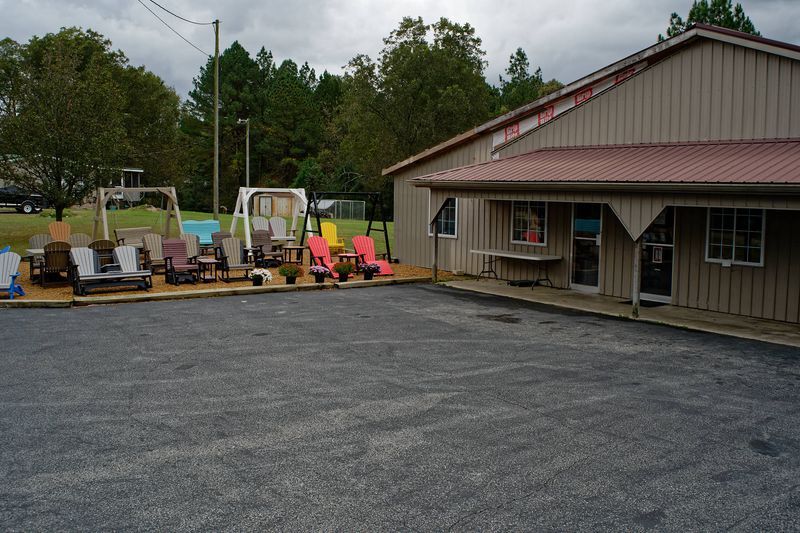
Yoder’s Country Store brings Amish quality and values to McKenzie, offering shoppers a completely different grocery experience focused on bulk foods, homemade goods, and products made without unnecessary additives or processing. This family-run market has built a devoted following that extends well beyond Carroll County, with customers driving significant distances to stock up on items they can’t find anywhere else.
The bulk food section is the heart of Yoder’s operation. You’ll find incredible variety in flours, grains, beans, pasta, nuts, dried fruits, spices, baking supplies, and snacks. Buying in bulk saves money, reduces packaging waste, and lets you purchase exactly the quantities you need.
For large families, serious bakers, and anyone cooking from scratch, this selection is invaluable.
Yoder’s baked goods are legendary for good reason. The breads, rolls, pies, cookies, and pastries are made fresh using traditional methods and simple ingredients. No artificial flavors, no preservatives, just honest baking that tastes like it should.
Regular customers plan their visits around getting items fresh from the oven.
The store also carries locally made products including jams, jellies, honey, maple syrup, and other preserves that showcase regional flavors and traditional food preservation methods. You’ll also find kitchen tools, household items, and handmade goods that reflect Amish craftsmanship and practicality.
McKenzie area residents value Yoder’s Country Store as a unique resource that offers quality impossible to find in conventional grocery stores. The personal service, traditional values, and focus on real food without shortcuts or artificial ingredients create loyal customers who understand they’re supporting something special. Losing this market would eliminate access to products and a shopping experience that simply can’t be replaced by corporate alternatives.
12. Yoders Country Store – Paris
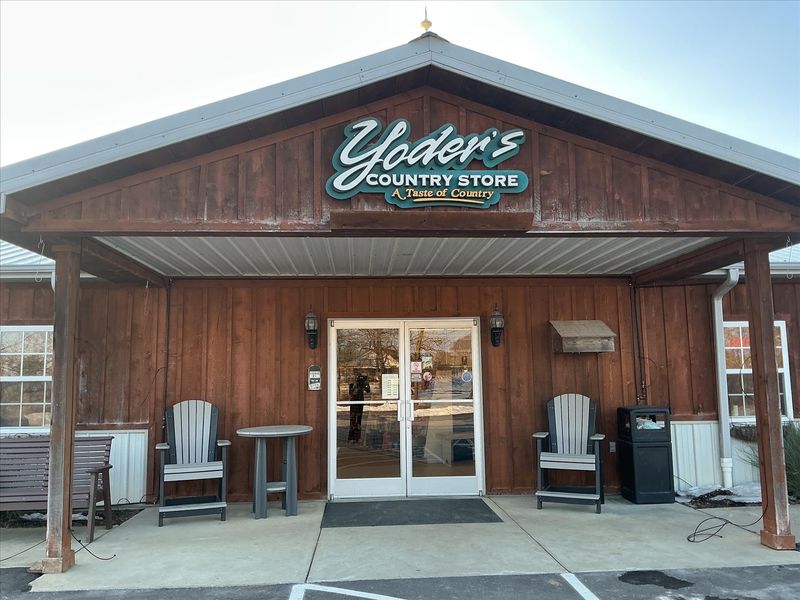
Yoders Country Store in Paris serves Henry County with the same commitment to quality, tradition, and honest value that makes Amish markets so beloved. This isn’t a tourist attraction or a theme store playing up rural charm. It’s a genuine market where families stock their pantries with bulk foods, homemade baked goods, and products made the right way without cutting corners.
The bulk section offers impressive variety and savings. Whether you need baking supplies for holiday cooking, pantry staples for everyday meals, or specialty items for specific recipes, Yoders likely has it in bulk at prices that make conventional grocery stores look expensive. The quality stays consistently high because the store sources carefully and moves products quickly.
Fresh baked goods bring people back weekly. The breads, pies, cookies, and pastries are made from scratch using traditional recipes and methods that produce superior flavor and texture. Once you taste real baked goods made without shortcuts, the mass-produced alternatives lose their appeal.
The store’s cinnamon rolls and fruit pies have earned particular fame among regular customers.
Yoders also stocks local products, handmade items, and specialty foods that reflect regional tastes and traditions. The selection includes preserves, honey, maple syrup, cheese, and other items made by small producers who care about quality over quantity. Shopping here means supporting a network of local food producers and craftspeople.
Paris residents fight to preserve Yoders Country Store because it represents values and quality that are increasingly rare. The store offers an alternative to industrial food production and corporate grocery chains, providing access to real food made by real people using traditional methods. Losing this market would mean losing more than a place to shop.
It would mean losing a connection to food traditions and quality standards that deserve to be preserved and celebrated.
Share this story