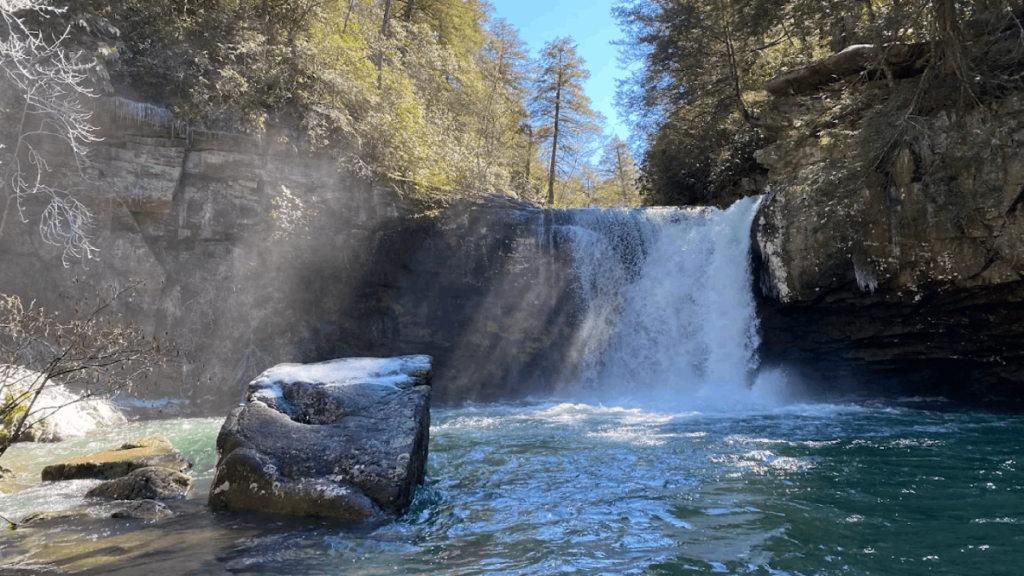
Tennessee hides some of the most stunning waterfalls you’ve never heard of, tucked deep in wild forests and rugged gorges where only adventurous hikers tend to wander. These aren’t the crowded tourist spots with paved paths and parking lots—they’re the kind of places where you might hike for miles through caves, boulder fields, and creek valleys before finally hearing the roar of water ahead.
Whether you’re ready for a challenging backcountry trek or a quieter forest trail, these hidden cascades offer rewards that go far beyond a quick photo op.
1. Virgin Falls — Sparta
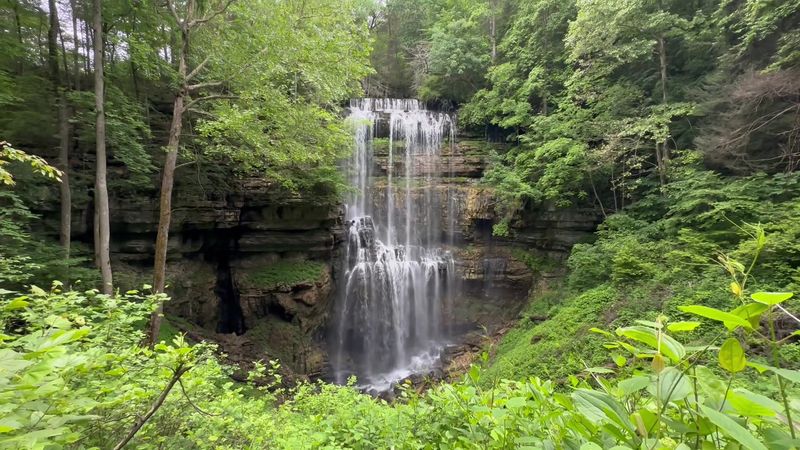
Virgin Falls earns its reputation as one of Tennessee’s wildest waterfall experiences, and the journey there feels like stepping into a different world. The trail stretches about 4 miles one way, winding through caves, sinks, boulder fields, and smaller waterfalls that preview what’s coming. This isn’t a quick afternoon stroll—it’s a committed hike that rewards patience with scenery most people never see.
When you finally reach the main event, the spectacle is unforgettable. Water emerges mysteriously from a cave opening high above, then plunges roughly 110 feet down into a deep pool before vanishing into yet another cave below. The entire scene feels almost magical, like nature designed a vanishing act just for those willing to make the trek.
Plan for a full day if you’re tackling this hike, and bring plenty of water and snacks. The trail isn’t technically difficult, but the distance and terrain require decent fitness and sturdy boots. Spring and early summer offer the heaviest flow, though the falls run year-round thanks to the underground water source.
Because the hike passes through such varied terrain—caves, creeks, rocky scrambles—it never feels boring or repetitive. Each section offers something different to look at, which helps the miles pass more easily. Just remember that what goes in 4 miles must come back out 4 miles, so save energy for the return trip.
Virgin Falls sits inside a designated natural area, meaning development and crowds stay minimal. You won’t find bathrooms, visitor centers, or cell service out here. What you will find is solitude, stunning geology, and a waterfall experience unlike almost any other in Tennessee.
Pack out everything you pack in, and leave no trace so this special place stays wild for future adventurers.
2. Big Laurel Falls — Sparta
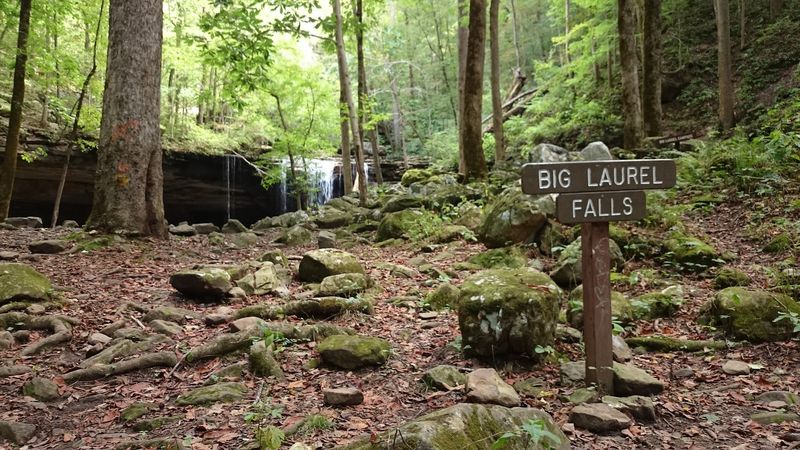
Most hikers heading toward Virgin Falls walk right past Big Laurel Falls without even realizing what they’re missing. This quieter cascade doesn’t announce itself with thundering noise or dramatic height, but it offers a peaceful beauty that’s easy to appreciate if you slow down and pay attention. The falls tumble gently over layered rock shelves, creating a softer, more intimate scene than the main attraction down the trail.
Big Laurel sits along the same backcountry route that leads to Virgin Falls, so you’re already committed to a longer hike when you encounter it. That distance keeps the casual crowd away, meaning you might have the falls entirely to yourself. The surrounding forest feels thick and undisturbed, with laurel bushes crowding the banks and birdsong filling the air.
Because this waterfall doesn’t demand attention the way Virgin Falls does, it rewards the observant hiker who takes time to explore. The rocks around the falls offer good spots to sit and rest, and the sound of water provides a calming soundtrack for a snack break. Spring brings the heaviest flow, but even in drier months, the creek keeps running.
The trail conditions here mirror the rest of the Virgin Falls route—rocky in places, occasionally muddy, and always feeling genuinely wild. Wear boots with good tread, and don’t expect any fancy bridges or railings. This is backcountry hiking in the truest sense, where the trail follows the natural contours of the land.
Big Laurel Falls might not make the cover of a guidebook, but that’s exactly why it’s worth seeking out. In a state where popular waterfalls can feel crowded and overdeveloped, finding a beautiful cascade with nobody else around feels like discovering a secret. Take your time here, enjoy the solitude, and remember that sometimes the best experiences are the ones you stumble upon along the way.
3. Sheep Cave Falls — Sparta
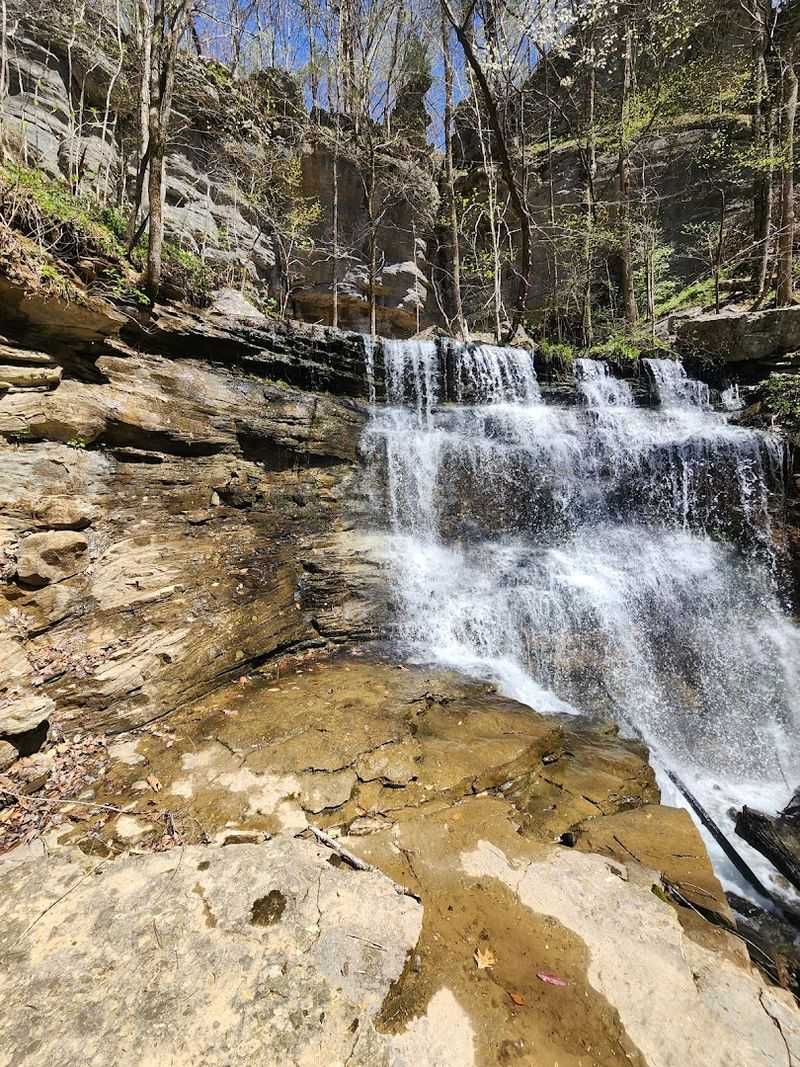
Sheep Cave Falls hides along the same rugged Virgin Falls trail system, tucked away where only dedicated hikers venture. The name hints at the cave features that make this area so geologically interesting—water, rock, and time have carved out a landscape full of surprises. Unlike roadside waterfalls where you can snap a photo from your car window, Sheep Cave requires real effort to reach, which keeps it delightfully uncrowded.
The falls themselves blend waterfall beauty with cave geology in ways that feel distinctly Tennessee. Water tumbles over rocks near cave openings, creating scenes that shift depending on recent rainfall and seasonal flow. The surrounding terrain features the same sinks, boulders, and forest that characterize the entire Virgin Falls area, giving the whole hike a consistent wilderness feel.
Getting here means committing to the longer Virgin Falls backcountry route, so pack accordingly. Bring a headlamp if you plan to explore any cave features, though never enter caves alone or without proper experience. The trail itself doesn’t require technical skills, but the distance and terrain demand good fitness and preparation.
Spring offers the most dramatic water flow, when snowmelt and rain swell the creeks and make the waterfalls roar. Summer and fall bring lower water levels but also fewer bugs and more comfortable temperatures for hiking. Winter can be beautiful but icy, so check conditions before heading out and bring traction devices if needed.
What makes Sheep Cave Falls special isn’t just the waterfall itself, but the entire experience of reaching it. The long hike through varied terrain, the solitude, the sense of being deep in genuine wilderness—these elements combine to create something memorable. This isn’t a waterfall you visit casually; it’s one you earn through effort and intention, which somehow makes the reward sweeter.
4. Big Branch Falls — Sparta
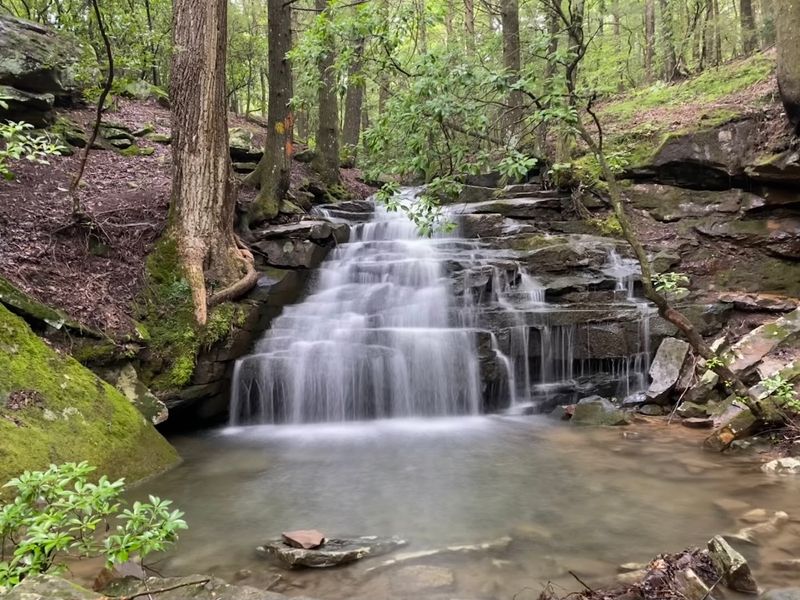
Big Branch Falls lives in the shadow of its more famous neighbor Virgin Falls, but that obscurity works in its favor. While most hikers fixate on reaching the big-name destination, this smaller cascade offers a quieter reward for those who notice it along the way. The falls spill over rocks in a series of drops and pools, creating a scene that feels more approachable and less dramatic than the main event.
Located along the same waterfall-rich route through caves and sinks, Big Branch fits perfectly into the wilderness theme that defines this entire area. The creek runs through forested terrain that feels genuinely remote, with minimal human impact visible anywhere. Birds and small wildlife outnumber people by a wide margin, and the forest canopy provides welcome shade on hot summer days.
The trail conditions here match the rest of the Virgin Falls area—rocky, occasionally muddy, and always feeling backcountry. You won’t find boardwalks or interpretive signs, just a worn path through the woods that follows the natural contours of the land. Good boots are essential, and trekking poles can help on the rockier sections.
Because Big Branch doesn’t generate the same buzz as Virgin Falls, you might find yourself completely alone here even on weekends. That solitude transforms a simple waterfall visit into something more meditative and personal. The sound of water over rocks, the rustle of leaves overhead, the occasional bird call—these become the soundtrack to your experience.
Don’t expect massive height or thundering volume from Big Branch Falls. What you get instead is a gentler beauty, the kind that rewards quiet observation rather than dramatic photography. The falls change character with the seasons, running full and lively in spring, softer and more subtle in late summer.
5. Falls Branch Falls — Tellico Plains
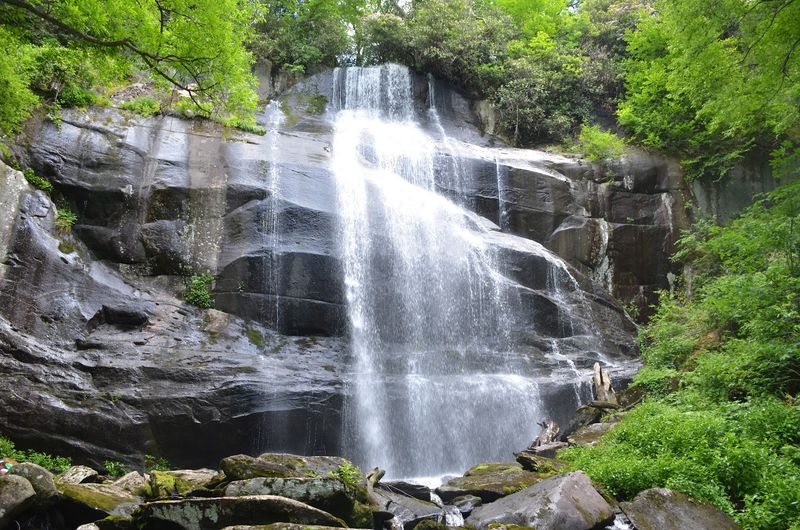
Falls Branch Falls sits in the Tellico Plains area, where the Cherokee National Forest spreads across the Tennessee mountains in thick, green layers. This waterfall doesn’t shout for attention or demand a grueling hike, but it delivers exactly what you’d hope for from a hidden East Tennessee cascade. The water tumbles over rock ledges in a way that feels both powerful and peaceful, depending on recent rainfall.
Tellico Plains itself serves as a gateway to countless outdoor adventures, and Falls Branch represents the kind of lesser-known treasure that locals cherish. The surrounding forest grows thick with rhododendron and mountain laurel, creating a lush backdrop that peaks in late spring when the flowers bloom.
The trail to reach Falls Branch varies depending on which access point you use, but generally offers a moderate hike through beautiful woodland. Creek crossings might be necessary depending on water levels, so waterproof boots prove useful in spring or after heavy rain. The path isn’t heavily trafficked, meaning you’ll likely enjoy more solitude than at the region’s better-known waterfalls.
Spring brings the heaviest water flow, transforming the falls into a roaring spectacle that echoes through the forest. Summer offers easier creek crossings and more comfortable temperatures, though afternoon thunderstorms can roll in quickly. Fall decorates the surrounding forest in brilliant colors, making the hike especially photogenic even if the waterfall runs a bit lower.
What Falls Branch Falls lacks in fame, it makes up for in authentic mountain beauty. There’s something satisfying about finding a waterfall that doesn’t appear on every tourist’s itinerary, a place where you can sit on the rocks and listen to the water without competing for space. The Cherokee National Forest protects this area well, maintaining its wild character while still allowing access for those willing to explore beyond the obvious destinations.
6. Conasauga Falls — Tellico Plains
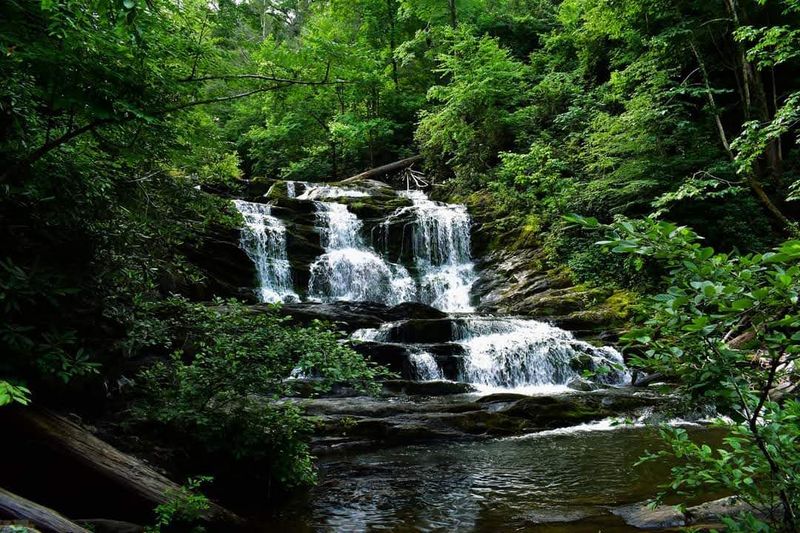
Conasauga Falls rewards hikers with a peaceful forest waterfall experience that feels worlds away from crowded tourist attractions. The Forest Service maintains Trail #170, which leads about 1.5 miles round-trip through quiet woodland to reach the falls. This shorter distance makes it accessible for families or anyone wanting a taste of wilderness without committing to an all-day adventure.
The trail follows Conasauga Creek through typical East Tennessee forest—mixed hardwoods, rhododendron thickets, and rocky creek banks that shift with each season. Spring brings wildflowers and rushing water, while fall paints the canopy in warm colors that reflect beautifully in the creek’s pools. Even summer, typically the driest season, maintains enough flow to keep the falls interesting.
What makes Conasauga special is its combination of accessibility and genuine quiet. Despite the relatively easy hike, you won’t encounter tour buses or paved overlooks here. The Forest Service keeps development minimal, preserving the area’s natural character while still marking the trail clearly enough for confident navigation.
The waterfall itself spills over layered rock in a way that creates multiple small cascades and pools. Depending on recent rainfall, the character changes from a gentle tumble to a more vigorous rush. Either version offers a pleasant destination, with rocks around the base providing good spots to sit and enjoy lunch or just listen to the water.
Because Tellico Plains sits slightly off the main tourist routes, even its easier trails like Conasauga tend to stay quieter than comparable hikes near Gatlinburg or other heavily visited areas. That relative obscurity means you might share the trail with only a handful of other hikers, even on nice weekends. The parking area is small and unmarked in typical Forest Service fashion, so pay attention to directions and don’t expect fancy facilities.
What you lose in amenities, you gain in authentic mountain atmosphere and the satisfaction of finding a beautiful spot that hasn’t been loved to death by Instagram crowds.
7. Slave Falls — Jamestown
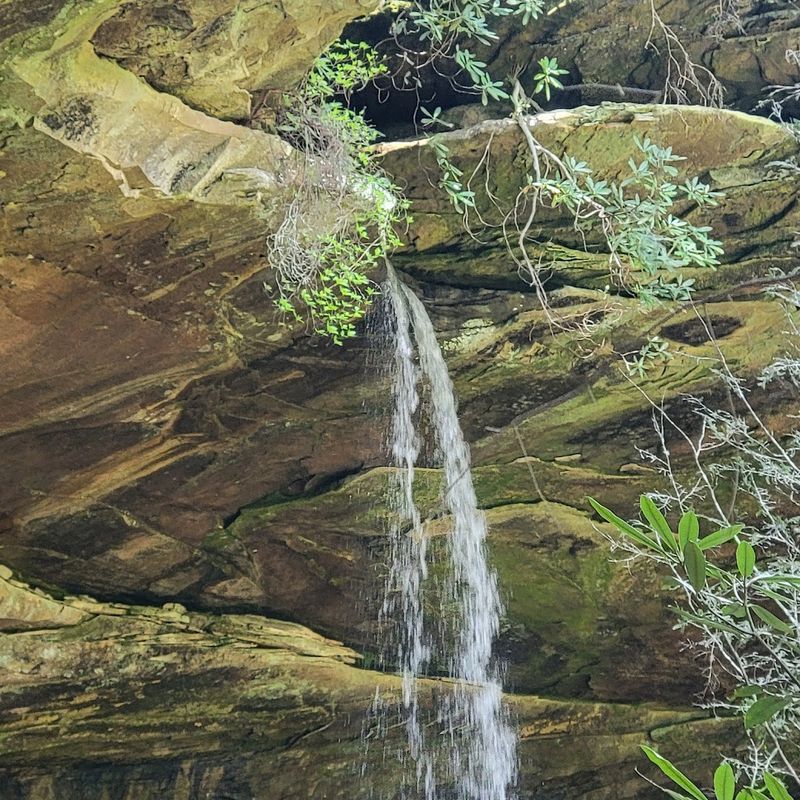
Slave Falls carries a name that speaks to Tennessee’s complex history, tucked into the landscape near Jamestown where the Cumberland Plateau creates dramatic terrain. This waterfall doesn’t advertise itself with highway signs or visitor centers, which means finding it requires some local knowledge or careful research. The reward for that effort is a cascade that feels genuinely undiscovered, a place where you can experience nature without competing for space.
The surrounding area showcases the rugged beauty typical of the Cumberland Plateau—rocky gorges, dense forest, and creeks that cut deep channels through ancient stone. Slave Falls fits perfectly into this landscape, with water tumbling over rock ledges in a way that reveals the geology beneath. Each layer of stone tells a story millions of years old, though the falls themselves constantly reshape the scene with erosion and flow.
Getting to Slave Falls typically involves hiking through forest that feels genuinely wild, without the manicured trails or safety railings found at more developed sites. The path might be unofficial or minimally maintained, so good boots and a sense of adventure prove essential. Bring a downloaded map or GPS coordinates, since cell service can be spotty in these remote areas.
Spring offers the most dramatic water flow, when snowmelt and seasonal rains swell the creeks to their fullest. The falls roar with power during these months, creating mist and sound that fill the gorge. Summer and fall bring lower water levels but also easier hiking conditions and fewer bugs, making them good alternatives if you don’t mind a gentler waterfall.
What sets Slave Falls apart is its genuine remoteness and the sense that you’re discovering something special. This isn’t a waterfall that’s been photographed a million times or featured in every guidebook. It’s a place that requires effort to reach and rewards that effort with solitude and natural beauty that feels increasingly rare in our crowded world.
8. Northrup Falls — Colditz Cove State Natural Area, Jamestown
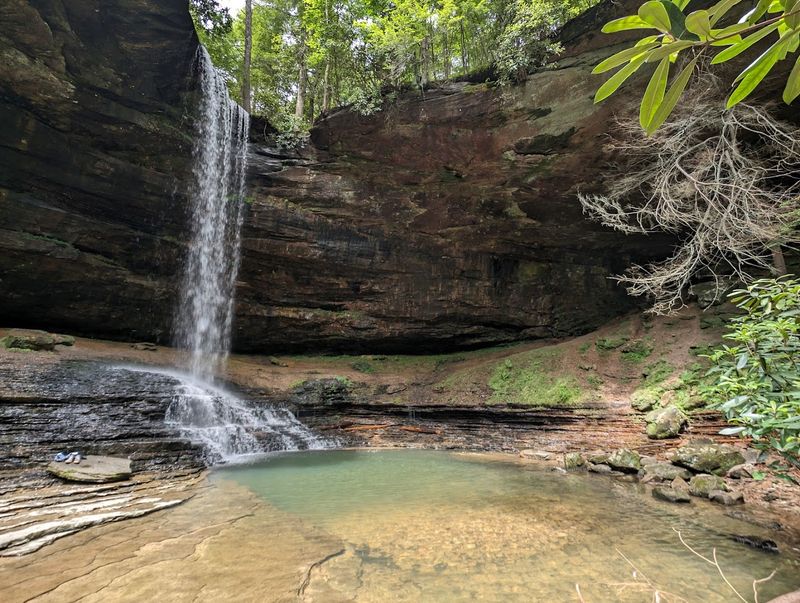
Northrup Falls plunges more than 60 feet into a narrow gorge carved by Big Branch Creek, creating one of those waterfall scenes that feels almost too perfect to be real. The falls sit inside Colditz Cove State Natural Area, a 165-acre protected space that keeps development and crowds to a minimum. That designation means the area maintains its wild character, with trails that follow natural contours rather than engineered paths.
The gorge itself deserves as much attention as the waterfall, with steep walls that rise on both sides and create a sense of being deep inside the earth. Moss and ferns cling to the rocks where spray keeps them perpetually damp, adding layers of green to the already lush landscape. In spring, wildflowers dot the forest floor, while fall brings a spectacular color show to the hardwood canopy overhead.
Reaching Northrup Falls requires a hike through the natural area, though the distance and difficulty vary depending on which route you take. The trails aren’t heavily maintained or marked like state park paths, so bring good navigation skills and don’t rely solely on your phone. The reward for this extra effort is a waterfall experience that feels genuinely remote, even though you’re not that far from civilization.
Water flow changes dramatically with the seasons and recent rainfall. After heavy storms, the falls transform into a thundering cascade that fills the gorge with mist and sound. During drier periods, the flow becomes more modest but no less beautiful, revealing more of the rock layers and creating a different kind of scene.
The natural area designation means you won’t find bathrooms, picnic tables, or other developed facilities. What you will find is a protected slice of Tennessee wilderness where native plants and animals thrive without excessive human interference.
9. Stinging Fork Falls — Spring City
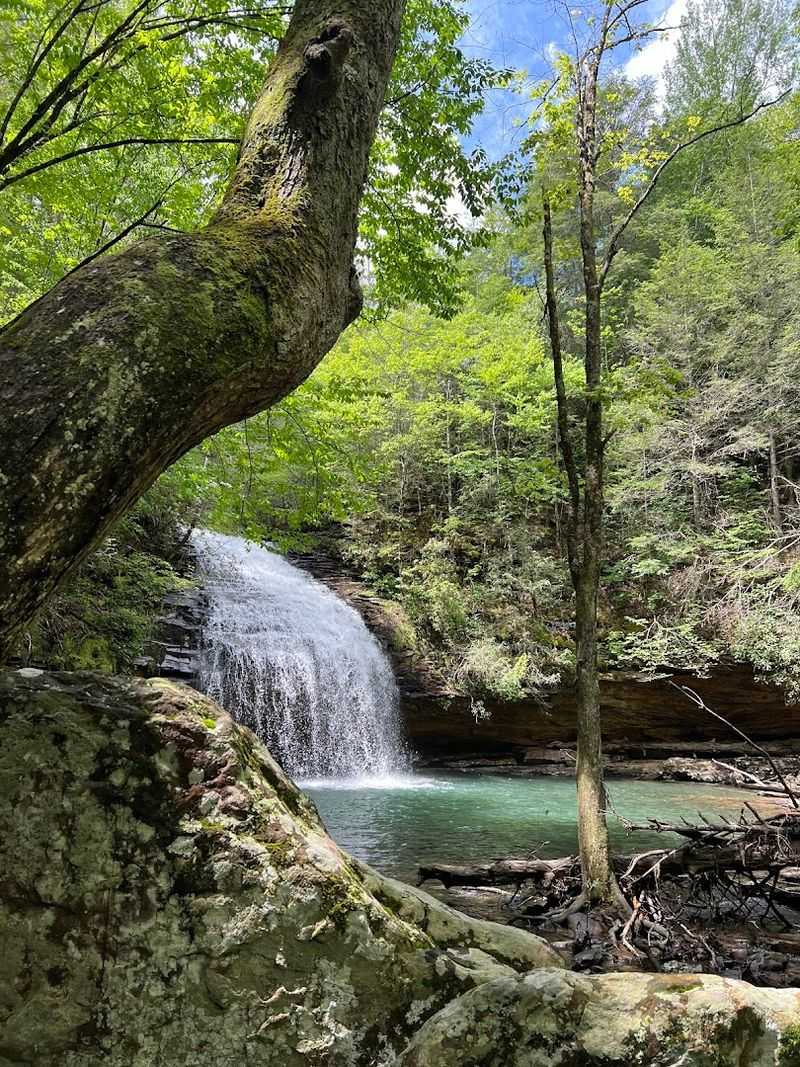
Stinging Fork Falls gives its name to a 783-acre natural area that protects one of the Cumberland Plateau’s more dramatic gorge systems. The waterfall itself drops about 30 feet, with water fanning out over the rock face before continuing downstream through a series of chutes and smaller cascades. This creates a scene that’s less about one dramatic drop and more about the entire creek’s journey through the gorge.
The natural area designation keeps this place feeling genuinely wild, with minimal development and trails that follow old footpaths rather than engineered routes. You’ll hike through a forest that shows little sign of human impact, with native plants thriving and wildlife moving freely. The gorge walls rise steeply on both sides, creating that enclosed feeling that makes you forget how close you might be to roads or towns.
Spring City sits just off the plateau’s edge, making it a convenient base for exploring Stinging Fork and other nearby natural areas. The waterfall runs year-round thanks to the creek’s reliable flow, though spring brings the most dramatic volume. After heavy rain, the falls transform into a powerful display that fills the gorge with mist and noise.
The hike to reach Stinging Fork Falls challenges you enough to feel rewarding without requiring technical skills or extreme fitness. Rocky sections demand attention and good boots, while some parts might be muddy depending on recent weather. The trail isn’t heavily used compared to more famous Tennessee waterfalls, so you’ll likely enjoy plenty of solitude even on nice weekends.
What makes Stinging Fork special is the entire gorge system, not just the waterfall itself. The creek continues downstream through more chutes and cascades, creating multiple spots worth exploring if you have time and energy. The protected status ensures this area stays wild and undeveloped, preserving its rugged character for those willing to seek it out and appreciate it on nature’s terms.
10. Piney Falls — Grandview
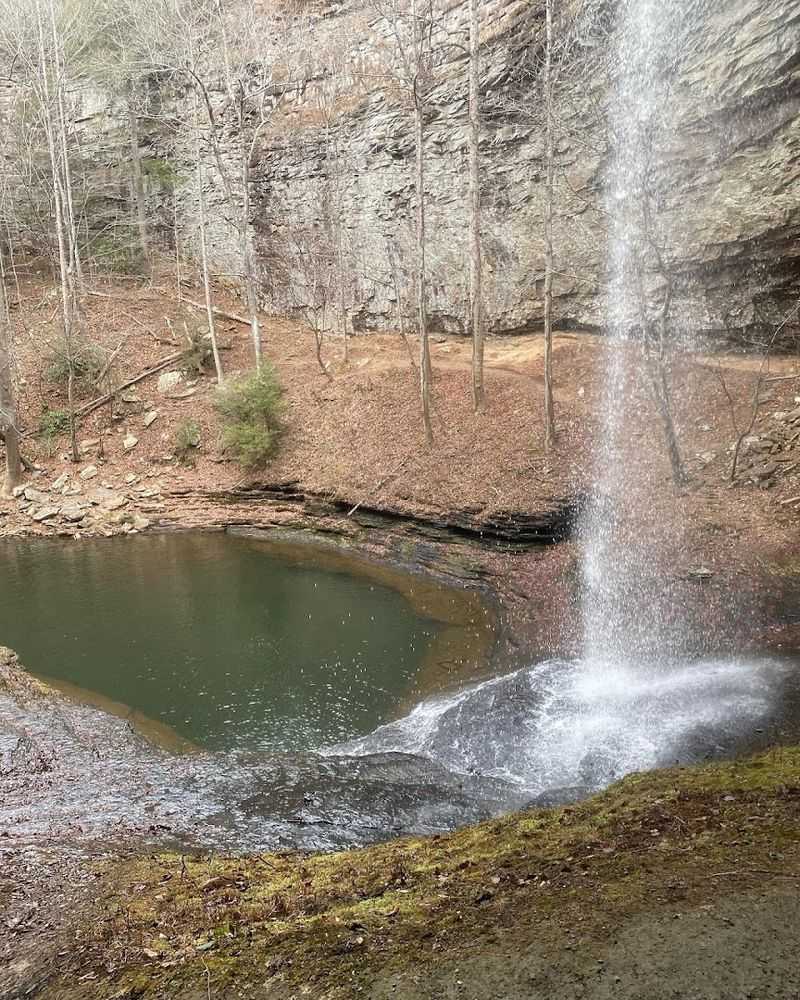
Piney Falls sits inside an 818-acre natural area where Little Piney Creek and Soak Creek have carved deep gorges into the Cumberland Plateau over countless centuries. This is Tennessee wilderness at its finest, protected from development and preserved for those who appreciate wild places.
The waterfall itself drops into one of these deep gorges, creating a scene that feels almost primordial. Moss-covered rocks, ferns clinging to cliff faces, and the constant sound of water create an atmosphere that’s both peaceful and powerful. The gorge walls rise steeply on both sides, and depending on the season, you might see icicles forming along the wet rock faces in winter or wildflowers blooming in spring.
Getting to Piney Falls requires a hike that’s challenging enough to filter out the casual crowd but not so difficult that it requires technical skills. The trail descends into the gorge, which means you’ll face a climb on the way back out—something to remember when planning your energy levels. Rocky sections and occasional muddy spots make good boots essential, and trekking poles help on the steeper parts.
The natural area protects more than just the waterfall, preserving entire ecosystems that include rare plants and animals. This protection means you won’t find developed facilities or paved trails, just nature doing its thing with minimal human interference. That wildness is exactly the point, creating spaces where native species thrive and visitors can experience what Tennessee looked like before widespread development.
Piney Falls rewards visitors who appreciate genuine wilderness over convenience. There’s no easy parking lot overlook or wheelchair-accessible viewing platform here—just a beautiful waterfall at the end of a real hike through protected forest. That extra effort creates a more meaningful experience, one where you earn the view through your own physical effort and engagement with the landscape.
11. Machine Falls — Short Springs State Natural Area, Tullahoma
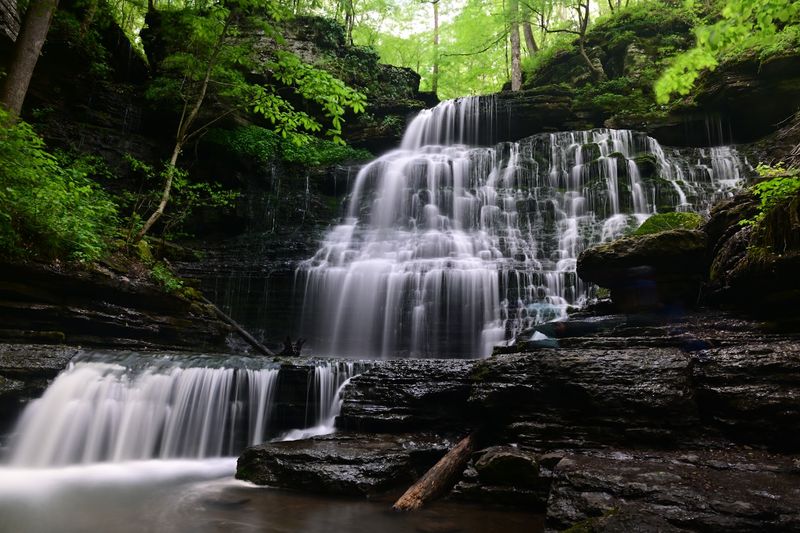
Machine Falls drops more than 60 feet inside Short Springs State Natural Area, where a wet escarpment creates ideal conditions for waterfalls and the rare plants that thrive in constant moisture. The natural area also protects Upper and Lower Busby Falls, making this a waterfall-rich destination that rewards explorers with multiple cascades.
The escarpment itself is a geological feature where water seeps constantly from the rock layers, creating waterfalls, springs, and perpetually damp conditions. This microclimate supports plant species that can’t survive in drier areas, making the natural area important for biodiversity as well as scenic beauty. Ferns, mosses, and other moisture-loving plants carpet the rocks and create layers of green year-round.
Machine Falls sits as the centerpiece of this system, with water tumbling over multiple rock ledges in a way that changes character with the seasons. Winter can bring spectacular ice formations when the spray freezes on surrounding rocks and vegetation. Spring delivers maximum water volume, while summer and fall offer easier hiking conditions even if the falls run a bit lower.
The trails through Short Springs aren’t heavily developed or maintained like state park paths, keeping the experience feeling more adventurous and less touristy. You’ll hike through forest and along creek valleys, with occasional steep or rocky sections that demand attention. The natural area designation means minimal facilities—no bathrooms, visitor centers, or concession stands to interrupt the wilderness feel.
What sets Machine Falls apart is its location within this larger natural area system, where multiple waterfalls and unique geology create something special. You could spend an entire day exploring the different falls and springs, or focus on just Machine Falls if time is limited. Either way, you’ll experience a protected slice of Tennessee that showcases what the landscape offers when left wild and undeveloped.
12. Greeter Falls — Savage Gulf State Park, Altamont
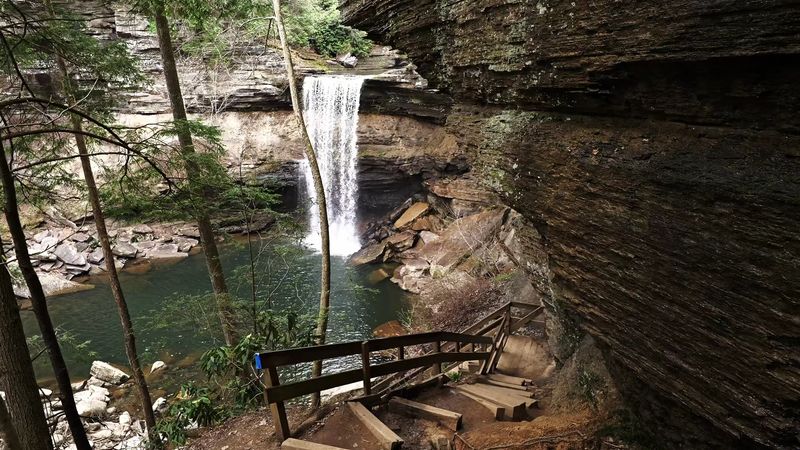
Greeter Falls might be better known than some waterfalls on this list, but Savage Gulf’s nearly 19,000 acres of rugged wilderness keep it feeling remote and special. Tennessee State Parks describes Savage Gulf as one of the state’s most scenic wilderness areas, with sandstone cliffs, deep canyons, countless waterfalls, and a vast trail system that could keep you busy for days. Greeter Falls serves as one highlight in this remarkable landscape.
The waterfall drops in two tiers, with the upper falls visible from an overlook and the lower falls requiring a descent into the gorge. Both perspectives offer different experiences—the overlook provides a safer, easier view perfect for families or anyone with mobility concerns, while the lower falls reward the hike down with a closer, more immersive encounter. The gorge itself features the sandstone cliffs and rock formations that make the Cumberland Plateau so geologically interesting.
Getting to Greeter Falls involves hiking through forest that showcases the biodiversity and natural beauty Savage Gulf protects. The trail system connects to longer routes that explore the broader wilderness area, so you could easily extend your adventure if you have time and energy. Spring brings wildflowers and maximum water flow, while fall decorates the forest in spectacular colors.
Despite being more well-known, Greeter Falls still avoids the crushing crowds that plague some Tennessee waterfalls. The vast size of Savage Gulf spreads visitors across many trails and destinations, and the genuine wilderness character filters out those seeking only quick, easy experiences. You’ll likely encounter other hikers, but nothing like the parking lot chaos at places like Cummins Falls on busy weekends.
What makes Greeter Falls special is its role as gateway to the larger Savage Gulf wilderness. The waterfall itself is beautiful, but it’s also an introduction to a remarkable landscape that deserves extended exploration. Come for the falls, but stay to experience the canyons, cliffs, and wild character that make this area one of Tennessee’s true outdoor treasures.
13. Savage Falls — Savage Gulf State Park, Beersheba Springs
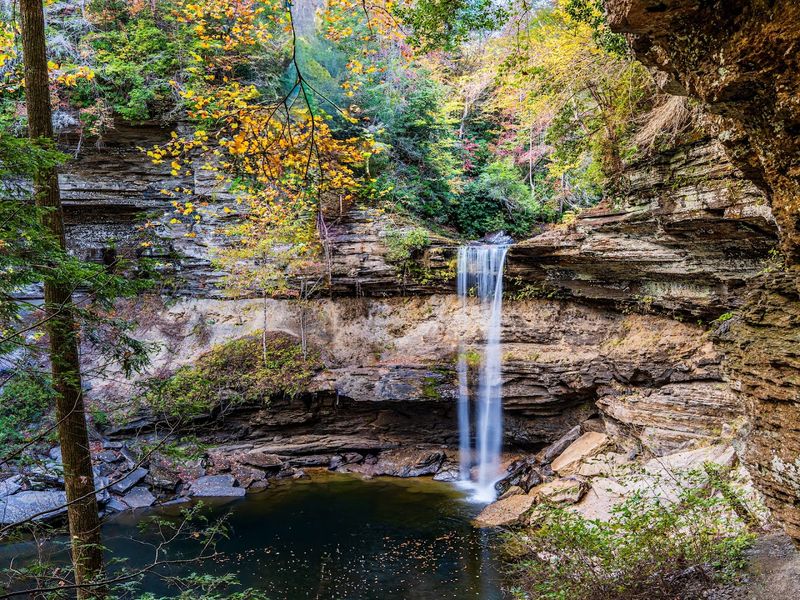
Savage Falls offers a quieter alternative within the same wild Savage Gulf landscape that draws adventurers to this corner of Tennessee. While Greeter Falls gets more attention, Savage Falls rewards those who venture deeper into the wilderness with a waterfall experience that feels more remote and less traveled. The same rugged canyons and sandstone cliffs define the setting, but the longer approach keeps the crowds thinner.
Savage Falls sits within this vast system, accessible via trails that wind through old-growth forest and along canyon rims with spectacular views. The hike requires more commitment than a quick roadside stop, which is exactly why it stays special.
The waterfall itself drops into a canyon setting that showcases the geological forces that shaped this region. Layers of sandstone create the cliffs and ledges, while creeks have carved deep channels over millions of years. The result is a landscape that feels ancient and powerful, where human presence registers as temporary and small against the timescale of rocks and water.
Spring and winter offer the most dramatic water flow, though the falls typically run year-round thanks to the reliable creek system. Ice can form in winter, creating spectacular frozen formations that transform the scene into something otherworldly. Summer brings lower water levels but also more comfortable temperatures for the longer hike required to reach the falls.
What sets Savage Falls apart is the genuine wilderness experience surrounding it. This isn’t a waterfall you visit casually between other activities—it’s a destination that demands intention and effort. The trails aren’t paved or heavily developed, the approach isn’t quick or easy, and you won’t find crowds competing for selfie spots.
What you will find is a beautiful waterfall in a protected wilderness that reminds you why places like Savage Gulf matter and deserve preservation for future generations to discover and appreciate.
Share this story